Copper is a pure metal, which means that all items made from copper share similar properties. Brass, on the other hand, is an alloy made from copper, zinc, and sometimes other metals. There are hundreds of different combinations, so there is no simple and clear-cut method that works for identifying all types of brass. However, brass can almost always be distinguished from copper by its color.
Identification by Color
Step 1. Clean the Metal if Necessary.
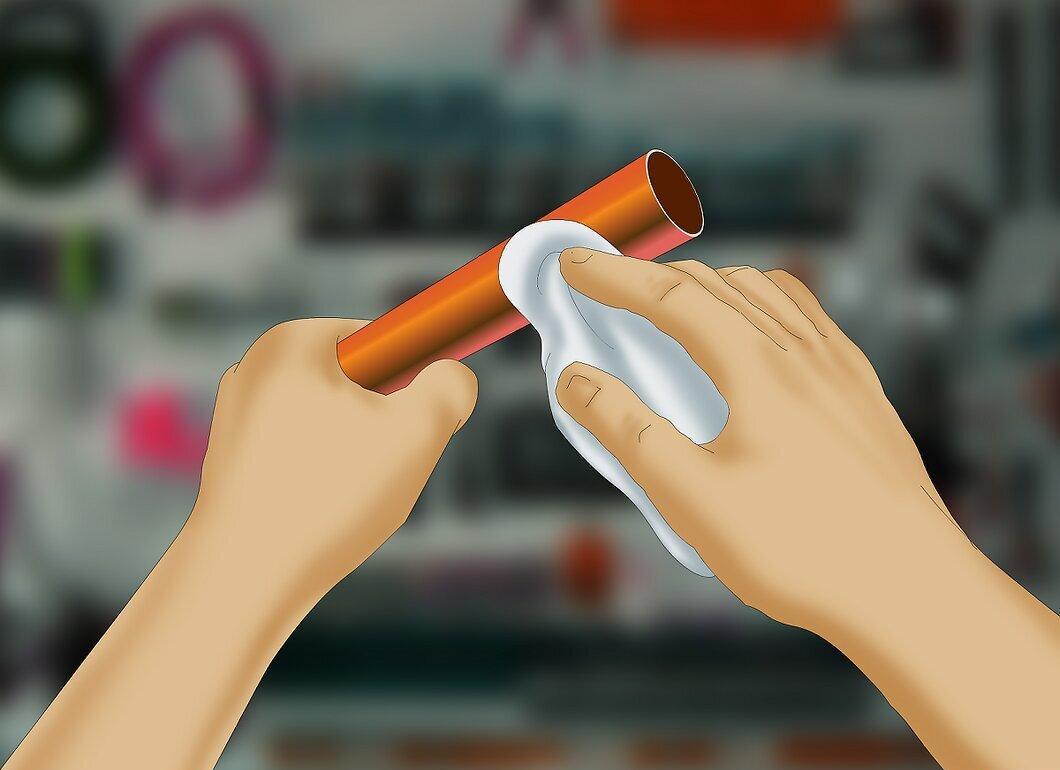
Clean the metal if necessary. Both brass and copper can develop a patina over time, which is usually green but can also be other colors. If the surface of the clean metal is not visible, try using a cleaning method for brass items. This method works for cleaning both metals, but for best results, it's better to use commercial cleaners specifically designed for brass and copper.
Step 2. Examine the Metal Under White Light.
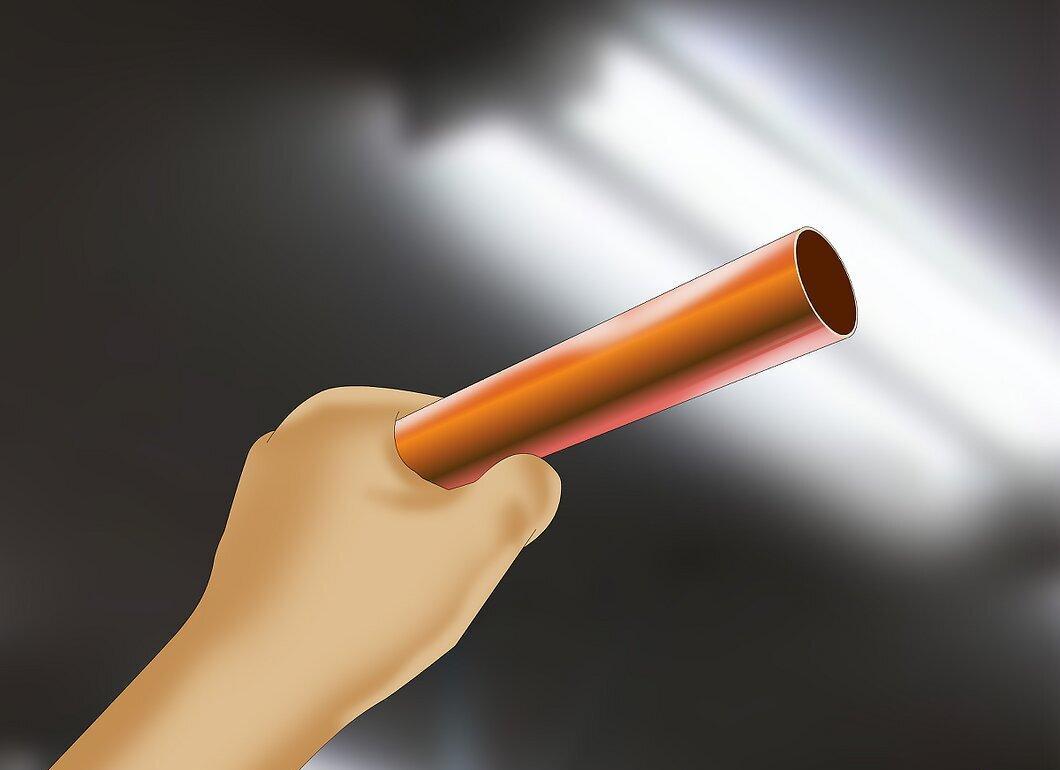
Look at the metal under white light. If the metal is well-polished, you will be able to see false colors in the reflected light. Examine the metal under sunlight or a white fluorescent lamp, but avoid yellow incandescent light.
Step 3. Identify the Reddish Color of Copper.
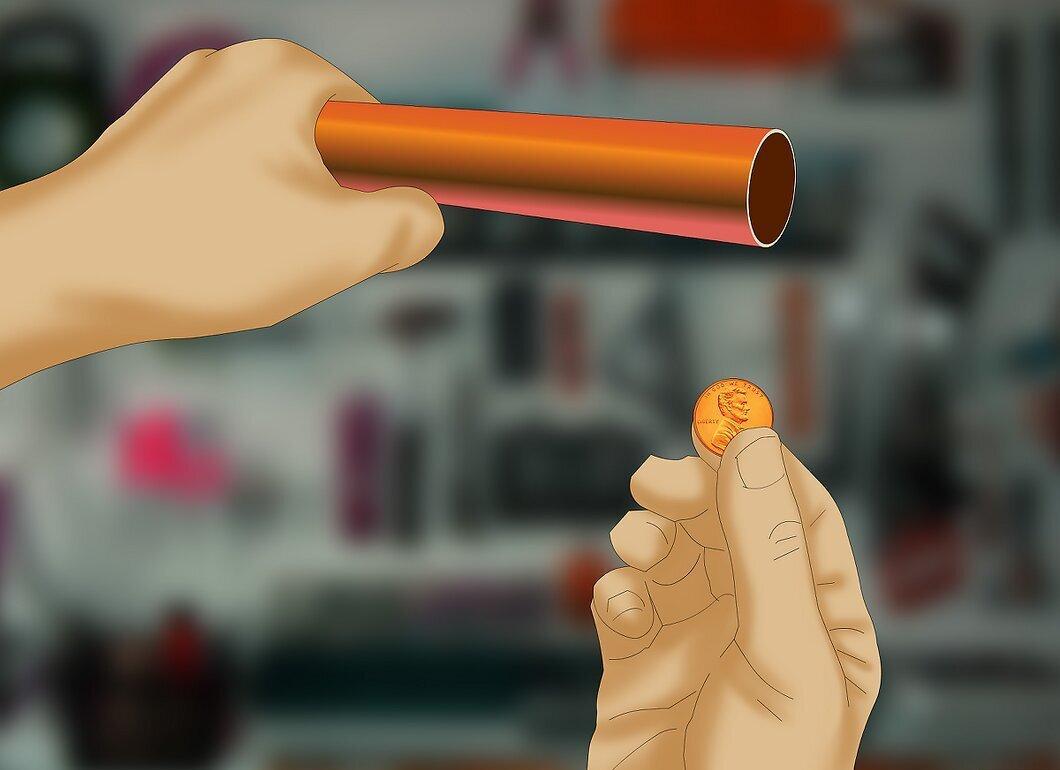
Identify the reddish tint of copper. Copper is a pure metal that always has a reddish-brown hue.
Step 4. Inspect Yellow Brass.
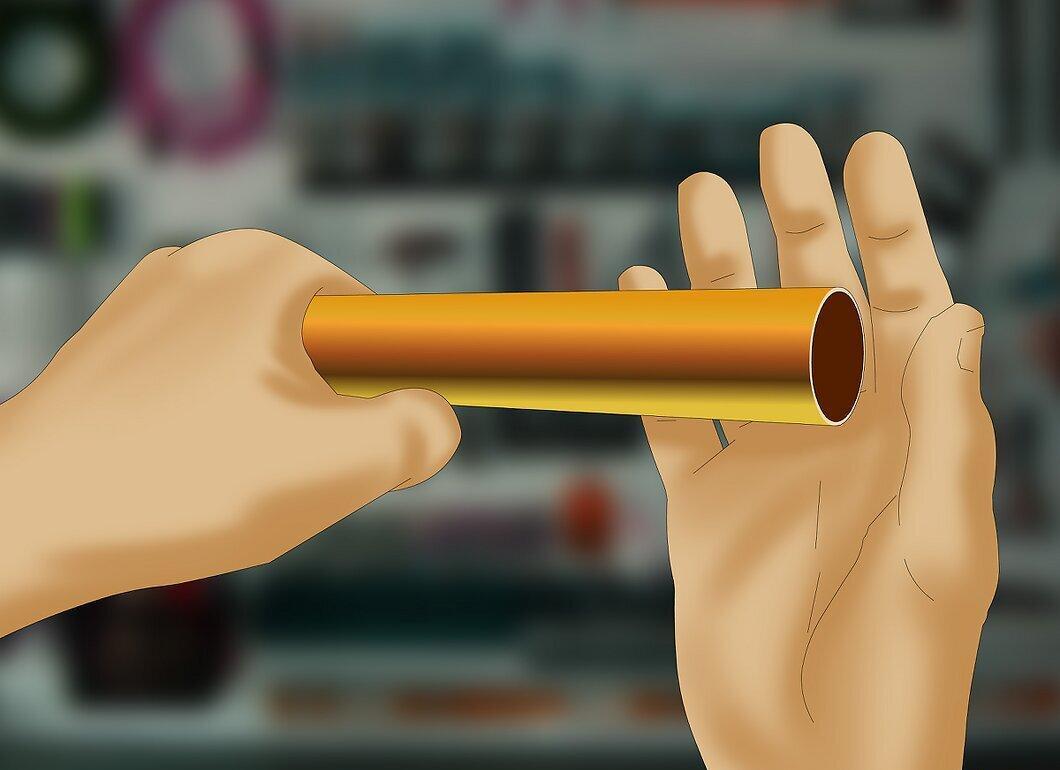
Inspect yellow brass. Brass refers to any alloy that contains copper and zinc. These metals can be present in various proportions, resulting in different shades. However, the most common brass has a muted yellow or yellow-brown color (similar to bronze). Brass is widely used in various mechanical parts and machines and is also used to make screws. Additionally, modern Russian coins of 10 and 50 kopecks are made entirely of brass or coated with it.
- Some types of brass have a greenish-yellow tint, but this alloy, known as tombak, is used only for specific purposes (in jewelry and ammunition).
Step 5. Consider that There are Red or Orange Brasses.
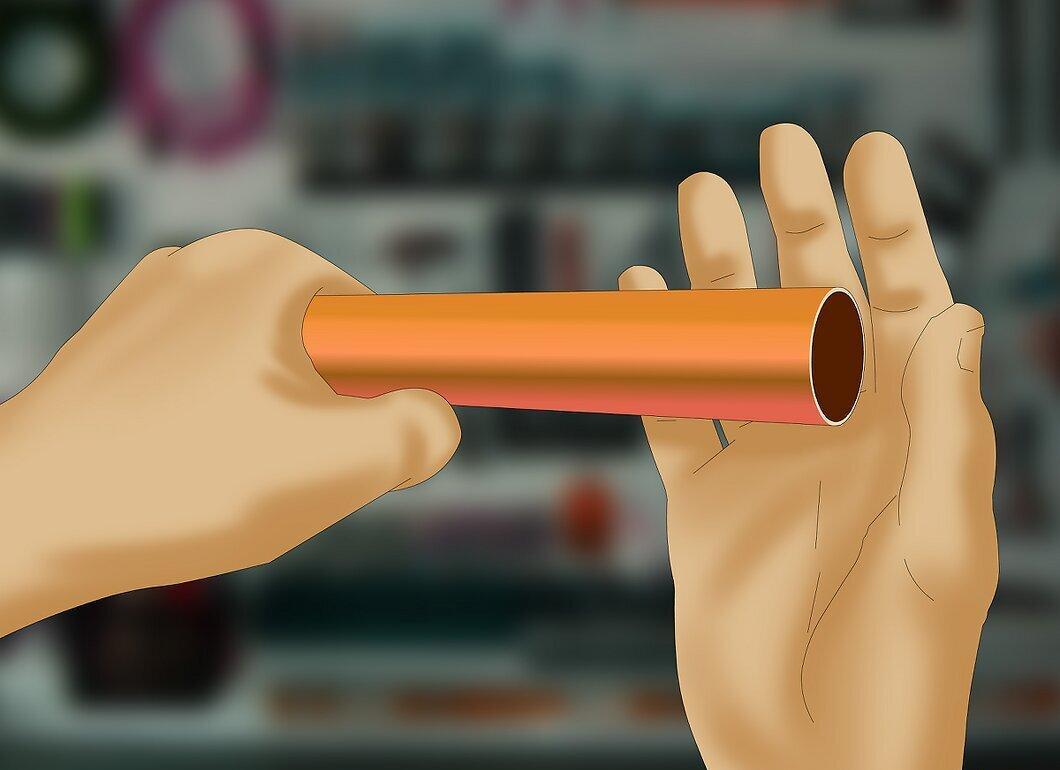
Be aware that there are red or orange brasses. Many common brasses containing at least 85% copper have an orange or reddish tint. These brasses are often used in jewelry, decorative fasteners, and plumbing pipes. An orange, yellow, or golden hue indicates that you are looking at brass rather than copper. If any brass consists almost entirely of copper, you may need to compare it with a copper pipe or piece of jewelry. If you're still unsure after such a comparison, then you are likely looking at either copper or brass with such a high copper content that the difference is negligible.
Step 6. Identify Other Types of Brass.
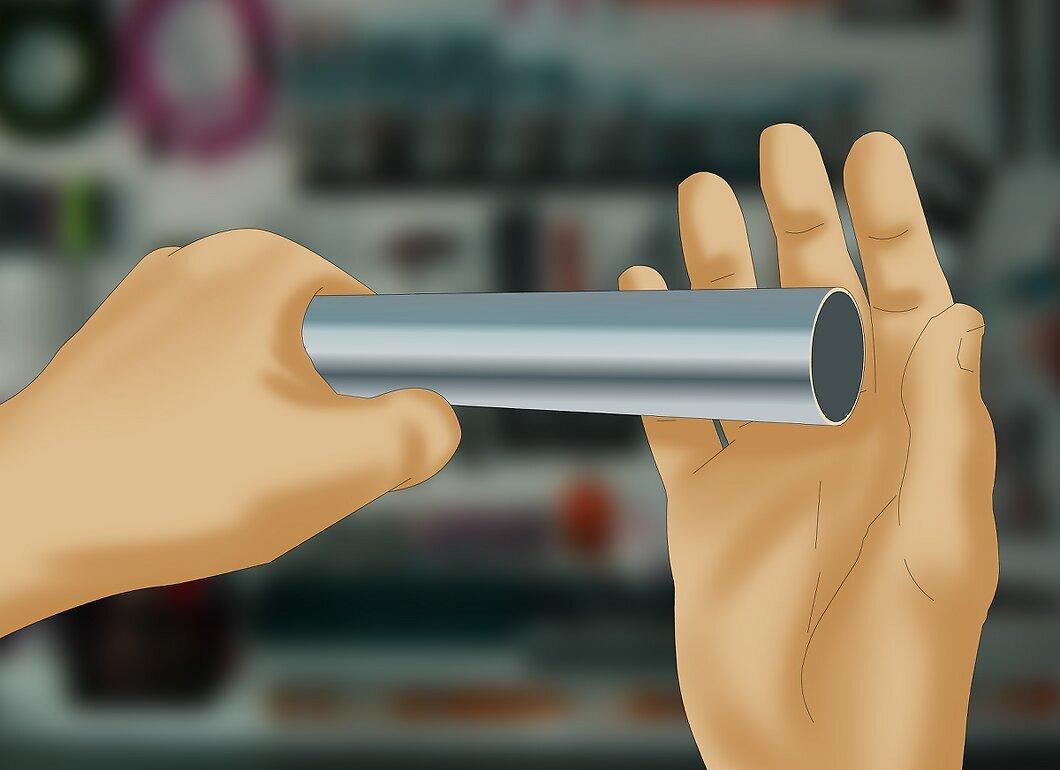
Identify other types of brass. Brass with a high zinc content has a light golden, yellowish-white, or even white or gray color. Such types of brass are rare because they are not easily machinable, but they can still be found in jewelry.
Other Methods
Step 1. Tap the Metal and Listen to the Sound.
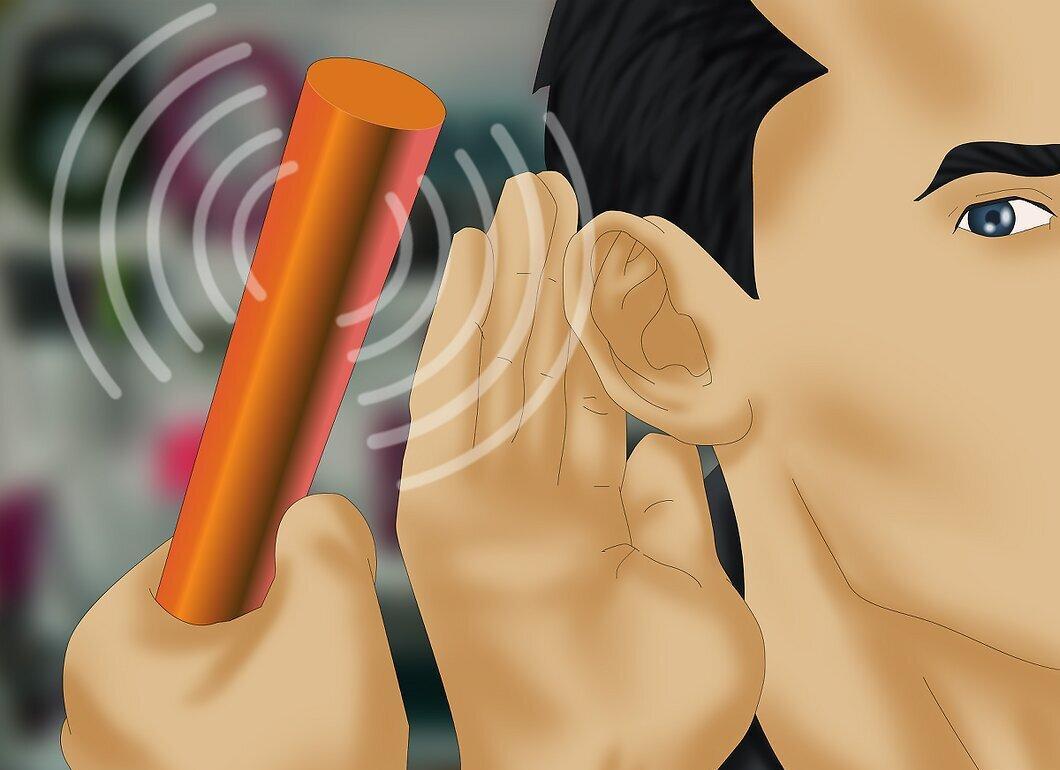
Tap the metal and listen to the sound. Since copper is quite a soft metal, tapping it will produce a dull, low sound. In a similar experiment conducted back in 1867, the sound of copper was described as “dull,” while brass produced a “clear ringing sound.” It may be difficult to discern this difference without proper experience, but this skill can be useful in antique collecting or scrap metal gathering.
- This method works best for checking large, thick metal objects.
Step 2. Look for Special Markings on the Metal.
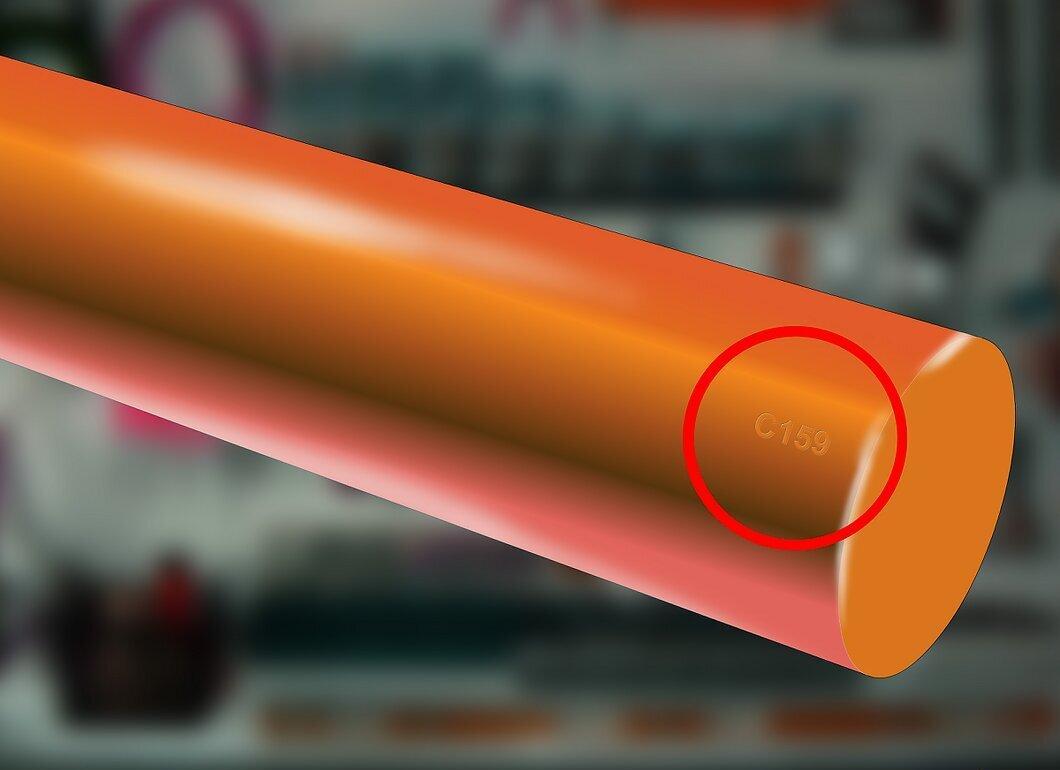
Look for special markings on the metal. Brass is often marked with specific labels that typically start with the letter “L.” If you find a marking that starts with this letter, you are likely looking at brass, not copper. Copper is often unmarked, but if you find a marking, follow these guidelines:
- In Russia, copper markings start with the letter “M,” followed by numbers, while brass markings start with the letter “L,” followed by letters and numbers.
- According to the UNS system used in North America, brass markings start with C2, C3, or C4, or fall between C83300 and C89999. Copper is marked with designations ranging from C10100 to C15999, as well as C80000–C81399. The last two digits are often omitted.
- In Europe, both brass and copper are marked with the letter C. Brass designations end with the letters L, M, N, P, or R, while copper markings end with A, B, C, or D.
- Older markings may not conform to these rules. According to some old European standards (which were used until relatively recently), markings consisted of element designations followed by their percentages. Under this marking system, anything containing the symbols Cu and Zn is considered brass.
Step 3. Check the Hardness of the Metal.
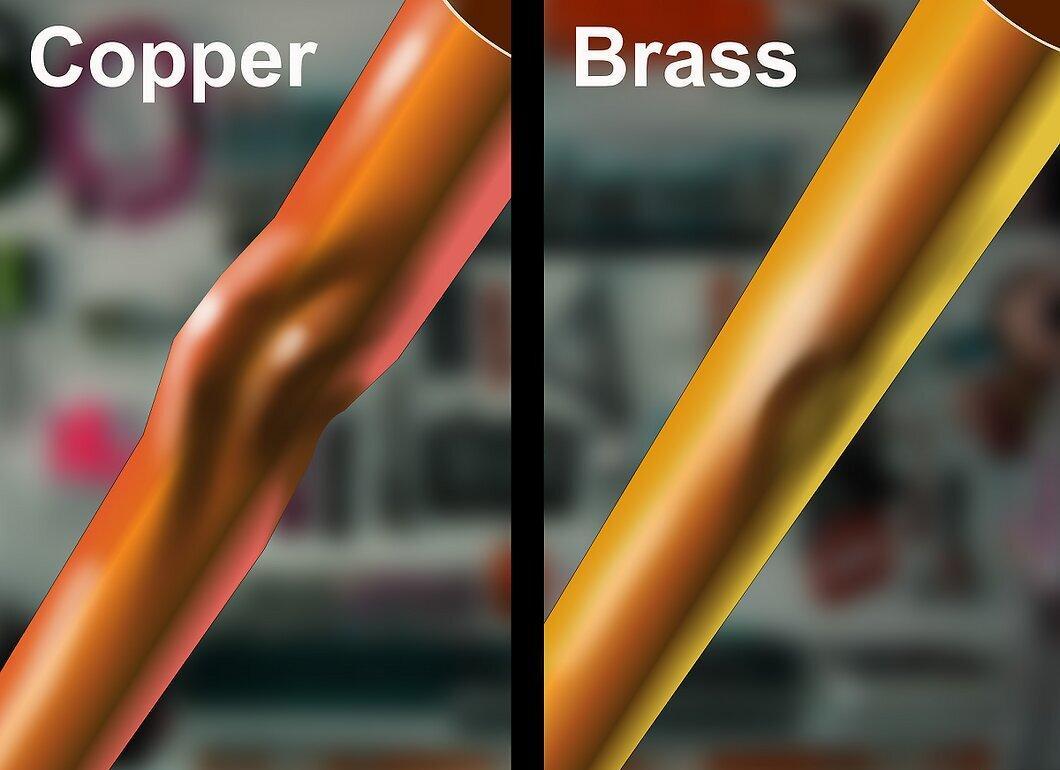
Check the hardness of the metal. This test is usually not very useful since brass is only slightly harder than copper. After certain treatments, copper can be particularly soft, and in such cases, it can be scratched with a 10 or 50 kopeck coin (which has a brass surface). However, in most cases, scratches will appear on both copper and brass.
- Copper bends more easily than brass, but the difference is also minimal (and difficult to detect without damaging the item).