Ivory comes from the tusks and teeth of elephants, whales, and other animals. It is highly valued, especially since its production from certain sources, like elephant tusks, is now illegal. Artisans and manufacturers use synthetic ivory to create carvings and other items that look and feel like real ivory, but there are ways to determine the authenticity of the material if you know what to look for. This article will discuss how to distinguish ivory from regular bone.
Method One: Identify the Signature Texture and Color of Ivory
Step 1. Hold the item in your hand and feel its weight.
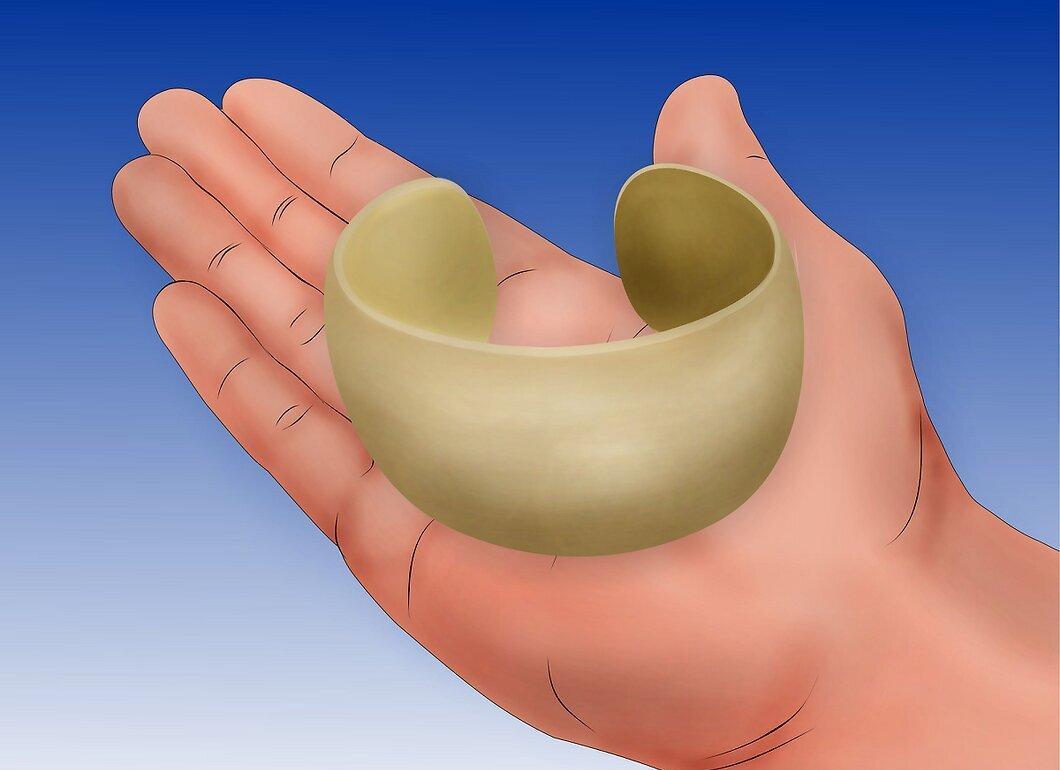
Hold the item in your hand and feel its weight. Ivory feels heavy and dense. Compare it to the weight of a billiard ball, which used to be made from ivory. When you hold the ball, it feels substantial and sturdy. If the material seems suspiciously light, you can confidently say it is not ivory.
- Regular bone can weigh the same as ivory, so if the material feels heavy and solid, you can't be 100% sure it's ivory.
- If you're uncertain whether the item is genuinely massive, weigh it and compare it with a similar ivory piece. The internet is a great place to find dimensions and weights of ivory items.
Step 2. Touch the item with your fingers to determine its texture.
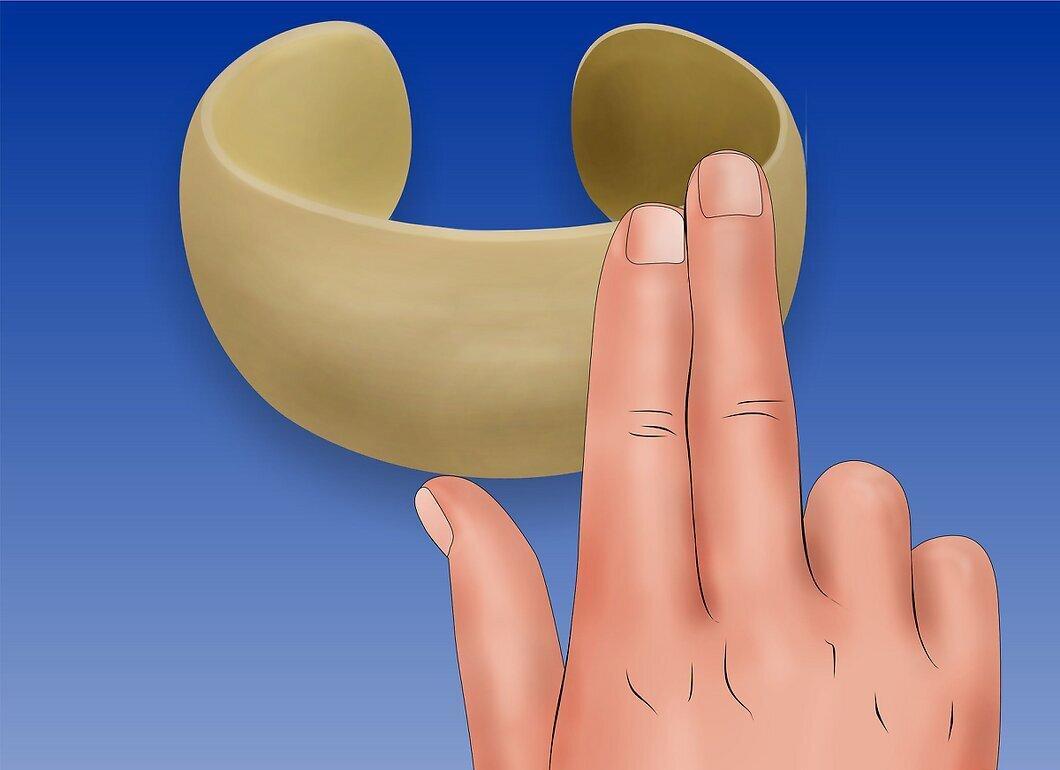
Touch the item with your fingers to determine its texture. Ivory is said to be as smooth as oil. While this isn’t entirely accurate, it can be easily carved into various shapes by skilled hands. If the surface of the item feels rough and uneven, it may not be ivory. If it seems incredibly smooth, you might be holding genuine ivory.
Step 3. Examine the patina and surface of the item with a magnifying glass.
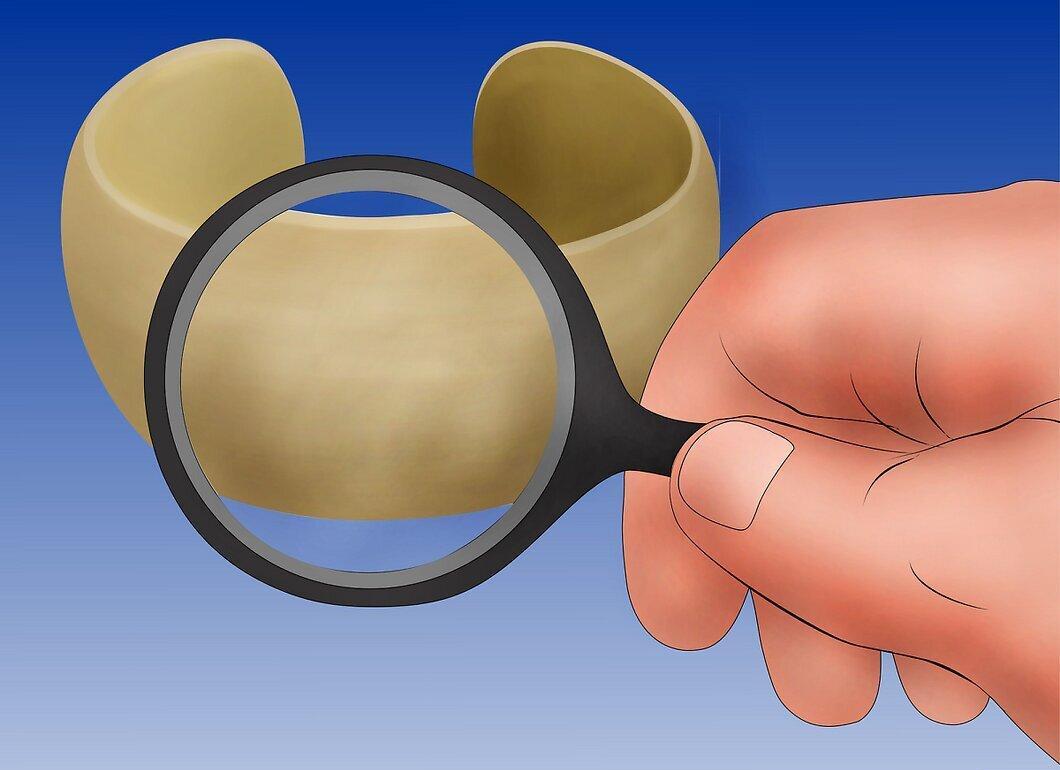
Examine the patina and surface of the item with a magnifying glass. While you can't always definitively tell if the item is ivory by looking through a magnifying glass, you can gather some clues about the material. Genuine ivory is glossy and beautiful, often with a yellowish tint. It may also have a brownish patina caused by the oils of the animals it has been around for years. However, if you find spots or other odd markings, there’s a good chance it’s not ivory. Look for the following identifiers:
- Cross-hatching lines. Ivory should have parallel lines (with slight irregularities) running along the length of the item. Perpendicular to these lines should be circular or V-shaped lines known as Schreger lines. These can be found in all elephant and mammoth bones.[1] X Source
- Are there a lot of dark spots and pits on the surface? If so, that’s a very good indicator that it’s regular bone. However, sometimes bone can be bleached, so continue looking for other signs to be sure.
- All bones have inclusions of bone marrow or small nicks on the surface. They may not be visible to the naked eye but are easily distinguishable with a magnifying glass. Ivory should be smooth, hard, and free of nicks on the surface.[2] X Source
Method Two: The Hot Needle Test
Step 1. Heat a straight pin.
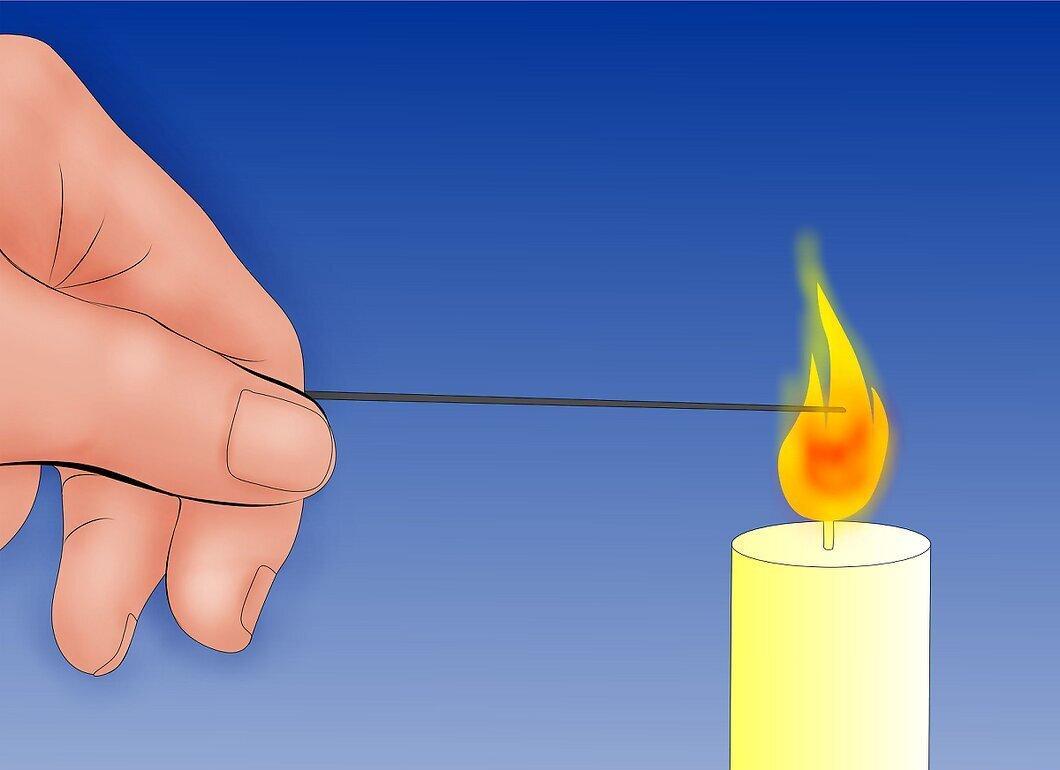
Heat a straight pin. Hold it over the flame of a candle or lighter for a few seconds until it gets hot. Of course, you can use any other metal object, but a pin is best as it won't leave a mark on the bone after your test.
Step 2. Touch the pin to the surface of the item.
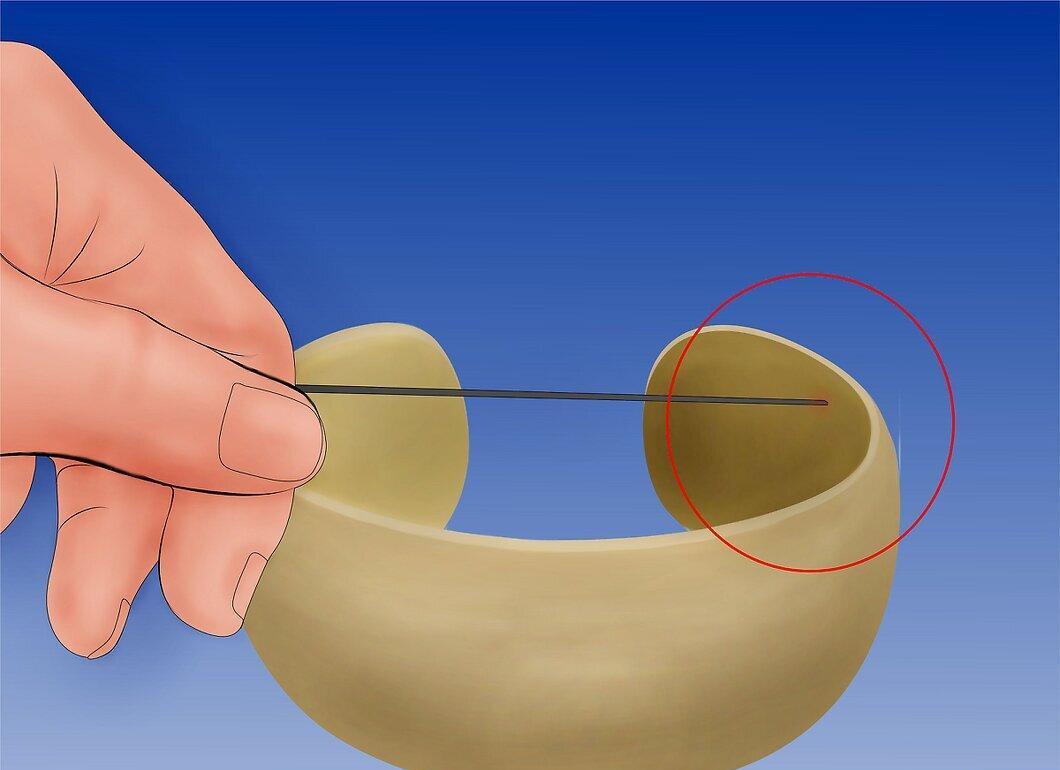
Touch the pin to the surface of the item. Choose an inconspicuous spot so that no mark or dent is left behind (although if the item is ivory, this shouldn't happen).
Step 3. Smell the spot where you touched the hot pin.
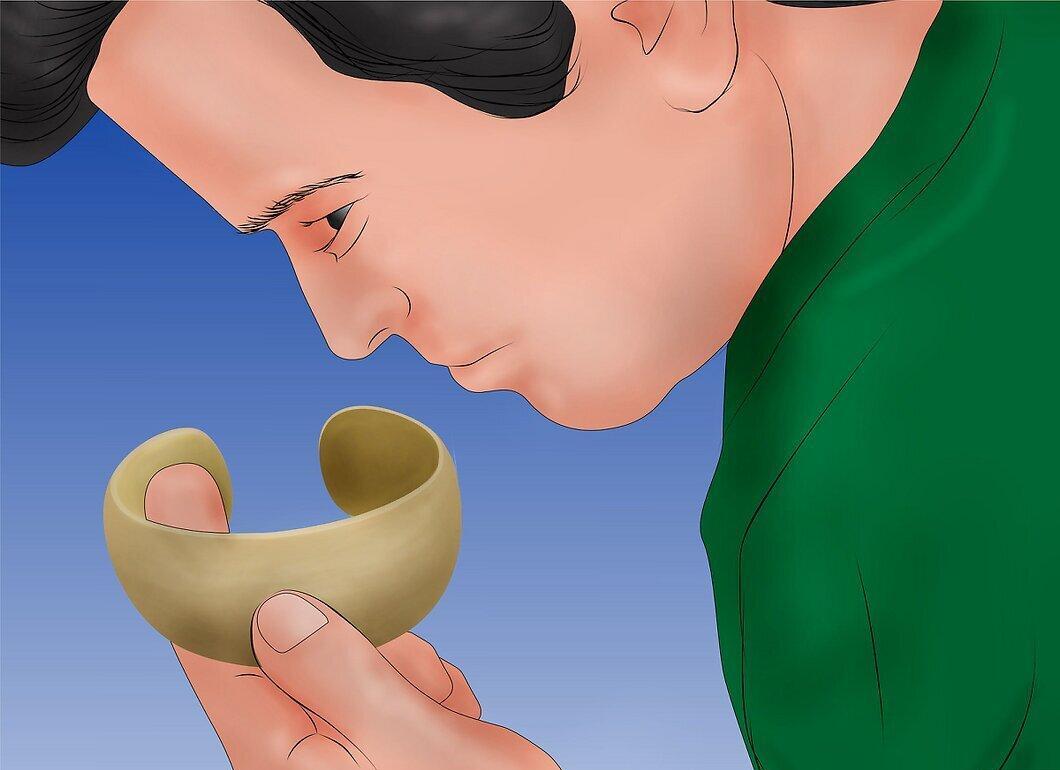
Smell the spot where you touched the hot pin. If the item is ivory, you shouldn’t smell anything. If it’s regular bone, you’ll detect a faint scent of burnt hair.
- Genuine ivory will not be damaged during this experiment as it is hard and strong enough to withstand the heat. However, if the item you’re examining is made of plastic, the hot pin will leave a small dent in it. Since some types of plastic are worth as much or even more than ivory itself, refrain from performing this test until you are absolutely sure your item is not plastic.
Method Three: Have the Item Inspected by an Expert
Step 1. Take the item to an appraiser.
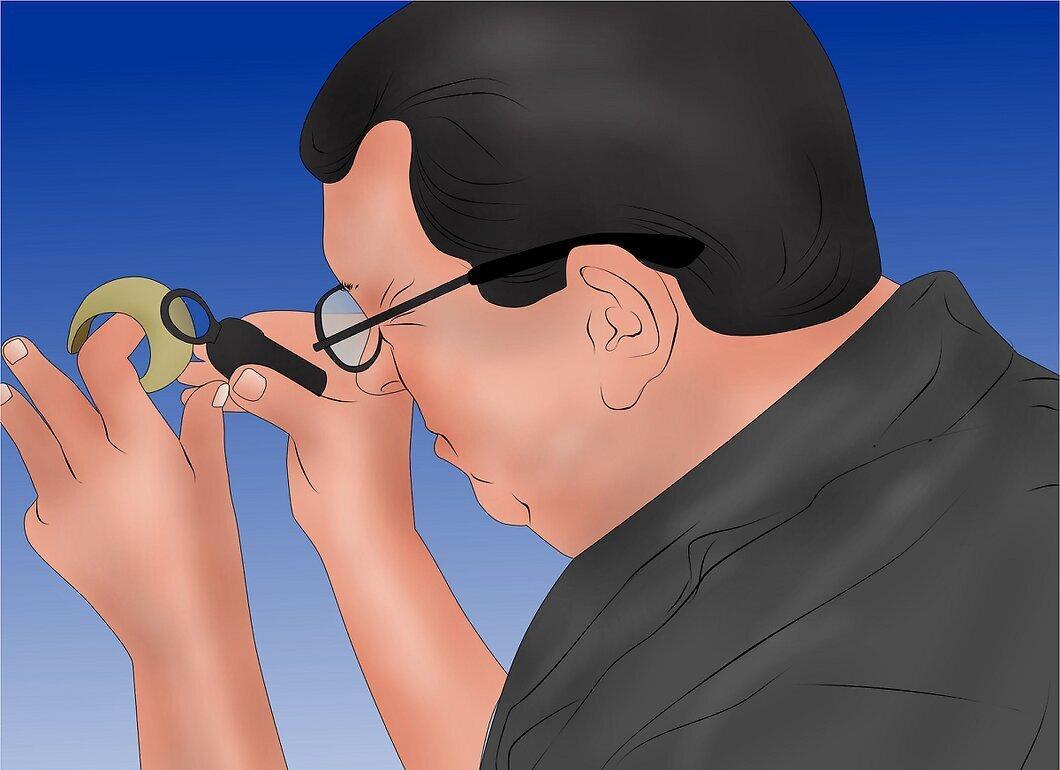
Take the item to an appraiser. Appraisers deal with hundreds, even thousands, of items made from ivory, bone, and plastic, and they are well-informed enough to determine the material of the item using the methods described above, as well as their own knowledge of the ivory trade.
- Find a reputable appraiser to evaluate the item. Don’t go to just any antique shop. Locate a place that specializes in ivory to ensure the information you receive will be accurate.
- Antique shows are a great place for your item to be appraised. Search online for information about when such a show will be taking place in your city.
Step 2. Have the item undergo chemical analysis.
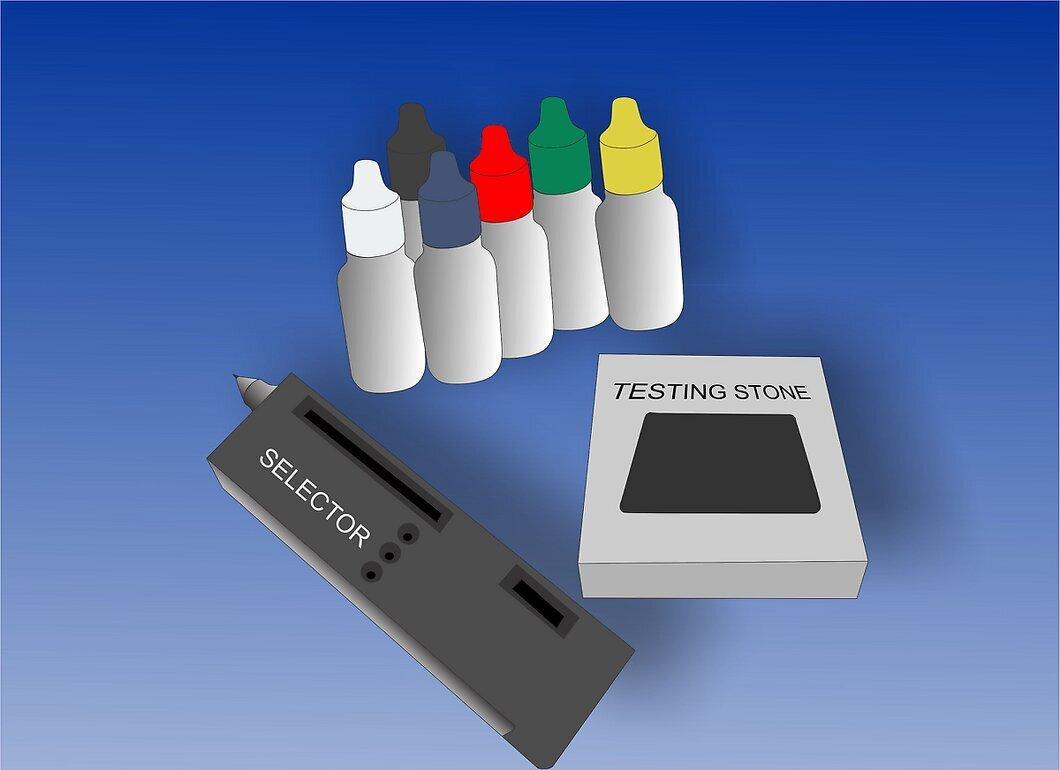
Have the item undergo chemical analysis. To eliminate all doubts about the composition of your item, send it to a forensic lab so that scientists can conduct a chemical analysis. The cellular structure of ivory differs from that of regular bone, which is why you will need specialized laboratory equipment to obtain a conclusive result.