Public domain refers to works that are not protected by copyright, allowing their use without any restrictions. These materials can be utilized to create new works, such as articles on platforms like wikiHow or Wikipedia. Let’s explore some effective methods for finding works that have entered the public domain.
Part 1
Step 1. Explore Key Sources of Public Domain Works.
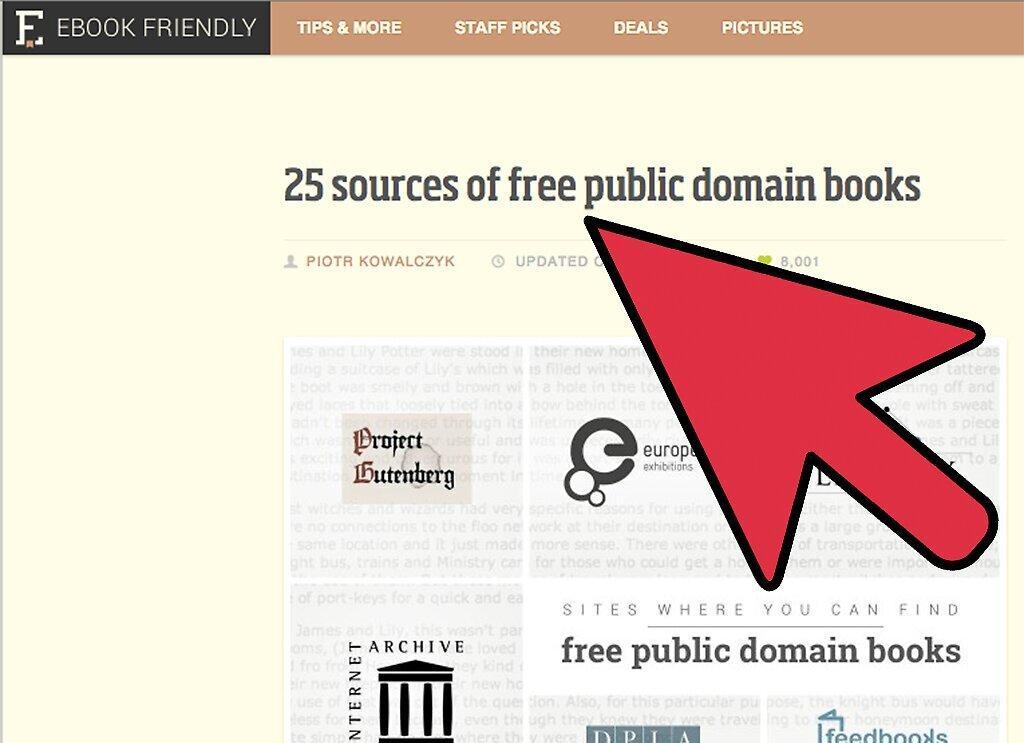
Start by understanding the key sources of public domain materials. These include older publications, works published by the U.S. government, and those that authors (or rights holders) have dedicated to the public domain. The processes and timelines for works entering the public domain can vary by country. For instance, a work that is public domain in Russia might still be under copyright in the U.S., and vice versa. In most European countries, rights holders lose their rights 70 years after their death or 70 years after the work's publication.
Step 2. Look for Works Published in the U.S. Before 1923.
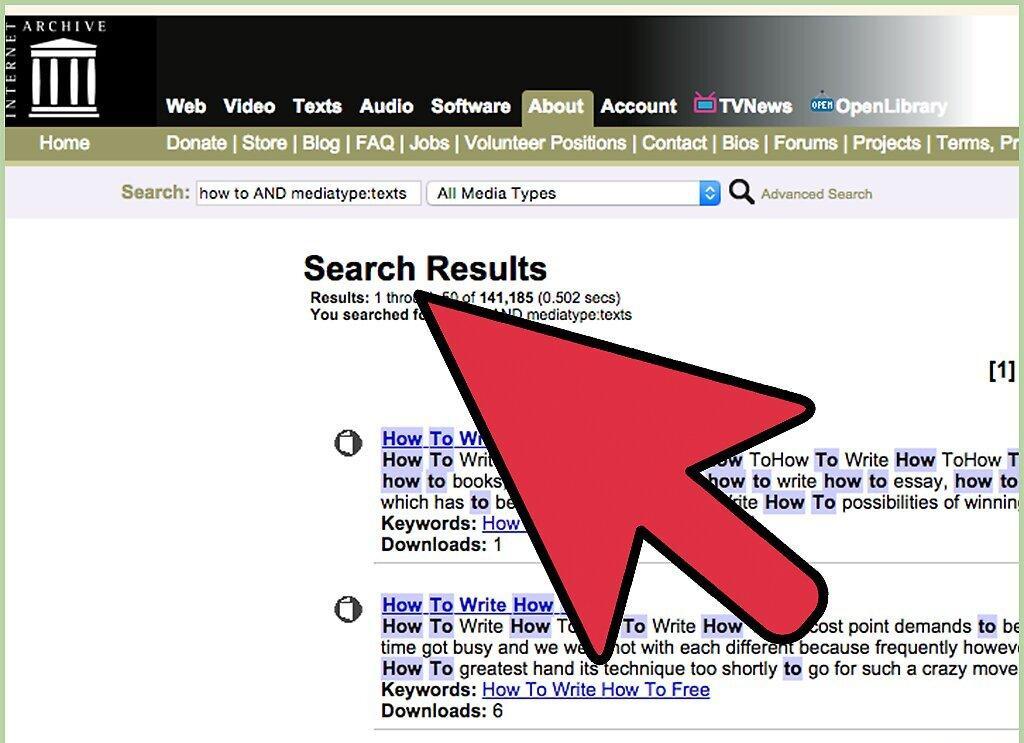
Pay attention to works published in the U.S. before 1923. Here are a few examples of books that are already in the public domain and can serve as a foundation for creating articles or guides (for example, for WikiHow):
- The Household Cyclopedia — a reference book from 1881!
- Mechanics for Boys: 700 Things a Boy Can Make by Popular Mechanics — illustrated, available in PDF format.
- Various Crafts by Archibald Williams — a collection of projects, including carpentry, mechanisms, kites, and more.
- Search on Archive.org using the keywords "how-to" — be cautious, as not all found works are in the public domain.
- Jewish Encyclopedia (1901-1906)
- Nuttall's Encyclopedia
Step 3. Examine Books Published Between 1923 and 1964.
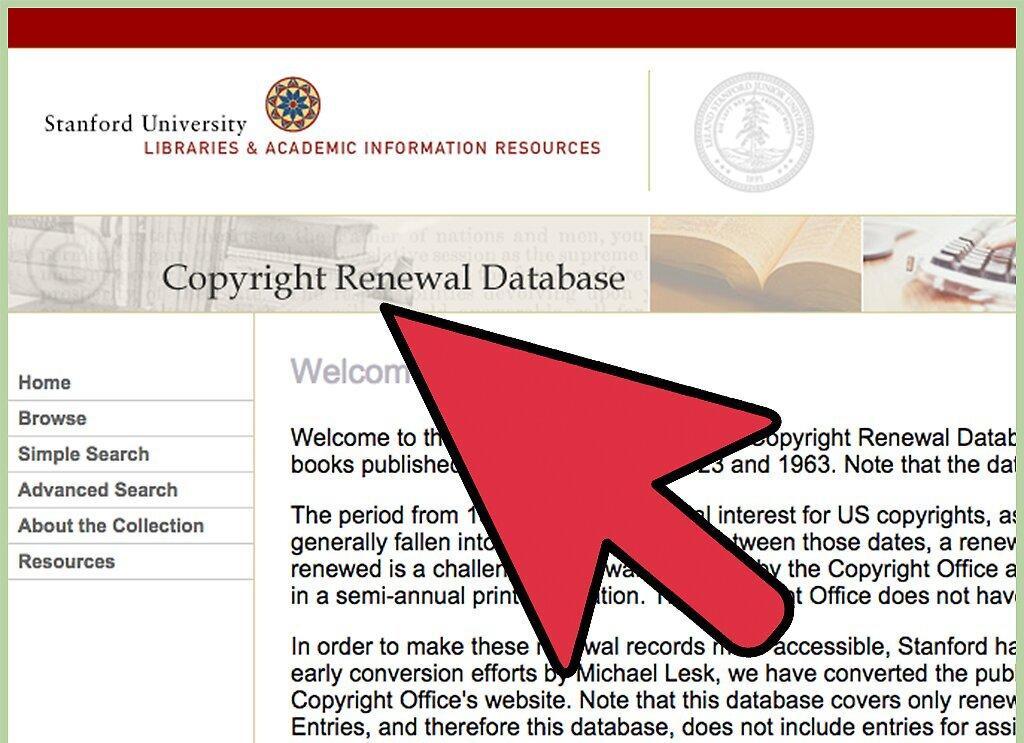
Look for books released between 1923 and January 1, 1964. Approximately 90% of these are not protected by copyright, as their owners did not renew their copyright. Check the copyright renewal database for more information.
Step 4. Utilize Documents Published by the U.S. Federal Government.
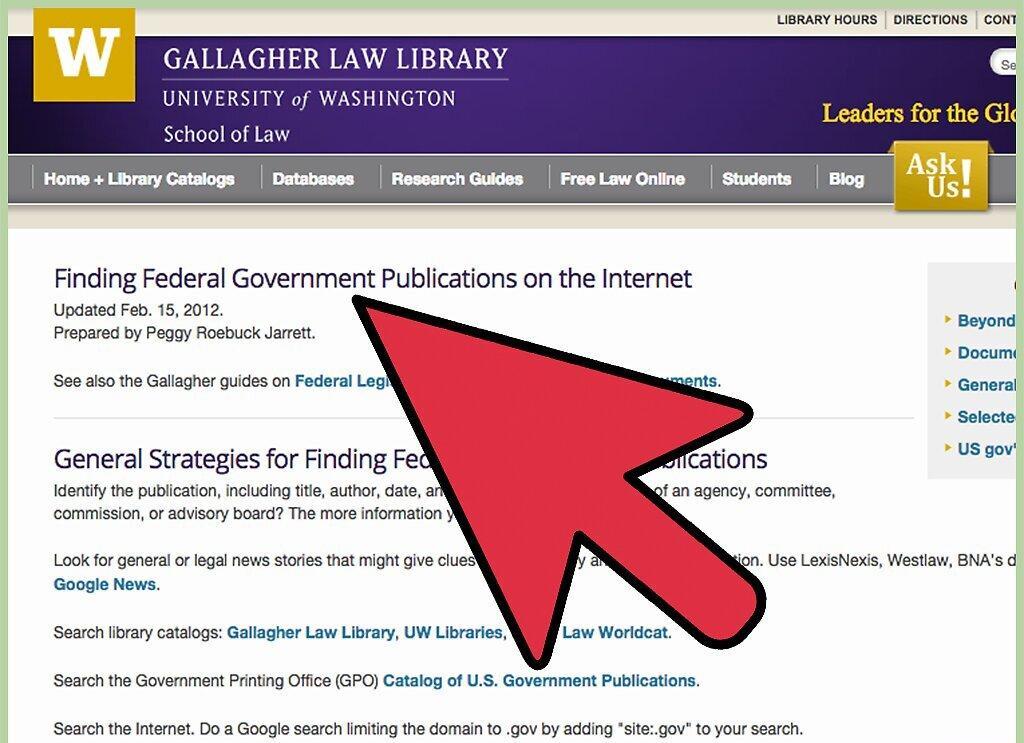
Documents published by the U.S. federal government are typically considered public domain unless otherwise stated. Here are some examples of sources with information you can use to create wiki guides:
- Space Educators' Handbook
- U.S. Forest Service database on fire impacts — contains photos and facts about various species.
- Algorithm Dictionary from the National Institute of Standards and Technology, data structures, and problems.
- Centers for Disease Control and Prevention.
- U.S. Department of Agriculture, nutrition lab.
- U.S. Navy — a wealth of information about maritime knots.
- U.S. Department of Defense — some military manuals contain many useful details on various topics.
- Federal Emergency Management Agency — contains extensive information on disaster preparedness.
- National Transportation Safety Board.
- National Oceanic and Atmospheric Administration.
- U.S. Geological Survey.
Step 5. Search for Materials on Popular Websites.
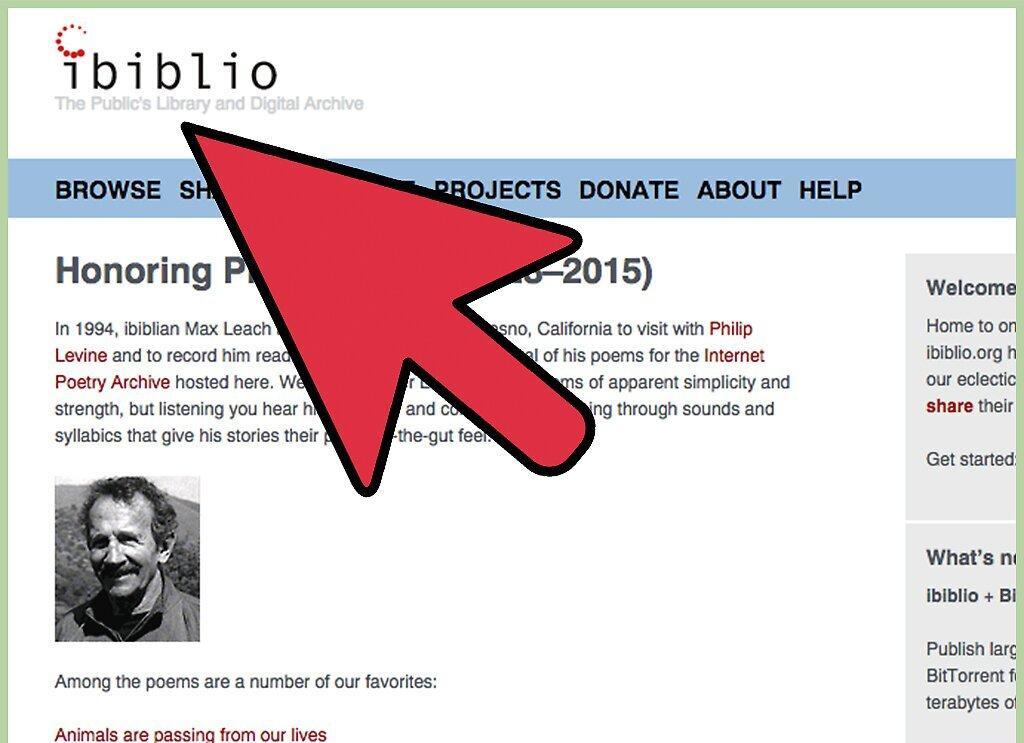
Visit well-known websites to find materials related to the public domain. Keep in mind that not all materials are public domain:
- ibiblio.org
- Project Gutenberg
- Wikipedia's list of public domain sources — a great place to search with many options.
- Wikipedia's list of images that are in the public domain.