Persimmons, now found in every corner of the world, were originally cultivated in Japan and China. This delicious fruit is best enjoyed when fully ripe. Unripe persimmons have astringent and "puckering" taste.
Identifying Different Types of Persimmons
Step 1. Examine the fruit's shape.
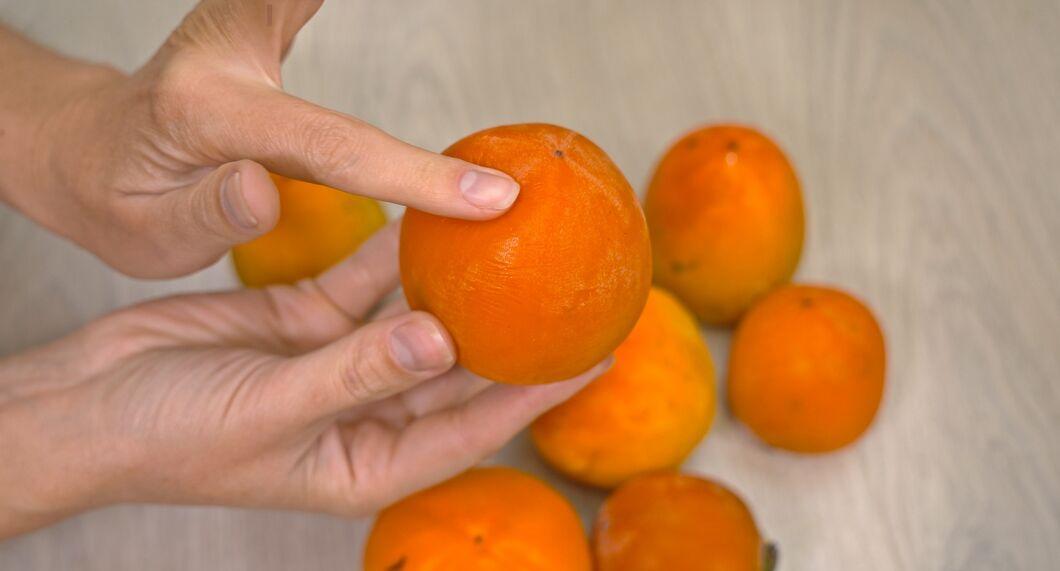
Look at the shape of the fruit. The type of persimmon can usually be identified by its shape. You can also take a small bite if other methods are unavailable, especially if you are in East Asia, where many varieties of different shapes exist.
- Almost all sweet varieties of persimmons have a flat bottom and resemble a tomato in shape. Some may have minor indentations running from the stem to the base, while others are completely smooth.
- Most astringent varieties of persimmons have a more elongated, conical shape with a blunt end, resembling a large acorn.
Step 2. Check the variety name.
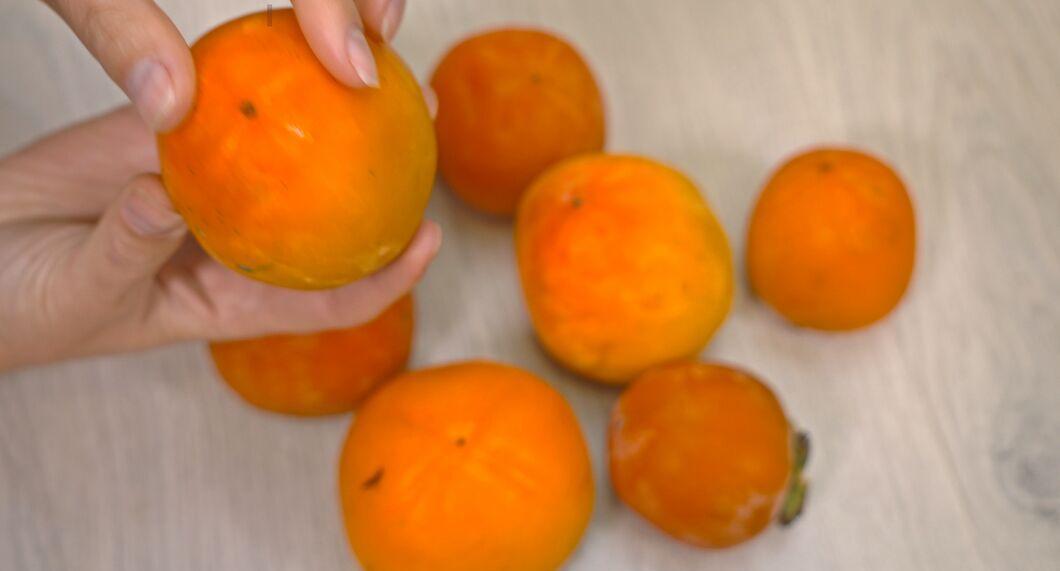
Check the variety name. Outside Asia, persimmons are usually sold in two varieties. Fuyu persimmons are sweet (non-astringent) and can be eaten while firm. Hachiya persimmons are very astringent when unripe and should be eaten when they become very soft. Various types and names can be found in stores and markets in East Asia:
- Sweet persimmons may be called Jiro, Izu, Hanagosho, Midia, Suruga, and Segatsu, as well as other names ending in "maru," "jiro," or "fuyu".
- There are about a dozen types of astringent persimmons. Tananashi, Eureka, Tamonap, and Geili are the most common among them. If you’re unsure which fruit you have, it’s safer to assume it’s astringent.
Step 3. Look for defects or unique shapes.
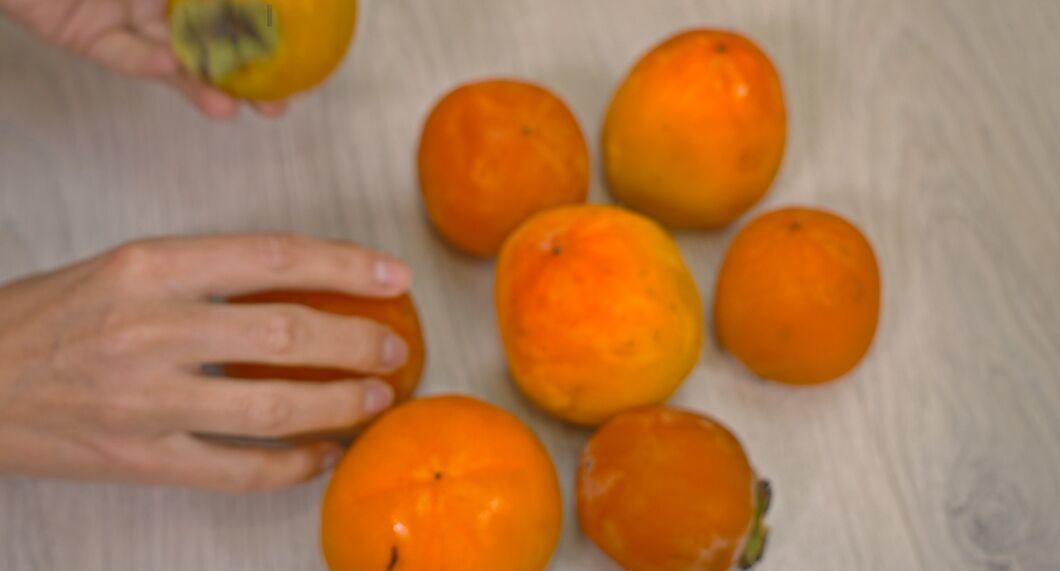
Look for defects or unusual shapes. If identifying the type is still difficult, you can look for clues in the fruit's form or growth pattern. Most fruits will not have such distinctive features, but you can try to spot them:
- The American persimmon or "possum apple" grows in the eastern U.S. These fruits are very small and grow on wild trees. They are astringent and sticky in taste.
- A four-sided persimmon will also be astringent.
- A persimmon with concentric rings around the flower end (which looks like leaves) is almost certainly astringent.
- Persimmons with cracks near the flower are usually sweet or already rotten inside.
Step 4. Exotic varieties.
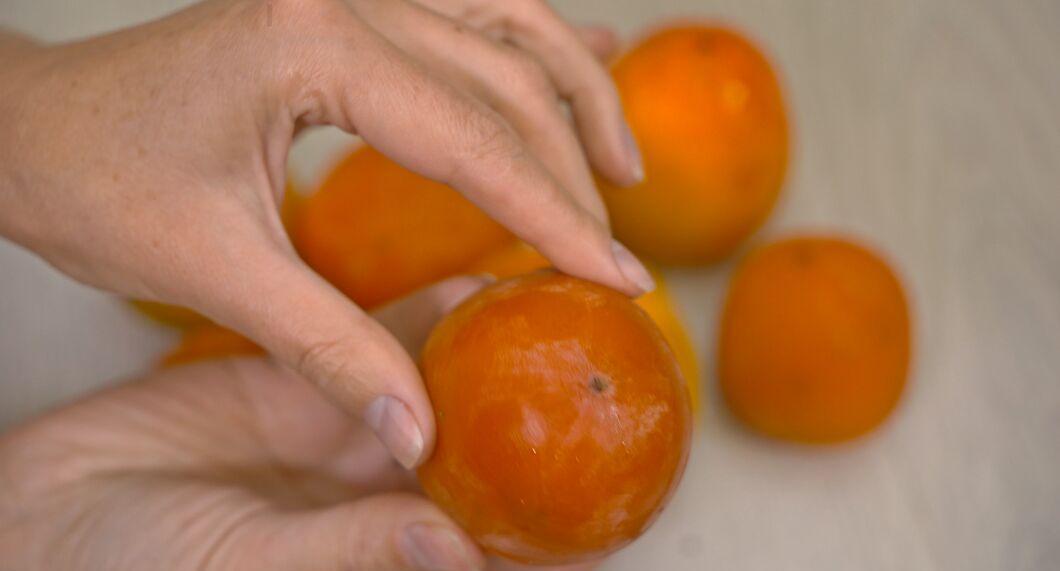
Exotic varieties. Some types have special properties:
- The Triumph (or Sharon) persimmon, which is sold commercially, usually has a sweet taste due to special processing. Only when freshly picked from the tree will it be astringent (be careful, in some regions all persimmons are called Sharon).
- Some astringent types become sweet if they contain no seeds, and the flesh is pale. When pollinated, they turn into sweet fruit with seeds and dark flesh. These include Chocolate, Giombo, Huakume, Nishimura Wase, Rama Forte, and Luis de Queiros.
- Hiratanenashi persimmons, widely available in Japan, can remain astringent even when fully ripe and soft. They require special treatment to become sweet, so it’s best to buy persimmons only from trusted vendors.
Eating Sweet Persimmons
Step 1. Ensure the persimmon will be sweet.
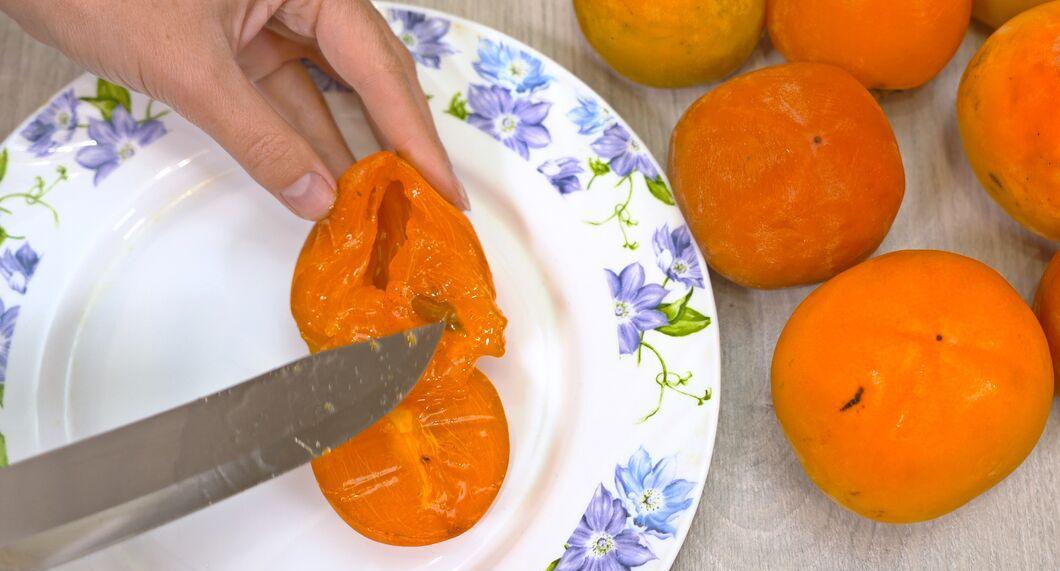
Make sure the persimmon will be sweet. Sweet persimmons usually have a tomato-like shape and may be sold under the name Fuyu. If your persimmon doesn’t fit this description, read below on how to identify the type of persimmon. You won't be able to enjoy the full flavor if you follow our recommendations but choose the wrong type of fruit.
Step 2. The persimmon should be firm and orange.
The persimmon should be firm and orange. The best sweet flavor comes from a fruit that is fairly firm. Ripe persimmons have an orange or even reddish hue.
- Yellow persimmons are edible but are not fully ripe. Do not eat unripe green persimmons, which have a very sticky taste.
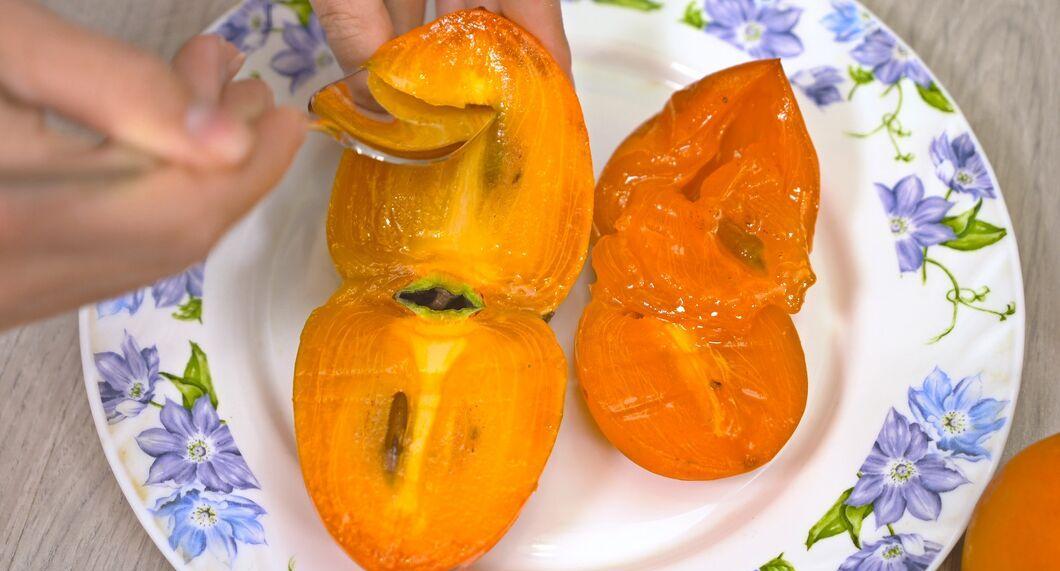
- If a persimmon is overripe, it can be eaten with a spoon. It has a different flavor, but you may enjoy it.
Step 3. Wash the persimmon.
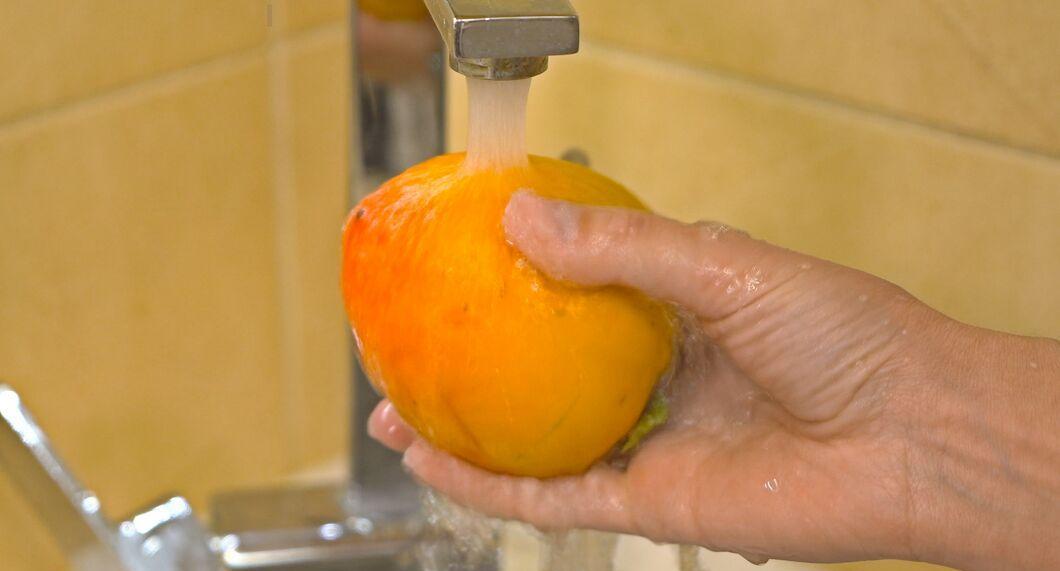
Wash the persimmon. Rinse the persimmon well under clean running water. The skin is edible, so wash it thoroughly.
Step 4. Remove the leaves and slice.
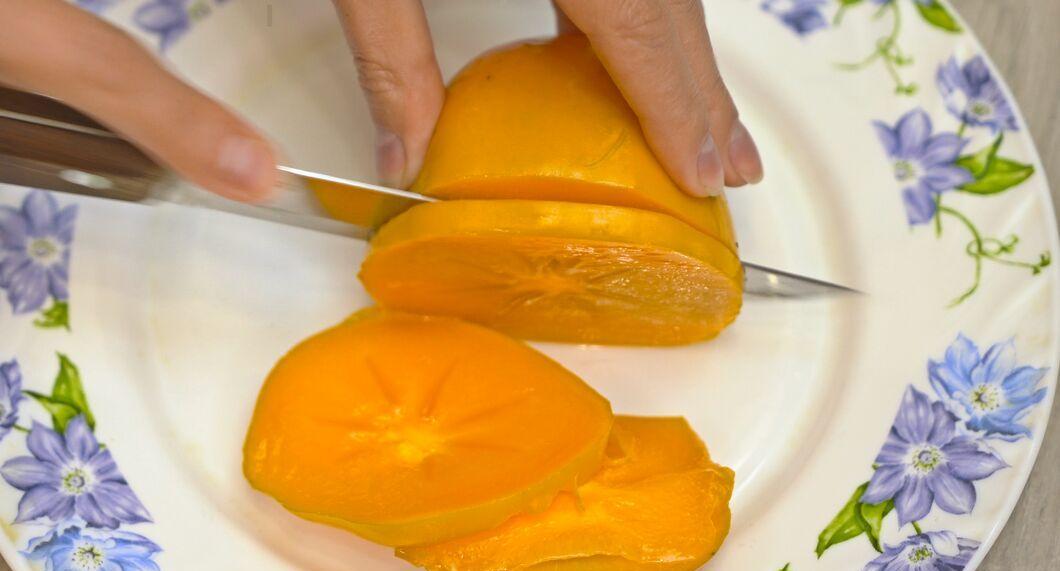
Remove the leaves and slice. Using a sharp knife, cut off the leaf-like flower and stem. Slice the persimmon into small wedge-shaped pieces or slices as you would usually slice a tomato.
- The skin of the fruit is edible and usually quite thin. If you wish to remove it, dip the fruit in hot water for a few seconds. Remove it from the water with tongs and peel the skin off. This process is similar to blanching tomatoes.
Step 5. Eat the fruit raw.
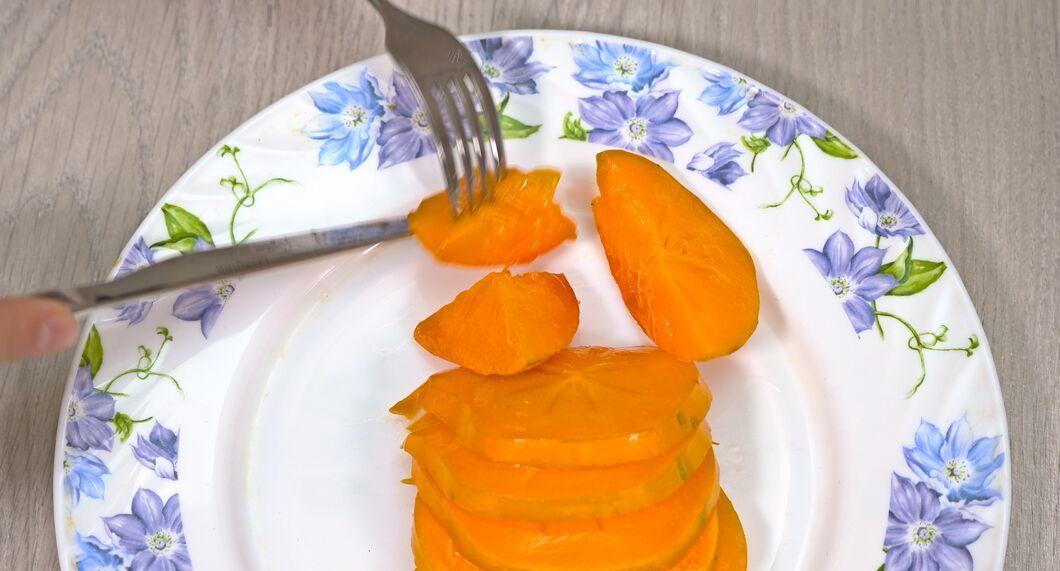
Eat the fruit raw. Sweet persimmons have a firm texture and sweet flavor. The seeds are inedible and should be removed.
- You can pair persimmons with lemon juice or cream and sugar.
- You might also want to check out various recipes below.
Cooking Dishes with Persimmons
Step 1. Add sweet persimmons to salad.
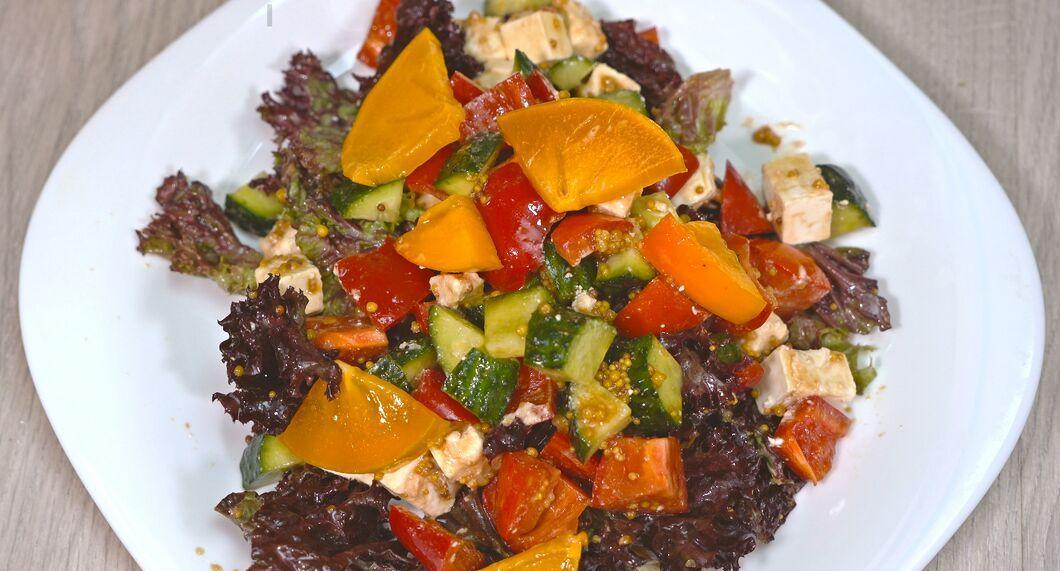
Add sweet persimmons to salad. Firm sweet persimmons are great for fruit and vegetable salads. Add them to autumn salads with nuts, cheese, or pomegranate, or try this unique recipe:
- Toast peeled hazelnuts in a dry skillet until fragrant, about 12–15 minutes.
- Slice fennel thinly.
- Cut the persimmons into quarters, then slice thinly. Mix with fennel and hazelnuts.
- Top with grated Parmesan and drizzle with white wine vinegar. Add salt to taste.
Step 2. Make a sweet salsa.
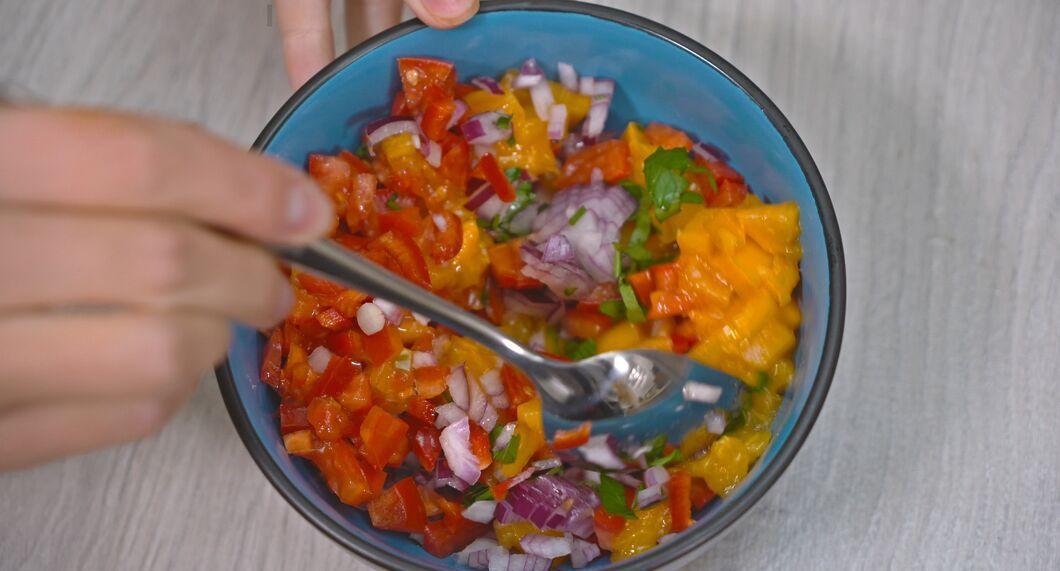
Make a sweet salsa. Cut sweet persimmons into chunky pieces. Mix with standard salsa ingredients: red onion, cilantro, and chili pepper. If you don’t have a favorite salsa recipe, you can follow our mango salsa recipe on the site, substituting persimmons for mango and tomatoes.
Step 3. Make jam.
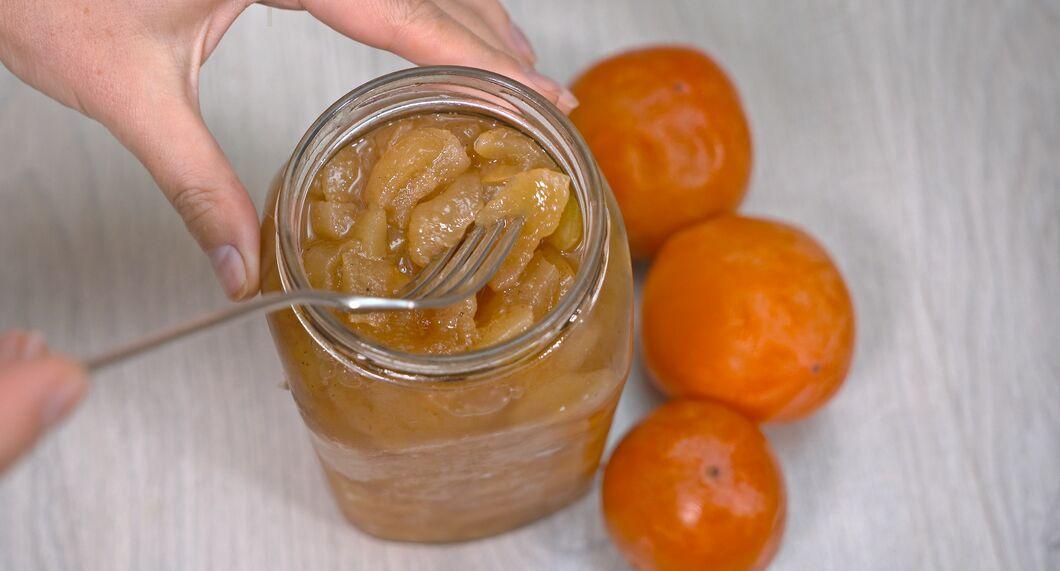
Make jam. Like any fruit, persimmons can be made into jam or preserves. In this case, it’s best to use soft astringent varieties and taste each fruit before adding it to the pot. Even one astringent persimmon can significantly alter the flavor of the final product.
- You can also add cinnamon, nutmeg, and/or orange zest.
- Peel the fruit before cooking.
Step 4. Add ripe persimmons to desserts.
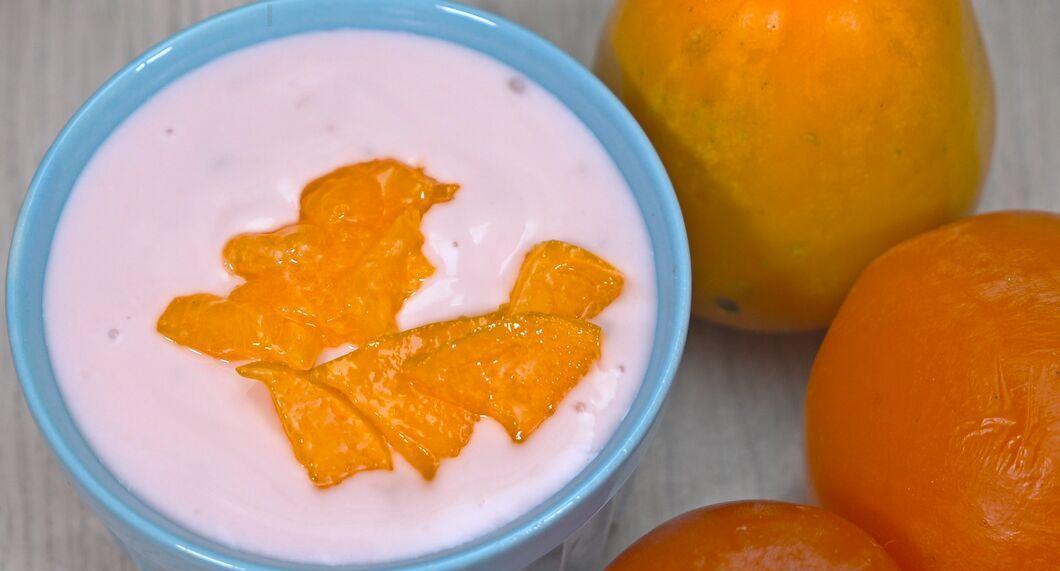
Add ripe persimmons to desserts. Soft, ripe persimmons of any type make a great addition to desserts. Mix persimmons with yogurt or ice cream, or try these options:
- Puree the flesh and blend it with cream cheese, orange juice, honey, and salt.
- Substitute persimmons for apricots in an apricot sorbet recipe.
- Add persimmons to pies and pastries. The easiest way to determine the right amount is to use a recipe with overripe bananas, replacing them with an equal amount of persimmons. Also, try banana bread or banana muffins. Baking soda reduces astringency and thickens the flesh, and the reaction with persimmons makes the dough very light and airy. If you want your baked goods to be dense, reduce the amount of persimmons by half.
Eating Astringent Persimmons
Step 1. Astringent persimmons must also be fully ripe.
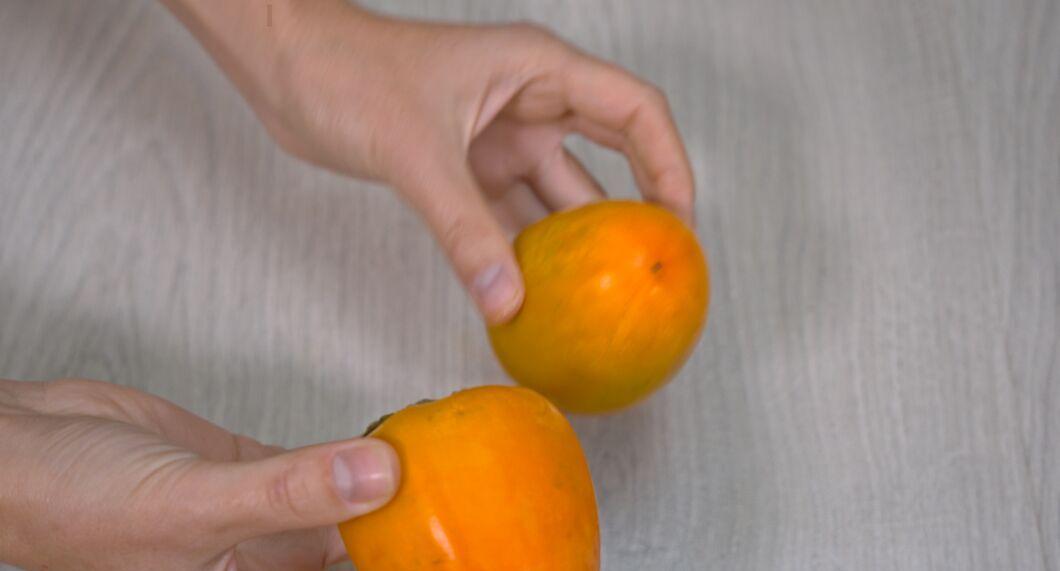
Astringent persimmons also need to be fully ripe. In shape, astringent persimmons are more acorn-like and are called "Hachiya." They are eaten when very soft, almost like a puree. The skin should be smooth and translucent, dark orange in color.
- Refer to our guidelines on identifying persimmon types if you’re unsure about the fruit in front of you.
- Eating a Hachiya persimmon before it’s fully ripe may leave you with an astringent sensation as if you’ve received a numbing injection. This numbness will be temporary. Drinking water and consuming other foods will help alleviate it.
Step 2. Accelerate ripening.
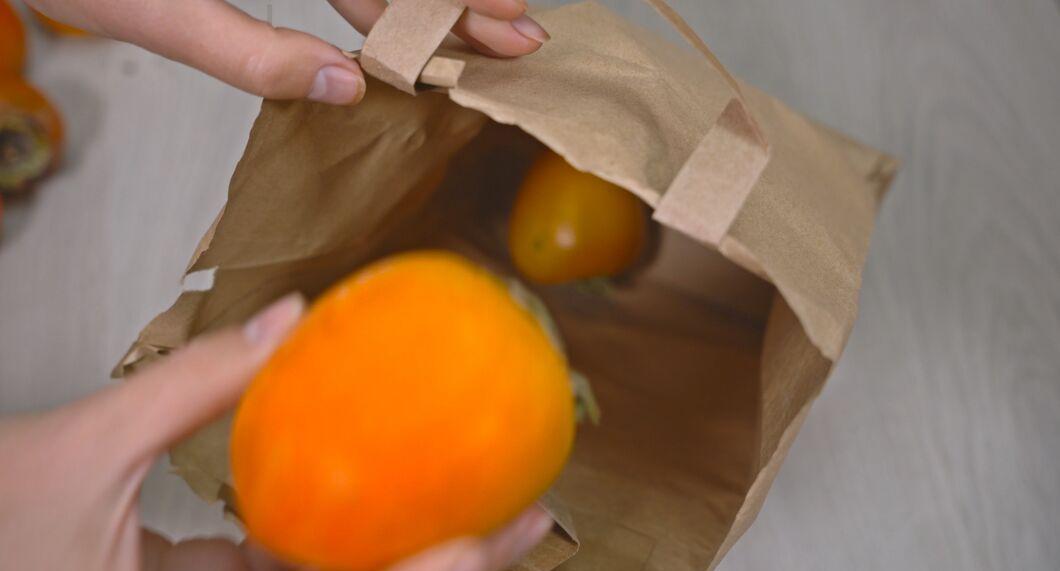
Speed up ripening. Astringent persimmons ripen within 7-10 days after purchase, but sometimes this can stretch to a month. To speed up the ripening, store the fruits in a closed paper bag or airtight container. When stored in an airtight container, the fruit may develop mold. Add a ripe apple, pear, or banana to the bag or container, or use a few drops of rum or another alcoholic beverage.
- To prevent ripe persimmons from turning to mush, wrap each fruit in non-porous plastic wrap in three layers (do not use wrap marked with recycling symbol 4 or "LDPE"). Heat in the oven at the lowest temperature, no higher than 50ºC (122ºF). Leave for 18-24 hours, checking periodically.
Step 3. Eat chilled, using a spoon.
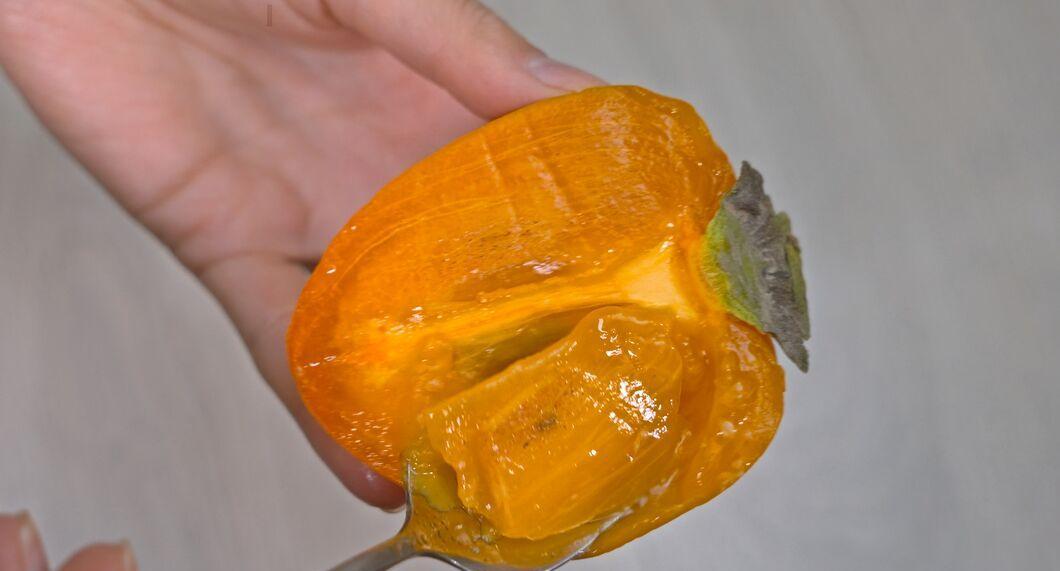
Eat chilled, using a spoon. Once the fruit is soft, place it in the refrigerator. When ready to enjoy, cut off the leaf-like flower stem, then slice it open. Remove the seeds and internal stem if present. The rest can be eaten with a spoon.
- The skin is also edible, but it may not look appealing in a ripe fruit.
- Some people enjoy eating persimmons with cream and sugar or adding lemon juice.
Step 4. Tricks for Unripe Persimmons.
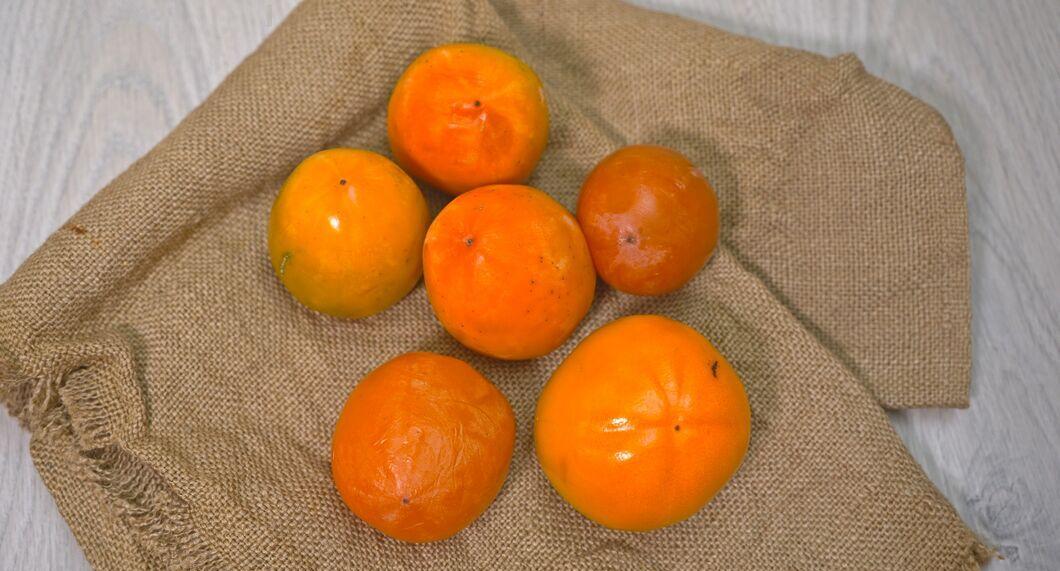
Tricks for unripe persimmons. There are several ways to eliminate the astringency of unripe persimmons. You can change the taste and texture of the fruit without having to wait several days:
- Freeze the soft fruit to make it resemble sorbet. Thaw the persimmons in the microwave if you prefer a warm taste.
- You can also soak the persimmons in salted water for just a couple of minutes.