Feeding is the most crucial and often the most confusing aspect of raising cattle. This is due to the vast array of feeds, diet types, substitutes, and feeding methods available. Cattle feeding varies significantly from feedlot to dairy farm, and it can involve a combination of two or all types of forage, depending on the kind of cattle you have. Additionally, there are feed formulations for different types of cattle based on their sex, age, production goals (beef, dairy, and/or breeding), growth patterns, climate conditions, and more. Feed formulations even differ by season, coming in and out of availability throughout the year. If animals are fed incorrectly (for example, with inappropriate feeds), their manure will have an unpleasant odor.
Evaluate Your Cattle
Step 1. Develop a Diet Plan for Your Cattle

Create a diet plan for your cattle. There is software available to assist with these tasks, but a simple handwritten diet can be just as effective. Nutritional tables are readily available through any university, college, and/or state agricultural extension program (and are frequently found online) and can be used to determine the diet you wish to follow.
Step 2. Record and Define Your Cattle’s Diet Based on Nutritional Needs
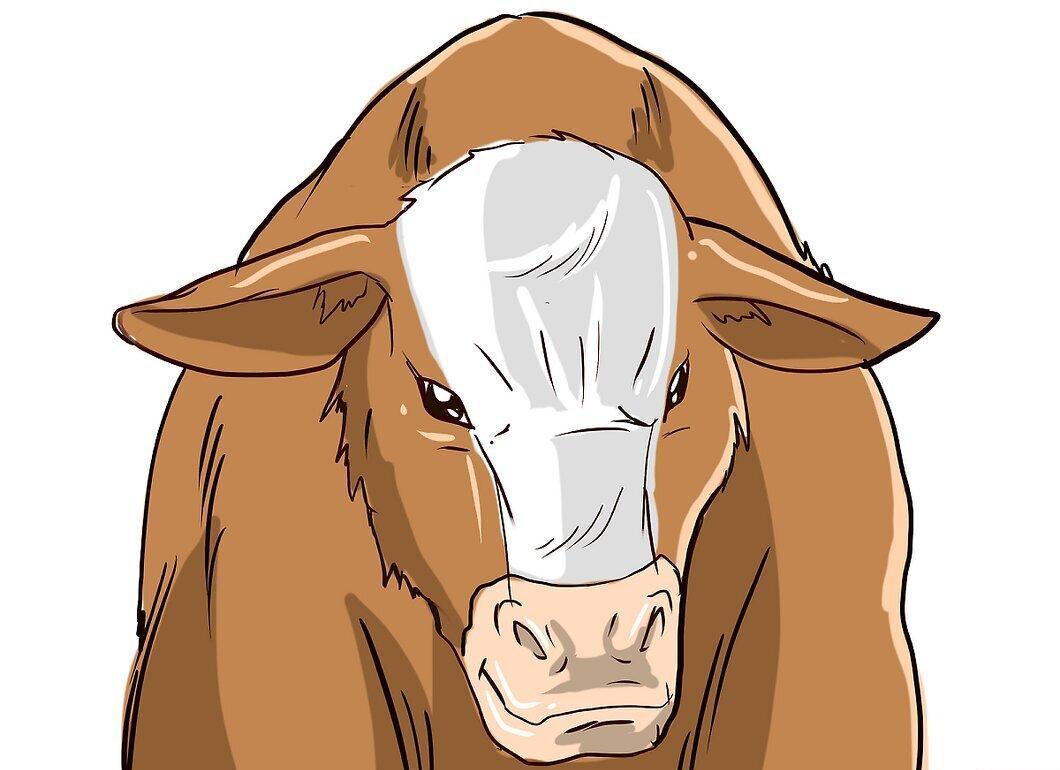
Document and define your cattle's diet considering the following factors that determine their nutritional needs: Body condition. Types of cattle: Is the cattle gaining, maintaining, or losing weight? Identify the breed of your cattle: Raising Black Angus: Start with a livestock farm: Climate/season. Assess feed availability and how/when/where to feed your cattle:
- Sex.
- Thin animals require more feed than fat cattle.
- Dairy cows generally require a more nutrient-dense diet than beef cattle.
- Show animals need to be fed according to how much weight they can gain over a set period before going to show.
- Stockers require a high-quality diet: this cattle needs a high-quality grain diet for several months before being sent for slaughter.
- Growing cattle, such as calves, stockers, and beef steers, require more energy and protein than cows or bulls fed just for maintenance or weight loss. However, if a cow is too thin and needs to gain weight, it should follow a diet similar to that of a growing steer or heifer. Reproductive heifers should be fed to grow at a healthy weight but not gain too quickly, as this can hinder their reproductive abilities.
- It may seem unimportant, but to successfully breed cattle, one must know how to feed them and what they should eat to maintain their health and/or promote reproductive capacity. Continental breeds such as Charolais, Simmental, and Limousin require more "pampering" than British breeds like Angus, Shorthorn, and Hereford. Pampering refers to the need for more supplements to roughage or grass than for those animals.
- One must determine whether a bull is a "easy keeper" when fed only rough feed/grass and whether its weight will increase or be maintained on such a diet. Or will it be a "hard keeper" and consistently lose weight on the same diet as an "easy keeper"? Most producers, especially beef cattle breeders, select for "hard keepers" since they require more feed for growth than other cattle that thrive solely on rough feed/grass.
- Cattle raised in a confined environment (feedlot) require a different diet than those raised on pasture. This is because feedlot cattle need to be provided with feed that pasture animals can forage for themselves.
- Winter feeding differs from spring/summer. For example, if you live in a climate where winters drop below -10 °C, you need a place to keep cows healthy and warm throughout the season. Spring and summer mean you can graze cattle for 4-5 months during the growing season available to you.
- Each area has its nuances that determine what you can feed cattle, when, and how. You might live in a region where feed is always abundant and highly nutritious, or you may be in an area where feed is scarce and challenging to grow.
- Not every area grows corn or produces a corn mix fed to cattle (for instance). You might live in a region that produces barley or triticale. Even pasture grasses differ from one place to another.
Step 3. Monitor Animal Condition and Weigh Them
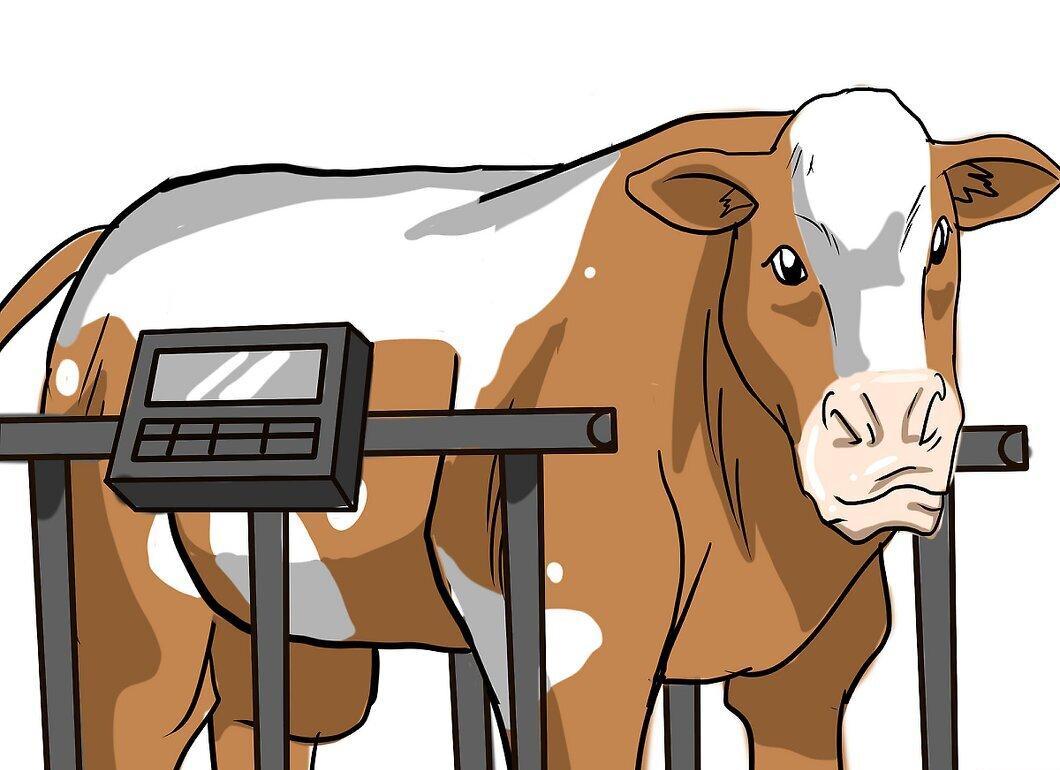
Monitor the condition of your animals and weigh them. To determine when cattle are ready for slaughter, refer to the article "How to Assess the Readiness of Cattle for Slaughter." Weight can be determined using tape scales or scales integrated into loading/unloading equipment.
- Tape scales can only be used for hand-held animals that allow you to touch them.
Assessing Your Feeds
Step 1. The Type of Feed Will Depend on the Diet You Should Follow
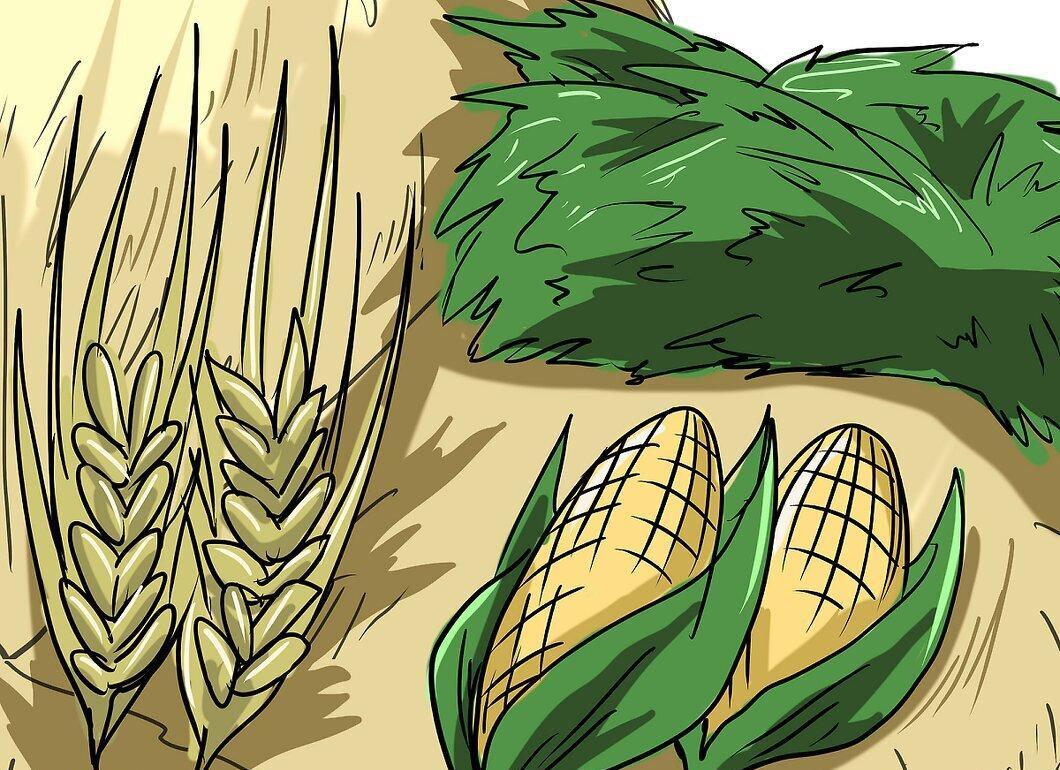
The type of feed will be determined based on the diet you should follow. The main types of cattle feed include:
- Hay (grass, legumes, or mixtures of legume grasses)
- Grains (corn, oats, barley, wheat, rye, triticale)
- Silage (corn, barley, winter wheat, rye, winter rye, triticale, oats, pasture grasses)
- A total mixed ration should be fed to dairy cows and contain a mixture of alfalfa hay, barley/corn/oats, and corn silage.
- Grass is the cheapest and most effective feed for cattle. All you need to do is build hay racks and determine how many head of cattle can be fed on one hectare of pasture!
Step 2. It’s Important to Check Your Feeds, Especially in Winter Months
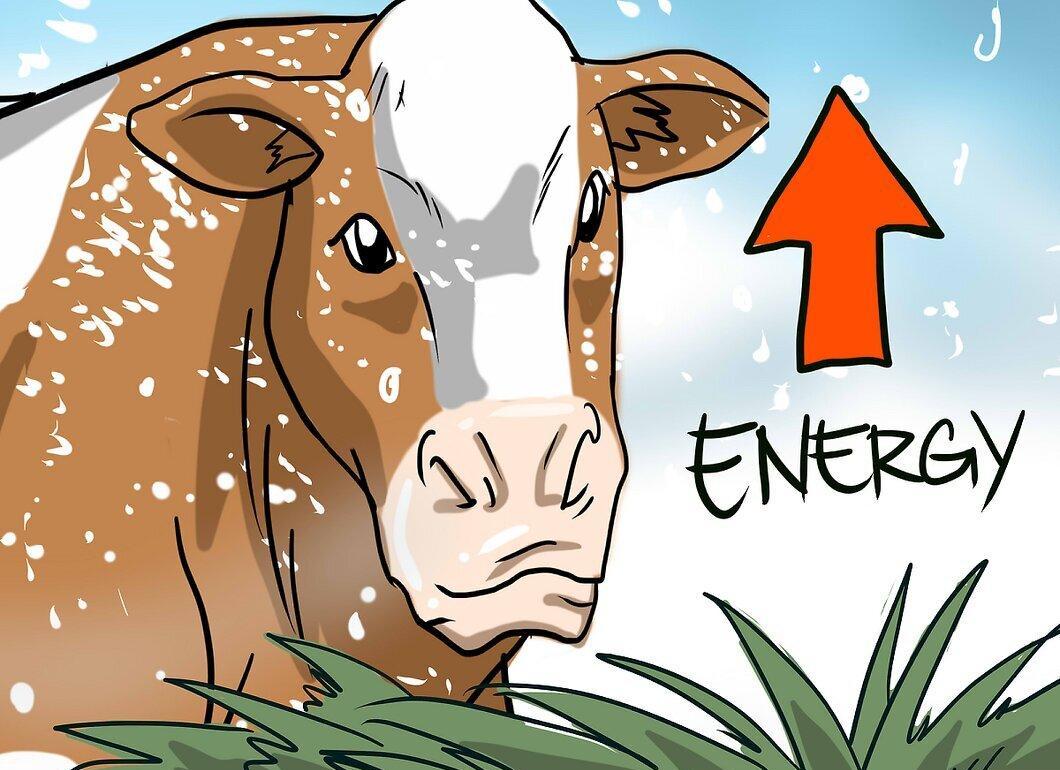
It’s important to check your feeds, especially in winter months. You may have quite nice-looking feed, but it might only be enough for the animals to fill their stomachs and then starve. To establish proper animal nutrition, sufficient energy value must be used (in terms of net energy (NE) and total digestible nutrients (TDN), protein (crude protein (CP)), fiber (neutral detergent fiber (NDF) and acid detergent fiber (ADF)), and moisture (on a dry matter (DM) basis). Moisture content in feeds often determines how much a calf will eat per day. The higher the moisture content, the more the calf will consume.
- The more energy and protein in the feed, the better for more demanding growing cattle (calves/lambs, reproductive heifers, thin cows, and lactating cows). When fiber content increases (as defined by ADF percentage), energy content will decrease, reducing feed value. The exception is when you are feeding overly fat cattle and need them to lose weight.
Step 3. Look at the Color of the Feed
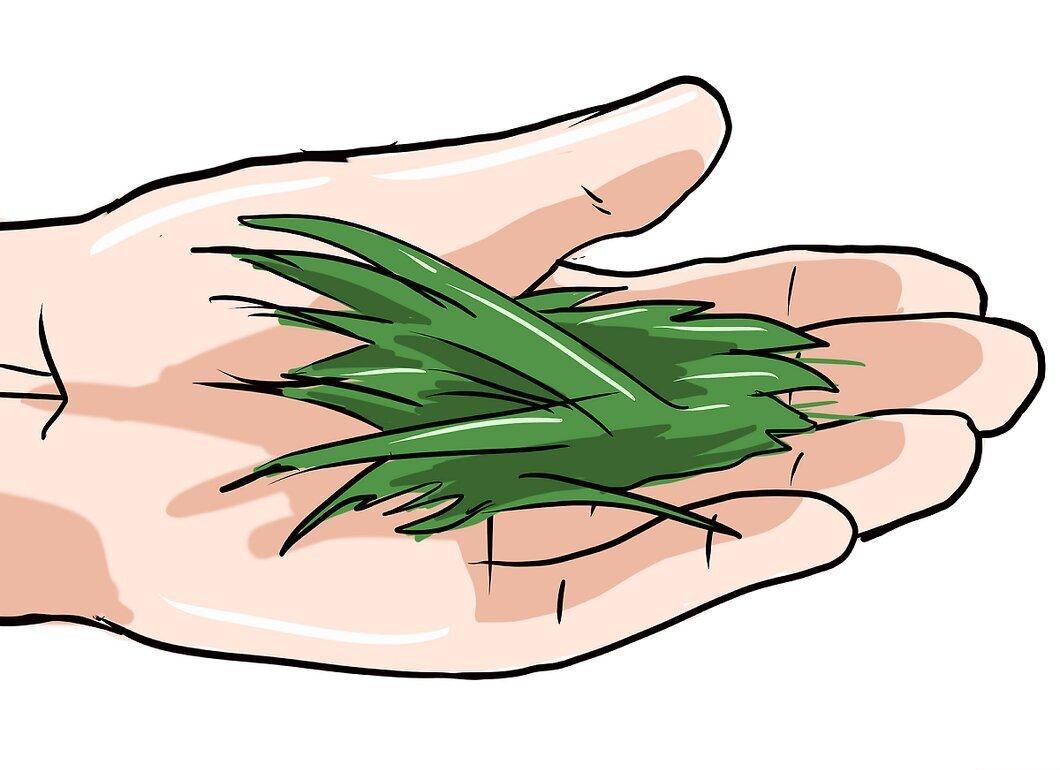
Assess the color of the feed. It can be considered good-looking if it has a green color. However, sometimes, higher-quality hay can appear more brownish in color.
Step 4. Smell the Feeds to Check for Dust or Mold
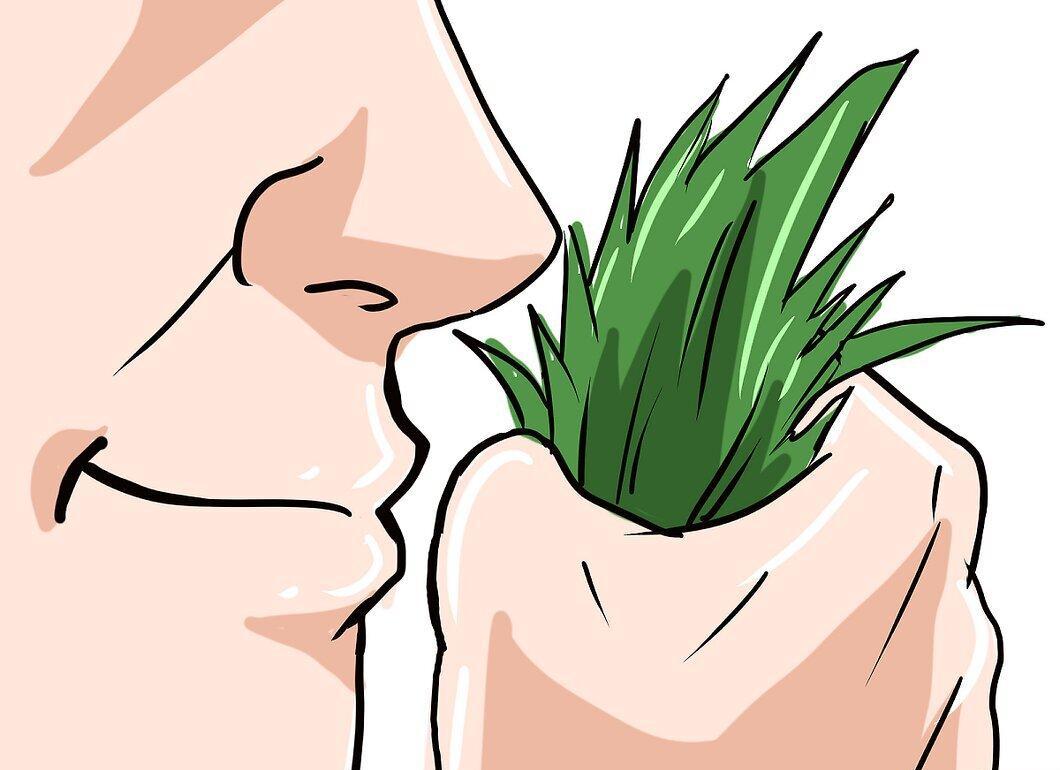
Smell the feeds to see if they contain dust or mold. Cattle will turn away from such feeds. These feeds can cause miscarriages in pregnant heifers.
Step 5. Check the Amount of Stem Material in the Hay
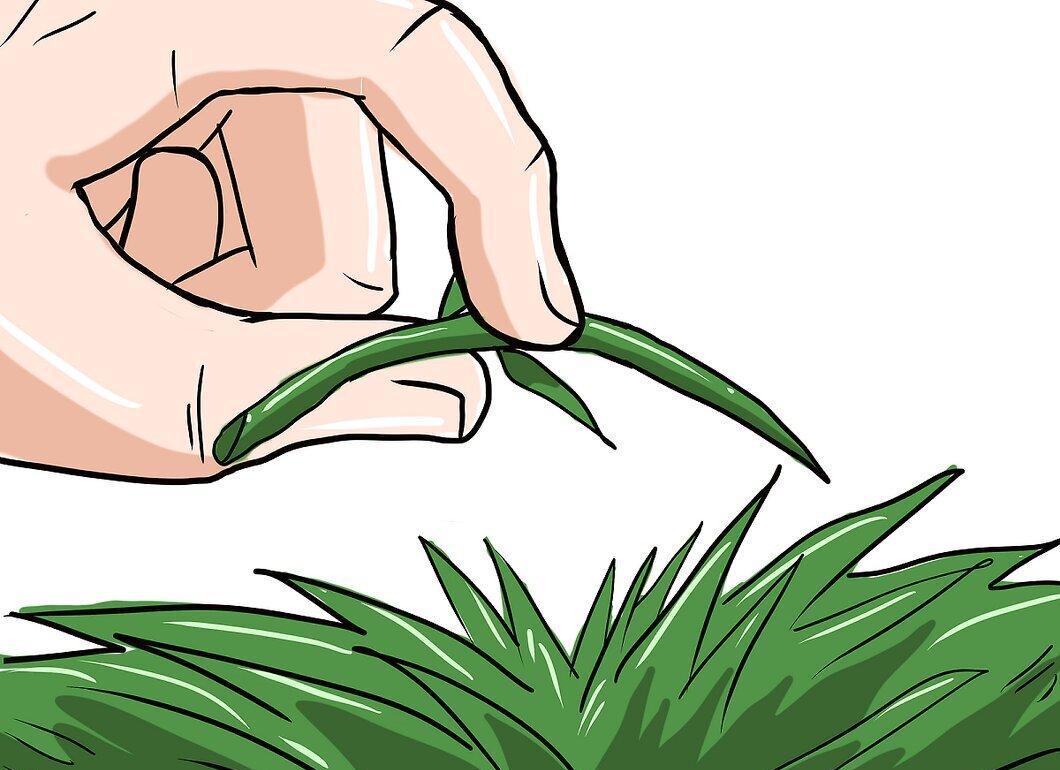
Examine the amount of stem material in the hay. A good indicator of hay quality is too high fiber content and too low energy value if there is too much stem material in the feed. This indicates that the hay was harvested too late, reducing its nutritional value.
Step 6. The Type of Hay/Grain/Silage has Its Own Nutritional Levels
The type of hay/grain/silage has its own nutritional levels. Grains typically have the highest TDN and CP levels, followed by silage, and then hay.
- Barley and wheat have a higher TDN and CP than corn. Corn generally has a higher ADF than barley.
- Barley silage has a higher TDN and CP than corn silage.
- Legume hay, if cut and harvested at the right time, generally has a higher CP and TDN percentage than regular hay. However, if grass was harvested at the right time and legume hay was harvested too late, the figures may differ.
Designing a Ration for Your Cattle
Step 1. Calculate the Total Daily Feed Intake for Your Cattle
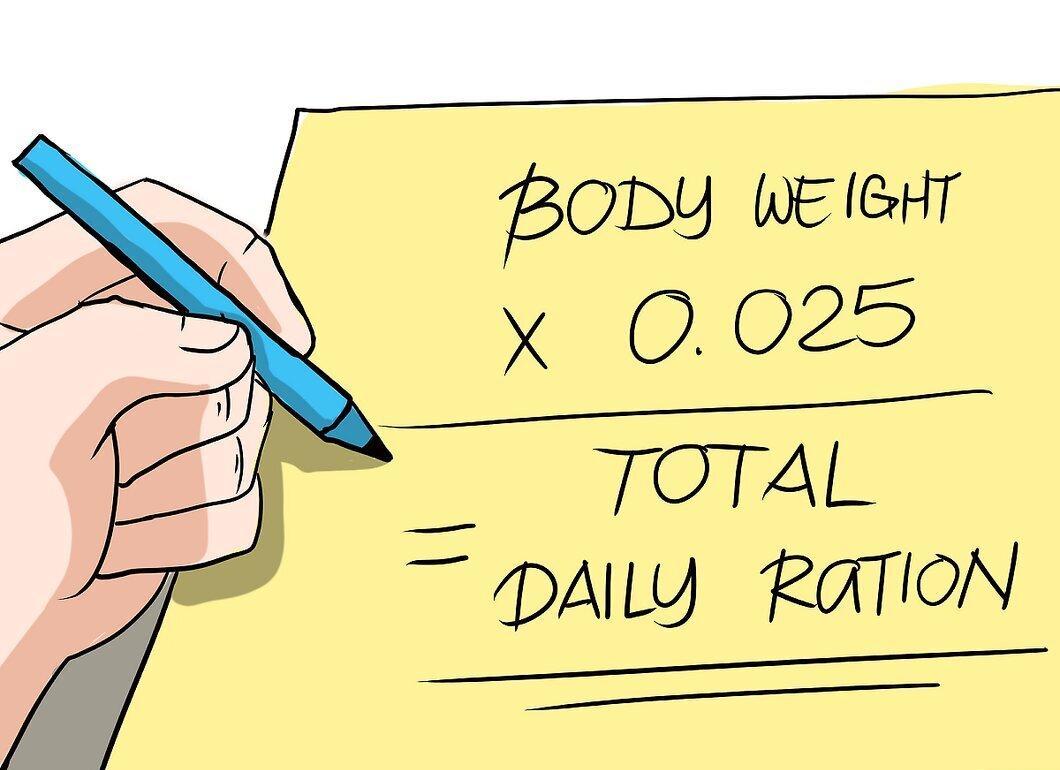
You need to calculate the total daily feed intake for your cattle. Typically, cattle will eat between 1.5% to 3% of their body weight in DM ration daily, averaging a daily intake of about 2.5% of their body weight in DM ration. Note that lactating cows generally consume 50% more than normal. This means that instead of consuming 2.5% of their body weight in DM ration daily, such cows will eat 5% (50% more than 2.5% would add an additional 1.25%, totaling 3.75% of their body weight, NOT 5%) of their body weight in DM ration daily.
- To calculate average daily intake, you can use the following formula: Body weight in kg x 0.025 = Total daily ration.
Step 2. Sort Cattle Based on Body Condition, Nutritional Requirements, Hierarchical Status, and Age
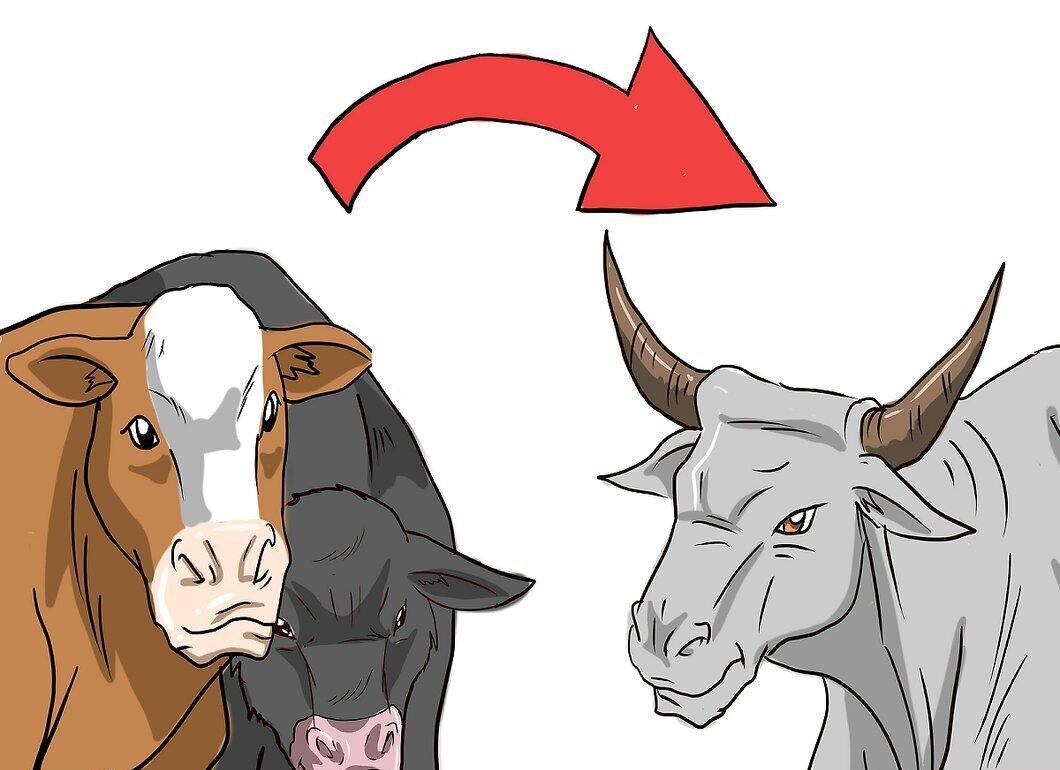
Sort cattle based on body condition, nutritional requirements, hierarchical status, and age. Thin cows should be grouped with reproductive ones, as both types of cattle require the same diet. Fat and overweight cows can be grouped together to be on a weight loss or maintenance diet. Bulls and steers can also be grouped together.
- Shorter cattle generally get to the feed last compared to taller individuals. Shorter animals often have the lowest weight gain and should be separated from the herd to meet nutritional needs, just like dominant-type cattle.
Step 3. Determine Weight Gains/Losses You Want to See Based on Factors Mentioned Above
Determine the weight gains/losses you want to see based on factors mentioned above. Energy is the primary value of feed that determines whether your animals will grow/gain weight, maintain weight, or lose weight. Feeds higher in TDN (at least 50%) will promote weight gain. Feeds higher in DF (digestible fiber) and ADF will be better for cows needing to lose weight or maintain weight.
- You should focus on weight gain if you are feeding growing calves and reproductive heifers, as well as thin cows/bulls.
- Freshly calved cows should maintain their weight initially.
Step 4. Determine and Evaluate the Protein Content in the Feed
Determine and evaluate the protein content in the feed. The younger the animal and the lighter its weight, the higher its protein needs will be. Additionally, the higher the average daily gain, the higher the protein requirements. Lactating cows also require more protein than dry cows. Here are some examples (from the table at http://www.msue.msu.edu/objects/content_revision/upload.cfm/revision_id.269171/workspace_id.-30/cattle-feeding-guide):
- A 225 kg calf gaining about 1 kg per day requires 11.4% CP. If it has an ADG (average daily gain) of only 0.25 kg/day, it will need 8.5% CP. Similarly, a 135 kg calf with an ADG of 1.35 kg/day requires 19.9% CP.
- A 500 kg cow with an average milk production of 5 liters/day requires 9.5% CP. However, if this cow can produce 10 liters of milk per day, she will need around 12% CP.
- In contrast, a lactating cow weighing 500 kg that has just calved or is in the second trimester requires only 7.9% CP.
Step 5. Feed Your Cattle Accordingly
Feed your cattle accordingly. If you know the type of cattle you have, their daily feed intake, their nutritional requirements, and their average daily gain (if you are feeding growing cattle), you can formulate a diet based on your location and the feeds available in your area.
Step 6. Feed Should Always Be a Priority for Any Cattle
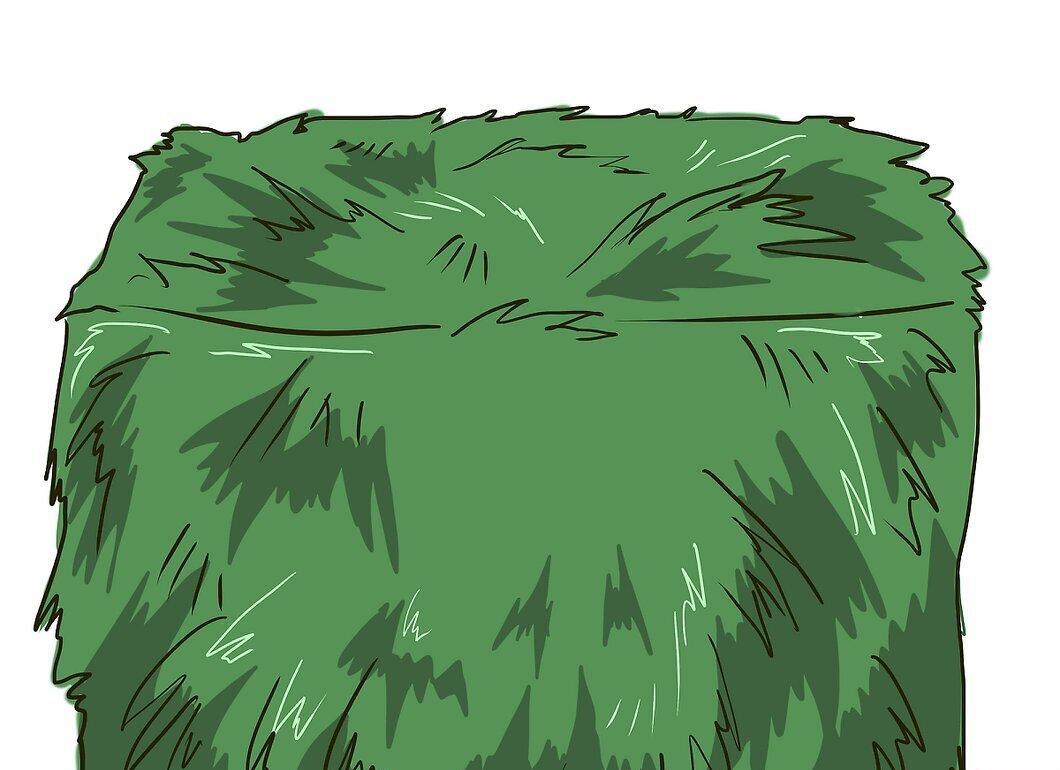
Feed should always be a priority for any cattle. The exception may be for cattle in a feedlot that have been on a grain diet for the last 3-4 months of life. However, if you are raising cattle for slaughter, you should not feed them solely grains. Incorporate high-quality hay and/or grass with grain supplements into their diet to help increase animal weight.
- Grass and/or hay are the best types of roughage if they provide sufficient nutritional value for your cattle.
Step 7. Balance the Diet with Supplements if Necessary
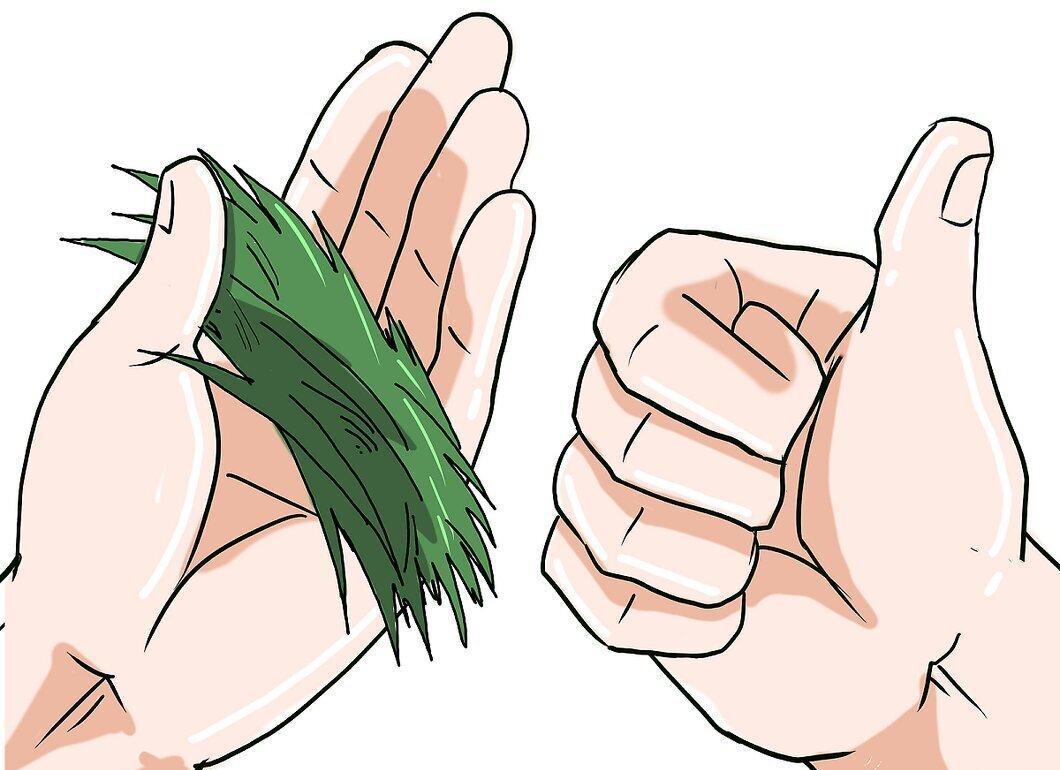
Balance the diet with supplements if necessary. If hay is of too low quality, supplement it with grains, protein tubs, or molasses to meet your energy and/or protein needs. If the grass or hay is of good quality, there is no need for any supplements.
Step 8. Monitor Weight Gain and Evaluate Body Condition Based on the Type of Feed You Provide
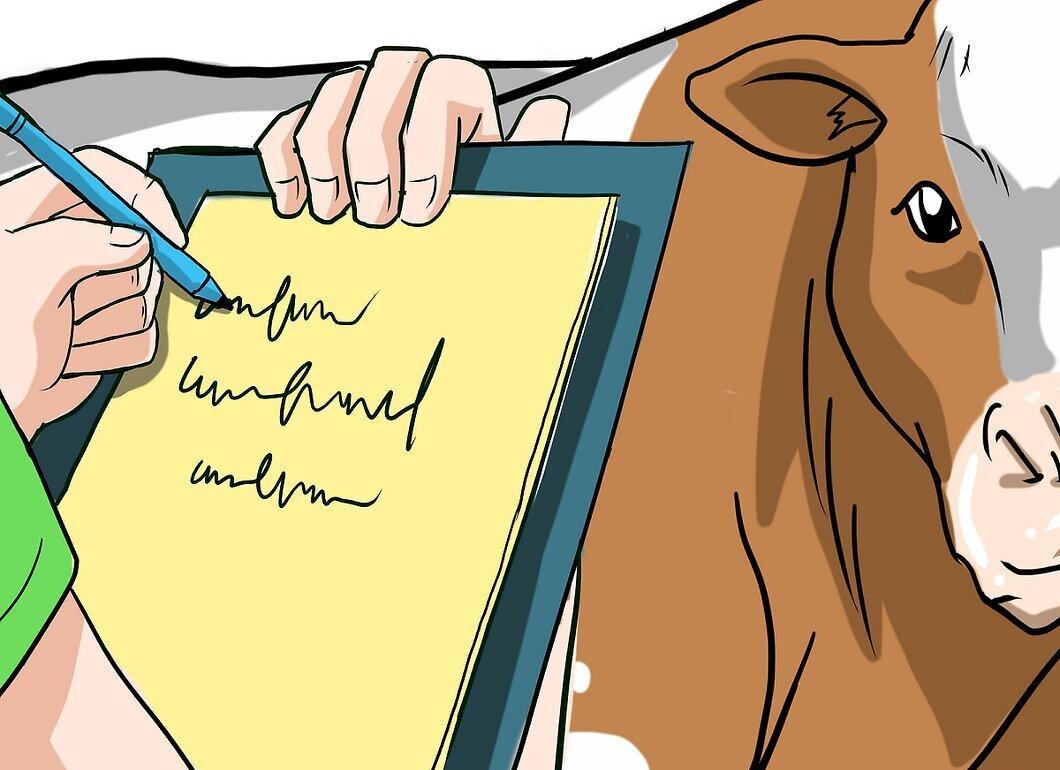
Monitor weight gain and evaluate body condition based on the type of feed you provide your cattle. Also, track cows' needs based on their reproductive period.
Step 9. Always Provide Water and Loose Minerals for Free Access
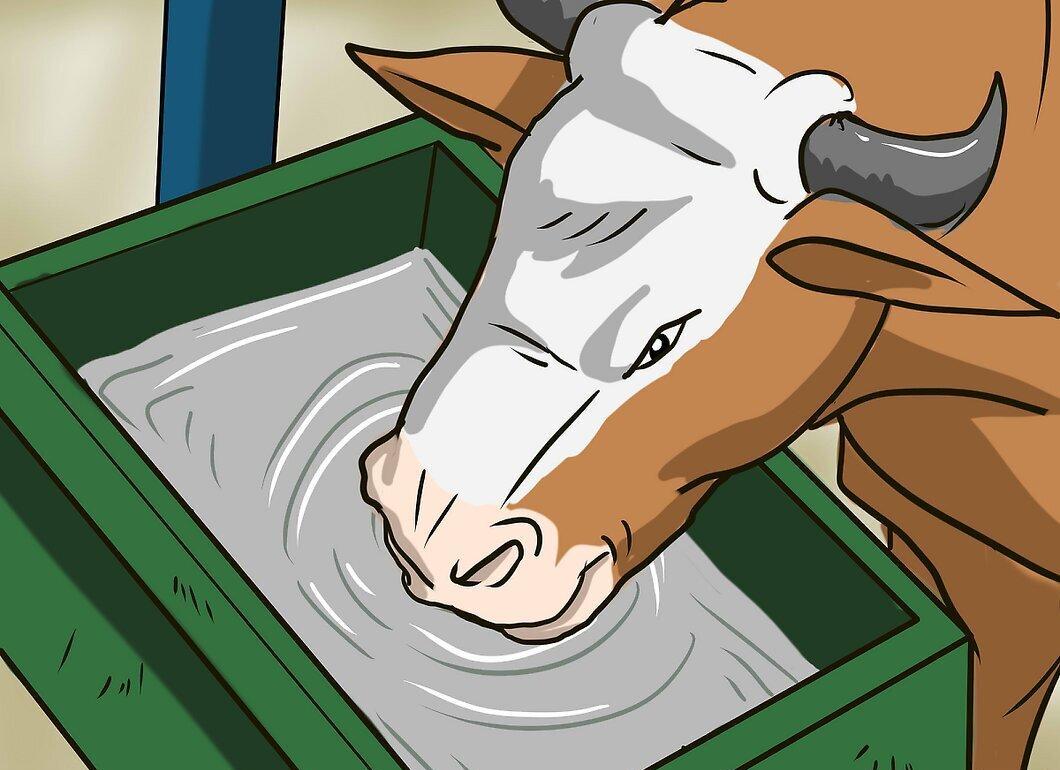
Always have water and loose minerals available for free access. Water and minerals are a vital part of a cattle's diet.
Step 10. Seek Professional Advice on Your Feeds and Feeding Methods
Get a professional opinion on your feeds and feeding methods. Meat or dairy nutritionists can help you determine if everything you are doing is correct or suggest ways you can achieve better outcomes.