The best way to discover large gold nuggets is by using a metal detector. This tool works in any weather conditions and is particularly useful for searching for gold along streams and rivers. You'll also need to research which areas are likely to yield nuggets.
Preparation
Step 1. Learn the basics of gold mining in suitable geographic areas.

Step 2. Investigate various areas to determine your chances of finding gold there.
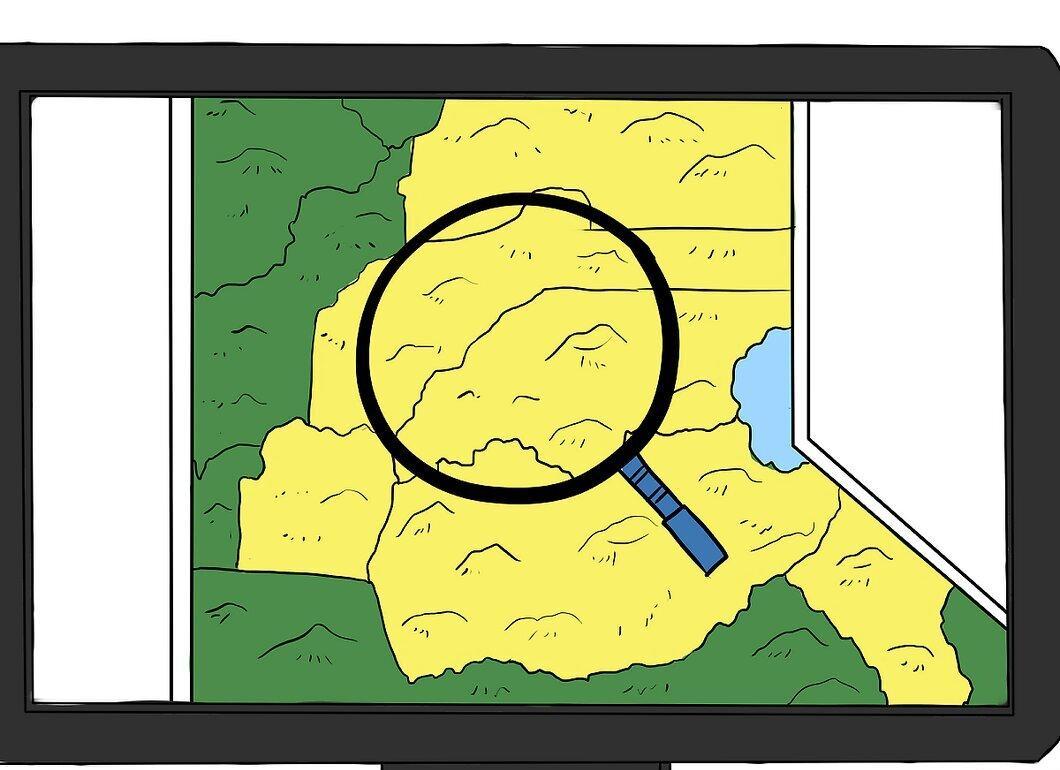
Investigate various areas to determine your chances of finding gold. Try to find this information online or request it from geological organizations.
Step 3. If necessary, obtain an official permit for gold nugget hunting.

Step 4. Search for gold in areas where it has been mined before.
Search for gold in areas where it has been mined before. Since most areas have already been explored, you’re unlikely to discover any new gold deposits.
Buy a Metal Detector
Step 1. Purchase a high-frequency metal detector.
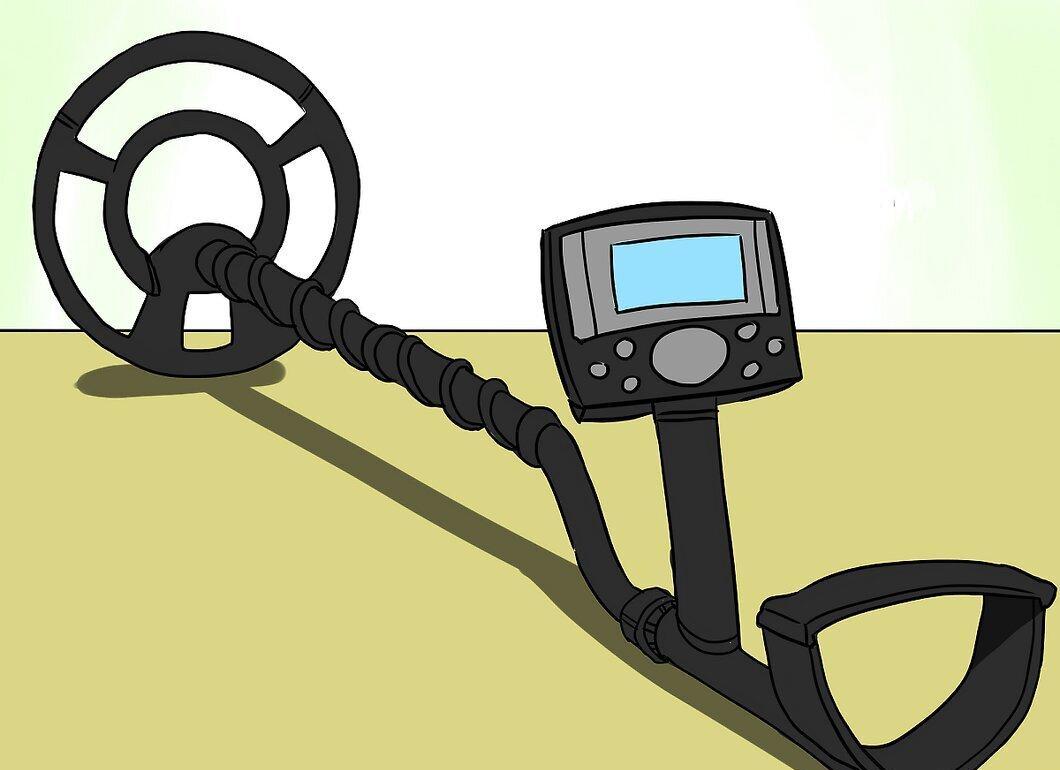
- High-frequency detectors are best for picking up gold, but they also tend to give false readings, especially when detecting iron deposits.
- Low-frequency metal detectors are great for locating larger gold deposits at greater depths.
Step 2. Look for a detector with automatic iron content adjustment.
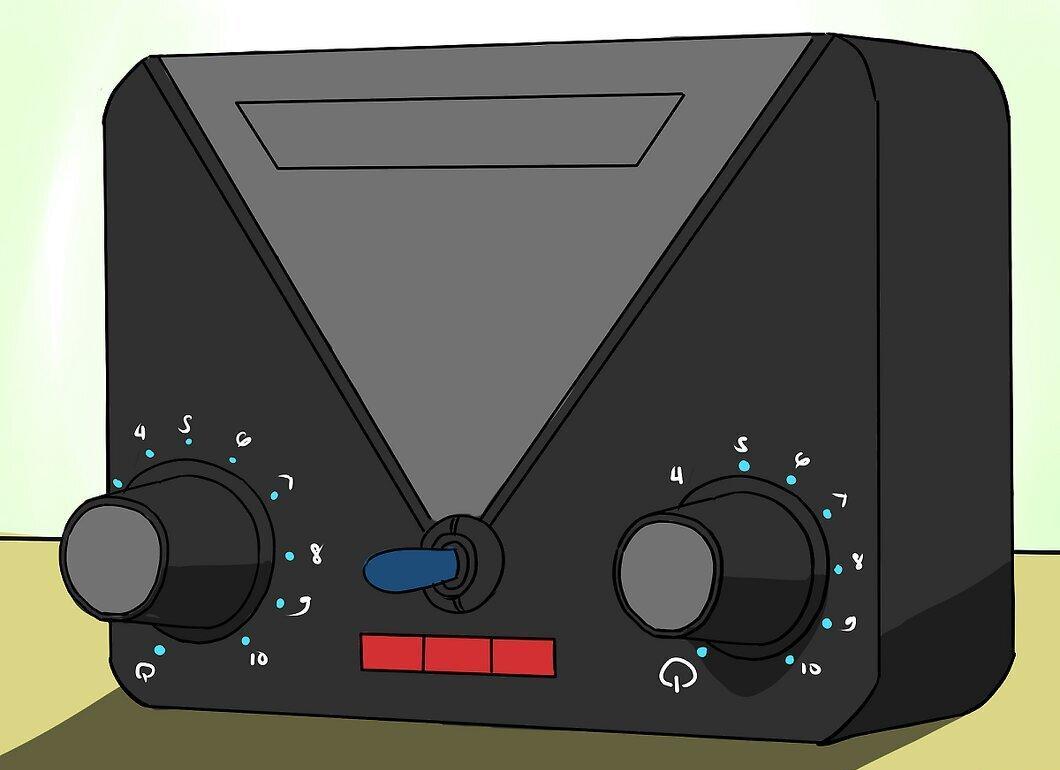
Look for a detector with automatic iron content adjustment. This way, you won’t have to do it manually all the time.
Step 3. Choose a detector that indicates the depth of the found object.
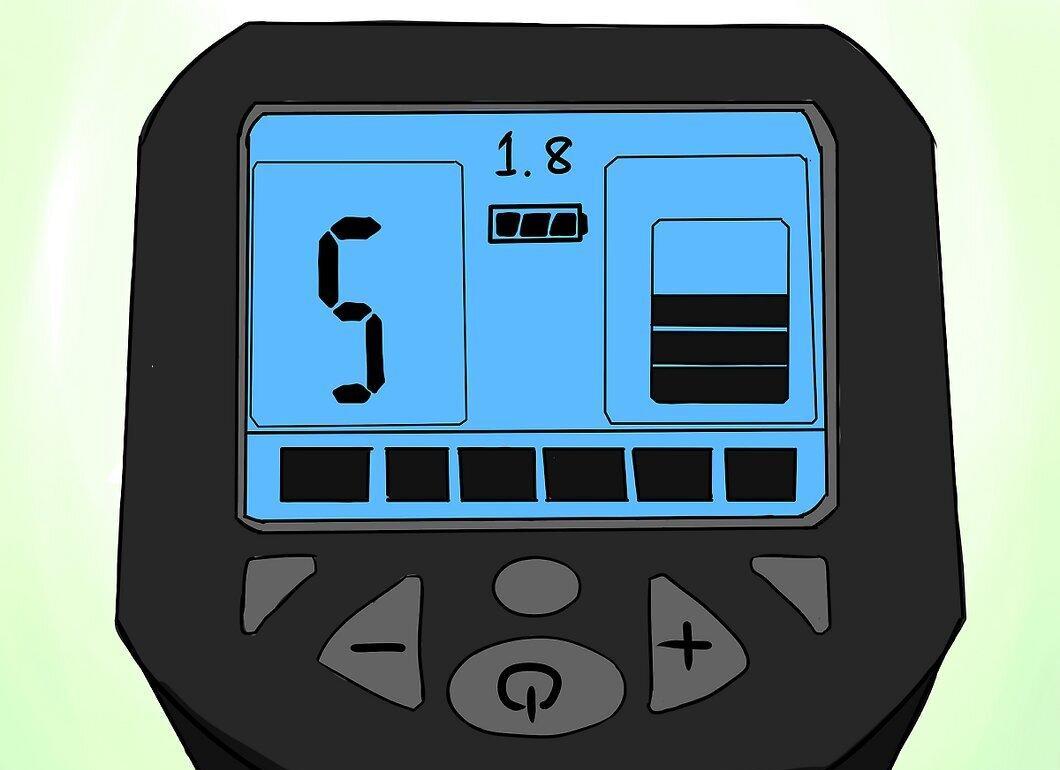
Choose a detector that indicates the depth of the found object. This will help you know exactly how deep you need to dig.
Step 4. Buy coils of various sizes.
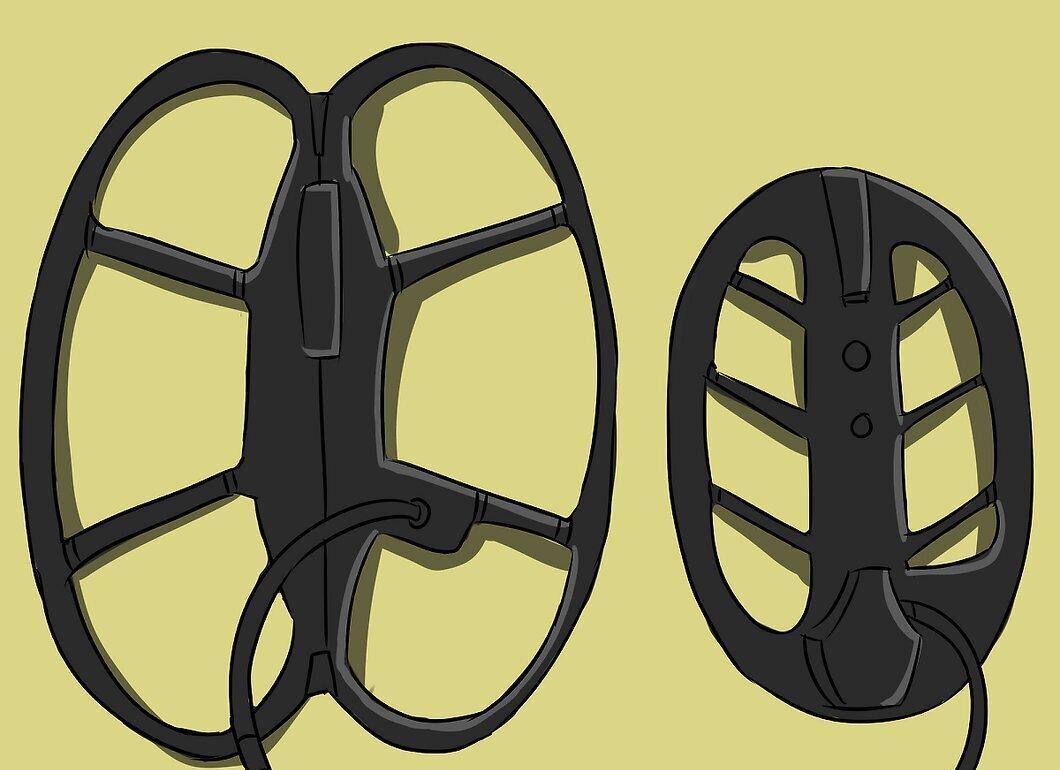
- Larger coils will help you find bigger items at greater depths, while smaller coils will find smaller items at shallower depths.
- Small coils are good for detecting gold in the ground, while larger coils excel at finding nuggets in tailings.
- Purchase coils specifically designed for your model. You can't use coils from other metal detectors.
Step 5. Get high-quality headphones.

Get high-quality headphones. They should:
- Block external noise.
- Enhance faint sounds when detecting a nugget.
- Have volume control.
- Be mono or stereo, depending on the type of detector.
Practice with Your Metal Detector
Step 1. Assemble your metal detector according to the manufacturer's instructions.
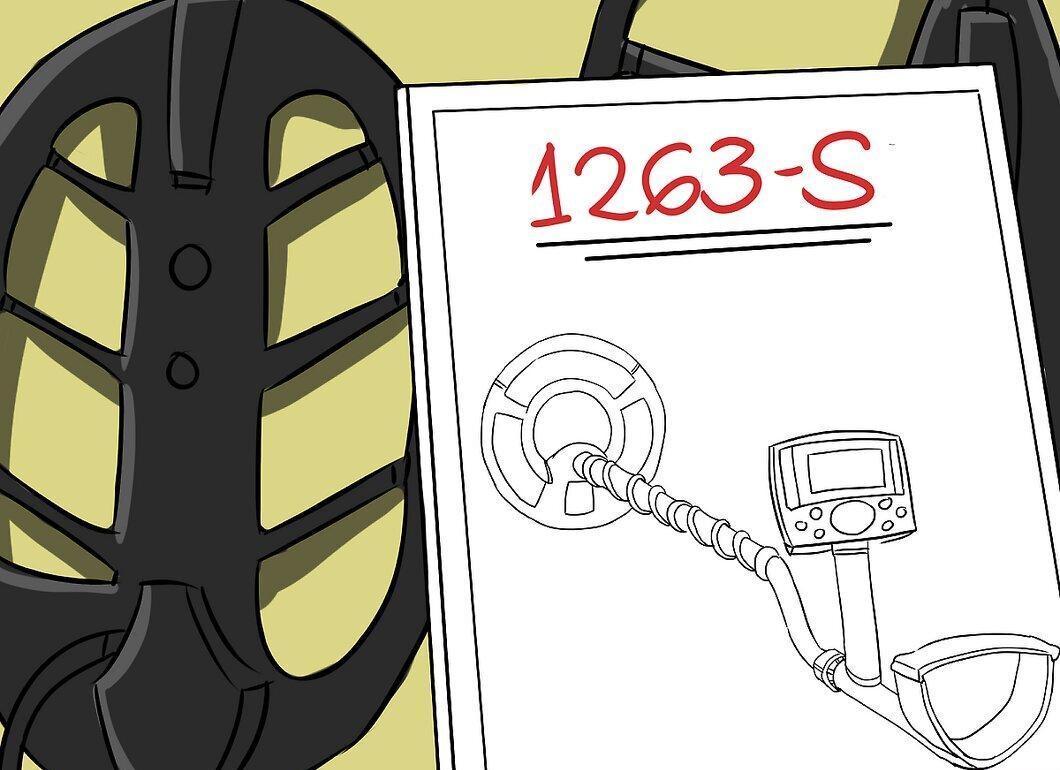
Step 2. Start practicing at home.

- Don’t practice outdoors until you understand how the tool works.
- Place various metal items, bottle caps, coins, nails, and gold jewelry on a table.
- Sweep the metal detector over each item several times to memorize the sounds it makes when detecting different metals.
Use Your Metal Detector to Search for Gold Nuggets
Step 1. Head to the spot you’ve chosen for nugget hunting with your equipment.
Step 2. Move the metal detector's coil side to side, low over the ground surface.
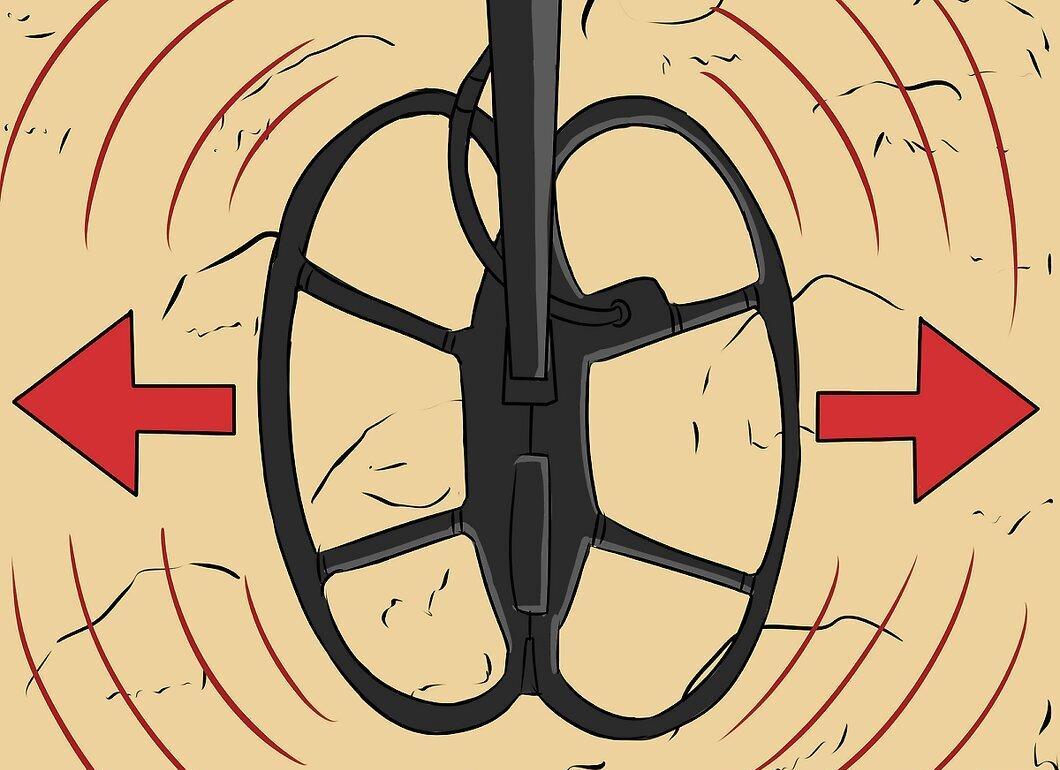
Move the coil of the metal detector side to side, low over the ground surface. Try not to swing it like a pendulum, so the detector remains at a consistent height above the ground.
Step 3. Overlap your sweeps.
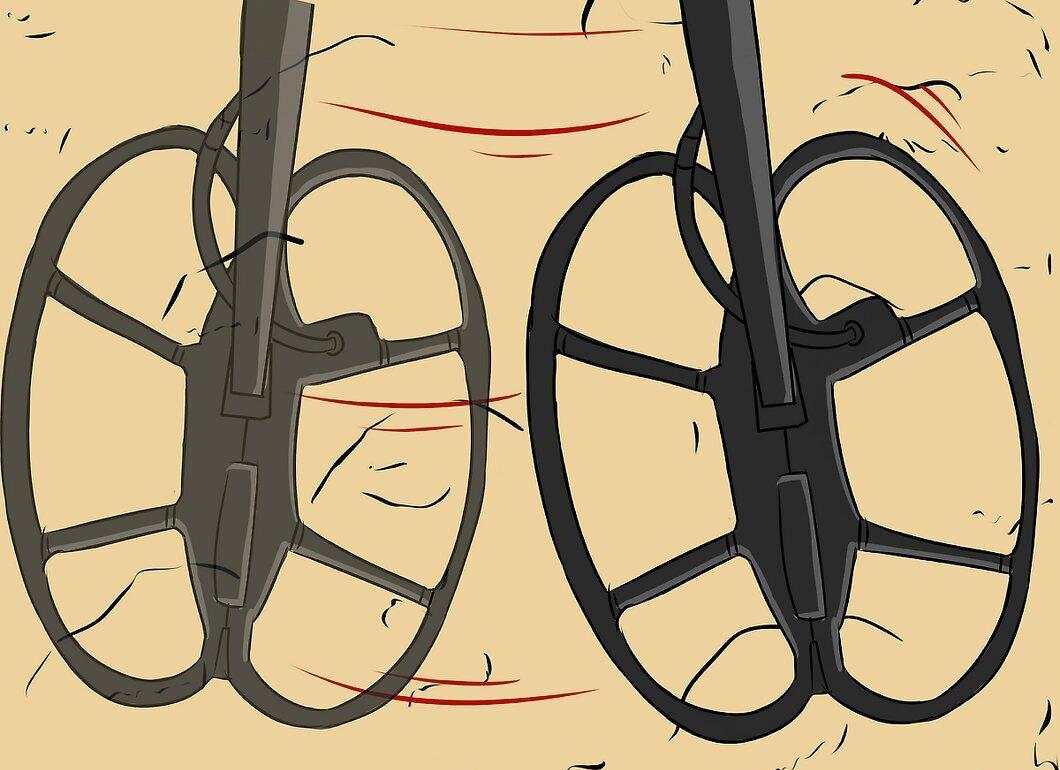
Overlap your sweeps. If you don’t slightly overlap the areas you’ve covered with the detector, you may miss small nuggets.
Step 4. Always try to dig when you get a positive signal.
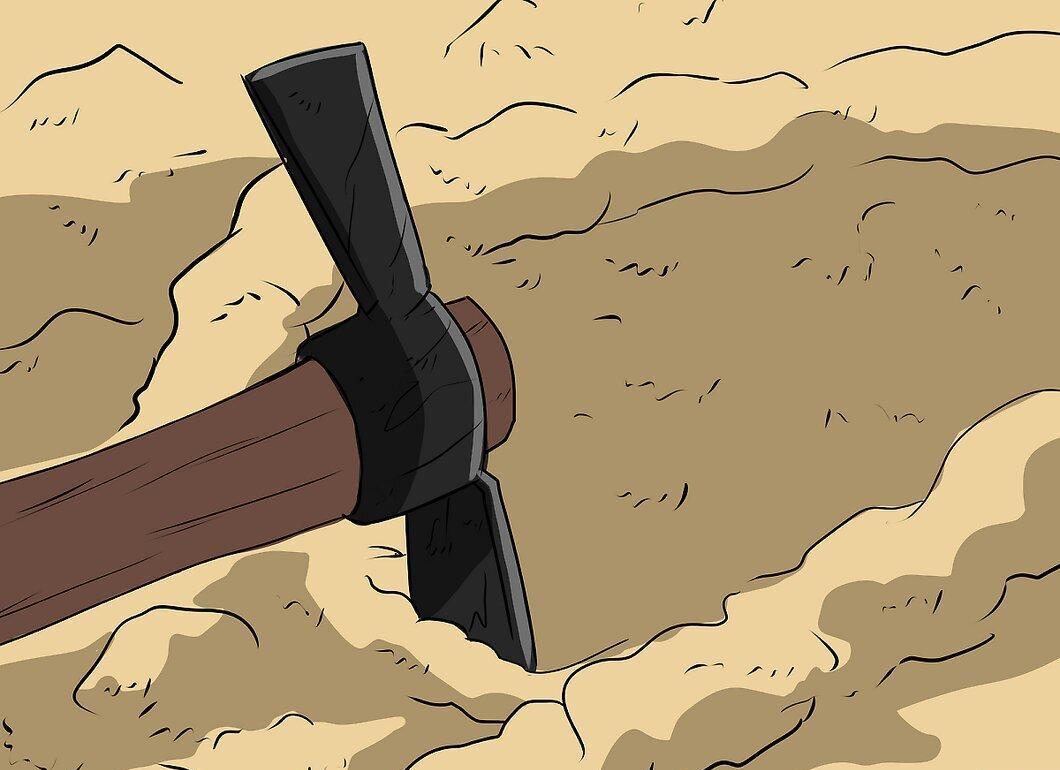
Always try to dig whenever you get a positive signal. But be prepared to dig a lot to find a nugget.