
The competition in education and job markets is becoming fiercer. While the old saying 'a C student can still graduate' may be true, achieving high grades can greatly enhance your chances of getting into college or landing a job. Remember, excellent results are often the result of hard work rather than innate talent, so finding motivation is the first (and most crucial) step towards academic success!
Part 1
Step 1. Fulfill Your Commitments.

Fulfill your commitments. If you're a student, your primary responsibility is to study. Typically, successful students are those who approach the challenging aspects of their education with a positive attitude.
Step 2. Manage Your Time Effectively.

Manage your time effectively. If studying is your job, challenges can arise, especially in college. Break down all your projects and set deadlines for each one. Also, allocate enough time to review your final project. Be honest about the time required for each course when planning.
Step 3. Learn How to Achieve Your Goals.

Learn how to achieve your goals. Whether in school or university, strive to understand how to get what you want. Don't stop there. Find someone who has already accomplished what you aspire to (like a successful entrepreneur) and take 15 minutes to learn how they did it. Prepare questions and jot down their advice. After the conversation, send them a thank-you note. This approach will be more effective than simply aiming for good grades due to pressure. Connecting with someone who has succeeded will help you better understand what it takes to reach your goals.
Step 4. Track Your Grades.
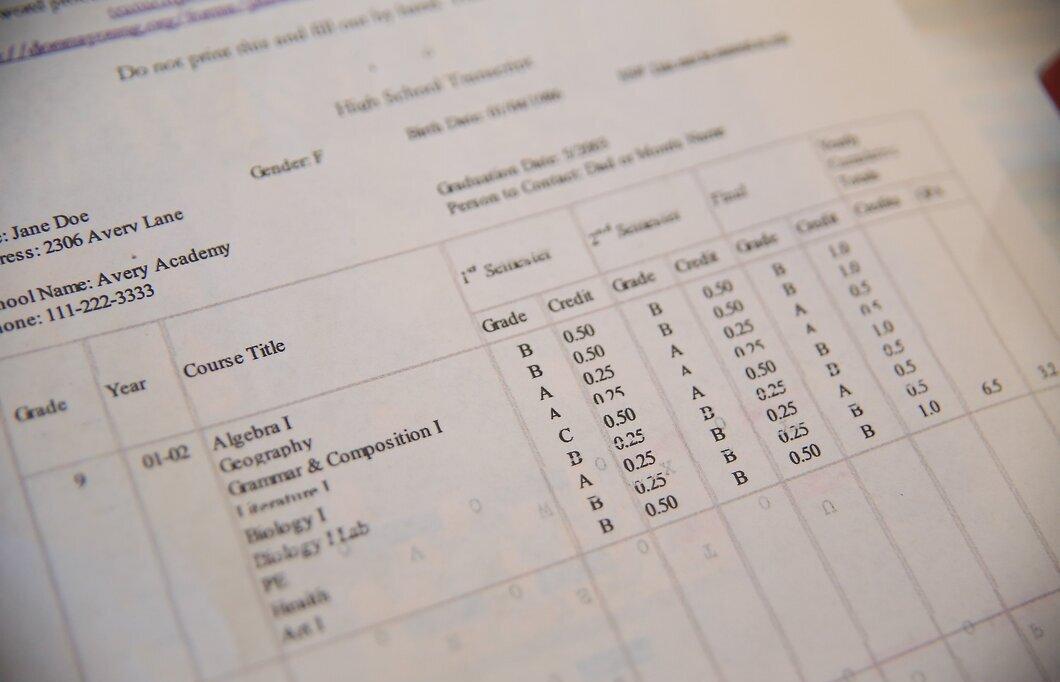
Track your grades. If you're in high school, don't hesitate to ask your teacher about your grades after class. If you're in college, review the syllabus and find out what grades you need to succeed. Also, determine how attendance affects your final grade and clarify requirements with your instructor. If you have questions after reviewing the syllabus, email your professor.
Step 5. Get to Know Your Graders.

Get to know your graders. In school, this is easier, but in college, a single course may be taught by different professors and assistants. A professor might deliver lectures while assistants grade your assignments. Make sure you understand how grades are assigned and complete all tasks accordingly.
Step 6. Attend Classes.

Attend classes. Missing classes can lead to difficulties in school. In college, it might be less noticeable, but frequent absences can negatively impact your grades. Remember, studying is your job; don't rely on friends to fill you in on what you missed. One day, you might find yourself in a class where you don’t know anyone and miss out on essential knowledge.
Step 7. Build Rapport with Your Instructor.

Build rapport with your instructor. If you’re in a lecture with many other students, be polite and respectful. If there are over a hundred people in the lecture, behave as if you’re at a performance. Visit your professor during office hours to discuss interesting points from the lecture, even if they don’t particularly interest you. The same goes for seminars with teaching assistants. Communicating with your instructors is a vital aspect of your education.
Step 8. Respect the Learning Environment.

Respect the learning environment. Attend classes as if this is your job. Avoid social media, texting, or chatting. In school, you might receive a warning, while in college, you could be asked to leave the classroom. Respect for your learning space will come back to benefit you.
Step 9. Participate Actively in Classes.

Participate actively in classes. This is especially important for small seminars. In larger lectures, questions are often directed to assistants. If your class is a seminar with a small group, your active participation is required. Don’t hesitate to ask questions, even if they seem 'silly' – it shows your interest in the material.
Step 10. Be Honest.

Be honest. Teachers have heard countless excuses for why you didn’t submit work or were late. If you missed a deadline, gather your thoughts and acknowledge your mistake, asking how you can make it right.
Step 11. Don’t Be Afraid to Ask for Help.

Don’t be afraid to ask for help. Part of your role as a student is to learn. Much of the educational process involves seeking advice from those who know more than you. By asking for help, you’re reaching out to someone who has devoted their life to studying the subject.
Step 12. Avoid Begging for Grades.

Avoid begging for grades. Request grades respectfully. If you’re unhappy with your grade, discuss it with your instructor privately by scheduling a meeting in advance. Ask what you can do to prevent such a situation in the future or if it’s possible to redo the assignment. Many professors are willing to provide extra opportunities if a student humbly requests it in advance.
Step 13. Hold Yourself Accountable.

Hold yourself accountable. Join a club or group that requires maintaining a certain GPA. Many sports teams, fraternities, sororities, and internships have minimum grade requirements.