
Sometimes, you need to locate someone. This person could be an old friend, a family member, or a former colleague. If you don't know where this person is now, it may take some time to gather their contact information.
Gathering Information About the Person
Step 1. Compile a list of all the information you have about the person.

- Start with the person's name. If you know any nicknames, be sure to include those as well. Add the maiden name or married name.
- Write down the age or estimated age of the person.
- Note the last known home address of the person. Also, record any information you have about a possible change of residence. For example, a former neighbor says the person moved from Samara to work in Moscow.
Step 2. Find the person's latest contact details, including phone number, email address, and social media contacts.

Step 3. Determine who the person's last employer was.

Find out who the person's last employer was. If the person is still working in the same field, you can try to locate them through professional websites.
Step 4. Reach out to the person's friends or acquaintances.

Contact the person's friends or acquaintances. Ask them about the hobbies and interests of the person you are looking for. You may be able to find the person on specialized websites or blogs based on these interests.
- Look for former friends or family members. You might be able to find the person through them.
Step 5. Start your search using internet search engines.

Begin your search using internet search engines. You can search by name and address.
- Additionally, the search engine may help you connect with the person through social networks, blogs, professional websites, or interest-based sites.
- To search for a person on Google, enter the person's name and the state they live in, for example, "Jane Doe USA." If the person has a common name, narrow your search by including their full name and any other personal information you have.
- You can also enter the person's phone number (if you have it) to find their full name and address.
Step 6. Look for the person's family members, friends, or known business associates online.

Search online for the person's family members, friends, or known business associates. You might be able to find the person through these connections.
Step 7. Try to find the person through social media.

Attempt to find the person through social media. You can search among social media users by name, location, school attended, or interests.
- Enter the person's full name and last known country of residence in the Facebook or Myspace search bar.
- You can also search for information on social media using Google by entering the website address, the person's name, and the year they graduated from university (if you have that information). For example: www.myspace.com 1999 Cole Jordan.
Using Specialized Websites
Step 1. Utilize specialized search websites.

Make use of specialized search websites. Most of these sites provide only a limited amount of information for free, but you can access full details for a fee. Keep in mind that providing your email address and password on any of these sites may expose your personal information (unless otherwise stated on the site's registration page).
- PeekYou is a good site for finding people online; it searches across 60 different sites (social networks, blogs, websites, and other information sources).
- WhitePages is an easy-to-use site for finding people's addresses in the USA.
- Zabasearch is a comprehensive search engine that allows you to find people's addresses and phone numbers.
- Pipl is a search engine that finds information in the deep web. You will only get limited information for free.
- PrivateEye can help you find a person's name, address, phone number, marriage certificate, and more. For free, you will get the person's full name, city of residence, age, and relatives' names. For a fee, you will receive the person's phone number or address.
- PublicRecordsNow searches public records and looks for a person's name, phone number, email address, or home address.
Step 2. Use comprehensive online services focused on people search, such as wink.com.

Utilize comprehensive online services focused on people search, like wink.com. These services allow you to search simultaneously across multiple sites and services, saving you time and helping you find more information about the person.
Step 3. Consider paid specialized websites.

Take advantage of paid specialized websites. These sites offer a smaller set of services and only search for specific information about a person (name, location, email address, postal address, phone number, etc.).
- The cost of services on these sites is quite moderate (from $5 to $10) compared to comprehensive online service providers.
Step 4. Register on a specialized people search website.
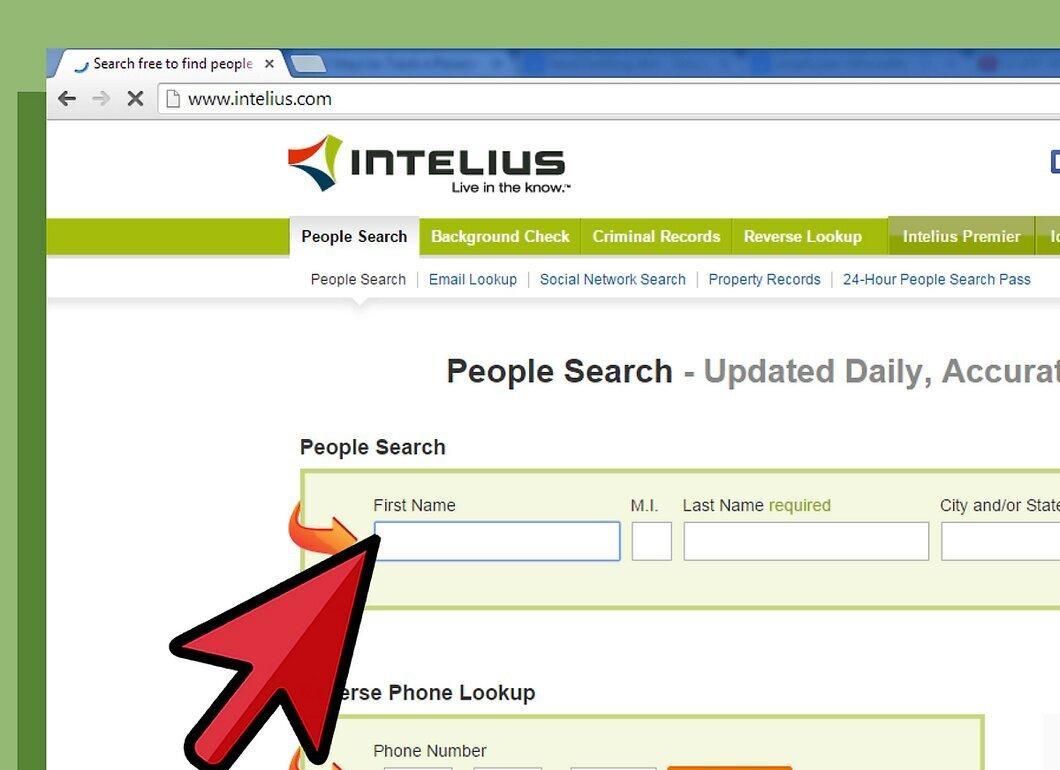
Sign up on a specialized people search website. To obtain detailed information about a person, register on a specialized site like Intelius.com or Checkpeople.com.
- The fees for these sites range from $50 to $100, but you will receive the most comprehensive information about the person you are looking for.
Hiring a Private Investigator
Step 1. Ask your relatives or friends for recommendations for a good private investigator (if possible).

Request recommendations for a reputable private investigator from your relatives or friends (if possible). Check their reputation and gather additional information about the investigator.
- Use search engines, like PInow.com, to find and select a qualified private investigator.
- Before hiring a private investigator, ask for references.
Step 2. Verify the private investigator's license.

Check the private investigator's license. A professional private investigator will provide you with their license number. You can verify this license with local municipal authorities to ensure it is valid, that it was issued to this investigator, and whether any complaints have been filed against them.
- In some states, private investigator licensing is not required.
Step 3. Meet the investigator in person.

Meet the investigator in person. Most investigators offer a free consultation. This will allow you to get to know the investigator and ensure they have an office.
- If the investigator does not have an office, that is a bad sign. You should be able to locate the investigator at their office.
Step 4. Inquire about the investigator's experience and education.

Ask the investigator about their experience and education. It’s best to find an investigator who specializes in locating people.
- Double-check that the investigator has insurance. While insurance is not mandatory for all professions, if something happens to the investigator during the search, you would be held liable (if the investigator does not have insurance).
Step 5. Discuss the investigator's fees.

Inquire about the investigator's fees. This can depend on the circumstances of the person's search, so discuss the total cost of services in advance.
- Be prepared to pay a higher fee if the investigator has extensive experience and training.
- Ask whether the investigator charges a flat fee for information search services (finding a mobile number, checking criminal records, searching for a vehicle number, etc.).
- Discuss the investigator's hourly rate with them. This depends on the investigator's experience and the amount of information they need to find.
Step 6. Talk to the investigator about a retainer.

Discuss a retainer with the investigator. Some private investigators require an upfront payment (the amount depends on the type of services and circumstances of the person’s search).
- The retainer amount may be influenced by factors such as travel time, number of hours of surveillance, and urgency.
- If you are using a private investigator through a lawyer, generally, there is no need for a retainer since the lawyer pays for the investigator's services.
Step 7. Sign a contract with the private investigator.

Sign a contract with the private investigator. The contract should include a description of the services to be performed and require full confidentiality between you and the investigator.
- The contract should also specify that the investigator documents the entire search process and provides a detailed list of the tasks performed by the investigator.
Step 8. Be prepared for the possibility that the investigator may or may not find the person.

Be prepared for the possibility that the investigator may find the person, or they may not. There are no guarantees that a private investigator will definitely locate the person. But if the investigator does their job properly, they are likely to uncover the person or information about them.