Armadillos can be found all over the world. If you live in the U.S., the species you might encounter is the nine-banded armadillo (official name - Dasypus novemcinctus). This insect-eating mammal first appeared in the United States in the 1800s. Dasypus novemcinctus can grow up to two feet (0.61m) long and typically weighs between 8 to 17 lbs (3.64 – 7.73 kg). Armadillos have a stocky, heavy build. They generally have poor eyesight, are nocturnal, and are burrowing animals.
Part 1
Step 1. Use natural methods to control armadillos.
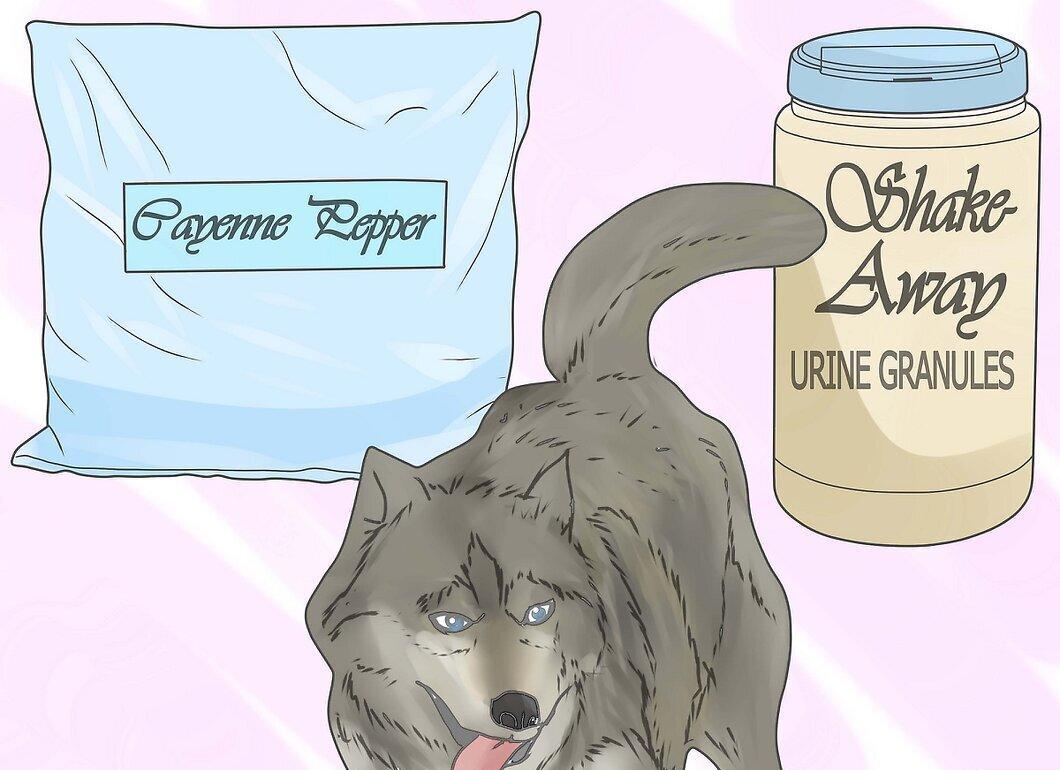
- Sprinkle cayenne pepper around your home, farm, or garden. Dust it on the ground and watch how it repels armadillos if they sniff it.
- Purchase a predator urine container for bait. You can find these at hunting stores, and one popular product is Shake-Away.
- Don’t keep dogs tied up, especially at night. The smell and noise from the dog will deter the pest and also allow for the dog to chase the armadillo away to prevent its return.
Step 2. Set traps to catch the armadillo.
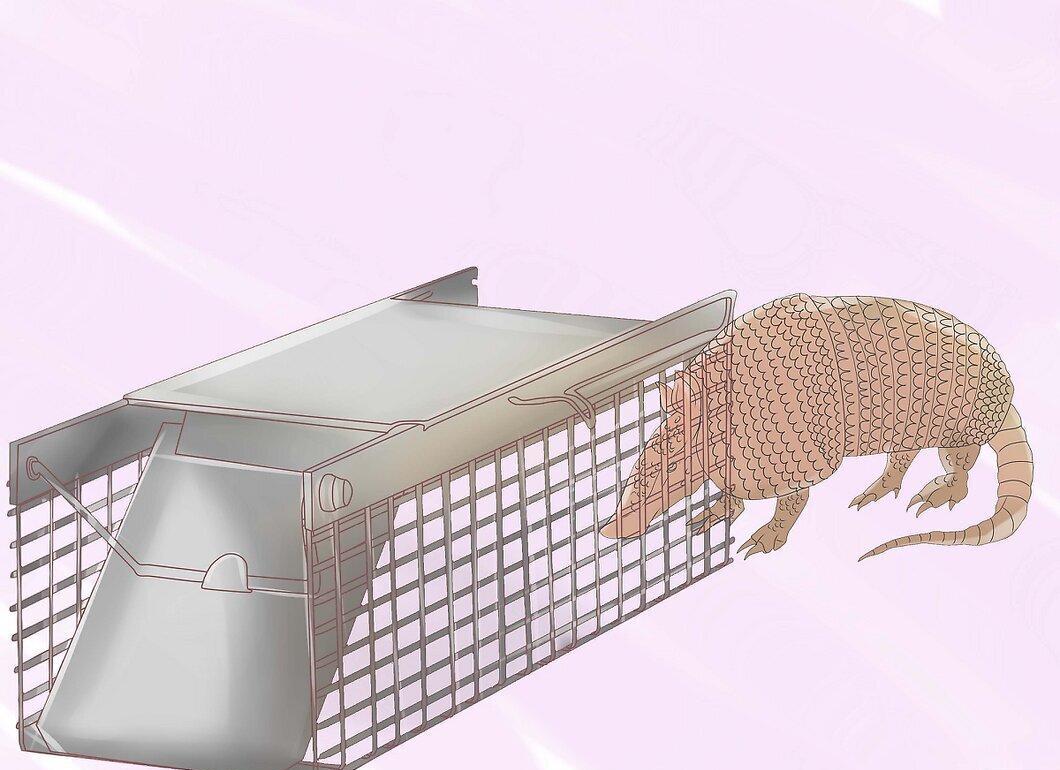
- Use large traps and set several of them. Place them at the entrance of a burrow, using boards in a “V” shape to lure the animal in.
- For bait, fill a nylon stocking with earthworms.
Step 3. Relocate the armadillo far away from your home or property.
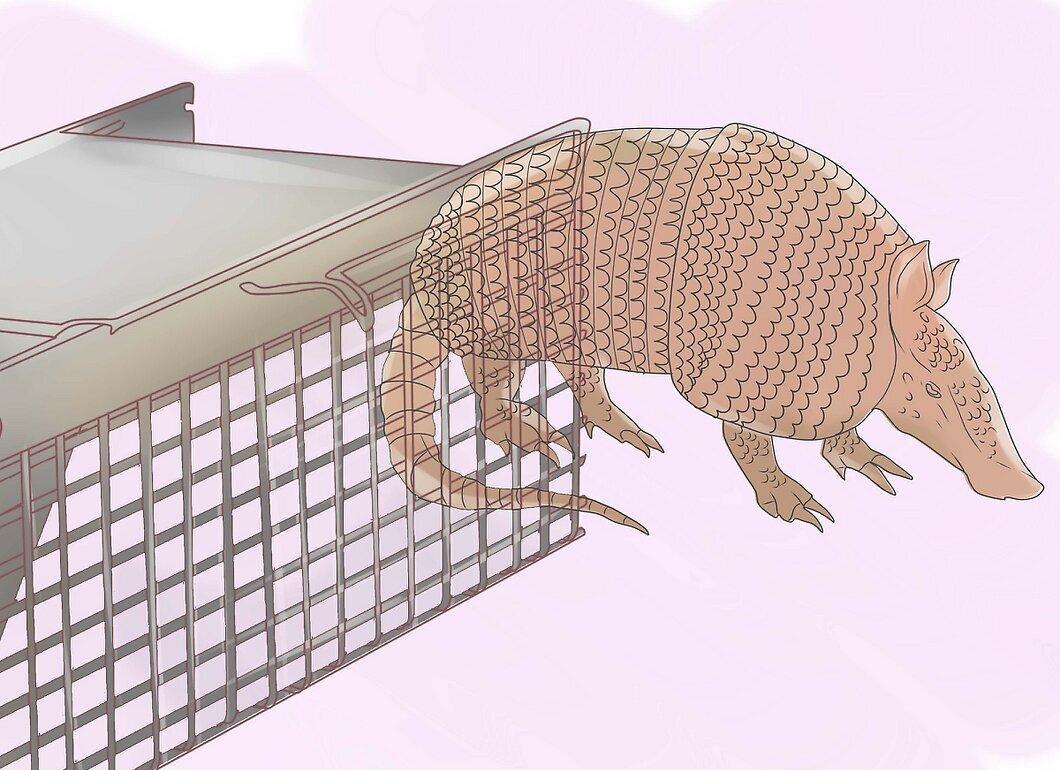
Relocate the armadillo as far away from your home or property as possible. An ideal location would be near a water source and somewhere the animal won’t disturb other families or people.
Step 4. Wear special gloves when handling armadillos.
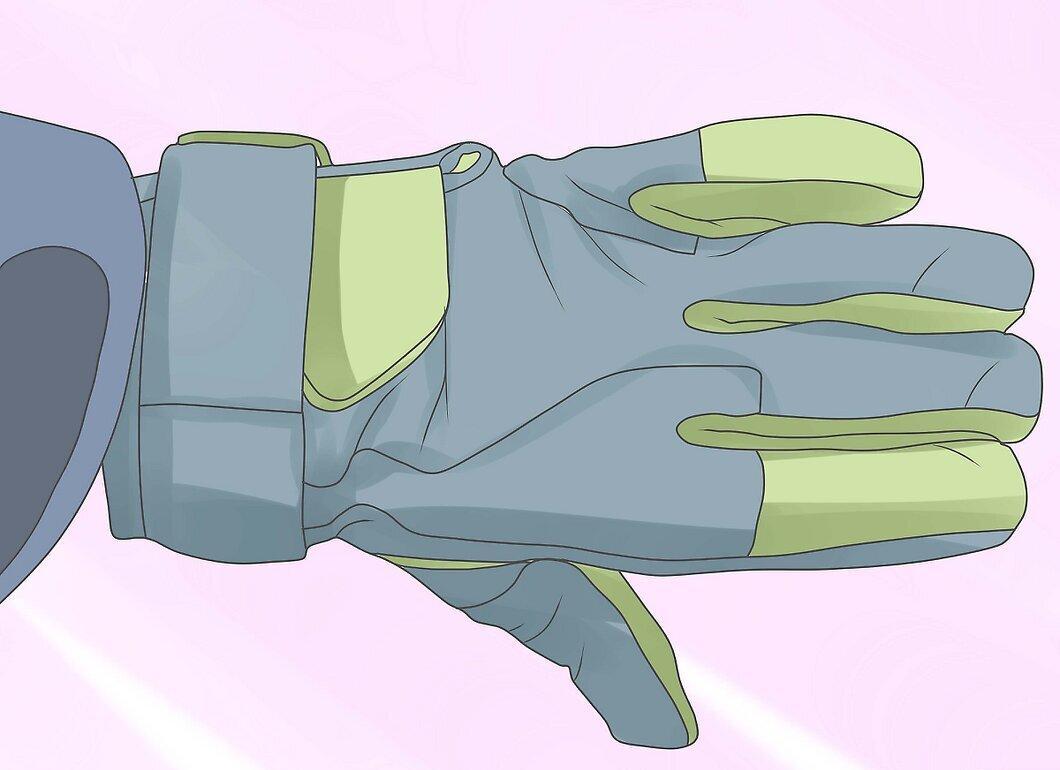
It is advisable to wear specialized gloves when handling armadillos. This is not the preferred method, but it is an option. Armadillos can bite or scratch (they have long claws), so it is recommended to grab them by the tail. Once you have caught the animal, place it in a cage and relocate it as far away from your home as possible.
Step 5. Hire a pest control professional if their services fit within your budget.
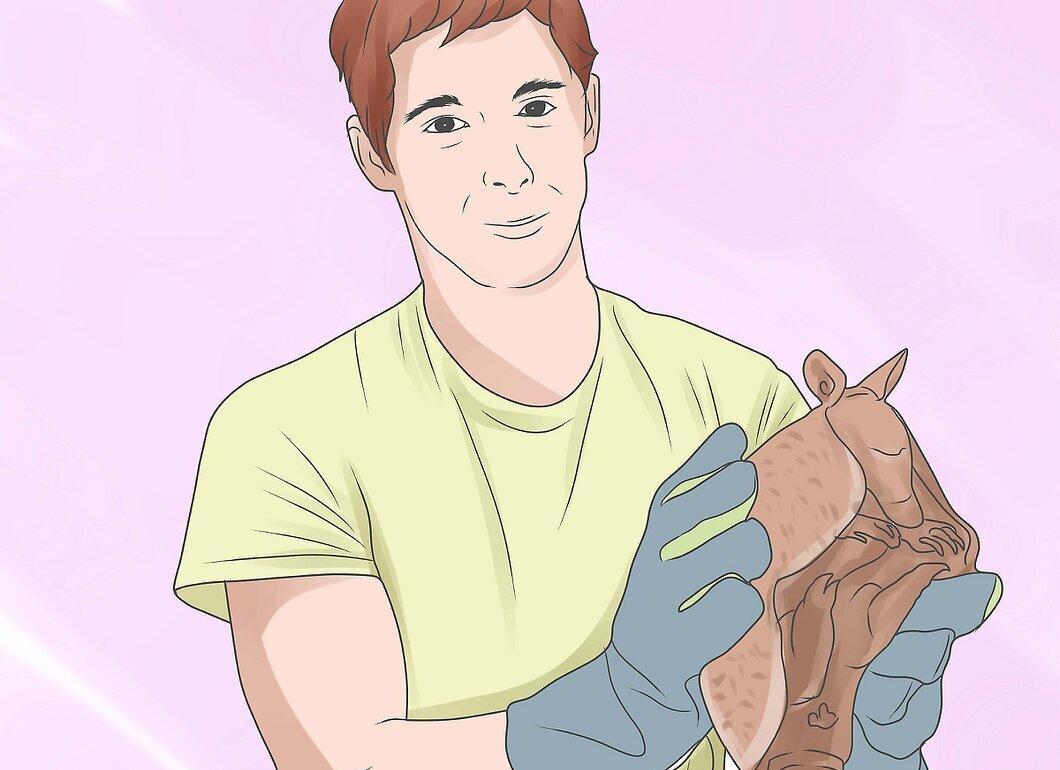
- Check your state’s list of licensed wildlife trappers.
Step 6. Use a block-out method such as barricades under your home or other structures after you have removed the animals from your area.
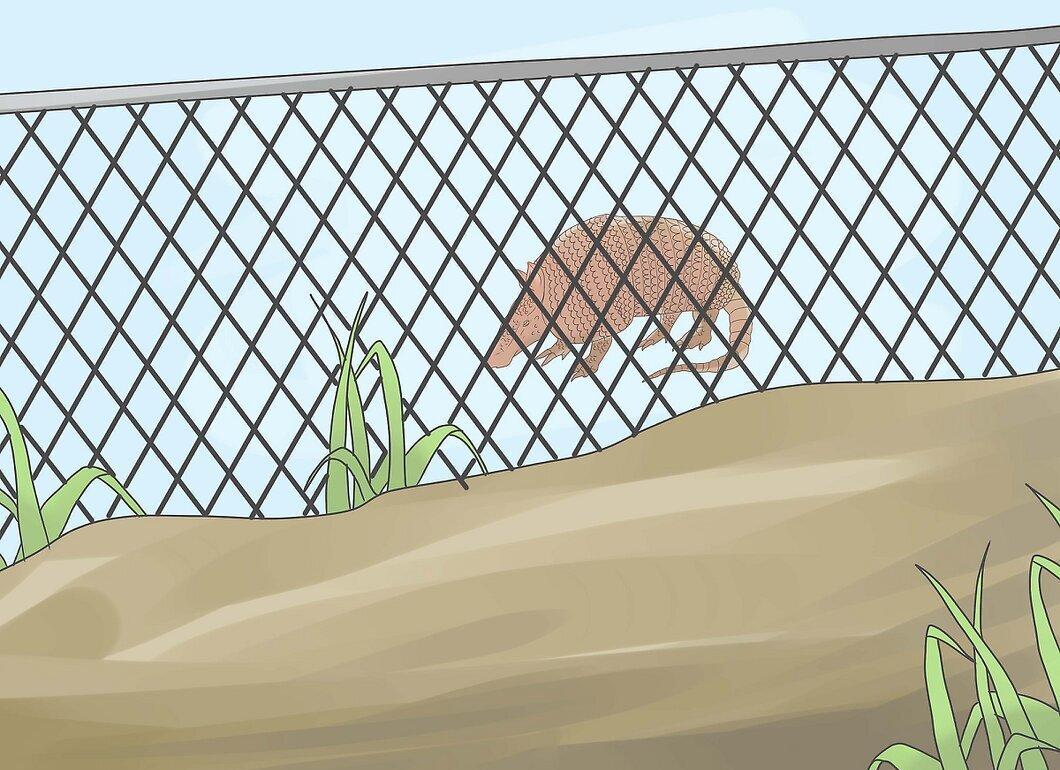
Implement a block-out method, such as barricades under your home or other buildings, after you have removed the animals from your area. Set up barriers that cover not just the ground but also extend underground.