If you see tiny bugs crawling on your rat and a vet has confirmed that you're dealing with tropical rat mites (Ornithonyssus bacoti) rather than ordinary fleas or other mites, this guide will help you easily eliminate them.
Part 1
Step 1: Identify the Symptoms.
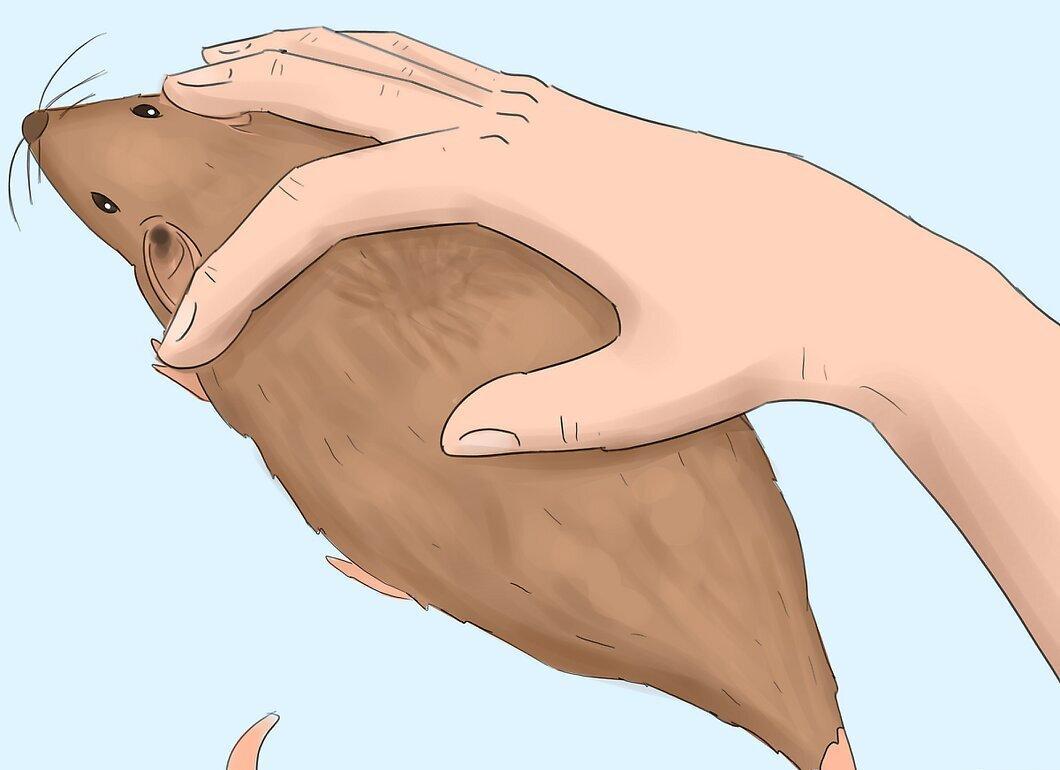
Identify the symptoms. Keep in mind that these mites are not bloodsucking, so there won't be obvious physical signs. Symptoms include:
- Skin inflammation

- White spots on the hair follicles of your rat (these are the tropical mites, which may initially look like ordinary mites)

- Intense itching

- Scabs around the shoulders, neck, and face.

Step 2: Consult a Veterinarian.
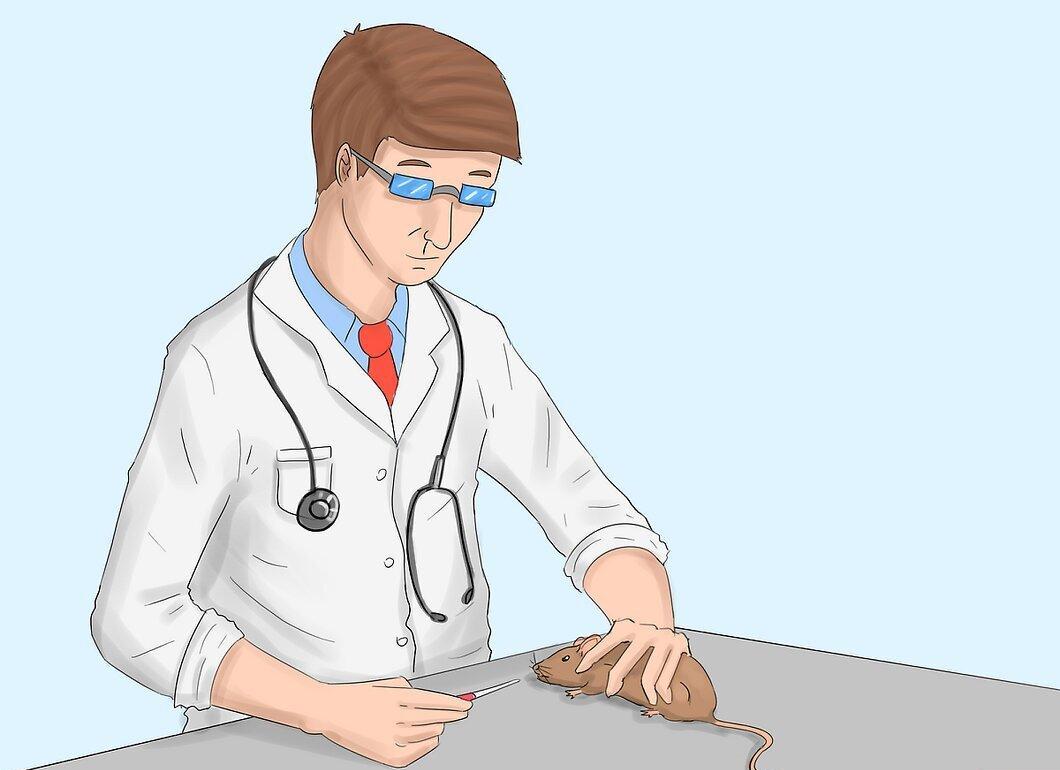
Consult a veterinarian. No one else can help you. The vet will likely prescribe ivermectin or a similar medication, either orally or via injection, multiple times over the month. The veterinarian will determine the administration method, frequency, and details.
Step 3: Clean Everything the Mites Can Be On.
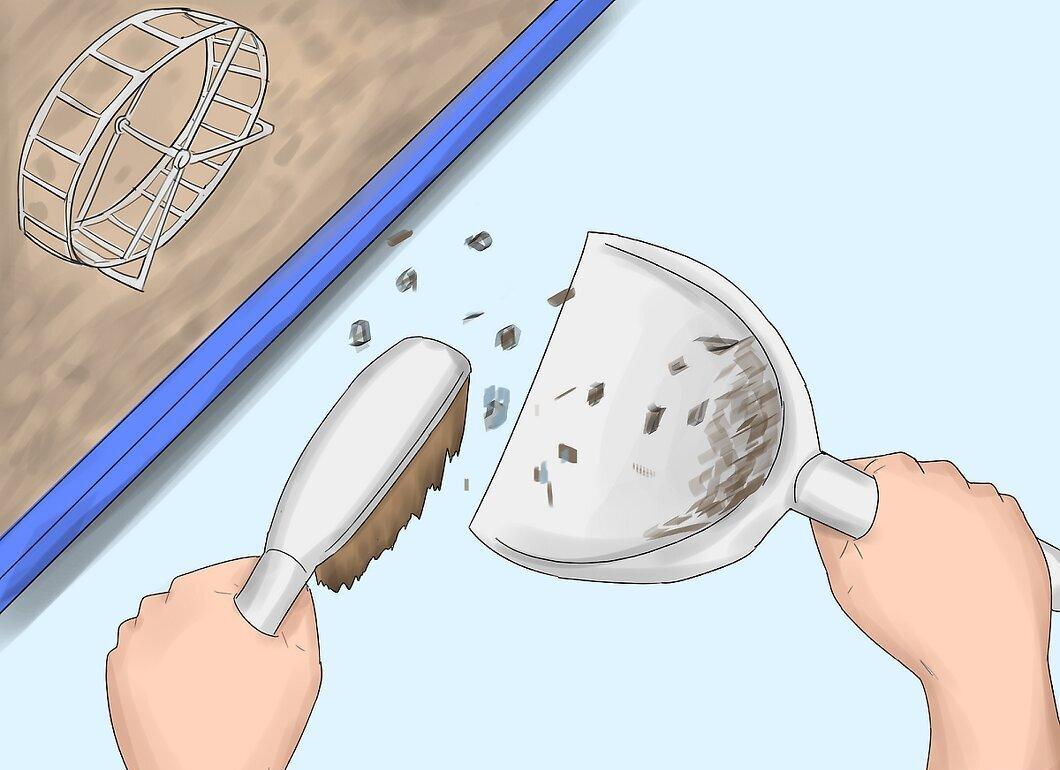
Clean everything the mites can be on. Do this 24 hours after treatment. The treatment will kill the mites on your rat, but it won't eliminate the eggs and mites present in the rat's environment.
- Get rid of all wooden items. These parts are nearly impossible to clean of parasites, and mites can hide in the wood.

- Clean everything with a disinfectant solution. Start with the rat's cage.

- Wash any fabrics in or around the cage and put them in the dryer on the highest setting. Ideally, do not leave fabric near the cage while the rat is undergoing treatment.

- If you need to disinfect human items (like bedding or furniture), use alcohol and a spray bottle. Alcohol will kill mites on contact and evaporates quickly.

- Sticky traps and tape can also be used. Vacuuming is effective only if you dispose of the dust bag or thoroughly clean bagless vacuums. You can use a filter, such as a cloth wrapped around the vacuum tube, which should be placed in alcohol to kill all mites.

Step 4: Isolate Your Rat.
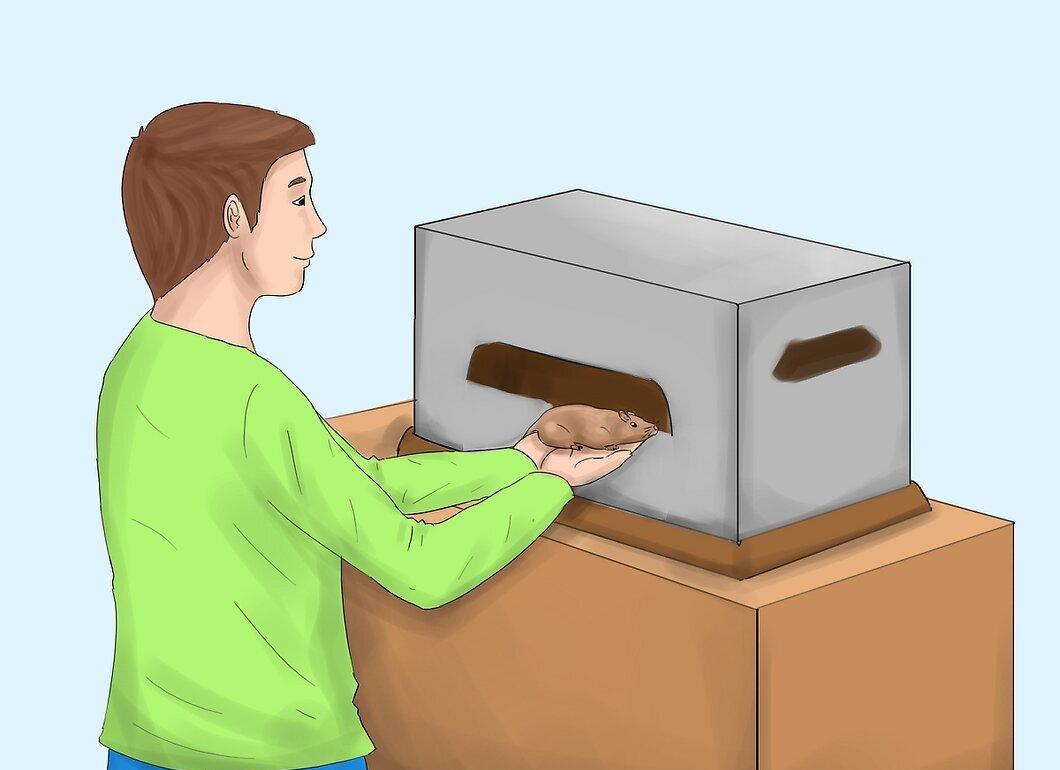
Isolate your rat. Place it in an area of your home where there are no mites and cannot become infested.
- Keep it away from other pets. Mites can live on other pets for about two weeks but will die if they don't get to the rat. If they come into contact with the rat again, they will continue their life cycle. Make sure other animals cannot access your rat.

- It's best to keep the rat away from old cages and avoid letting it be near carpeted areas.

- Isolation should continue throughout the treatment duration.

Step 5: Repeat the Cleaning Process Anytime During Treatment.
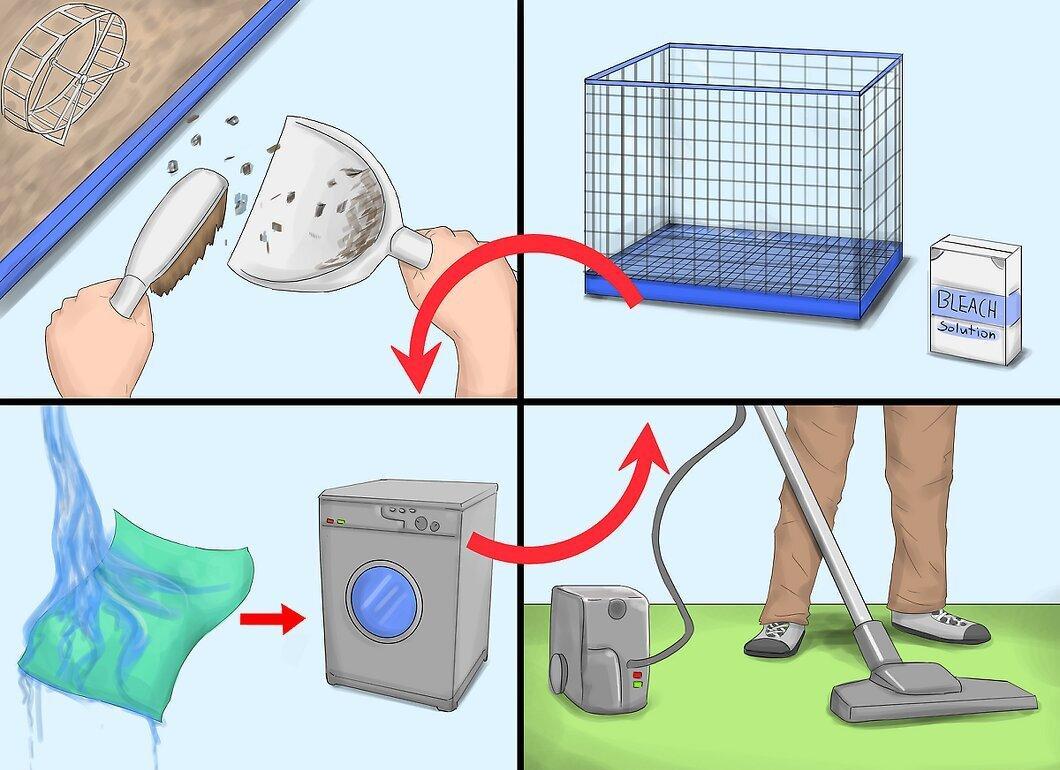
Repeat the cleaning process anytime during treatment. Again, disinfect the rat's environment within 24 hours of treatment. This will kill the mites and their eggs.