Spicy food is loved worldwide. In some cultures, even young children are introduced to it to help develop their taste buds. Various spices, herbs, and seasonings can open up an exciting new world for those willing to experiment, but it can be challenging to acclimate to unfamiliar spicy foods at first. Here are some simple tips to help you get used to spicy dishes from around the globe.
Adjust Your Eating Habits
Step 1. Start Small.

Begin with small amounts. Start by eating foods that are just slightly spicier than what you're used to. For instance, add a bit more black pepper to your usual dishes or season them with a few pinches of red pepper flakes.
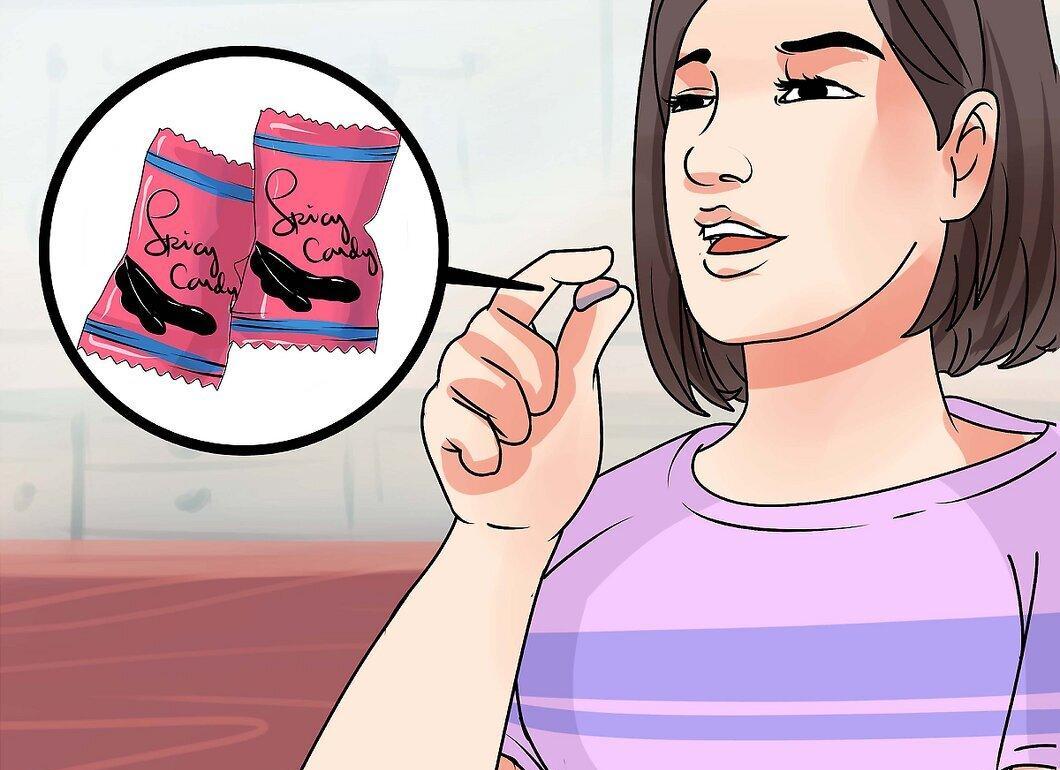
- There are spicy candies and other mild snacks available that can help you gradually get used to spicy food. Look for such candies in the supermarket or try ordering them online.[2] X Source
Step 2. Eat Slowly.
Eat slowly. If you quickly gulp down a plate of spicy food, you may not fully experience the heat you're trying to adapt to. This may further deter you from enjoying spicy cuisine. Add spices and seasonings gradually to each dish over time, savoring their aroma and flavor.
- Be patient. Don’t get discouraged if your tongue and palate initially reject spicy food. It may take a few weeks to a few months before you fully acclimate.[4] X Source
Step 3. Learn About Different Types of Heat.
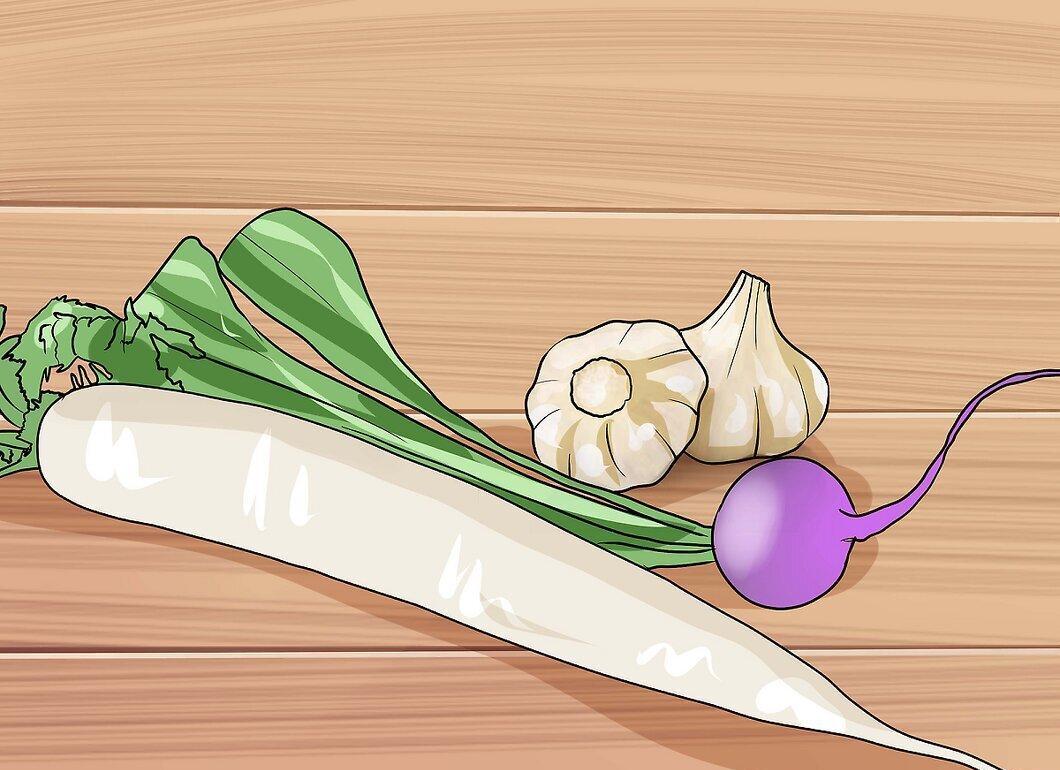
Understand the types of heat. Not all spicy foods are the same. Chili peppers impart a different aroma and flavor compared to garlic or wasabi. Knowing this will help you choose suitable spicy dishes.
- Some ingredients, like garlic and radish, have a natural spiciness caused by different compounds than those found in chili peppers. These gentler ingredients can help you explore the world of spicy food without overwhelming your taste buds and oral mucosa.[5] X Source
- When adding peppers to your food, pay attention to their heat index (on the Scoville scale). Find out which peppers are best to start with and gradually increase the heat level. Keep moving forward![6] X Source
Step 4. Gradually Increase the Amount of Seasonings and Spices.
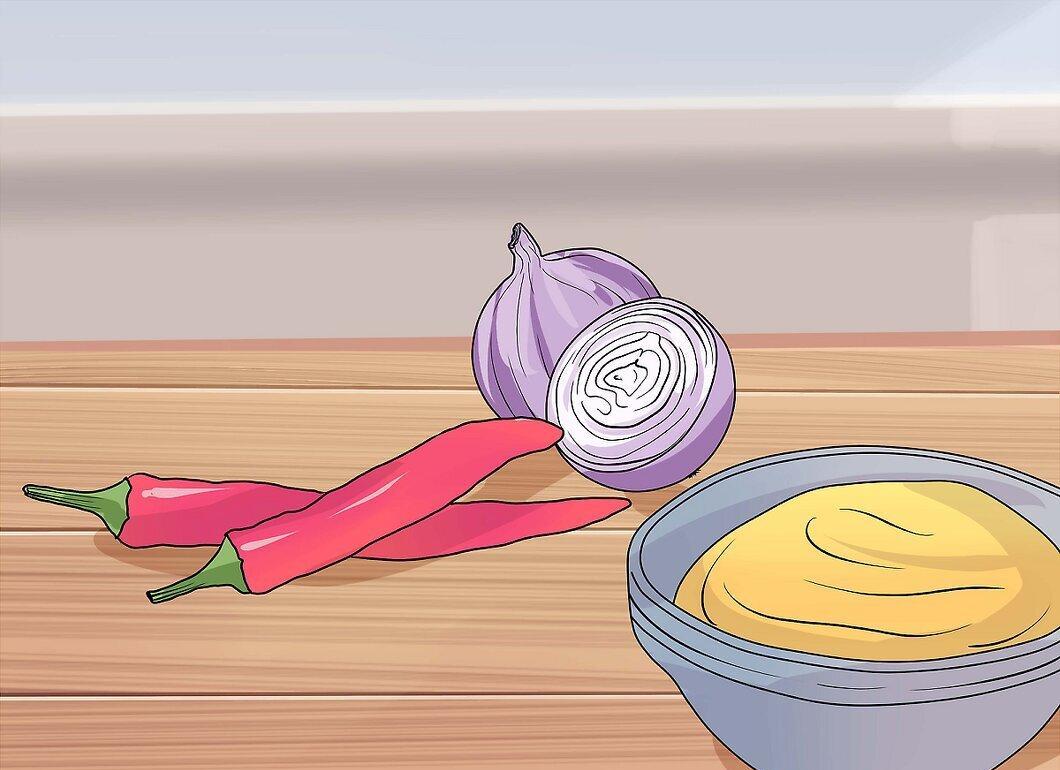
Gradually increase the amount of seasonings and spices in your dishes. As you become accustomed to spicy food, enhance its heat. During this process, you'll discover a variety of dishes you may not have considered before. There are many ways to achieve this.
- Increase the proportion of spicy food in your diet. Eat more spicy foods over a shorter period to adjust to their heat.
- Use spicier varieties of your favorite spices. Many ingredients, including chili peppers, onions, and mustard, come in many varieties that differ in heat and pungency.
- Consume foods where the heat manifests differently. For instance, mustard, horseradish, and wasabi create a fleeting sensation of heat not just in the mouth but also in the nasal passages.[7] X Source
- Limit your intake of bread and milk. Don’t try to dull the heat; let it fully express itself! The goal is to learn to tolerate spicy food.
Step 5. Explore Different Cuisines.
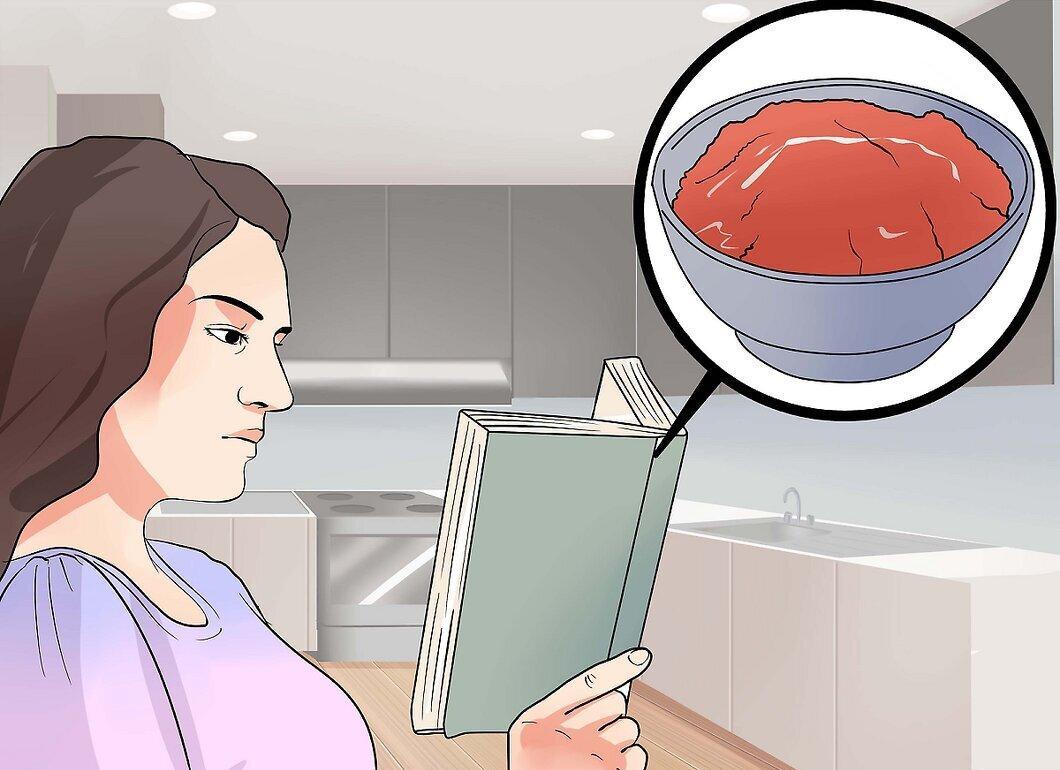
Explore various world cuisines. Typically, different dishes from particular cuisines feature a few key spices characteristic of that cuisine. Familiarize yourself with the spices used in various culinary traditions and choose those that appeal to you.
- For example, Indian cuisine often employs a spice mix called "masala," which is a blend of several types of peppers. Green chili peppers are usually included in the masala. Many chefs have their own recipes for masala: consult with experts to find a blend that works for you.
- Ethiopian cuisine frequently uses a spice mix called "berbere," which contains not only hot red pepper but also ginger, garlic, and cloves. This mix has a completely different flavor and is spicier than spices whose heat comes solely from capsaicin.[8] X Source
Complement Your Diet
Step 1. Eat Foods That Help Mitigate Heat.
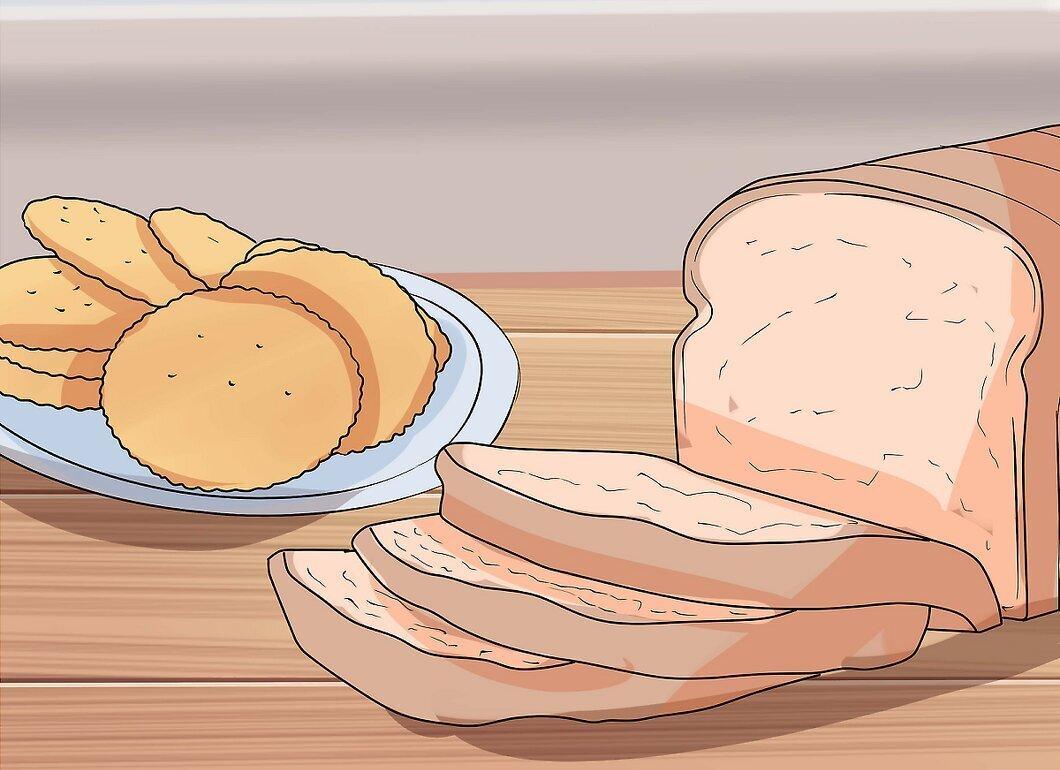
Include foods that help manage heat in your meals. When trying to get used to spicy dishes, pair them with foods that absorb the hot and spicy oils. Such sides will help you cope with the heat of the main dishes while acclimating your taste buds.
- Starchy foods, like bread, crackers, and potatoes, effectively absorb capsaicin—the oil that gives spiciness to spices, including chili peppers.[9] X Source
Step 2. Eat Dishes That Combine Heat with Other Flavors.
Enjoy dishes that combine heat with other flavors. Very spicy spices and peppers can be softened by adding ingredients with other prominent flavors. For example, lime and coriander have a cooling effect that helps neutralize hot spices. The flavor of a spicy meat dish can be balanced with a vegetable side.
- Sugar can also help tone down the heat. A slight sweetness can make a spicy dish more balanced.[11] X Source
Step 3. Keep a Glass of Milk Nearby.
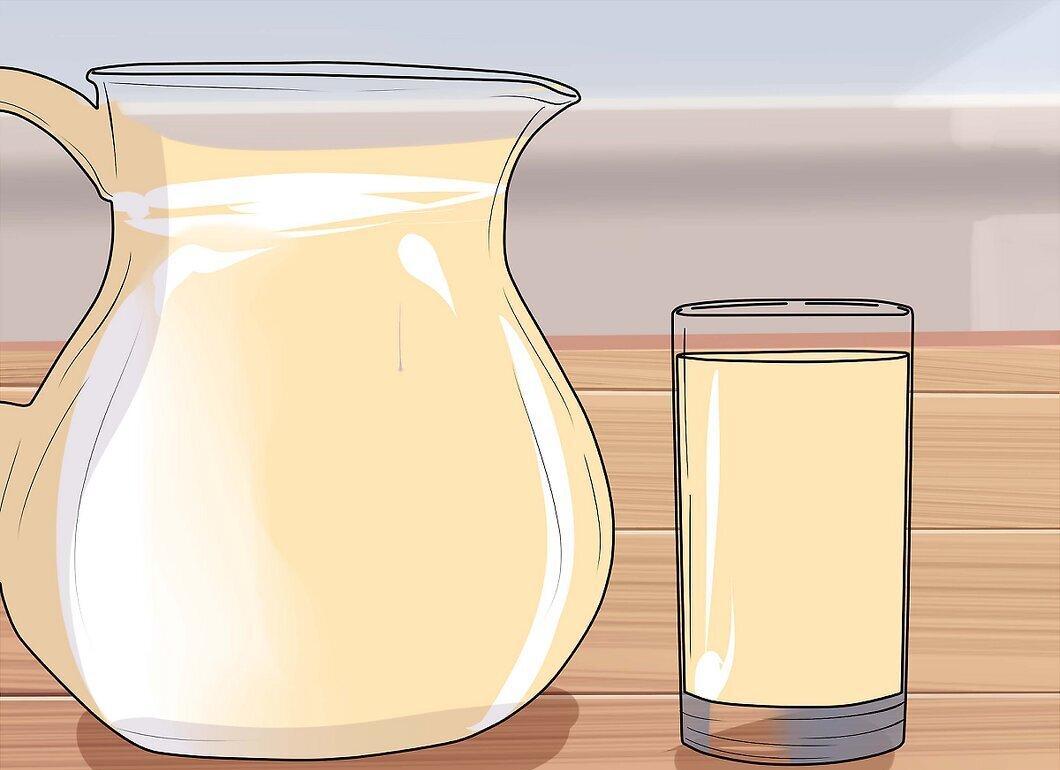
Keep a glass of milk nearby. Milk is a traditional remedy that helps mitigate spicy food because it contains a substance called "casein"—which neutralizes and washes away capsaicin. If you’re planning to push your limits and raise the heat level again, or if you just need to catch your breath between two spicy bites, have a glass of milk handy and take a few sips now and then.
- Dairy products like yogurt and sour cream work similarly to milk and can help tone down the heat. They complement many spicy dishes beautifully.