Foam board is a soft, lightweight material that most of us recognize as insulation or packaging material. It is also frequently used for crafts and hobbies. Whether it’s a school project or a personal craft, understanding how to properly glue foam board to different surfaces (including pieces of foam board) will allow you to create sturdy, powerful items (as sturdy as foam board crafts can be).
Choosing the Right Adhesives for Foam Board
Step 1. Use regular PVA glue for simple projects.
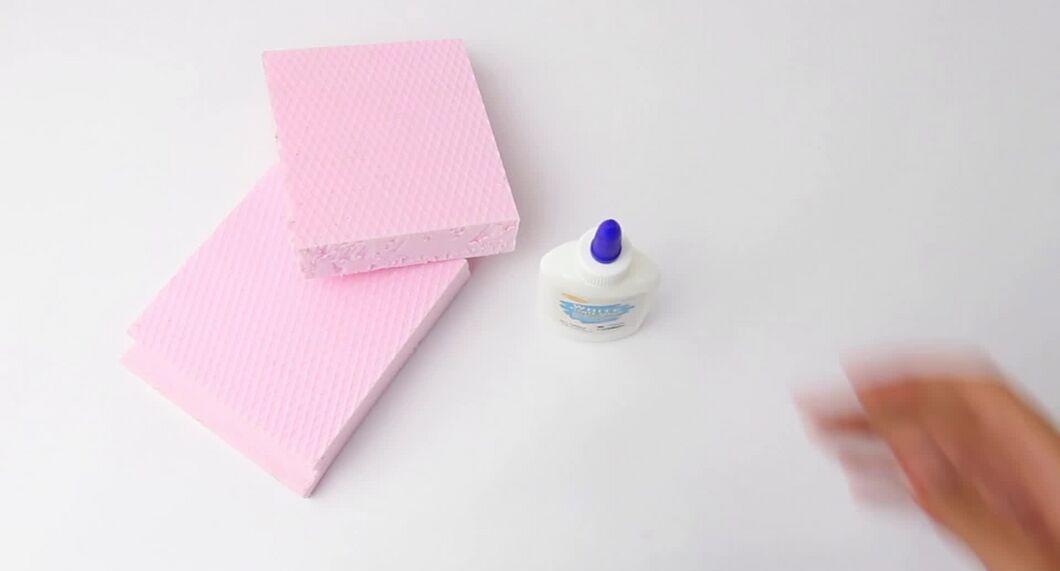
For simple projects, use regular PVA glue. When it comes to basic crafts, the easiest way to glue foam board is with PVA glue (any brand). This basic glue works well in many cases, especially when attaching foam board to drawing paper, cardboard, or wood. It’s usually the cheapest and most suitable option for simple projects.
- Elmer's glue is safe for kids and non-toxic. However, it is more liquid and can be messier.
- Craft glues like Aleene's Tacky Glue are generally thicker and create less mess.
- Keep in mind that while PVA glue is cheap and versatile, it is not as strong or durable as more expensive specialty adhesives, so it’s better not to use it in projects where the foam board will bear weight (like when building a foam board glider, etc.).
- Whatever PVA glue you choose, it’s best used for gluing large pieces of foam board.
Step 2. Use foam board glue.
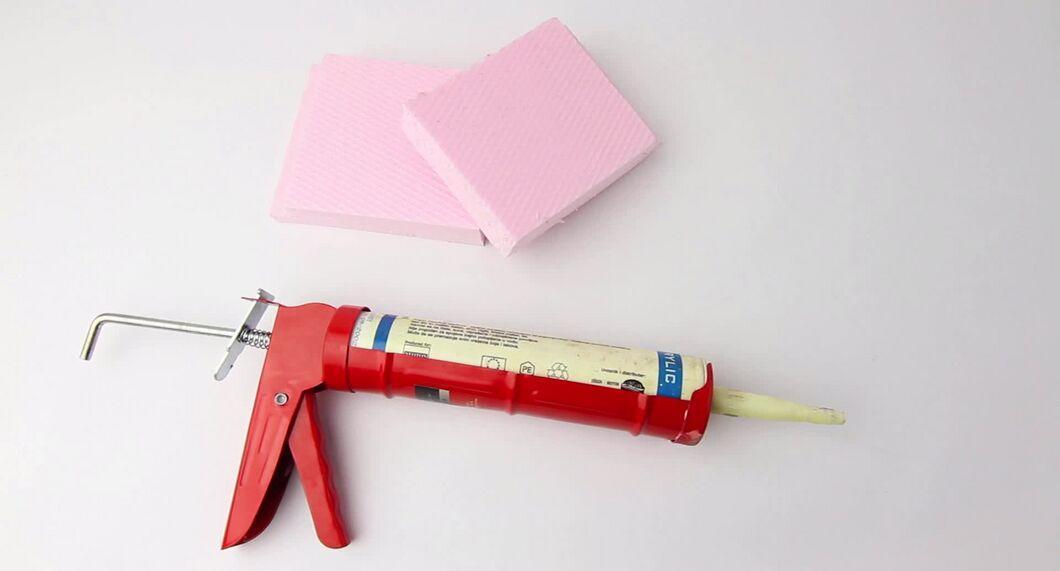
Use foam board glue. Believe it or not, some glues are specifically made for foam board. Glue like Styro Glue is affordable but may be harder to find than regular PVA glue. Typically, foam board glue can be found in hardware stores or craft supply stores.
- If you’re planning to buy specialized foam board glue, check the label before purchasing. Some foam board adhesives are intended only for foam board, while others may work for gluing foam board to other materials.
Step 3. Use spray adhesive.
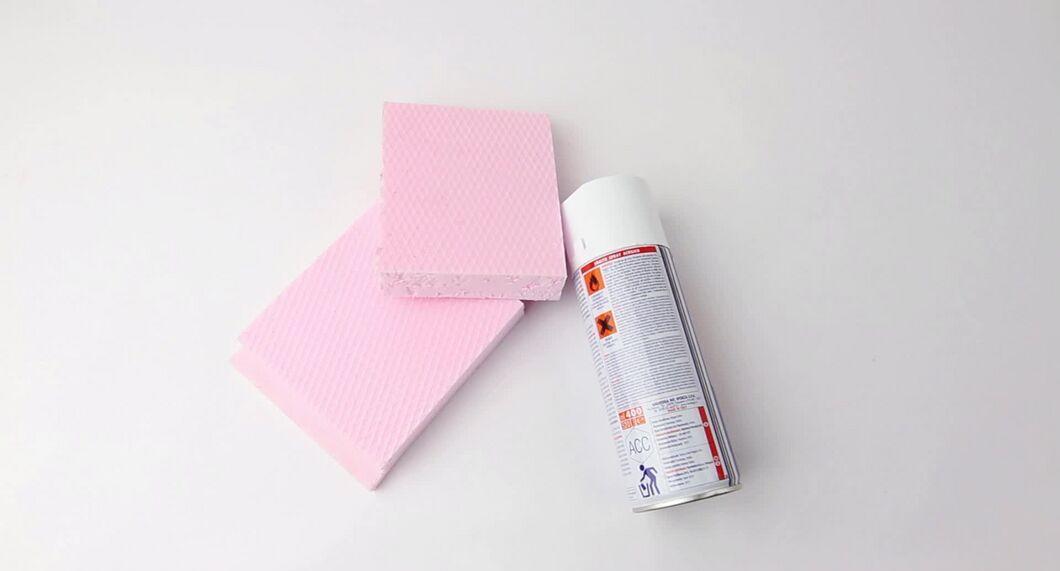
Use spray adhesive. Most aerosol adhesives (which can often be found in hardware stores for around 500 rubles or less per can) are a quick and convenient way to glue foam board. Additionally, since these aerosols are often multi-purpose, they can be used on various materials. For example, an inexpensive multi-purpose glue is designed for bonding foam to metal, plastic, paper, cardboard, and wood.
- First, test the adhesive on an inconspicuous area. If the label does not specify whether it can be used on foam board, it’s best to test it first. Some spray products, like spray paint, can melt foam board.
- Since aerosol adhesives have low adhesive properties, it’s better to use them for gluing large pieces of foam board. For example, gluing two foam balls together with spray adhesive is not a good idea.
Step 4. Use a low-temperature hot glue gun.
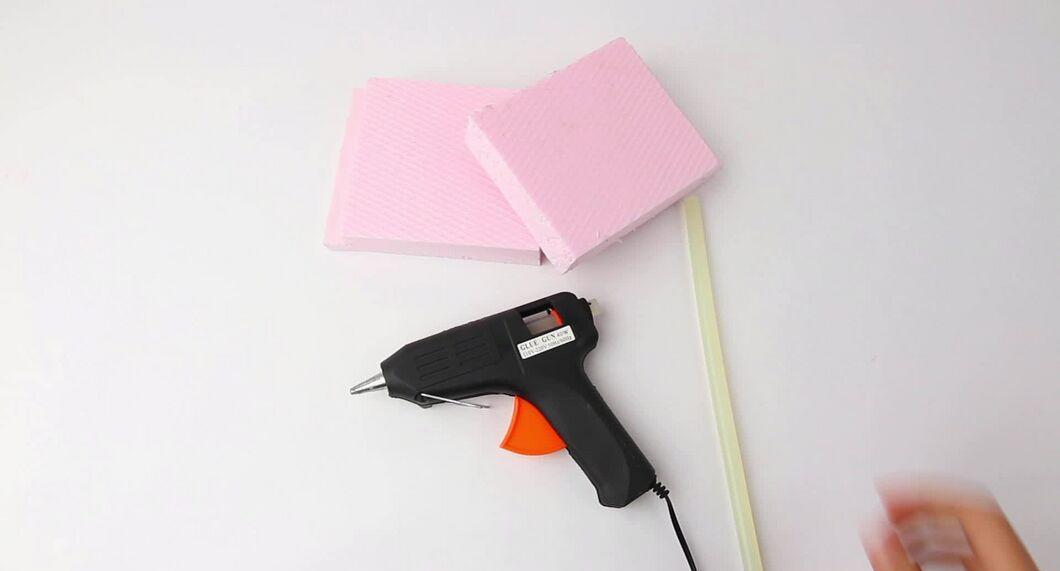
Use a low-temperature hot glue gun. Standard hot glue guns work great for gluing foam board to many different crafting materials, such as paper, cardboard, wood, and more. However, when using a glue gun on foam board, keep in mind that cooler temperatures are better. Hot glue can burn or melt the foam board, releasing harmful fumes.
- Hot glue guns are great for gluing small foam items due to their precision. They can also be used to glue foam balls together.
- While the fumes generated from burning foam board won’t harm you immediately, they shouldn’t be taken lightly as they may contain numerous toxic chemicals, including styrene and benzene, which are carcinogenic and can cause cancer.
Step 5. Avoid using specialized glues for other materials.
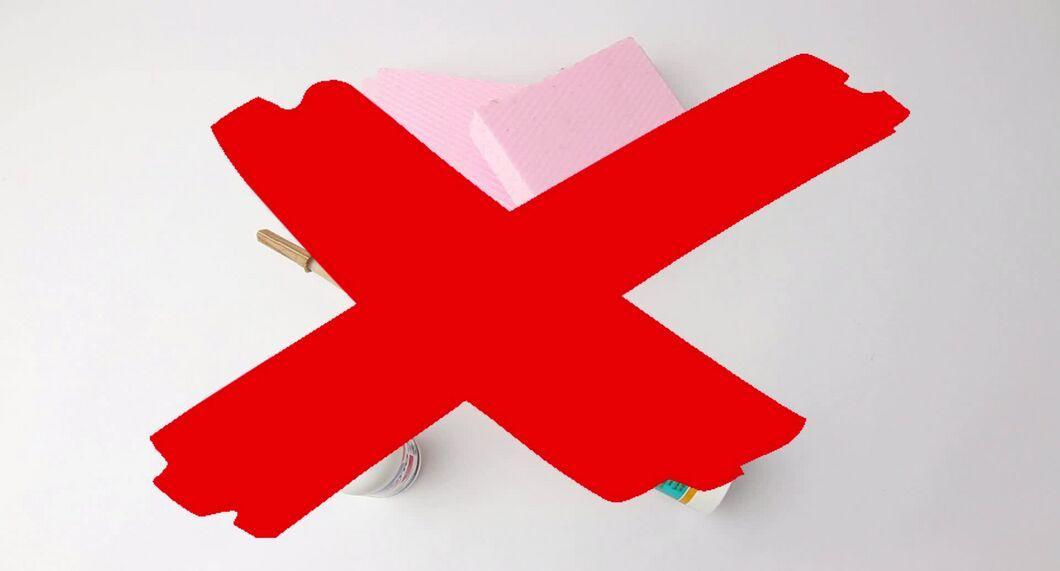
Avoid using specialized glues for other materials. When needing to glue foam board, it’s best to refrain from using adhesives specifically designed for materials other than foam board (such as wood glue, fabric glue, construction epoxies, and adhesive mixtures, etc.). While some of these glues might work for foam board, most are not significantly better than cheap, basic craft glues, so don’t waste your money unnecessarily. Additionally, some specialized adhesives may even dissolve foam board and other plastics (see below).
Step 6. Don’t use adhesives that contain plastic solvents.
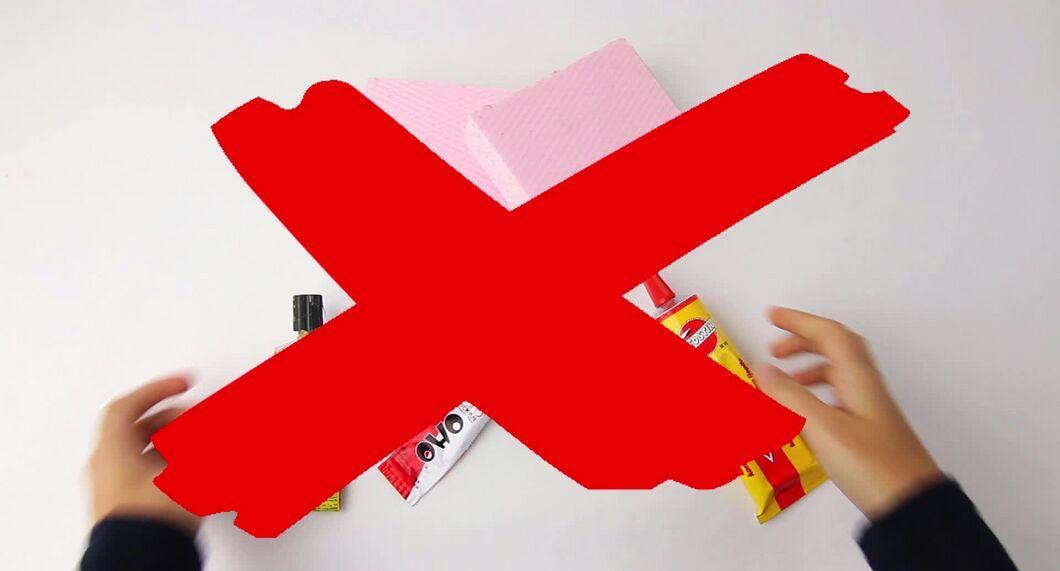
Don’t use adhesives that contain plastic solvents. Due to the lightness and fragility of foam board, it’s easy to forget that it is actually made from plastics. Essentially, foam board is “expanded” plastic, meaning plastic mixed with air, which is why it is so lightweight. Because foam board is made from plastics, you should avoid adhesives that contain solvents that can dissolve plastics. Otherwise, you risk damaging the foam board and ruining your project.
- For instance, rubber cement is very strong and flexible but often contains alcohol and acetone. Acetone, a key ingredient in nail polish remover, can dissolve various types of plastic, so products containing it should not be used to glue foam board. However, some acetone-free rubber glues might work for attaching foam board.
Proper Adhesive Selection
Step 1. Clean and prepare the surfaces.
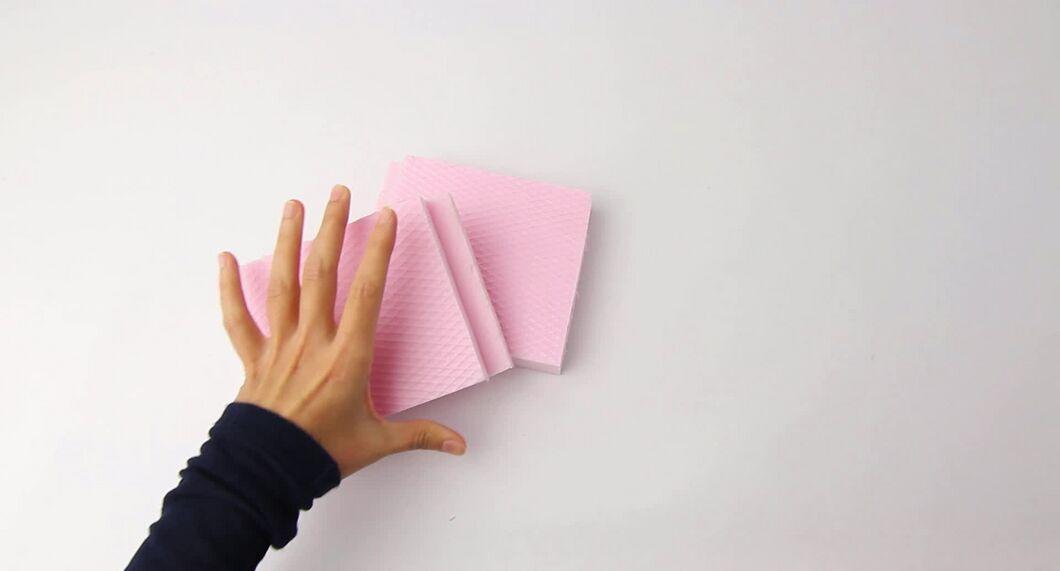
Clean and prepare the surfaces. Working with foam board is pretty straightforward, as long as you use the right adhesive. Generally, you'll need to apply glue to the foam board, press it against another surface, and wait for it to dry. However, before gluing, make sure to thoroughly clean each surface of dust and dirt by wiping them with a clean, dry cloth. Otherwise, the adhesive properties of the glue may diminish, leading to a weaker bond.
- If you are gluing to a particularly “porous” surface (like an unprocessed piece of wood or a surface with many dents), the adhesive strength may decrease. In this case, try to sand the surface to make it smoother and more uniform. Aim to use sandpaper with a grit of 6-H (P180) or higher if possible.
Step 2. Apply the glue.
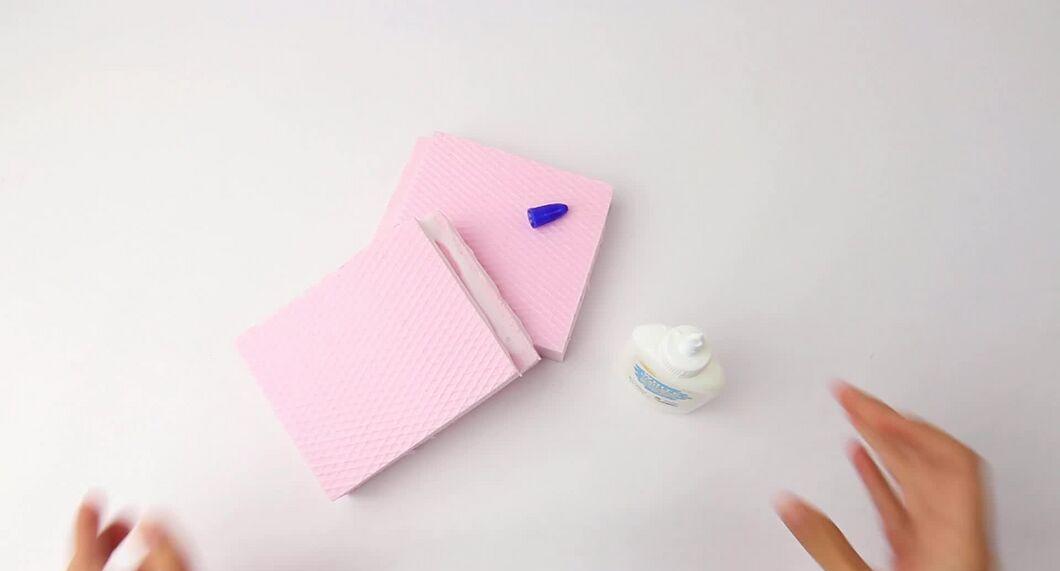
Apply the glue. When you’re ready to begin, apply glue to the surface of the foam board. For the strongest bond, cover the surface entirely with a thin, even layer. If a strong bond isn’t necessary, you can apply the glue in dots or stripes.
- If you're working with a very large piece of foam board, pour the glue into a tray and use a brush to apply it. This allows you to apply glue quickly and evenly, preventing it from drying in some areas while you’re applying it to others.
- If the pieces of foam board are small, use PVA glue or a glue gun.
- When using a hot glue gun, act quickly. Hot glue sets in just a few minutes.
- If you're gluing foam balls, enhance the bond between them with toothpicks. Stick a toothpick into one of them, apply glue to both balls, and then stick them together. After all, round objects have a much smaller surface area than flat ones.
Step 3. Press the foam board.
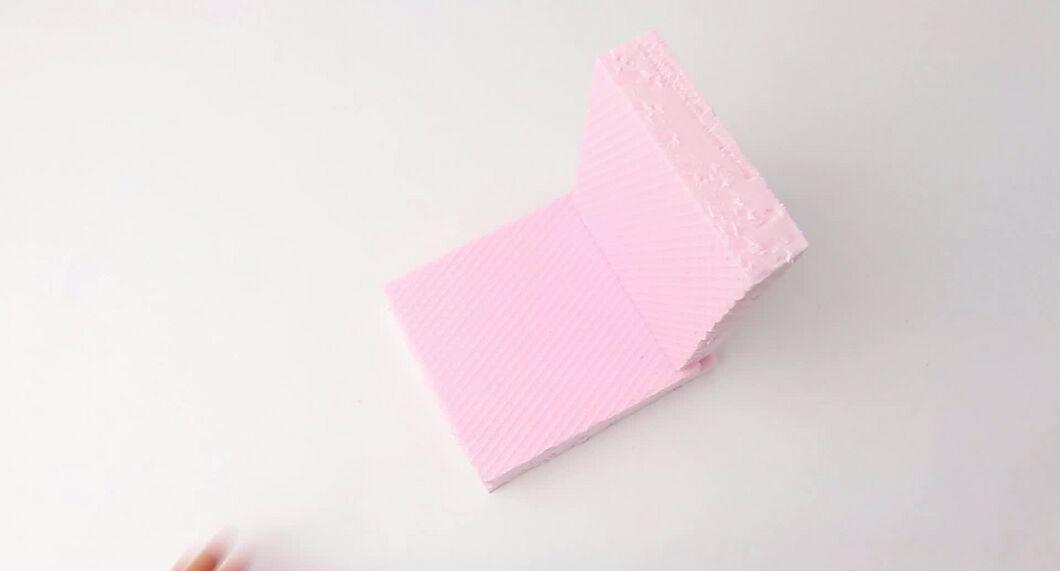
Press the foam board. When you’re ready, press the piece of foam board against the other surface. Gently press it down so that both surfaces are snug against each other. Depending on the type of glue and the amount used, you will have about a minute where you can freely move the foam board—use this time to adjust its position if necessary.
- For added adhesion, apply a bit more glue around the edges of the foam board where it meets the other surface. Don’t use more than necessary to keep it as a thin line or seam—this will increase the drying time.
Step 4. Let it dry.
Let it dry. All that’s left to do is wait. Depending on the size of the item, the type of glue, and the amount used, drying time can vary from just a few minutes to several hours. Avoid touching the craft while it dries; otherwise, you may need to reapply glue and dry it again. If necessary, use heavy objects (like books, boxes, etc.) to hold the item in place while it dries.
- Hot glue dries faster in cooler temperatures.
- Depending on the temperature and humidity levels, the glue may take longer to dry.
Step 5. Remember the relative fragility of foam board.

Remember the relative fragility of foam board. Most of the gluing methods described in this article allow for fairly tight bonding of the item, making it unlikely to break under normal conditions after the glue has dried. However, the same cannot be said for the foam board itself, which is a very fragile and delicate material. Keep in mind to handle it carefully, even after the glue has dried—whether glued or not, foam board can be easily broken or cracked against a wall, door frame, or other surfaces.