Many people buy swords because they are beautiful or to become collectors. Swords purchased for Kendo or Kenjutsu practice may turn out to be low-quality replicas. After reading this guide, you will learn many new Japanese terms.
Part 1
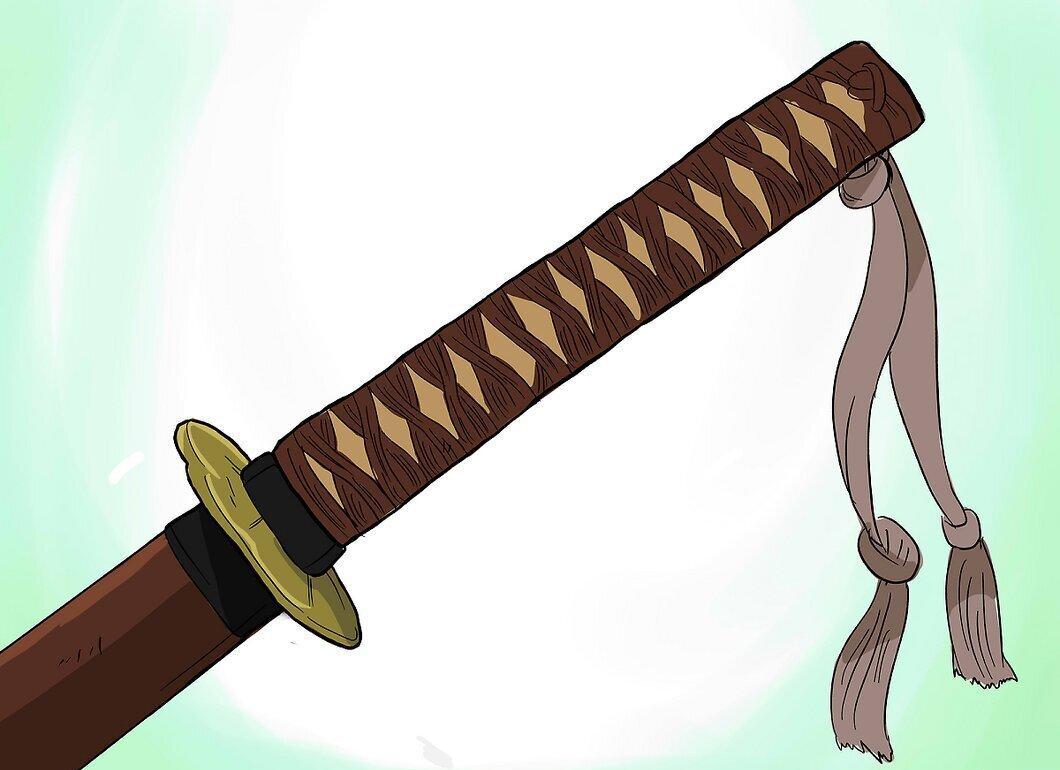
Step 1. First, check the tightness of the tsukaito wrapping.
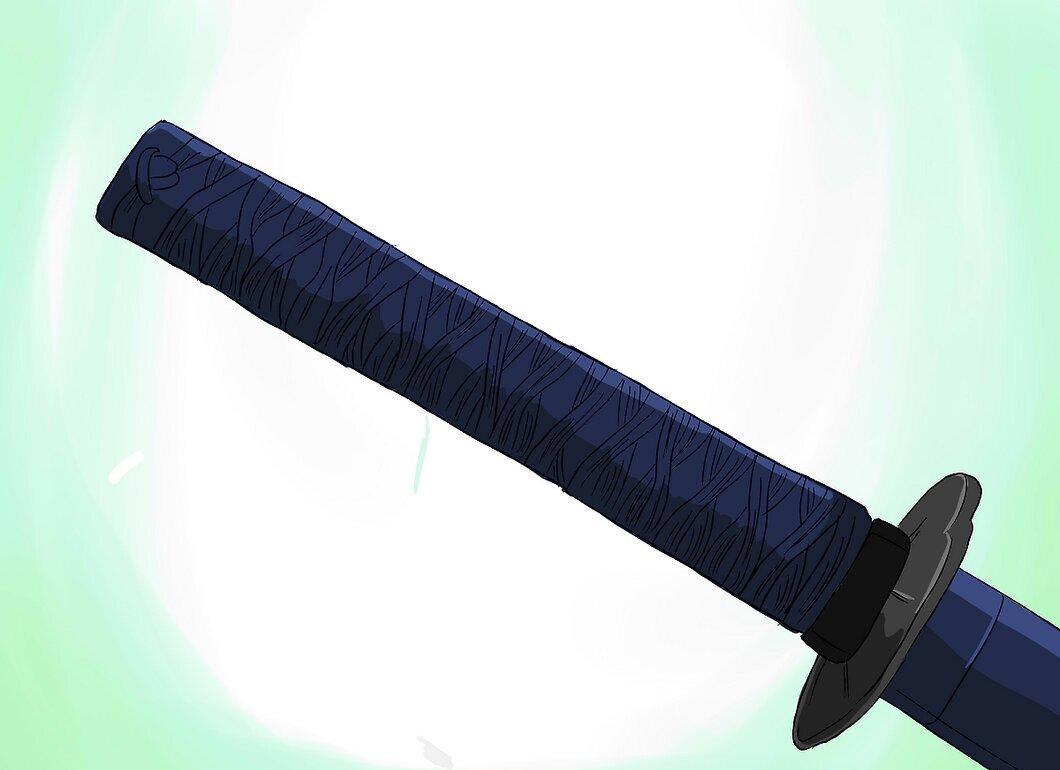
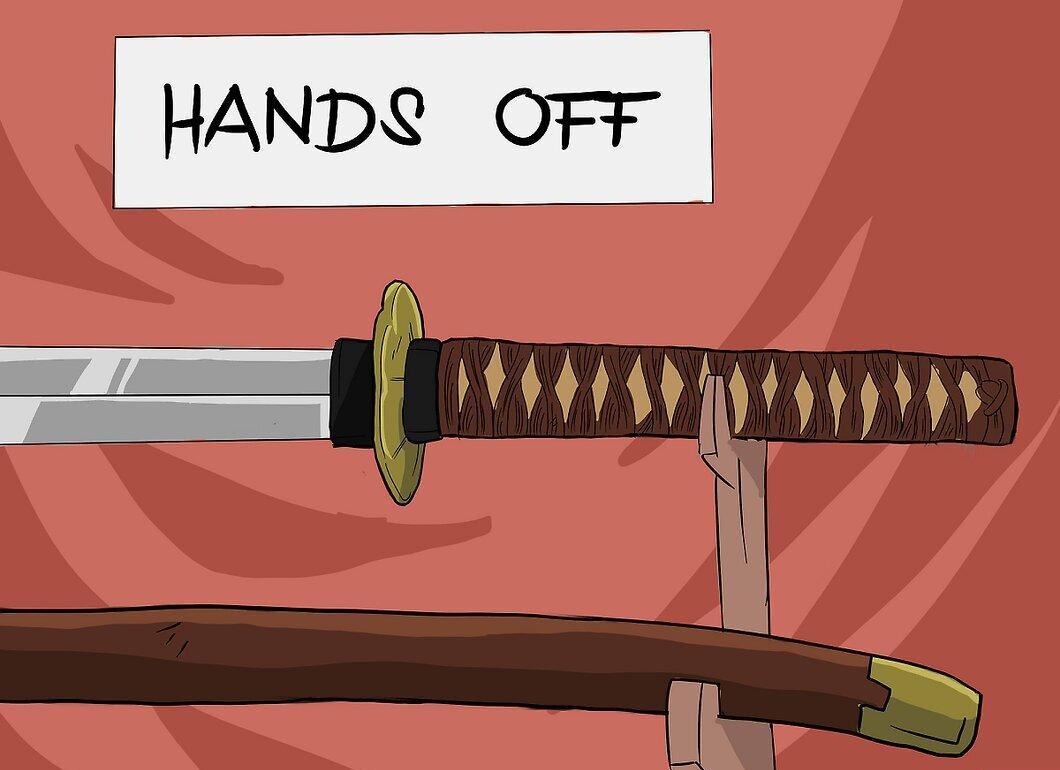
First, check the tightness of the tsukaito wrapping. Skip this step if the sword does not have a tsukaito.
Step 2. The sword must have a sageo cord if you plan to use it.
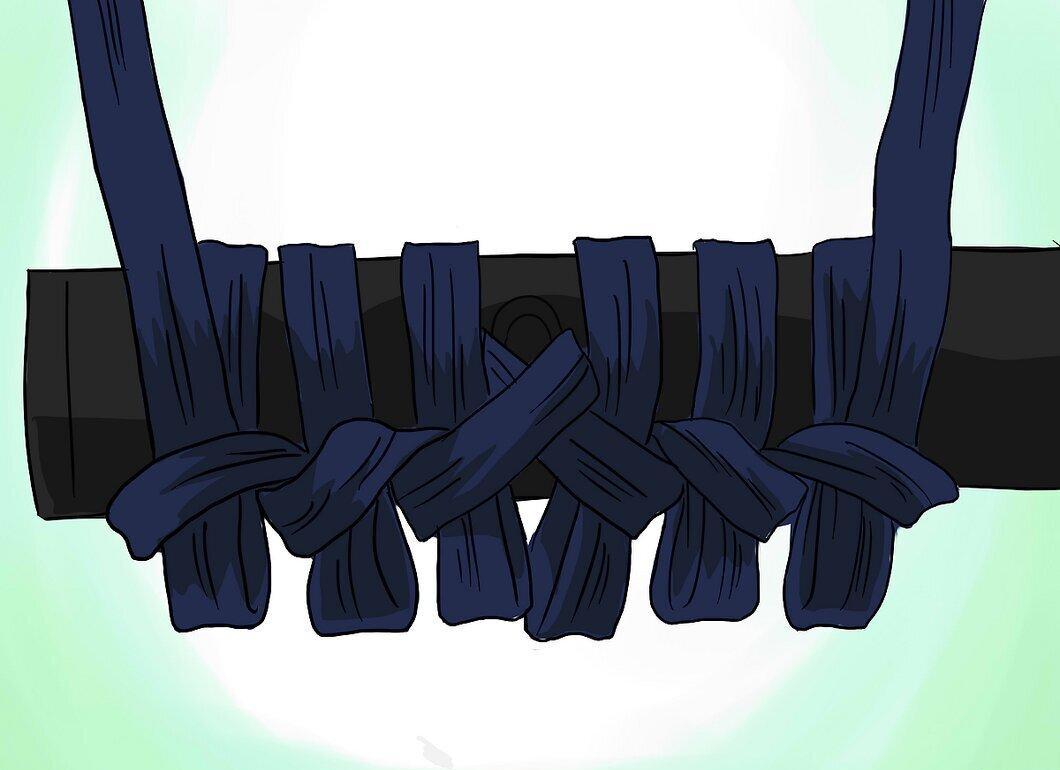
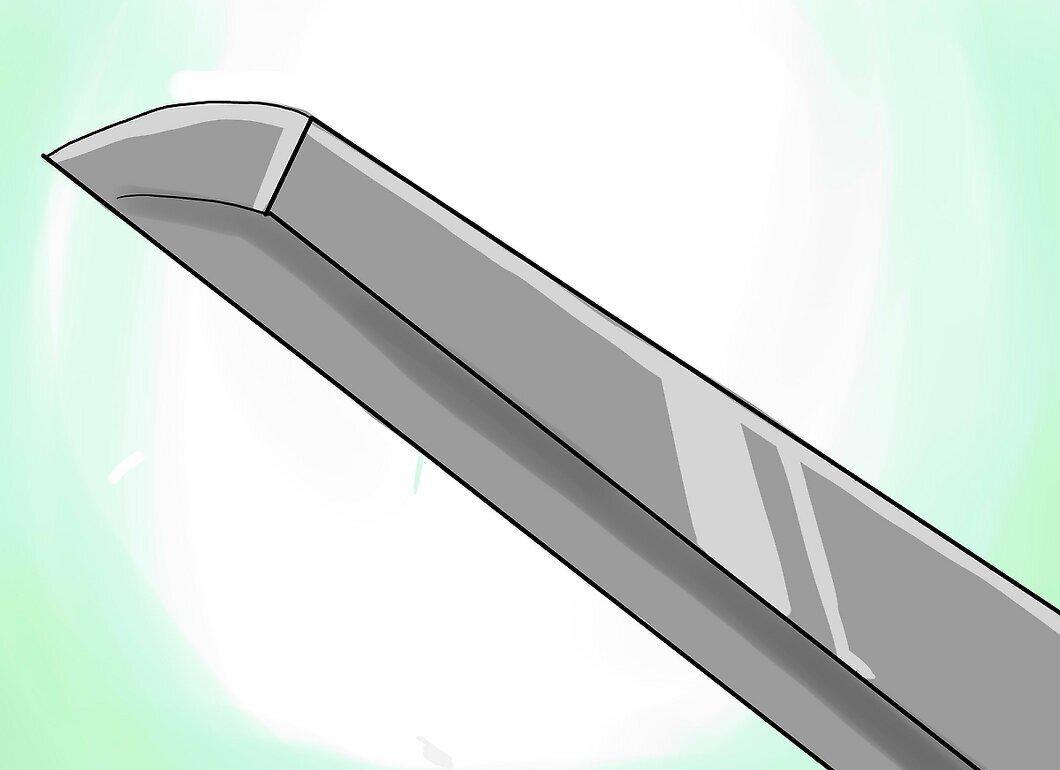
Step 3. The angle of the sword’s tip should not be shallow; it should resemble the illustration.
Step 4. If someone claims the sword is made of carbon steel, they likely don't know what they're talking about.
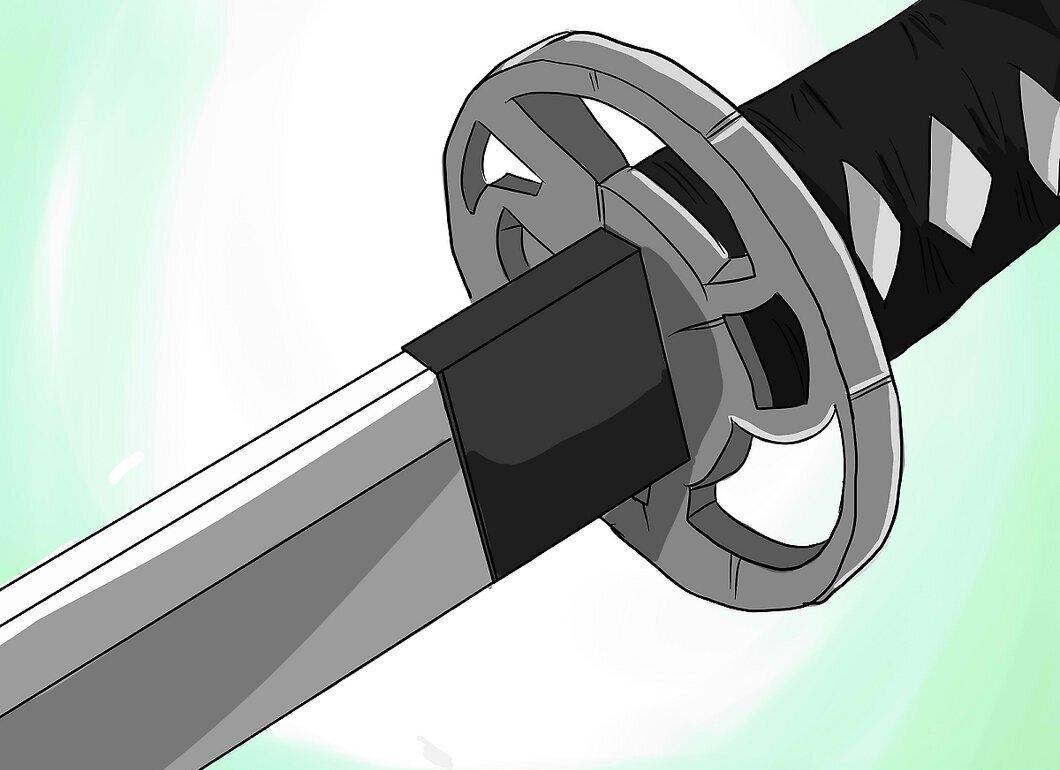
If someone claims the sword is made of carbon steel, they likely don't know what they're talking about. (Steel always contains carbon; otherwise, it is referred to as iron). However, the term "carbon steel" is generally used to distinguish it from stainless steel. Authentic ancient or modern Japanese swords are never made from stainless steel. If the blade is made from stainless steel, it is just a decorative prop that can only be hung on a wall. Such swords hold no real value and cannot maintain an edge.
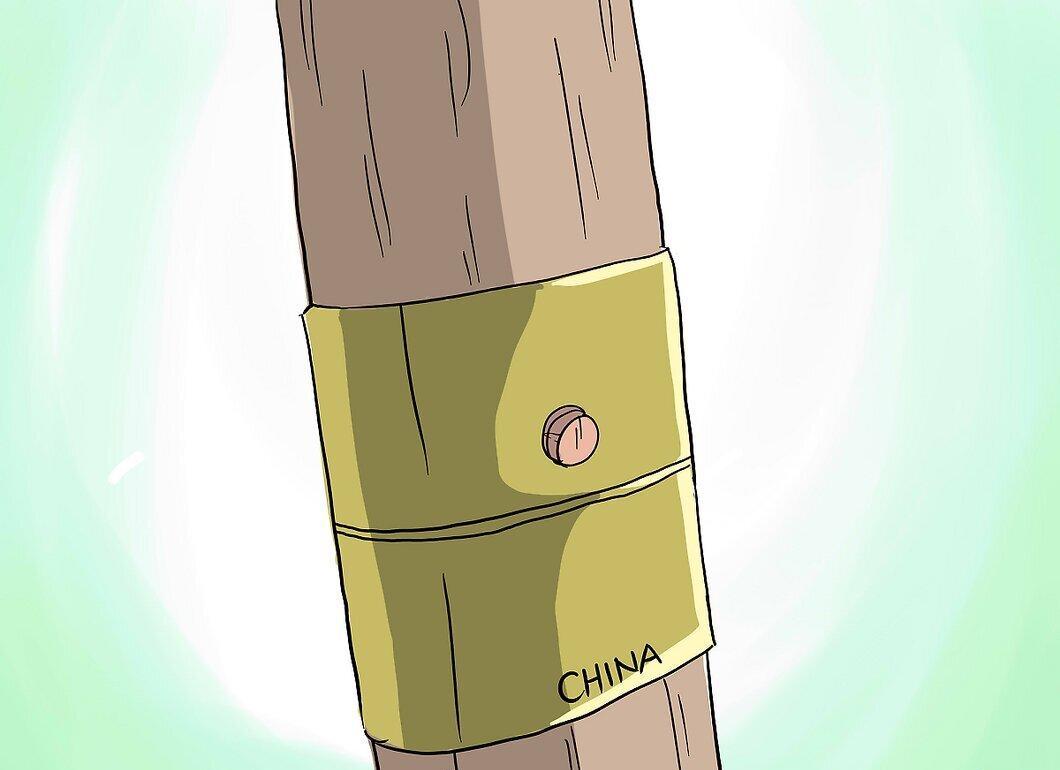
Step 5. Handcrafted swords are rarely of Chinese origin.
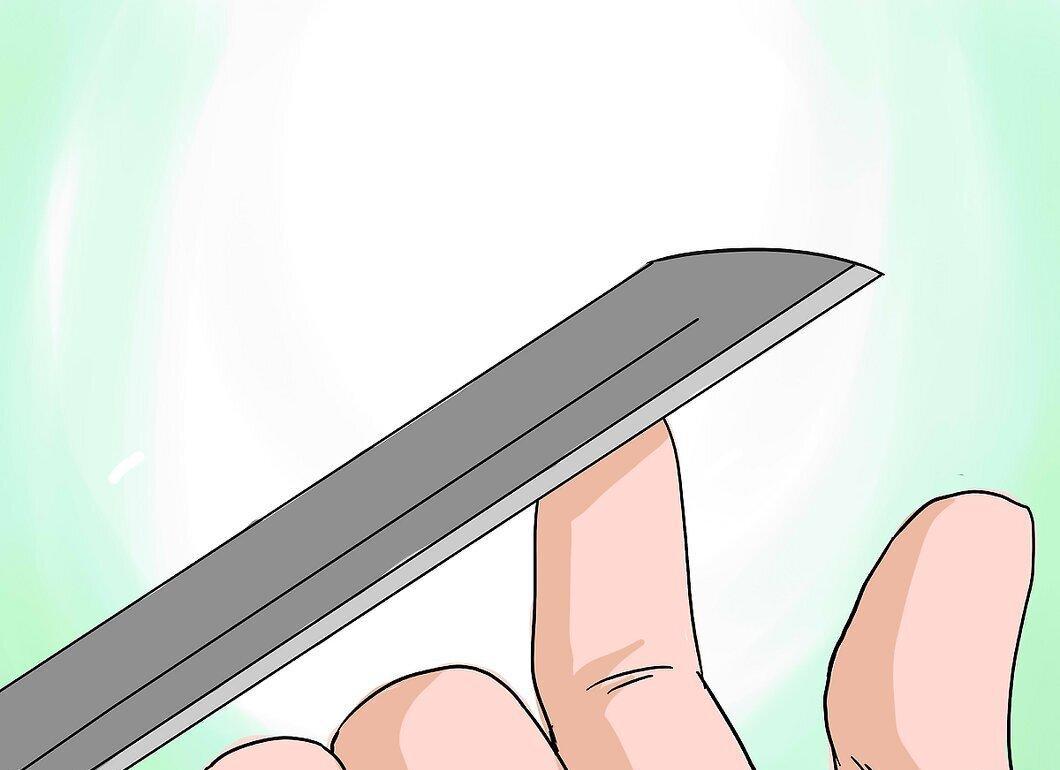
Step 6. If the blade has been properly maintained (or if the sword was made recently for actual use), it will be sharper than any kitchen knife you've ever used.
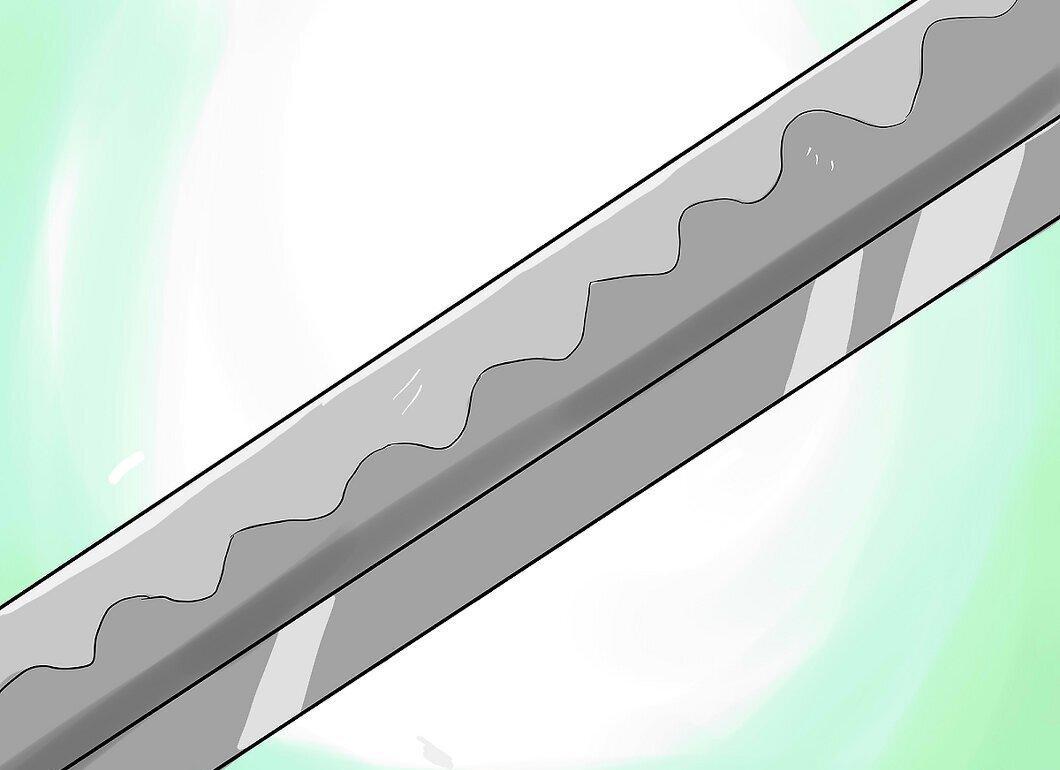
If the blade has been properly maintained (or if the sword was made recently for actual use), it will be sharper than any kitchen knife you've ever used. Do not test the sharpness on yourself! Learn safe methods for checking sharpness (various options can be easily found online), or skip the sharpness test altogether.
Step 7. The sword must have a mekugi - a bamboo peg that secures the blade to the handle.
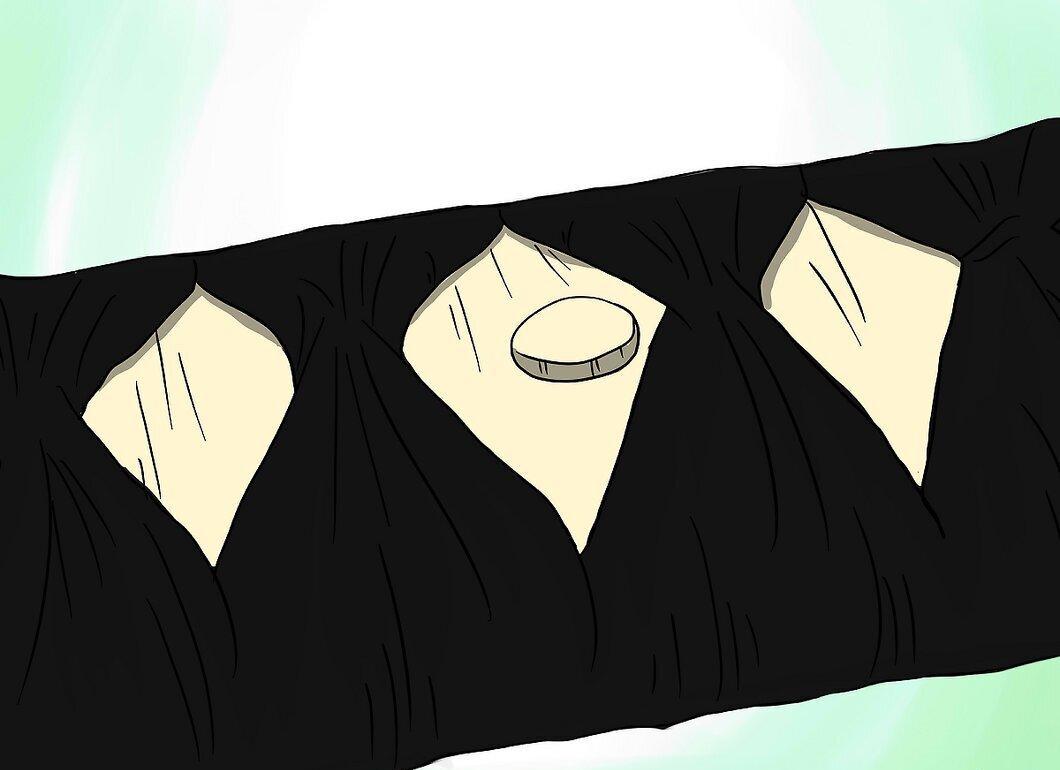
The sword must have a mekugi - a bamboo peg that secures the blade to the handle. The illustration clearly shows the fastening.
Step 8. The blade’s cross-section should not be triangular.
Step 9. A fuller runs along the spine of the blade (using domestic terminology); it is believed to lighten the blade’s weight without compromising strength.
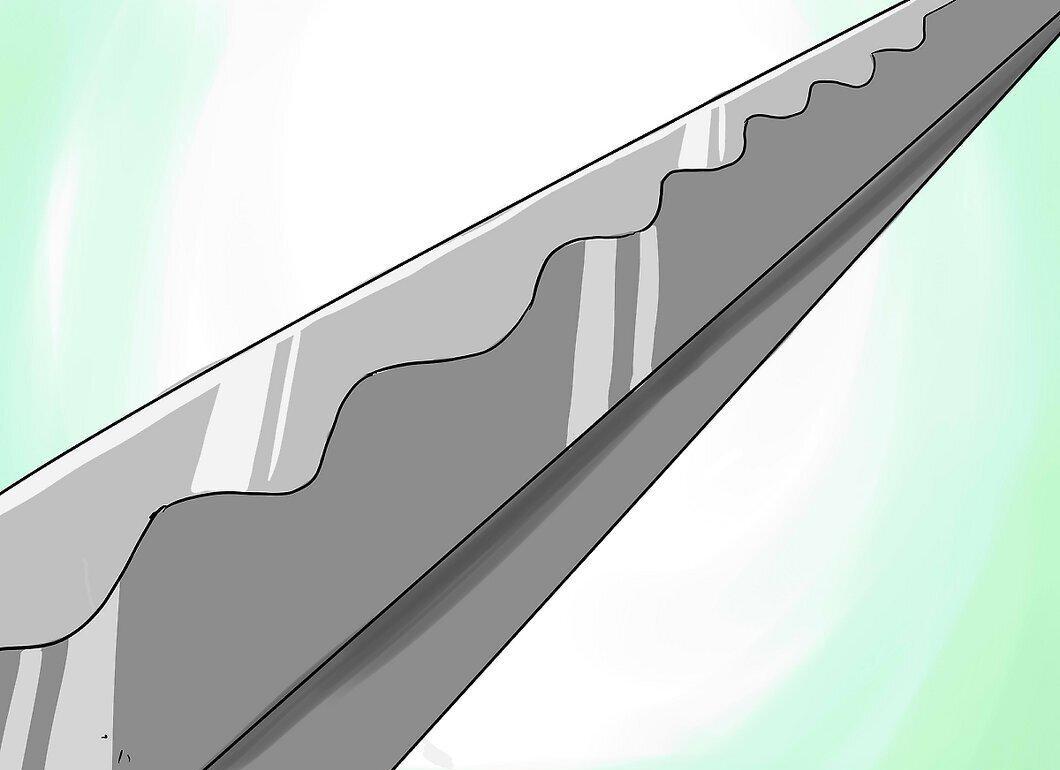
A fuller runs along the spine of the blade (using domestic terminology); it is believed to lighten the blade’s weight without compromising strength. Additionally, the fuller increases flexibility. The fuller is not a blood groove, but the steel in this area is typically denser.
Step 10. The spine and adjacent surfaces of the blade should be polished (there are kata in which the sword is used as a mirror to check for enemies behind you), but from the middle to the cutting edge, a more matte polish is usually used.
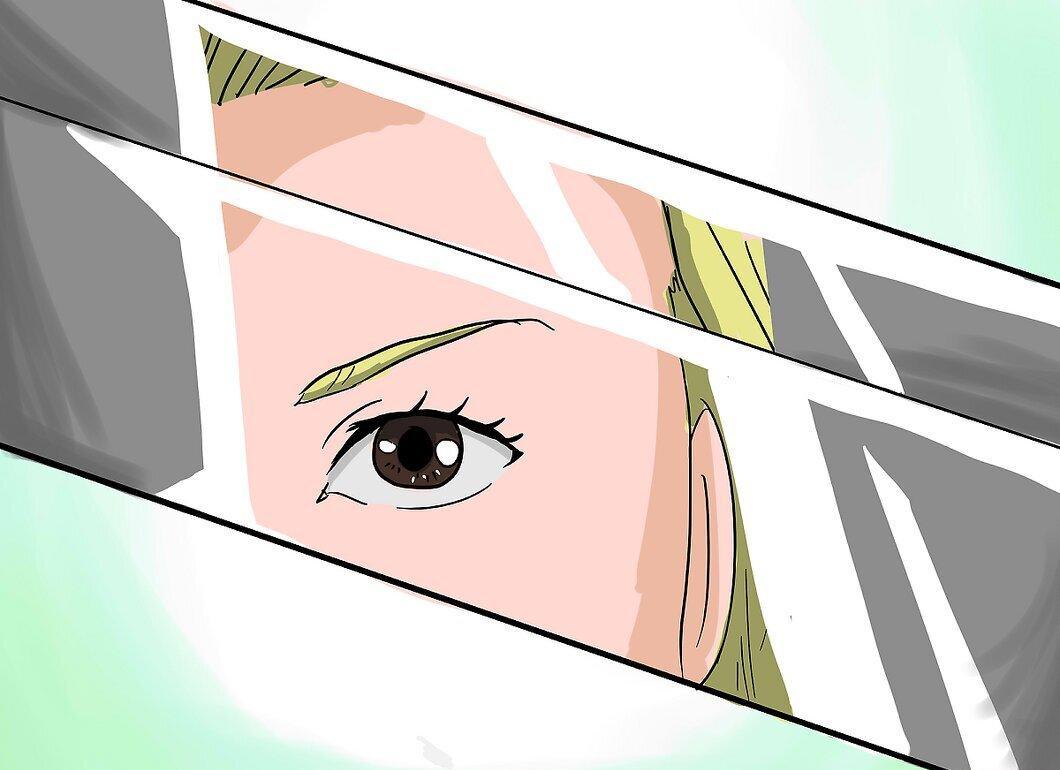
The spine and adjacent surfaces of the blade should be polished (there are kata in which the sword is used as a mirror to check for enemies behind you), but from the middle to the cutting edge, a more matte polish is usually used. The matte surface should resemble wood or ripples on water. The temper line (hamon) of a genuine Japanese sword (nihonto) is unique and is an important feature of each individual blade. A true hamon appears as a result of multi-layer forging, while modern replicas often stylize the temper line using chemical etching.
Step 11. Determine the period of manufacture.
Determine the period of manufacture. For example, modern swords (1877-1945) are called gendaito. Generally, the older the sword, the better it is, but much depends on the master. For instance, an ancient sword from a poor master may be valued less than a modern sword from a renowned smith. Specifically, swords made shortly before and during World War II were mass-produced (although there are still good smiths today). Such swords may be suitable for training or decoration but have low collectible value.
Step 12. If you plan to invest in collecting ancient swords, study catalogs, examine museum exhibits (to better understand the essence of the Japanese sword), and preferably consult professionals.

Step 13. If you have damaged the surface of a genuine ancient blade through careless touching, know that polishing will cost more than $1,000 for each sun.