Yellow sac spiders can be found throughout Europe and North America. While they are venomous, their bites seldom have serious consequences. To identify a yellow sac spider, pay attention to its appearance, type of shelter, and behavior.
Physical Characteristics of Yellow Sac Spiders
Step 1. Look for long legs.
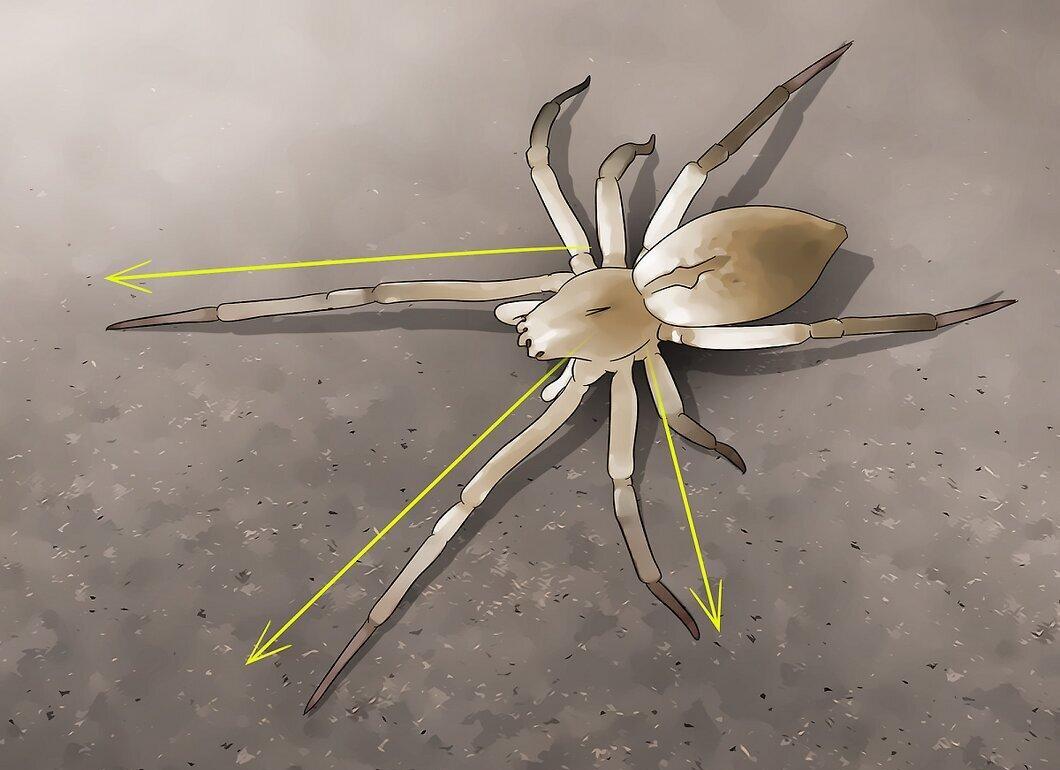
Yellow sac spiders have long legs that are slightly longer than their bodies. The two front legs are significantly longer than the others, appearing thin and fragile.
Step 2. Check for black tips on the legs.
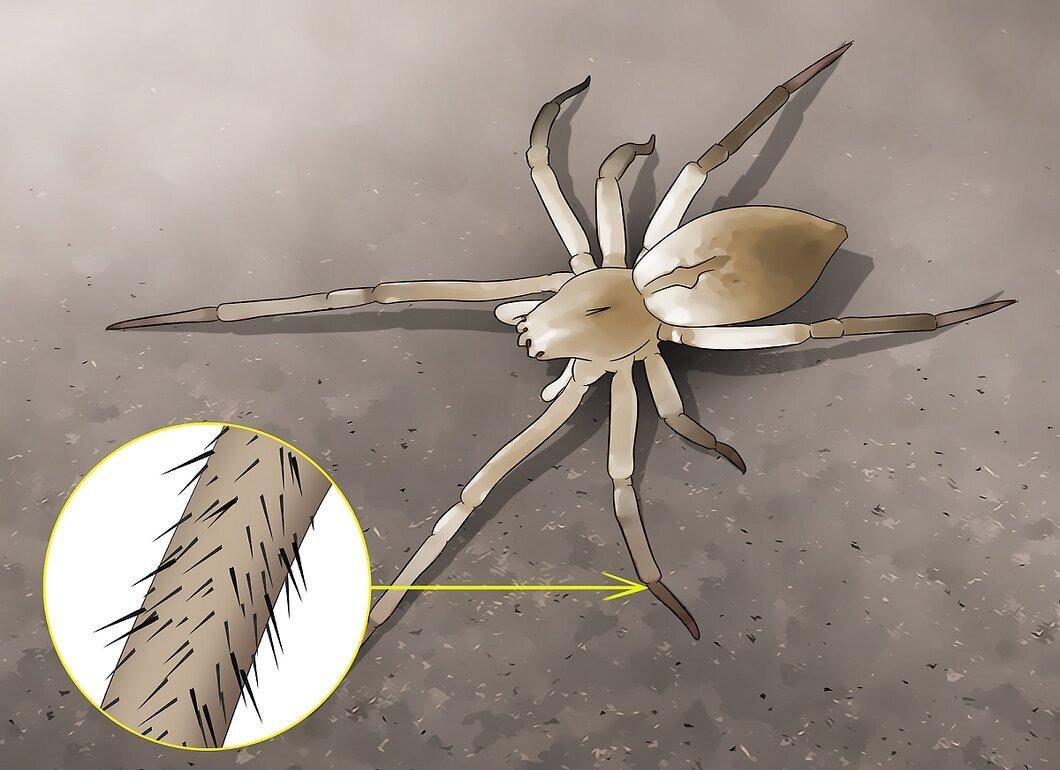
At the ends of the yellow sac spider's legs, you may notice black-tipped areas covered with fine black hairs. These hairs help the spider easily climb vertical surfaces and tree trunks, which is important since yellow sac spiders do not spin webs.
Step 3. Measure the spider's length (5 to 10 millimeters).
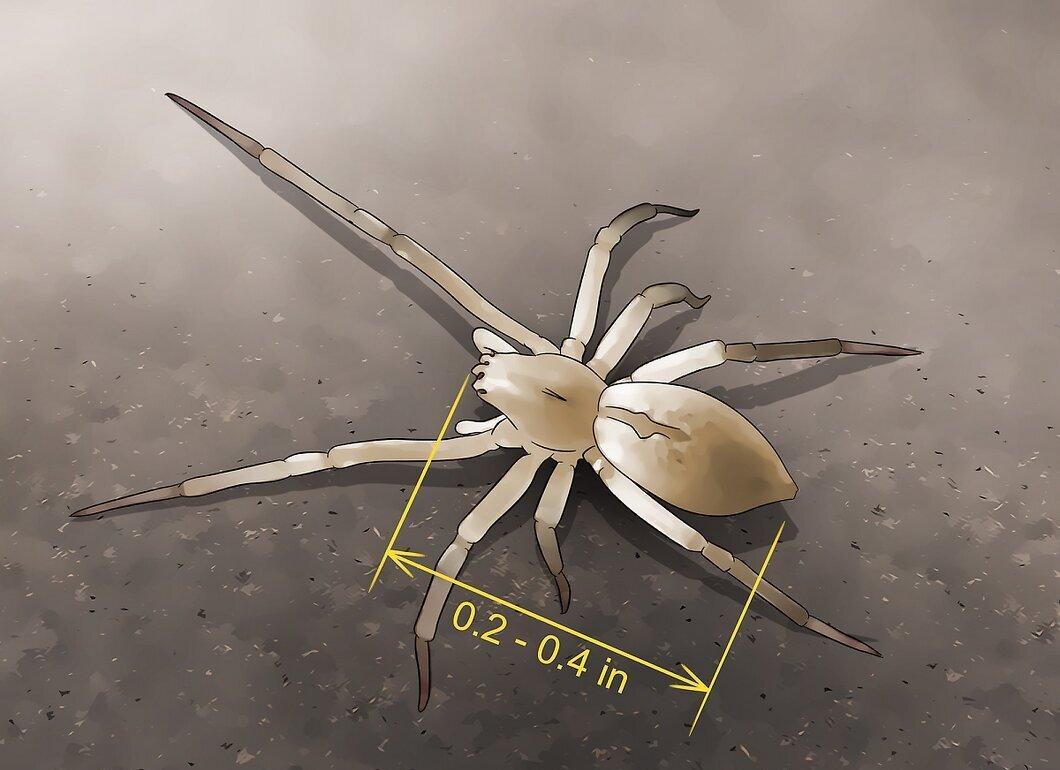
The length of a yellow sac spider ranges from 5 to 10 millimeters. These spiders are relatively small, but females can be slightly larger, reaching 10 millimeters (excluding the legs).
Step 4. Check for 8 equally sized eyes.
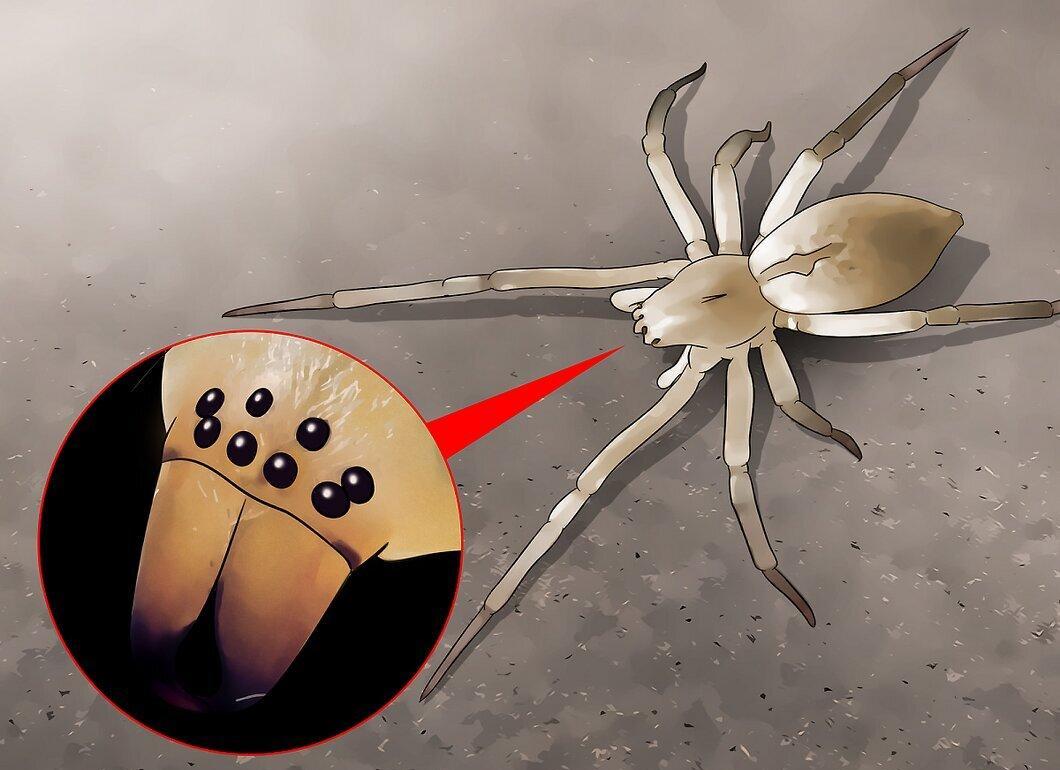
Yellow sac spiders have 8 eyes that are nearly the same size, arranged in two rows. The majority of the eyes are black, but the two middle ones may be silver or gray.
- The head and eyes may be covered with fine black or silver hairs.
Step 5. Look for a yellow coloration.
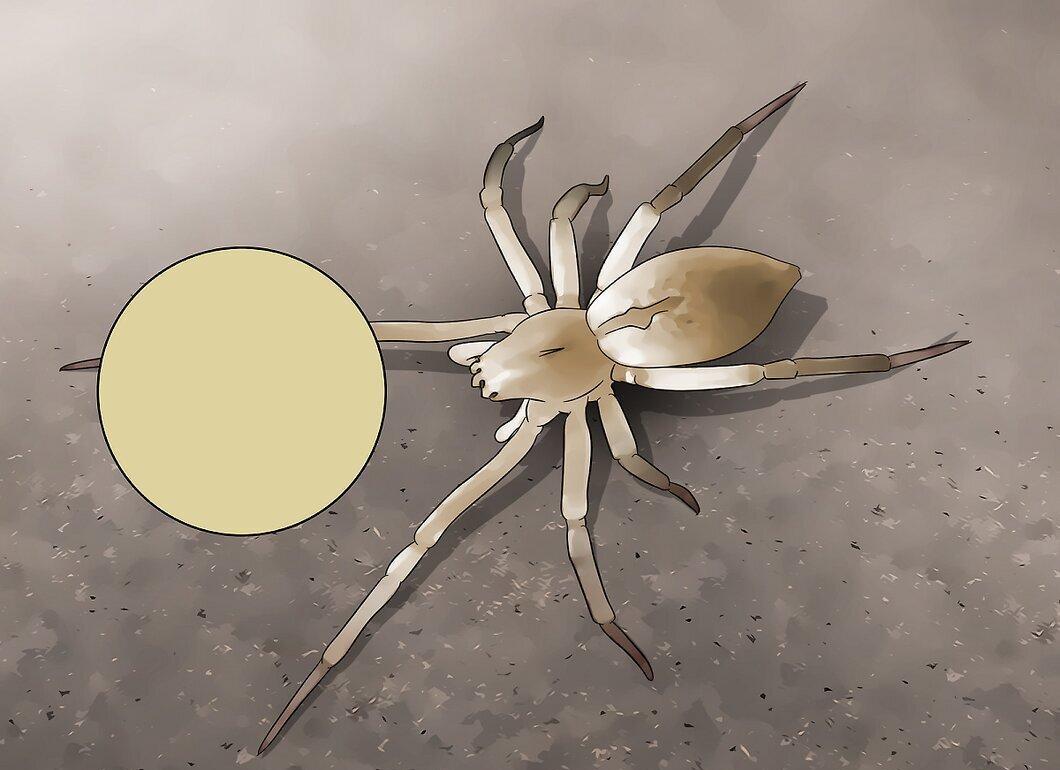
Most yellow sac spiders are pale yellow or yellowish-brown. However, some individuals may be greenish, orange, or light brown, depending on their habitat and diet. Different regions may have variously colored yellow sac spiders.
Step 6. Find the 'heart mark'.
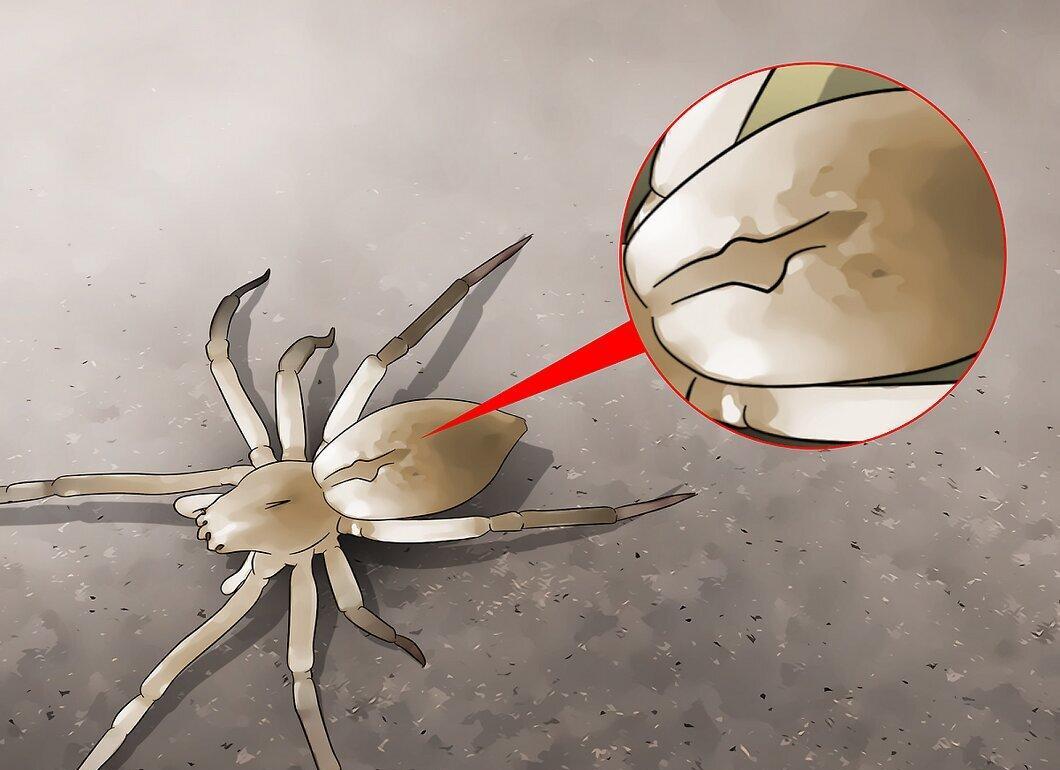
Yellow sac spiders have a dark spot or line on their abdomen known as the 'heart mark', as it runs through the area where the spider's heart is located.
How to Locate a Yellow Sac Spider's Shelter
Step 1. Find the spider's 'sleeping bag'.
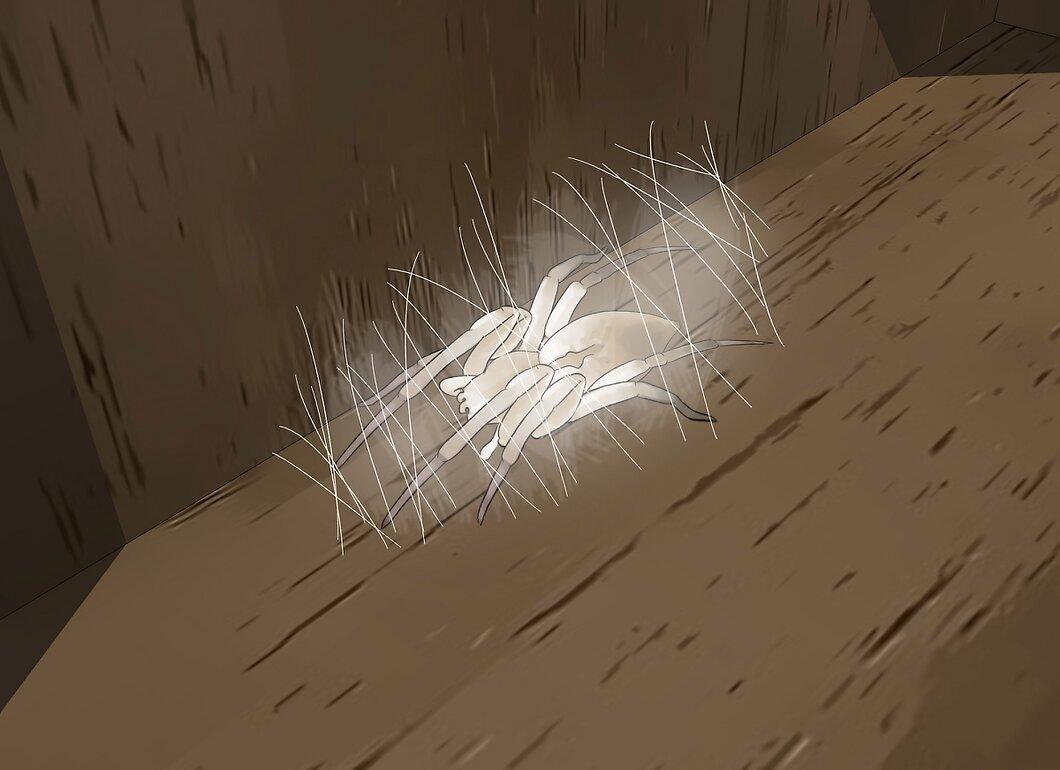
Yellow sac spiders create a silky tube or sac where they sleep during the day. This shelter is usually spun at dawn and serves as one of the primary indicators of a yellow sac spider.
- These spiders do not spin webs but create sac-like shelters.
Step 2. Look for sacs under leaves, boards, or logs.
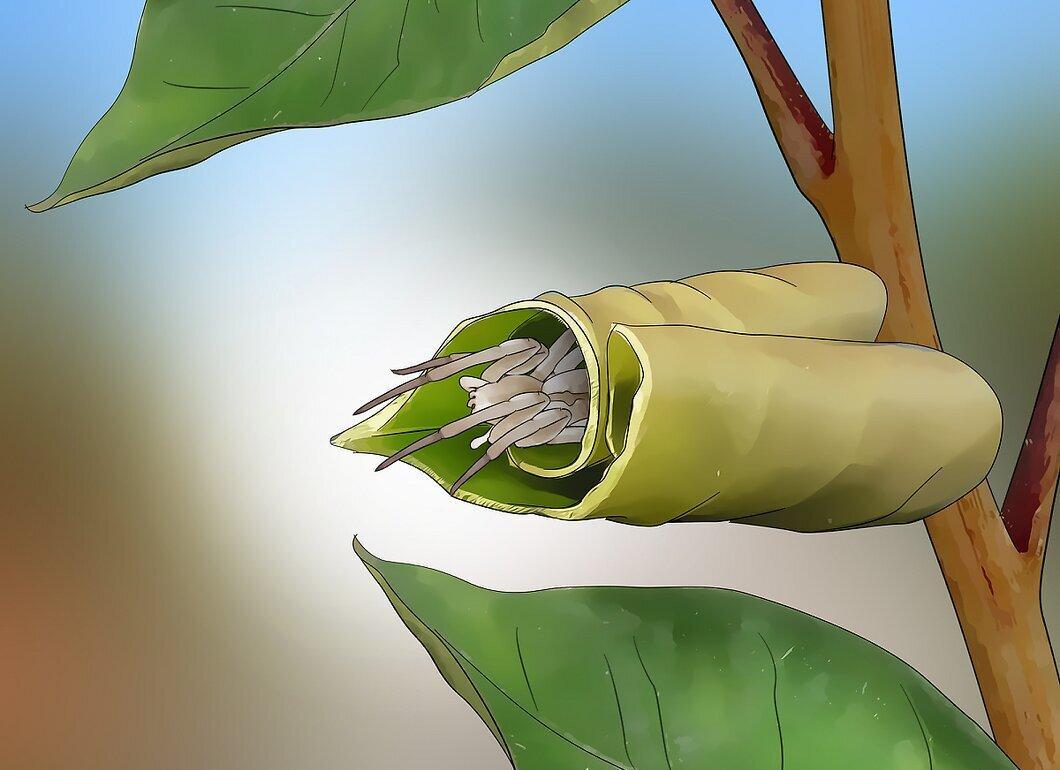
You can find yellow sac spider shelters outdoors under logs or wood, among curled leaves, or in other hidden spots where they feel safe.
- You might notice the spider's sac while working in the garden, cleaning up fallen leaves, or trimming bushes.
Step 3. Look for yellow sacs in hard-to-reach places in the house.
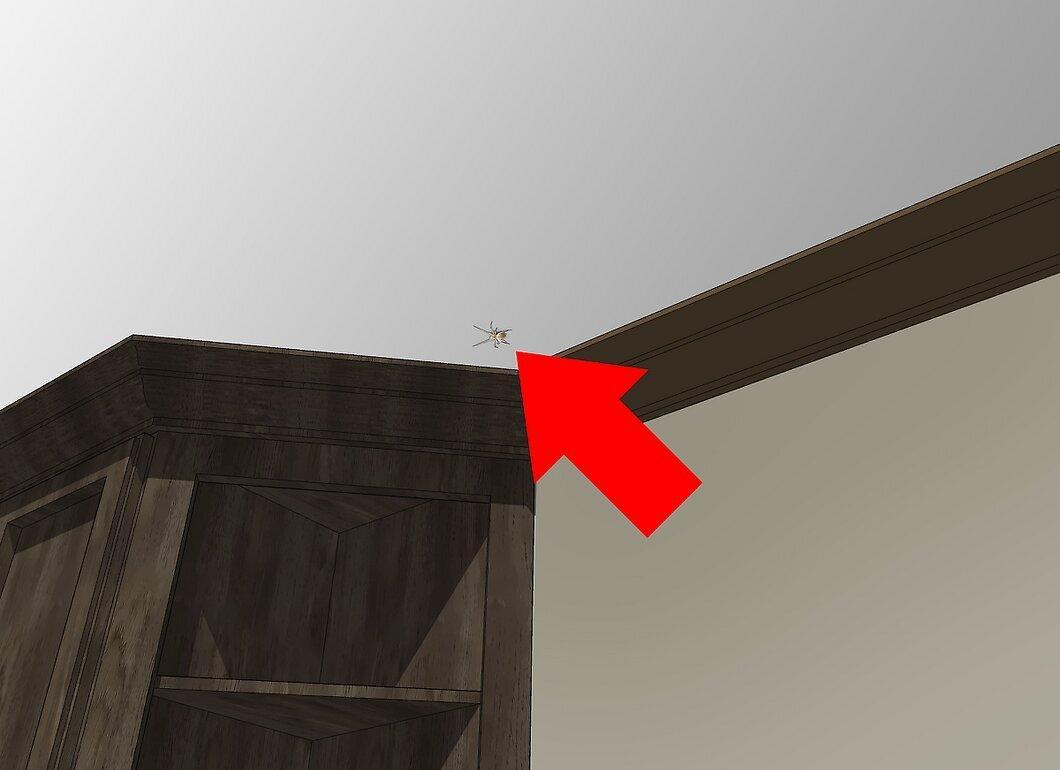
Yellow sac spiders prefer to weave their shelters in places where walls meet ceilings, behind pictures, or near windows, where they won't be disturbed during the day.
Behavior and Habits of Yellow Sac Spiders
Step 1. Observe their hunting at night.
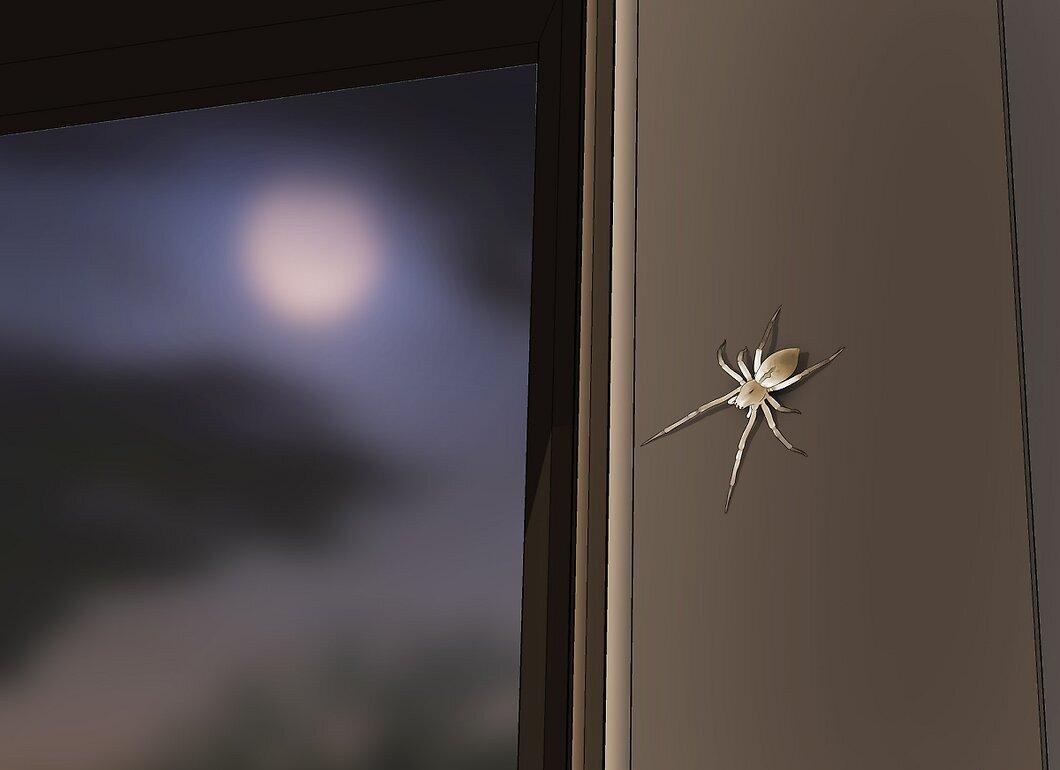
These spiders are nocturnal, hunting in the dark. They feed on flies and other small insects. Look for yellow sac spiders in areas with plenty of flies and similar creatures.
Step 2. Find spiders on trees and bushes in open areas.
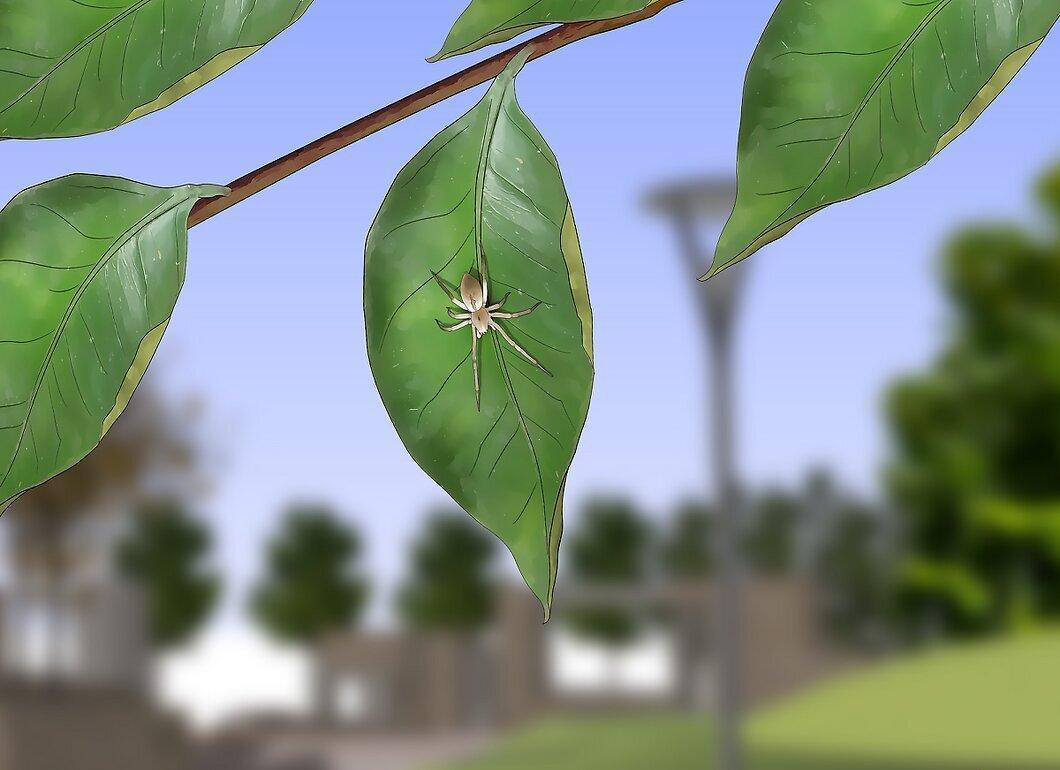
Yellow sac spiders often inhabit trees and bushes growing in open spaces. They can be found at the edges of fields, meadows, and even near parking lots, among the foliage or in large bushes.
Step 3. Watch for spiders from spring to summer.
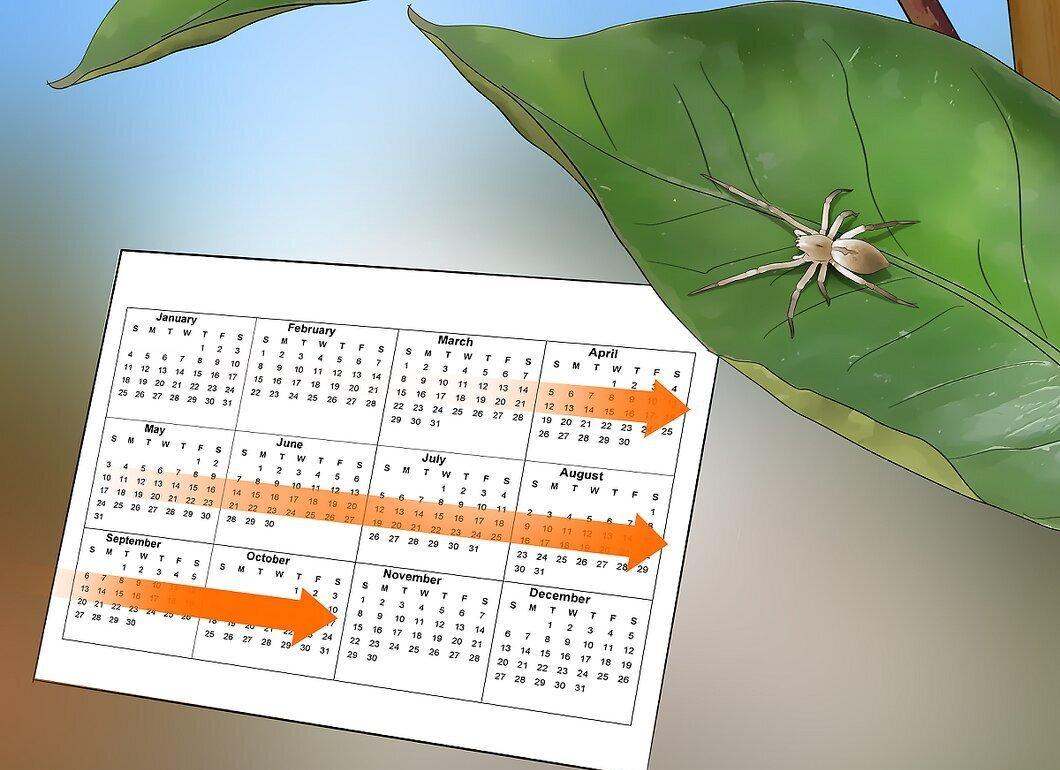
Yellow sac spiders are most commonly seen outdoors from April to October (depending on the region) — during this time, they lay eggs and care for their young.
Step 4. Look for young spiders in the house late in autumn.
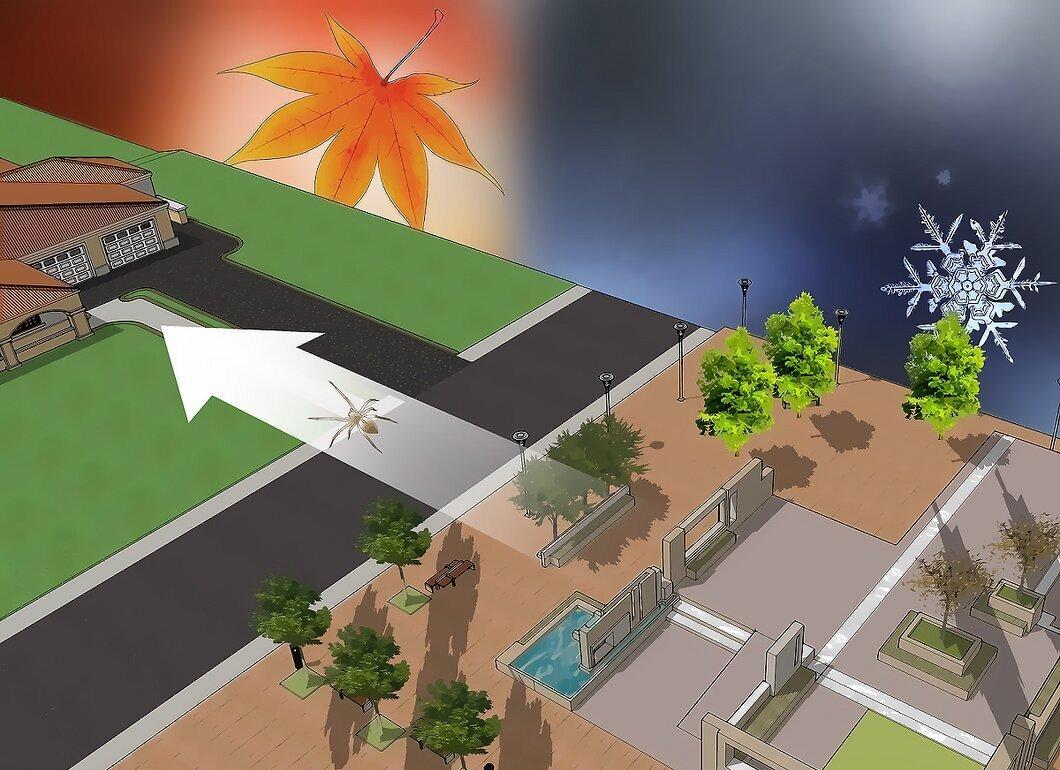
As the cold weather sets in, yellow sac spiders often seek shelter in homes, cars, and other protected places. There, they weave their sacs to wait out the winter. In spring, they mature into adults.