
There are several simple methods to detect counterfeit euro banknotes. European shops, warehouses, and companies often use currency authenticity detectors.
Part 1
Step 1: Shine UV Light on the Banknote
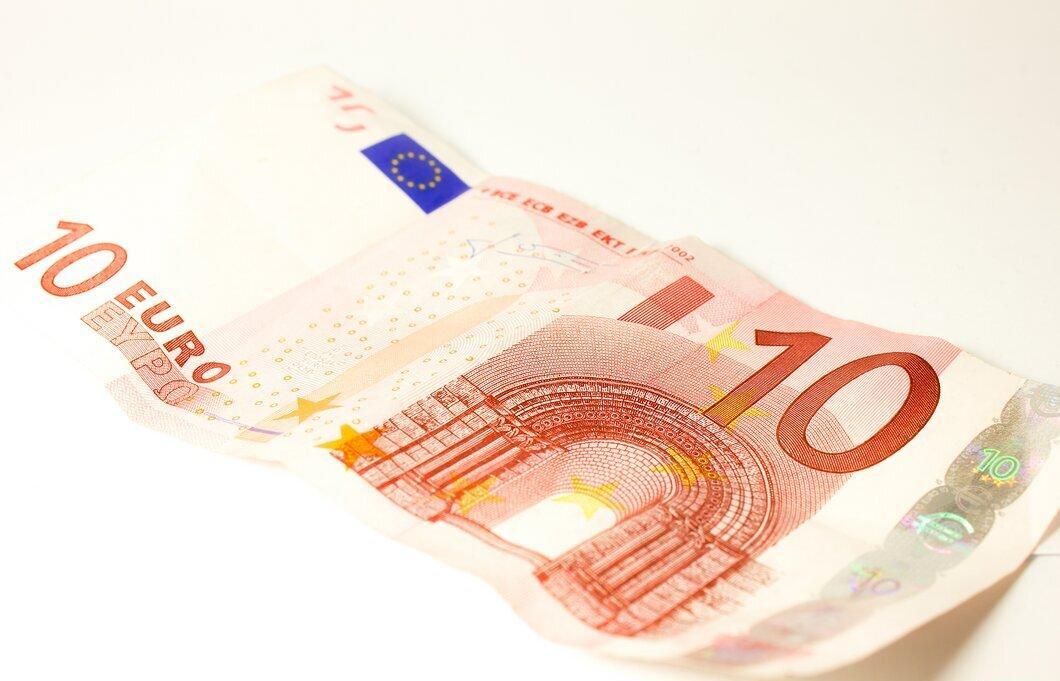
Shine a UV light on the banknote. You should see several small stripes or scratches appear. If you don’t see any bright white stripes or scratches, the euro banknote is 99.9% likely to be counterfeit. If the scratches do appear – congratulations, the money is genuine.
Step 2: Check the Rectangle Next to the Denomination
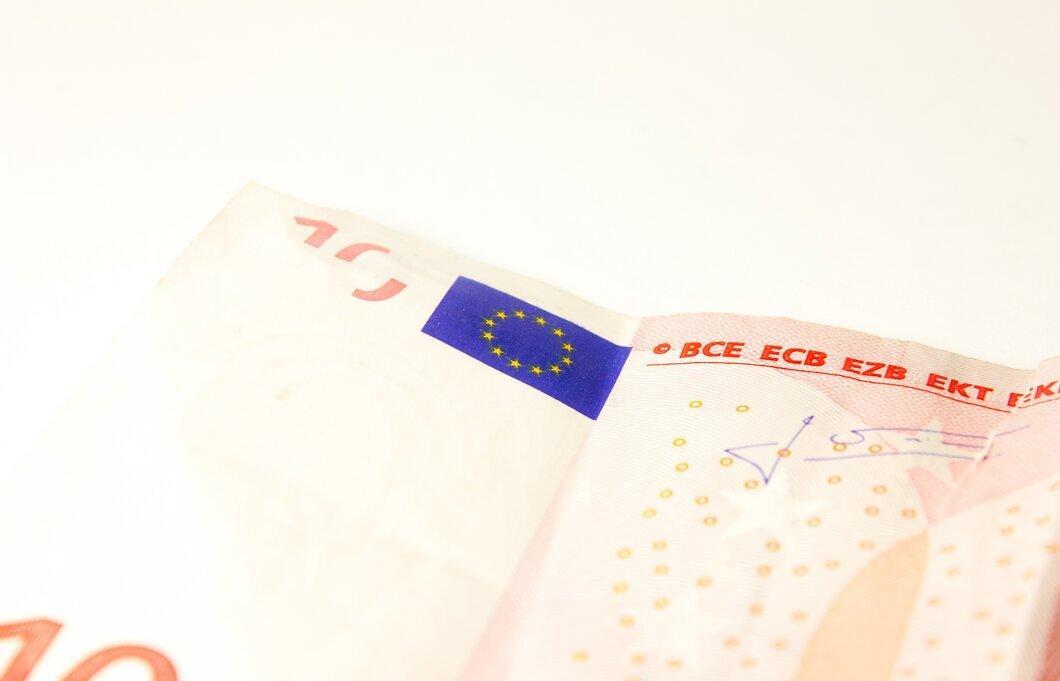
Next to the denomination number, you will find a rectangle measuring 0.5 x 1 cm. Place any finger of your left hand under it and scratch the rectangle with your nail. If you hear a sound similar to a zipper, the banknote is considered genuine. Otherwise, or if there is no rectangle at all, unfortunately, your banknote is a counterfeit.
Step 3: Look for the Holographic Stripe
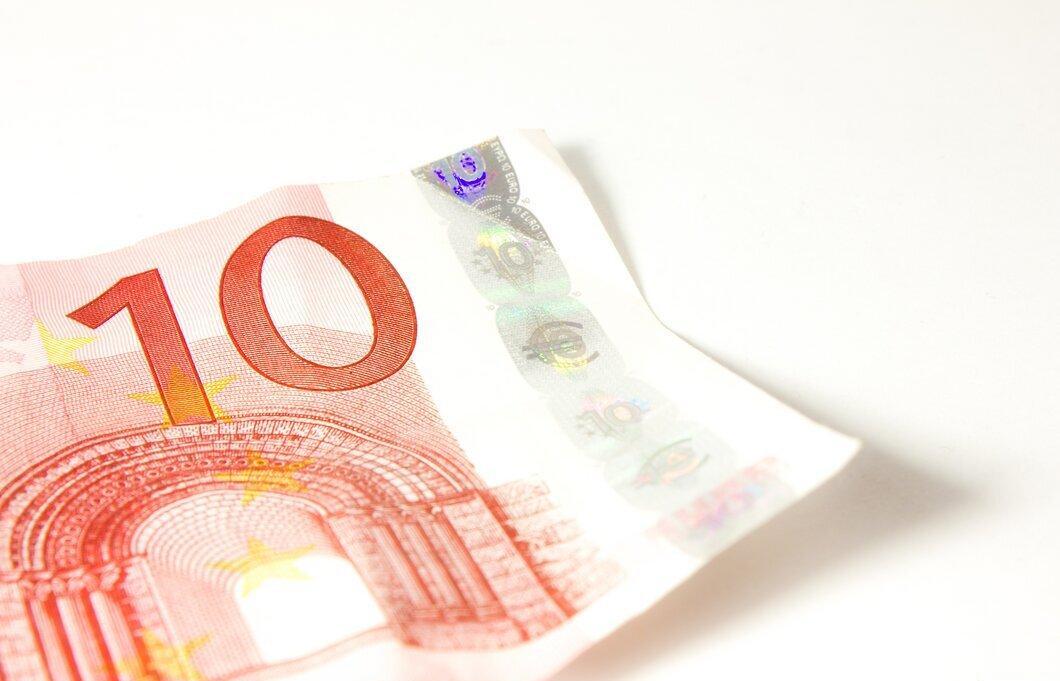
Each banknote has a holographic stripe on the right side, and inside, or as seen in the Greek version of the euro (EYPΩ), where micro-printing is used when overlapping with the banknote's value and the logo "EYPΩ".
Step 4: Measure the Banknote
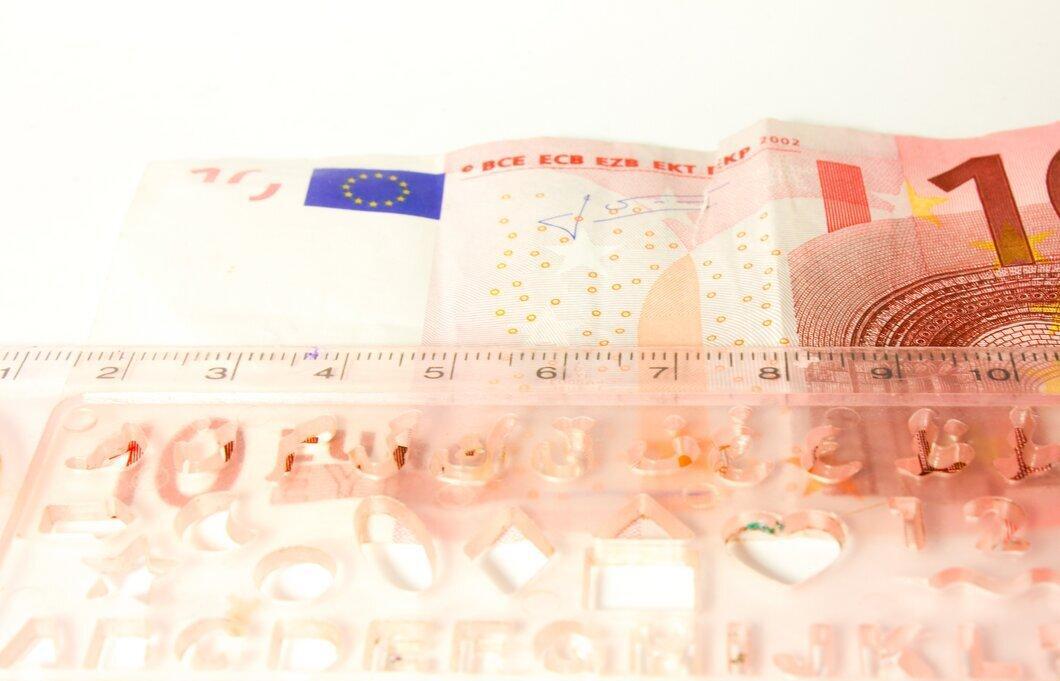
Measure the banknote. Each denomination has its own size (in millimeters) and color:
- 5 = 120 x 62 (grey)
- 10 = 127 x 67 (red)
- 20 = 133 x 72 (blue)
- 50 = 140 x 77 (orange)
- 100 = 147 x 82 (green)
- 200 = 153 x 82 (yellow)
- 500 = 160 x 82 (purple)