Determining if a cow or heifer is pregnant is vital when it comes to breeding. Infertile cows represent a significant burden as they consume feed without returning any benefit. Such animals can adversely affect your budget, and the sooner you decide to sell them, the better. By knowing if a cow is pregnant, you can decide whether to keep her until calving or to sell her off as soon as possible.
Part 1
Step 1. Observe the cows after breeding.
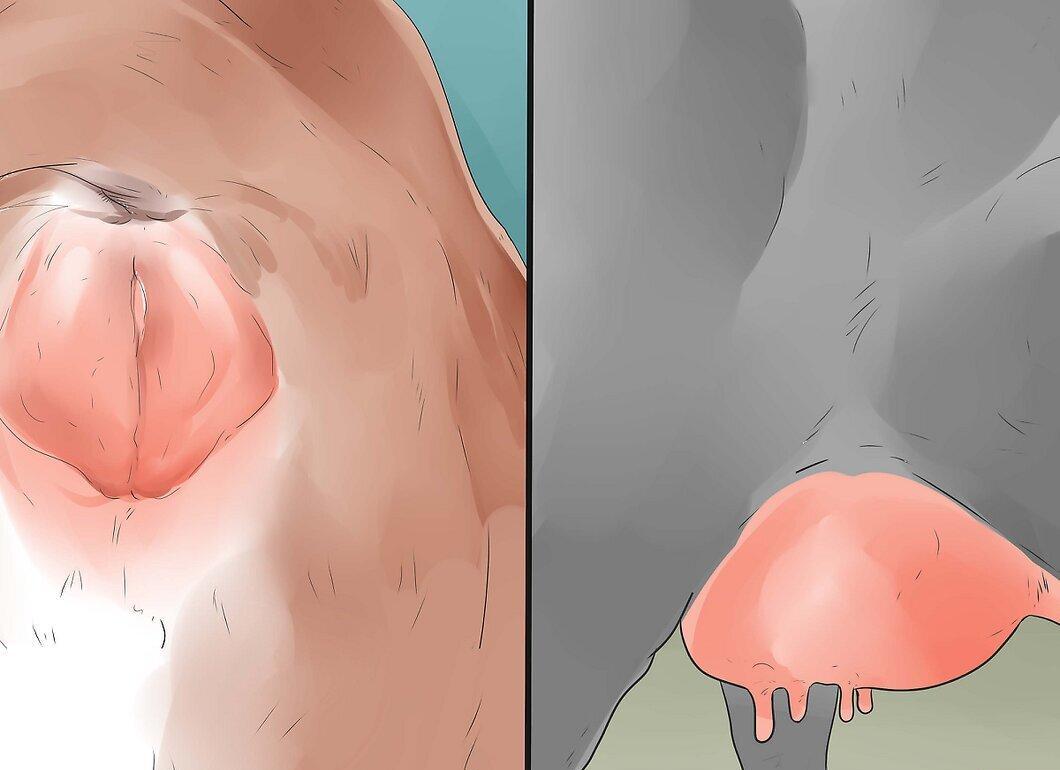
Keep an eye on the cows after breeding has occurred. After the breeding season or artificial insemination, monitor the cows closely for the next 45 days. If no cows show signs of heat during the first 21 days post-breeding and for the subsequent 21 days, this may indicate pregnancy.
- If the temperature of any of the cows rises during this period, it may indicate infertility or a lack of pregnancy.
- Pregnancy can also be identified by an increase in the size of the abdomen, especially in the later stages.
Step 2. After 45 days but before 120 days from the estimated breeding date, visit a veterinarian to confirm pregnancy.
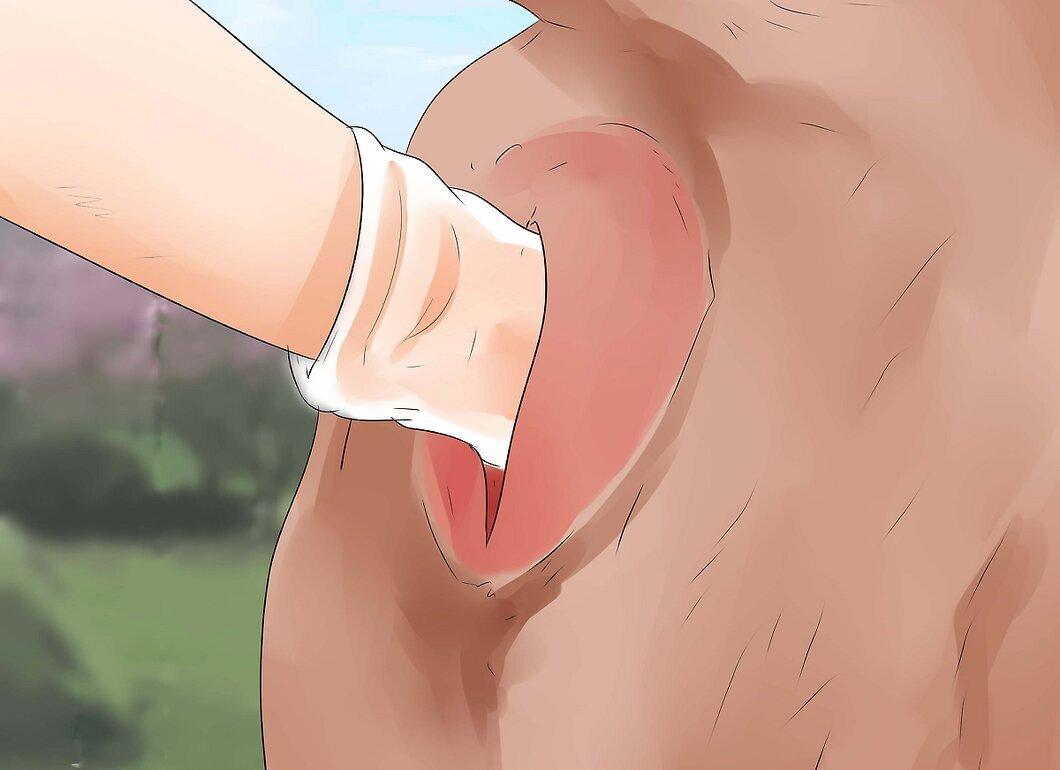
- Here are four methods for checking pregnancy, from the most affordable to the most expensive:
- The most effective method used by veterinarians is rectal palpation.
Step 3. Record the cow's information if she is not pregnant or has been bred to track her progress.

Keep a record of the identification number and the name of the cow if she has been bred or is not pregnant, to track her status. All infertile cows should be removed from the herd as they will diminish your potential profit in the future.
Step 4. Move on to the next cow after checking.