Understanding both the physiological and psychological signs is key to determining whether intervention is needed during a cow's calving. Below, we will discuss the normal process of calf birth.
Stages of Calving: Physiological and Endocrine Changes
Step 1: Stage 1 - Beginning of Myometrial Contractions (Release of Progesterone).
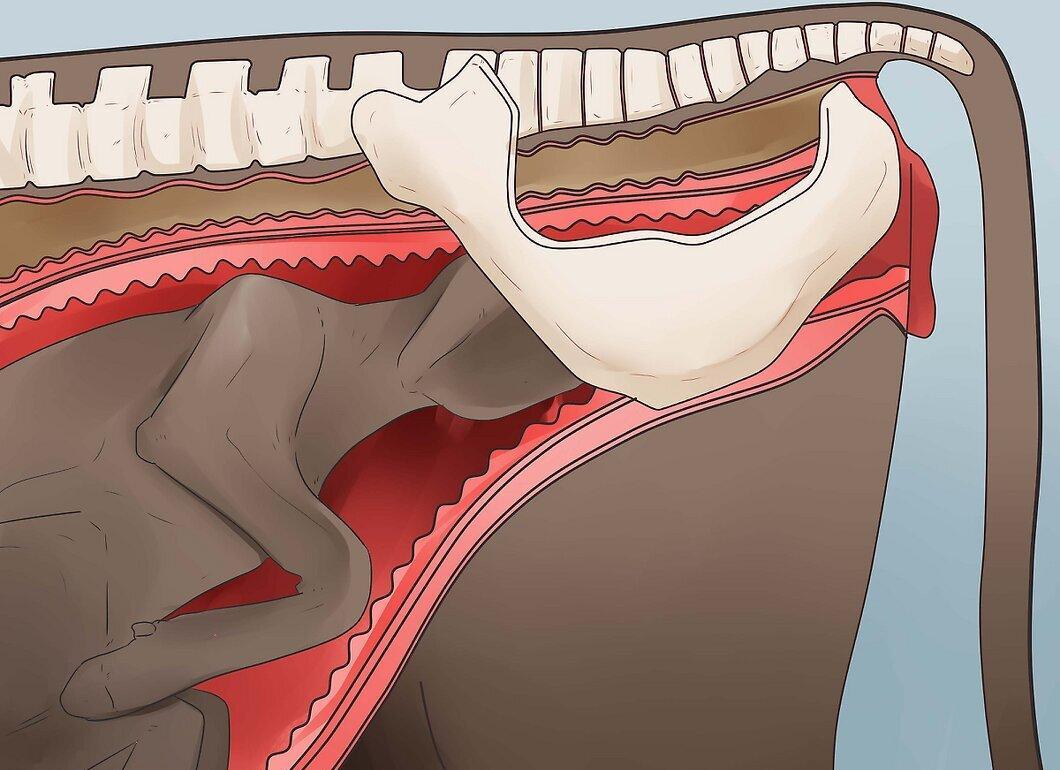
Stage 1: Beginning of myometrial contractions (release of progesterone). Fetal corticosteroids stimulate the production of prostaglandin F2-alpha, which helps to eliminate the progesterone blockade. The calf fetus starts to turn so that its front legs and head are directed toward the cow’s rectum. The contracting uterus begins to push the fetus toward the cervix, creating pressure on it. This pressure activates pressure-sensitive neurons in the cervix, which are connected to the spinal cord and oxytocin-producing neurons in the hypothalamus. Oxytocin promotes myometrial contractions, triggered by estradiol and prostaglandin F2-alpha. As the pressure on the cervix increases, so does the production of oxytocin, enhancing myometrial contractions.
- Estradiol enhances uterine contractions, making them more noticeable.
- There is also an increase in secretory activity in the vagina and cervix, leading to mucus production to facilitate the passage of the fetus through the birth canal. Mucus secretion also helps to expel the mucus plug from the pregnancy.
- The corpus luteum begins to diminish, resulting in a decrease in progesterone levels.
- Relaxin (a glycoprotein), produced by prostaglandin F2-alpha, aids in softening the connective tissue of the cervix and increases the elasticity of the pelvic ligaments, facilitating the exit of the fetus.
Step 2: Stage 2 - Birth of the Calf.
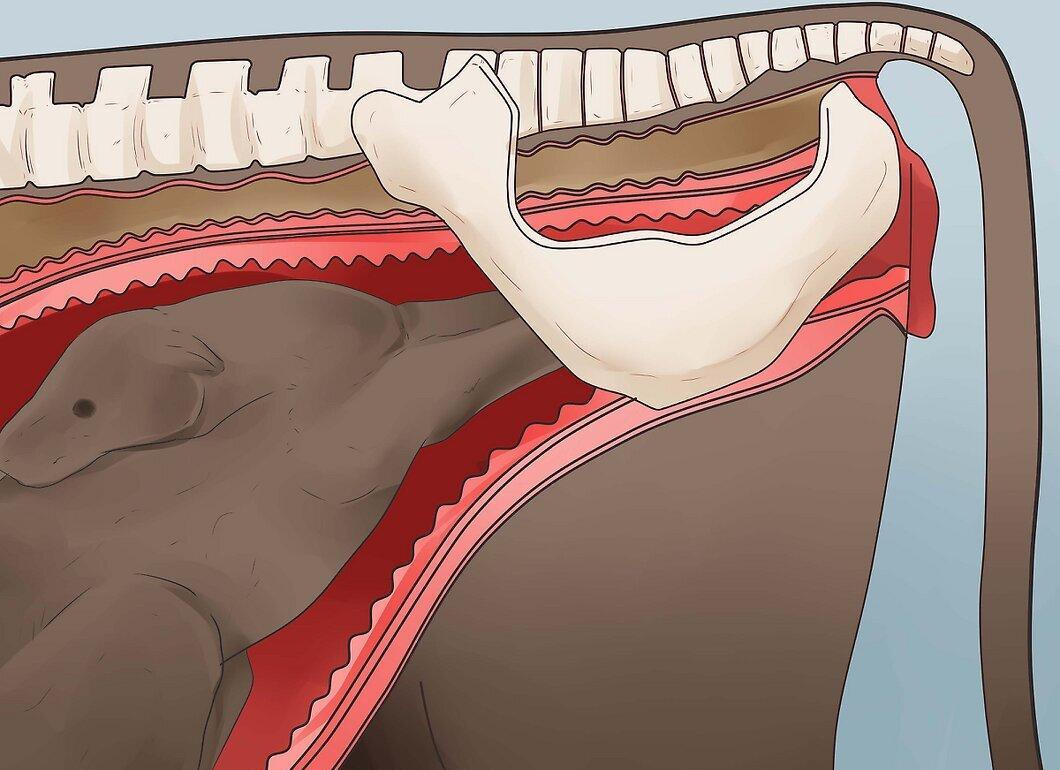
Step 3: Stage 3 - Birth of the Fetal Membranes.
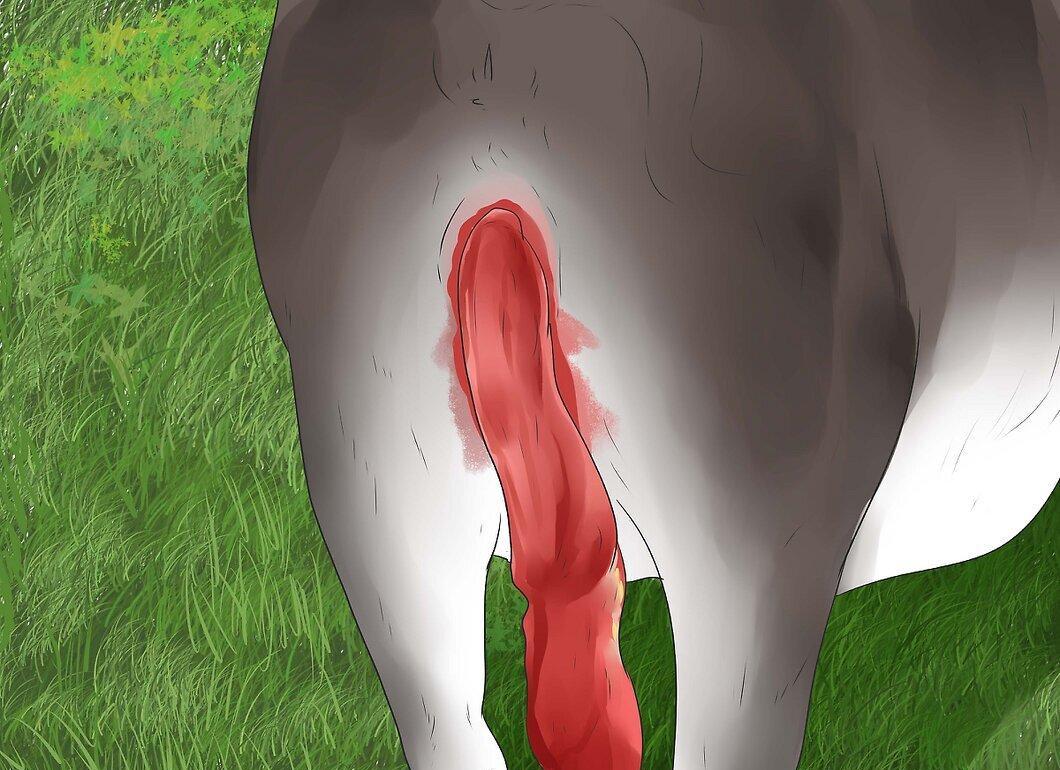
During stage 3, further myometrial contractions occur, and uterine involution begins, aiding in the expulsion of the fetal membranes.
- This is associated with significant constriction of the blood vessels in the villi.
Physical Signs of Approaching Calving
Step 1: Maturation.
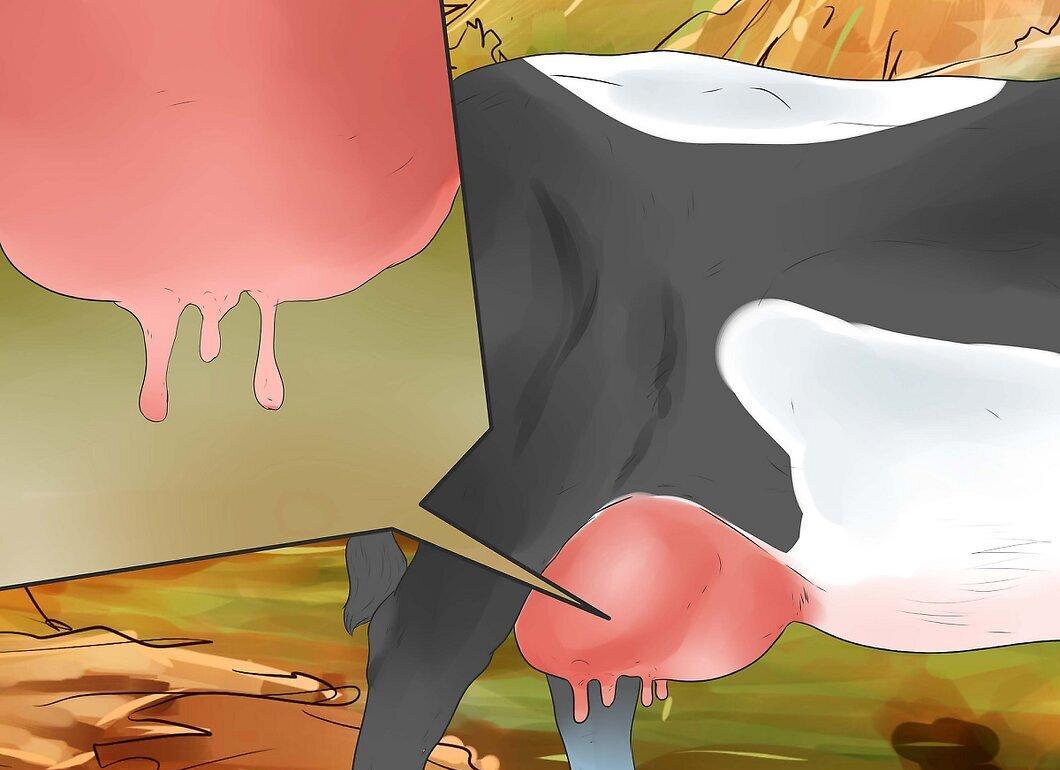
Maturation. The first sign indicating that a cow is approaching calving is maturation (or the beginning of lactation). This may occur 24 hours to 2-3 weeks before calving.
- The cow's udder begins to fill, becoming full and tense, with nipples possibly leaking fluid. Most cows show such signs a day before calving.
Step 2: Softening and Swelling of the Vulva.
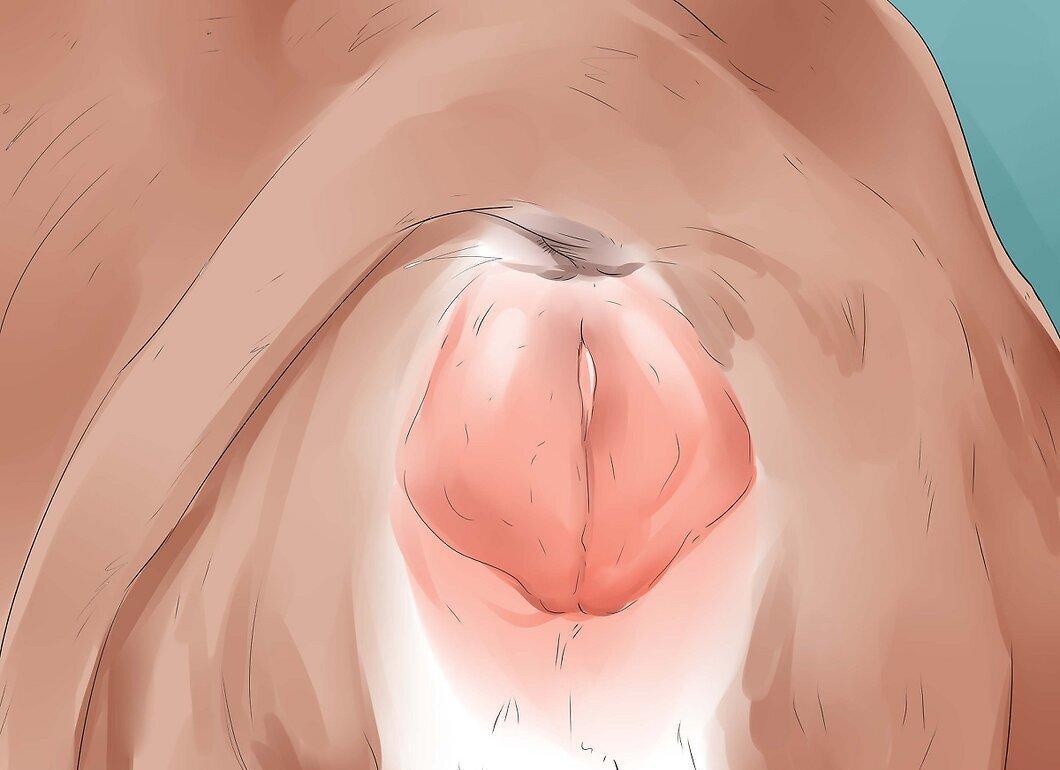
Softening and swelling of the vulva. The cow's vulva becomes noticeably enlarged and soft, with many folds, differing from its usual state.
Step 3: Dropping of the Tail Base.
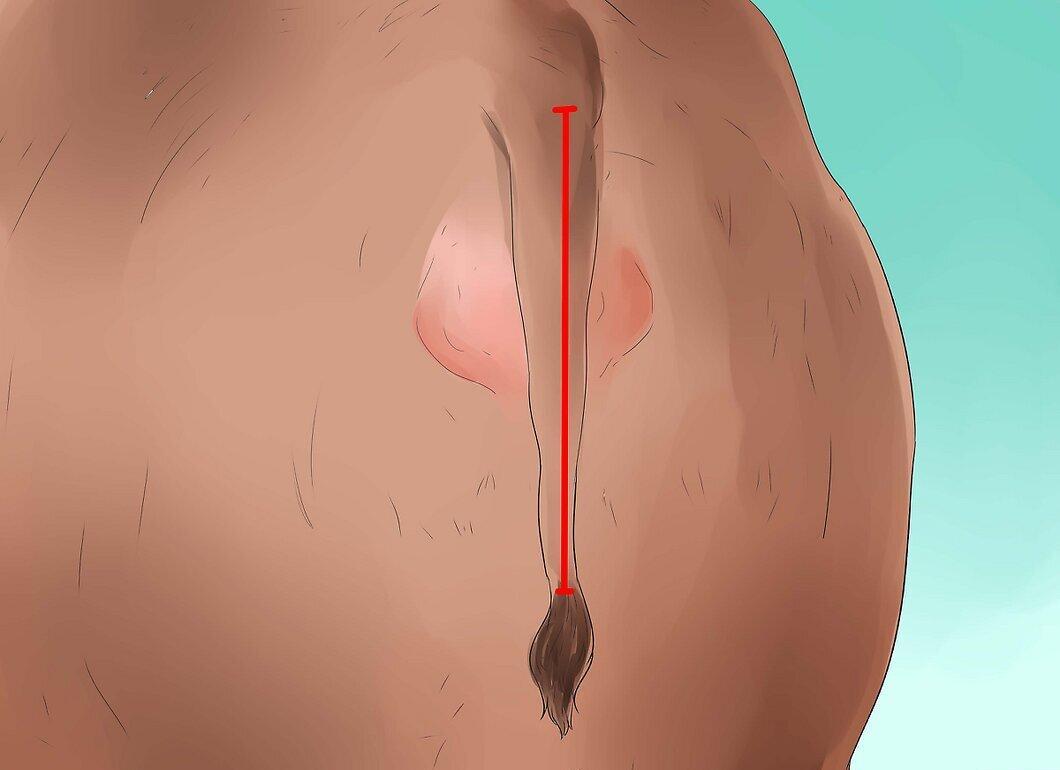
Dropping of the tail base. The pelvic bones begin to widen (due to the action of the hormone relaxin), and the base of the tail drops between the pelvic projections.
Step 4: Obvious Tension and Discomfort.
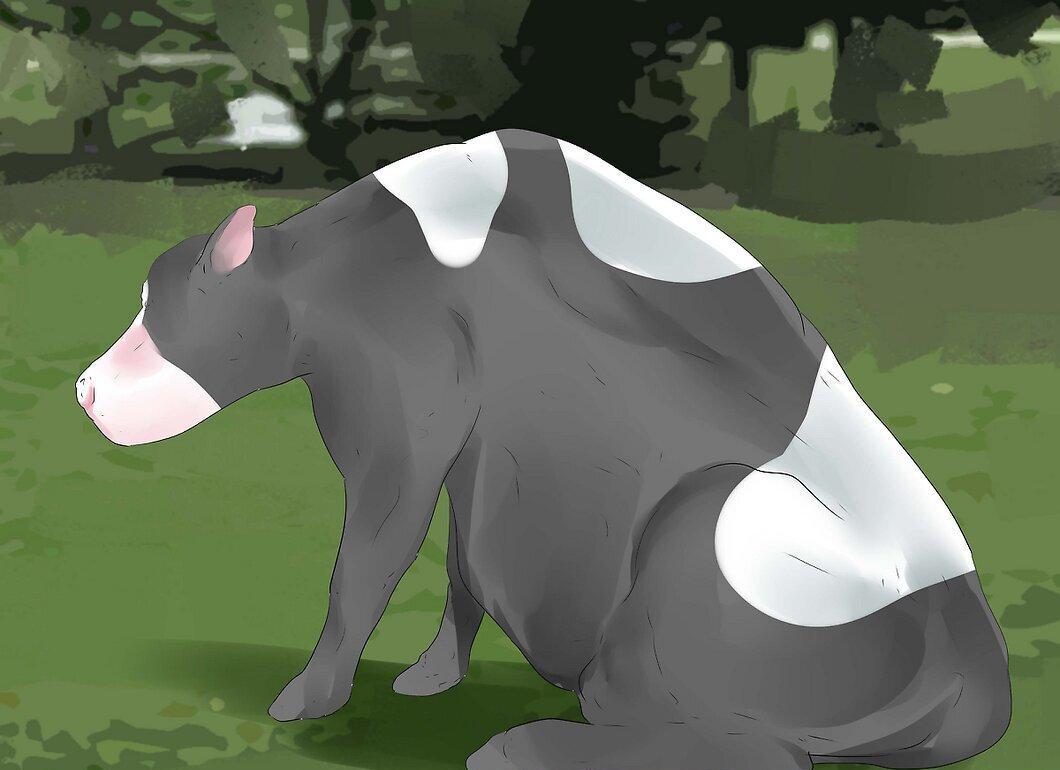
Obvious tension and discomfort. Changes in the cow's behavior can also be the first sign of approaching calving. She may start kicking her belly due to discomfort and contractions, often lying down and getting up, displaying restlessness.
Step 5: Seeking a Secluded Spot.
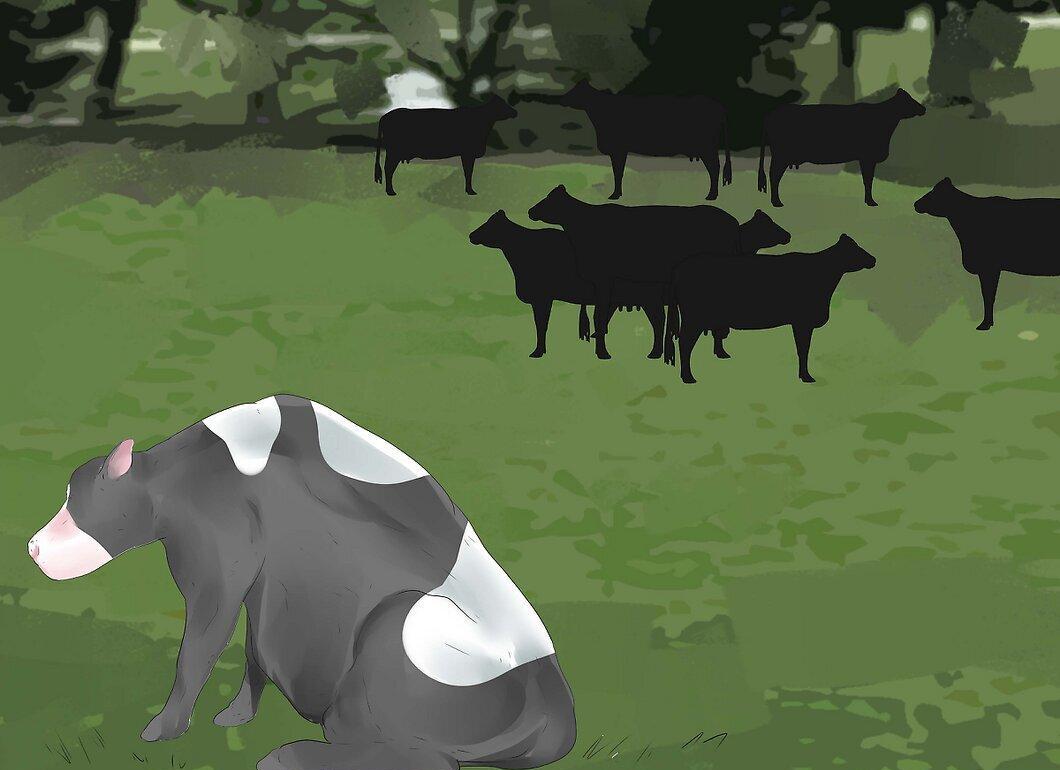
Seeking a secluded spot. Typically, a cow seeks a quiet place away from the herd to calve, whether in a grove or a secluded corner of the pen.
Step 6: Clear Discharge from the Vulva.
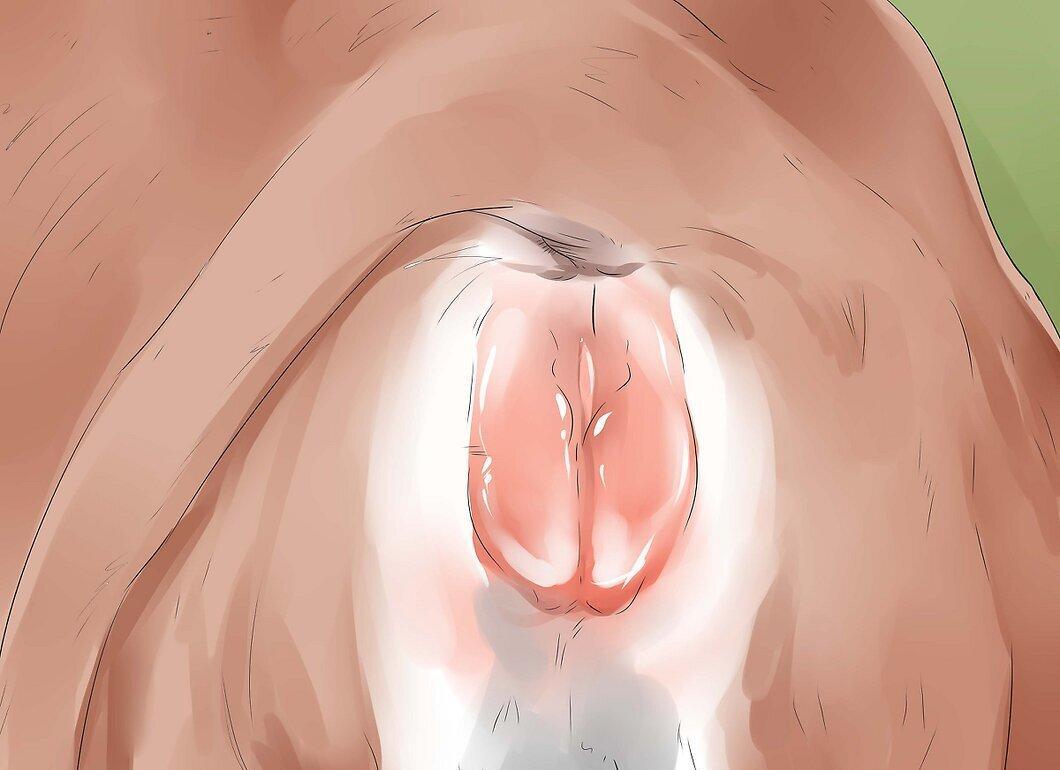
Clear discharge from the vulva. If you notice signs from the first steps, there will also be colorless mucous discharge from the vulva, indicating the onset of secretory activity in the cervix and vagina to reduce friction and facilitate calving.
Step 7: Dropping of the Sides.
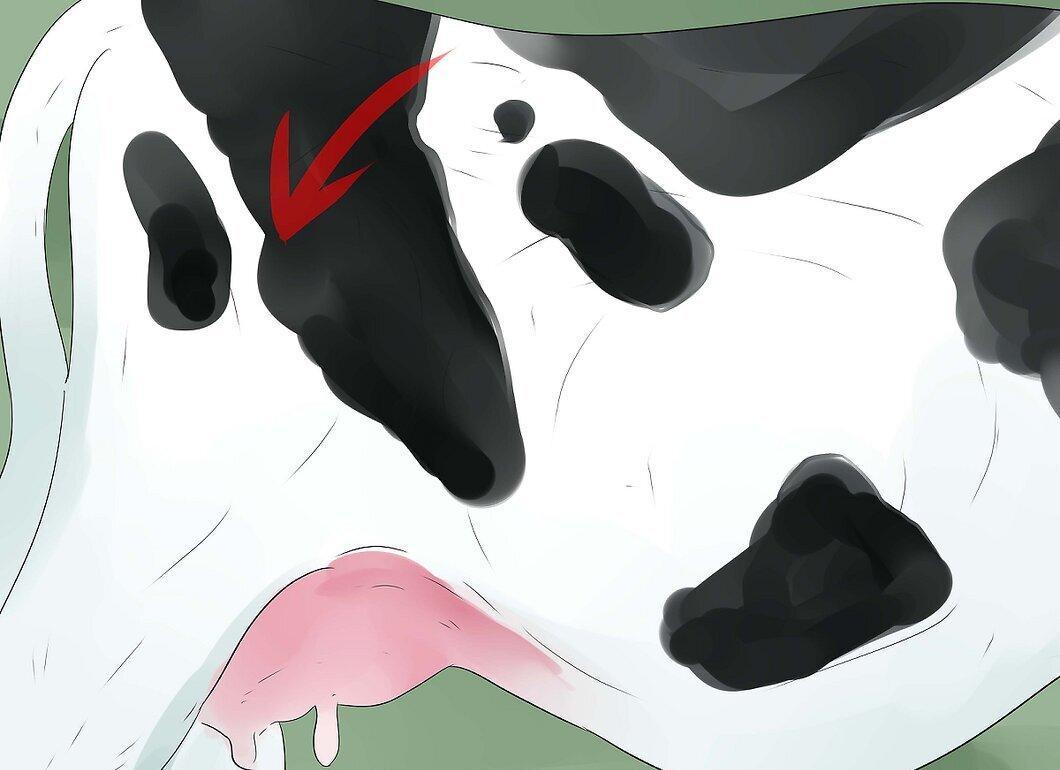
Dropping of the sides. The cow's sides begin to drop, and her belly becomes more rounded in the back.
Step 8: Rupture of the Amniotic Sac.
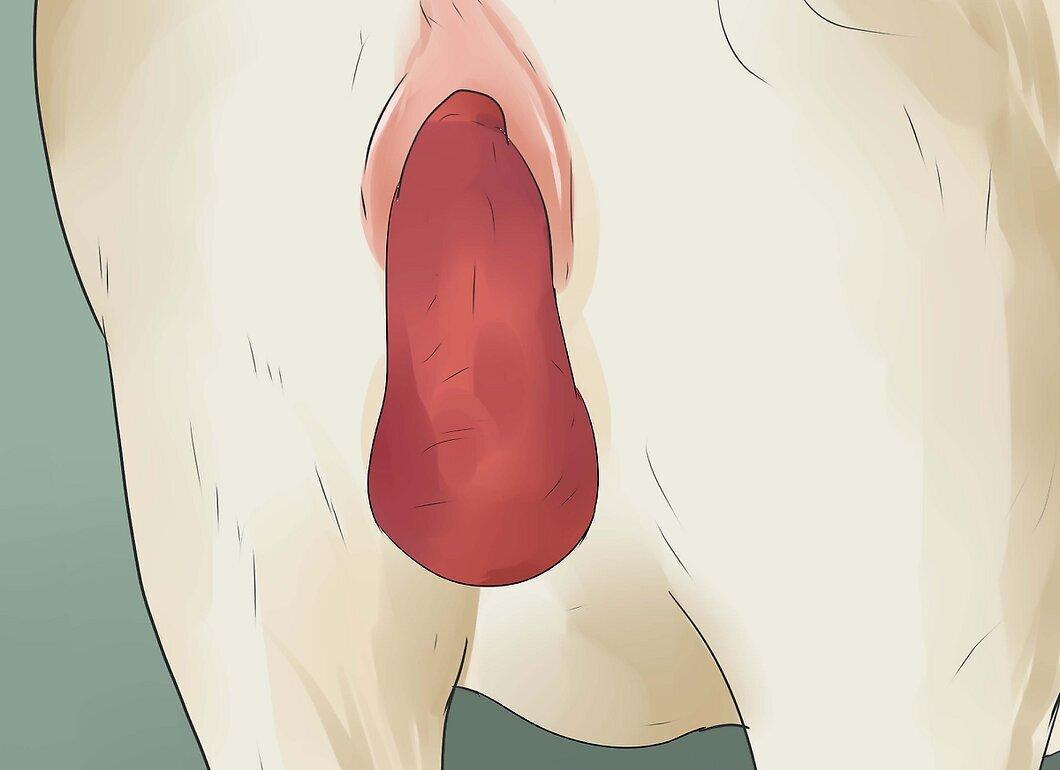
Rupture of the amniotic sac. The amniotic sac, a yellowish bag, emerges from the vulva and always appears first before the calf.
Step 9: Appearance of Legs and Head.
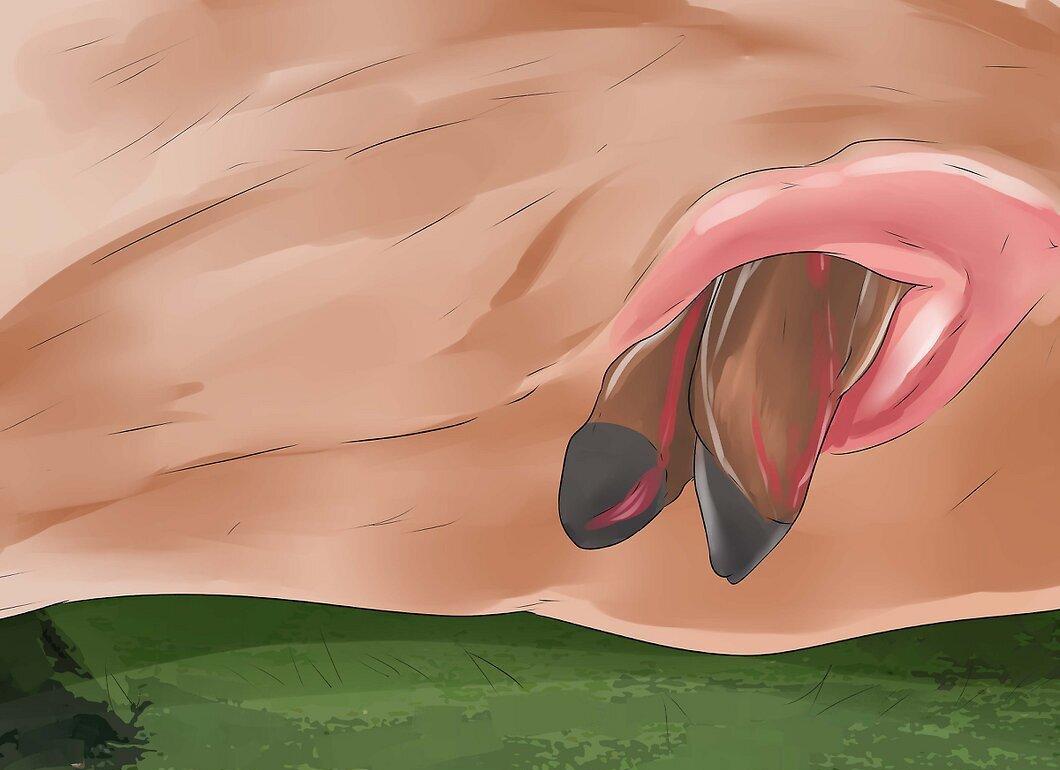
Appearance of legs and head. If the legs are pointing down, the calf is in the correct position, and soon the nose can be seen.
Step 10: Appearance of Shoulders, Body, and Hind Legs.
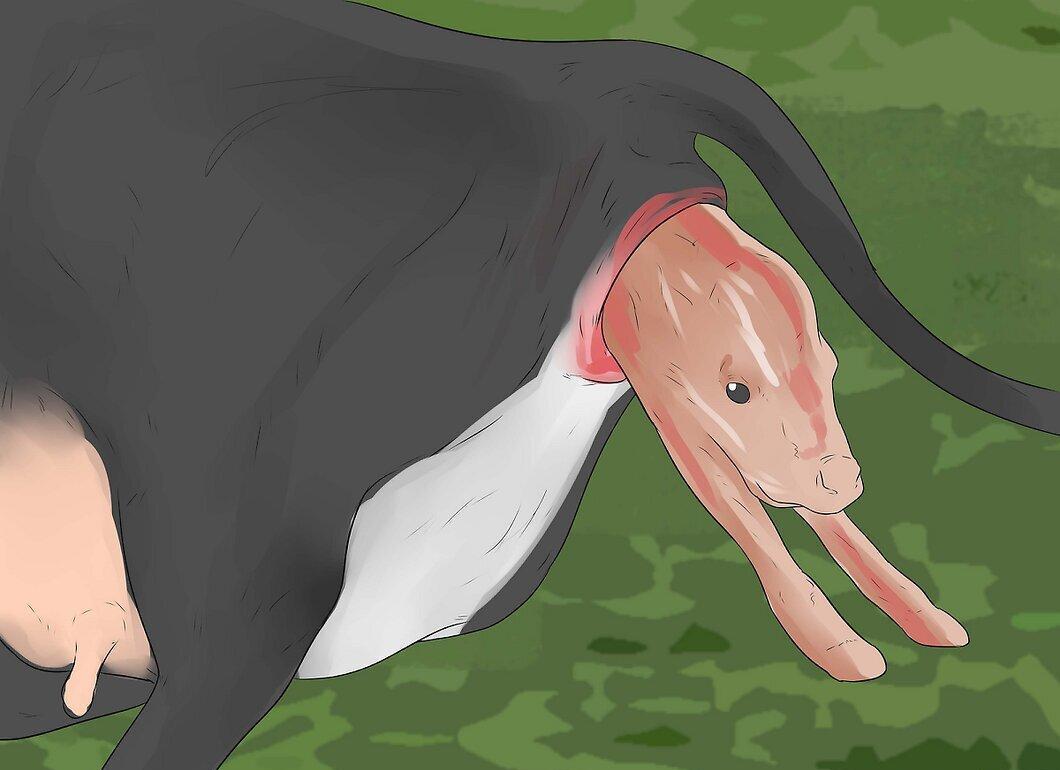
Appearance of shoulders, body, and finally hind legs. The calf is born! Congratulations!
Step 11: Expulsion of the Placenta Minutes or Hours After Birth.
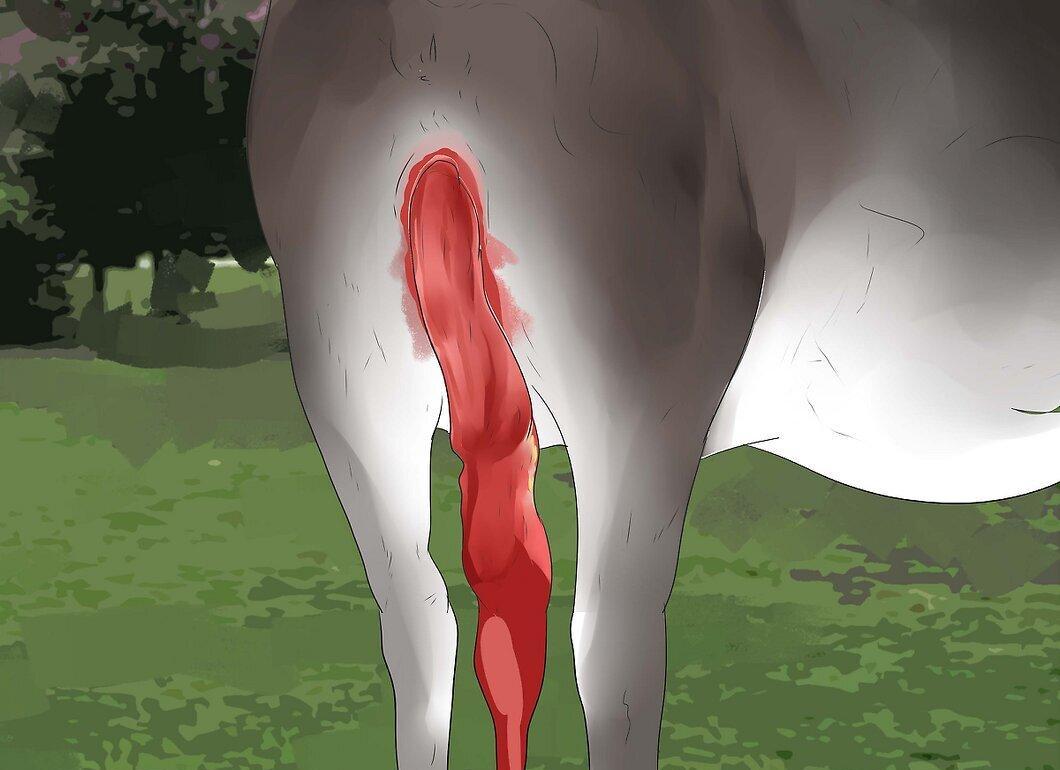
The expulsion of the placenta occurs within minutes to an hour after the calf is born. However, it may remain in the cow for 6-12 hours before uterine contractions fully expel it.
- This mass consists of the placenta, remnants of the placenta, and fetal membranes.