
How to Inspire Teens to Complete Homework
Almost every teenager has an aversion to homework, opting instead to spend time with friends or get lost in video games. This can often frustrate parents. However, there are effective ways to help your child become more motivated and even enjoy doing their homework.
Create the Right Environment
Step 1. Set Up a Comfortable Space.

Identify a suitable location for doing homework. This should be a space free from distractions, so a bedroom may not be ideal. Ensure all electronics are turned off or set to silent mode. Also, ask all family members, including younger children, to give the teen some space during study time.
- If your child does homework at the kitchen table or a desk, they will have enough room to complete their assignments.
Step 2. Establish a Regular Study Time.

Designate a specific time for your teen to do homework. Children perform better when they have a routine. Discuss this decision with your child. Assess how much time will be needed for homework, considering regularly scheduled activities like sports or church visits (if you practice religion).
- For example, if your teen plays soccer right after school and returns no earlier than 5 PM, and dinner is at 6 PM, the best time for homework would be 7 PM.
Step 3. Provide Necessary Organizational Tools.

Give your teen the tools they need to stay organized. If they struggle with remembering tasks, ensure they have everything required to keep track of their responsibilities. Prepare a planner, sticky notes, markers, and other helpful items that can assist them in managing their time and meeting deadlines.
Step 4. Consider Finding a Tutor.

Think about hiring a tutor. While parents often help with homework, as children grow older, they may find they need assistance in subjects that you may not understand. If you feel unable to help in a particular area, consider hiring a tutor. This will provide your child with additional individual help and improve their grades.
- Ask your child’s teacher for recommendations for good tutors in your area.
Step 5. Make Learning Engaging.

Make the learning process more interesting. Support your child in their studies and homework. Try to come up with creative ways to make learning fun and engaging. Generally, new facts and concepts are better remembered when studied through various methods.
- For instance, if your child struggles with geometry but loves basketball, conduct a geometry lesson on the basketball court, using the bodies and hoop to demonstrate triangle angles. How does the triangle change if one of you steps further from the hoop?
- Watch a documentary or an interesting historical film related to the topic your child is studying in history class.
Be Active in School Life
Step 1. Visit the School.

Get to know your child’s teachers and school administration — principals and vice-principals. Make it clear that you are open to communicating with them about any issues concerning your child’s education. Join the parent committee or participate in school events. This may motivate your teen to complete their homework since they will see your involvement in school life.
- Schedule a parent-teacher meeting.
- If you cannot actively participate in school life, try to attend at least one meeting a year to stay updated on school news.
Step 2. Engage with Your Teen.

Make an effort to engage with your teen. Rather than arguing about homework and grades, try to collaboratively create a plan. Offer your suggestions and allow them to create a schedule that works for them. Instead of criticism, provide constructive feedback to help them find solutions themselves. This will make them more aware and responsible.
- For example, if they received a preliminary grade of 3 in math and have three weeks to improve, discuss what they need to do to raise their grade. If they mention needing to study more, suggest dedicating 30 minutes each day to review the material.
- Ask if they have missed any assignments or tests.
Step 3. Offer Reminders.

Teens often need reminders to complete tasks, especially when they aren’t enthusiastic about them. Remember, you are the adult, and they are still a child. Teens don’t need reminders as often as younger children, but they still require occasional prompts to stay on track.
- Consider using technology for reminders. Set reminders in the calendar on their phone and sync it. There are also family management apps that can be useful.
Set Goals
Step 1. Help Your Teen Set Goals.
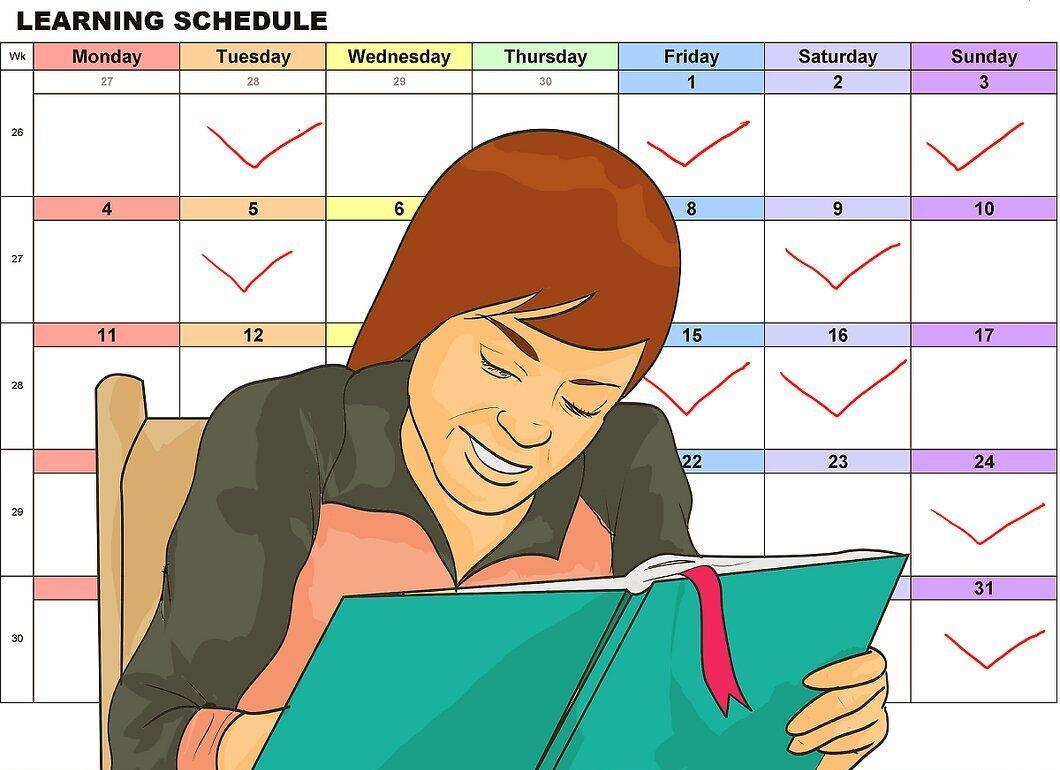
Teach your teen to set goals. Both long-term and short-term goals are important for success in school and the future. Help them establish daily, weekly, and quarterly goals to stay on track with their school assignments.
- For example, a short-term goal might be to improve their history grade from a 3 to a 4 this quarter. A long-term goal could be to eliminate threes and achieve several fives in subjects they excel at.
- Encourage your teen to write down and assess their achievements throughout the quarter.
Step 2. Provide Incentives.

Teens are often motivated by various incentives. Come up with a few reward options for each day, month, or quarter to help your child stay on track with their schoolwork.
- Pay them for good grades. For example, 100 rubles for each 5.
- Offer weekly pocket money for completing school responsibilities. Treat studying like a real job: if they do well, they earn their “salary.”
- Consider extending weekend time as a reward for good grades.
Step 3. Help Your Teen See the Bigger Picture.

Explain to your teen why education is necessary. They often struggle to understand how school subjects will benefit them in the future. Your job is to show how today’s learning is connected to tomorrow’s success.
- Be prepared to answer questions like, “Why do I need to learn algebra? I’m not going to be a math teacher.” Provide examples of how algebra is used in everyday life, such as calculating taxes or paying bills.
Step 4. Provide Support.

Support and encouragement are natural parental responses. However, sometimes support is more important than praise. Encourage your teen for their successes and motivate them to work on areas that need improvement.
- Instead of saying, “Great job on the project!” say, “What a wonderful project! It’s clear you really worked hard on it. Isn’t it nice to receive such a high grade?”