All around us, people remind us that breakfast is the most significant meal of the day, and not feeling hungry in the morning can be a problem. For some, the ease of skipping breakfast can change when their stomach starts to ‘wake up’ later. Regardless, breakfast advocates are right: it fuels us for the entire day! Let’s explore some tips for those who don’t find joy in the morning meal.
Part 1
Step 1. Get Enough Sleep.
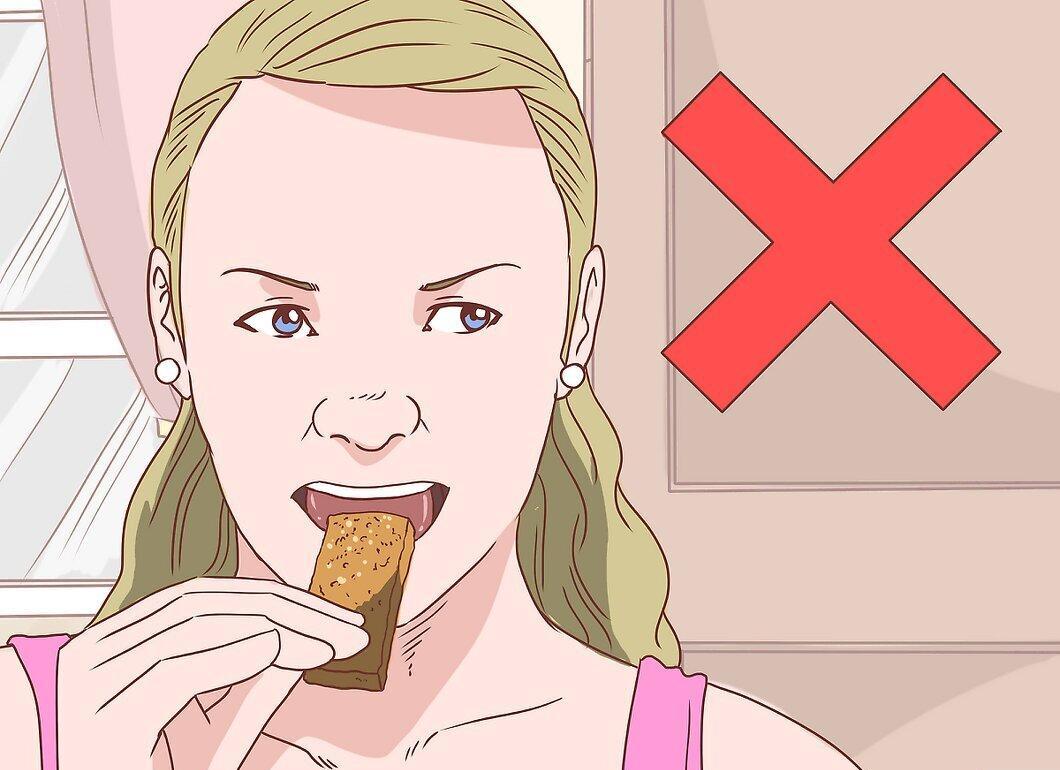
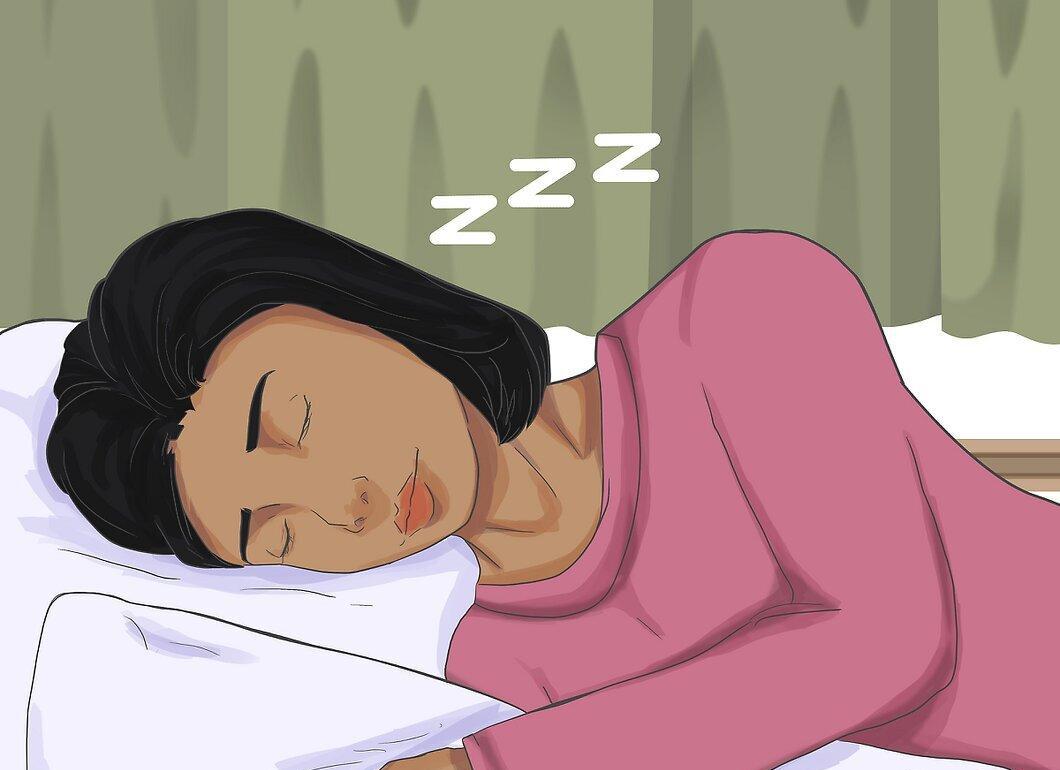
Don’t underestimate the power of sleep. Lack of sleep or sleepless nights can cause nausea and discomfort in the stomach. This might lead to not feeling hungry until late morning, as fatigue mixes with hunger pangs. Consequently, you may find yourself eating something sweet or carby for breakfast just to quell the nausea instead of a proper meal.
Step 2. Diversify Your Breakfast Options.
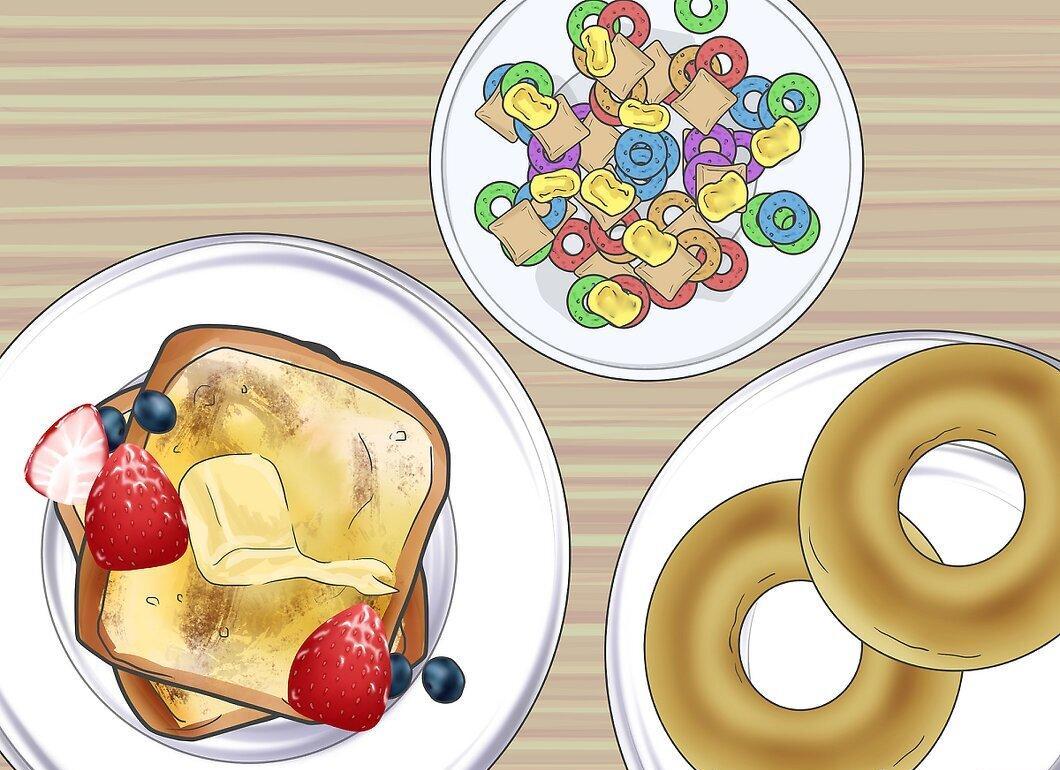
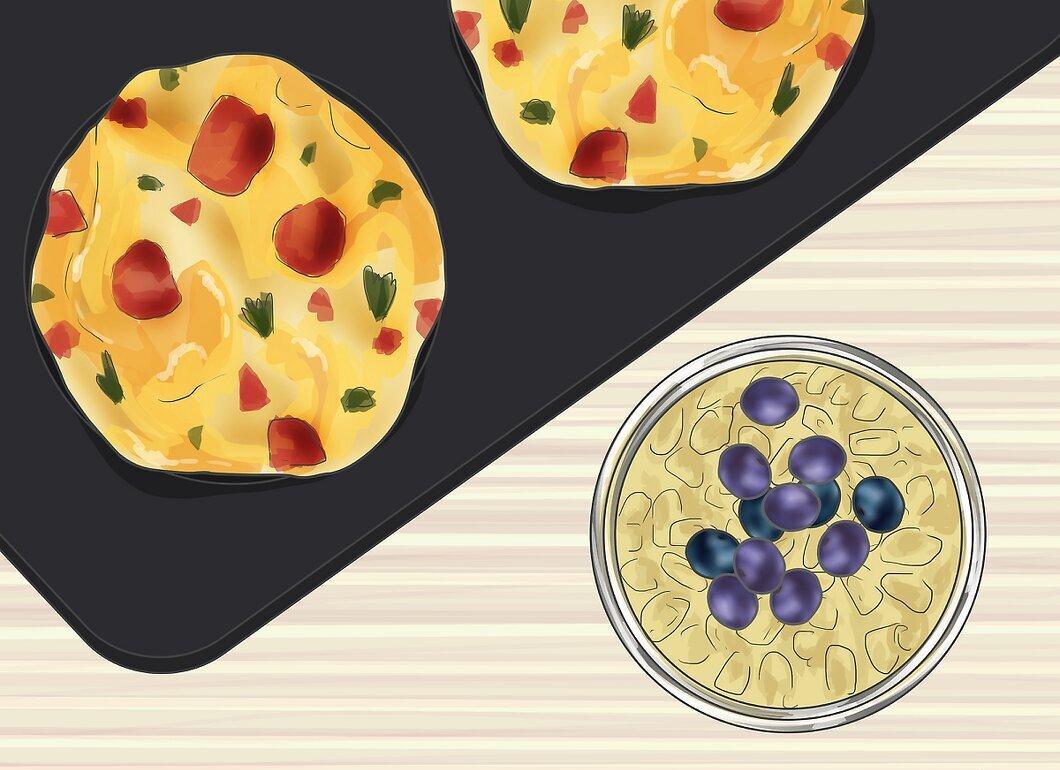
Create a varied breakfast menu. Many of us dislike eating the same thing every morning. If the thought of standard cereal or toast makes you reluctant to get up, it’s time to come up with something new. Check out WikiHow for numerous breakfast ideas. Here are a few options:
- Fruits — add them to oatmeal, make smoothies, etc.
- Grain-based breakfasts — oatmeal, homemade granola, or other cereal mixes.
- Bread — a variety of rolls, bagels, and waffles.
- Spreads — unique jams and spreads, like marmite.
- Eggs — prepare them in various ways and add different sauces, like salsa or soy sauce.
- Legumes — baked beans, bean burritos, etc.
- Meats — bacon, sausages, or smoked fish.
- Drinks — fresh juices, smoothies, and vegetable juices.
- Ethnic dishes, like breakfast tacos or South Indian idli.
- Frozen options — while not always the healthiest, there are many quick and easy choices.
- Dinner leftovers — sometimes, this can make for an excellent breakfast if you’re not a fan of traditional morning foods.
Step 3. Stick to the Essentials of a Healthy Breakfast.
There are various views on how one should have breakfast. There’s a saying: "Eat breakfast like a king; lunch like a queen; and dinner like a pauper." This makes sense for those who are active, but may not be suitable for those leading a more sedentary lifestyle. If you don’t move around much, it might be beneficial to 'graze' — eating small portions throughout the day. This way, you can enjoy breakfast even if it’s just half an apple or one toast to kickstart your morning. You can snack throughout the day and have more substantial meals later.
Step 4. Focus on Your Main Meal.

Take care of your main meal. For many, dinner is the primary eating occasion, which can affect the desire to have breakfast. If dinner is an important event for your family or you want it to be the main meal, make sure you finish it by 7 or 8 PM. This will help your body digest the food before sleep, allowing you to wake up hungry in the morning.
Step 5. Watch Your Caloric Intake at Lunch and Dinner.
Pay attention to the calories in your lunch and dinner. If you’re used to heavy lunches and dinners, this can decrease your morning appetite, as the food is still being digested. Try to have a more substantial breakfast and make healthy choices throughout the day. Initially, this might seem challenging, but ultimately it will help reduce overall food intake and ease your morning breakfast experience.
Step 6. Exercise Before Breakfast.

Physical activity before breakfast can awaken your appetite. Try having a smoothie or fresh juice to provide your body with vitamins and some fiber.
Step 7. Allow Enough Time for Breakfast.
Don’t rush through breakfast. If you feel stressed or hurried, it may dampen your desire to enjoy your morning meal. Make an effort to relax while eating, as this is beneficial for all meals.
Step 8. Drink Juice.
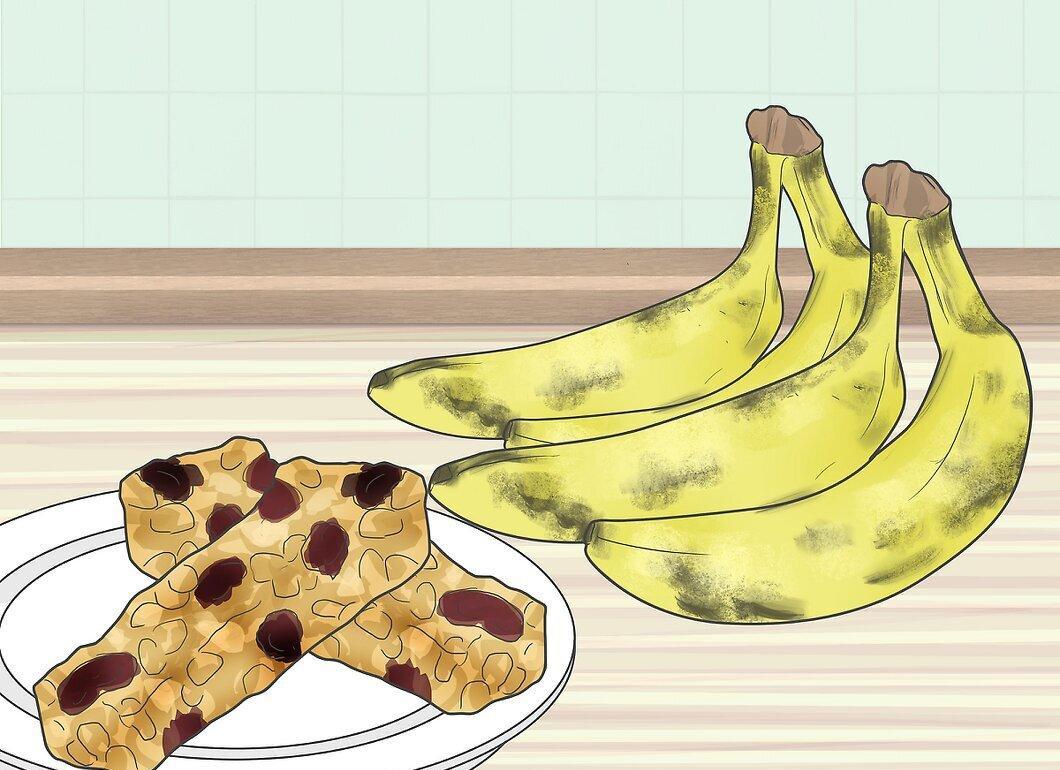
If you’re not feeling like eating, try drinking a glass of juice, such as orange juice. It can provide your body with a boost of energy. Drink the juice before your morning shower or getting dressed. This might increase your desire to eat. Avoid fatty drinks like milk, which can delay digestion and create a sense of fullness, leading to skipping breakfast. If your stomach is sensitive to acidity, try grape juice instead.
Step 9. Avoid Late-Night Snacking.
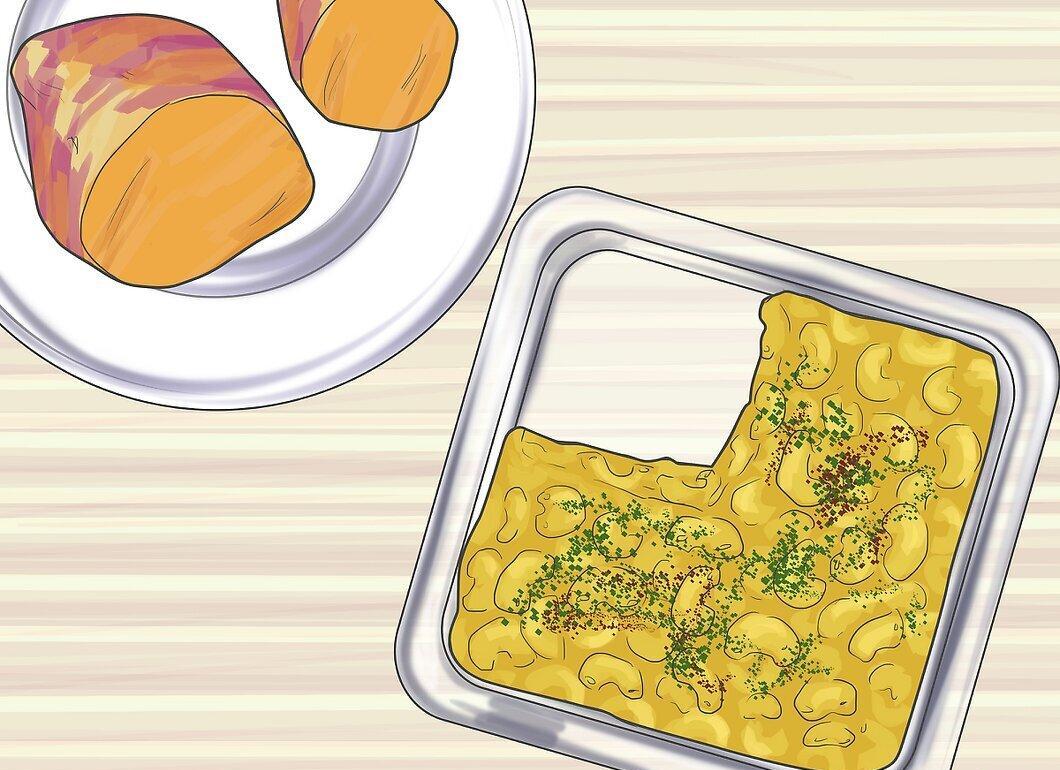
Try to avoid snacking before bed. This is especially important for those who suffer from heartburn. Aim to refrain from eating a few hours before sleep to wake up with a good appetite. If you can’t resist late-night snacks, opt for small portions, like a piece of cheese or a few fruits.
Step 10. Drink Plenty of Water Before Bed.
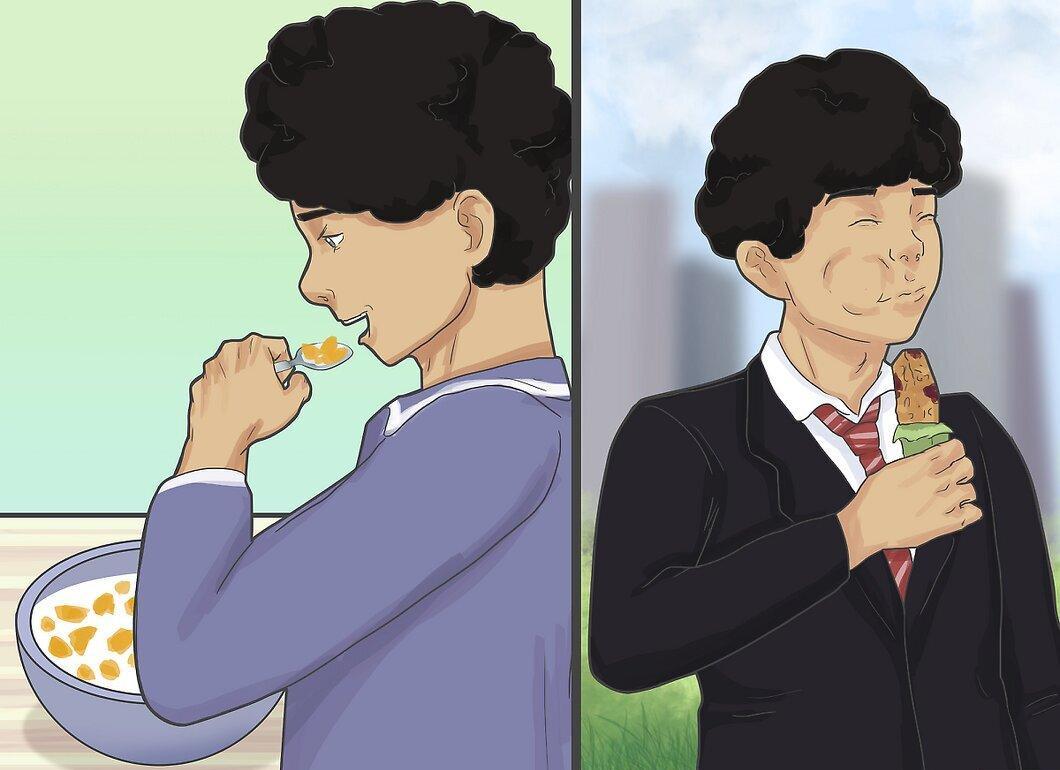
Make sure you drink enough water before bed — at least two or three glasses. This can help dilute stomach acid and reduce nausea that some people may experience.