A pawn shop is an excellent place to quickly get cash for unexpected expenses, whether it’s for paying bills, buying gifts, or filling up your car's gas tank. To understand how it all works, start with Step 1 below, and get useful tips on what to expect at a pawn shop.
Part 1
Step 1. Decide what you want to pawn and how much cash you need.

Determine what item you are going to pawn and how much money you would like to receive. This could be tools, electronics, jewelry, or other valuable items. It’s crucial that they are in good condition; otherwise, you may not get the desired amount or anything at all. If you fail to repay the loan (or “pawn”) for this item, the pawn shop will sell it, trying to make more than what you borrowed. This is how they earn their profit. However, broken or non-working items cannot be sold, so no loan will be given for them. For this reason, the loan amount cannot reflect the full value of the item, as otherwise, the pawn shop would not be able to profit.
Step 2. Bring the item to the pawn shop and state whether you want to sell or pawn it.
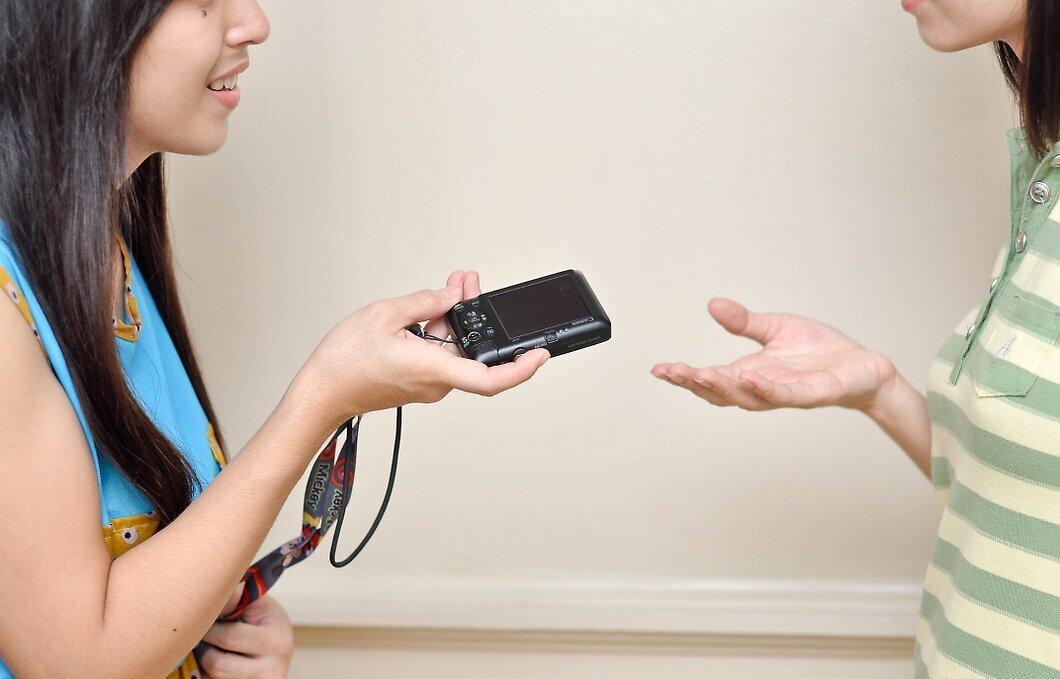
Take your chosen item to the pawn shop and inform them whether you want to sell or pawn it. You might also want to call ahead to see if they are interested in your specific item. Sometimes pawn shops can be filled with similar items, and they may decline your offer. This also applies to bulky items, like furniture, as the pawn shop may not have suitable storage space. Make sure to present the item nicely so it looks appealing, and ensure it works. If it’s a gas-powered device, check that it has fuel; if it runs on batteries, make sure they are charged.
Step 3. When asked, state your desired amount for the item.

When asked, specify how much money you would like for the pawn. Be confident yet polite and reasonable in your response. Phrases like “I’d like to get no less than $45” or “I need around $50” sound much better than “Give me $50 or I’m leaving!” or “I don’t know, just tell me how much it’s worth.” Sometimes it works to ask for a bit more than you actually want, as many pawn shops are open to negotiation, much like when buying a car. Keep in mind that interest rates on loans will be significantly higher than a bank! For instance, the annual rate can exceed 1000% for a similar bank loan. This is another way pawn shops make money – through high-interest rates.
Step 4. Once the price is agreed upon, fill out the paperwork and get your cash.

Once you agree on a price, fill out the necessary paperwork and receive your cash. You will need your identification and a signature on the back of the receipt. This is done for security purposes, helping track stolen items that have been pawned. Now you’re on your way to getting cash!
Step 5. Return by the due date to repay the loan and reclaim your item.
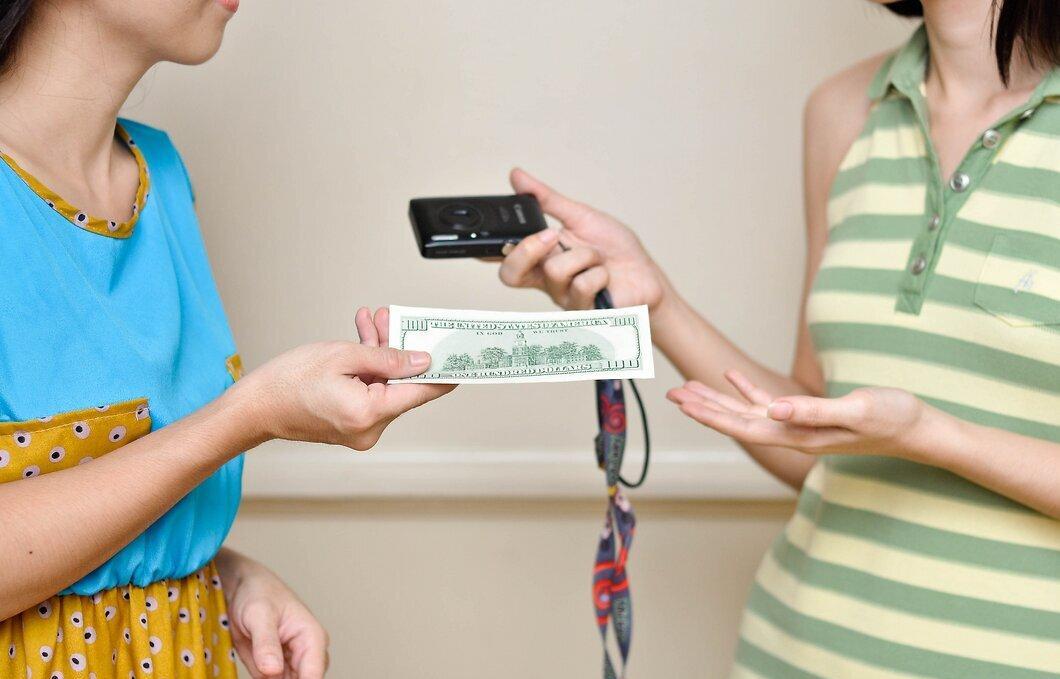
Don’t forget to return by the specified date to repay the loan and interest, and to get your item back. Typically, you are given one to three months to repay the pawn or extend it. These conditions can vary by region, and the pawn shop employee will provide you with the exact timeframe. If you cannot pay the full amount, you can simply pay the interest and extend the loan for another month. At the end of this term, you will have the option to fully repay the loan and reclaim your item or extend it again. However, most pawn shops limit the ability to extend, and at some point, you will have to either pay off the debt completely or part with the pawned item. Usually, this is about three months. Remember, if you only repay the interest, your debt will still accumulate over time, which you will need to pay back.