This article explains how to use a barometer to measure atmospheric pressure, which is essential for analyzing and predicting the weather. The tips provided are intended for practical use. It is important to note from the outset that pressure is not 'calculated' but rather measured using a barometer; the value is then converted into units that are more easily understood.
Part 1
Step 1: Observe Patterns.
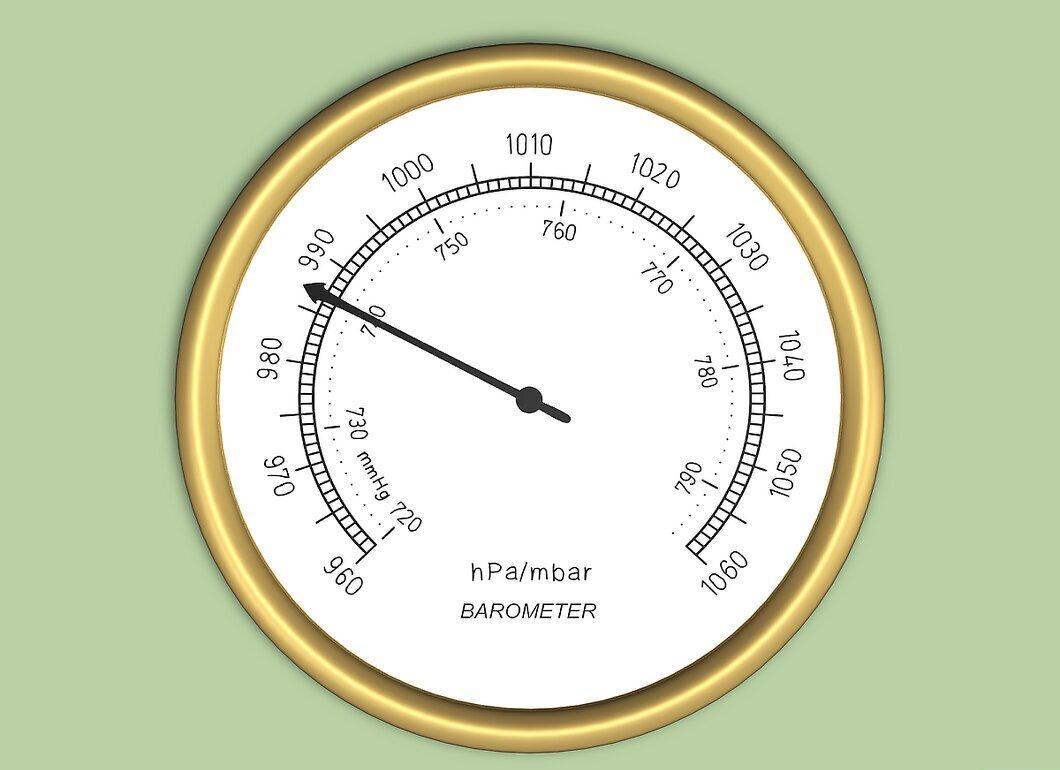
Observe patterns. When analyzing weather forecasts, the absolute value of pressure is a particularly important factor that helps establish trends. Specifically, is it rising, falling, or remaining constant? The dials of old barometers are often adorned with beautiful illustrations that visualize strong winds, storms, sunny weather, and so on. While this is visually appealing, it can be misleading. It is the movement of the barometer's needle (or meniscus, if you own a very old model) that has far greater relevance to the upcoming weather.
Step 2: Remember that atmospheric pressure generally decreases with altitude.
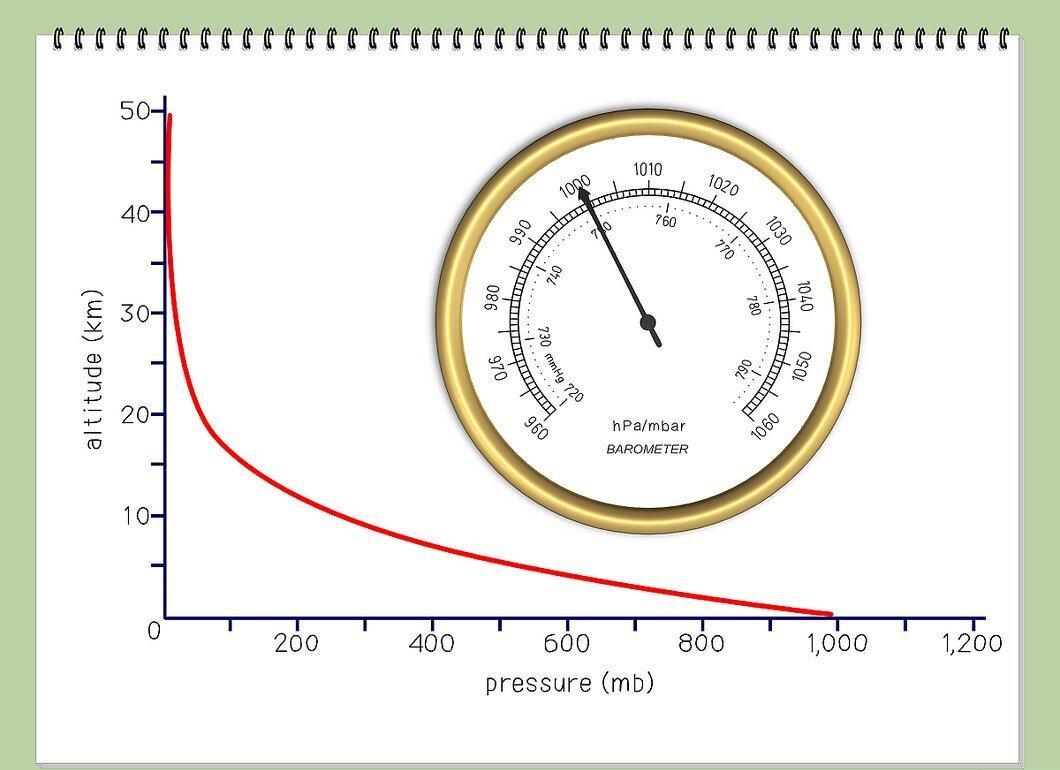
Remember that atmospheric pressure generally decreases with altitude. This means that the pressure indicating a severe storm off the coast of Costa Rica is absolutely normal during the summer in Denver, which is situated a mile above sea level.
Step 3: Monitor Readings.
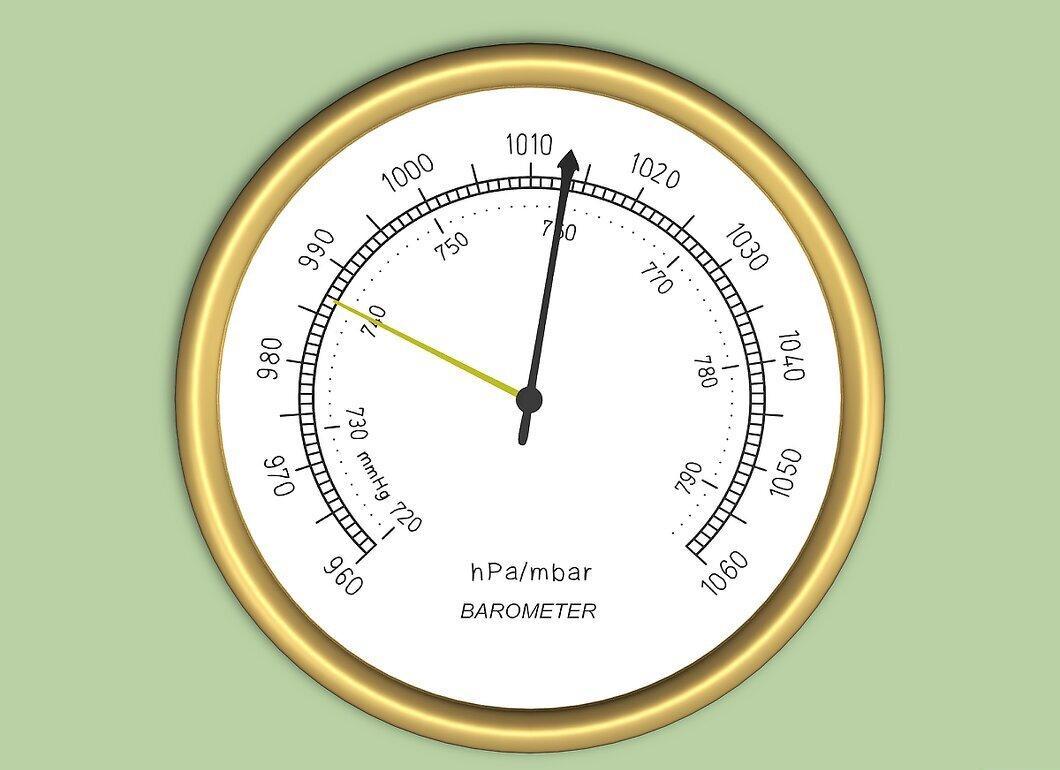
Monitor the readings. To determine the weather using a barometer, you need to know what its readings were, say, an hour ago. You should compare these with the current barometer readings. Many barometers have a pointer that can be set to a specific mark on the dial. This pointer will remain stationary, helping you recall the recent pressure reading on the barometer.
Step 4: Remember that pressure, primarily composed of air pressure, is the force applied over a unit area.
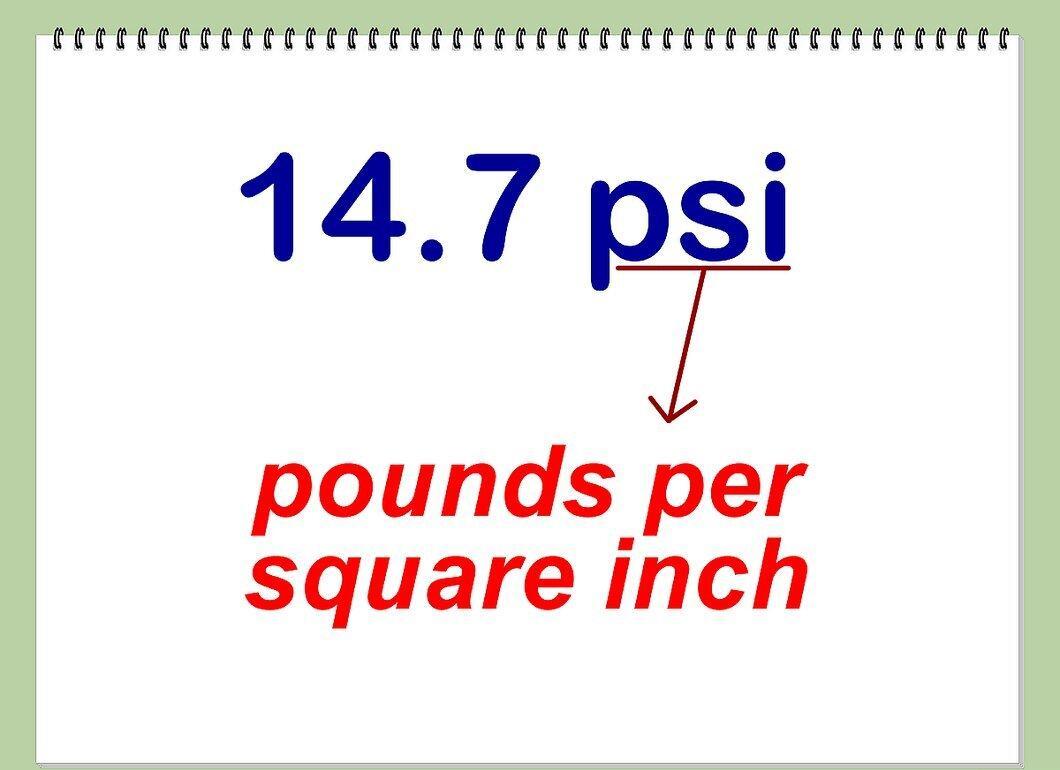
Remember that pressure, primarily composed of air pressure, is the force applied over a unit area. It is most convenient to measure pressure in pounds per square inch (or kg per square cm). At sea level, the pressure value is very close to 14.7 pounds per square inch. This value is known as 'standard temperature and pressure' - an accepted and agreed-upon standard at the state level. It describes the state of atmospheric pressure in general. The value has been obtained from numerous measurements taken at sea level. Measurements taken in different conditions have been adjusted accordingly.
Step 5: Don’t forget that atmospheric pressure is also measured in 'atmospheres'.
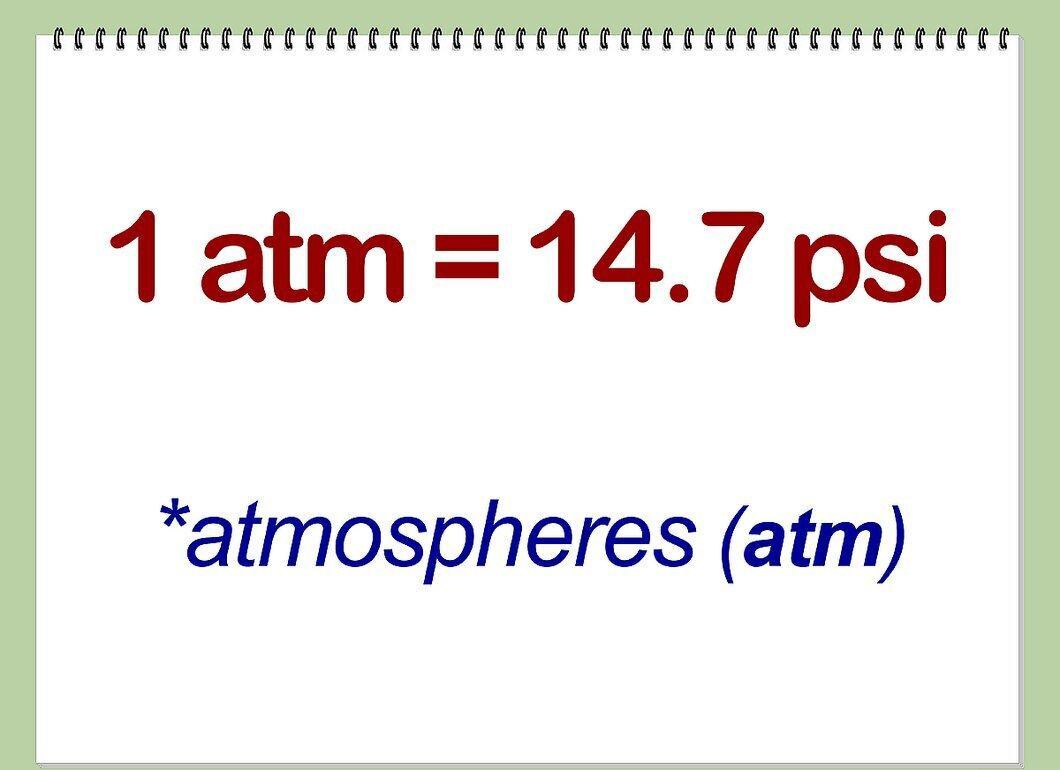
Don’t forget that atmospheric pressure is also measured in 'atmospheres'. However, this is rare in metrology. One atmosphere is equivalent to 14.7 pounds per square inch.
Step 6: Pay attention to meteorological terminology.
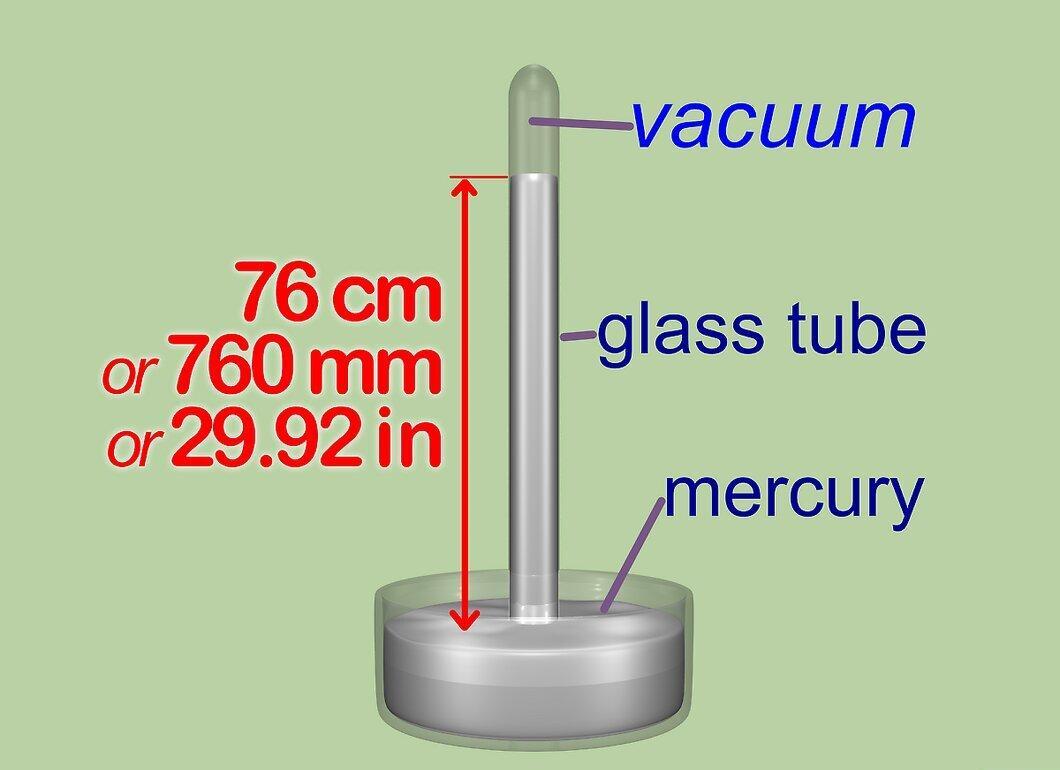
Pay attention to meteorological terminology. Since the barometer, invented by Torricelli, consisted of a tube filled with mercury, and normal pressure is analogous to the pressure of 76 cm or 760 mm of mercury at the walls of a sealed glass tube, the tradition of describing pressure in such terms has persisted.
- In the US, it is customary to measure pressure in 'inches of mercury', and almost all barometers are graduated in this scale. Pressure is measured to the hundredths of an inch, for example, '23.93 inches'.
- Additionally, parameters for an aircraft altimeter are transmitted from the flight control tower in inches of mercury corrected to sea level, regardless of the airfield's altitude.
Step 7: Therefore, to convert pounds per square inch to millimeters of mercury, multiply by 760/14.7 = 51.7:
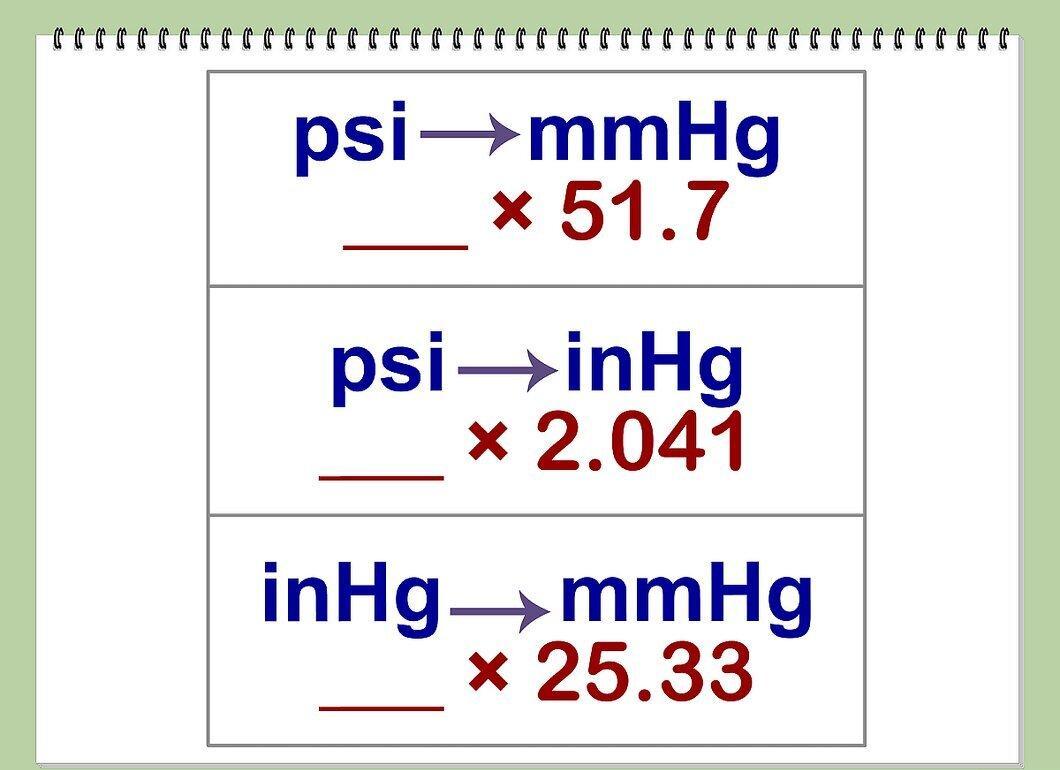
- From pounds per square inch to inches of mercury – multiply by 30/14.7 = 2.041
- From inches of mercury to millimeters – multiply by 760/30 = 25.33.
Step 8: Note that atmospheric pressure in meteorology is most often expressed in terms of 'millibars'.
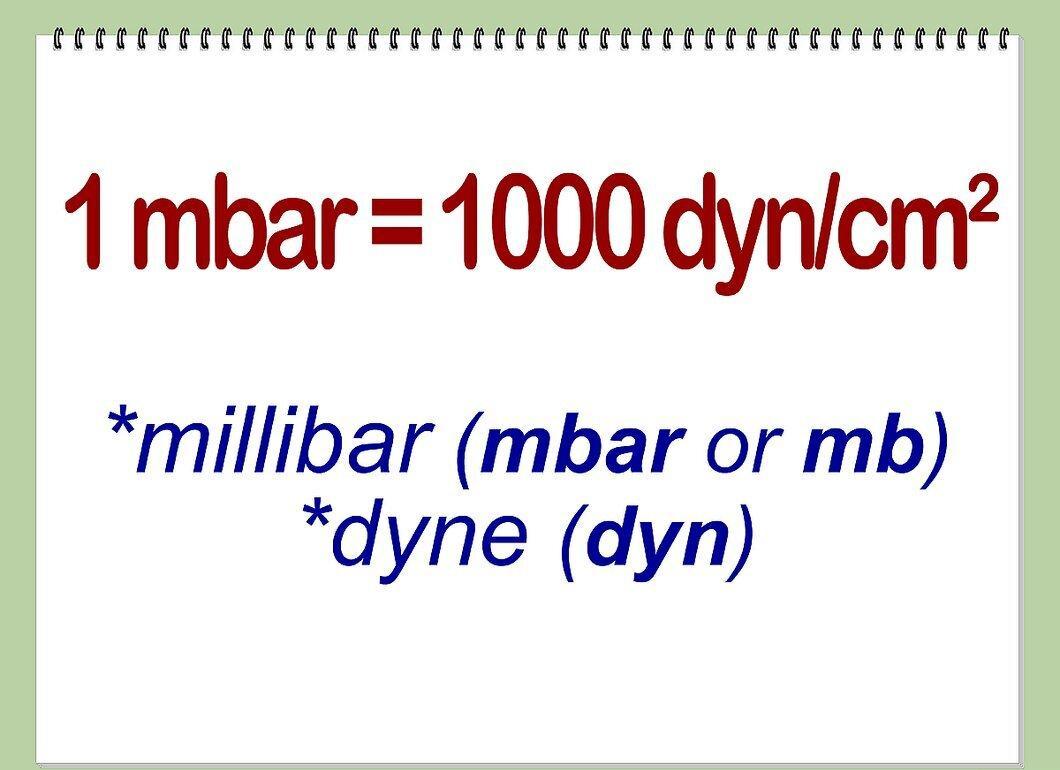
Note that atmospheric pressure in meteorology is most often expressed in terms of 'millibars'. A millibar in the CGS measurement system is one dyne (g-cm / sec^2) per square centimeter. It took a long time for such units to become widely accepted and convenient for measuring pressure. It turns out that a pressure of 1033 millibars is also equal to 14.7 pounds per square inch or 30 inches of mercury. It can be noted that pressure on most weather maps and all aviation charts is presented in millibars. At sea level, the values are usually very close to 1000 millibars.
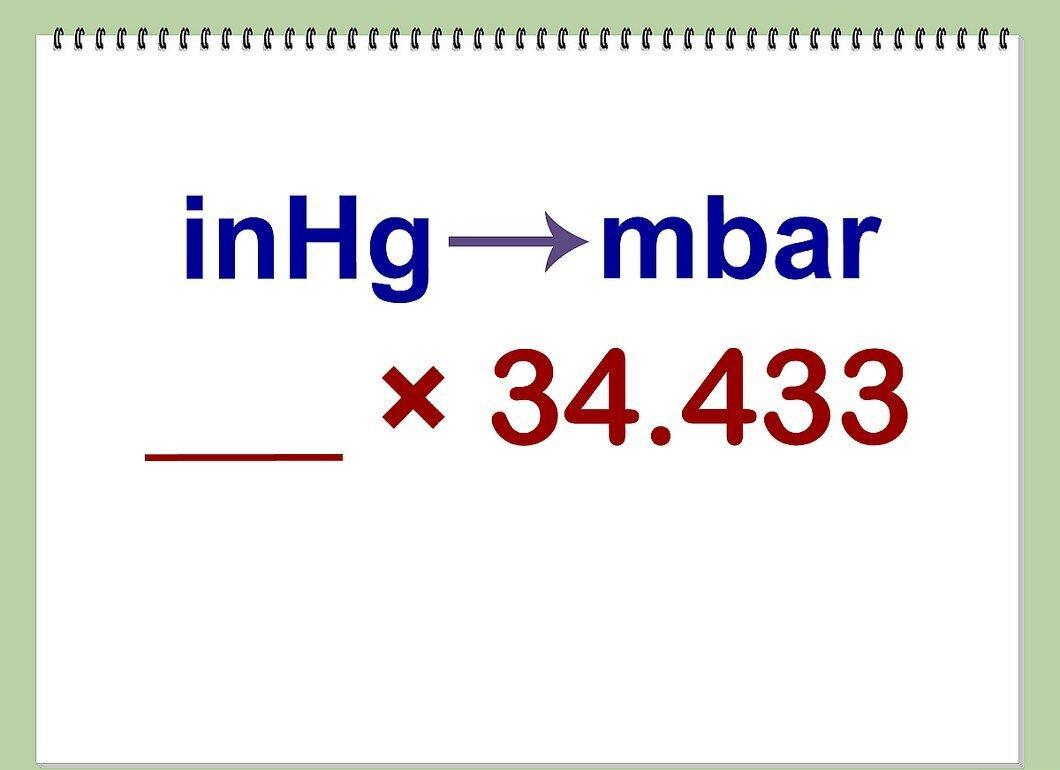
Step 9: If the pressure measured in inches of mercury is known, to convert it to millibars, simply multiply by 1033/30 = 34.433.