A flashmob is a large-scale event organized by a group of people to capture public attention and surprise everyone for a brief moment through spontaneous performance. Flashmob performances can include dancing, singing, and even attempts to break records. While executing this on a large scale in front of a crowd can be challenging, if you succeed in organizing a flashmob, both participants and spectators will enjoy the experience.
Dance Flashmob
Step 1. Understand the purpose of the flashmob.
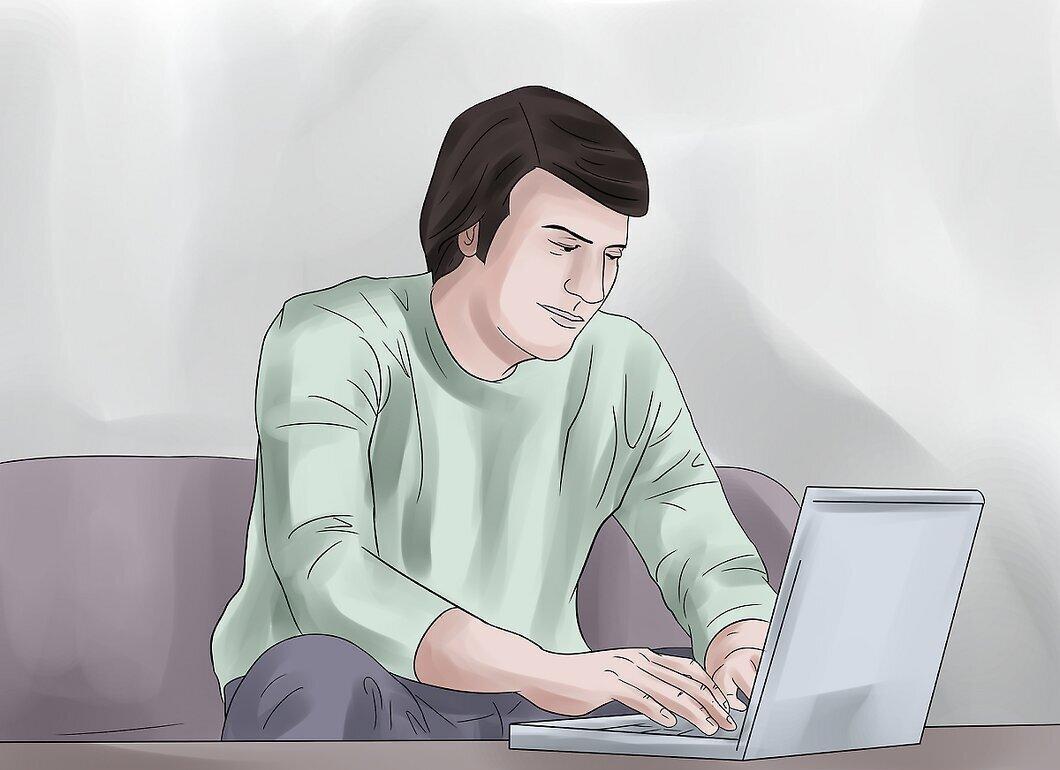
Understand the purpose of the flashmob. Flashmobs are typically conducted as performances revolving around entertainment, creating amusing (harmless) confusion or a satirical sense, prompting the audience to instantly recognize and react. It’s the spontaneity that attracts onlookers who expect nothing more than to enjoy the show. A flashmob is not:
- A tool for advertising products or services (with few exceptions), political agendas, or PR stunts. The reason is that it lacks the element of entertainment or satire without specific conditions for the viewers. Such events are organized with specific goals—expectations that observers will then purchase a product, vote for someone, or support a certain idea.
- An excuse for violence or property damage. Participating in such an event makes you part of a crowd causing chaos, rather than a participant in a flashmob. Never consider turning a flashmob into a violent or dangerous event. (In some places, authorities have begun labeling spikes in crime as “flashmobs,” but criminal behavior has nothing to do with flashmobs as a form of art).
Step 2. Decide what you will do during the flashmob.
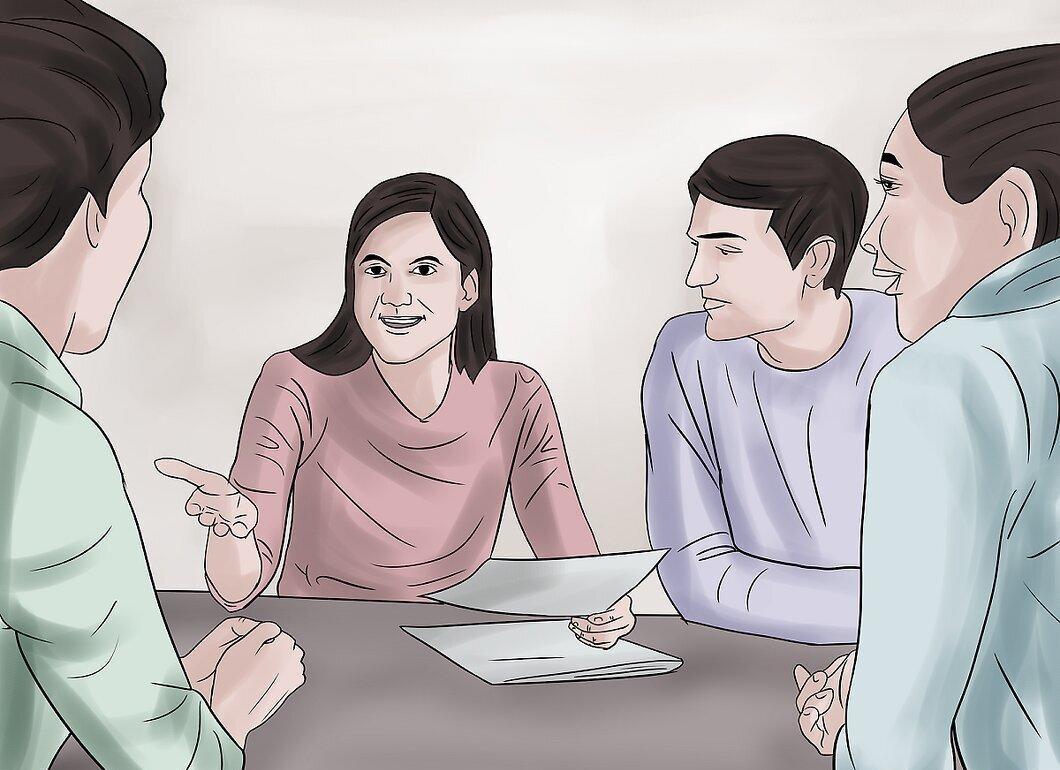
Decide what you will do during the flashmob. The success of a flashmob depends on the originality, liveliness, and appeal of the event. Avoid organizing a flashmob that mimics an event that has already taken place somewhere. Always introduce variations to any flashmob performances that inspire you, so that your own mark of originality and local significance is present. In all cases, the performance should be rehearsed in advance or clearly explained in some manner (for example, through online instructions) so that everyone knows their role and how to interact with other performers. Most typical flashmob performances include actions such as:
- Choreographed dance: for example, a large group performing a dance in a park to support a lover proposing to his girlfriend.
- Singing opera, yodeling, or pop songs. Any style of singing is suitable, but make sure it's interesting. For example, you might suddenly start singing about the joys of fruits and vegetables while in a supermarket.
- Acting out a specific scenario: for instance, many people walking with invisible dogs on leashes.
- Pantomime: for example, pretending to look for a nonexistent hole in the wall.
- Utilizing an existing joyful event to spread love: for instance, celebrating a wedding, graduation, or anniversary in a public place like the street or shopping mall to share your joy!
- Attempting to break a world record: for example, trying to form the largest letter 'X' simultaneously.
- Freeze flashmob: all participants become living statues and freeze.
Step 3. Watch previous flashmob events on YouTube.
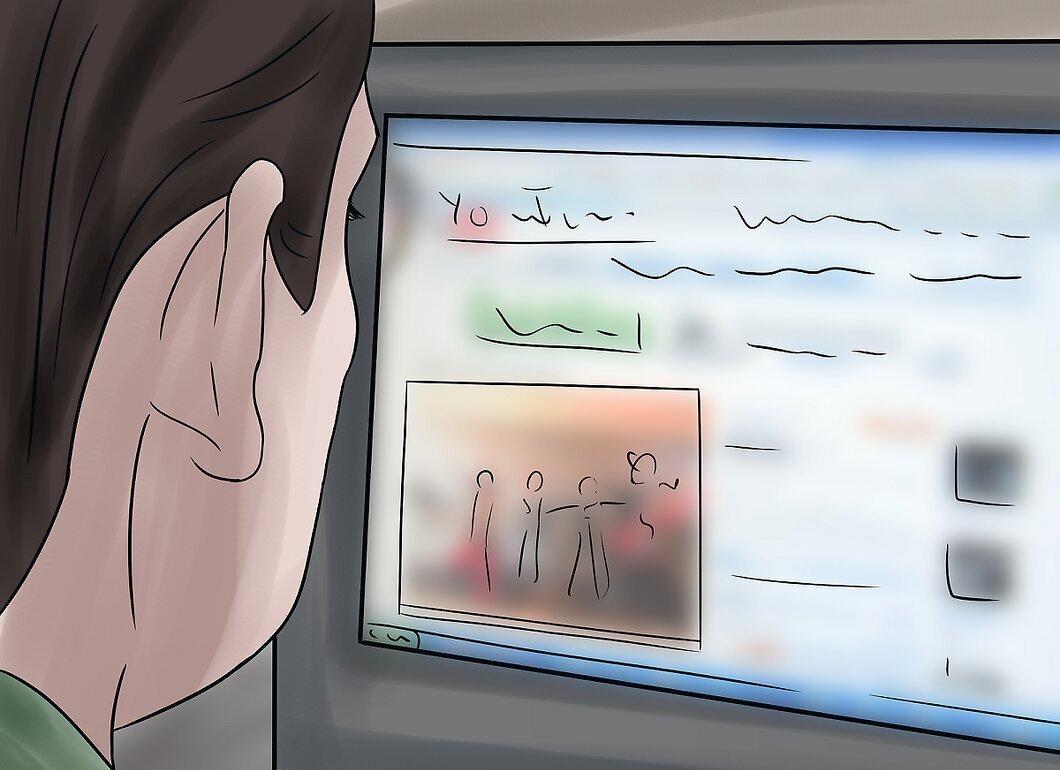
Watch previous flashmob events on YouTube. There’s a vast collection to view that will serve as a great source of inspiration. You will also get ideas on how to manage people in your group and ensure they perform synchronously. Like any performance, coordination and skill are key components of a successful flashmob.
Step 4. Organize your flashmob.
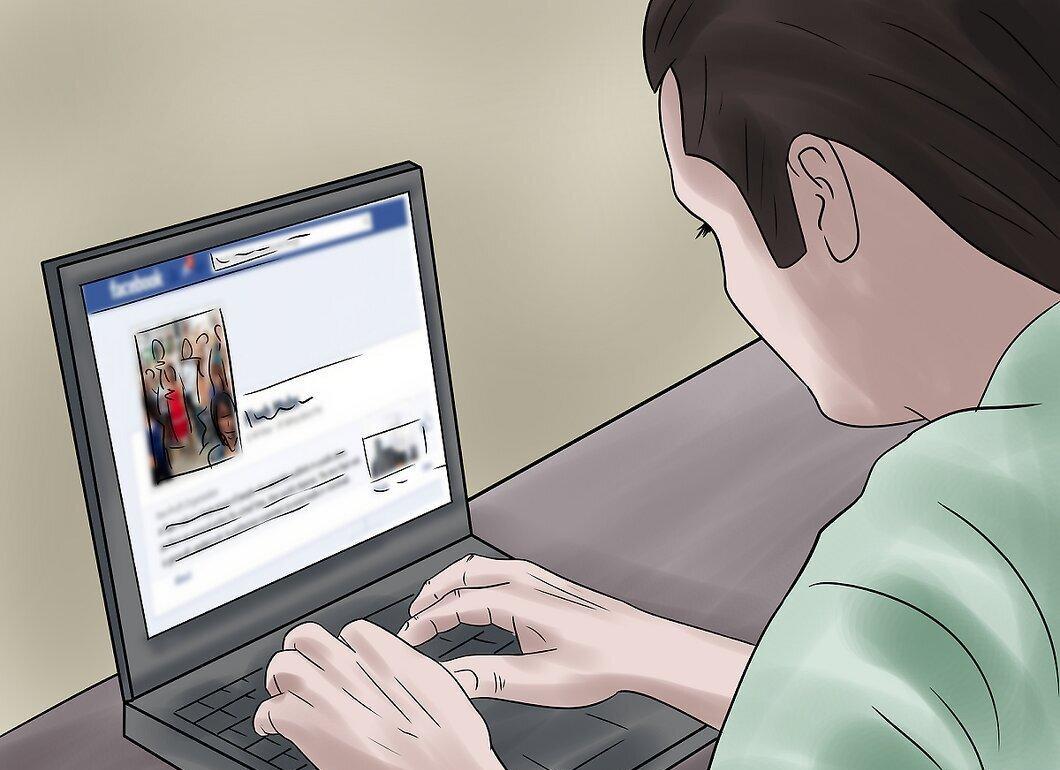
Organize your flashmob. You will need volunteers who want to participate, and you can effectively use online resources to find them. Utilize social media, emails, texts, and websites to gather people for your flashmob. You can also tap into resources from your class, theater or dance group you belong to, or other groups you spend time with. Ask your friends or family members if they’d like to join as well.
- Use Facebook, Twitter, and websites to connect people. People will search for a flashmob by entering the terms “flashmob” or “flash mob,” so be sure to include these in all posts you create to find participants.
- Use the online space to organize your flashmob on Flashmob.com. As expected, this site is as chaotic as the flashmob itself ideally should be, so you’ll have to search for a needle in a haystack.
- Improv Everywhere, based in New York, has many street performances that are flashmobs, and you can join if you’re in New York. Visit their website for more information.
- There are many local flashmob websites; just use a search engine to find them by inputting your location and the term “flashmob.”
Step 5. Provide your group with clear instructions.
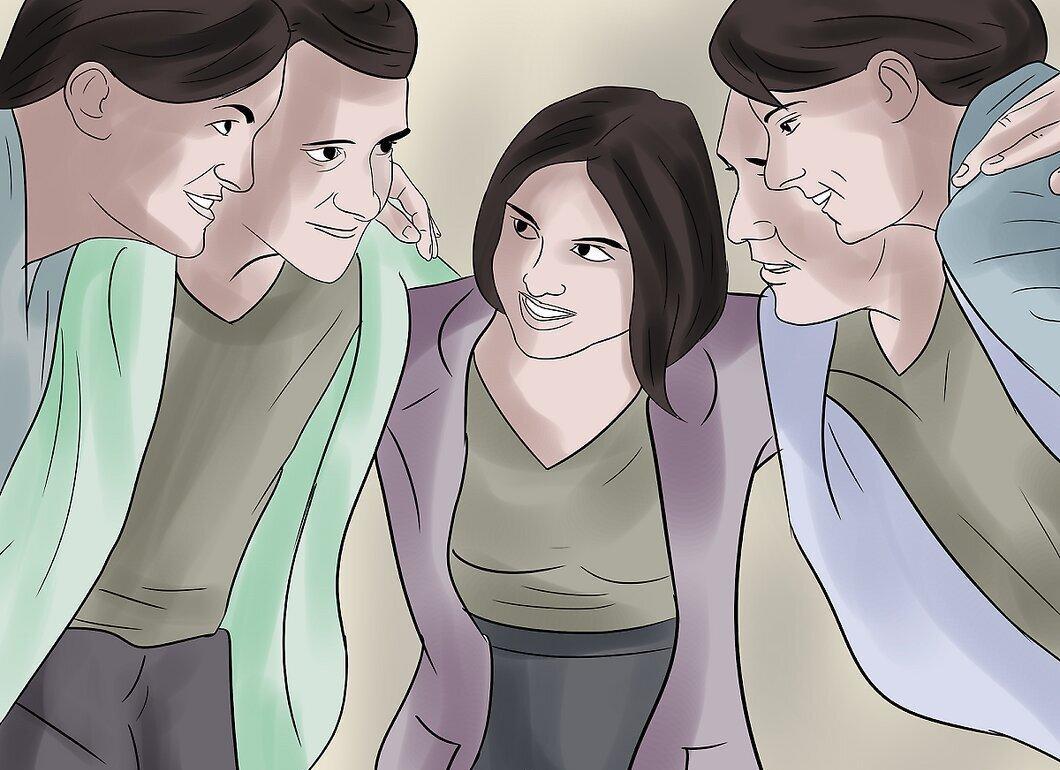
Provide your group with clear instructions. For your flashmob to be successful, participants need to know exactly what to do. It’s best to hold a rehearsal beforehand, but if that’s not possible, at least supply participants with very clear instructions (online or via email, etc.) regarding what to wear, when and where to be, what to do (for example: prepare for freezing, walking, dancing, or mouth-opening like a fish at the corner of 55th Street and 3rd Avenue at 7 AM), and how long the performance will last. If some participants need to act together, it’s better if they rehearse ahead of time for synchronization and accuracy.
- If the instructions are simple, like everyone standing still reading a newspaper with cut-out holes for their eyes, then perhaps the simplicity of the action means you won’t need to rehearse. However, it’s still beneficial for all participants to meet somewhere before the event to quickly discuss details, what to expect from the event and participants, and what to do afterward. It would also be helpful to explain what to do if people feel uncomfortable or if the police try to intervene.
- If the instructions are complex, especially where staging and choreography are involved, consider organizing a smaller group of people who you can reliably bring to rehearsals and keep the event under wraps, rather than a larger group that will be harder to coordinate. You can successfully organize a group of about 50 people, but larger numbers can complicate things.
- It will be easier to organize a dance group you are already part of. For example, if you gather a group of Zumba dancers from your local gym to perform together in the street, it will be a great opportunity for participants to showcase what they’ve already learned.
Step 6. Prepare necessary props and costumes.
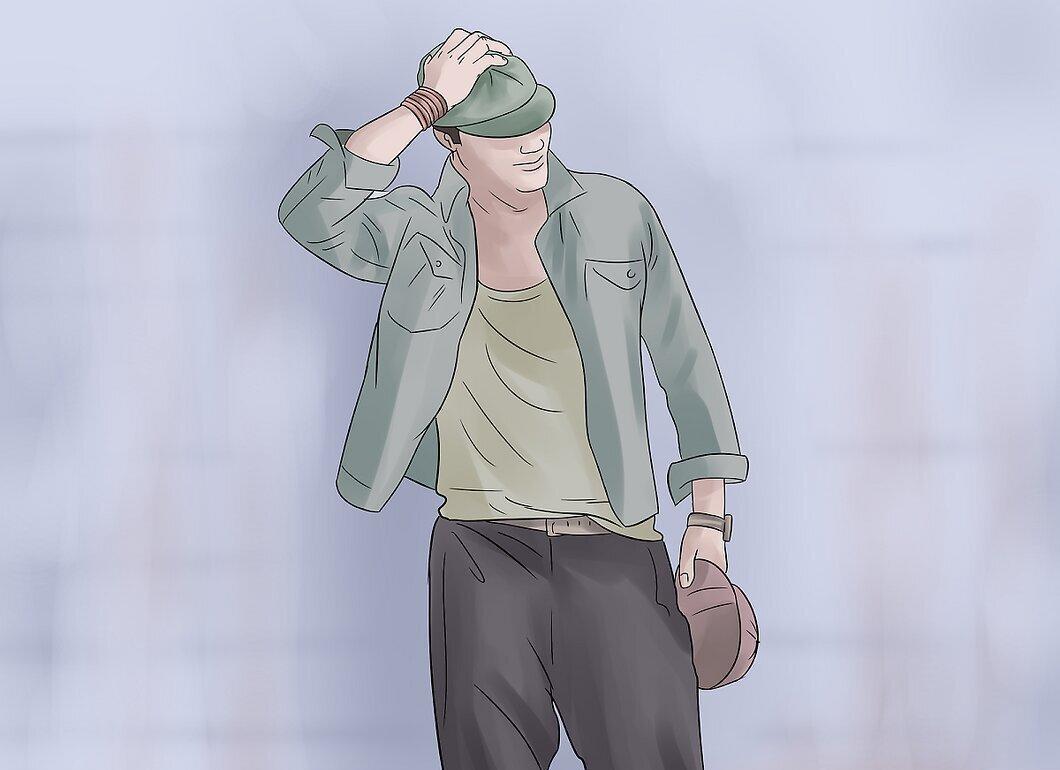
Prepare necessary props and costumes. It’s best to ask participants to bring their own props or organize costumes themselves (like evening dresses, swimsuits, wigs, etc.), but sometimes you may have to provide items for everyone (for example, dog leashes with collars for walking invisible dogs).
- If it’s hard for people to find or make props or costumes, consider the idea of a workshop where everyone can create what they need. However, you should aim for simple clothing and items that people might already have in their wardrobes or homes.
Step 7. Familiarize yourself with local regulations.
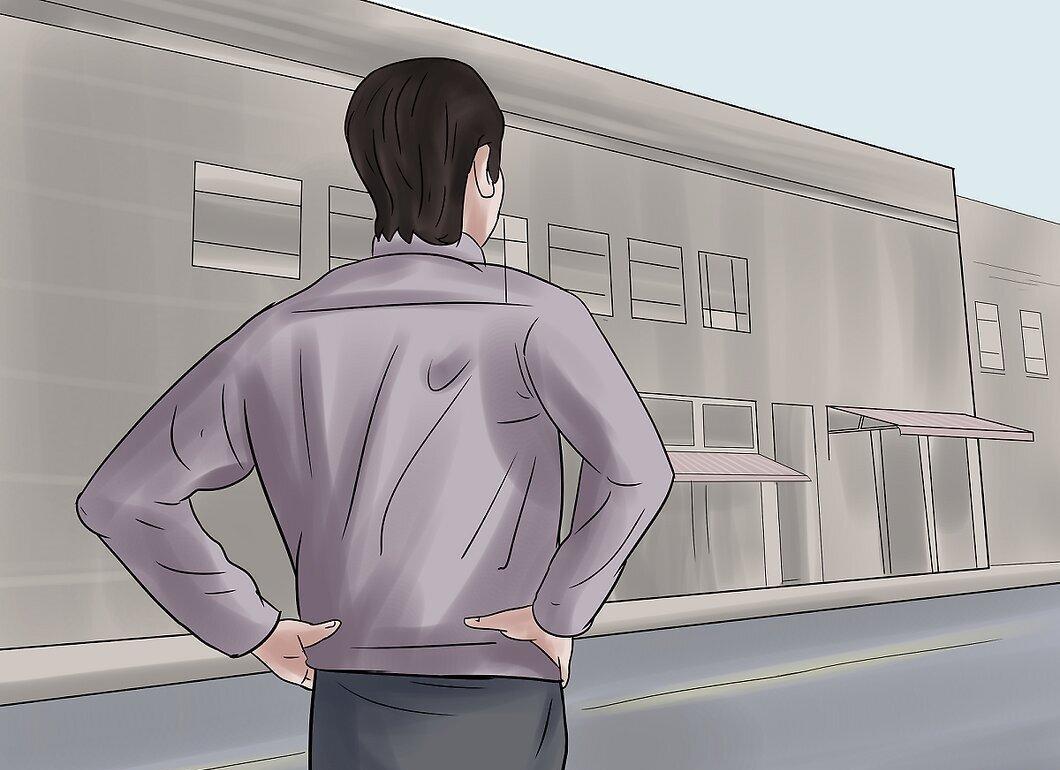
Familiarize yourself with local regulations. Conduct thorough research on the area where you plan to hold the flashmob. There may be safety boundaries, legal or physical restrictions in that area. To avoid legal issues, it’s important not to create dangerous blockages, violate safety protocols, or put people in situations that could interfere with their regular duties not meant for public attention. While there’s an obvious balance between attracting onlookers and distracting people from their usual activities, it’s crucial to ensure your flashmob does not lead to accidents or legal violations. For example, if your flashmob might block emergency exits, you should reconsider.
- As noted above, tell participants what to do in case the police or other authorities ask your group to leave. The best course of action is to comply quietly and peacefully. In any case, a well-organized and lawful flashmob will disperse before those people even arrive.
Step 8. Arrange quality filming of the event.
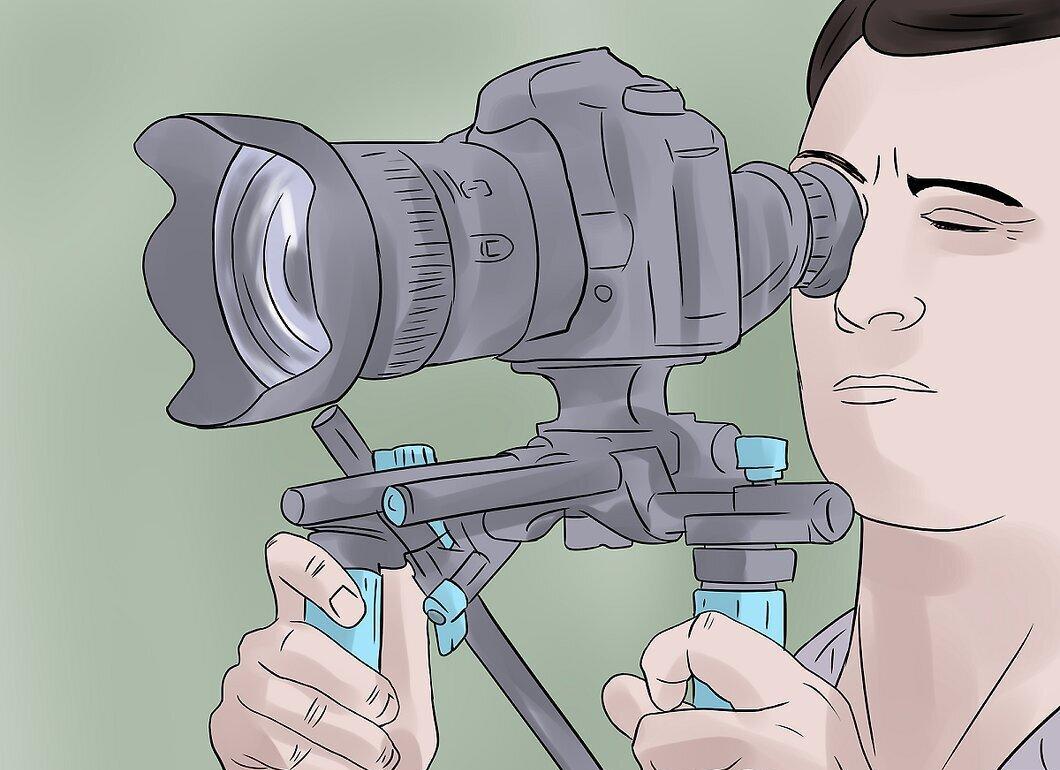
Arrange quality filming of the event. It’s definitely worth having a record of the entire event so you can upload it to YouTube. Who knows? It might even go viral! At the very least, it will serve as inspiration for organizing other flashmobs in the future.
Step 9. Relax.
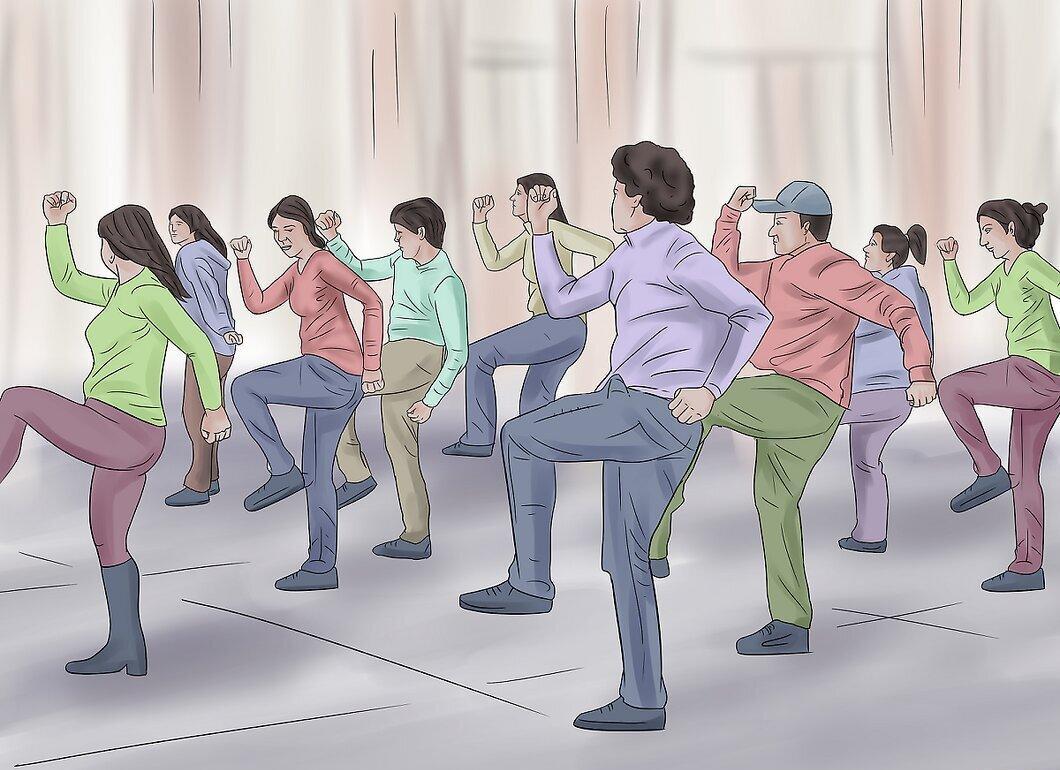
Relax. Trust that the flashmob will go according to plan! As the organizer, you are responsible for ensuring that the flashmob proceeds smoothly and doesn’t create problems for the public during the event.
Step 10. Conclude by acting as if nothing happened.
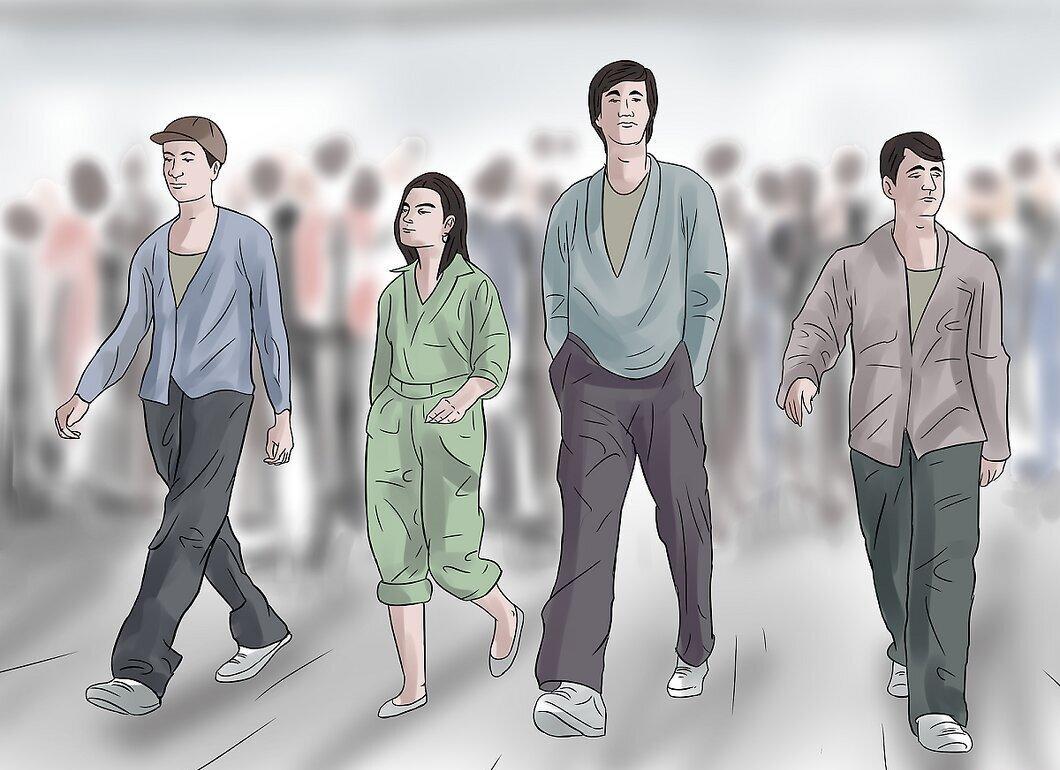
Conclude by acting as if nothing happened. Immediately after the flashmob ends, do not let participants linger and chat or engage with the crowd. They should blend back into the crowd and disperse before sunset as if nothing occurred.
Dance Flashmob
Step 1. Choose a song.
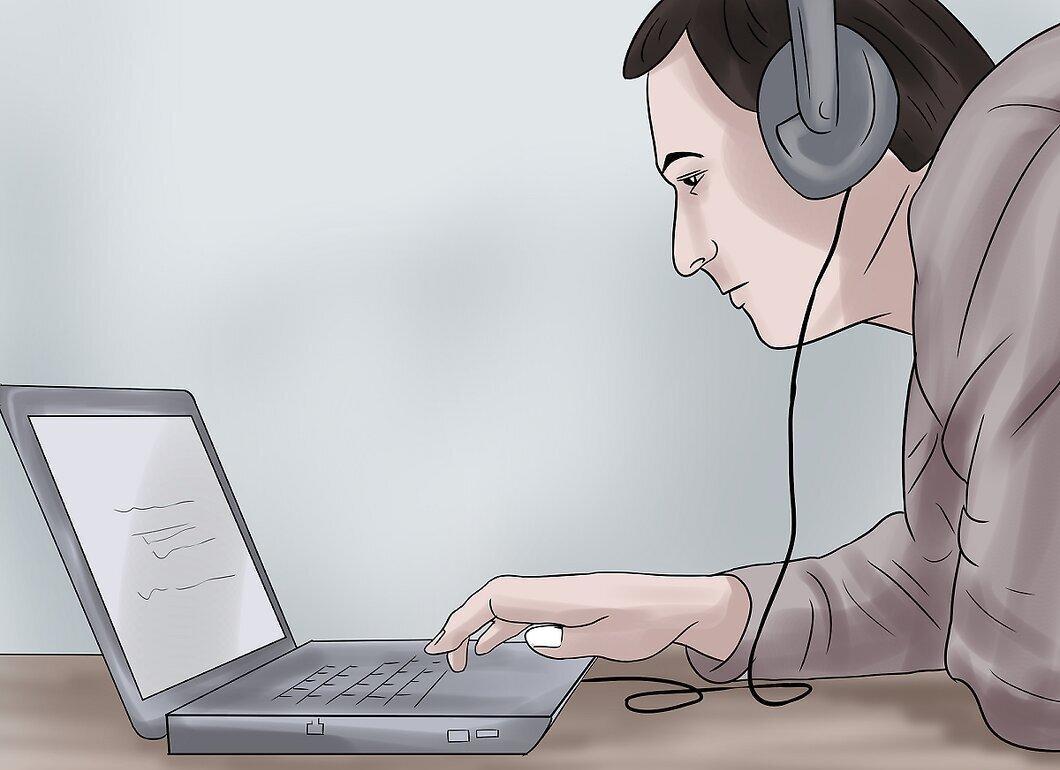
Choose a song. Do you want it to be upbeat or more mellow? Do you prefer something well-known or music that fits a specific style, like opera?
Step 2. Find someone to choreograph the dance.
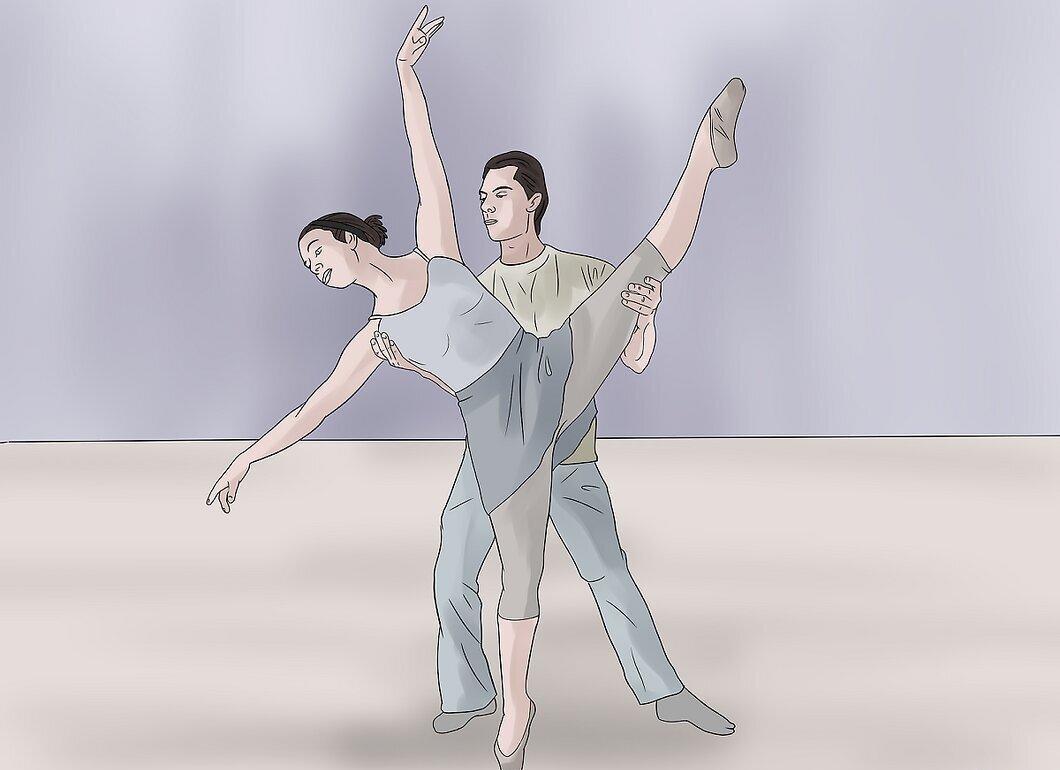
Find someone to choreograph the dance. If you can do it yourself—great. If not, find someone who knows how to help turn the dance group into something spectacular.
Step 3. Choose a location for your dance.
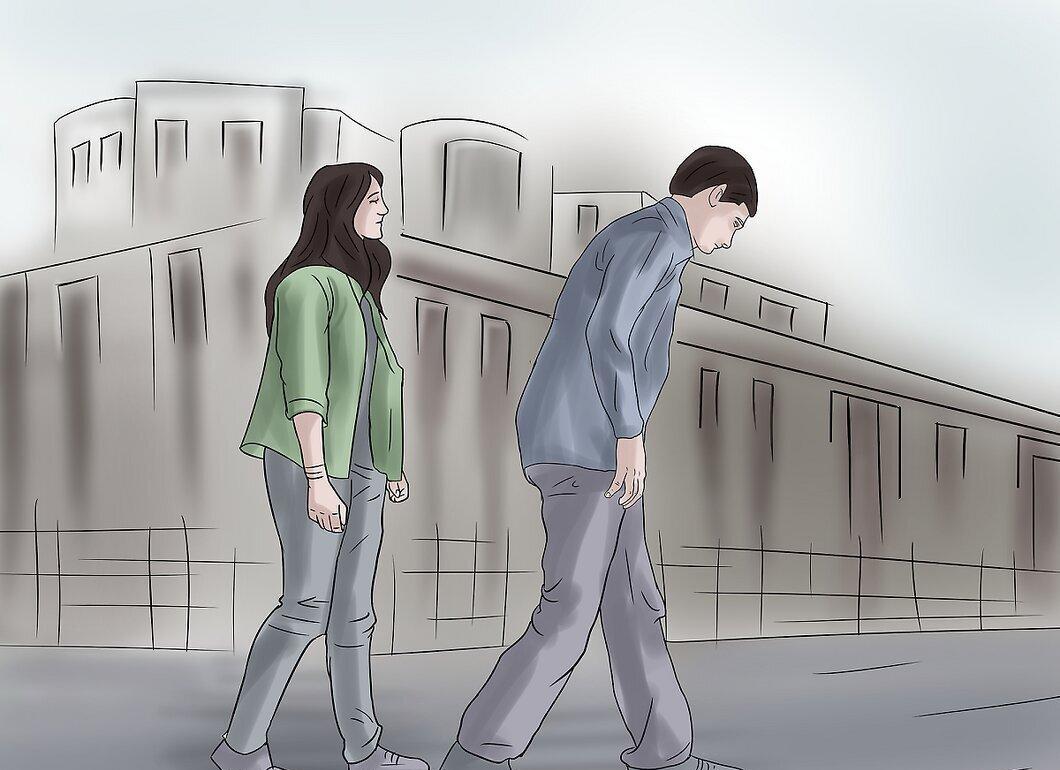
Choose a location for your dance. A park in a big city is an excellent spot, especially during lunch or after work when everyone is heading home.
Step 4. Gather a group of dancers.
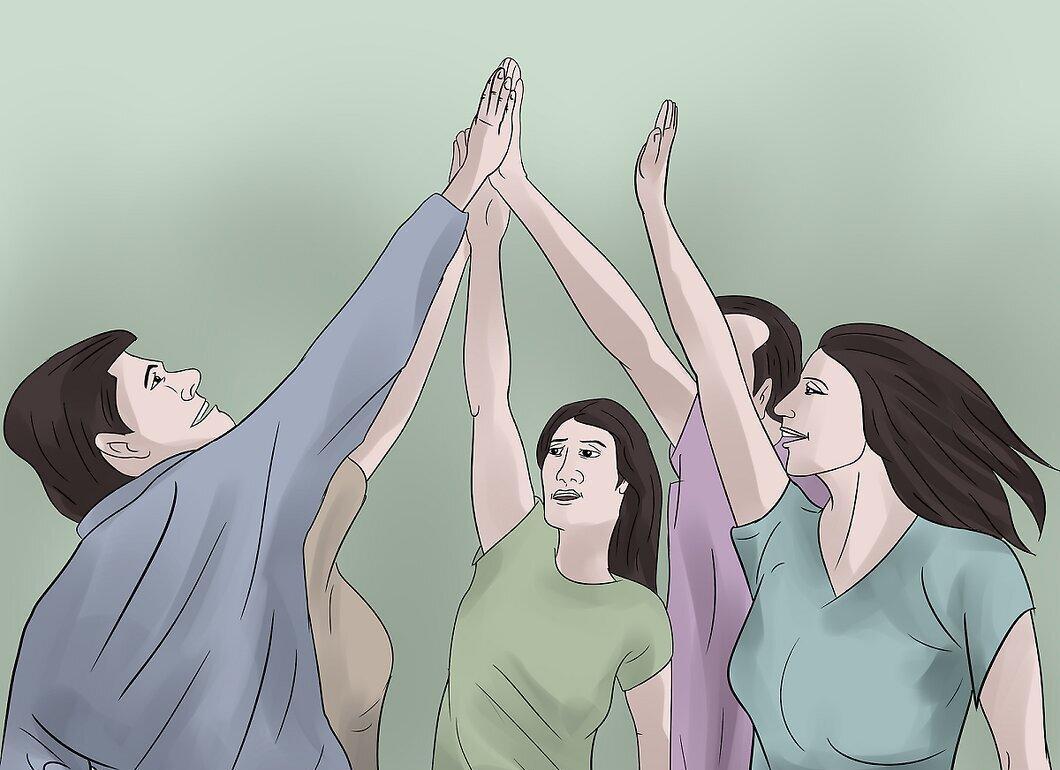
Gather a group of dancers. Any number of people can participate in flashmob dances, but try to recruit at least 50-75 individuals. It may seem challenging to organize, but the more people you have, the more impressive the flashmob dance will be.
Step 5. Teach people to dance in small groups of 4-30.
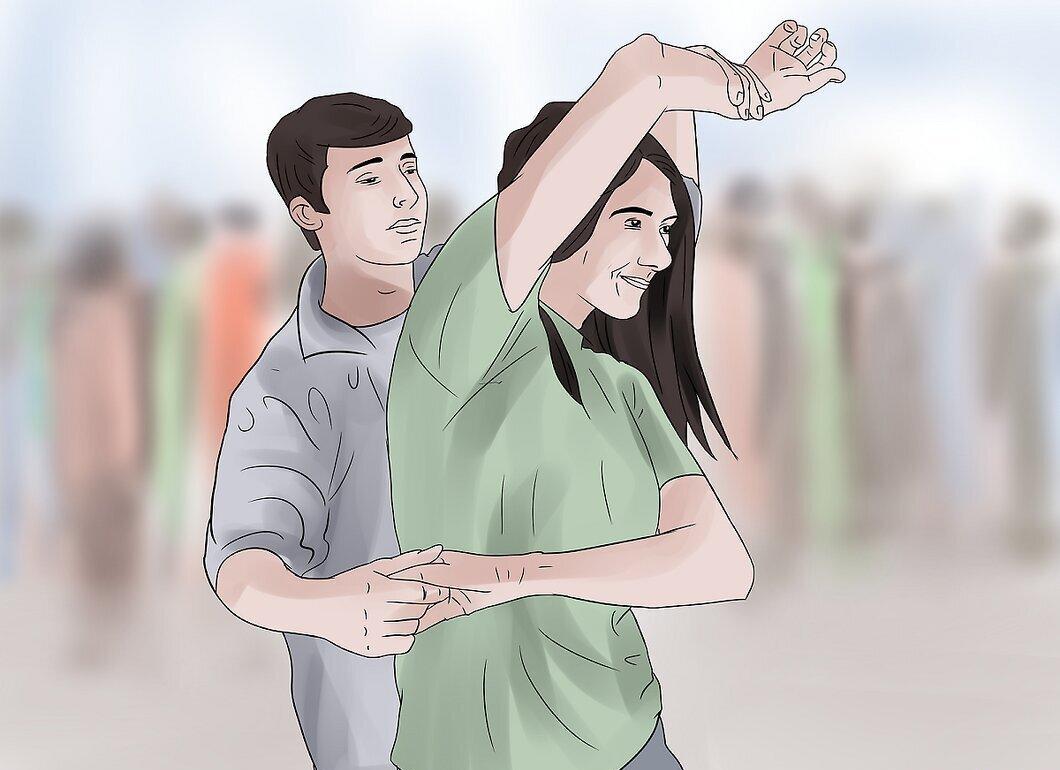
Teach people to dance in small groups of 4-30. This way, you won’t have to gather too many people in one room or space at the same time, and they can entertain the crowd from different angles. This will be convenient for those who won’t be able to see the whole performance at once.
Step 6. Choose a flashmob leader.
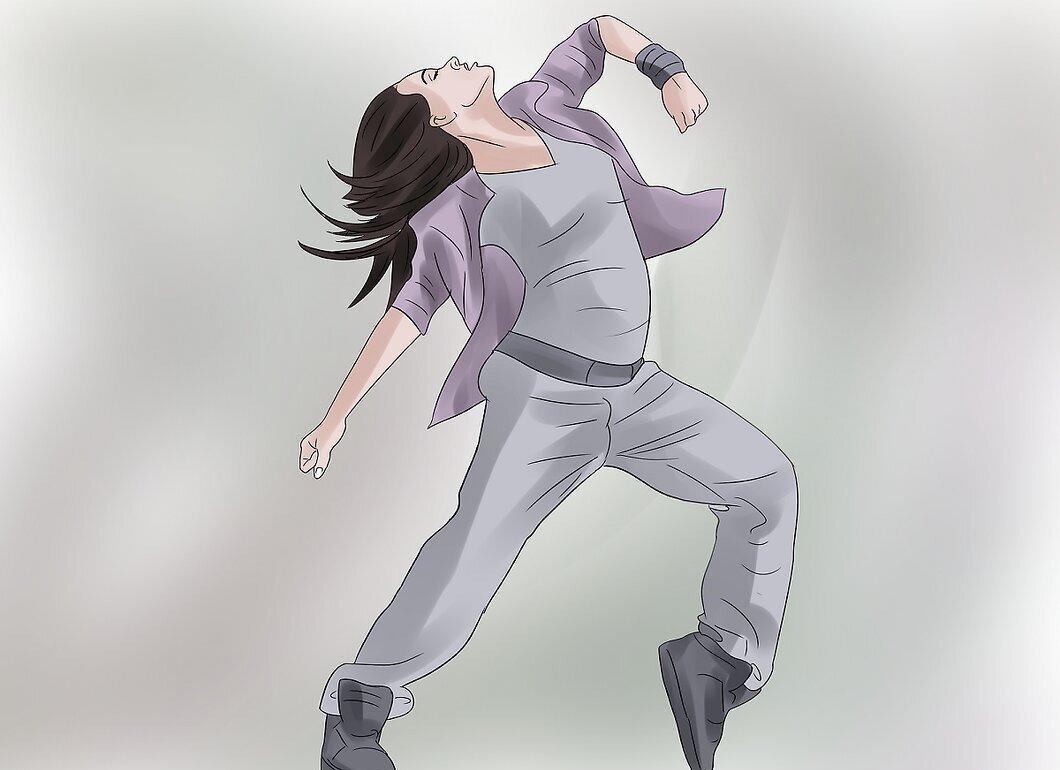
Choose a flashmob leader. This should be the best dancer in the group, setting the pace and serving as a model for the other dancers. The leader can start the performance with a solo dance, then in the next move, the following group—9 to 15 dancers—joins in. The group can then double with the addition of 16-30 dancers. The finesse of a good flashmob lies in the gradual inclusion of all participating dancers. Let the remaining dancers join in on the last chorus of the song, so that by the end, the entire group is involved.
Step 7. Act as if nothing happened.
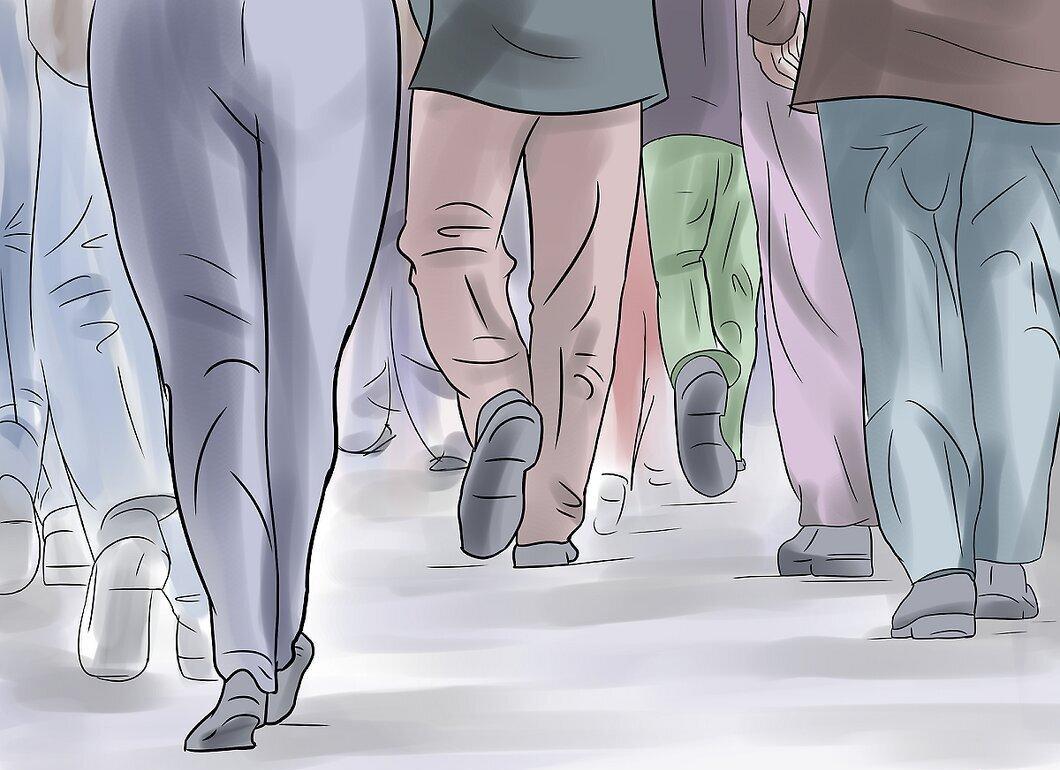
Act as if nothing happened. Once the song ends, dancers should disperse into the crowd and behave as though nothing took place.