
We are all aware of global issues and the necessary funds required to make a difference. Contribute to the cause by organizing a fundraising event! You need to choose a charitable initiative, brainstorm fundraising ideas, select a venue, and create a guest list.
Preparation
Step 1. Choose a charitable initiative.

Choose a charitable initiative. What situation do you think needs the most help? If in doubt, discuss the matter with friends and family.
- Visit local religious organizations, homeless shelters, veterans' councils, schools, and libraries. These are often in need of assistance and will provide you with an opportunity to help the local community.
Step 2. Define the fundraising goal.

Define the fundraising goal. It's helpful to have a clear idea of how much money you need to raise. In many cases, participants are more willing to contribute when they see a specific target.
Step 3. Identify your target audience.

Identify your target audience. Who will attend your event? Family members? Friends? Colleagues? Classmates with their parents? The type of event should consider the interests of your guests.
- For example, if you want to raise funds for a school group, you might organize a carnival or bake sale.
- Also consider inappropriate types of events. For instance, avoid hosting a wine tasting if you aim to raise funds for a conservative church.
Step 4. Determine the essence of the event.

Determine the essence of the event. In this aspect, your imagination is the only limit. You can host a traditional event like a silent auction or dinner, or take a different approach and organize races, water battles, or fundraising in unusual costumes. Be original!
- Ensure your event "brings joy". This means the fundraising should be enjoyable for participants. For example, involve guest speakers, a band, or entertainment after dinner.[5] X Source
- You could also offer services like car washing or host quirky dance competitions or karaoke.[6] X Source For games and competitions, you'll need judges.
Step 5. Set the budget.

Set the budget. Sometimes you need to spend money to raise money. However, to know the outcomes accurately, you should establish the budget for the upcoming event.
- Include costs for venue rental, furniture and auction services, food and drinks, tickets, and guest speakers or entertainers.
- You can utilize services, venues, and furniture from local businesses. Explain that you are organizing a fundraising event for a charitable cause, so companies might gain goodwill in the community (and new customers) by helping you with the organization.[8] X Source
Step 6. Find volunteers who share your goals.

Find volunteers who share your goals. Email services can help you reach a large number of people simultaneously and find volunteers.
- Use available volunteer lists to find people with experience organizing similar events. You don't necessarily need to find organizers, but any experience will be valuable, especially if you lack it!
Step 7. Open a bank account.

Open a bank account. This is especially convenient when organizing events to help individuals or families. In many countries, you need to open an account to collect donations for a charitable purpose. Name the account to handle tax issues. For instance, if you're raising funds for a child's treatment (like Katya Ivanova), name the account "Funds for Katya Ivanova."
Organization
Step 1. Find a venue.

Find a venue. Large indoor events can be held in churches, schools, factory halls, restaurants, or community organization facilities. Find out where similar events are held, and then reach out to those places. They may be able to provide the venue as a donation to the event. You can also use contact lists to inquire about suitable locations.
Step 2. Inspect venues to assess available space and resources.

Inspect venues to assess available space and resources. During the venue tour, create a layout map of the event to avoid potential issues with crowded pathways or access routes.
Step 3. Choose a date and time.
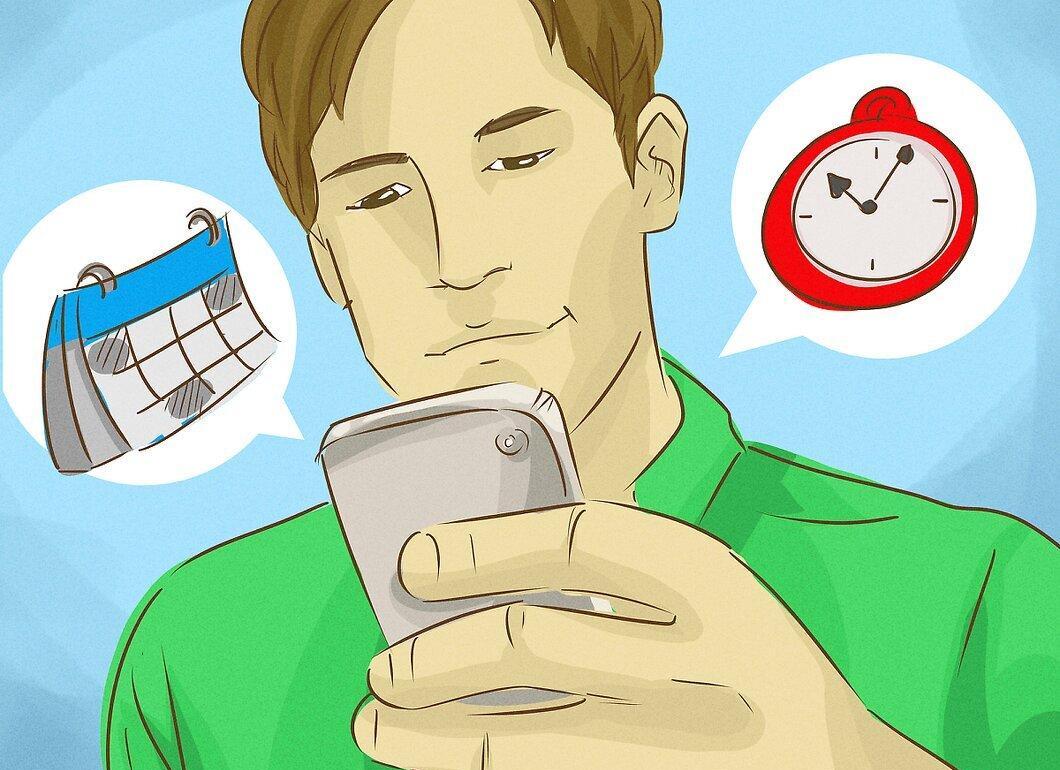
Choose a date and time. Analyze the timing of similar events. Determine the end time with cleanup in mind.
Step 4. Choose appropriate payment methods.
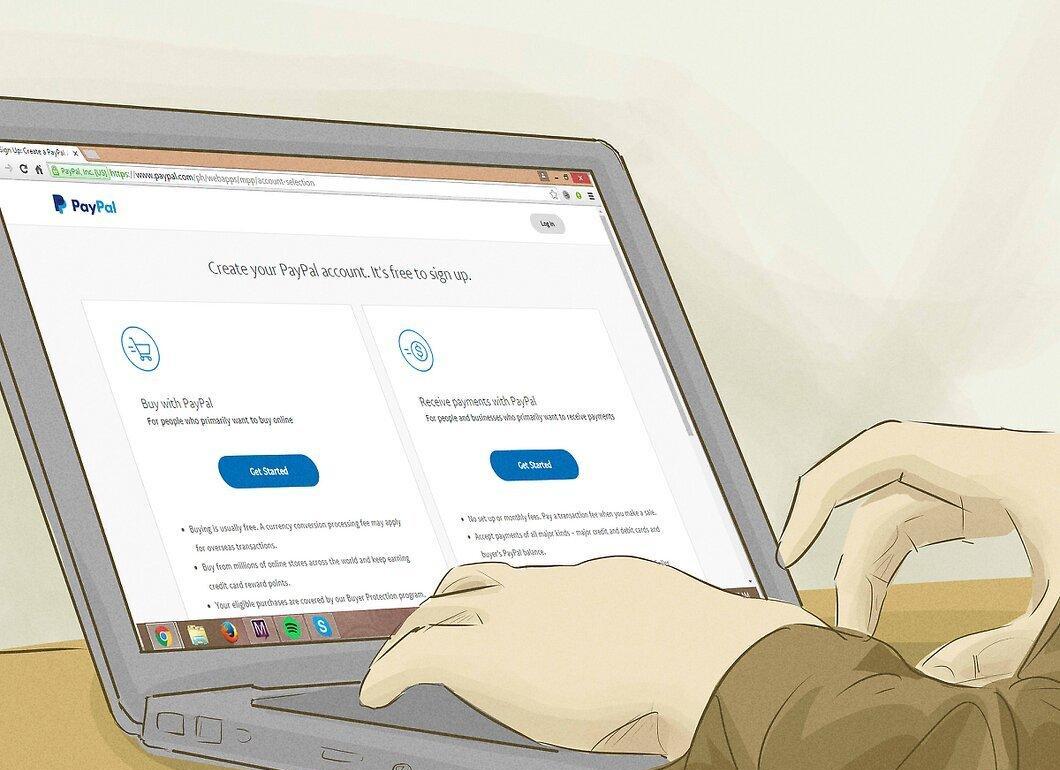
Choose appropriate payment methods. Cash is straightforward. Credit cards encourage people to spend more, but they can be a bit more complicated. You might select a service that works on smartphones. Consider the potential fees of such services and credit card issuers.
- You can also use electronic wallets for fundraising.
- During the organization, don't forget to place a large sign at the entrance with information about the cause for which the fundraising is taking place.
Step 5. Contact local authorities to obtain necessary permits.

Contact local authorities to obtain necessary permits. If you want to organize a lottery, you will need to get a permit. If food sales are planned, approval from the health department is required.
Step 6. Choose free entry or ticketed entry.

Choose free entry or ticketed entry. If charging for entry, you need to set prices (for individuals, couples, and families) and create tickets. Printing tickets is inexpensive, so it's better to order more than to underestimate the number of guests. You can use various services for ticket distribution or guest list management.
- You might set a base price for an "entry" ticket for a charity concert and then hold a raffle afterward. Provide several opportunities for attendees to donate.
- Depending on the type of event, you can offer friends and family the chance to donate money in exchange for participation.
Step 7. Prepare cash for change and a safe for donations.

Prepare cash for change and a safe for donations. You can also place a box with a sign at the entrance for additional fundraising. Surprisingly, this initiative is very effective. Keep a close eye on all money containers. Usually, nothing criminal happens, but it’s easy for someone to grab donations and leave through an open door.
- It’s a good idea to assign a couple of people to oversee the money to safeguard against any issues.
Step 8. Purchase all necessary items.

Purchase all necessary items. Create a detailed list of needed supplies. For example, a silent auction will require tables, clipboards, paper, pens, and donated goods and services. Having refreshments and entertainment will also require food, dishes, utensils, and lighting.
Promotion
Step 1. Promote the event.

Promote the event. Find out if local advertising companies can help you. A local newspaper would be an excellent option. Reach out to the advertising department and editorial team to see if they can write about your event in the news section. Contact radio and TV stations to inquire about social advertising or news coverage. Use your existing contact list for volunteers to spread the word via email or on Twitter and Facebook.
Step 2. Create and distribute flyers.

Create and distribute flyers. If you make flyers on a computer in PDF and JPEG formats, you can send them to volunteers who can print and distribute them.
Step 3. Organize pre-sales for tickets if entry is charged.

Organize pre-sales for tickets if entry is charged. Various ticket sales websites can help. This will allow you to receive donations from people who cannot attend the event and gauge interest in the event (which is useful when purchasing supplies). You should also reach out to local businesses to get permission to sell tickets and accept donations at those businesses. It’s good advertising.
- You can also lower ticket prices for pre-sales to attract potential attendees.
- Offer group discounts. This encourages people to invite friends.
- Organize early entry for important attendees. For example, if a silent auction is taking place, you might sell privileged tickets at a higher price that allow early access to view the lots. At a charity concert, such tickets could provide the opportunity to meet and talk with the performers.
Execution
Step 1. Start preparing early.
Start preparing early. Unexpected issues almost always arise that can delay the start of the event. Prepare everything in advance rather than at the last minute. Utilize a large team of volunteers for efficient organization.
Step 2. Monitor the atmosphere.

Monitor the atmosphere. A pleasant atmosphere is crucial for fundraising, but it depends on the nature of the event. An elegant charity dinner can be complemented with candles and vases on the tables, while a picnic can be less formal. It’s beneficial for the venue to provide an appropriate atmosphere.
Step 3. Clarify all details.

Clarify all details. Ensure that everyone present knows exactly where to go and where to settle. For example, for a silent auction, noticeable signs should indicate the bidding area and payment area. Arrange furniture to guide guests to the necessary points of the venue.
Step 4. Start the event!

Start the event! Maintain a good atmosphere. Keep a positive attitude and energy. Interact with attendees and express gratitude for their generosity.
Step 5. Clean up afterward.
Clean up afterward. Keep all receipts and return rented items.
- After the event, send thank-you cards to donors and sponsors.[16] X Source
Step 6. Collect all raised funds.

Collect all raised funds. You can appoint someone responsible for this task.