When you're in love, your mind starts painting pictures of shared happiness with your beloved. However, the moment comes when you realize those dreams will not come true. Perhaps they are already taken, or you've understood that your paths won't cross. Letting go and moving on is a challenging task, but it is definitely achievable. So, how can you do it? This article presents useful tips to help you navigate this difficult period.
Acknowledge Your Feelings
Step 1. Talk to People Who Know About Your Situation.
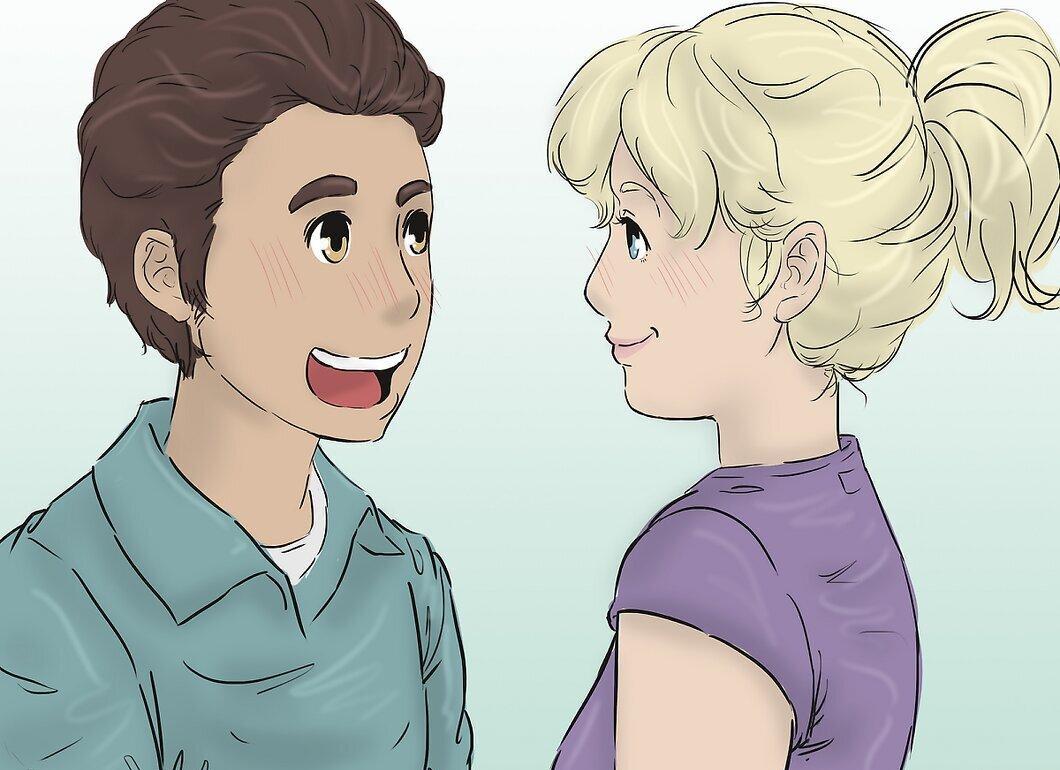
Reach out to those who are aware of your feelings. When experiencing unrequited love, it can be tough to find a way out, but many have gone through similar situations. Their stories can inspire and support you on your healing journey.
- Seek advice from family or friends. They can offer their support and may share personal experiences that help you see your situation differently.
- You're not alone in your feelings. Many people around you are coping with similar emotions. Books, movies, songs, and even news often touch on the subject of unrequited love. Pay attention to those who have managed to overcome their feelings — their stories can provide valuable lessons.
Step 2. Accept That You're in Love.
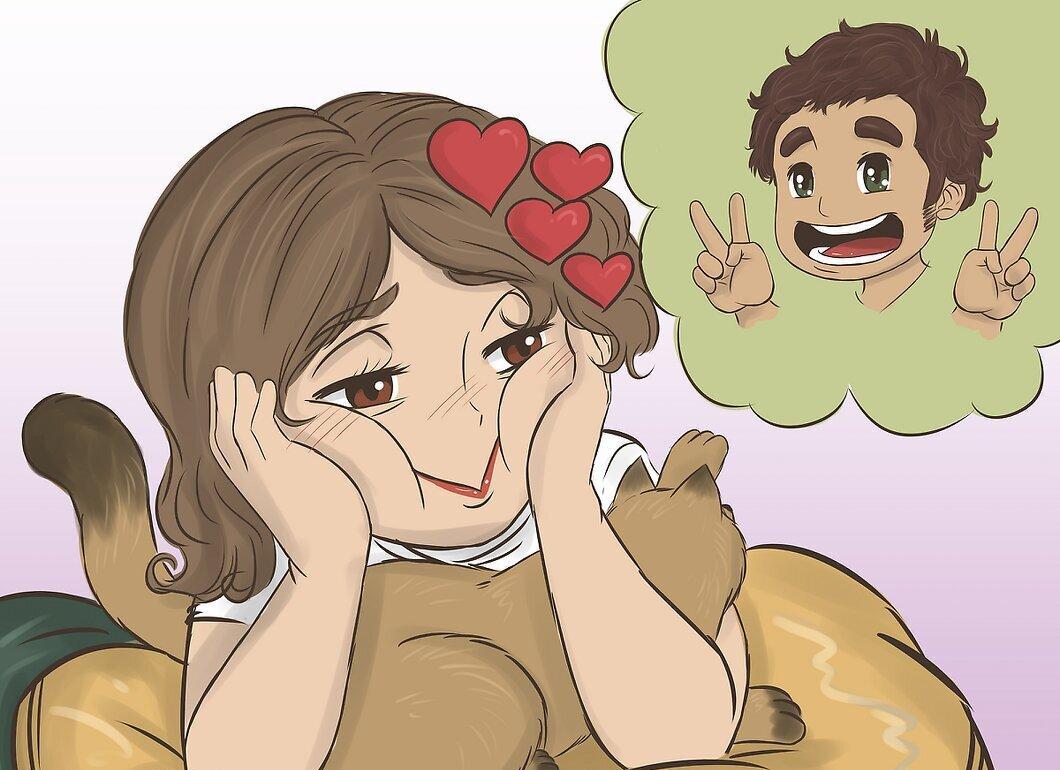
Embrace your emotions. Before you begin the fight against your feelings, it's important to acknowledge their existence. Allow yourself to feel them and try to understand where they come from.
- Try writing down your thoughts. This can help you sort through your feelings and possibly lead to an understanding that you're ready to move on. Write about what attracted you to that person and why your relationship didn't work out. You might keep an anonymous blog, save notes in a secure document, or simply write on paper that you later burn.
- Speak your feelings out loud. It doesn’t have to be in front of someone; even talking to yourself can help you grasp the reality of the situation. For instance, say: "I'm in love with Stas, and I don’t like it."
Step 3. Talk to the Object of Your Affection.
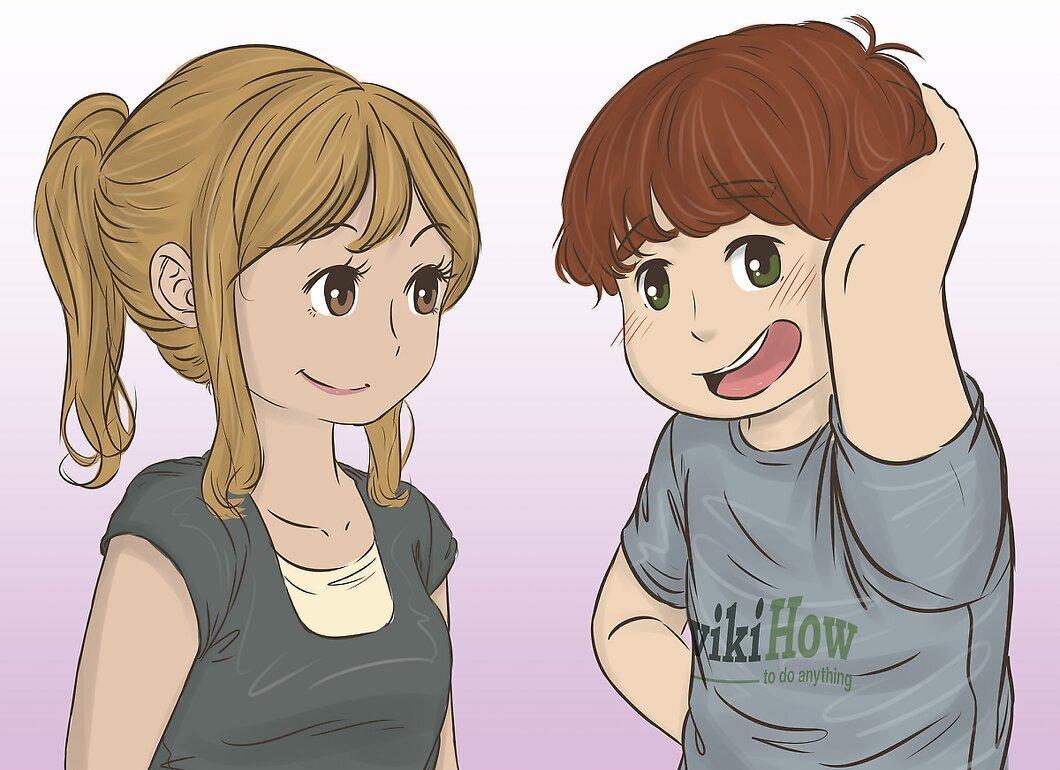
If you believe this person can understand you, find time for an honest conversation. Overcoming infatuation requires you to let go of hopes for a romantic relationship. A talk can clarify the situation — they might reciprocate your feelings, or they may not, giving you a chance to move on.
- Avoid being too pushy or demanding. Focus on explaining your feelings without delving into physical aspects. It's important they know you’re willing to care for them and maintain the friendship, even if you need time to let go of your feelings.
- If the conversation seems too difficult, try writing a letter. This allows you to express yourself without applying pressure to the other person. Ask them to read it privately and give them time to think. You can talk again in a few days.
Step 4. Accept Defeat.
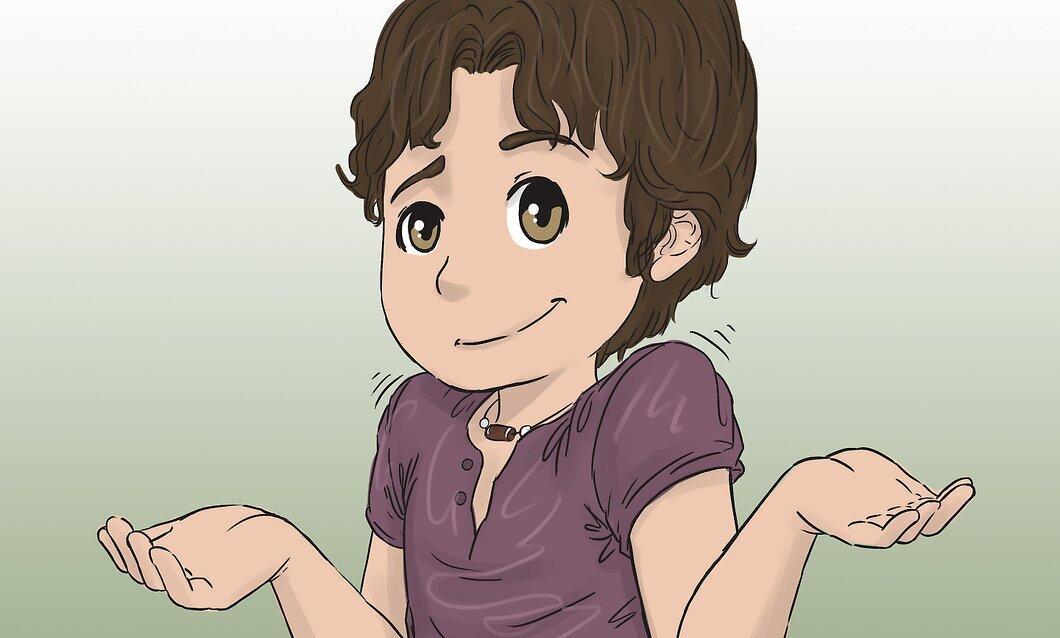
Acknowledge that your feelings are not mutual. Perhaps your love interest is already with someone else, or you’re simply too far apart. Recognize this as an obstacle you want to overcome.
- Don’t take it as a personal failure. Not being with your loved one doesn’t make you any less valuable. Relationships may not work out for many reasons, and it’s essential to understand that some things are beyond your control.
- Learn to accept the flaws that keep your feelings unreturned. Allow yourself to realize that incompatibility is normal. Work on yourself to improve your chances of mutual love in the future, but don’t confuse flaws with differences. For example, being messy is something that can and should be worked on, while differences in character are natural.
- Avoid stubbornness that prevents you from moving on. Don’t dwell on feelings for someone who doesn’t reciprocate. Just let go of yourself and the situation.
Distance Yourself from the Object of Your Affection
Step 1. Minimize Communication.
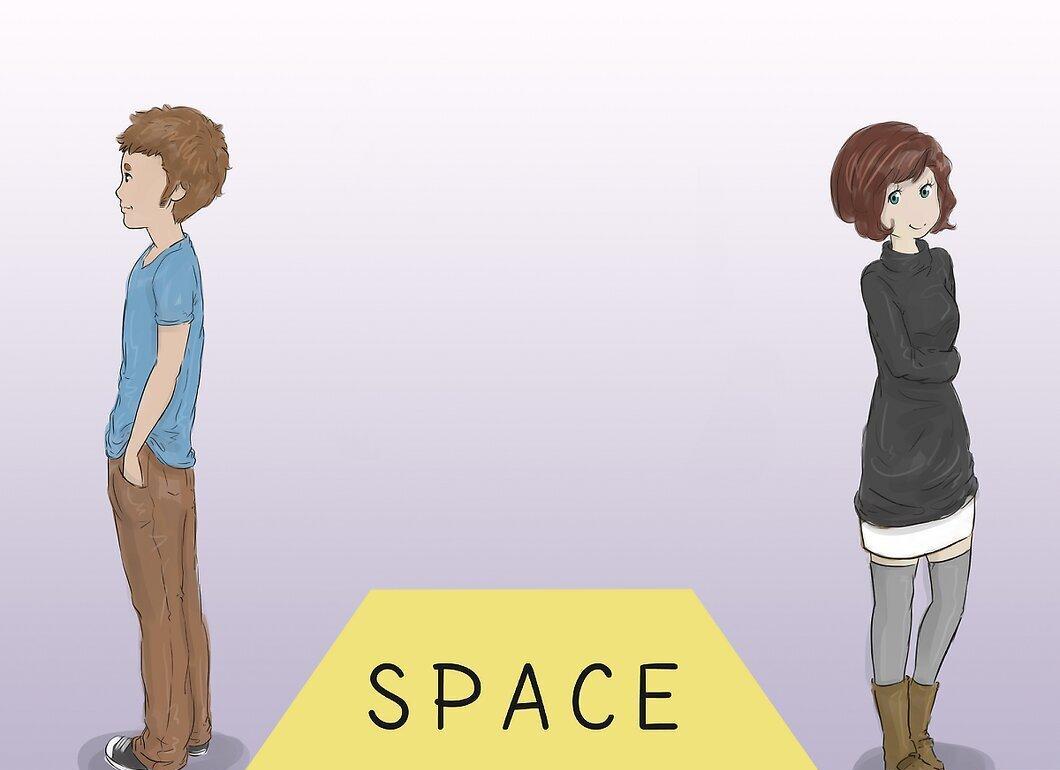
Distance yourself from the object of your feelings. There's a saying: "Out of sight, out of mind." Often, infatuation arises from habit and attachment. By limiting communication with the person, you may find that your feelings start to fade.
- If you’re in love with a close friend, try to reduce communication temporarily. If you want to preserve the friendship, explain the situation in a way that doesn’t hurt their feelings.
- If your love interest is a mutual acquaintance, avoid joint gatherings. Explain the situation to your friend so they don’t take it personally.
- If you're in love with a classmate, focus on your studies. Replace thoughts of them with an interesting book or hobby. Try to adjust your schedule to avoid crossing paths.
- If you’re in love with a colleague, concentrate on work. Avoid shared breaks and personal conversations.
- If avoiding physical interaction is impossible, try to distance yourself mentally. When near them, don’t fixate on your feelings; think about what you need to do or about a future without your love interest.
Step 2. Explore New Horizons.
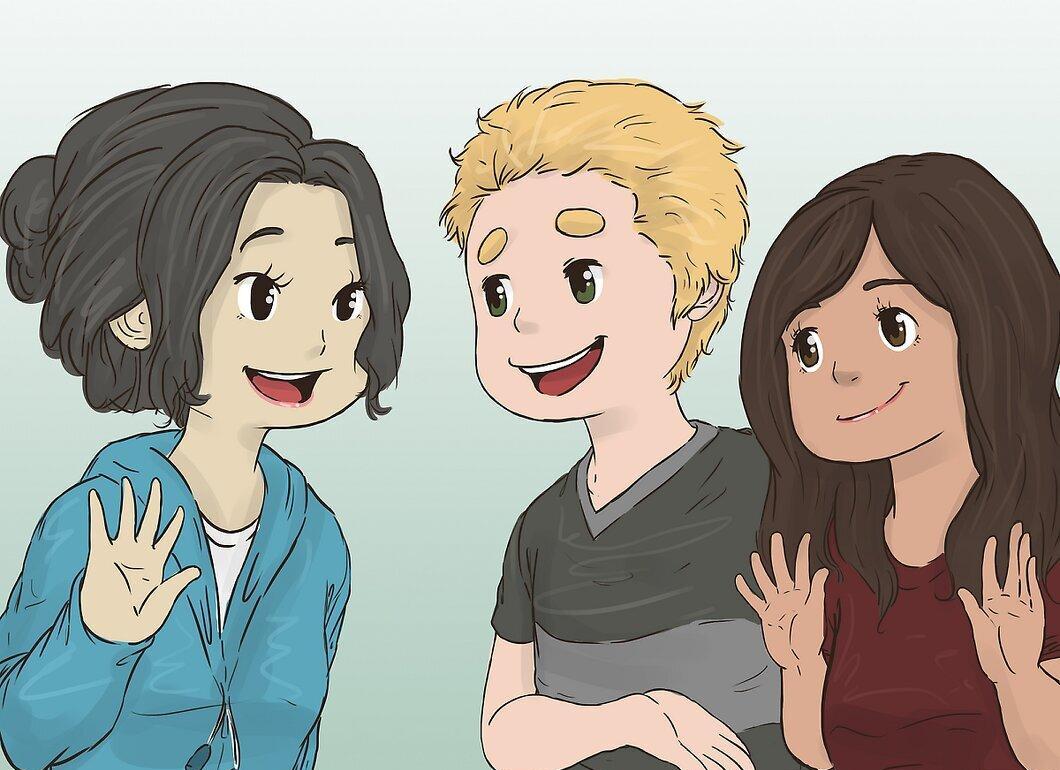
Seek new acquaintances. If your social circle overlaps with your love interest, don’t hesitate to expand it. New friends can help restore your confidence and distract you.
- Find people with similar interests. Love poetry? Check out literary events in your city. Into sports? Join a team or club. The key is to take action!
- Get involved in volunteer projects. Helping others will not only distract you but also allow you to meet new people.
- Participate in school clubs or events. This is a great opportunity to make new friends and broaden your social circle.
Step 3. Take Care of Yourself.
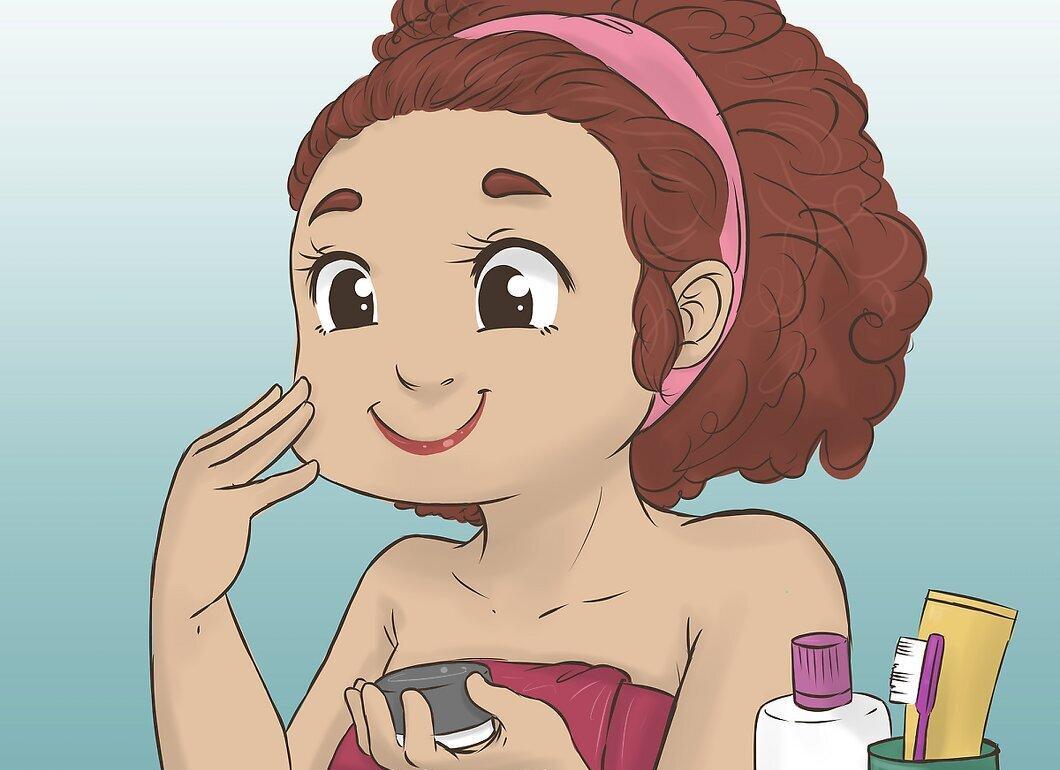
Use this time to improve your life. Focus on yourself and your interests, and you'll notice how life fills with new colors.
- Refresh your style: new clothes, hairstyle, or hair color can help you feel more confident. If you’re unsure what to change, consult your friends.
- Do some cleaning. Tidying up your space can provide a sense of satisfaction and relief.
- Engage in physical activity. Exercise can clear your mind and strengthen your body. Find something you enjoy — running, swimming, or other activities.
- Think positively. Use affirmations, tell yourself positive things to boost your confidence and self-esteem.
Move On
Step 1. Don’t Repeat Past Mistakes.
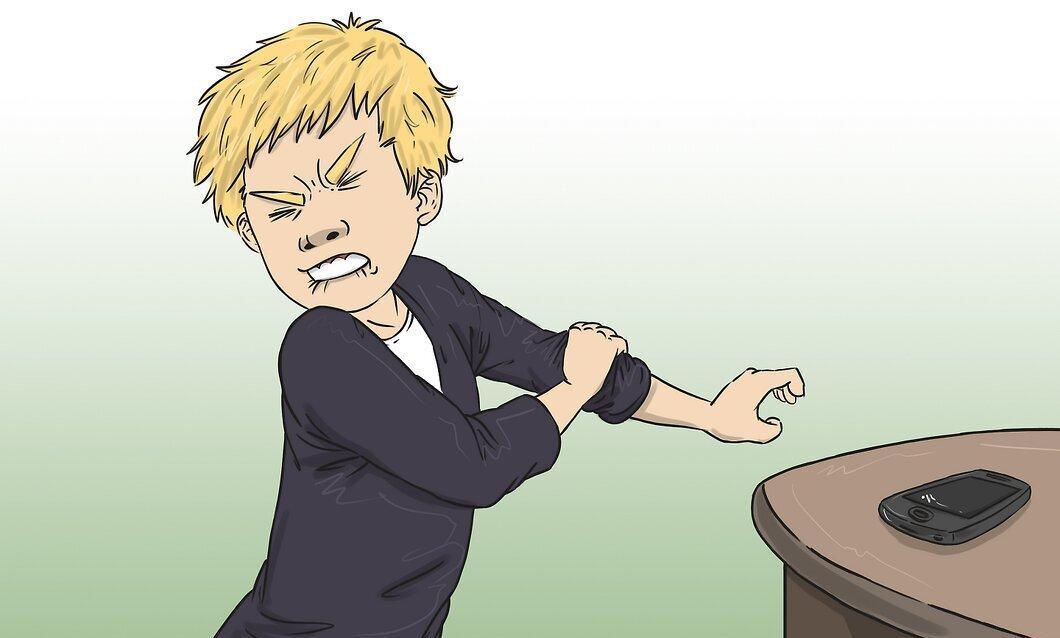
Don’t allow yourself to fall for the same person again. If you’ve already moved on, don’t return to old feelings. Accept that it may take time to stop loving someone.
- Realize that your perception of the person is distorted by your feelings. Infatuation clouds your judgment, and you might idealize the person. Remind yourself of their flaws to see the situation more realistically.
- Avoid situations that might trigger old feelings. Don’t interact with the person too frequently to avoid reminding yourself of old emotions.
- Don’t try to project your feelings onto someone new. This would not be fair to them or to you. You need to resolve your past feelings before moving on.
Step 2. Don’t Become Bitter.
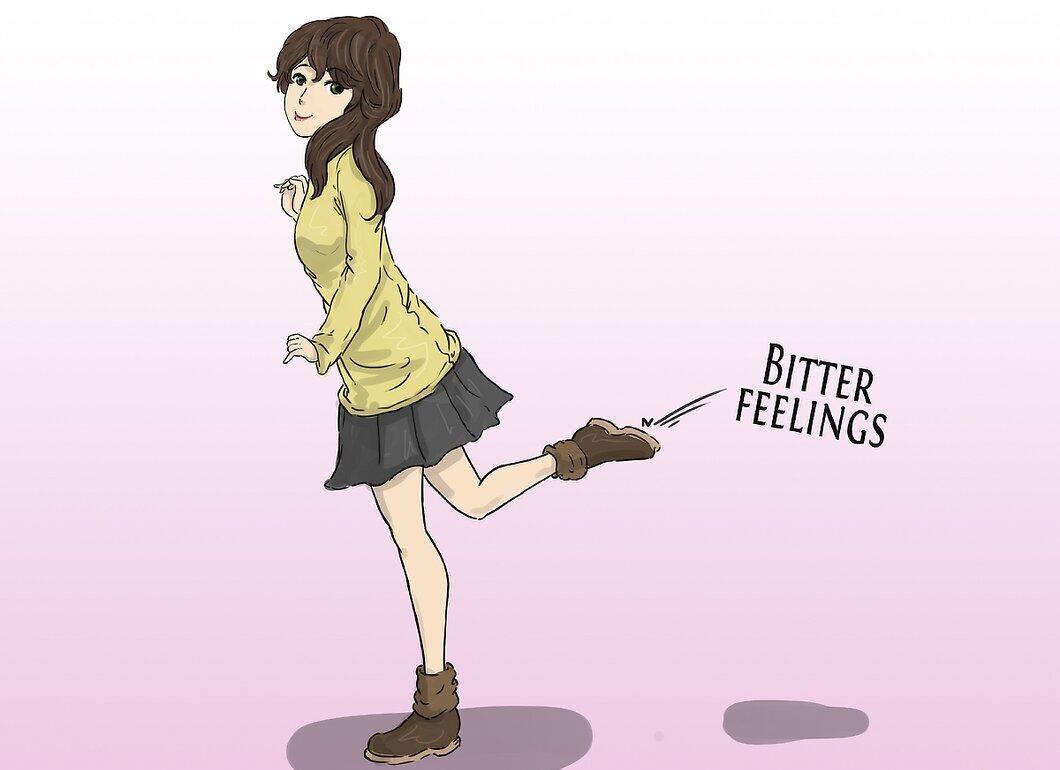
Don’t blame your ex for your suffering. This may provide temporary relief, but it will only deepen your dependency on them. Don’t trade one problem for another.
- You are responsible for your own happiness, and you shouldn’t blame others. Even if your love interest didn’t meet your expectations, remember that only you can change your life.
- Wish your ex happiness. If you genuinely care about them, you should be happy for their happiness, even if it involves someone else.
Step 3. Make a List of Their Flaws.
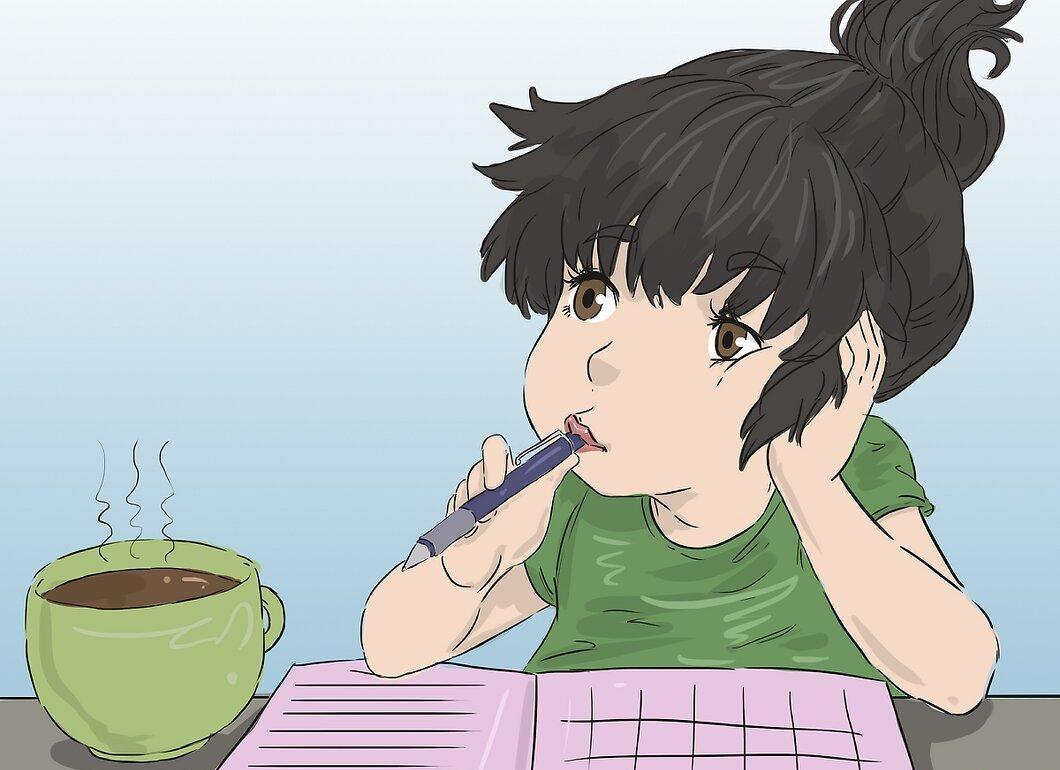
Write down the flaws of the person you’re in love with. This may be challenging, but it will help you see the person more realistically. Everyone has their shortcomings, and it’s important not to idealize them.
- Create a list of the flaws you've noticed. Revisit it to remind yourself of reality. If you encounter them again, pay attention to all the flaws you've written about.