
Asking a friend to repay a loan can lead to an uncomfortable conversation. However, with the right approach, you can successfully request repayment and maintain your friendship. It’s essential to discuss repayment terms in advance and approach the situation with kindness and seriousness. If things get critical, you could consider legal action, but that may risk your friendship.
Reminder About the Debt
Step 1. Arrange a Meeting.
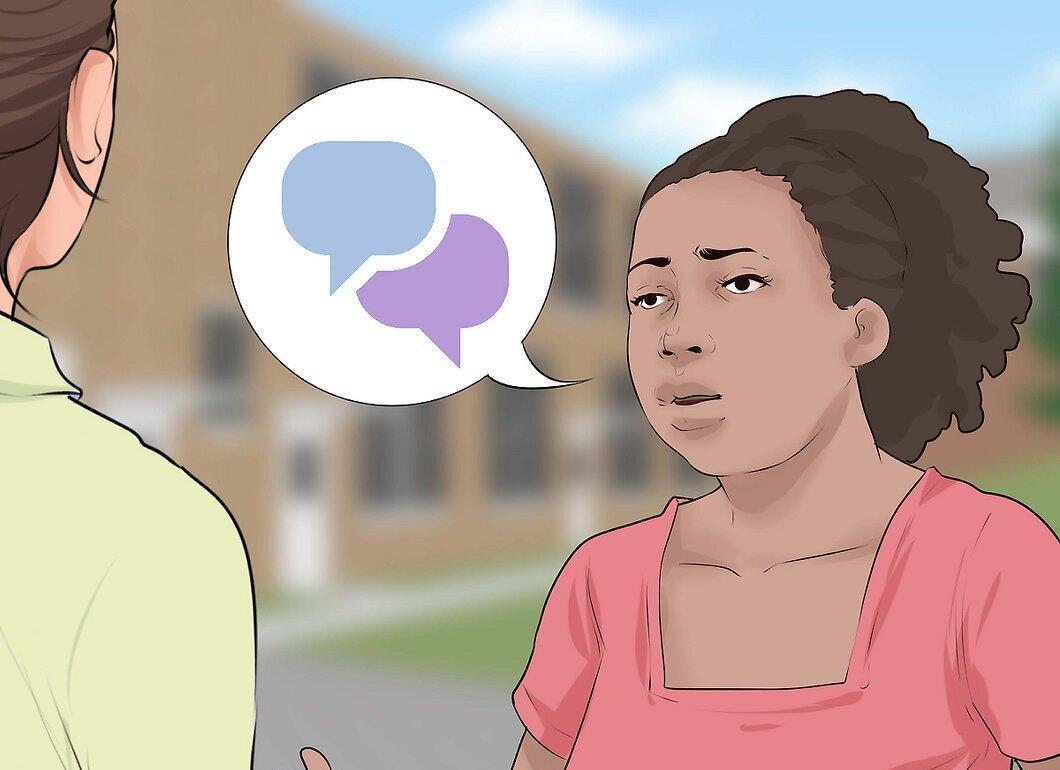
Invite your friend for a meeting, perhaps for coffee or lunch, to discuss the financial matter. Choose a casual setting to make it easier for them to open up. While email or a phone call can work too, an in-person meeting allows for better understanding of emotions and mood.
- Meet privately to avoid any discomfort.
- Text or call your friend, suggesting: "How about we meet up this weekend?"
- Hint at the conversation topic by saying: "Can we meet on Friday to talk about the money I lent you a few months ago?"
- Give your friend the option to choose the meeting place by saying: "I’d like to discuss the loan. We can meet at your place or nearby?"
Step 2. Politely Remind Them of the Debt.

Gently remind them of the debt. Your friend may have forgotten about the loan, so start with a reminder. Say something like: “I’m glad I could help you last month, but I was hoping to get repaid before my rent is due.” This phrase serves as a reminder of the debt and clarifies that it’s not a gift.
Step 3. Be Honest.

If a polite reminder doesn’t work, have an honest discussion. Turn your statement into a question to make it easier to digest: “When do you think you’ll be able to pay me back?”
- Ask for a clear answer. Vague responses like "in the coming months" aren’t acceptable.
- If your friend is evasive, ask them to set a specific timeframe: “When I say the coming months, I mean three months starting today. Do you agree?”
Step 4. Don’t Let the Debt Linger.
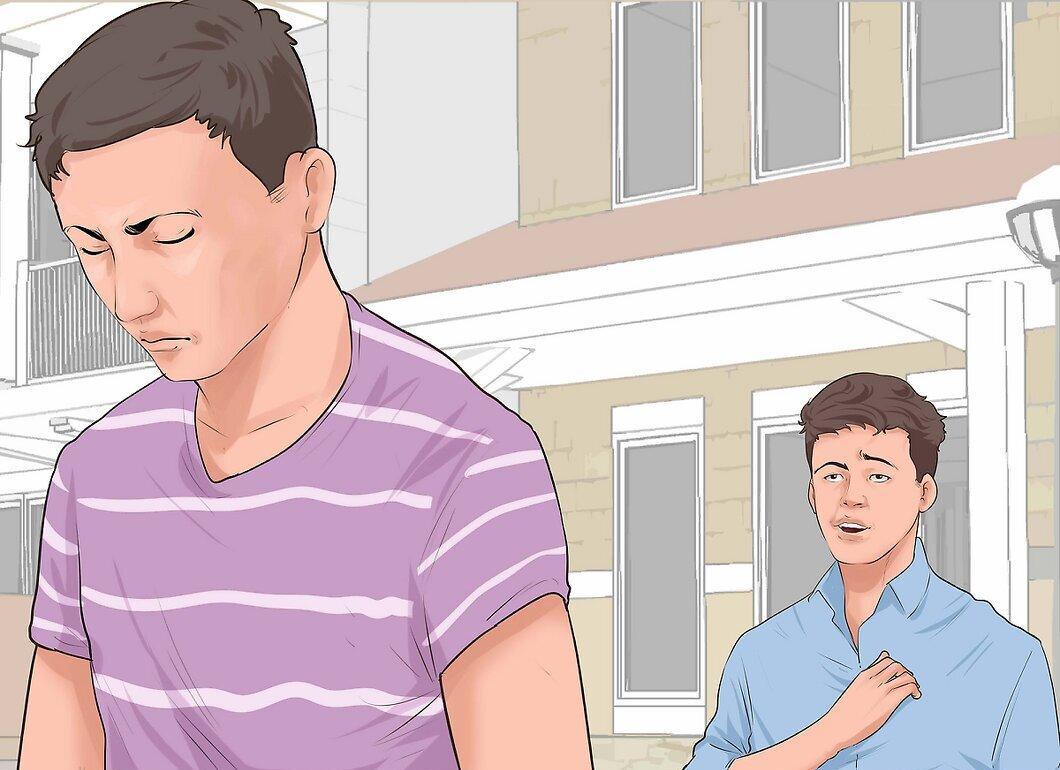
Don’t allow the debt to remain unpaid. The longer your friend avoids repayment, the lesser the chances of getting your money back. If it comes to legal action, a long wait after the repayment deadline can create the impression that you didn’t expect repayment.
The Debt Repayment Process
Step 1. Explain Why You Need the Money Back.

Help your friend understand why repaying the debt is important to you. People who often rely on financial support from friends may not realize that loans need to be repaid. Explain how crucial it is for you to get the money back.
- You might say: “I have a property tax payment coming up soon, and it depends on your repayment.”
- For example: “The loan I gave you has significantly impacted my budget, and the sooner you can repay it, the better for me.”
- While it’s not necessary to mention specific reasons, doing so can help ease the awkwardness.
Step 2. Ask for At Least Partial Repayment.

If your friend can’t repay the full amount, suggest starting with a partial repayment. The more open your friend is, the better you’ll understand their financial situation. Even partial repayment is better than none at all.
- Say: "I’d appreciate it if you could return part of the loan today."
- If your friend is struggling, suggest: "I know you’re having a tough time, but could you at least repay a small amount?"
Step 3. Set a Repayment Deadline.

Establish a firm deadline for repayment. Sometimes people work better when there’s a timeline. Explain to your friend that you expect full repayment by a certain date, and be prepared for the possibility of extending the deadline.
- Think ahead about a repayment schedule that would work for your friend.
- Ask: "What amount can you pay me back each month?"
- Help determine payment dates: "Do you usually pay at the beginning or the end of the month?"
Step 4. Create a Debt Repayment Plan.

Draft a repayment plan and ask your friend to stick to it. If previous approaches haven’t worked, you might suggest formalizing this process with a signed document. This can simplify repayment as it won’t require paying back the entire sum at once.
- Don’t hesitate to ask your friend to adhere to the schedule or even formalize a loan agreement, especially if the amount is significant.
- Start the discussion with: "This might seem excessive, but I want to ensure we both understand the plan. I’ve prepared a schedule that will help us both."
- Clarify that the document is a proposal, and discuss potential adjustments to ease the repayment process.
Step 5. Offset the Debt with Services from Your Friend.
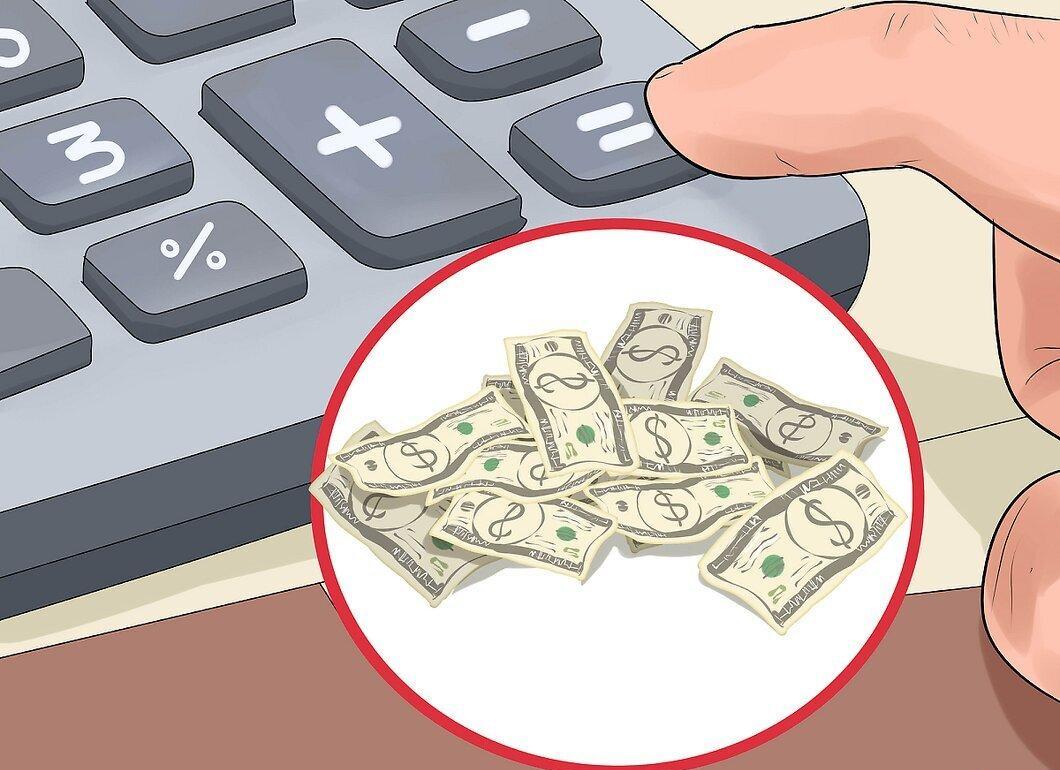
If your friend has helped you, consider offsetting their services against the debt. This can be especially helpful if your friend can’t repay the money.
- You might offer to help in exchange for reducing the debt: “I’m going away for 10 days; could you look after my dogs and plants? I’ll deduct 2,000 rubles from your debt.”
- If your friend is trying but facing financial difficulties, offer assistance instead of a cash repayment.
Step 6. Prioritize Your Values.

In extreme cases, you may need to decide what’s more important: getting your money back or preserving the friendship. This can be a tough choice, but if you’ve done everything possible and your friend still can’t repay, it might be wise to consider the loan as a gift.
Legal Steps
Step 1. Send a Demand Letter.

The first legal step in recovering a debt is sending a demand letter to your friend requesting repayment by a specified deadline. Consult with a lawyer to draft the document correctly and send it by registered mail with a return receipt request to have proof.
- Specify the amount owed, the due date, and previous attempts to collect.
- An example letter might read: “On December 3, 2015, I lent 40,000 rubles to Peter Ivanov, with a repayment deadline of October 3, 2016. I have contacted him multiple times about repaying the debt, but to no avail. If this continues, I will be forced to take legal action.”
Step 2. Research Information on Filing Lawsuits.

Look into legal resources online that can help with preparing lawsuits. It’s a common practice, and you’ll find many websites and apps that simplify the process of drafting a claim. Many offer free advice and only charge for services if you don’t succeed.
- Check reviews and verify the reliability of services to avoid scams.
Step 3. Gather Necessary Documents.

Before going to court, gather all evidence. You’ll need receipts, bank statements, letters, and any records that confirm you lent money. You’ll need to prove your right to repayment.
Step 4. Be Aware of Legal Deadlines.

Check the statute of limitations for debts, which is usually three years. This can vary, so research the specifics or consult a lawyer.
Step 5. Confirm the Source of Your Funds.

You’ll need to prove to the court that you lent money earned honestly. Without confirming the source of funds, the borrower can evade responsibility. If you transferred money through a bank, a statement will be sufficient proof.
Step 6. Collect Money Based on Court Decision.

Even if the court’s decision is in your favor, there may be difficulties in collecting the money. Keep records of all facts in case you need to return to court. The desire to avoid additional penalties may motivate the debtor to repay the debt.
Be Cautious When Lending Money
Step 1. Ask Your Friend to Write a Loan Receipt.

Before lending money, it’s wise to ask your friend to write a receipt. This will protect you if they refuse to repay. Terms can easily be adjusted if your friend needs time to pay back.
Step 2. Draft a Written Repayment Plan.

If there was no receipt, it’s helpful to agree on a repayment plan in writing. Have the document notarized to increase its legal validity if it comes to court.
Step 3. Use Apps to Simplify Debt Repayment.

There are many apps that make debt repayment easier. For example, PayPal, WebMoney, and others allow you to easily send invoices and receive payments.
Step 4. Assess Your Friend's Reliability Before Lending.

Before lending money, find out why your friend didn’t take a loan from a bank. Understanding whether their financial situation is temporary or permanent will help you decide whether to lend them money.
Step 5. Avoid Lending Money to Those You Care About.

Try not to lend money to friends whose friendship you don’t want to lose. Regardless of your efforts, you may end up losing either money, a friend, or both. Before entering into financial relationships, consider if you’re ready for the consequences.