
Sole custody, or full custody, means that all parental rights are granted to one parent. This includes both legal custody (the right to make decisions for the child) and physical custody. Typically, courts lean towards joint custody, but if one parent suffers from addictions or other issues that may threaten the child's well-being, the court may decide to grant all rights to one parent. If you're interested in obtaining full parental rights, follow these guidelines for filing your documents.
Filing Process
Step 1. Consult with a Lawyer.

Seek legal advice from an attorney. Filing for sole custody is not a matter you can handle without professional help. You will need to find a lawyer who is well-versed in your state’s custody laws to assist you in preparing the necessary documents and explaining all aspects of the process. Mistakes in filling out the documents can result in you not obtaining custody that meets your child's needs and your expectations.
- Look for an experienced family lawyer with a good reputation who has a successful track record in custody matters.
- Hiring a lawyer is not mandatory, but if you choose to go it alone, make sure to thoroughly research your state’s laws so you know how to file the documents correctly.
Step 2. Contact the Court Clerk in Your Area for Information on Required Documents.

Reach out to your county court clerk to find out what specific petition needs to be filed. Each state has its own requirements for child custody cases, so it’s important to know which documents you will need. You can either visit the court or call the clerk’s office for the necessary information. Let them know you want to schedule a custody hearing and clarify how to properly file the petition. Your lawyer should also be aware of what forms you need. Here are a few types of petitions you may require:
- Petition for Review or Modification of an Existing Order. If you already have a custody order in place, you will need to file a motion to modify or terminate it.
- Petition for Custody. If there have been no prior custody proceedings, this is the type of petition you need to file.
- Petition for Paternity and Custody. If you are a father but your paternity has not been established, you will need to file a petition for a paternity test before seeking custody.
Step 3. Complete All Documents and File for Sole Custody.

Fill out all the required documents and submit your petition for sole custody. Courts typically provide sample documents that can help you correctly prepare your custody application. If custody rights have already been established, you will need to explain why you want to make changes. Be prepared to answer questions about every aspect of caring for the child. Submit all documents along with your petition.
- Ensure your lawyer reviews all paperwork before filing.
- Make two copies of the completed forms: one for yourself and one for the other parent. The original will remain with the court.
Step 4. Obtain a Hearing or Mediation Date.

After filing the petition, a date will be set for your court hearing or mediation. At this point, you and the other parent will need to attend to reach an agreement on custody matters or proceed with the court hearing.
Preparing for the Hearing
Step 1. Notify the Other Parent of Your Custody Petition.

Make sure the other parent is informed about your custody petition. By law, you are required to notify the other parent of your intentions. The methods of delivering documents may vary by state, but in most cases, you cannot hand-deliver them personally. You can either file a request for service through the court or use delivery services.
Step 2. Provide Proof of Document Delivery.

Provide evidence that the documents were delivered to the other parent. Ask the person who delivered the documents to fill out the appropriate form. You will then need to return these papers to the court to confirm that the other parent was notified.
Step 3. Prepare Evidence in Your Favor.

Gather evidence that supports your case. Although judges rarely grant sole custody, there are factors that may influence their decision. You will need to prove that the other parent is unfit to care for the child. Collect documents such as police reports, medical bills, photographs, and testimonies that may confirm that the other parent poses a threat to the child. Here are some aspects judges will consider in their evaluation:
- Employment. The parent must show they have a stable income and that their financial situation meets the child’s needs. Unemployment is not always grounds for denying custody.
- Living Conditions. A suitable parent must provide a safe living environment for the child. Provide evidence that the other parent lacks stable housing.
- Abuse. Any history of violence, substance abuse, or other issues will weigh heavily in the custody decision. Gather evidence of any abuse.
- Health. Parents must demonstrate they can care for the child both physically and emotionally.
Step 4. Attend Mediation and Court Hearings.
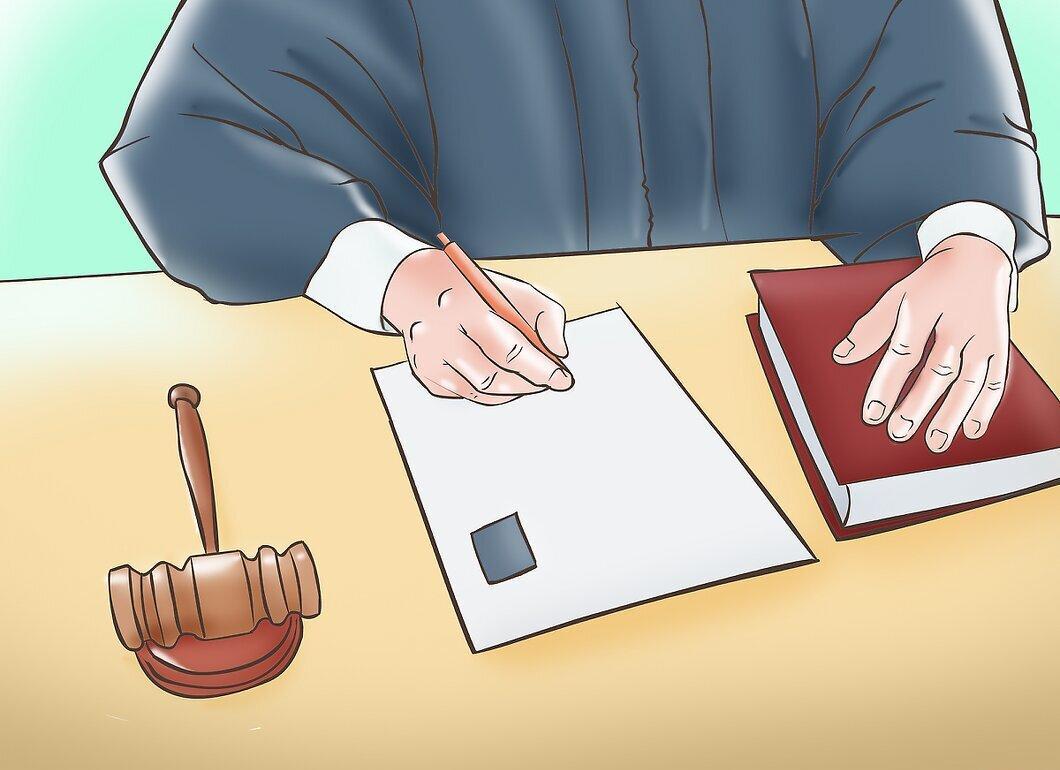
Participate in mediations and court hearings. You may be able to reach an agreement on sole custody with the help of a mediator. If an agreement cannot be reached, you will need to present your case in court. Your lawyer should be with you at every step of the process to support you.