
The atomic number of an element represents the number of protons present in the nucleus of that element's atom. It is fixed for each element or isotope, allowing you to determine other important characteristics, such as the number of neutrons and electrons in the atom.
How to Determine the Atomic Number
Step 1. Find the Periodic Table of Elements.
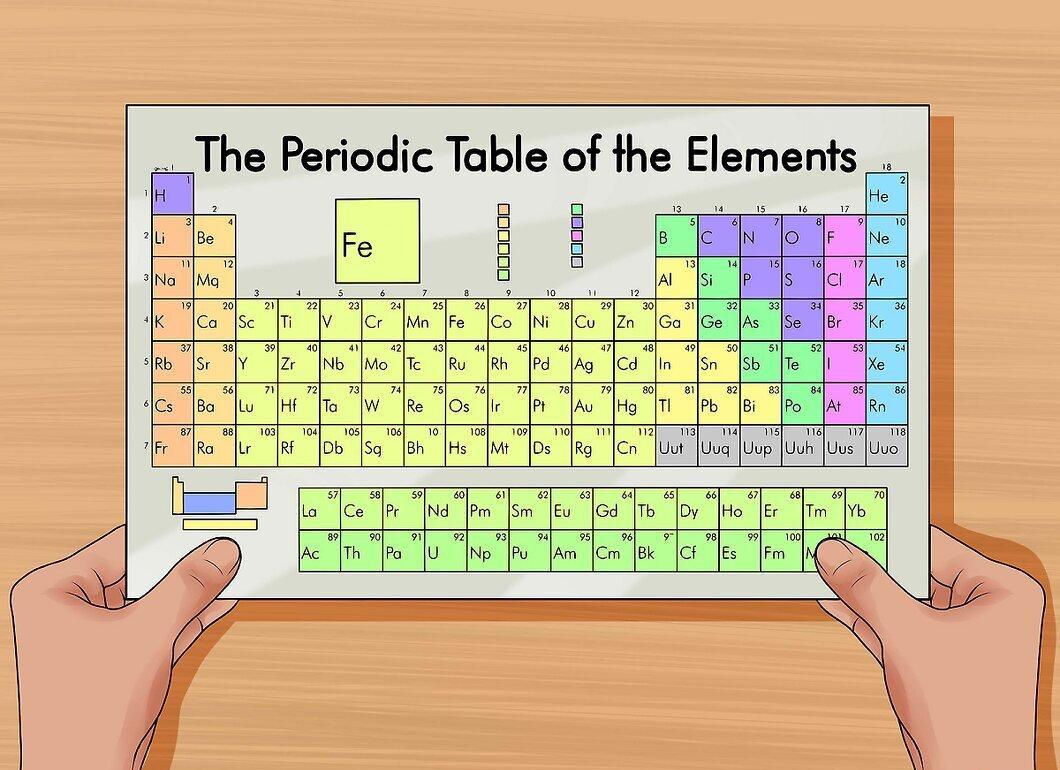
First, locate the periodic table of elements. You can use the table presented in this article if it's convenient for you. Each element in the table has its unique atomic number, and the elements are organized in increasing order of these numbers. Find Mendeleev's table or memorize its layout.
- The periodic table can be found in most chemistry textbooks.
Step 2. Locate the Element of Interest.
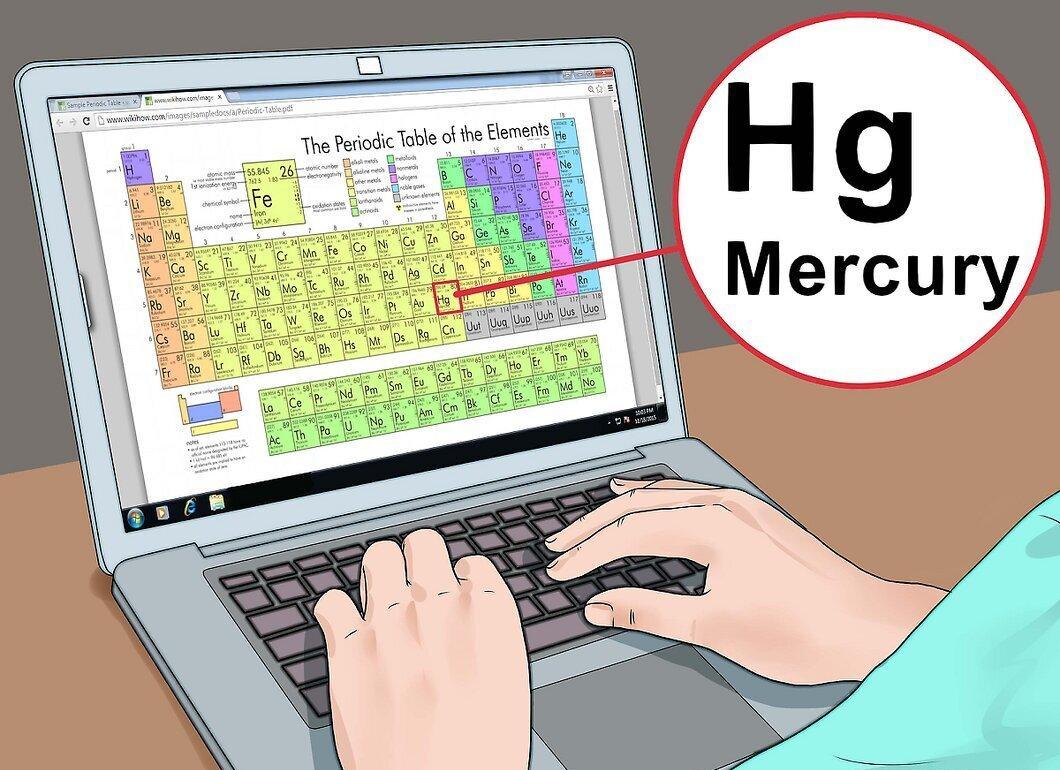
Now, find the element you need. The table lists the full name of the element along with its symbol (for example, Hg for mercury). If you have trouble locating the element, simply type "chemical symbol <element name>" into a search engine.
Step 3. Identify the Atomic Number.
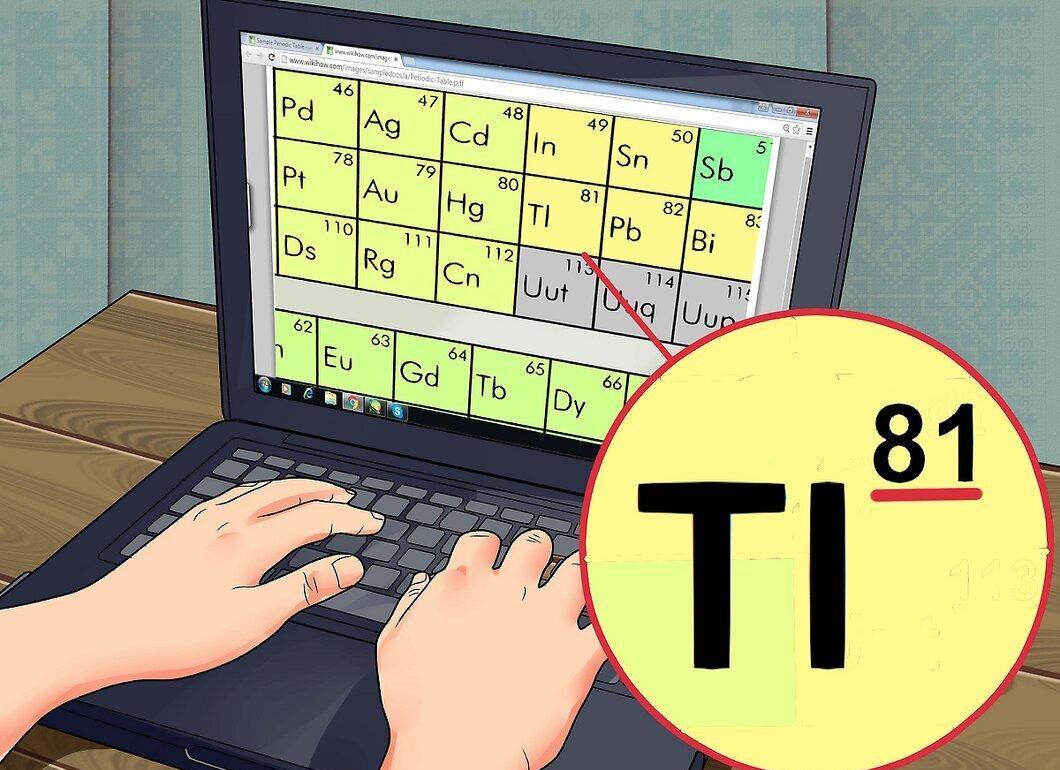
Next, find the atomic number of the element. It is usually located in the upper left or right corner of the cell, but it may be elsewhere. The atomic number is always indicated as a whole number.
- If you see a decimal number, that is the atomic mass.
Step 4. Verify Your Atomic Number Identification.
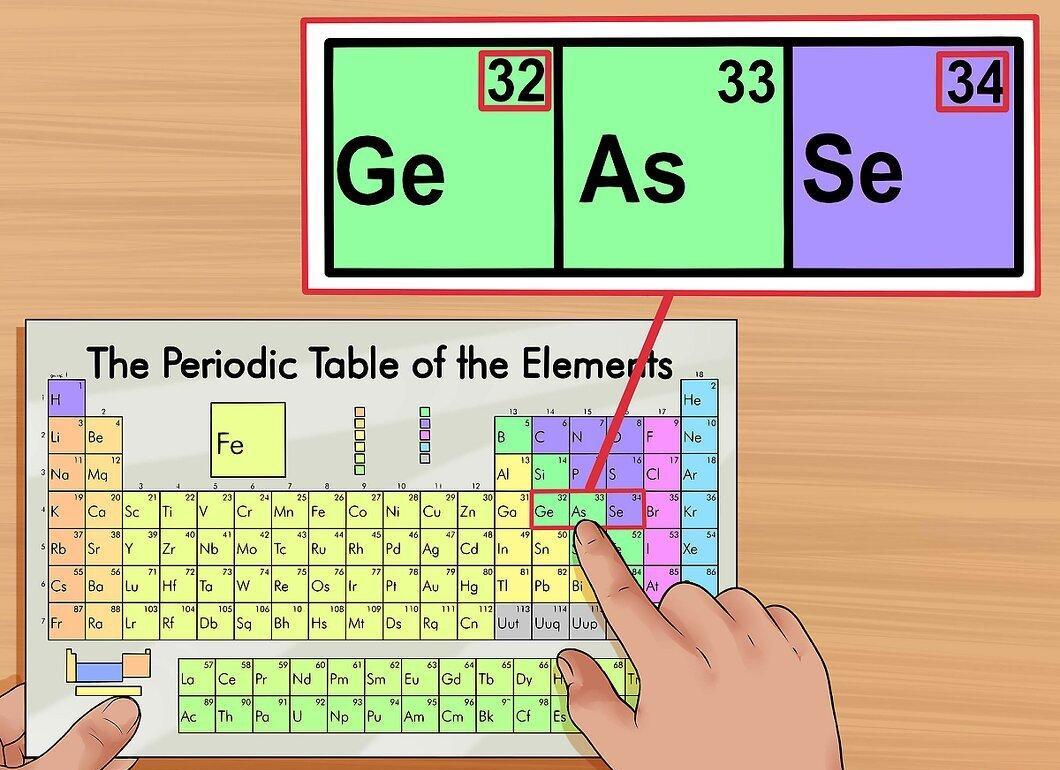
Make sure you've correctly identified the atomic number. The elements in the table are arranged in order of increasing atomic numbers. For example, if the atomic number of an element is "33," then the atomic number of the previous element should be "32," and the next one should be "34." If this is the case, you are on the right track.
- Note that sometimes there may be empty cells after barium (56) and radium (88). In fact, the elements corresponding to these cells are located at the bottom of the table for convenience.
Step 5. Remember the Value of the Atomic Number.
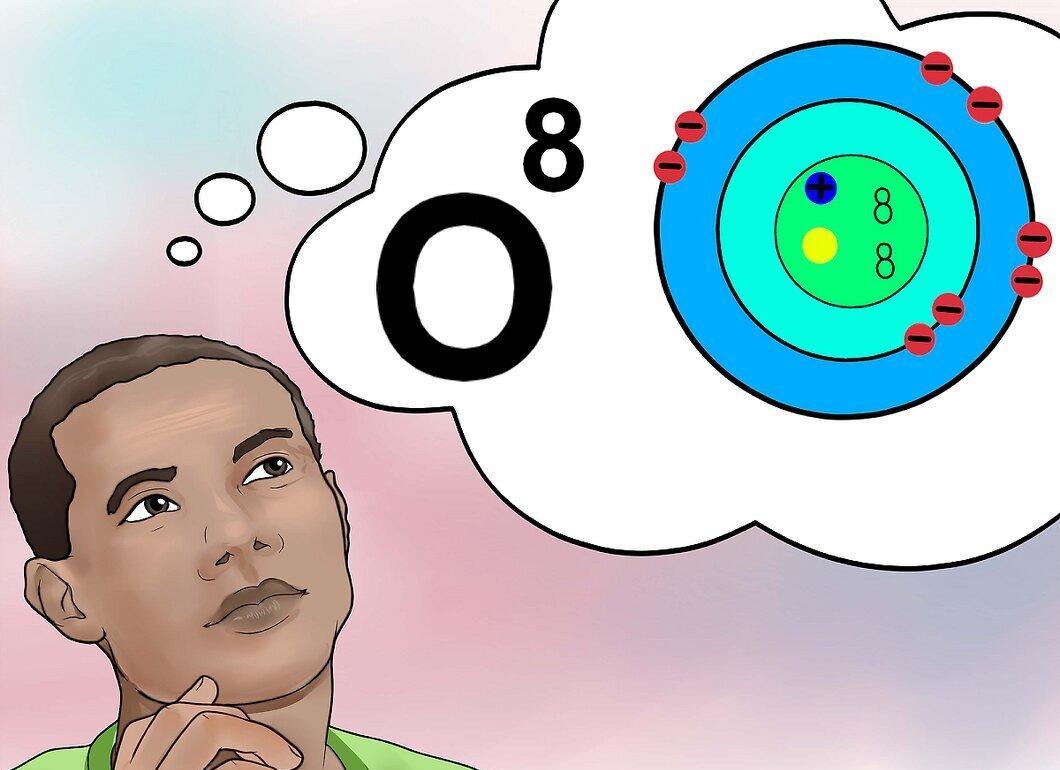
Remember that the atomic number is the number of protons in the nucleus of the element's atom, which is a key indicator. The number of protons determines the overall electric charge of the nucleus, which in turn indicates the number of electrons orbiting the atom. The atomic number influences most of the physical and chemical properties of the element.
- In other words, any atom with eight protons is an oxygen atom. Two oxygen atoms may have different numbers of neutrons or electrons (if one of them is an ion), but they will always have eight protons.
How to Find Additional Information
Step 1. Determine the Atomic Weight.
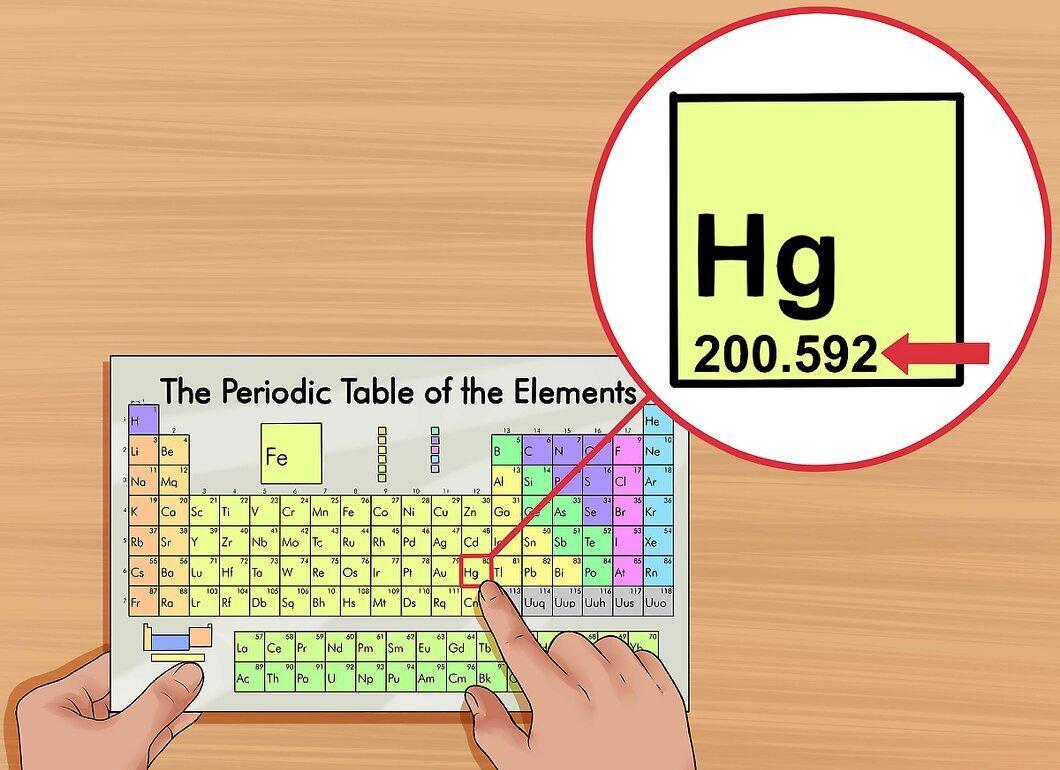
Find out the atomic weight. In the table, it is located under the element's name and is presented as a decimal number with two or three decimal places. The atomic weight is the average mass of one atom of the element compared to the natural mass of that element, measured in atomic mass units (amu).
- In some sources, atomic weight may be referred to as "relative atomic mass."
Step 2. Round the Atomic Weight to Obtain the Mass Number.
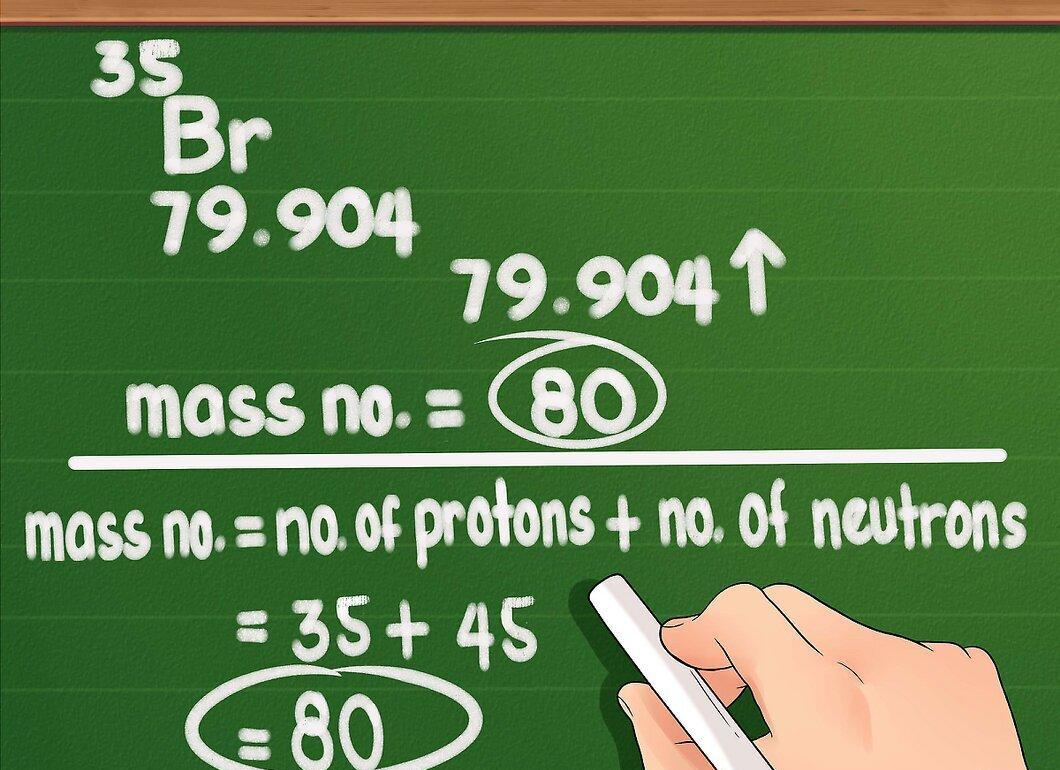
Round the atomic weight to find the mass number. The mass number is the sum of the protons and neutrons in one atom of the element. To obtain it, simply look at the atomic weight in the table and round it to the nearest whole number.
- This approach works because the weight of neutrons and protons is approximately 1 amu, while the weight of electrons is nearly 0 amu. The atomic weight is measured quite accurately, which is why it contains fractional values, but we are only interested in the whole number, which indicates the number of protons and neutrons.
- Remember that atomic weight is an average value. For example, the average mass number of bromine is 80, but the mass number of a specific bromine atom is typically 79 or 81.
Step 3. Determine the Number of Electrons.
Now, find the number of electrons. In an atom, the number of electrons is equal to the number of protons since atoms have an equal number of positive and negative charges, making them neutral.
- If an atom loses or gains electrons, it becomes an ion, meaning it acquires an electric charge.
Step 4. Determine the Number of Neutrons.
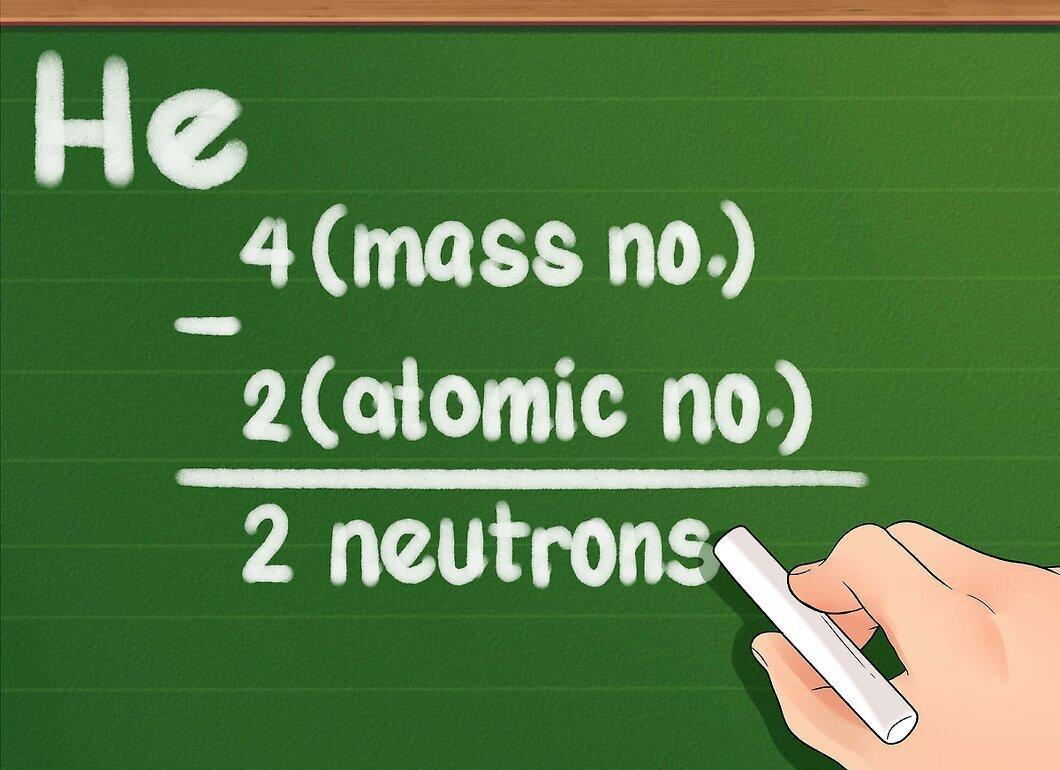
Now find the number of neutrons. Since the atomic number equals the number of protons and the mass number is the sum of protons and neutrons, the number of neutrons can be calculated using the formula: mass number - atomic number. Here are a few examples:
- One helium (He) atom has a mass number of 4 and an atomic number of 2. Therefore, it has 4 - 2 = 2 neutrons.
- A silver (Ag) atom has an average mass number of 108 (from the periodic table) and an atomic number of 47. Thus, a silver atom has 108 - 47 = 61 neutrons.
Step 5. Understand the Concept of Isotopes.
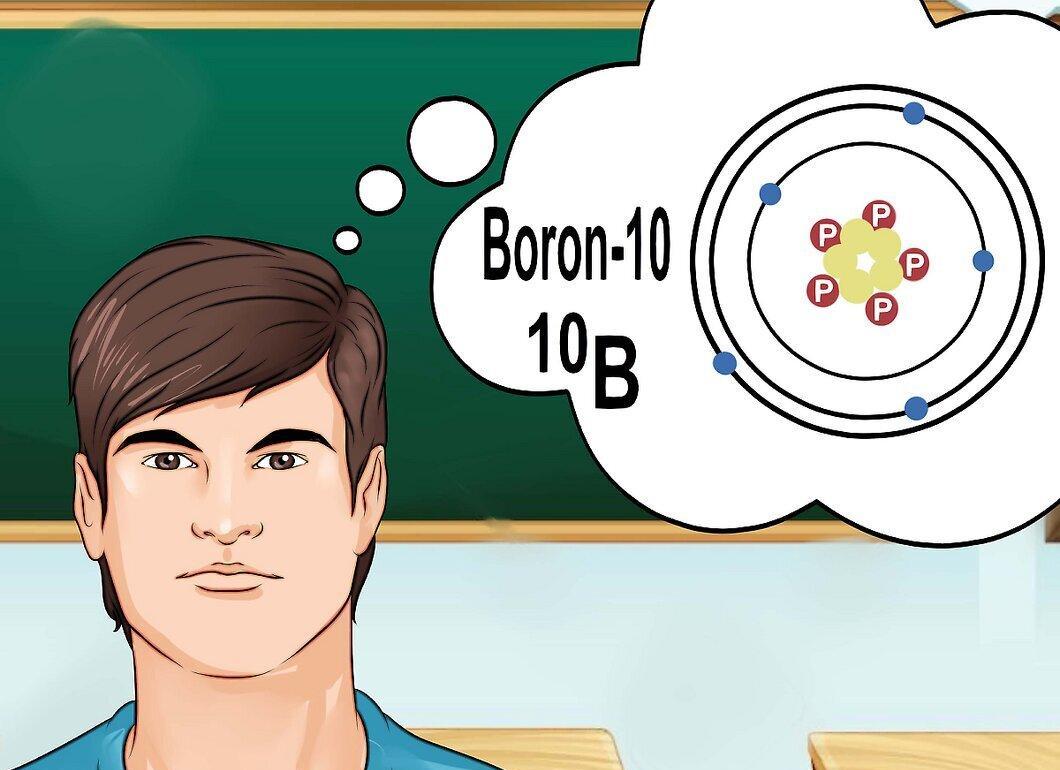
Remember what isotopes are. An isotope is a variant of an atom that has a specific number of neutrons. For example, if the problem mentions "Boron-10" or B, it refers to a boron isotope with a mass number of 10. Use this mass number instead of the value from the periodic table.
- The atomic number of isotopes remains unchanged. An isotope has the same number of protons as the element itself.