Lemons are frequently treated with wax to keep their skins bright and fresh. Although this wax is considered safe for consumption, it’s advisable to remove it if you intend to use the lemon zest.
Method 1: Boiling Water
Step 1. Boil water.
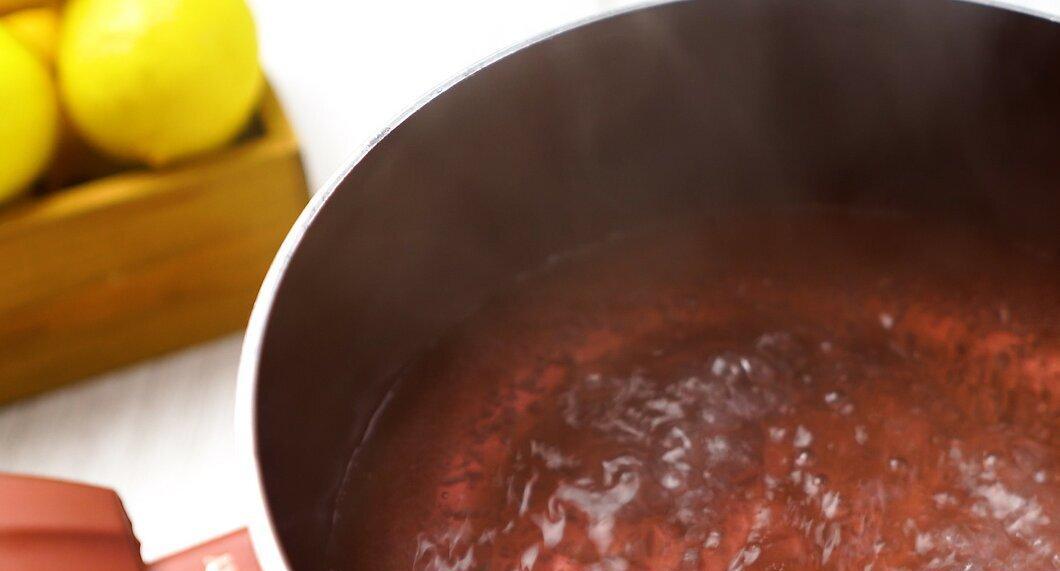
Fill a kettle halfway with water and place it on the stove to bring to a boil.
- A small pot works just as well. Just fill it halfway and put it on the heat.
- If you have hot tap water, you can use that as well. Ensure it’s hot enough before pouring it over the lemons.
Step 2. Place lemons in a colander.
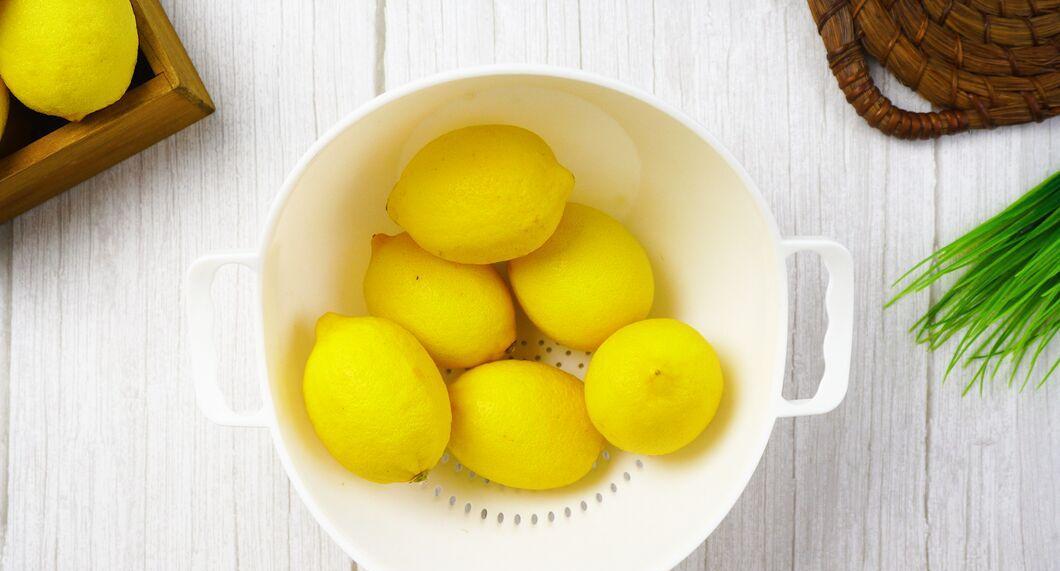
Arrange the lemons in a single layer in a colander and set it in the sink.
- Work with a small batch of lemons so they can move freely. A tight arrangement will prevent hot water from reaching all areas of the skin.
Step 3. Pour boiling water over the lemons.
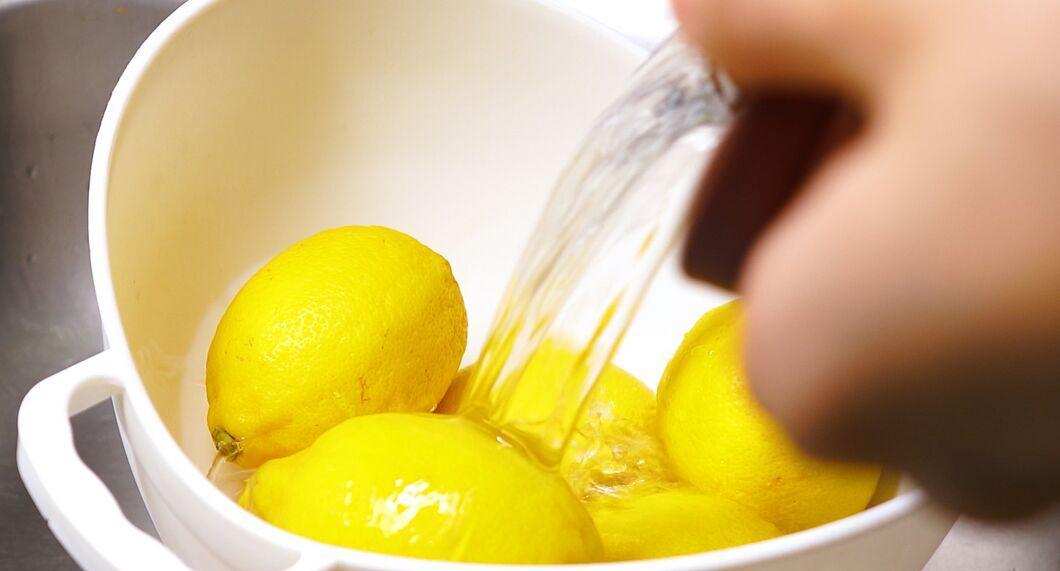
Once the water is boiling, carefully pour it over the lemons in the colander.
- The hot water will help melt the wax, making it easier to remove.
Step 4. Scrub the lemons with a brush.
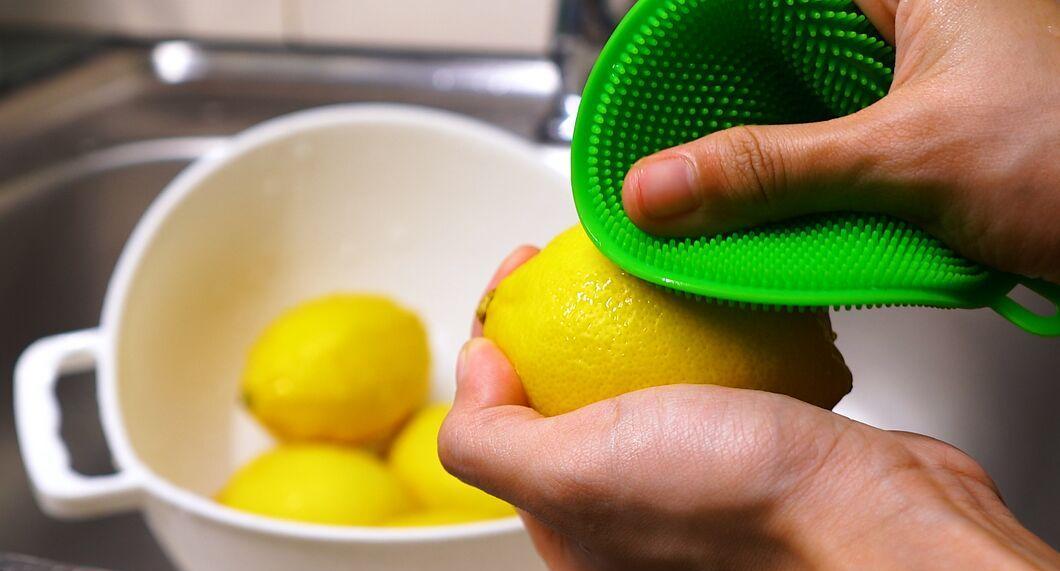
Using a vegetable brush, gently scrub the lemon skins under cold running water.
- Work with one lemon at a time.
- Cold water is necessary to quickly bring the skin back to a normal temperature.
- Avoid using sponges or dish brushes to prevent contaminating the lemons with soap residues.
Step 5. Rinse thoroughly.
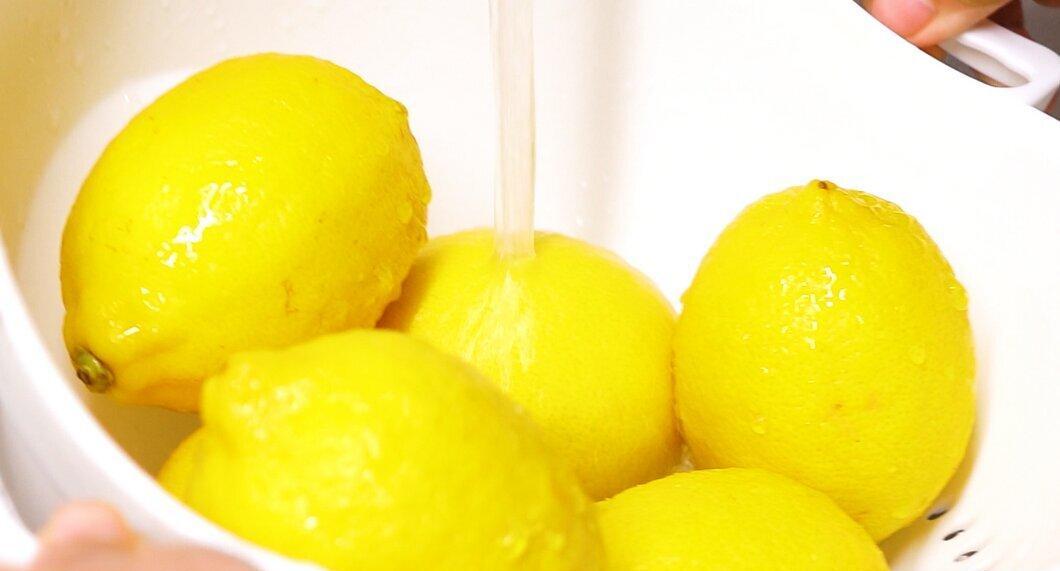
Rinse each lemon thoroughly to remove any remaining wax.
- During rinsing, you can lightly rub the skin with your fingers.
Step 6. Dry the lemons.
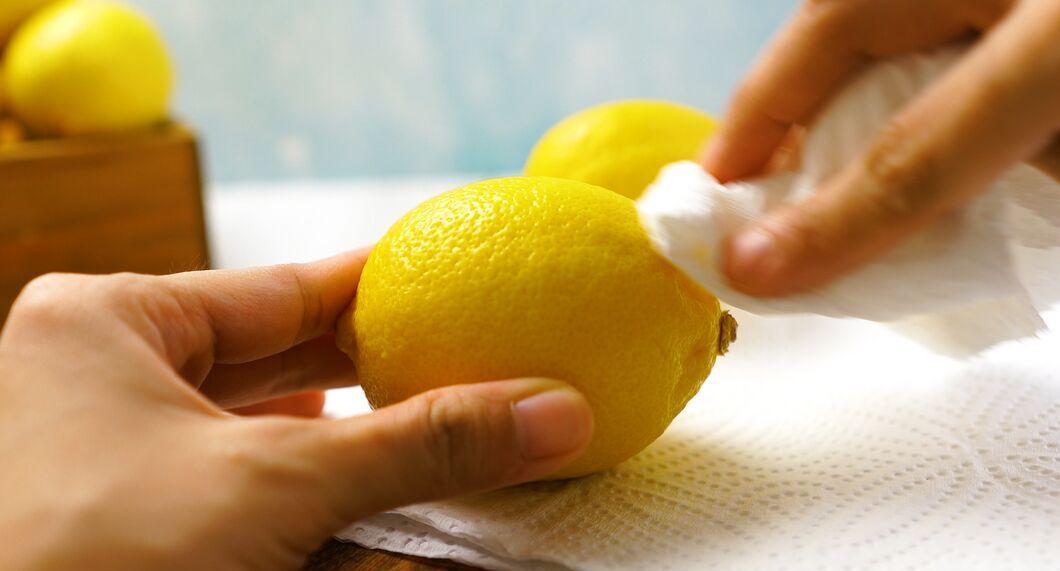
Pat the lemons dry with a clean paper towel to remove moisture from the skin.
- Alternatively, let the lemons air dry on the counter, but store them only after they are fully dry.
Method 2: Microwave
Step 1. Arrange lemons on a microwave-safe plate.
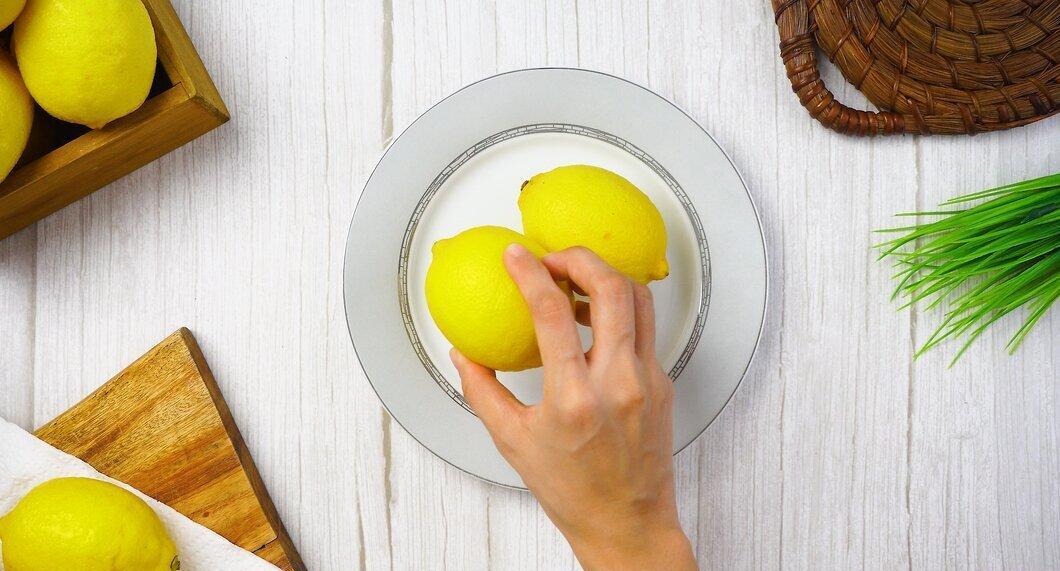
Place the lemons in a single layer on a microwave-safe plate.
- Work with small batches of lemons.
- Don’t overcrowd the lemons to ensure even heating.
Step 2. Heat in the microwave for 10-20 seconds.
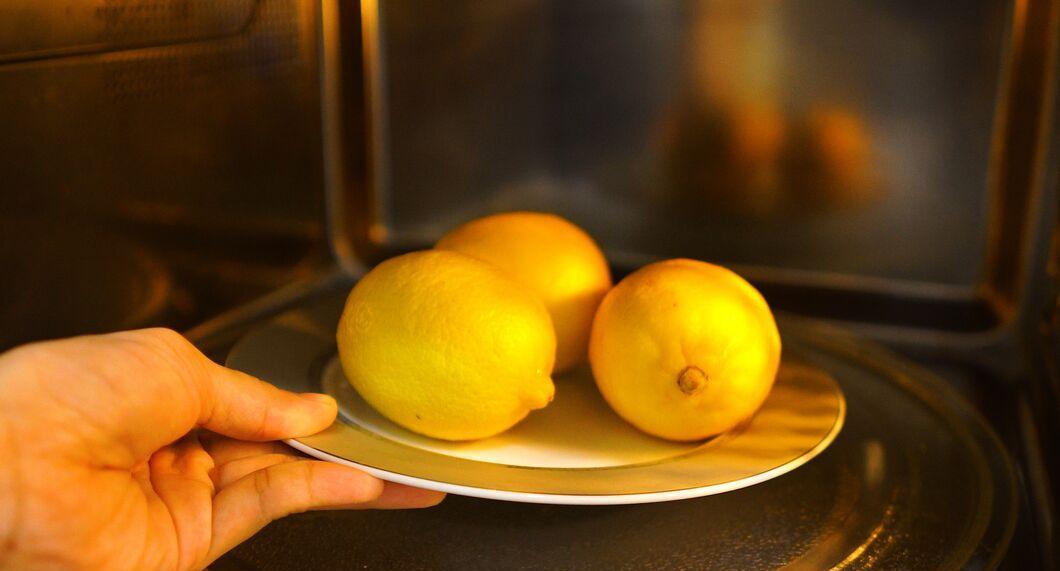
Put the plate in the microwave and set it to high power for 10-20 seconds, depending on the number of lemons.
- For 1-2 lemons, 10 seconds is sufficient; for 3-6 lemons, 20 seconds works best.
- The heat will soften the wax, making it easier to remove.
Step 3. Scrub the lemons under running water.
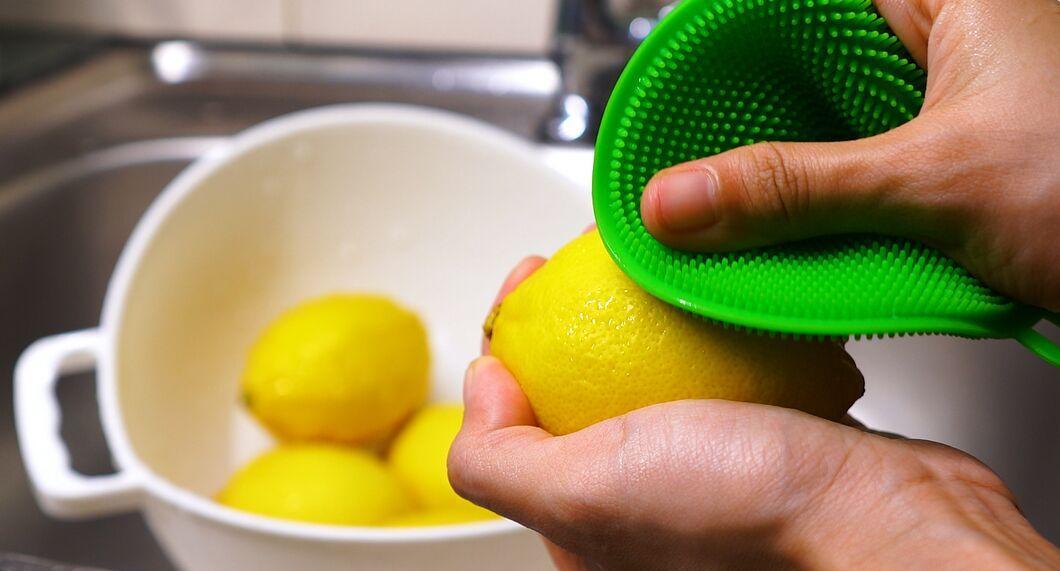
Under cold running water, scrub the lemon skins with a vegetable brush.
- It’s best to clean one lemon at a time.
- Cold water will help cool down any lemons that may have warmed up in the microwave.
- Avoid using a brush that has previously come into contact with soap.
Step 4. Rinse the lemons.
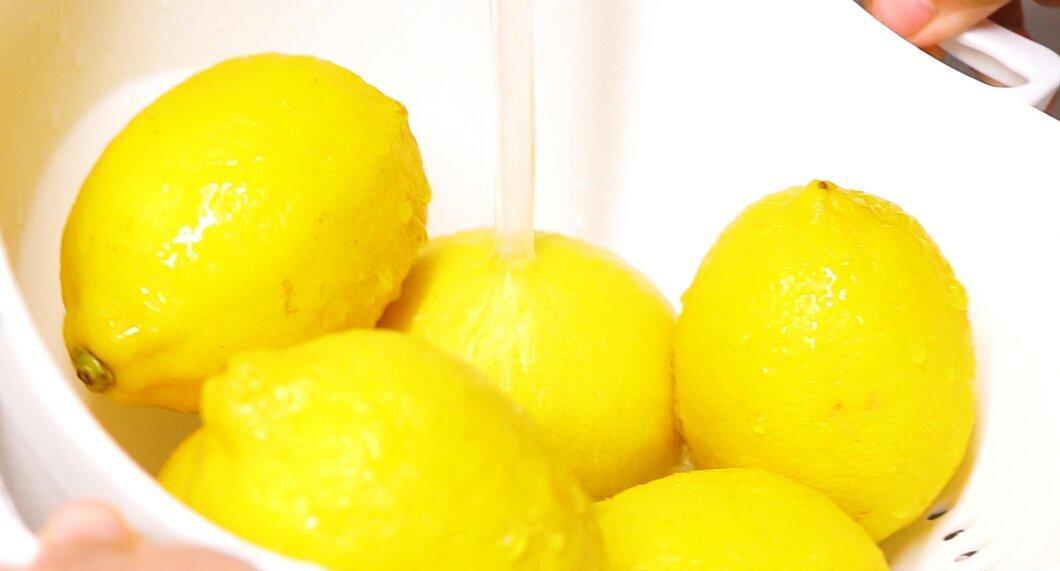
Finish the cleaning process by rinsing the lemons under running water.
- You can rub the skin with your fingers, but do not use a brush at this stage.
Step 5. Dry the lemons.
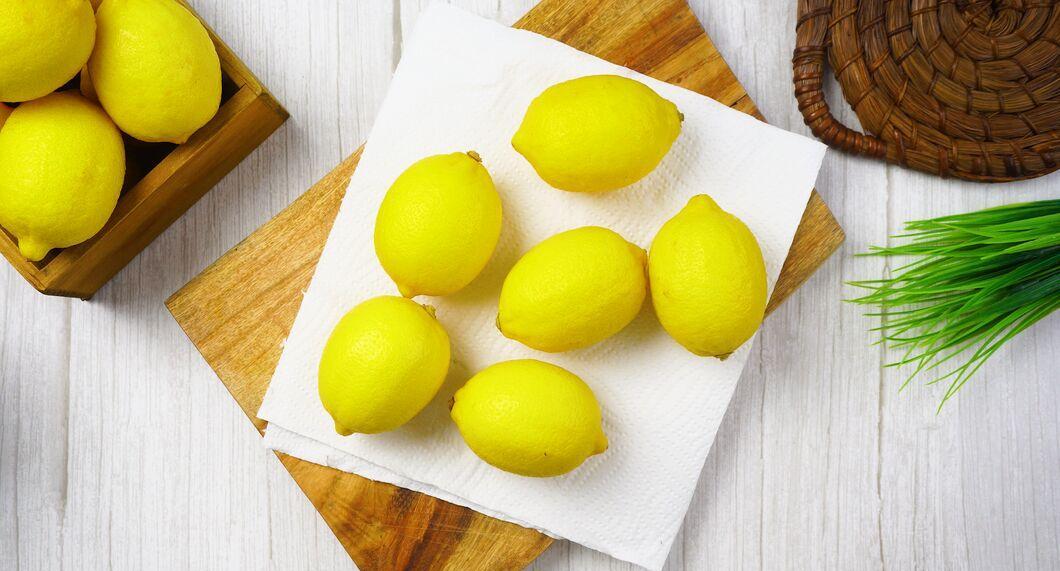
Pat the lemons dry with a clean paper towel after washing.
- You can also leave them on the counter to air dry, but don’t store them until they are completely dry.
Method 3: Fruit and Vegetable Wash
Step 1. Mix vinegar with water.
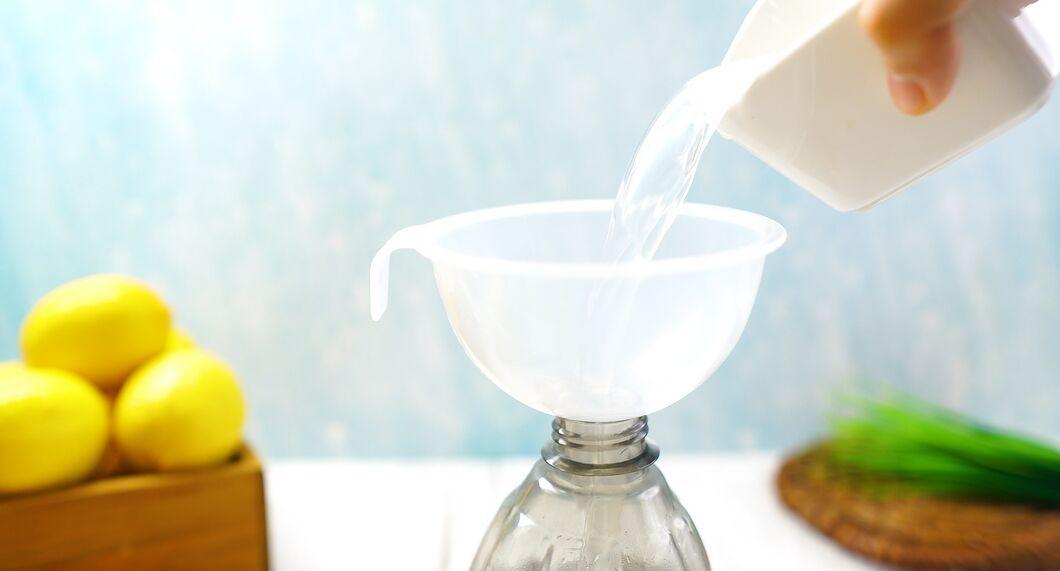
Mix three parts water with one part white vinegar in a spray bottle. Close it and shake well.
- You can also use a ready-made fruit wash.
- Alternatively, mix 1 tablespoon of fresh lemon juice with 1 cup of warm water in a spray bottle.
Step 2. Spray the solution on the lemons.
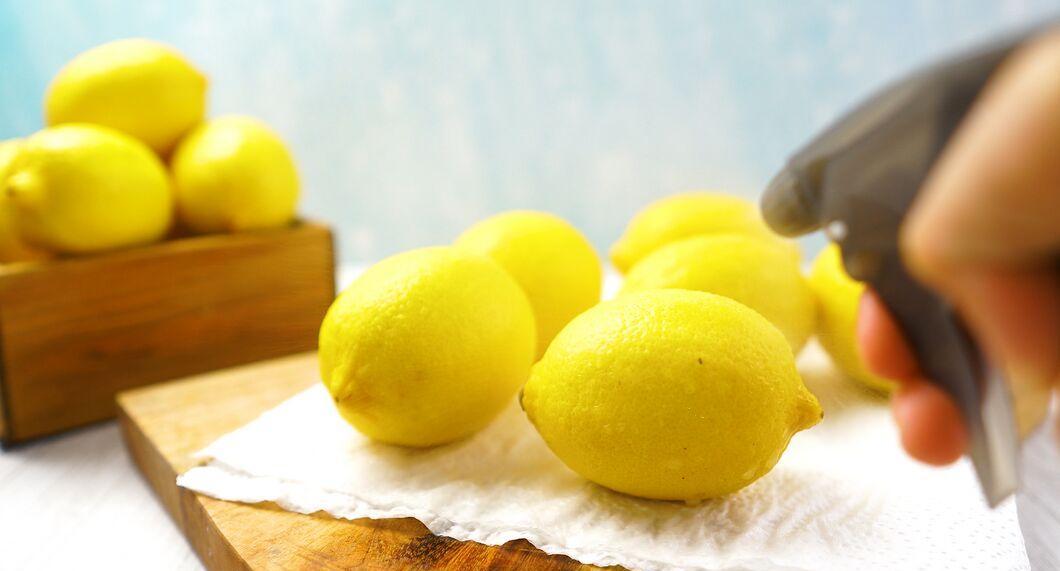
Spray the vinegar solution onto the lemon skins.
- Let it sit for 2-5 minutes for better results.
Step 3. Scrub the lemons under running water.
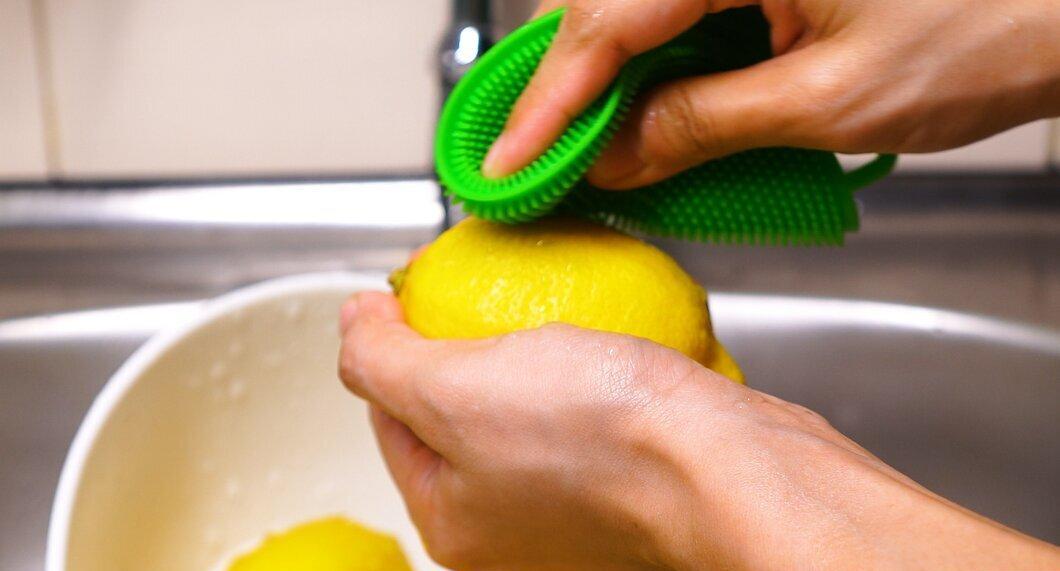
Scrub the lemons under cold running water, carefully using a vegetable brush.
- The water temperature isn’t critical, but warm to cold is preferable.
- Each lemon should be thoroughly cleaned.
Step 4. Rinse under cold water.
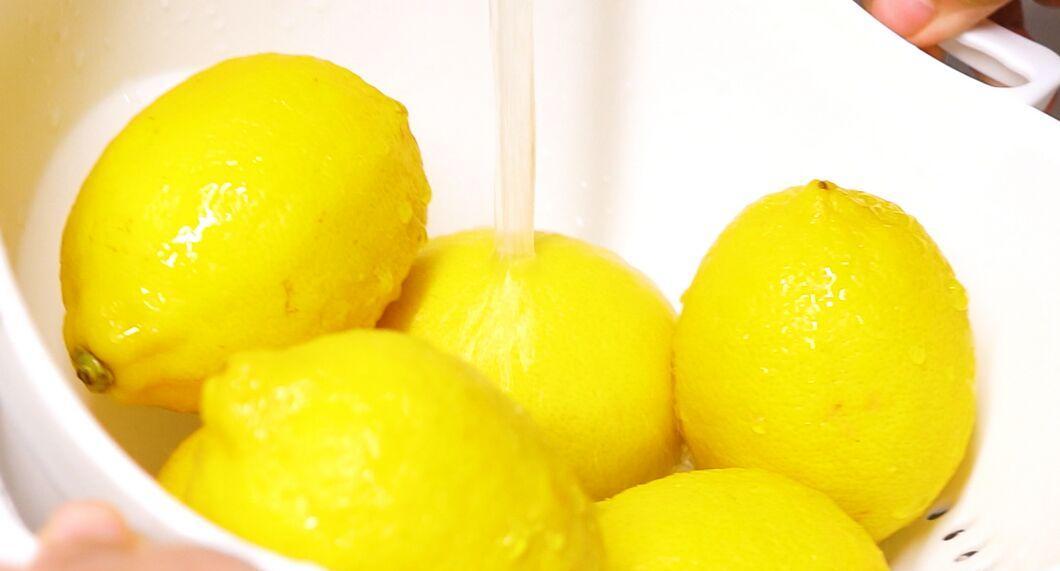
After scrubbing, rinse the lemons under cold water to remove any remaining wax.
- If there’s still wax left, remove it with your fingers.
Step 5. Dry thoroughly.
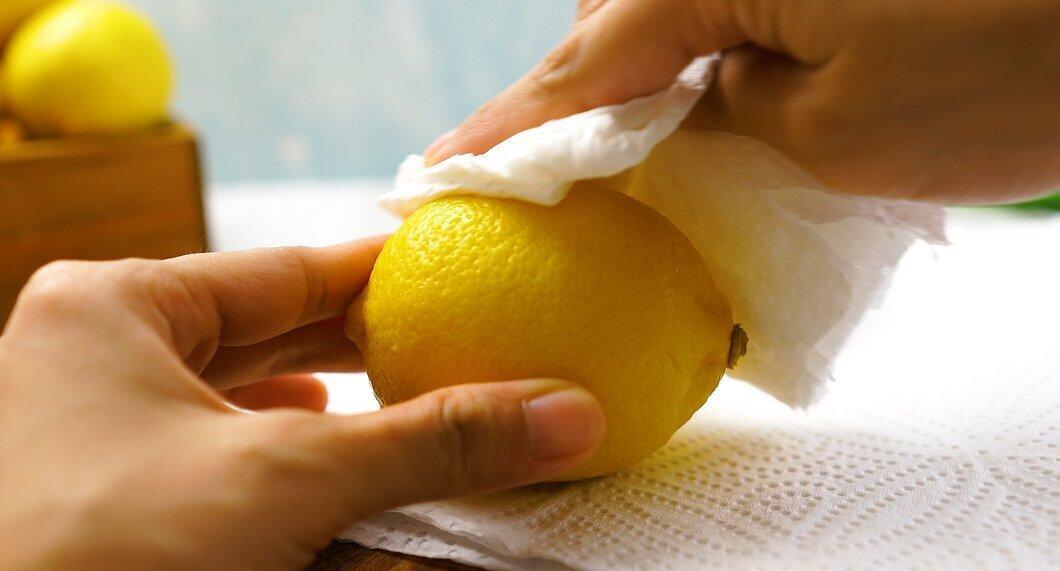
Quickly dry the lemons by patting them with paper towels.
- You can let them air dry, but don’t store them until they are completely dry.