
Feeding snakes live rodents in captivity can be both challenging and unsafe for the owner and the reptile itself. Opting for frozen rodents not only minimizes risks but also makes life easier for both you and your pet, sparing you from witnessing the suffering of small mice. Additionally, this type of food often costs less!
Part 1
Step 1. Thaw the rodent in warm water.
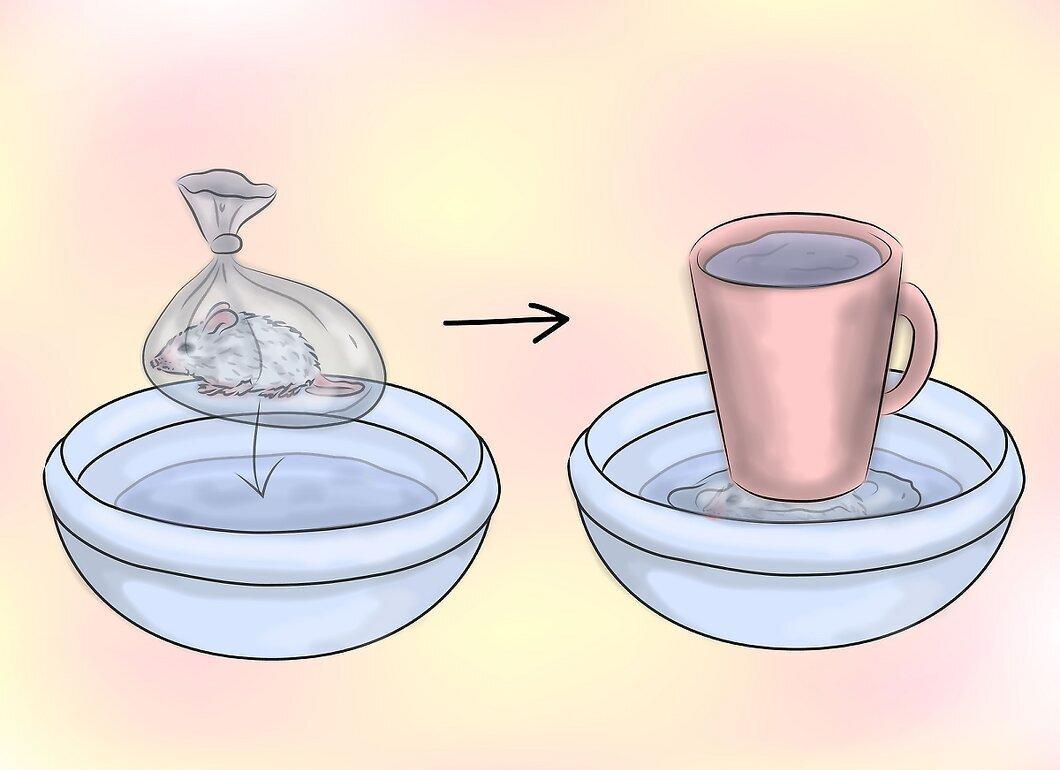
To thaw the rodent, place it in a bowl of warm water. Never use a microwave! While this may seem like a convenient solution, the meat can cook, leading to potential health issues for your snake. Take the frozen rodent out of the freezer and put it in a separate plastic bag. Then submerge the bag in a bowl filled with 3/4 warm water. Place a cup or mug on top of the bag to keep it fully submerged. Leave it there for two hours and don’t forget to set a timer!
Step 2. Remove the rodent when the timer goes off.
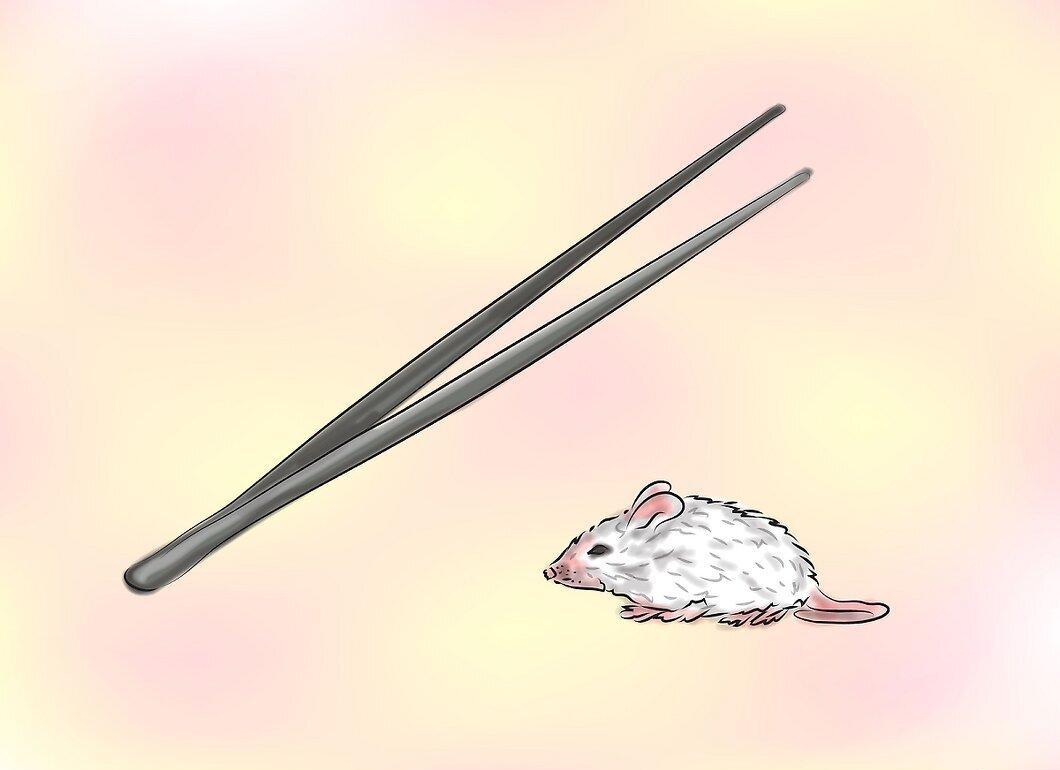
When the timer goes off, take the rodent out of the bowl. Prepare feeding tongs, if you have them, to carefully lift the mouse and keep your hands away from your snake’s hungry mouth.
Step 3. Place the snake in a feeding area.
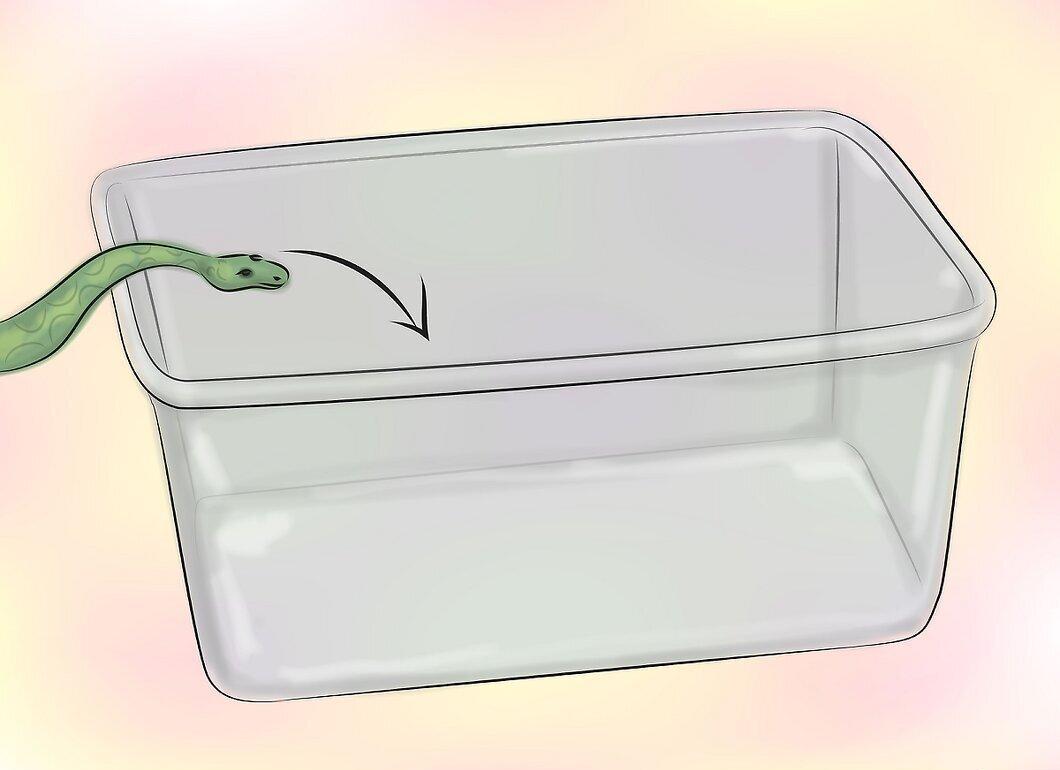
Move the snake to a separate feeding area. It’s recommended not to feed the snake in its terrarium, as this may cause it to associate all objects entering the enclosure with food (including your hands). You can use a bucket with high sides, another container, or even a bathtub for this purpose. Don’t forget to close the drain!
- Remember, some snakes may not like to be handled before or after feeding. If that’s the case, you can feed the snake in its enclosure using tongs or by placing the mouse on a rock or branch in the cage. This will help reduce the risk of bites.
Step 4. Place the rodent near the snake.
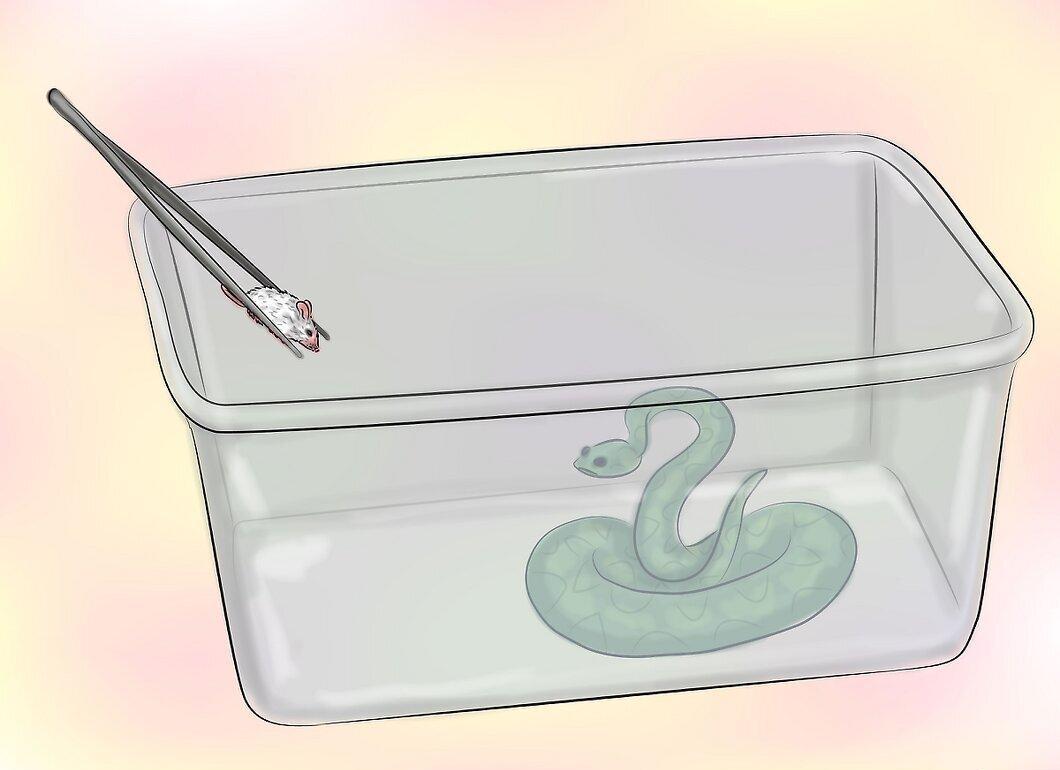
Put the thawed rodent in the area where the snake is. Many snakes will eagerly eat thawed rodents starting about 15 minutes later. If that’s the case, you’re all set — you can return the snake to its terrarium.
Step 5. If your snake is picky or has never eaten dead food, you may need to put in extra effort at first.
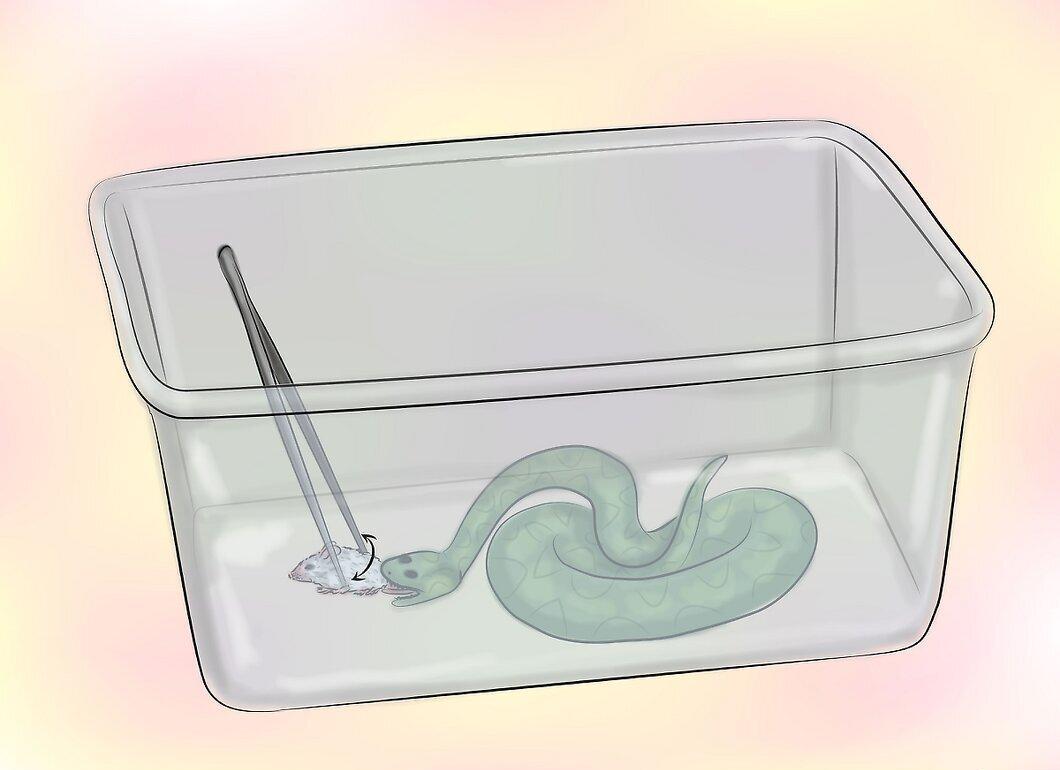
If your snake is fussy about food or has no experience with dead rodents, you may need to work a bit harder to feed it. Try gently wiggling the rodent's tail in front of the snake using tongs to avoid accidental bites. If the snake is afraid of the rodent, move the tail more slowly and keep it at a distance. If the snake assumes a defensive posture but does not strike, gently tap its nose. However, avoid this with ball pythons, as it may scare them and lead to unwanted consequences! With patience, you’ll see the snake seize and constrict the already dead rodent before calmly consuming it.
Step 6. Return the snake to the terrarium and leave it in a warm, dark place to digest.
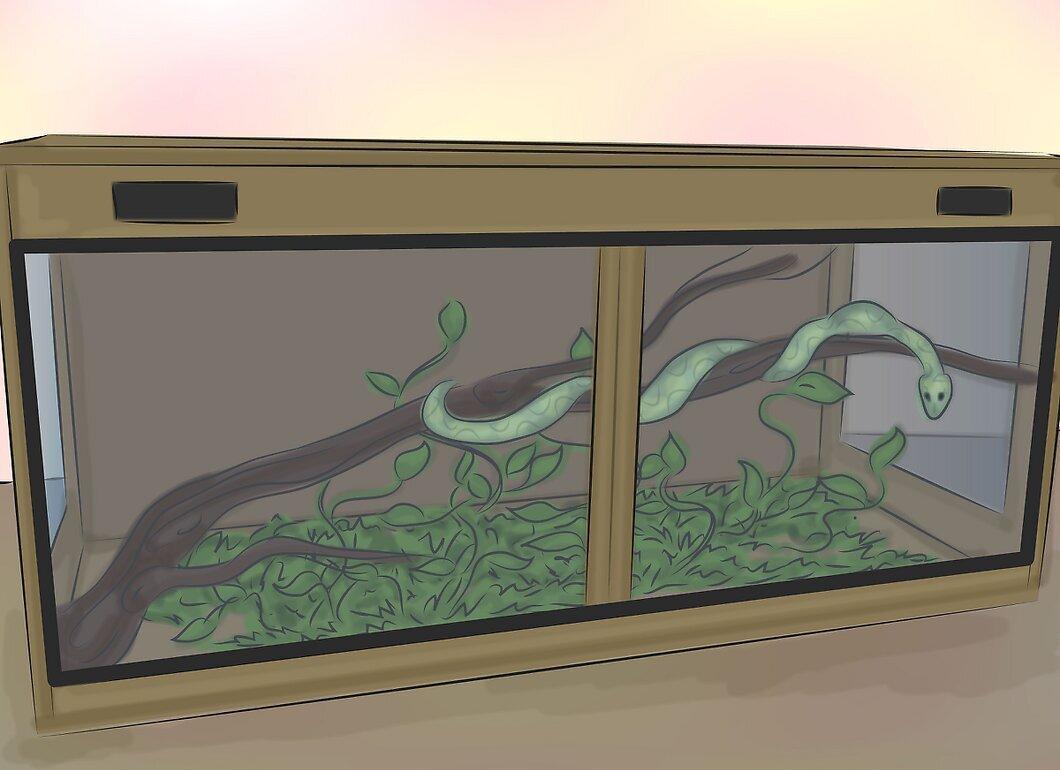
Move the snake back to the terrarium and allow it to digest its food in a warm, dark place. Be cautious when handling the snake, as it may still be in a feeding mode. It’s usually easiest to let the snake come out of its enclosure on its own and then gently pick it up.