Meeting people online is a common occurrence that can bring joy to all involved. However, the first meeting with someone you've connected with online can carry certain risks. Whether you're using social media or dating apps, protect yourself and your personal information from potential criminals. If you want to meet someone safely, hold your first few meetings in public places. Keep them short and always have an exit plan in mind.
Communicating Online
Step 1. Don’t Include Personal Information in Your Profile.
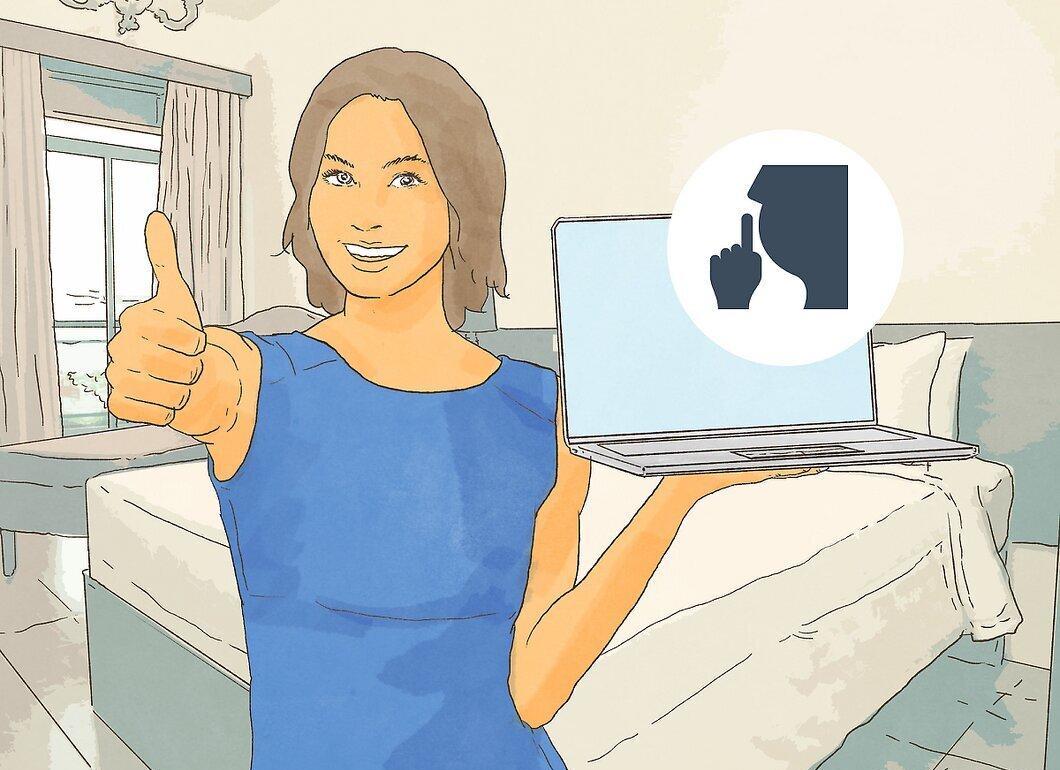
Avoid sharing personal information in your profile. If you want to stay safe online, anonymity is key. You might even consider not using your real name or disclosing where you live or study. You don’t want strangers online knowing too much about you.
- Some dating apps require you to provide your real location to fully utilize their services. If possible, state your location in the broadest terms to access all app features while staying safe. Be very cautious about who you communicate with.
- In some social networks like Facebook, you can create groups for friends and restrict who sees your profile information. For instance, only those who attend the same school can see your school details, while others won't have access to that information.
Step 2. Check Your Privacy Settings.
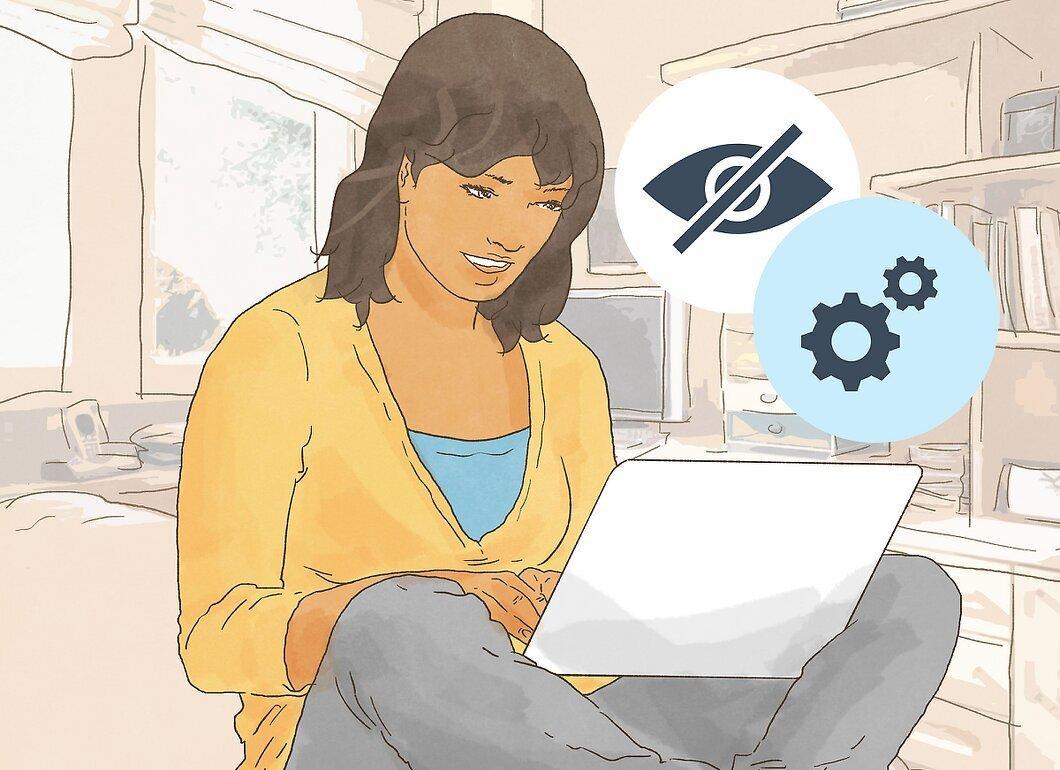
Review your privacy settings. Every social network or dating app has privacy settings designed to protect you. These settings allow you to control who can see specific information about you or what you post.
- If you don’t understand how the privacy settings work, ask a tech-savvy friend to help you set them appropriately.
- Many social networks offer a feature that lets you view your profile from a stranger's perspective. This way, you can ensure you haven’t revealed too much information.
Step 3. Research the People You Meet.
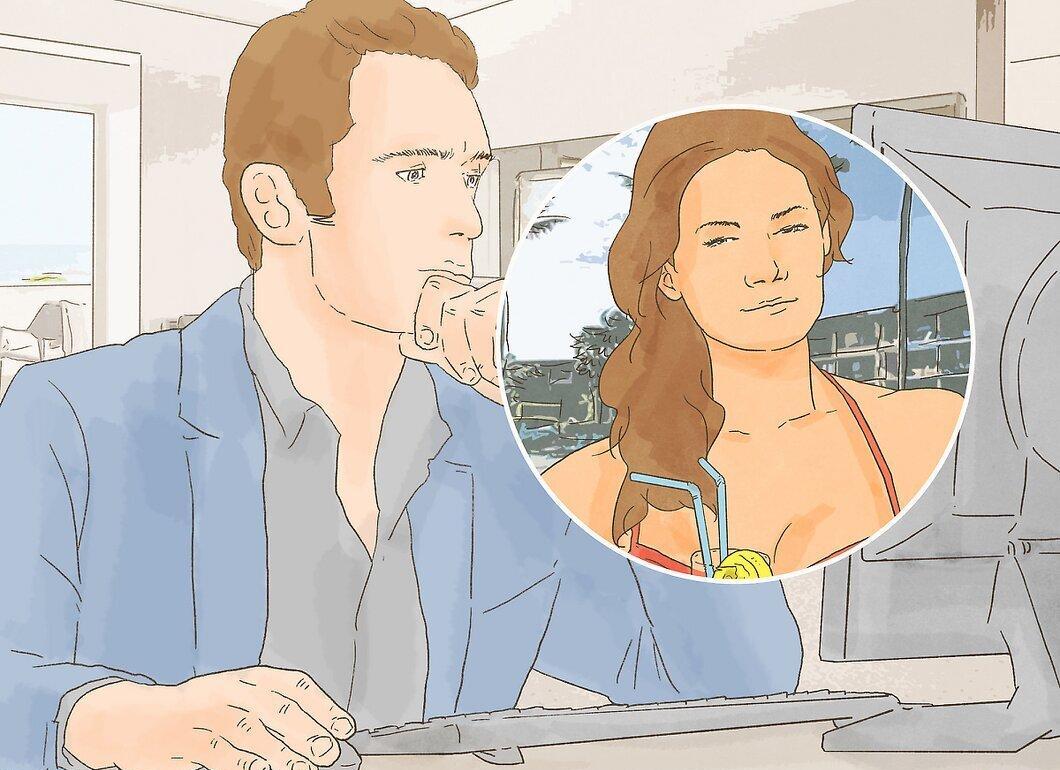
Investigate the people you are connecting with. Once you start regularly communicating with someone, it’s time to do a little research before meeting them in real life. Even if you don’t have much information, there are still ways to spot a scammer.
- Carefully review their profile. If you share mutual friends, reach out to them and ask how well they know this person and if they’ve met them in real life.
- Copy their photos and perform a reverse image search online. This will help you find out if those photos appear anywhere else. If someone is trying to impersonate someone else, they might have malicious intentions.
- Check how long their profile has been active, and pay attention to their comments and interactions with friends or followers. Usually, this is enough to understand if people are acquainted in real life.
Step 4. Don’t Share Personal Information.
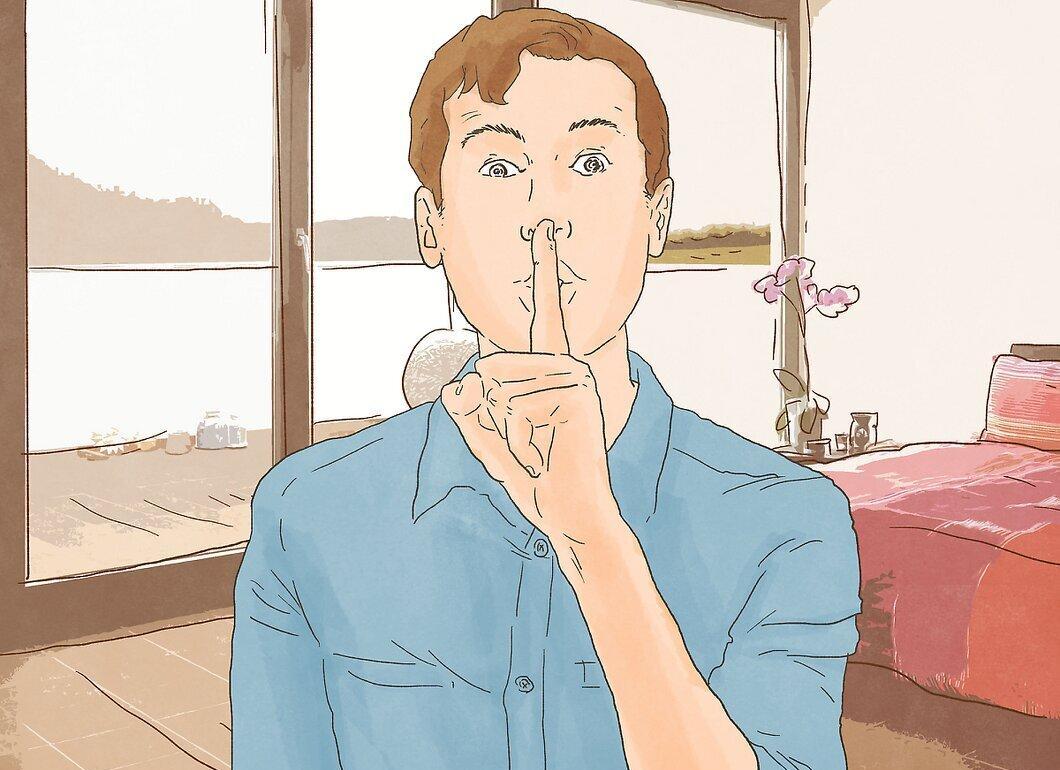
Avoid disclosing personal information. As a rule, you shouldn’t tell anyone too much about yourself until you meet in person. Get to know the person better before revealing your address, date of birth, or life story.
- This can be an optimal approach. If the person is trustworthy, just like you, they won’t share personal information either. While this may make it harder to learn about their background, try to be respectful of the fact that they, like you, are hesitant to share sensitive information.
Step 5. Take Your Time.
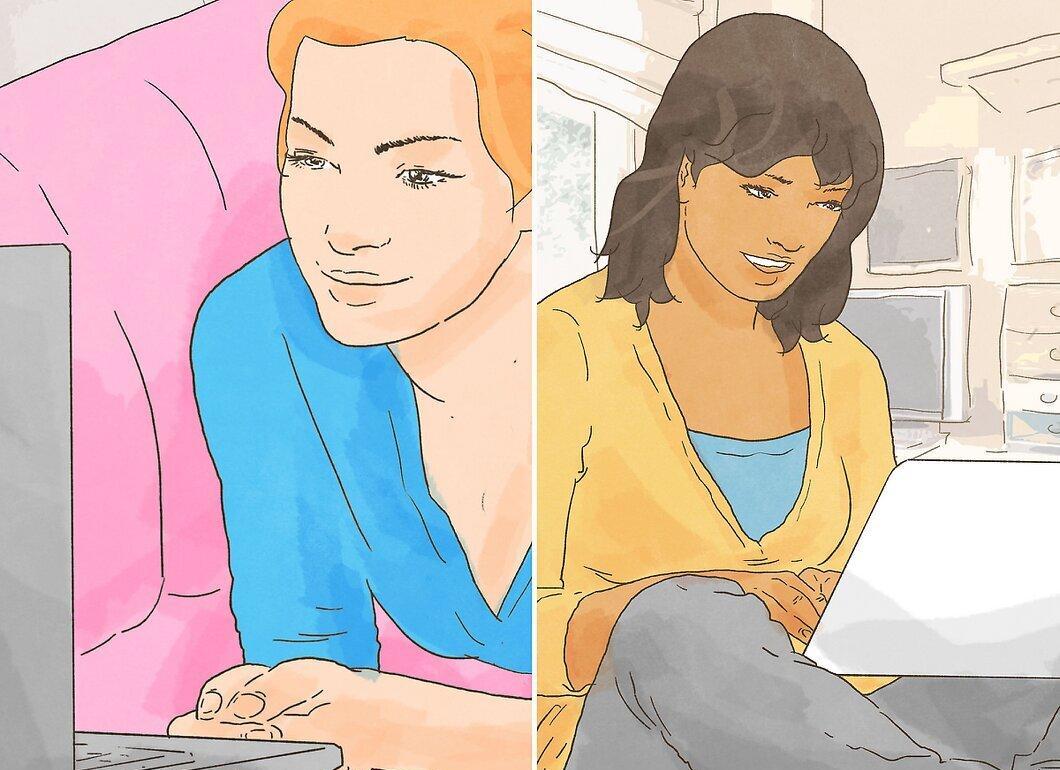
Don’t rush it. While chatting online, it’s easy to divulge too much information about yourself, especially if you’re in constant conversation with someone. Keep your emotions in check and don’t rush things.
- There’s no need for the person to know too much about you until you meet them in person at least two or three times. Try discussing shared interests such as music or movies, and avoid sharing too much about your life or your thoughts and feelings.
Step 6. Trust Your Instincts.
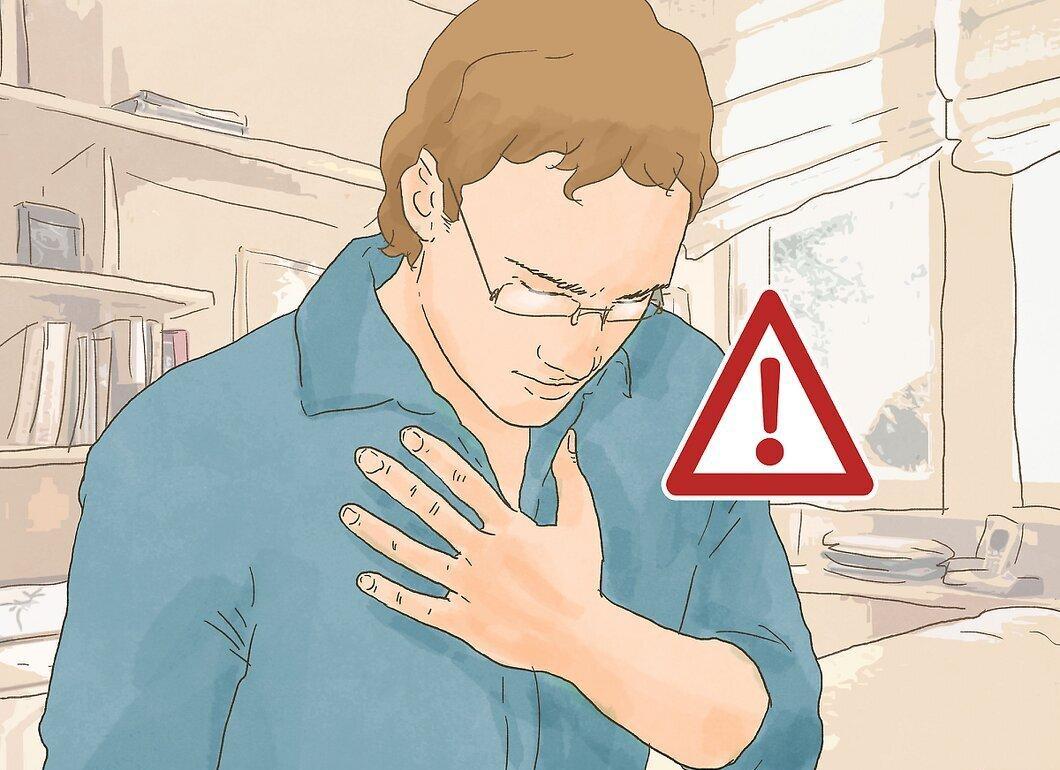
Trust your instincts. In our desire to befriend someone, we might overlook comments or behaviors that typically put us off. Remember that this person is a stranger, and you shouldn’t trust them too much.
- If the person says something that makes you uncomfortable, address it directly. Be honest and don’t let them think you’re okay with something that bothers you.
- If you feel shy about addressing what you find troubling, that alone is a reason to question whether this person can be a friend.
Meeting in a Public Place
Step 1. Choose a Convenient Location.
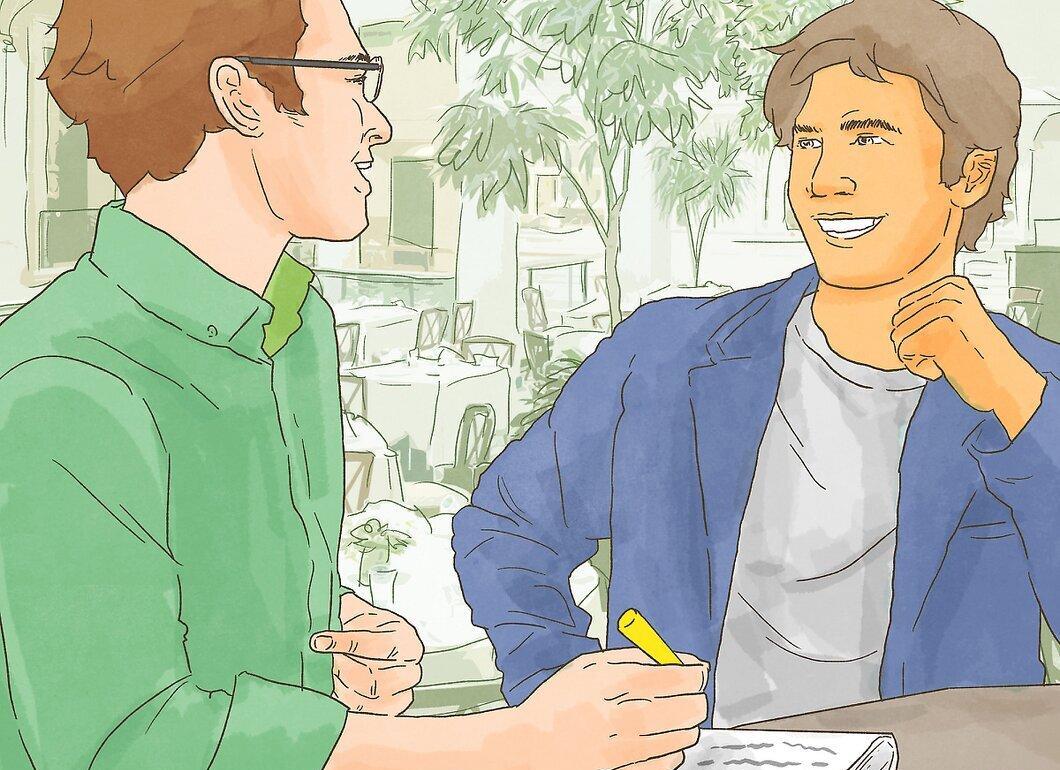
Select a location that is convenient for you. Don’t arrange to meet near your home if you don’t want the person to know where you live. On the other hand, don’t meet someone for the first time in an unfamiliar part of town.
- Most people feel most comfortable in places they’ve been to several times, especially for a first meeting.
- Ideally, pick a place you don’t frequent too often. If something goes wrong, you are less likely to run into this person again.
- Whenever possible, try to plan your meeting during the daytime. If you both are only free in the evening, choose a place that is usually crowded at that time.
Step 2. Talk Before the Meeting.
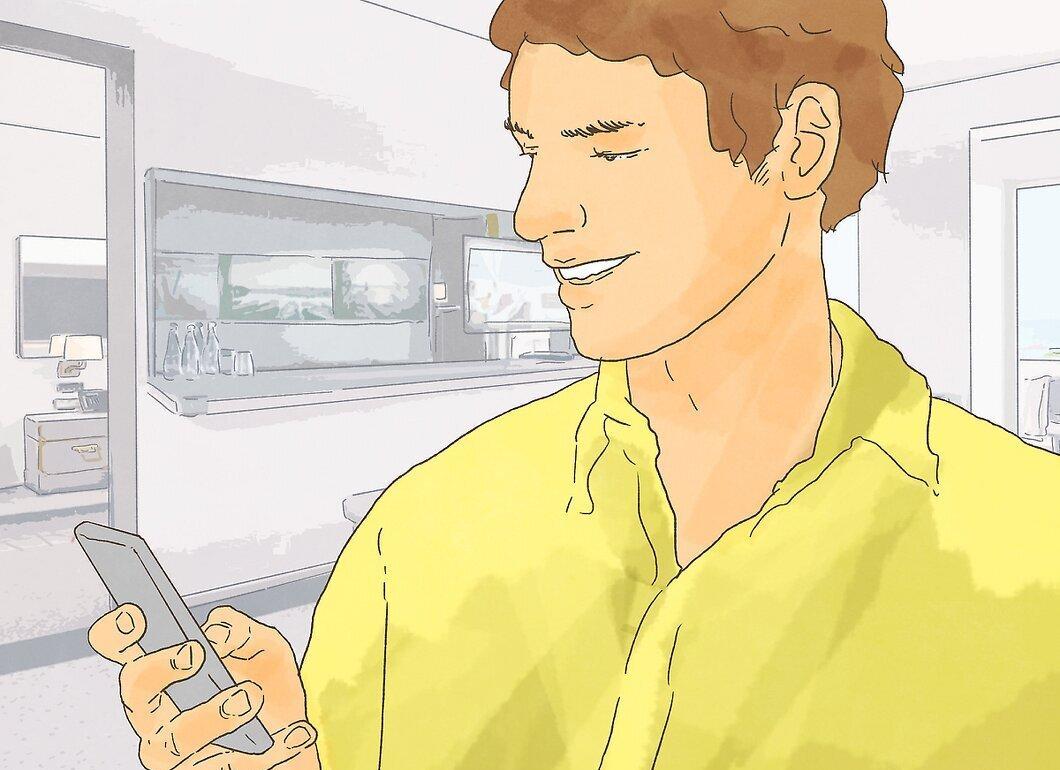
Have a conversation before meeting. Before you meet with someone you met online, make sure they are who they claim to be. The best way to do this is to talk on the phone or via video chat.
- If the person cannot connect with you through video, ask them to take a selfie (a photo of themselves) holding a sign with specific words. This will help you verify that the photo isn’t taken from the internet or that the person isn’t deceiving you about who they are or how they look.
- If your friendship has progressed to the point where you want to meet in person, the person should have no problem with this. If they refuse or come up with excuses, it could be a red flag.
Step 3. Bring a Friend.
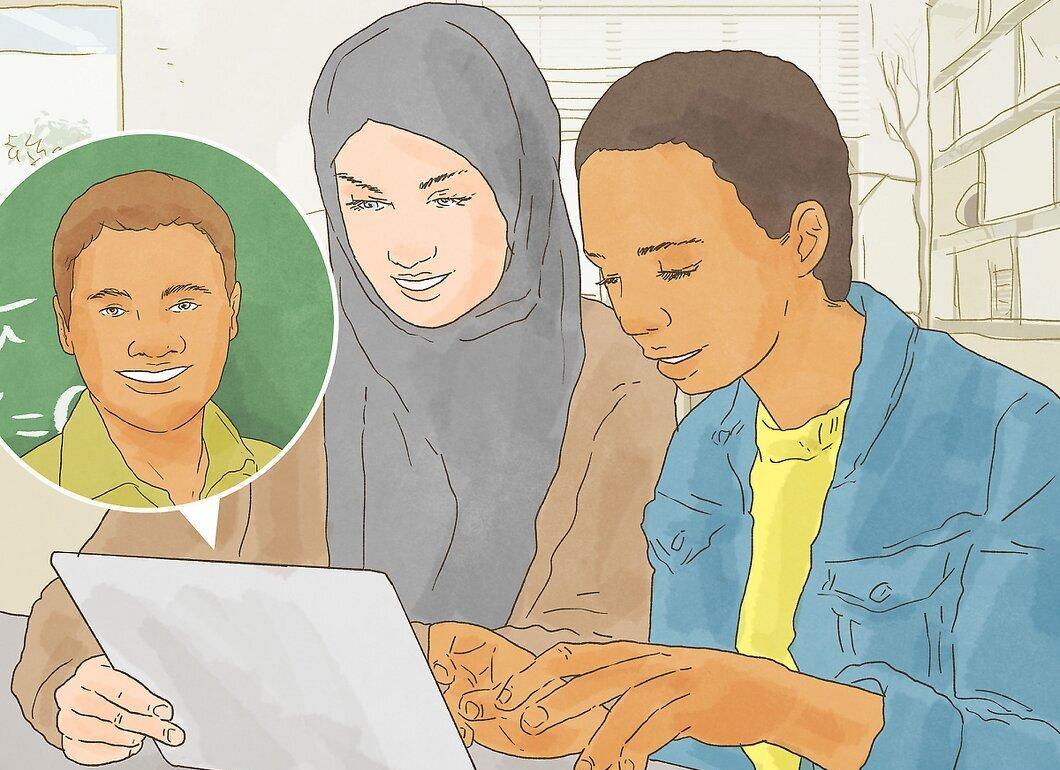
Bring a friend along. If you’re feeling anxious about the meeting, invite a friend or arrange to meet with several friends. If the person is genuinely interested in getting to know you, they won’t mind your desire to have your first meeting in company.
- This is especially important for meetings far from home or in unfamiliar areas. Bring someone who knows the neighborhood.
Step 4. Don’t Drink Alcohol on the First Meeting.
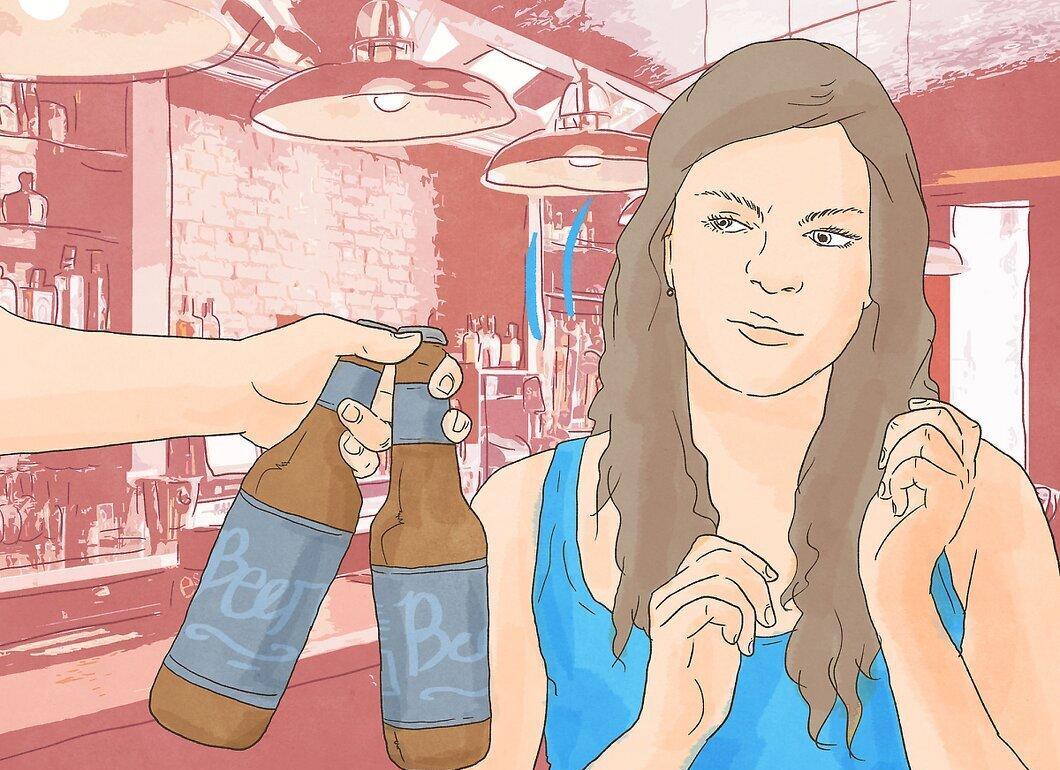
Avoid drinking alcohol on the first meeting. Adults often meet people at local bars or pubs. The problem is that alcohol can slow your reactions and lead to a loss of self-control.
- If you decide to drink, order one low-alcohol drink, such as a light beer. Along with the beer, order a glass of water and sip slowly, alternating between the beer and water.
Step 5. Ask Plenty of Questions.
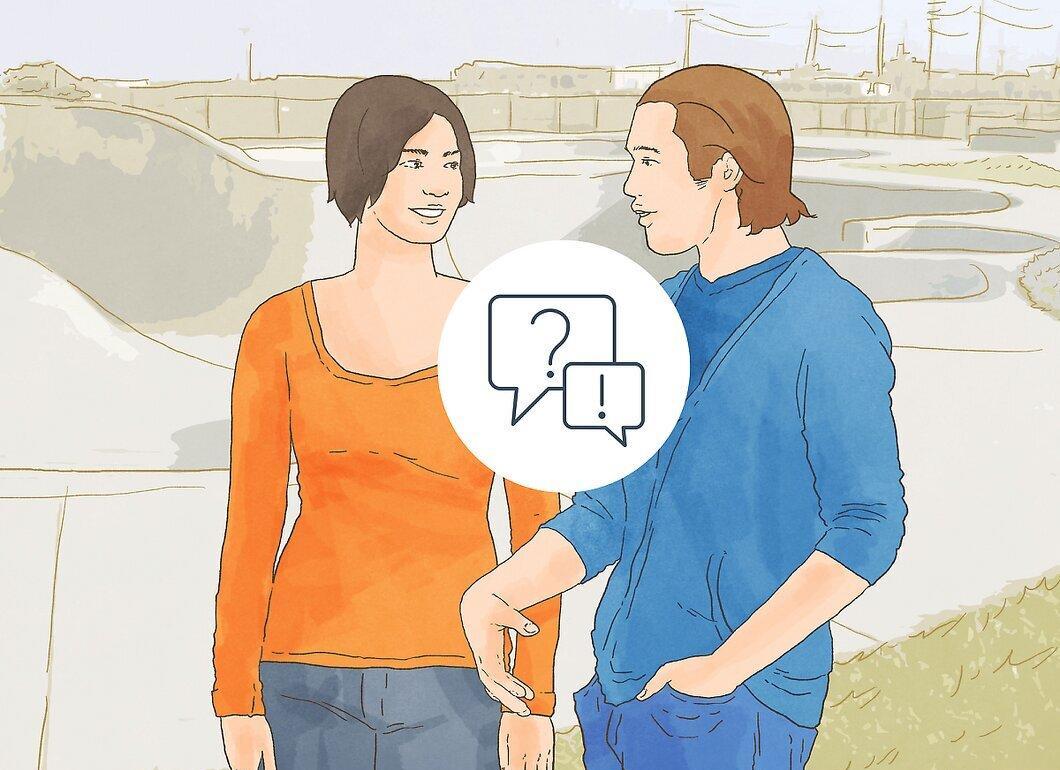
Ask lots of questions. The purpose of a personal meeting is to get to know each other better. Since a person may be more reserved in real life than online, be ready to ask questions to help them open up.
- Refer back to your online conversations to help both of you feel more comfortable. This way, you can connect the person in front of you with previous discussions.
- For example, you could say, “I remember you mentioned that Radiohead is your favorite band. I heard they’re having a concert here in a few months?”
Step 6. Keep the First Meeting Short.

Keep the first meeting brief. For the first meeting, choose a place where you can sit and chat for about half an hour or so (but no longer). This way, if the person doesn’t interest you, you won’t have to spend too much time with them.
- A short meeting will give both of you a chance to assess each other and see if there’s the same connection in real life as there was online.
- Arrange to meet a friend so that you have a reason to leave if the person tries to persuade you to go somewhere else. Remember, an untrustworthy person might try to lure you to a more secluded or isolated place.
Step 7. Keep Your Belongings Close.
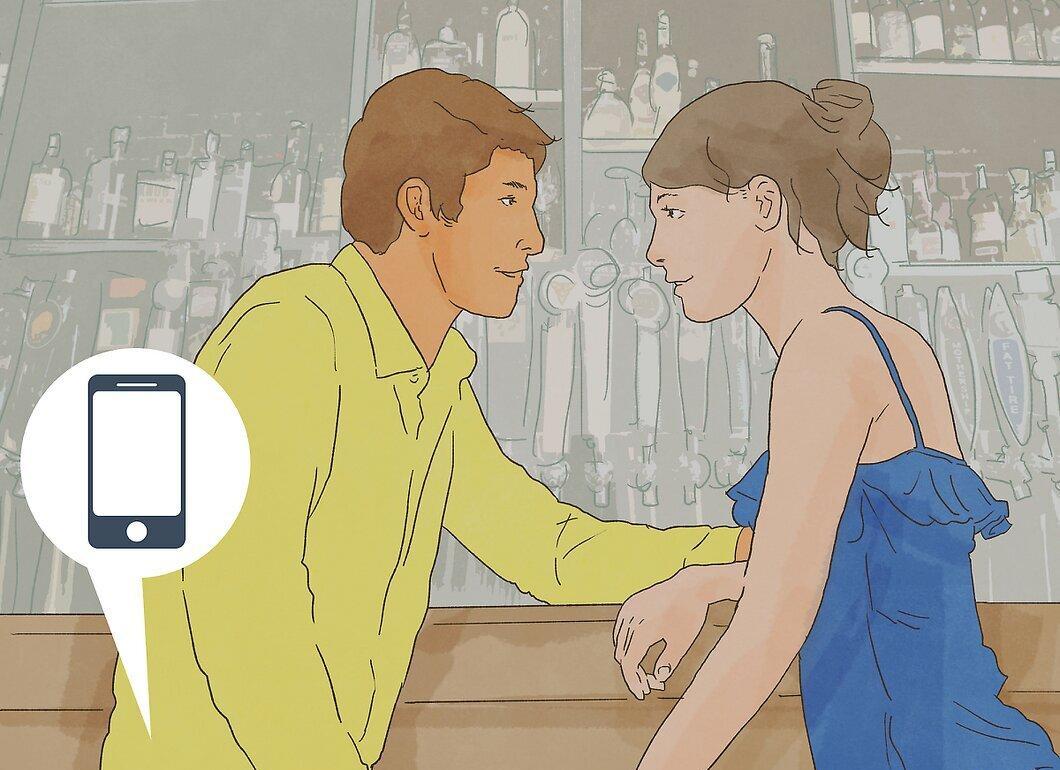
Keep your belongings close. If you need to step away for any reason, such as going to the restroom, don’t leave your bag or phone unattended near this person. Treat them like a stranger and don’t give them access to your personal information.
Step 8. Plan Another Meeting.

Plan a new meeting. If the first meeting goes well, instead of extending it, it’s better to plan another one. This way, you won’t rush things and will maintain control over the situation.
- Suppose the first meeting lasted 20 or 30 minutes; then for the next time, you can spend the same amount of time or a little more together. You might arrange to have lunch together or do something else.
Getting Out of a Difficult Situation
Step 1. Trust Your Instincts.
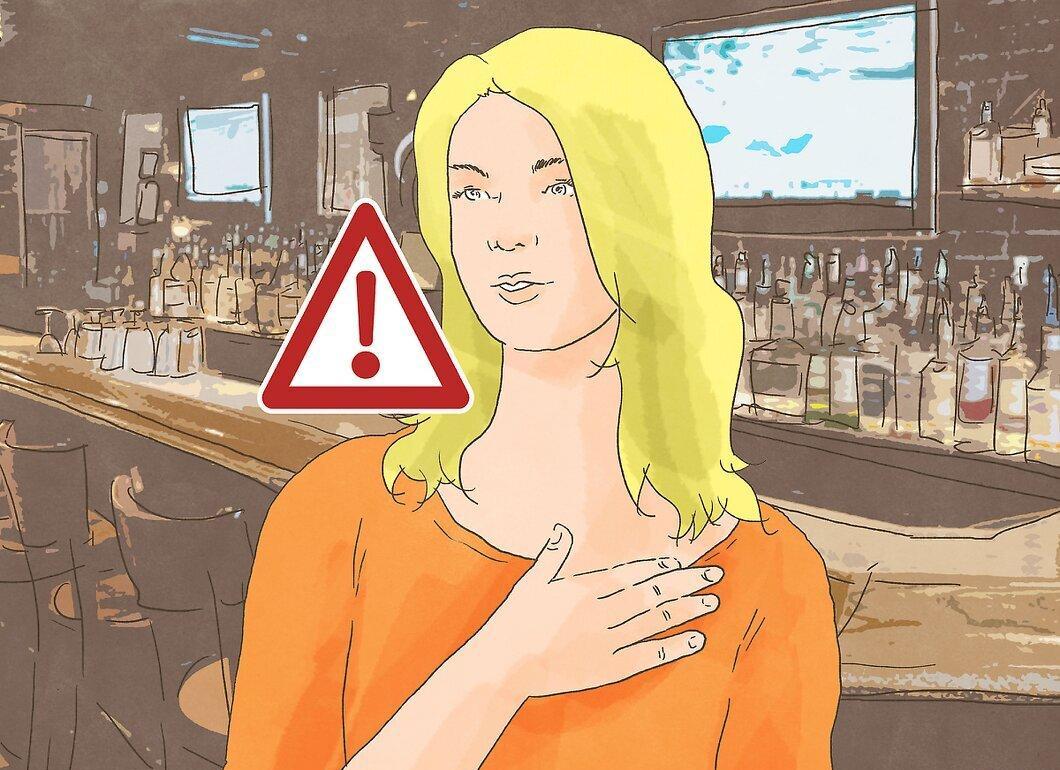
Trust your instincts. Even if everything seems fine and the person appears nice, you may still feel that something is off. Don’t ignore that feeling. If you don’t feel safe, leave as quickly as possible.
- You owe no one anything. If you feel the need to leave, just go, especially if you think your safety is at risk. Step out to the restroom, call a nearby friend, and ask for help.
- You can also talk to a staff member at the venue. Explain your situation, and they may be able to assist you.
Step 2. Have an Exit Plan in Mind.
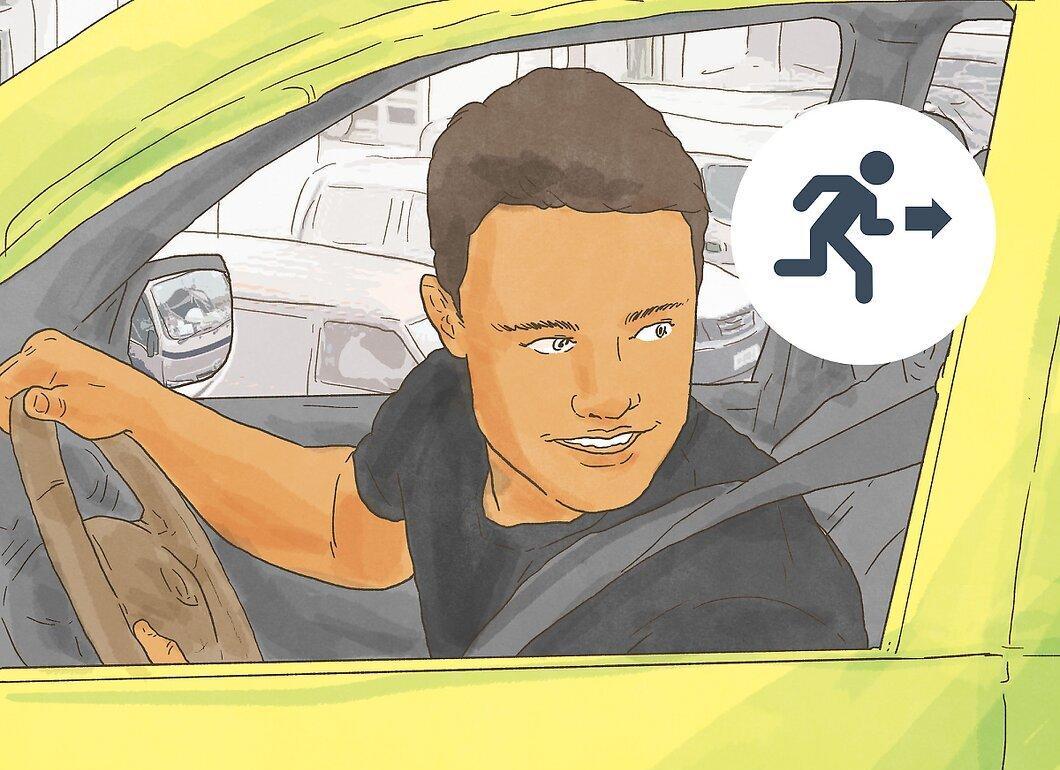
Think through an exit plan. Before your meeting, consider several ways to quickly get out of the situation if something goes wrong. Your mode of transportation should play an important role in this.
- If you have your own car, it’s best to arrive in it and park as close as possible. Avoid going to places where you could potentially be blocked from getting to your vehicle.
- If you don’t have a car or rely on public transport, think of several options for getting out.
Step 3. Arrange with a Friend to Text or Call.
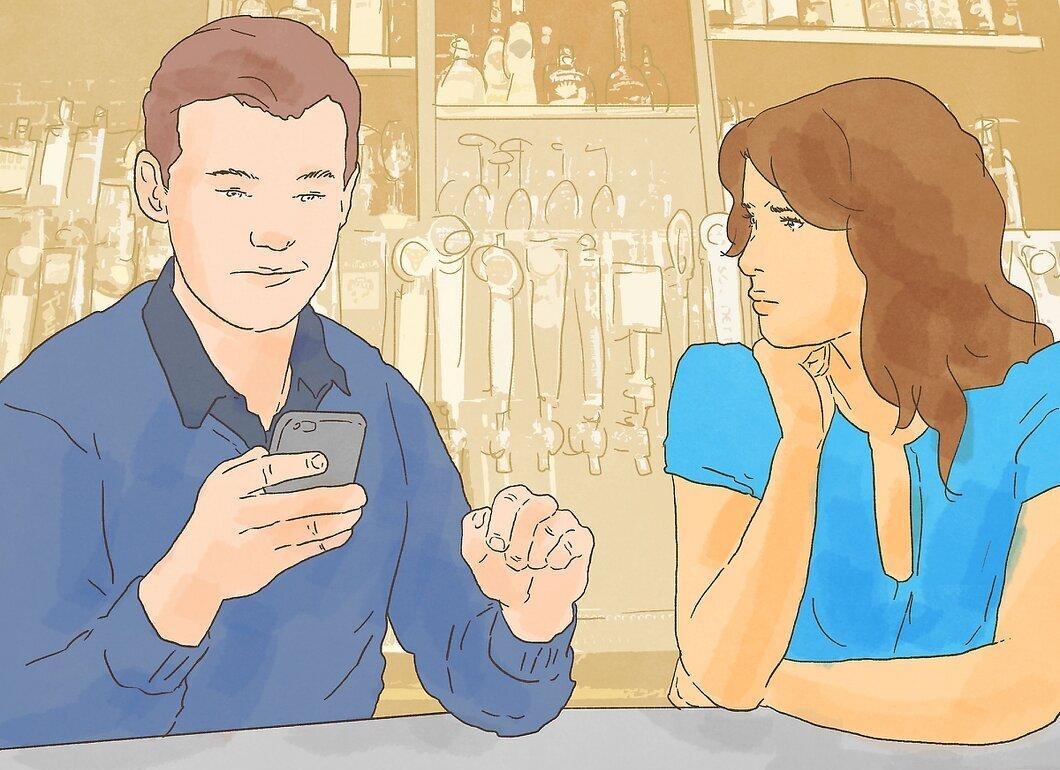
Set up a friend to contact. Always inform a few people of where you are going and when. Ask a friend to check in on you during the meeting so you can alert them if anything goes wrong.
- Keep your phone with you, on sound or vibrate, so you don’t miss a call or text from your friend.
- You could also ask a friend to casually walk by, pretending to run into you. Only do this if you and your friend can act naturally.
Step 4. Report Any Threatening or Dangerous Behavior.
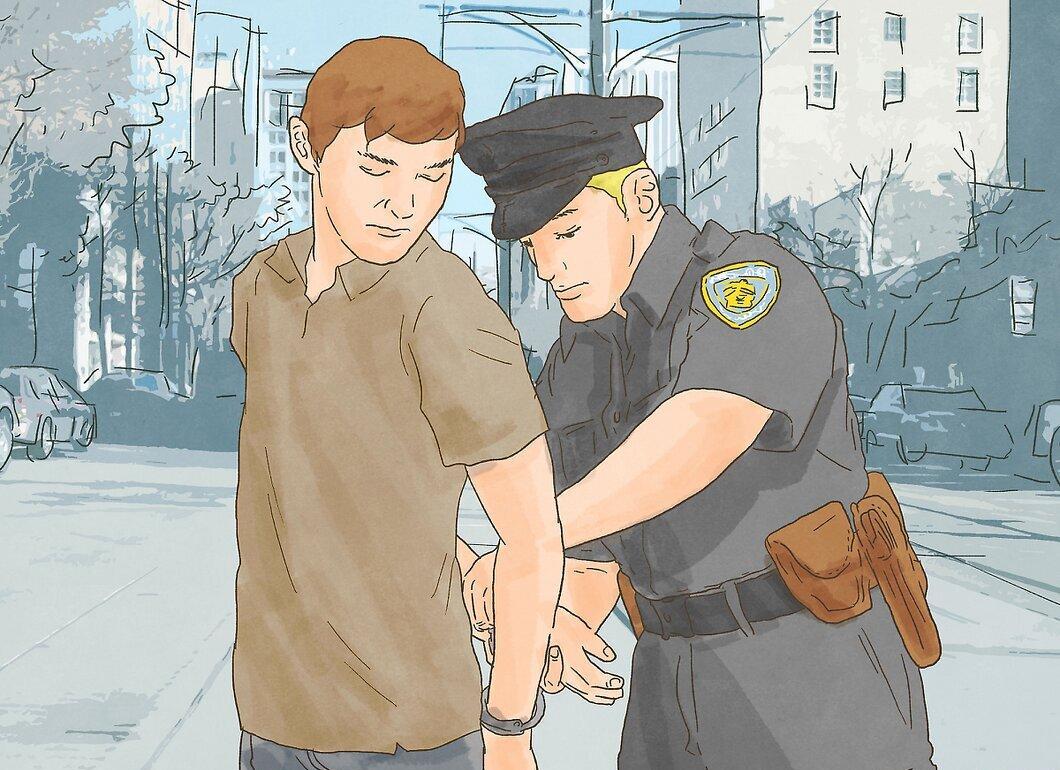
Report any threatening or dangerous behavior. If the meeting turns out to be bad and the person poses a threat, file a report with the police and inform the social media platform or dating app where you met.
- If you report it on the website or app, that person's profile may be blocked.
- You can also block them so they can’t see your profile or contact you again.