A sticky trap is a type of trap used to catch mice, rats, and other rodents. It consists of a flat base covered in a very sticky adhesive, posing risks to children, pets, and wildlife alike. If not rescued, small animals caught in a sticky trap will suffer a long and painful death due to exhaustion, starvation, dehydration, injury, and external factors. Fortunately, if you find a mouse or another animal in the trap, there is a fairly simple way to free it: you'll need to use vegetable oil to loosen the adhesive.
Safe Mouse Release
Step 1: Wear Gloves
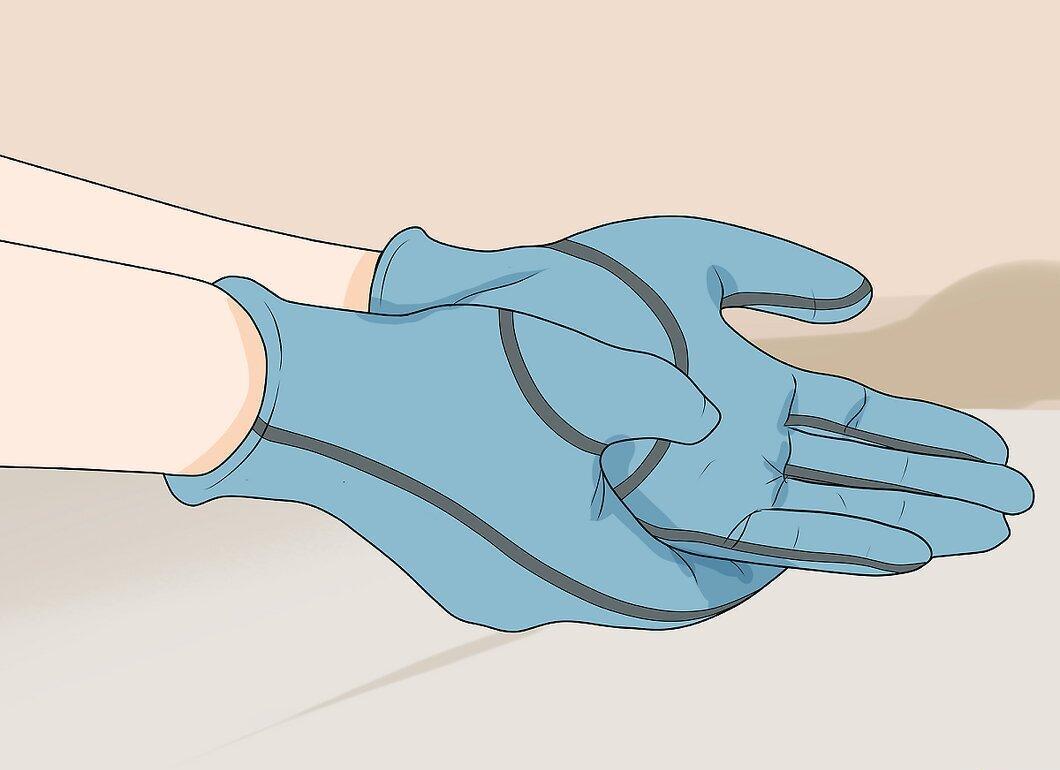
Wear gloves. Rodents can carry many dangerous diseases that they can transmit to humans. To protect yourself from bites, scratches, and infections, be sure to wear a pair of sturdy gloves.
- Work gloves, rose gardening gloves, or durable leather gloves are suitable for this task.
Step 2: Place the Mouse in a Container
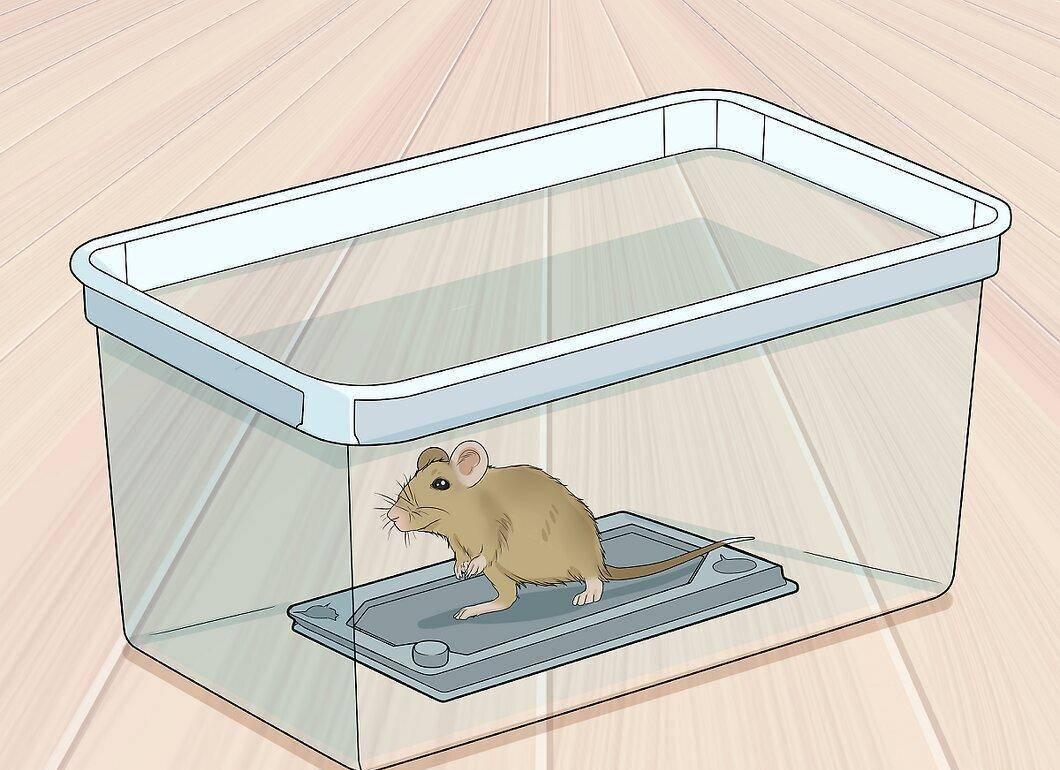
Place the mouse in a container. Lift the trap with the mouse and gently move it to a clear plastic container or box. The container should be larger than the sticky trap, and its depth should be at least 4 inches (10 cm).
Step 3: Cover the Mouse with a Towel
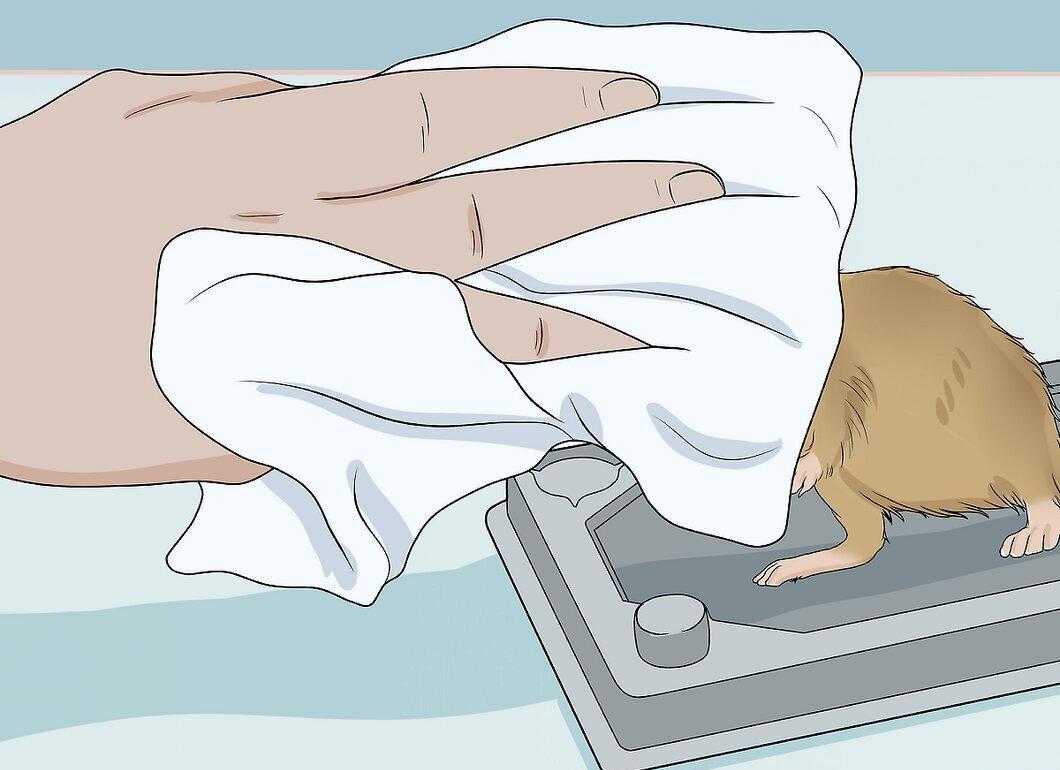
Cover the mouse with a towel. Take an old cloth or towel that you won't mind discarding later. Carefully place the towel over the mouse's head to calm it down. Place your hand on the mouse's back and hold it while you free it.
Step 4: Pour Vegetable Oil on the Trap
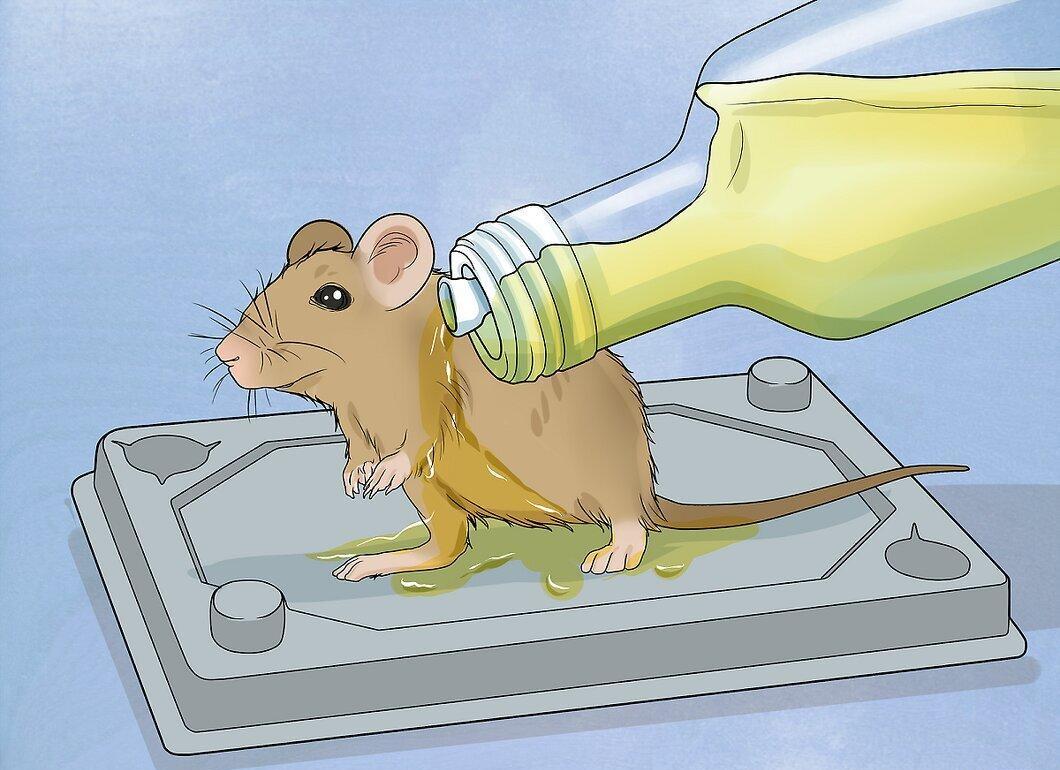
Pour vegetable oil on the trap. Pour oil on the area where the mouse is stuck. Use as little oil as possible and try not to pour it directly on the mouse. Use a cotton swab or cloth to work the oil into the adhesive.
- While liquid vegetable oil is ideal for this job, if you don’t have any on hand, you can use cooking spray or baby oil. [3] X Trusted Source The Humane Society of the United States Go to source
Step 5: Free the Mouse
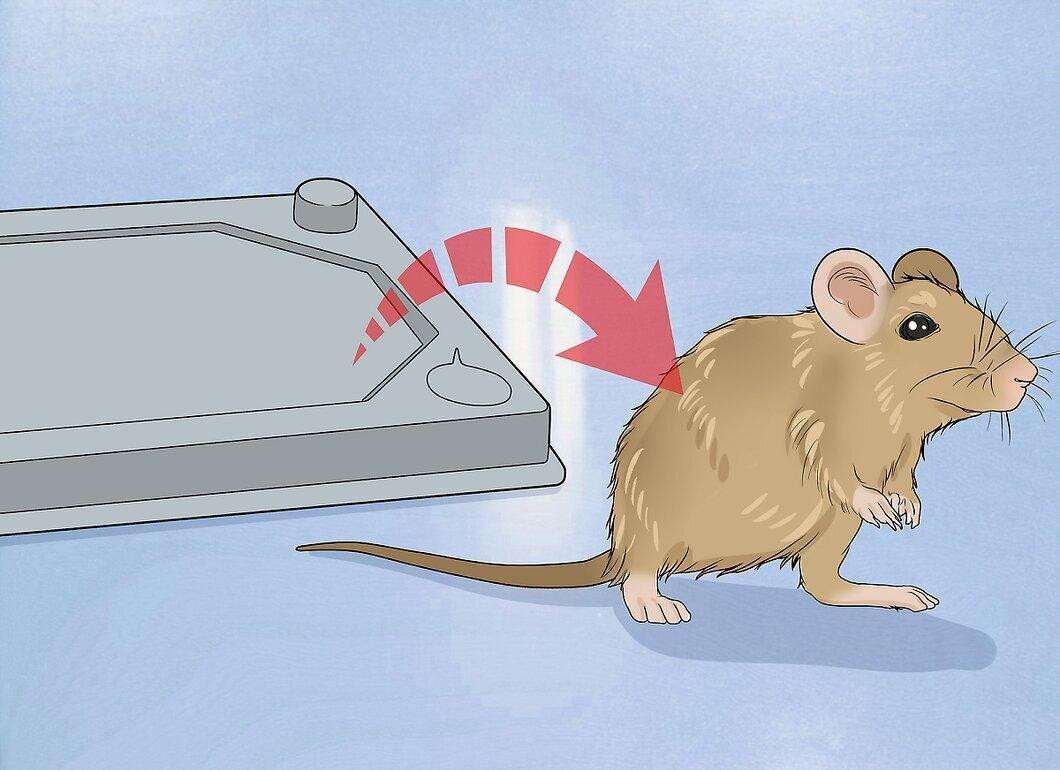
Free the mouse. Continue to rub the area around the mouse for a few minutes. After a while, the adhesive will start to lose its properties, and the mouse will be able to break free from the trap. Once the mouse is free, remove the trap from the container.
- Place the trap in a plastic bag and seal it before disposing of it in the trash.
Step 6: Wipe Off Excess Oil
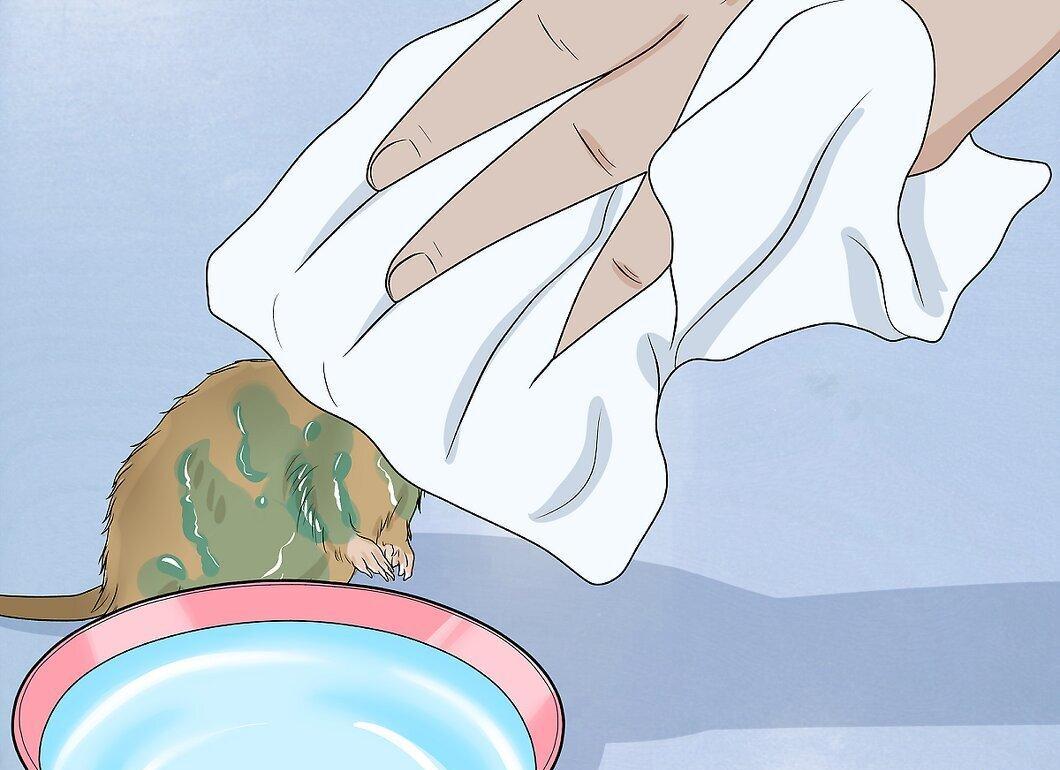
Wipe off excess oil. Soak an old cloth in warm water, then wring it out. Use the cloth to wipe any remaining oil from the mouse's paws, head, and body.
- Since oil negatively affects the mouse's ability to regulate its body temperature, wipe it off as thoroughly as possible. [4] X Trusted Source The Humane Society of the United States Go to source
Step 7: Let the Mouse Rest
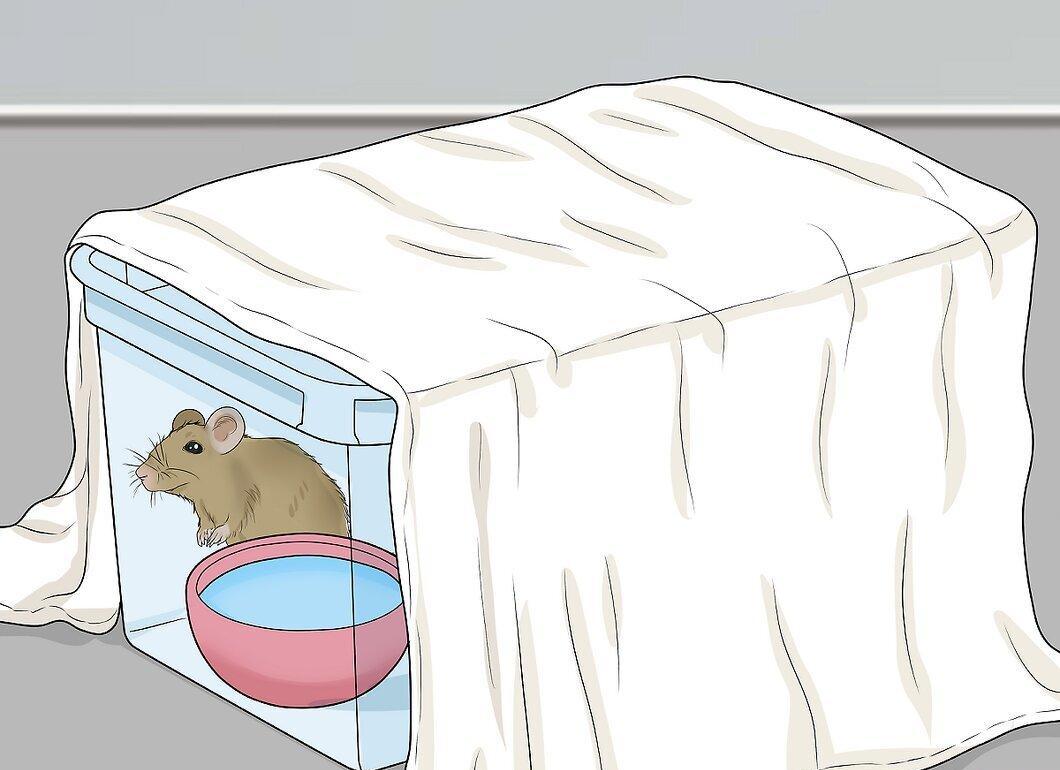
Let the mouse rest. Place a small bowl of fresh water in the container with the mouse. Cover the container with a towel to create a dark, warm, and calm environment. Allow the mouse at least an hour to rest and relax.
Step 8: Call a Wildlife Rehabilitation Center or Veterinarian
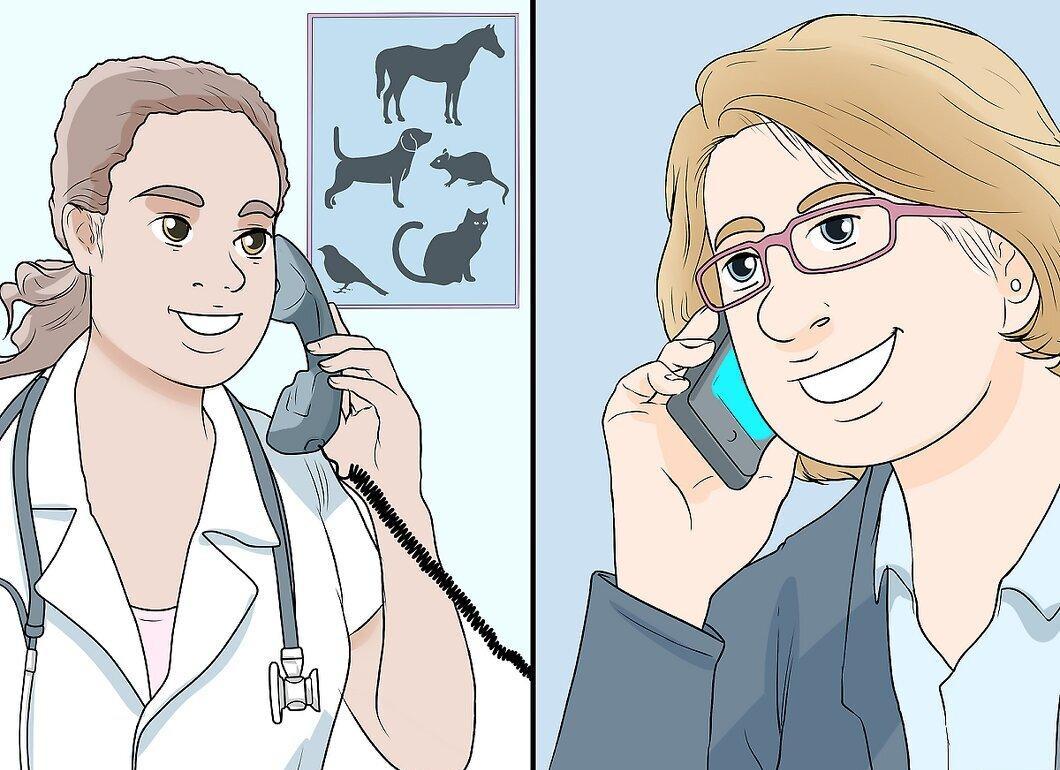
Call a wildlife rehabilitation center or veterinarian. The mouse should be taken to a specialist for further care. If you are unable to take the mouse to a rehabilitation center or veterinarian, ask the specialist about the following:
- how to clean the mouse of oil,
- how to care for the animal,
- how to return the mouse to the wild.
Releasing the Mouse Back to the Wild
Step 1: Choose a Nearby Area

Choose a nearby area. If you cannot take the mouse to a specialist, find a suitable place to release it. If you caught a wild mouse near your home, release it within 100 meters of where it was found.
- Release the mouse nearby so it is in familiar territory and can find food, water, and shelter.
- Ideally, the animal should be released in a nearby park, forest, field, or green area.
- In winter, keep the mouse in a shed or garage until the weather improves.
Step 2: Carry the Mouse to the Selected Location
Carry the mouse to the selected location. Cover the container with the mouse with a towel and carefully carry it to the chosen area. Try to shake the container as little as possible to avoid disturbing or frightening the little creature.
Step 3: Release the Mouse
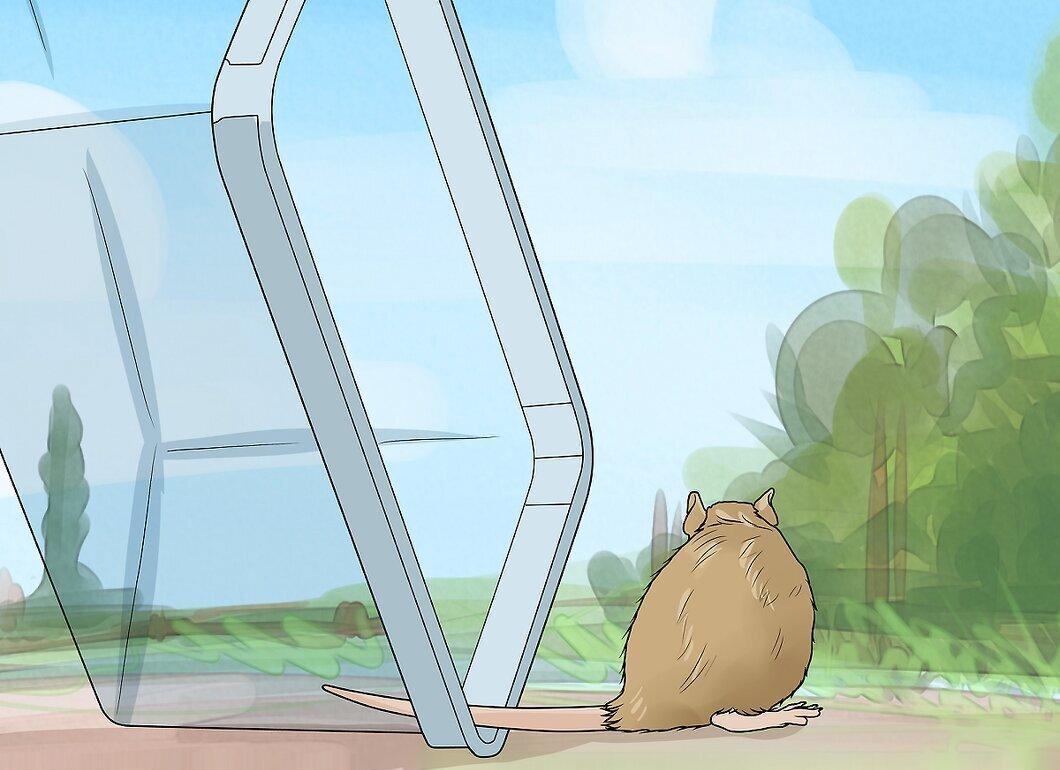
Release the mouse. Place the container on the ground near some bushes, logs, tall grass, or other cover so the mouse doesn’t have to search long for a hiding spot. Remove the towel, gently tip the box on its side, and step back a few paces. When the mouse feels safe, it will leave the container to seek shelter.
Step 4: Disinfect Used Supplies
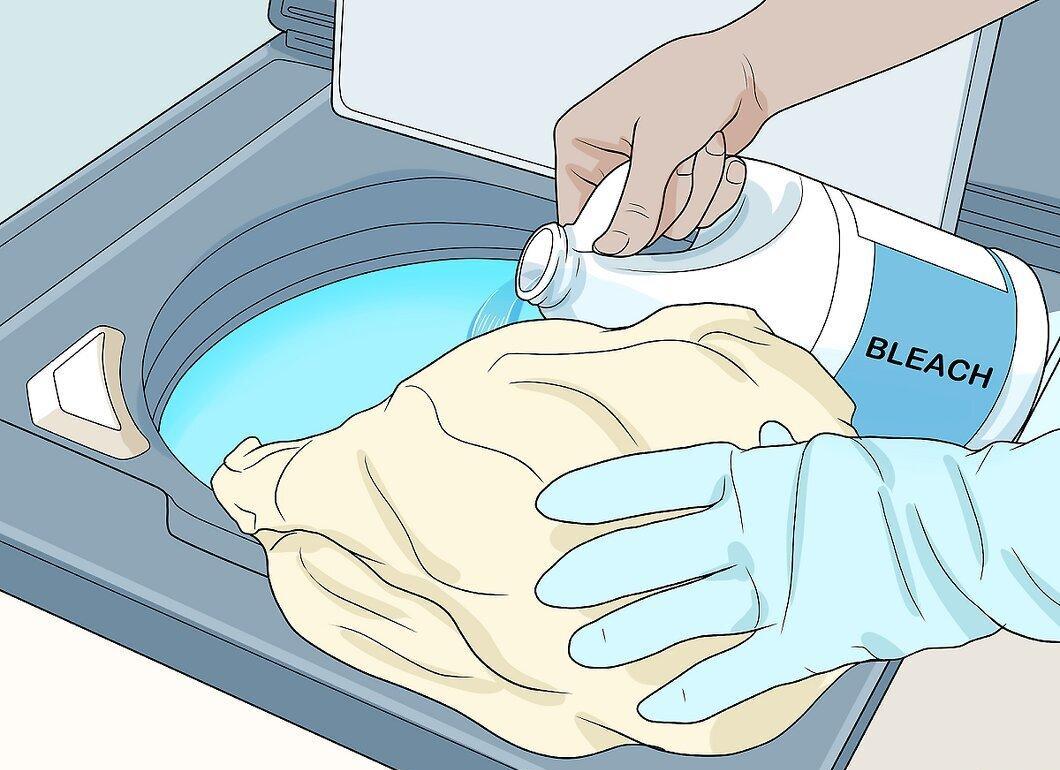
Disinfect used supplies. Dispose of the towels and rags used to wipe the mouse, or wash them separately with gloves in the washing machine. Use a hot water cycle and add bleach for disinfection. Spray the container with a disinfectant spray or simply dispose of it.
Step 5: Wash Your Hands
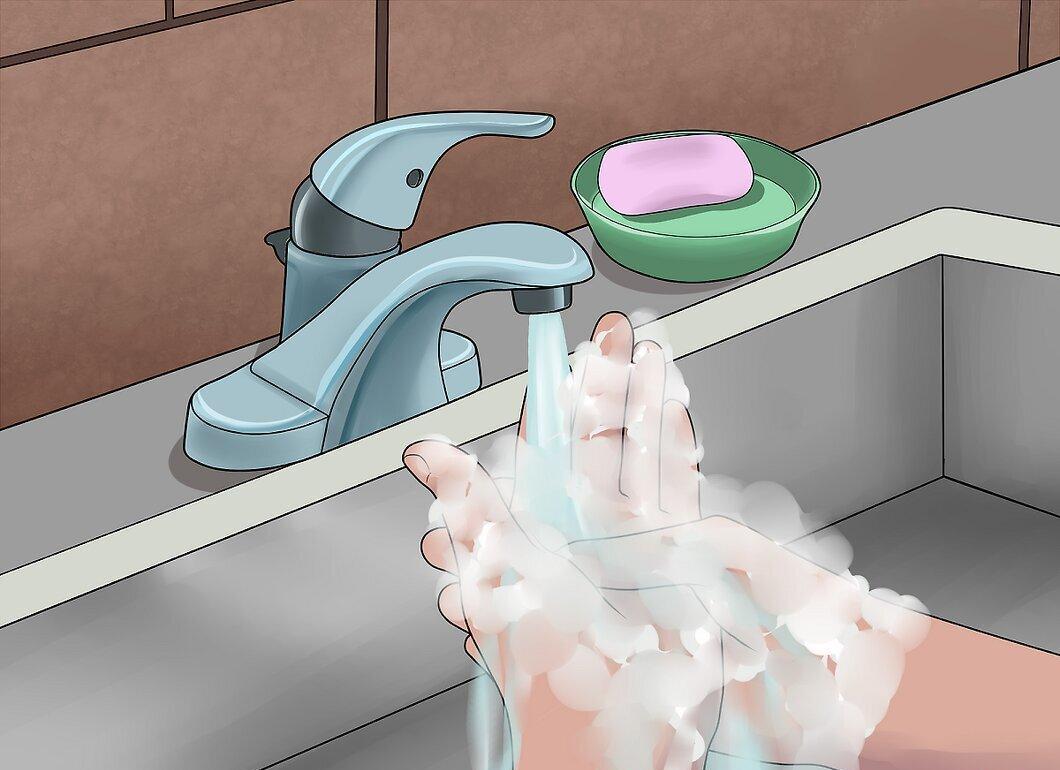
Wash your hands. Turn on the tap and wash your hands under running water. Lather your hands for at least 20 seconds. Be sure to wash under your nails, the backs of your hands, and between your fingers. Rinse the soap off with water. Dry your hands with a clean towel.
How to Keep Mice Away from Your Home
Step 1: Seal All Entry Points in Your Home
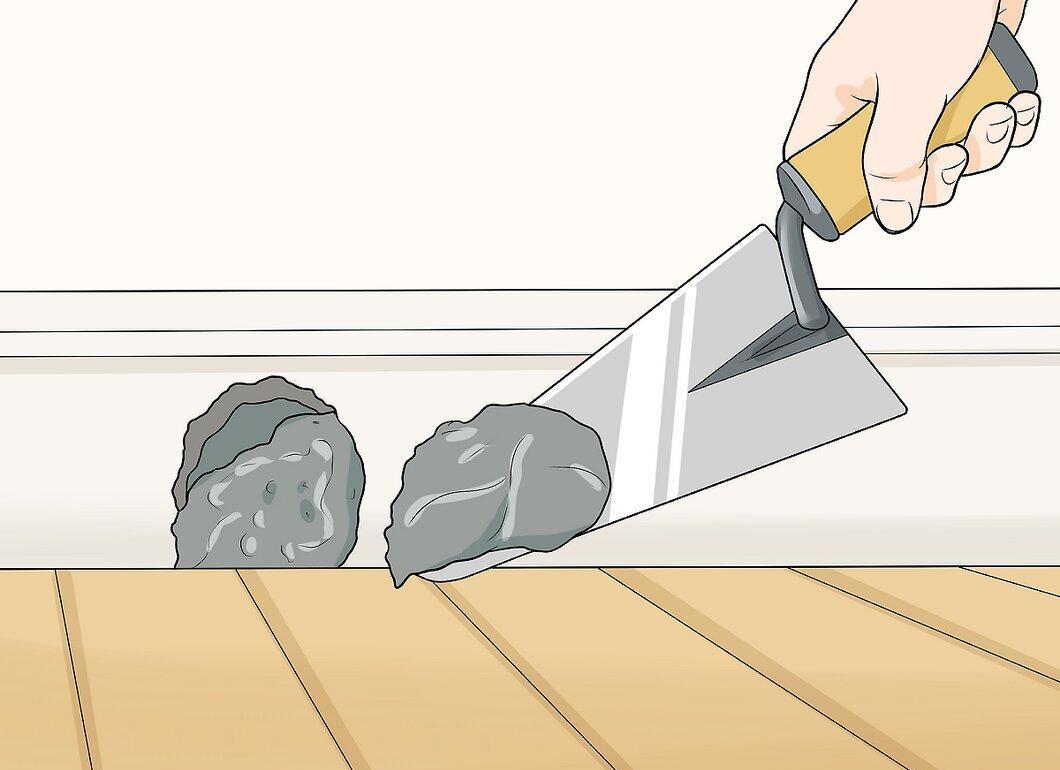
Seal all entry points in your home. Mice can squeeze through holes the size of a small coin. Walk around the perimeter of your home and look for any cracks, holes, gaps, openings, or other entry points. Seal them with metal or cement to prevent mice and other rodents from entering your home.
- Also, be sure to install screens on chimneys, update seals on doors and windows, and seal any holes in the window frame.
Step 2: Remove All Possible Nooks and Hiding Places
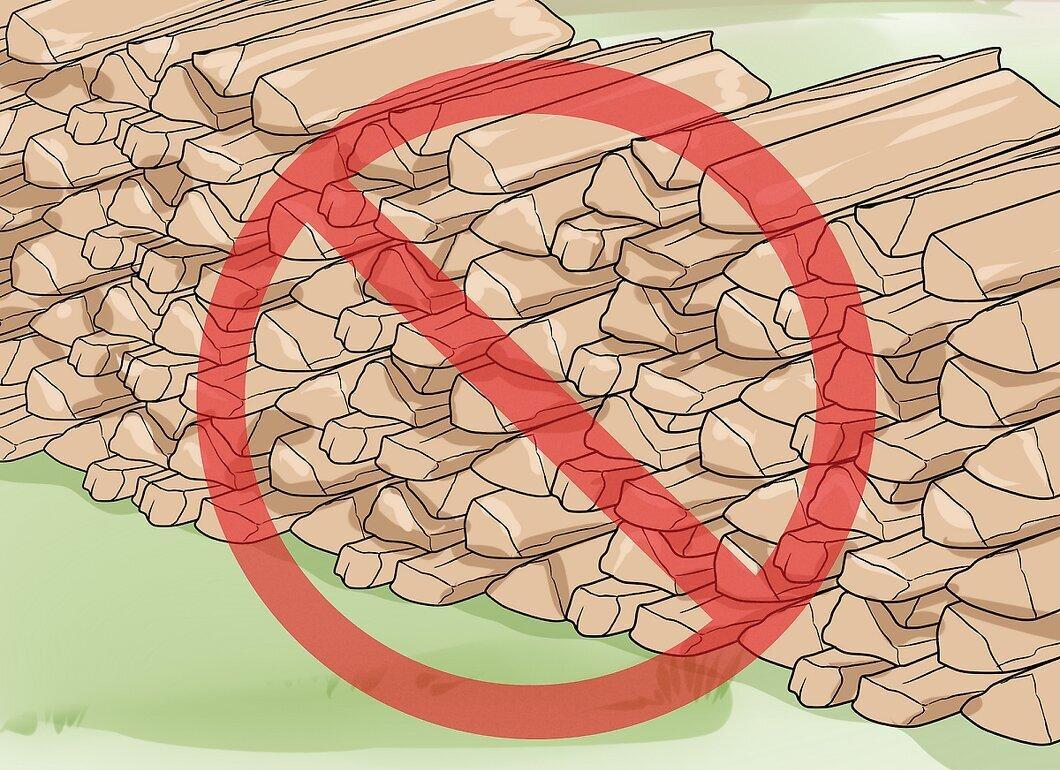
Remove all possible nooks and hiding places. Mice and other rodents often hide or burrow in logs, shrubs, and other spots close to the house. Regularly trim back bushes and grass, cut back overhanging branches, and store firewood, BBQs, patio furniture, and other items at least six feet away from the house.
Step 3: Eliminate All Sources of Food and Water
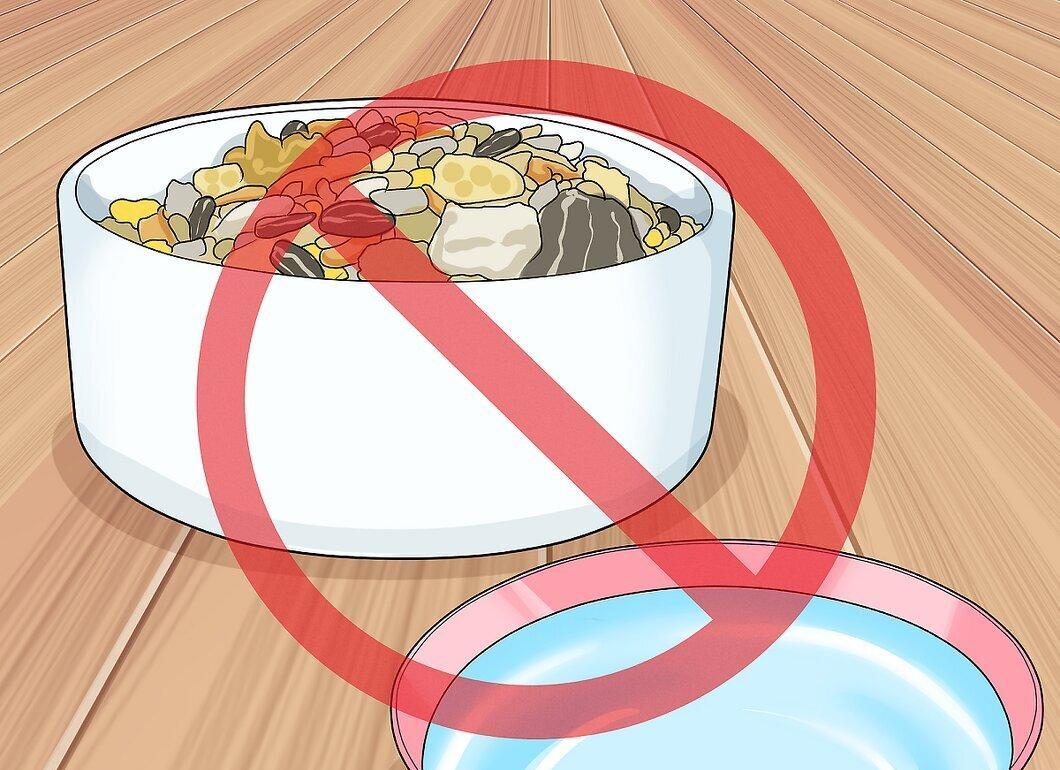
Eliminate all sources of food and water. Mice will eat anything they can find, including scraps, trash, pet food, seeds, fruit, and more. To prevent mice from discovering food sources in or around your home, take the following steps:
- Store food in airtight glass containers;
- regularly wipe down floors, tables, and countertops;
- store trash and pet food in rodent-proof containers;
- clean up any fallen birdseed;
- gather fruits and vegetables as soon as they ripen;
- fix leaks, damp areas, and other sources of fresh water.