At conventions, festivals, and fairs, a booth serves as an excellent tool for promoting your product or business. Proper planning and preparation are key to making a professional impression and capturing the right attention.
Preparation Before the Event
Step 1. Find the Perfect Event for Your Booth.
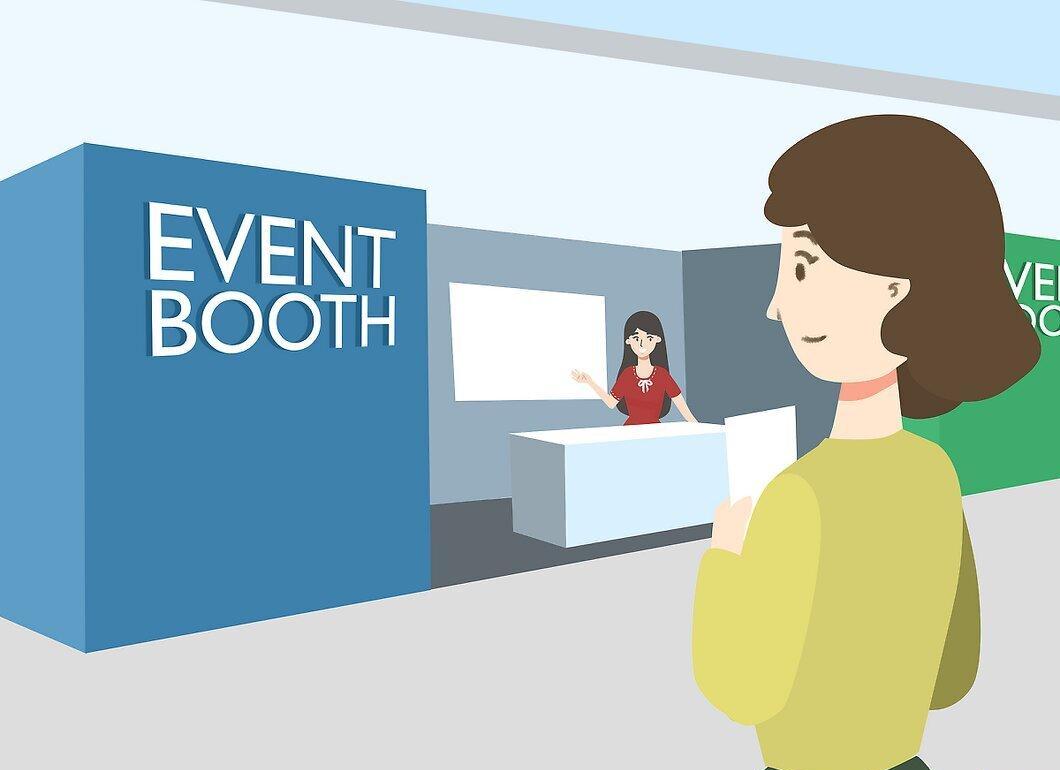
Identify a suitable event for your booth. If possible, attend a similar event as a visitor to analyze how other participants operate. Take notes on what you liked about their booths and think about what you could improve. Don't forget about your target audience. For example, events for seniors will differ from those aimed at younger people.
Step 2. Register Early.
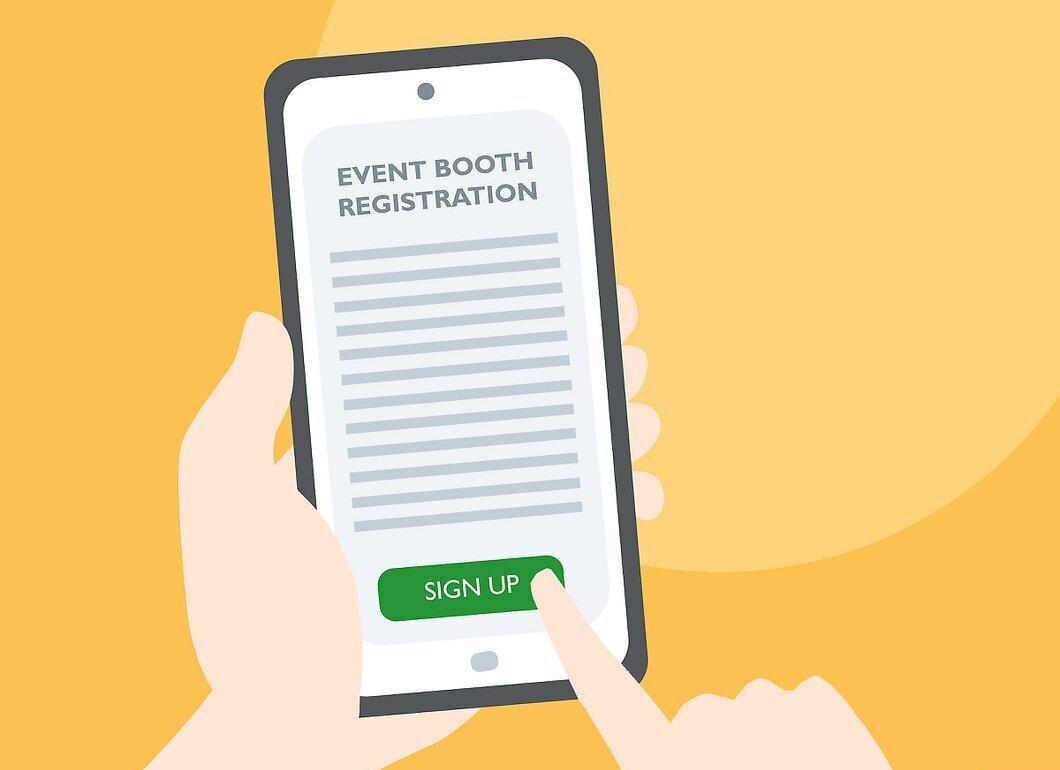
Don't delay your registration. Find out in advance what requirements exist for setting up a booth at your chosen event and submit your application, paying all necessary fees.
- Contact the organizers to clarify any additional requirements. For instance, if you need electricity or lighting, arrange for it in advance. Also, check if you need sound equipment or transportation.
- If you have the option to choose your booth location, select an area with the highest foot traffic. If that's not possible, try to position yourself near other booths that will attract your target audience.
Step 3. Keep Track of All Expenses Related to the Event.
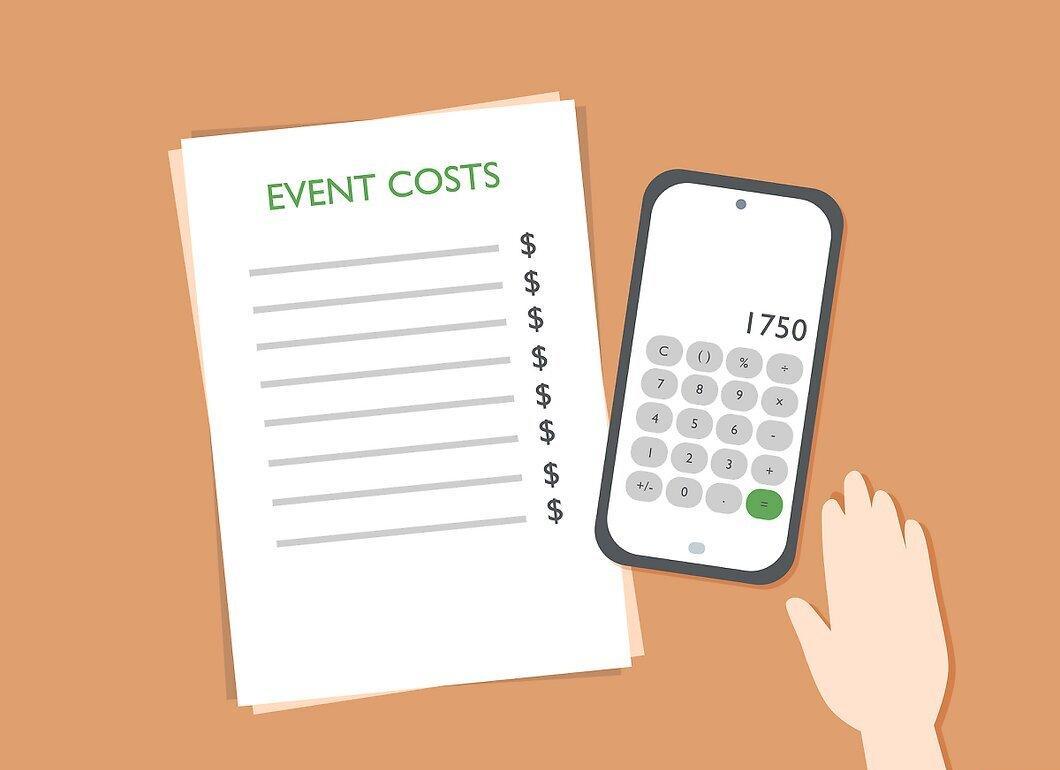
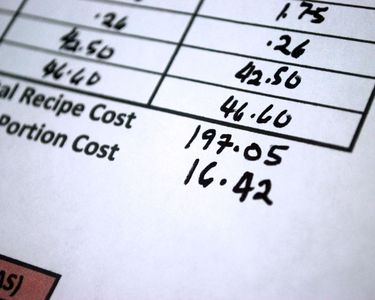
Record all expenses, including booth rental, transportation costs, lodging, product samples, and fees. After the event, compare your expenses with your results to evaluate the feasibility of participating in the future.
Step 4. Book What You Need.
Make sure to book accommodations, tickets, and vehicles in advance if you need to travel to the event. Major events usually have available services nearby, so once you confirm your participation, ensure everything is ready.
Step 5. Prepare Your Products for Sale.
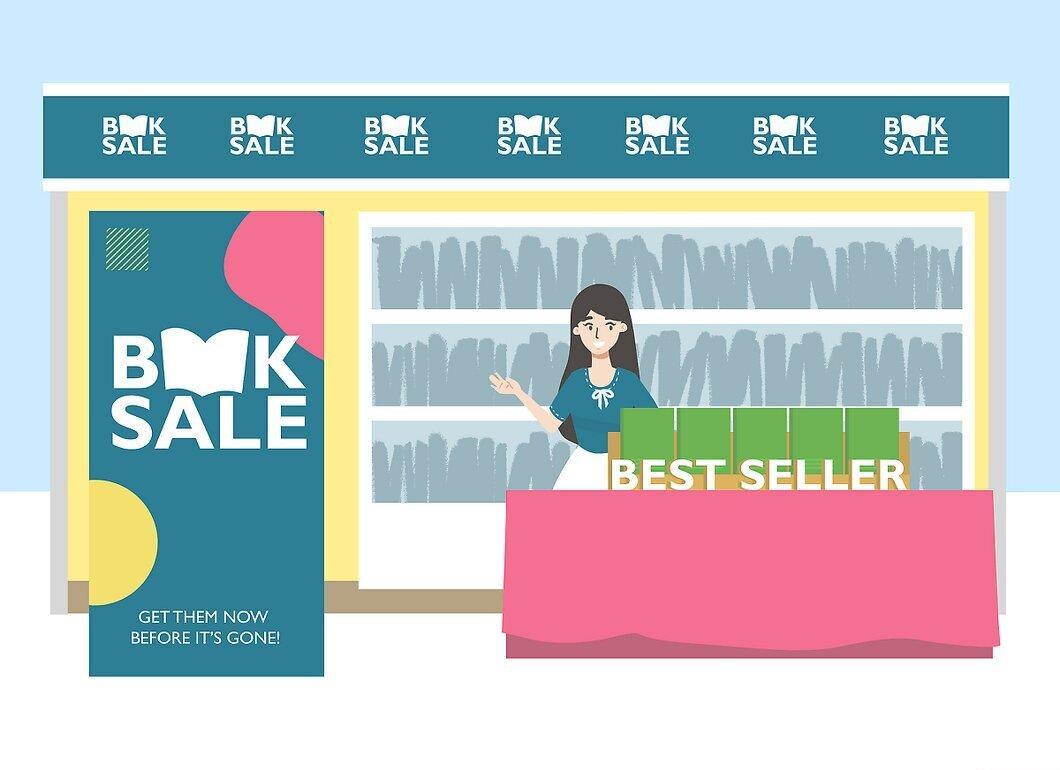
Gather or create your products based on the type of event and what you want to showcase. Consider the following:
- Banners and Signage. Make sure to have at least one large banner with your brand name. Additional posters can provide important information. Don't overload the text—it's better to use bright images and save details for flyers. A consistent style will help your booth look professional.
- Free Samples. Offering something free is a great way to attract attention. Product samples, useful items with your logo (pens, t-shirts, bags), or even snacks can be effective magnets for visitors.
- Literature. Prepare business cards, flyers, and brochures so customers can easily contact you after the event.
- Demonstrations. If possible, demonstrate your products or services, allowing customers to participate in the process. This will create interest and engagement.
- Contests. Organize a contest to draw people in. A prize for participation can be a great way to build new contacts.
- Tent. If the event is outdoors, you'll need a tent for protection from the sun or rain. This will also give your booth a more professional look.
- Furniture. Check if the organizers provide tables and chairs, or if you'll need to bring your own.
- Weather Protection. If your booth is outdoors, bring clips, stakes, and other fasteners to keep everything secure.
- Tools. If you'll be setting up the booth yourself, don't forget to bring the necessary tools: screwdrivers, scissors, tape, etc.
- Cart. For larger events, having a cart to transport everything can be very helpful.
- Lighting. Ensure you have light sources if needed.
- Water. Stay hydrated to keep yourself energized while engaging with visitors.
- Transport. Make sure you have a sufficiently large vehicle for transporting everything you need.
Step 6. Ask for Help.
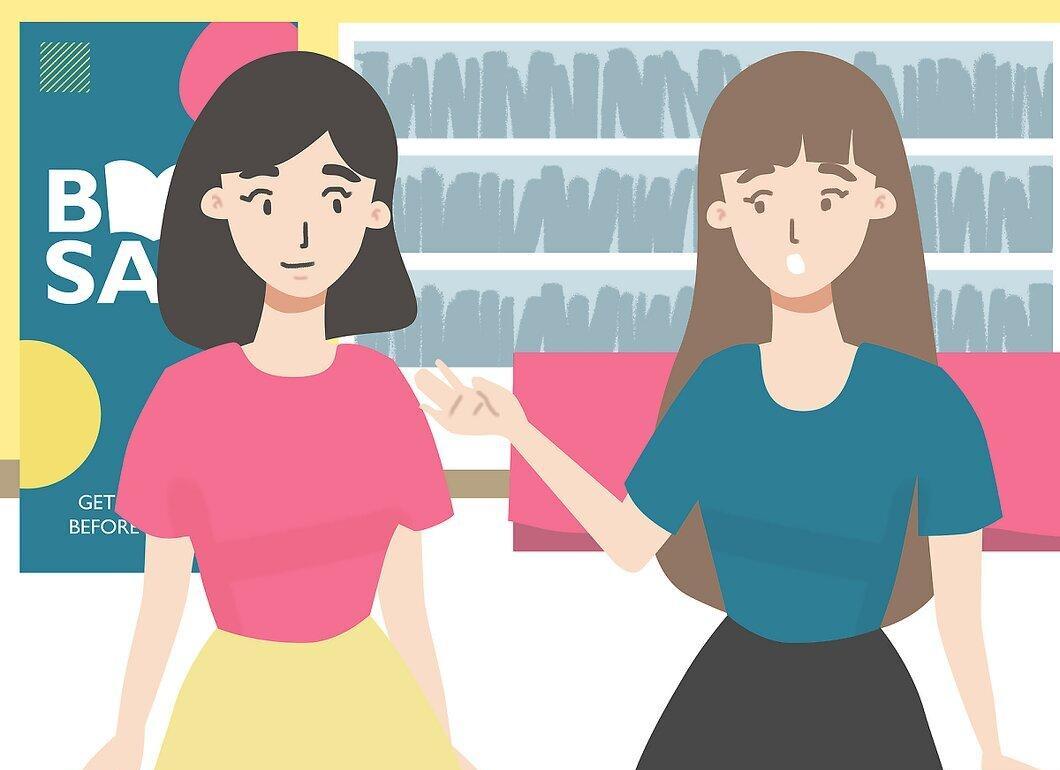
Don't hesitate to ask for help. If your booth becomes busy, you'll need extra support to engage with every visitor. Create a shift schedule to help your assistants avoid fatigue.
Step 7. Prepare Your Team.
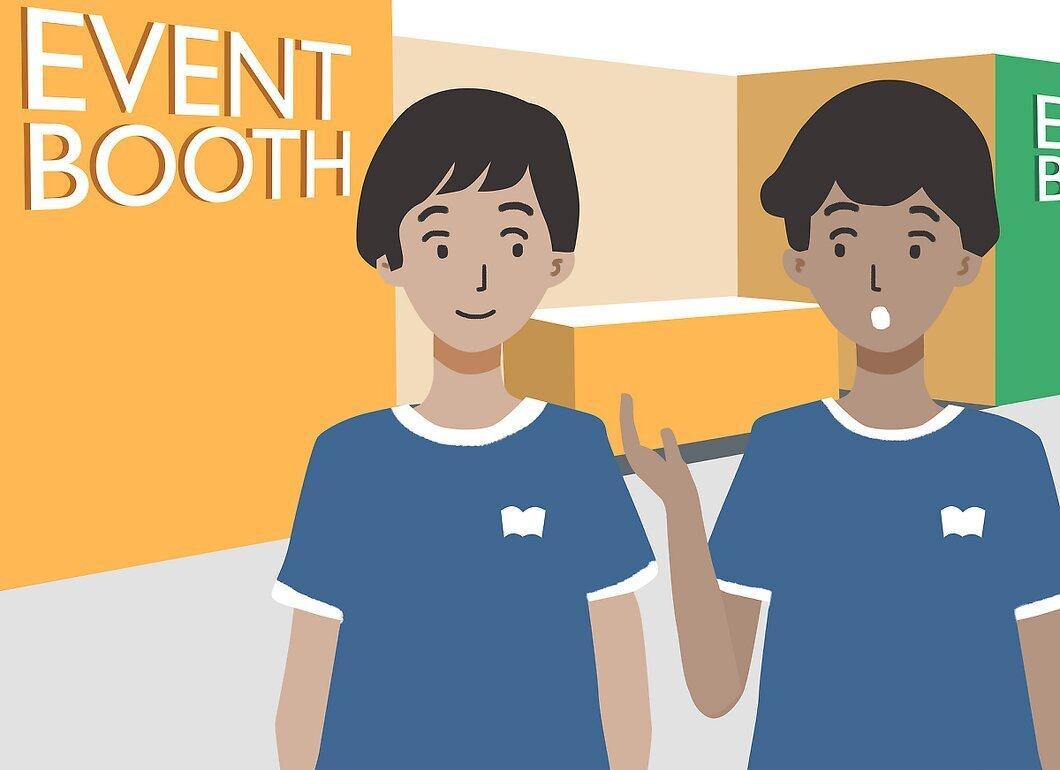
Train your assistants by explaining what they should do, how to interact with visitors, and where the necessary facilities are. Well-prepared assistants will be able to converse more professionally.
Step 8. Dress Appropriately for Success!

Choose a stylish uniform for your team to stand out among other booths. This will attract attention and create a vibrant image of your booth.
- If your organization has a uniform, wear it. Even just matching t-shirts will create a cohesive style.
- Dress professionally. A suit or themed attire will emphasize your seriousness and draw attention.
- If necessary, consider hiring professional models or promoters who know how to engage with crowds.
During the Event
Step 1. Arrive Early.
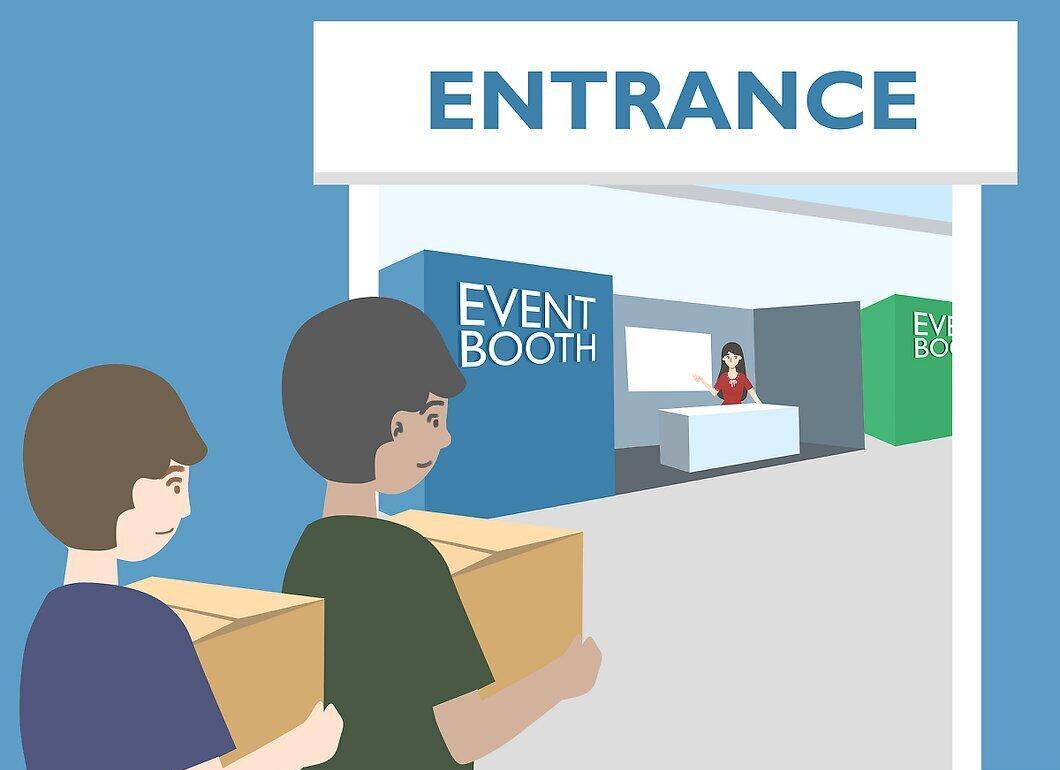
Arrive early to set up your booth and prepare before the event starts. This way, you can focus on interacting with potential clients.
Step 2. Check Your Booth from the Outside.
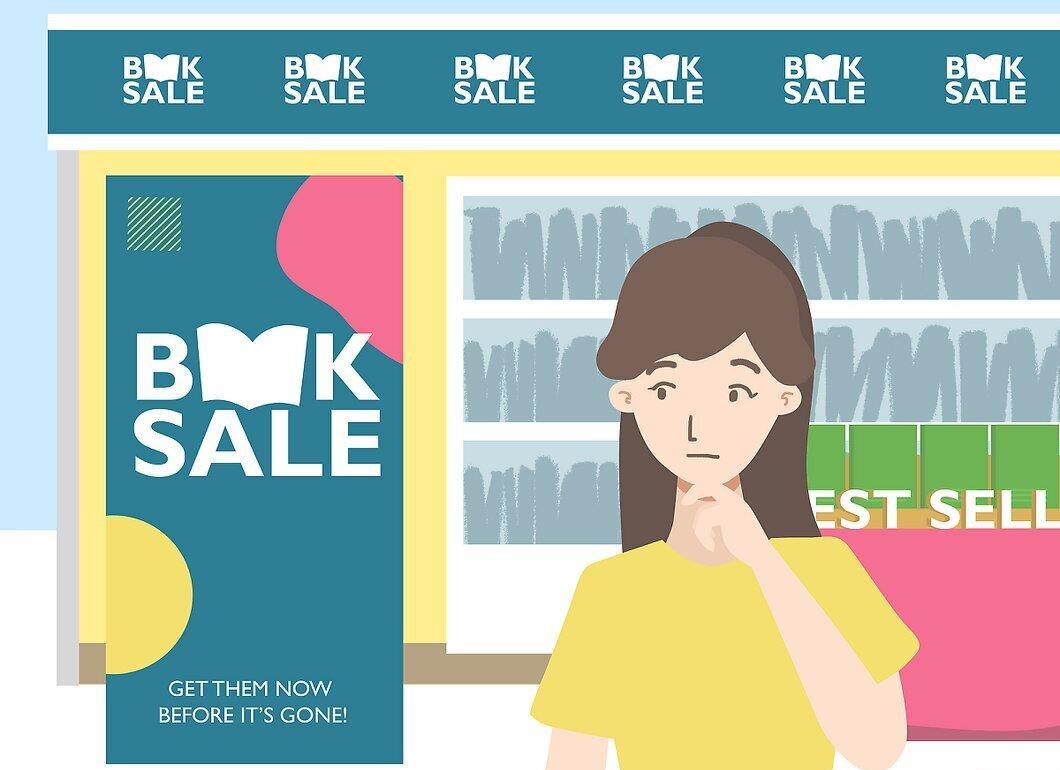
After setting up the booth, step outside and evaluate it from a visitor's perspective. Are your banners clearly visible? Does your space look appealing?
Step 3. Plan Visitor Routes.

Decide how to organize the space: do you want to be behind a table or approach people, inviting them to your booth?
Step 4. Be Friendly.

Smile and engage with customers. When they approach, give them a moment, then greet them. Ask questions and discuss not only products but personal topics to build trust.
Step 5. Convey Your Core Message.

Make sure your customers understand your core mission and the values you represent.
Step 6. Learn About Visitors' Interests.
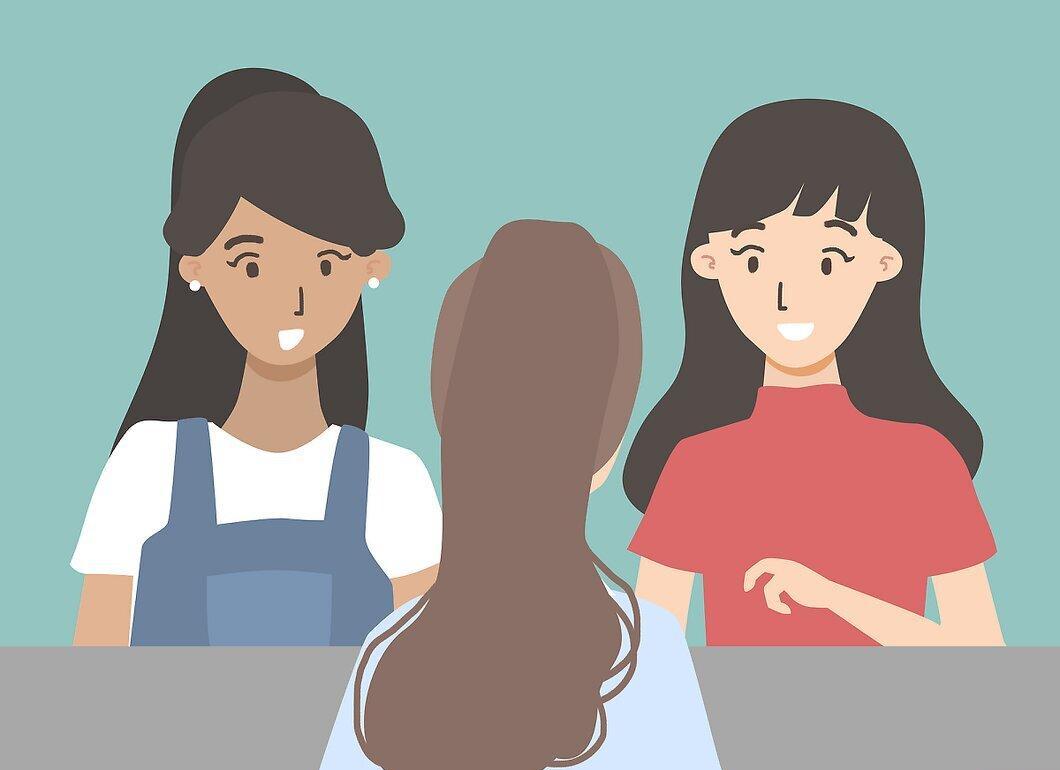
Ask questions about what interests your customers and how your product can help them.
Step 7. Distribute Promotional Materials.

Don't forget to share flyers and brochures so customers can remember you after the event.
Step 8. Exchange Contacts.
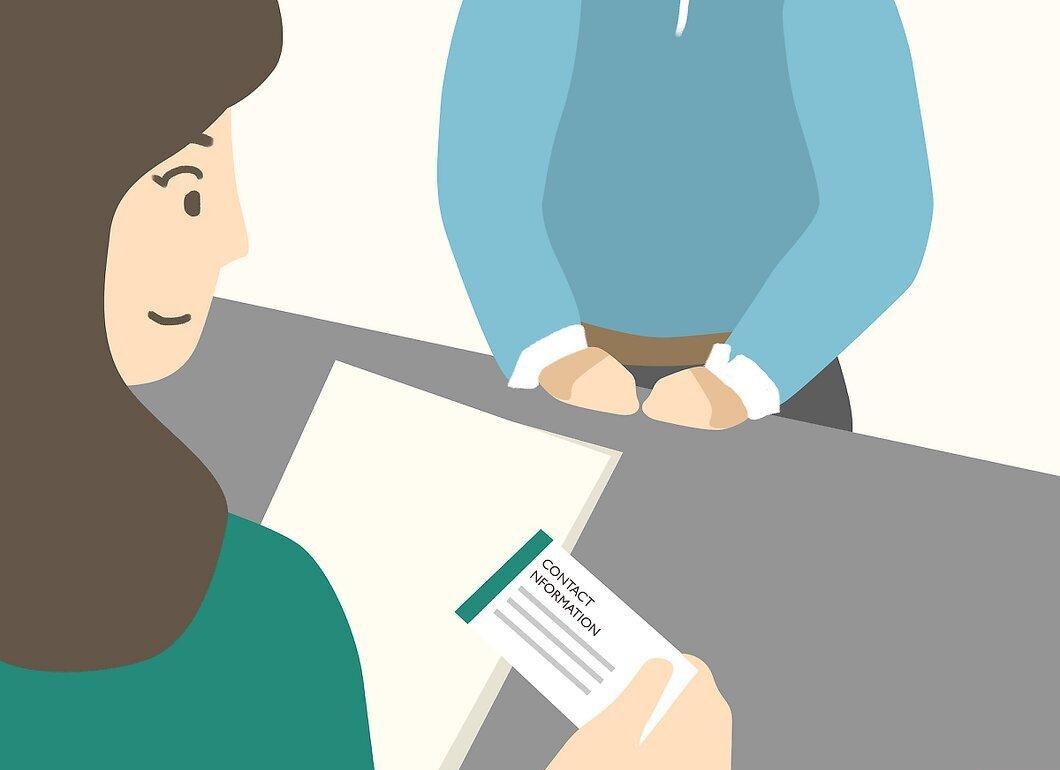
Offer your customers to exchange contacts to maintain communication after the event.
Step 9. Clean Up After Yourself.

Ensure cleanliness at your site. Remove trash and pack up your booth to leave a good impression.
Step 10. Reflect on Your Experience.

Write down your thoughts about the event, including successful methods and areas for improvement in the future. This will help you become even more effective at future events.