Homeschooling is a wonderful opportunity to become closer to your child while helping them grow into an organized teenager and adult. This approach allows you to tailor the educational plan to your child's individual needs, as well as to your lifestyle and beliefs. Furthermore, homeschooling creates a great foundation for exploring the world and engaging with others. Through homeschooling, you can structure the learning process to instill a lifelong love of knowledge in your child.
Overcoming Initial Challenges
Step 1. Familiarize Yourself with Homeschooling Laws.
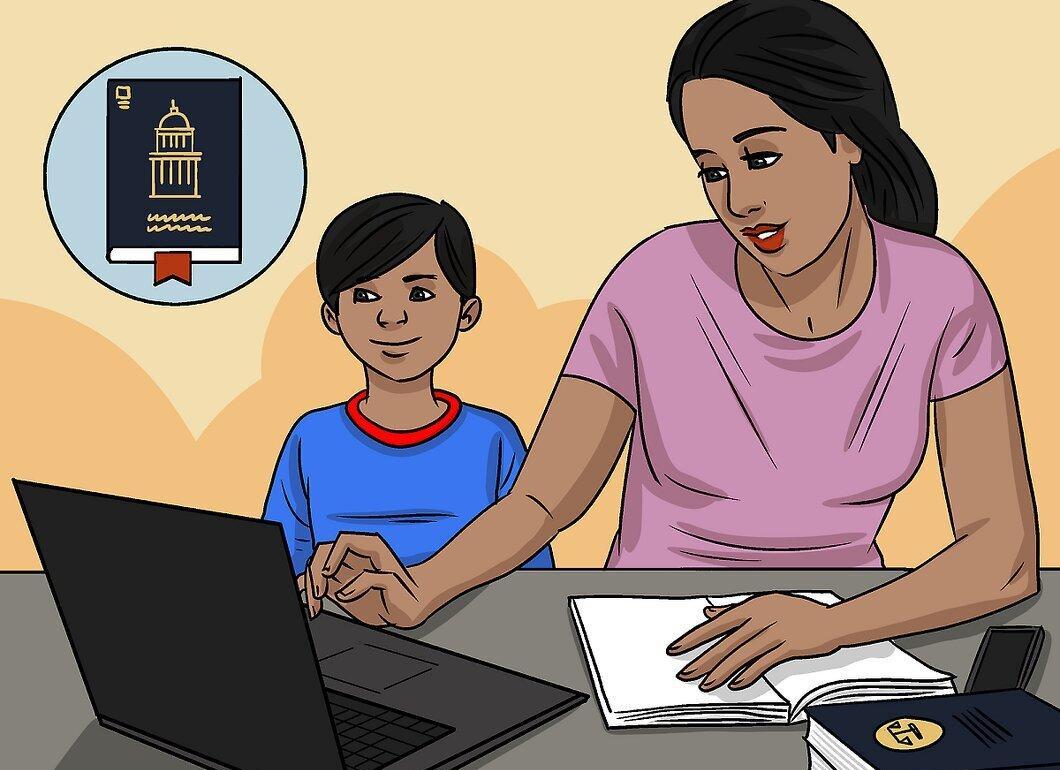
Before starting, make sure you understand the legal requirements. In the U.S., each state has its own rules regarding homeschooling, with the strictest regulations found in New England. Before you begin, carefully review the laws and make a to-do list if possible.
- Since parents who homeschool are fully responsible for compliance with the law, local support groups can be your best ally in understanding the rules in your area.
- Keep in mind that homeschooling laws can vary significantly depending on the country, state, and even school districts, so it's essential to research all aspects.
- HSLDA and AtoZ Home’s Cool offer helpful information about the legal aspects of homeschooling (see links below). You may need to create a portfolio of your child's work, and it's important to start this from day one if required by law.
Step 2. Assess Financial Feasibility.
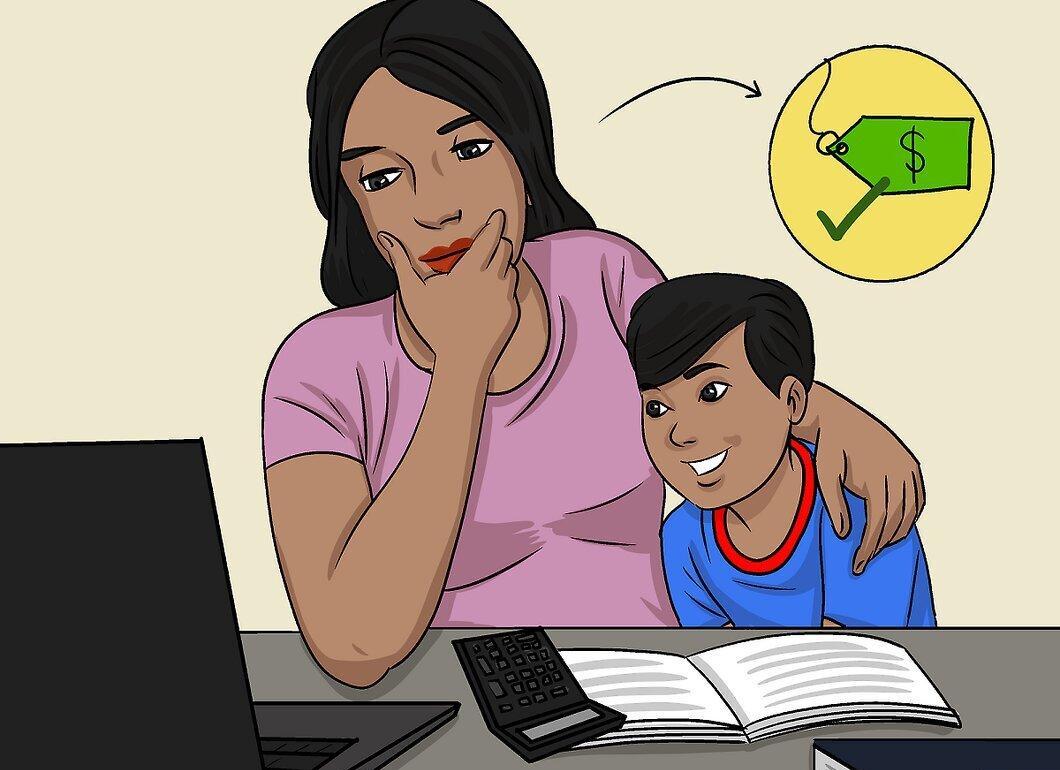
Ensure that you can afford homeschooling. Depending on the method you choose, educational expenses can vary. You might spend as little as $300 or as much as $2500— it all depends on the materials used and planned activities.
- Events are generally not free. To ensure a quality education, you might organize trips to planetariums, exhibits, lectures, and nature parks, but these will come at a cost. The amounts mentioned above represent extremes for typical homeschooling.[2] X Source
Step 3. Involve Your Child in Community Life.
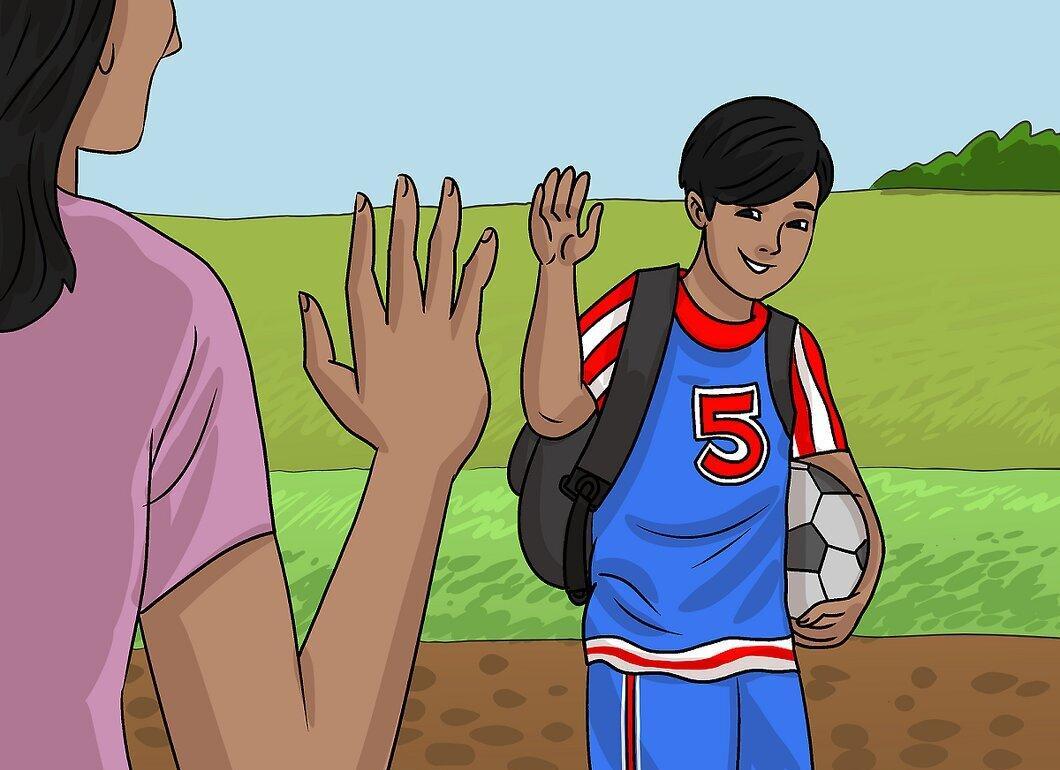
Encourage your child to participate in community activities. Enroll them in sports or other activities they are interested in. Socializing and spending time outside the home is very important for your child. Don’t force them to do things they don’t like, but don’t let them just stay home either. These activities will help your child adapt to society, make friends, and develop social skills.
- Homeschooling does not mean your child will be isolated. If you take care of their emotional, social, intellectual, and physical needs, they will grow into a successful adult. Ask them what interests them and start from there. Studies show that homeschooled children participate in community life just as actively as their peers.[3] X Source
Step 4. Discuss Education with Family.

Discuss your plans with relatives. Family members who care about you and your children can provide valuable support or, conversely, criticize your decision. Think about how you will explain your intentions to them, listen to their opinions, and address their questions and concerns. Make it clear that you are confident in your decision and will not let negative reactions sway you. Over time, as your child achieves success, they may change their minds and start supporting you.
- Why not have them help your child learn? They may have useful knowledge in areas where you are not strong. Let them know you want to see them actively involved in your child's life— it’s hard to turn down such an offer.
Your Educational Approach
Step 1. Be Confident in Your Teaching Abilities.
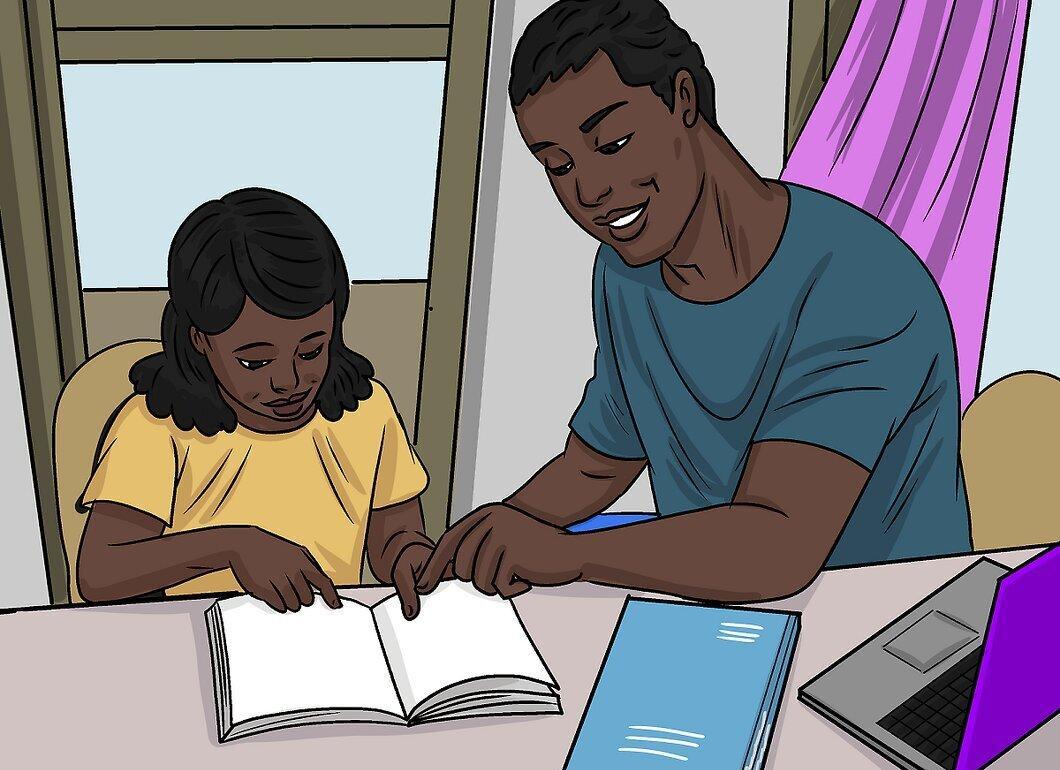
You must be confident in your teaching abilities. It's important to remember that you care about your child's future more than anyone else. You are the best person for the role of teacher. Homeschooling is a significant responsibility, but if you adapt it to your family’s lifestyle, you will succeed, regardless of your education and experience. You don’t have to give up your interests— you can lead a normal life outside of school hours.
- While it may not be too difficult to teach a younger child, you may face challenges as you reach higher grades. But it's possible, and many people manage it. Just remember, you are learning too!
Step 2. Explore Different Homeschooling Methods.

Look into various homeschooling approaches. There are many styles you can adopt as programs and follow them. Opinions on this can vary widely, so it's best to consider what aligns with your beliefs.
- "Unschooling" approach: this anarchic style allows the student to be self-directed. It is based on the premise that learning occurs faster and more effectively when the child engages in what they enjoy.
- Diane Lockman offers a method based on reading, reflection, and communication within a Christian framework. She also has online courses for high school.[4] X Source
- Block learning— where each subject is dedicated to a separate area. You can find information on these topics online.
- Charlotte Mason's method is less traditional and focuses on "atmosphere, discipline, and life".[5] X Source
- Montessori or Waldorf methods allow the child to be more independent and "discover" the world.
- An eclectic approach combines different styles.
- A full online curriculum, like the Worldwide Student Network.
- A personal online school, like the International Virtual Academy of Learning.
Step 3. Determine Your Homeschooling Style.
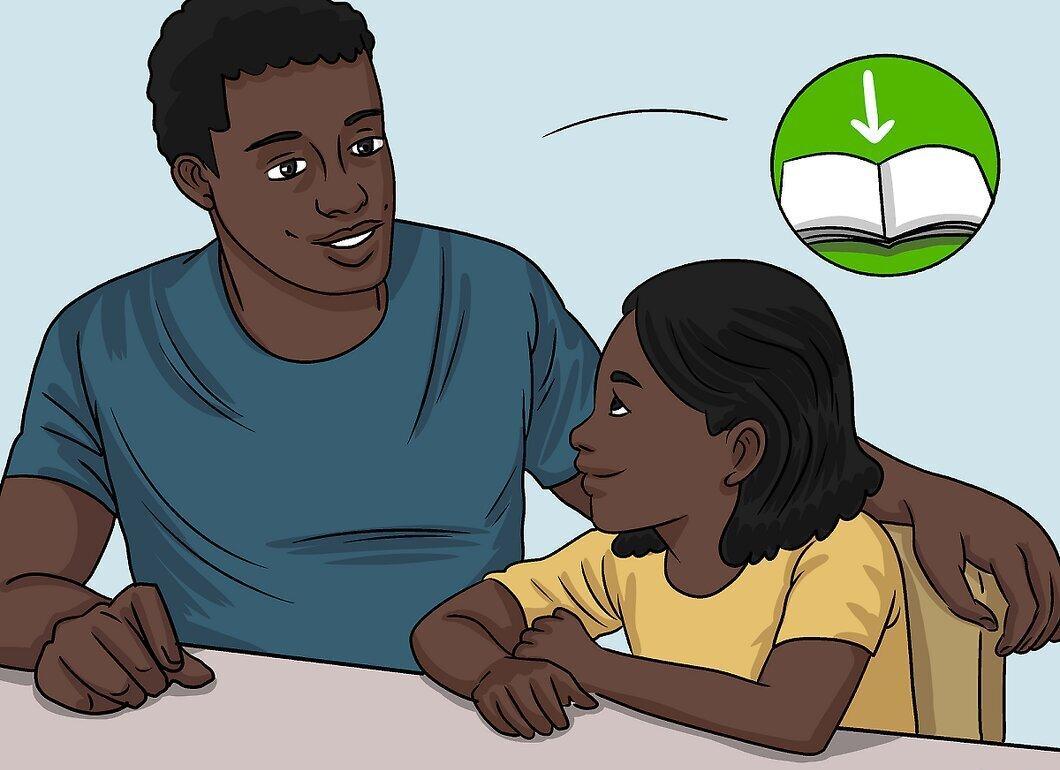
Identify your learning approach. Reflect on your intentions and motivations. Why do you want to homeschool? What do you consider quality education? What do you know about children and learning? How can your children learn more easily? Answers to these questions will help you choose an approach and create an atmosphere that is best for your family.
- Remember that what works for one may not work for another. What you enjoy might not interest your child. Discuss their expectations before developing plans.
Step 4. Create a Curriculum.

Create a curriculum. The vast amount of available materials and methods can be overwhelming for a beginner. It's easy to forget how important this is! Defining your approach will be the first step in simplifying your choices. There are many resources to help you navigate the sea of information. Research, read, and plan what you want to learn and how to do it. Be sure to touch on topics like art, science (biology, physics, chemistry), languages, music, math, history, and geography.
- Libraries and bookstores offer books on homeschooling methods, experiences from others, and proven curriculums.
- The internet provides an endless source of information: subject-specific resources, paid programs and materials, articles on methods, support groups, and courses in public schools. You can even find lessons on most subjects from teachers, other homeschooling parents, and even TV channels. Classical education includes teaching reading, thinking, and speaking as separate skills. However, unschooling advocates agree with classical systems but offer their methods.
Step 5. Find Local Support Groups.
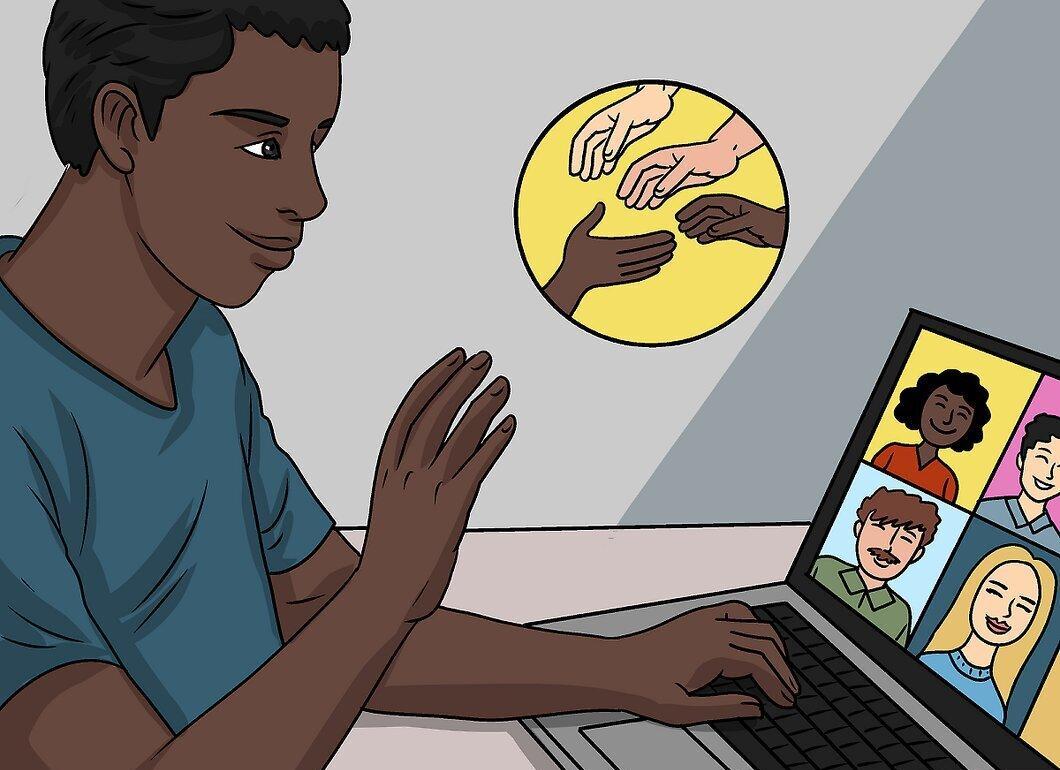
Look for local communities. You can find groups that meet regularly, organizations that hold workshops or conventions, and online groups where experiences and resources are shared. Many groups organize joint lessons taught by parents on various subjects. If you start to feel overwhelmed or lonely in this endeavor, support groups can provide you with advice or simply share the experiences of other parents.
- They can also be a valuable source of information about how to comply with homeschooling laws in your area. If you have questions, be sure to reach out to such groups. Your child will have the opportunity to meet other homeschooled children.
Step 6. Prepare Necessary Materials.
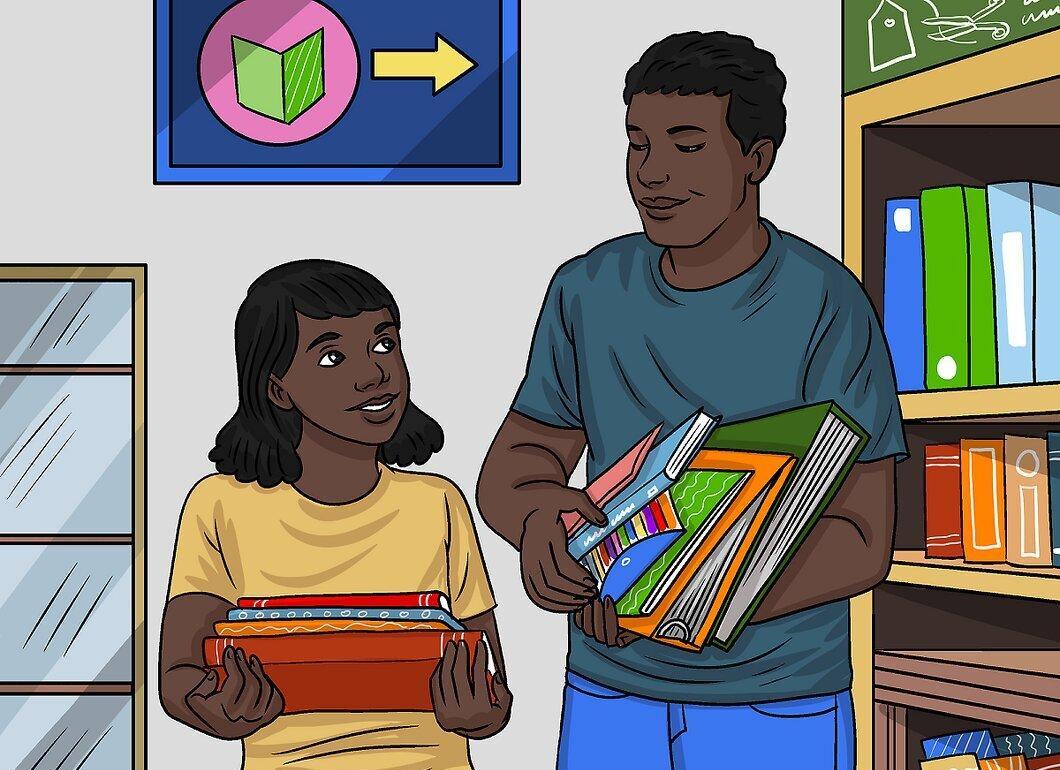
Gather all necessary resources. Homeschooling materials can vary depending on the chosen method. You can order textbooks, learning kits, and online tools or take advantage of resource sales. As a more affordable option, many parents use libraries, bookstores, course exchanges, and garage sales.
- "Back-to-school" sales in local stores or stationery shops are a great way to acquire necessary supplies like pens, notebooks, and glue. Shop in August, and you’ll have enough for the entire year.
Organizing the Process
Step 1. Create a Schedule.

Plan your daily agenda. If you've chosen a more formal approach, start by preparing lesson plans, materials, notebooks, or even creating a dedicated learning space. Whatever way you decide to organize homeschooling, careful planning and preparation before starting is crucial.
- Different approaches might mean that your preparation includes year-long field trips for each subject, organizing educational materials at home, or gearing up to use every day as an opportunity for learning without formal plans.
Step 2. Incorporate Hands-On Activities.
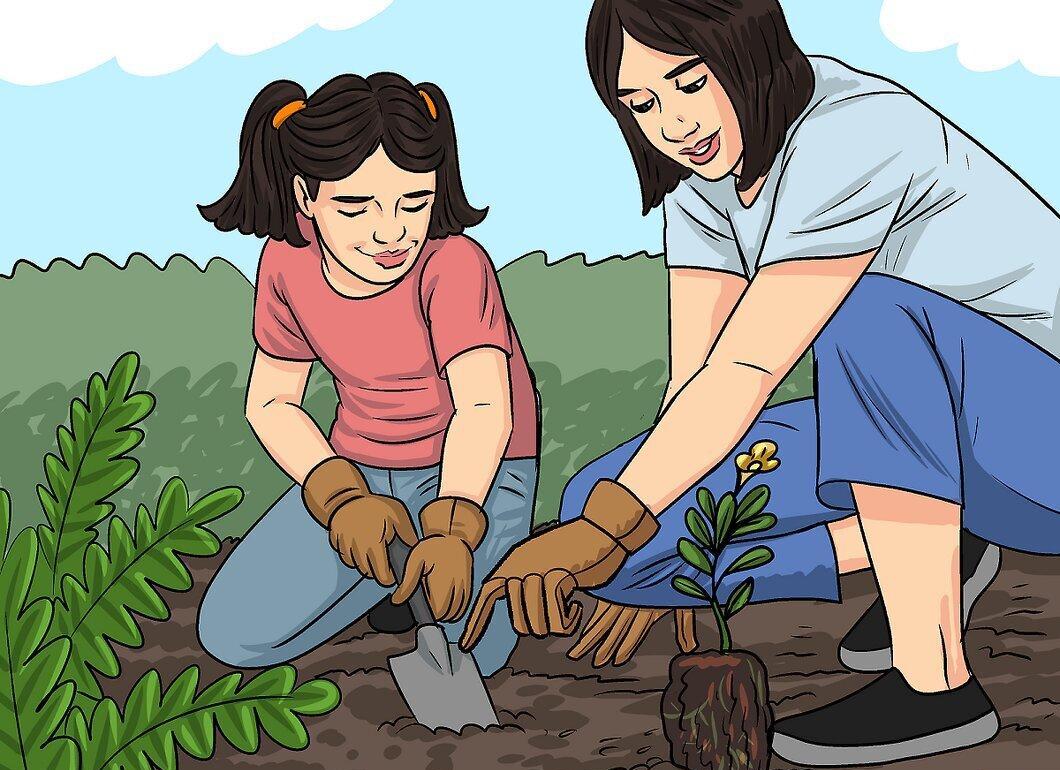
Include hands-on activities. Practical activities provide numerous benefits. Some tasks can be light and educational: gardening, cooking, sewing, composting, science projects, hiking, helping around the house, or caring for pets (just make sure there are no laser or dangerous components). Your child can learn a lot depending on their age, but everyone will gain unique experiences.
- Ensure that such activities are educational and align with your goals. Planting flowers can be educational but can also turn into a mud play session. If you’re doing something at home, pair it with reading or other activities.
Step 3. Compile Your Child's Work into a Portfolio.
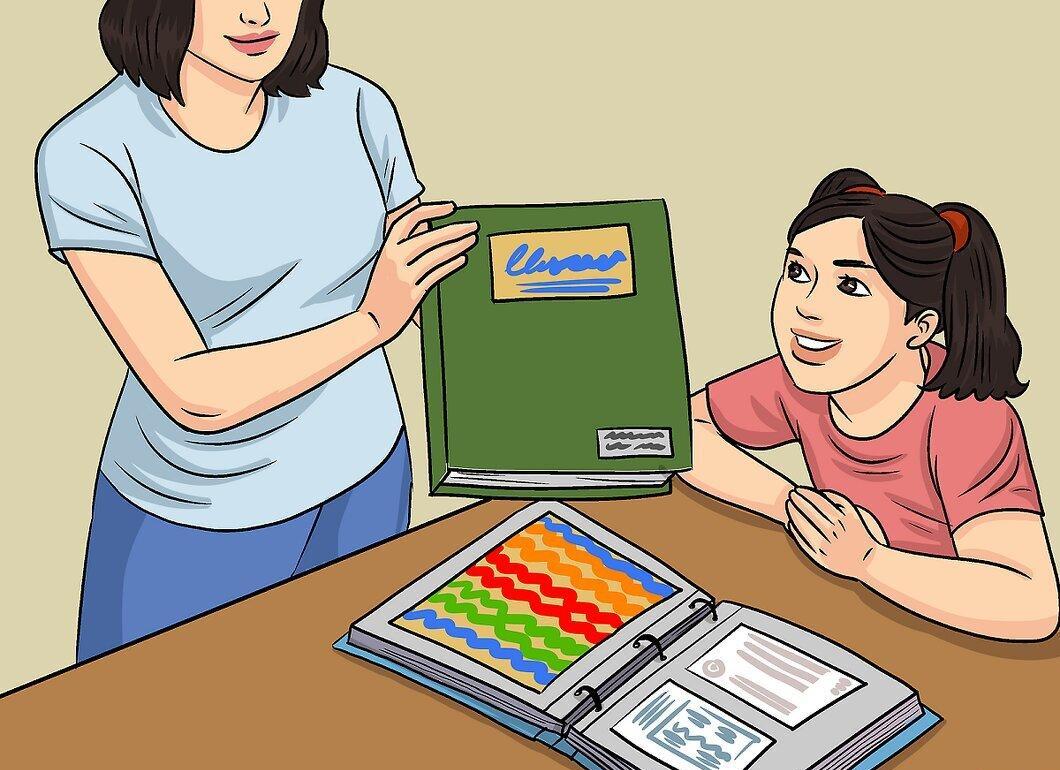
Gather your child's work into a portfolio. Three-ring binders with dividers for each student are an excellent way to track assignments and meet legal requirements. Label each section with the topics you are studying. When your child completes an assignment, punch holes (a three-hole punch) and place it in the corresponding section. Don’t forget to date each page; otherwise, it will be challenging to sort through later.
- This is especially useful if your child plans to apply to college, as some institutions require portfolios from homeschooled students. Additionally, you will be able to use these materials for your next child or pass them on to friends or relatives.
Step 4. Trust Your Instincts.
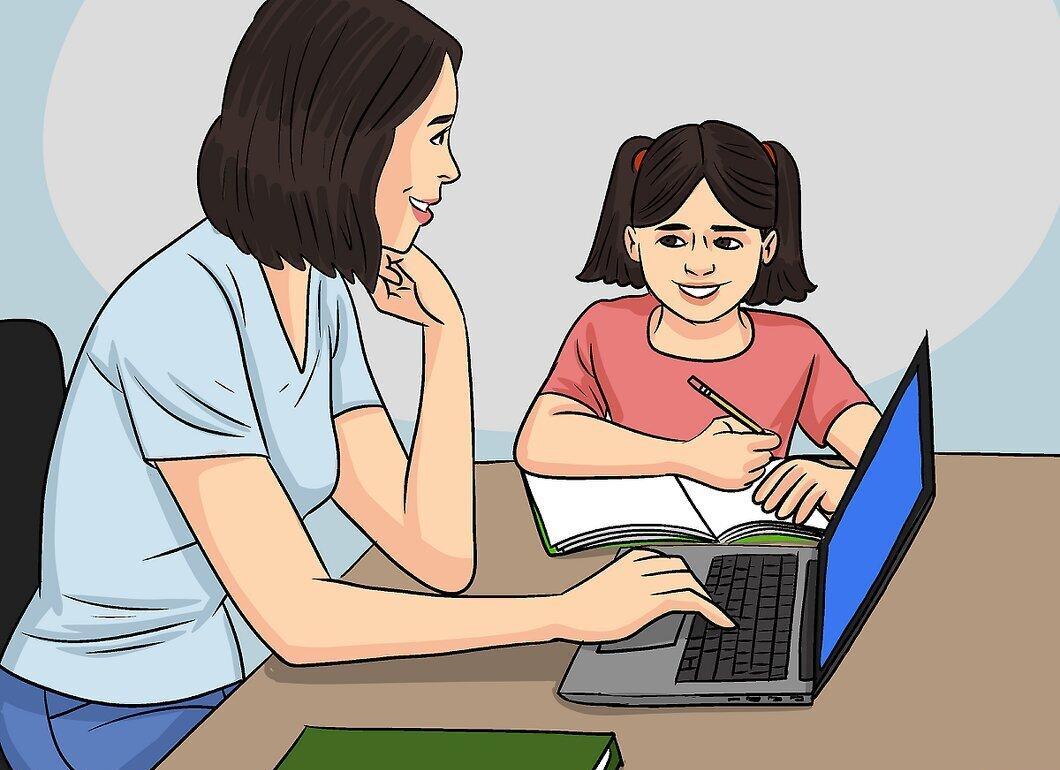
Trust your instincts. You are the only person responsible for guiding your child's education, and often, you can sense what they are doing or what they need. Listen to the advice and experiences of others but trust your instincts regarding what your child needs for successful learning.
- It's normal to ask yourself questions. You may feel that you are not managing, especially at first. During such times, support from a group and access to resources (such as the internet) can be very helpful. You are likely just as qualified as other parents doing the same.
Step 5. Regularly Assess Progress.
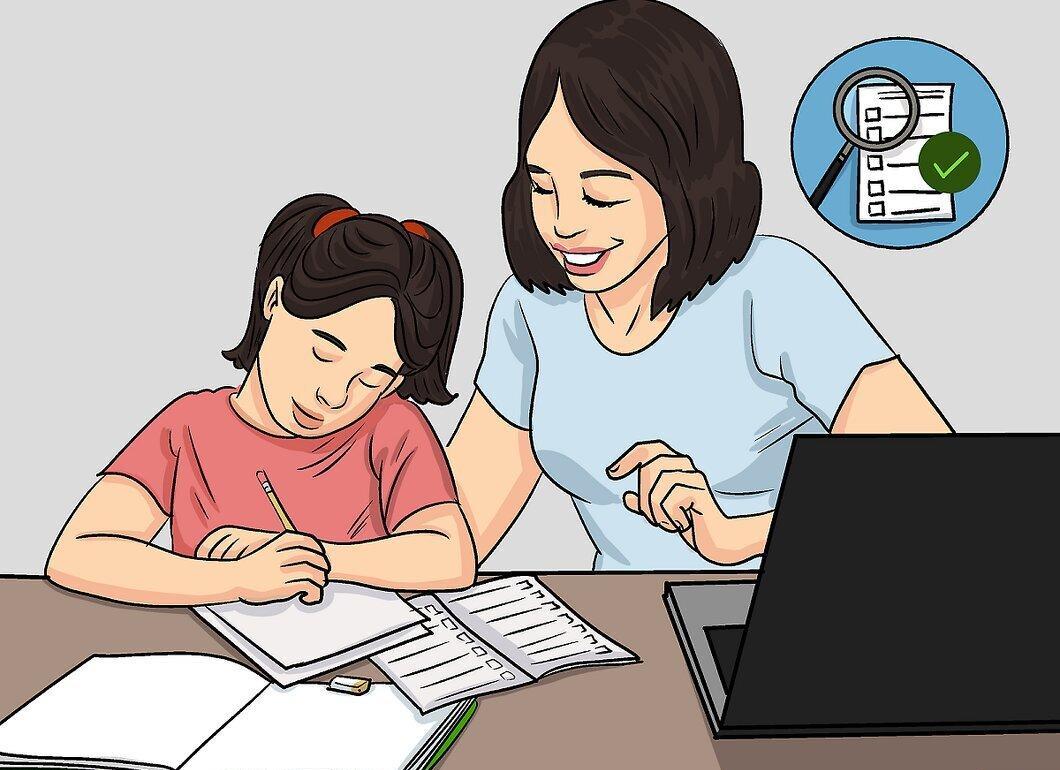
Regularly check your progress. Assessing achievements usually occurs during homeschooling, but in some cases, the law requires periodic formal tests or evaluations. However, personal assessment should not be limited only to your child's academic successes but should also consider how the learning process impacts the entire family.
- If the learning method does not suit your child's style, if the course is too difficult or too easy, or if the learning process is not beneficial, it may be time to make changes. Fortunately, making changes can be fairly easy, just by conducting some research.
- If your knowledge of a subject is lacking, there are standardized tests (like the FCAT) that your child can take, and you will receive results via email. There are also many online courses available.
Introducing Kids to a New System
Step 1. Prepare Younger Children.
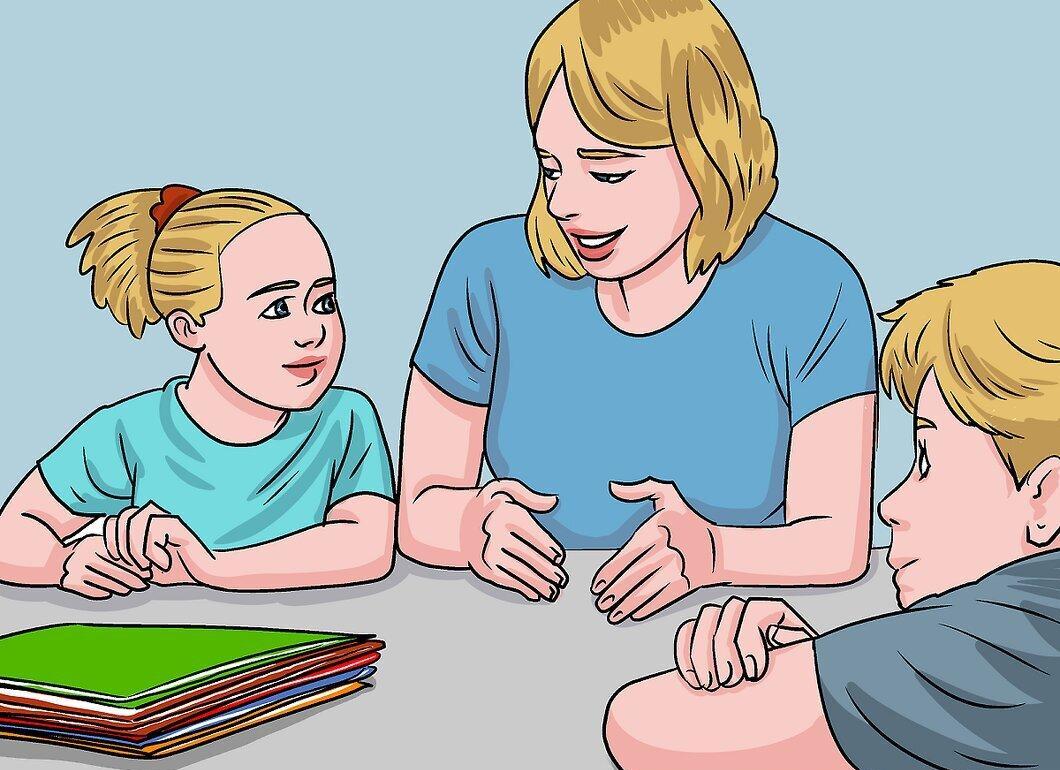
Explain to younger children what will happen in the coming months, including how their daily routine and the entire family’s life will change. Make it clear to older children that while they are leaving school, the process of learning and friendship does not end.
- Ask what they would be interested in studying. For example, if they love astronomy, buy a telescope and study together. Make learning fun, not a punishment. This will be a great motivator.
- If it helps, let them know they are among 1.5 million (a number that is continually growing) children who will be homeschooled this year.[6] X Source
Step 2. Give Kids Time to Adapt.

Allow children time to adjust. Often, children transitioning from a standard education system need time to adapt. Instead of a sudden start to homeschooling, begin with unstructured activities, then gradually move to more formal learning. Determine how much time your child will need to adjust, and try to create a pleasant and varied educational experience for them.
- If your child is anxious, do some research and justify your decision with other opinions; they shouldn’t think it’s a tyrannical decision on your part. If they are concerned, make it clear that they can start higher education courses earlier — this may accelerate their educational process.
Step 3. Maintain Old Connections While Creating New Ones.

Don’t let your child lose old connections while creating new ones. Encourage them to maintain friendships with those who remain, and possibly inspire them to meet other homeschooled kids. This will happen naturally if your family interacts with other families through joint activities, field trips, or sports events.
- One of the best advantages of homeschooling is that you don’t have to spend 8 hours on education. In fact, the standard system often takes longer due to waiting. You can cover the same material in 4 hours that would take 7 hours in school. This means that you and your child will have more time for personal pursuits.