A fundamental guide to stage lighting for theaters, dance floors, and nightclubs.
Assessing the Venue
Step 1. Know Your Genre and the Basic Principles of Lighting in that Genre.
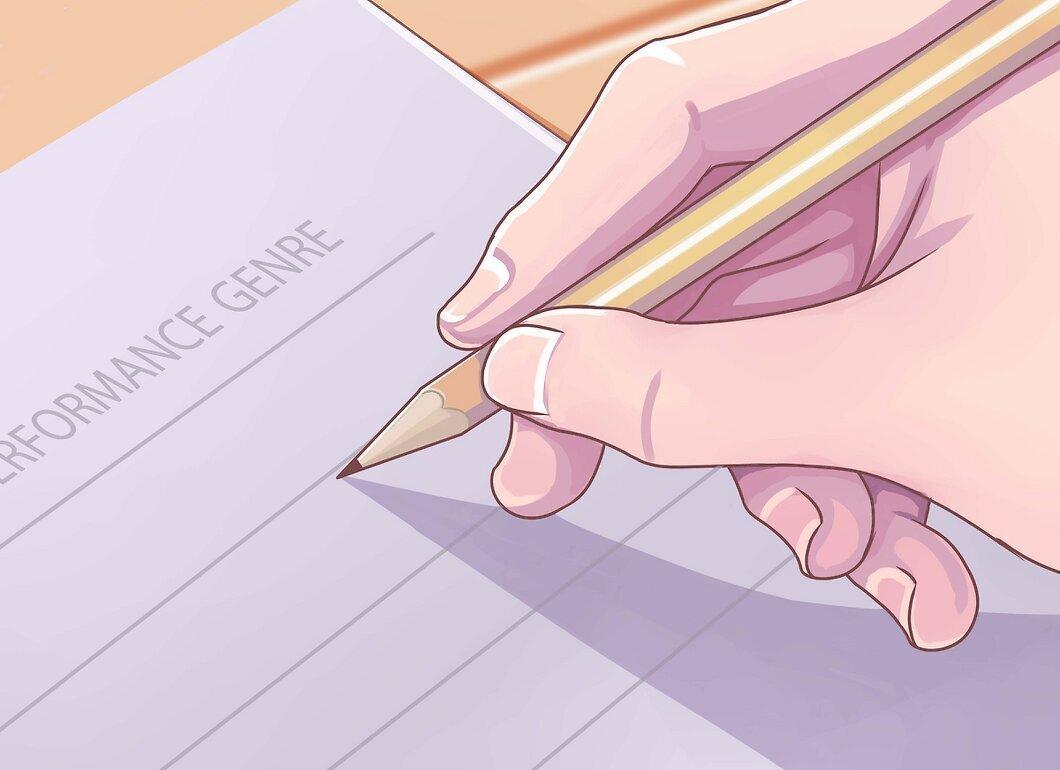
Understand your genre and the basic principles behind lighting for that genre. A standard play consists of numerous dialogues. The audience's ability to comprehend the dialogue is directly related to their visual connection with the speakers' faces. Ensure that ample light is focused on the actors' faces.
- Dance is all about body movement. The best lighting will come from various angles that highlight the fluidity of movements. Experiment with light coming from the side. Try different heights and angles.
- Musicals combine elements of both drama and dance. Typically, principles from both genres are merged into a single lighting design.
- Concerts involve a play of colors and moving effects. Often, you will use skin-tone spotlights that follow the performers, while most of the other lighting will be colored, dynamic, and effects-driven. Think about symmetry, bold colors, and wash lights.
Step 2. Evaluate the Venue.
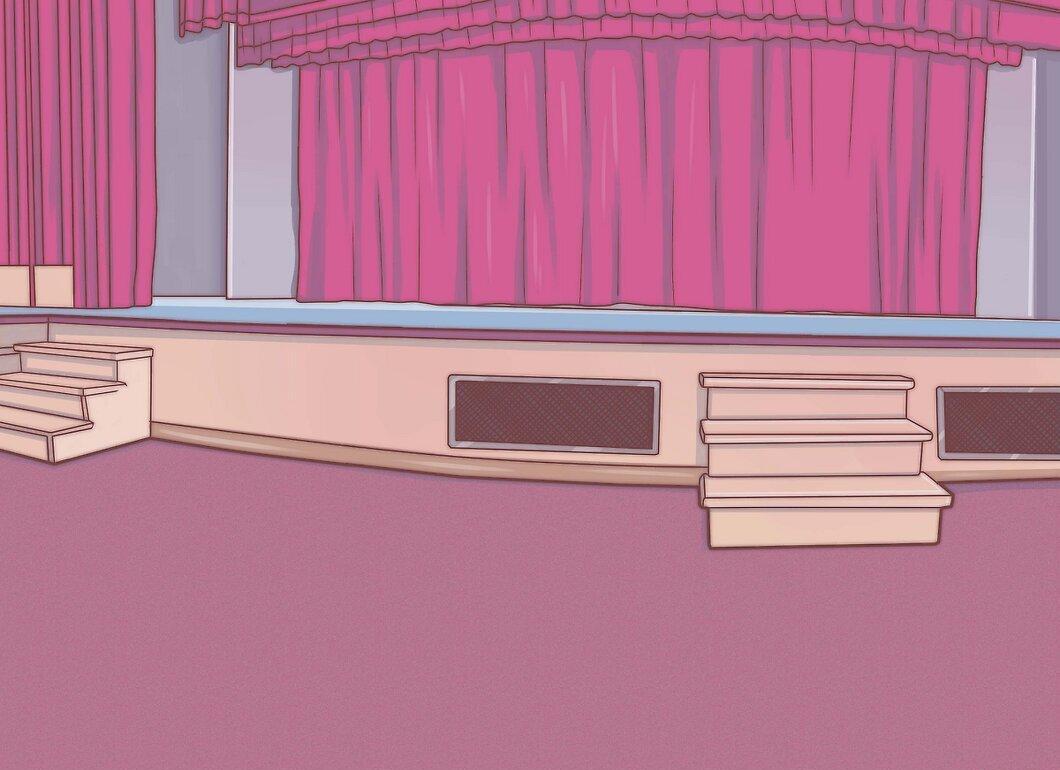
Assess the venue. This will help you determine how many lights you need and where to position them. Look at where the existing lighting is located. This will give you ideas about where to hang your equipment. Can you place lights on floor stands? Or set up vertical pipes to hang lights from different sides?
Step 3. Review What You Have.
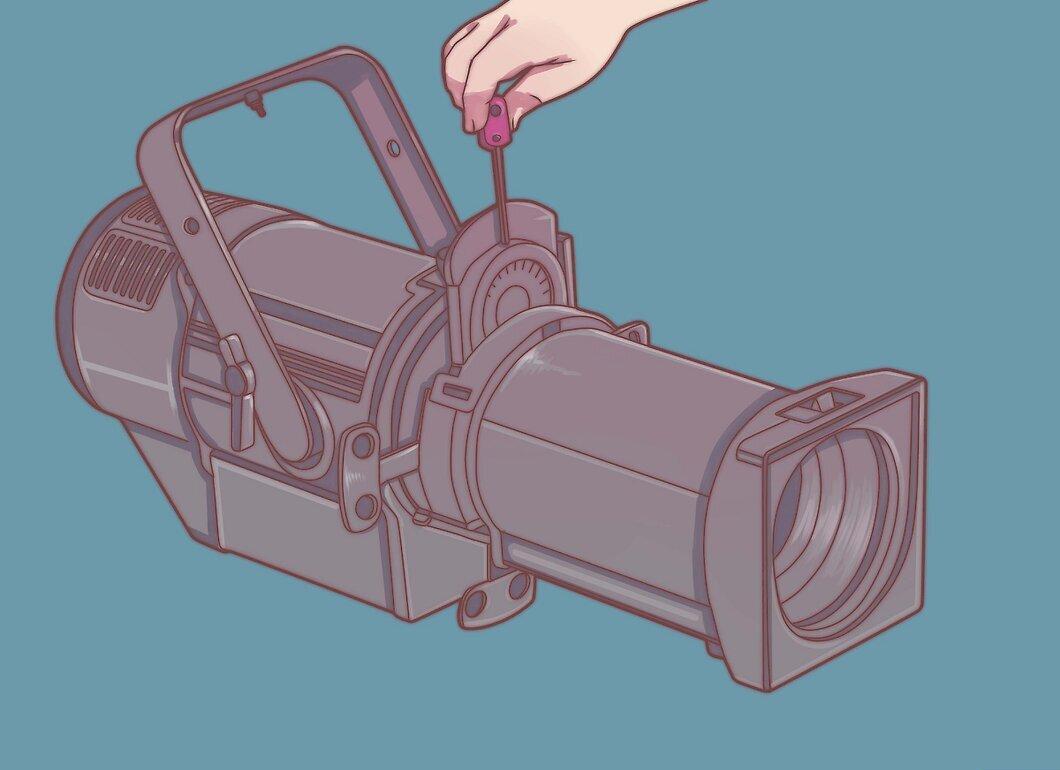
Take stock of what you have. In most cases, venues already have a basic set of equipment. Make sure you know what this equipment is and what it does. Don't delve into technical jargon if you're unsure of what it means; there are two crucial distinctions: Fresnel lamps are 'wash' lights. They have special types of lenses (called Fresnel lenses) that create soft edges. This results in broader coverage. Often, you can adjust the size of the spot, but the edge will always be soft. These lights are typically shorter than PROFILE lights. PROFILE lights are usually used when you need to spotlight something specific—a person in a particular spot, etc. They have a sharp edge.
Consider the Type of Event
Step 1. Think About Your Script, Dance, Music Type, or Concert Type.
Consider your script, dance, type of music, or concert type. Specifically, think about the mood, atmosphere, setting, and time of day in your script. Lighting can enhance all these elements.
Step 2. Plan How You Need to Light Everything.
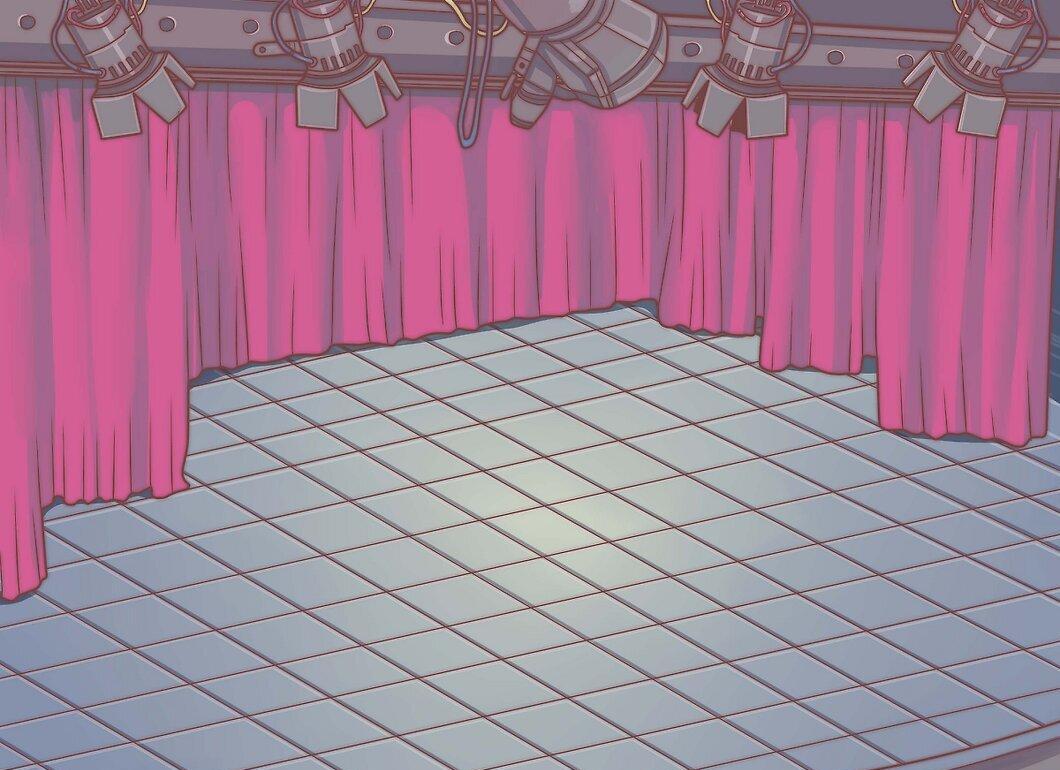
Plan how you will light everything. Lighting is a science of angles, particularly in performances and dances. By angles, we mean the direction from which the light source comes and the angle at which it falls on the subject. Take a small directional light—like a flashlight—and observe how light from it at different angles creates different atmospheres around the subject. Consider how these angles can enhance your performance and where you can utilize them in the script.
Step 3. Think About How Colors Can Help Create Mood and Atmosphere.
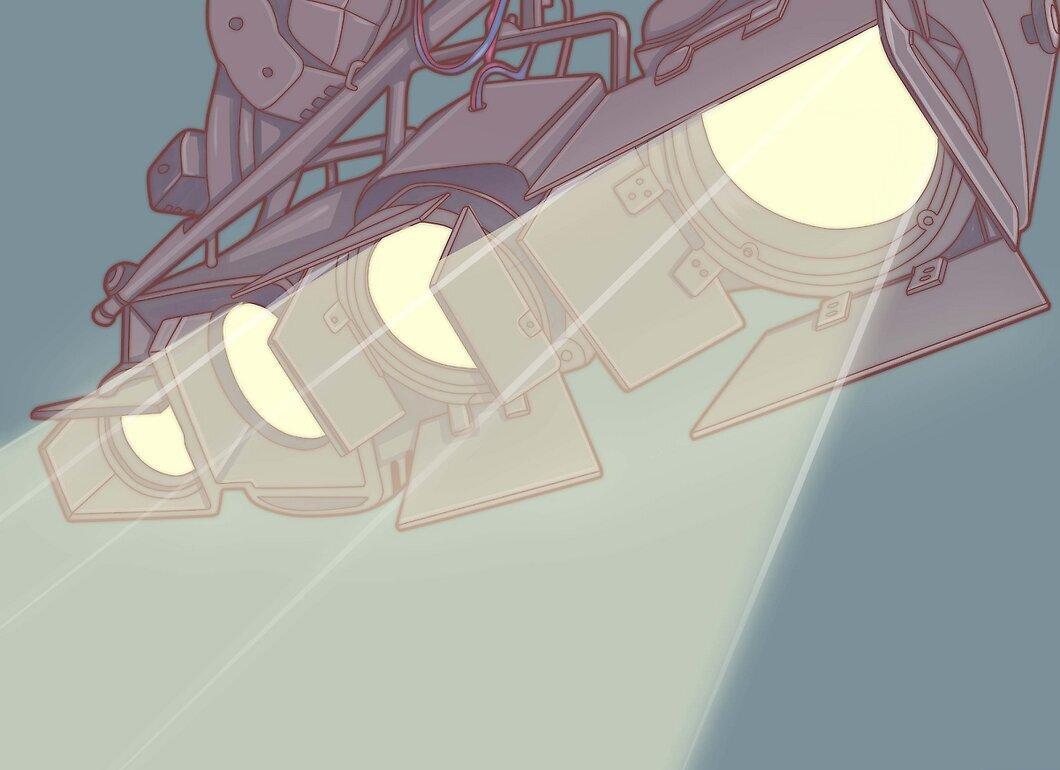
Consider how colors can help create mood and atmosphere. Dark blue light for night scenes (especially when used above or behind actors, as 'fill light'), yellow for warm sunny scenes, etc. You should purchase a color sample book from any theater equipment store and choose your colors.
Setting Up the Lighting
Step 1. Decide Where You Will Place Each Light.
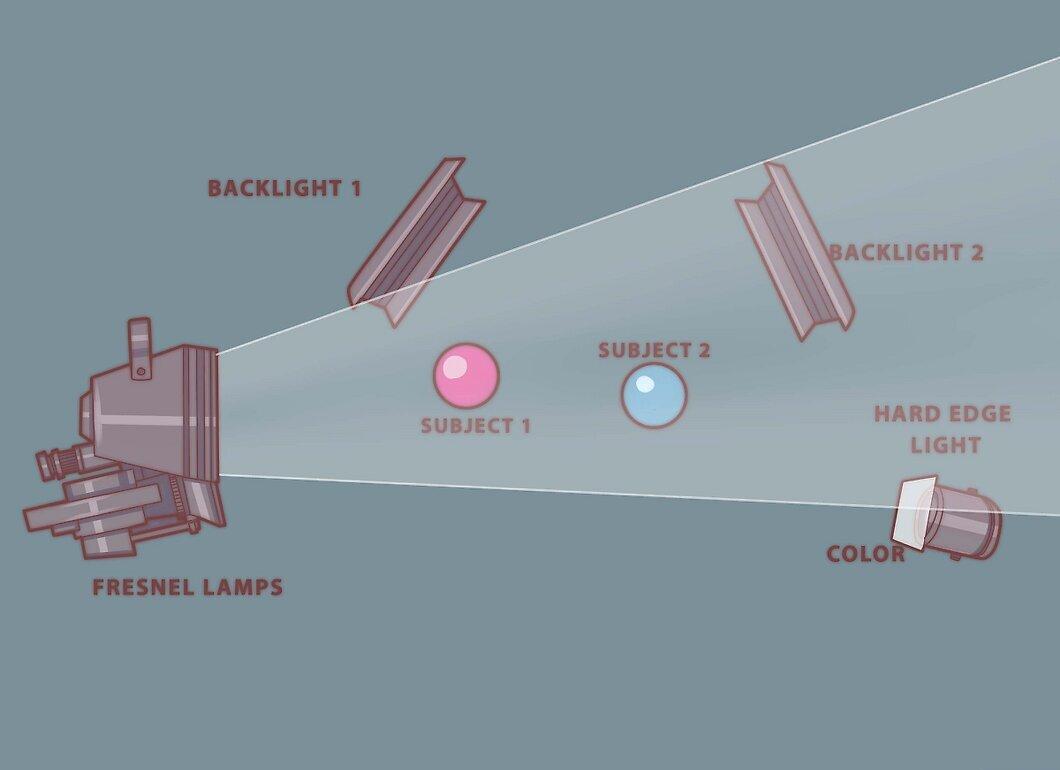
Decide where you will place each light. It’s a good idea to draw a layout of the stage and mark any locations where you can hang your lights. Then, based on this, decide where you want to position your lights, where they will be aimed, what colors they will be, etc. If you have the budget, you can add more stands or use equipment that is on the floor. If your venue lacks sufficient lights, consider companies that can rent you lights for a fee.
- After placing your lights, you can also set up a DMX controller. Connect the lights via DMX cable and set the scene, including brightness and color (which you think will be the best choice for your event).
Step 2. Hang Your Lights and Turn Them On.
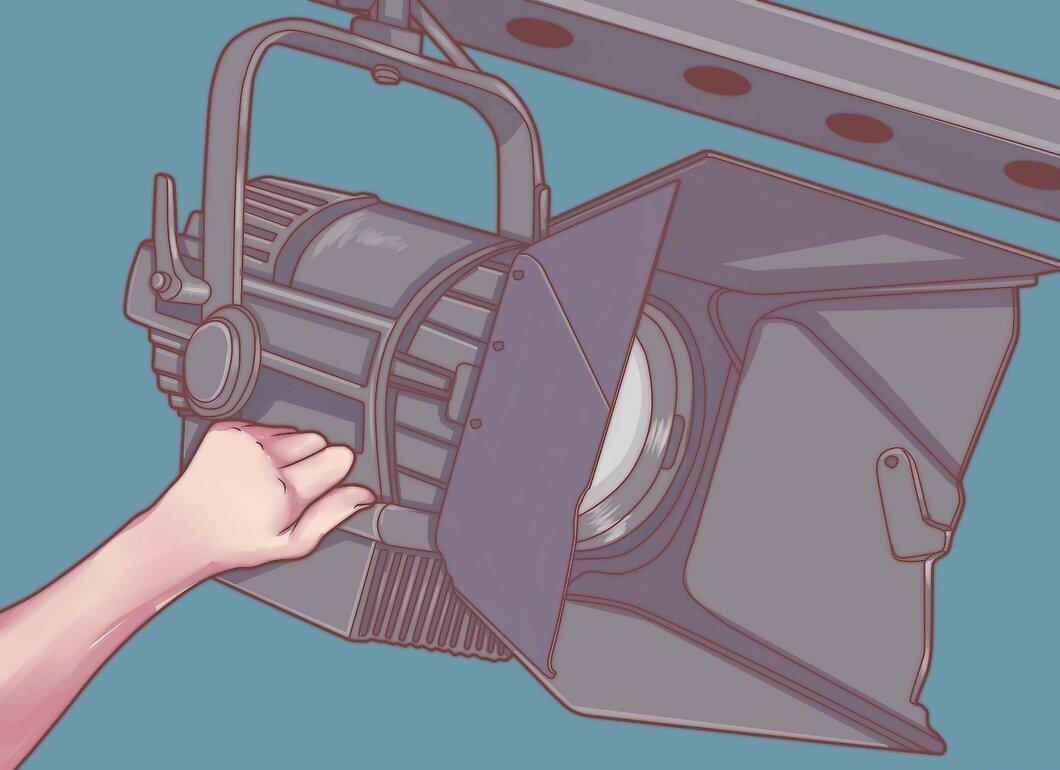
Hang your lights and turn them on. This is usually done with a DIMMER RACK. Dimmer racks allow you to smoothly fade lights on or off using a console or control panel.
Step 3. Focus Your Light Where You Want It.
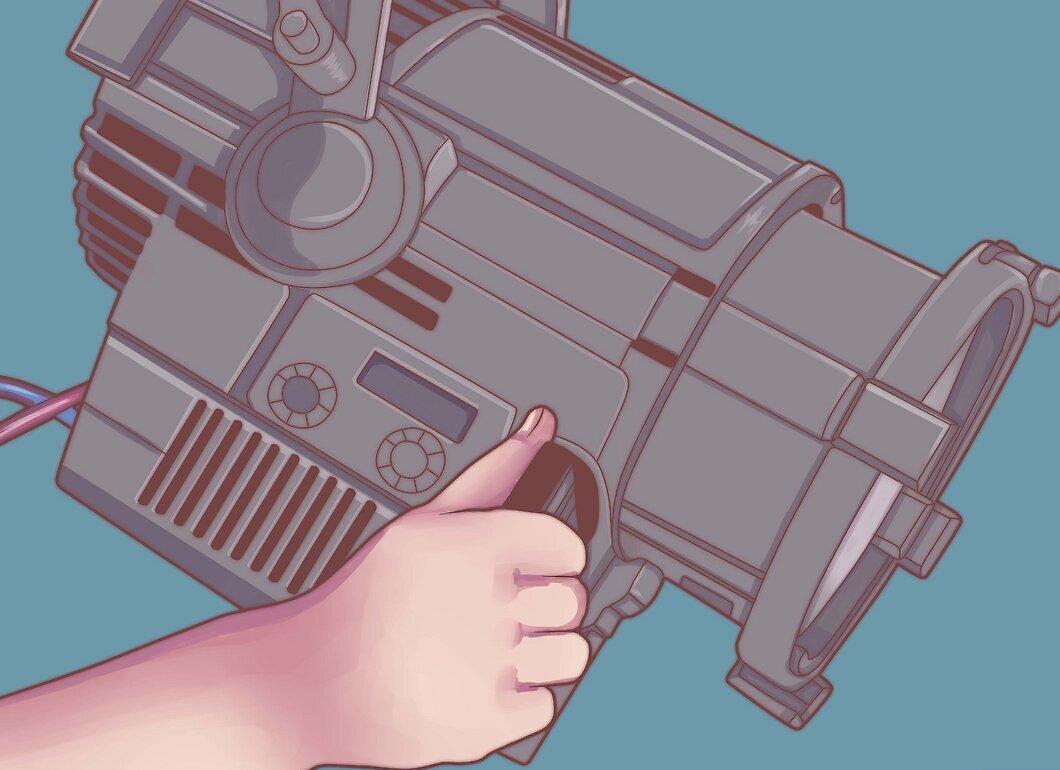
Focus your light where you want it. PROFILE lights have shutters you can use to shape the beam into a square or to avoid illuminating unwanted parts of the stage or walls. Fresnel lights have an attachment called 'barn doors.' They serve the same purpose.