Want to ensure that the autograph you hold truly belongs to your idol? We’ve put together some helpful tips to assist you in this endeavor.
Part 1
Step 1: Turn the Autograph Upside Down
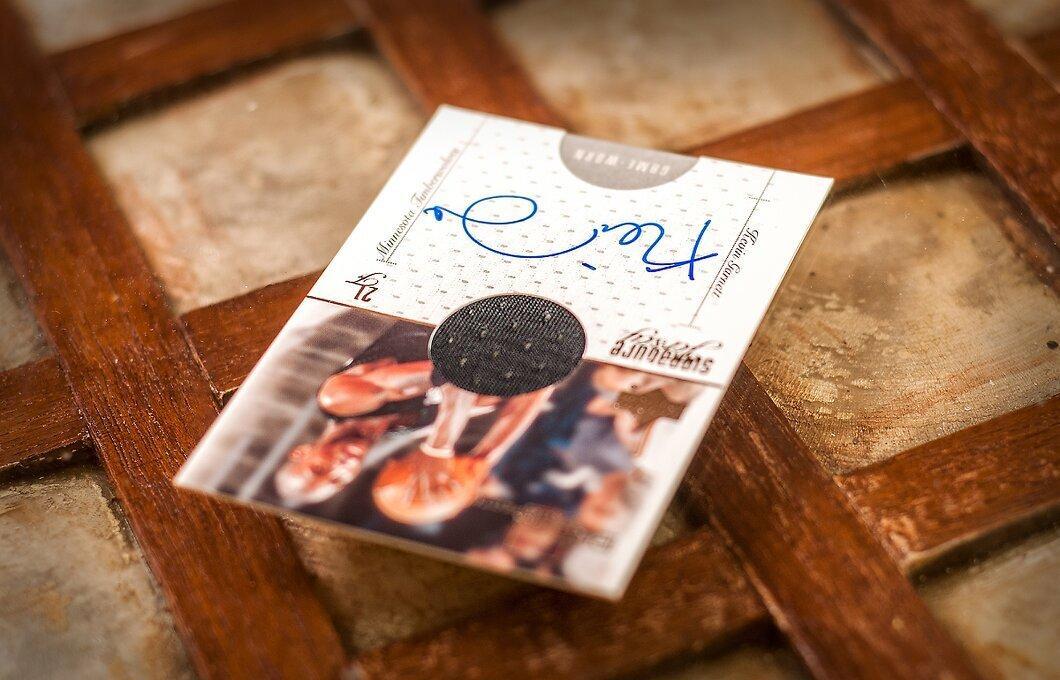
Try flipping the autograph upside down. This method allows your brain to detach from its usual perception of the text, helping you notice any discrepancies and warning signs of forgery.
Step 2: Be Cautious with Stamped Signatures
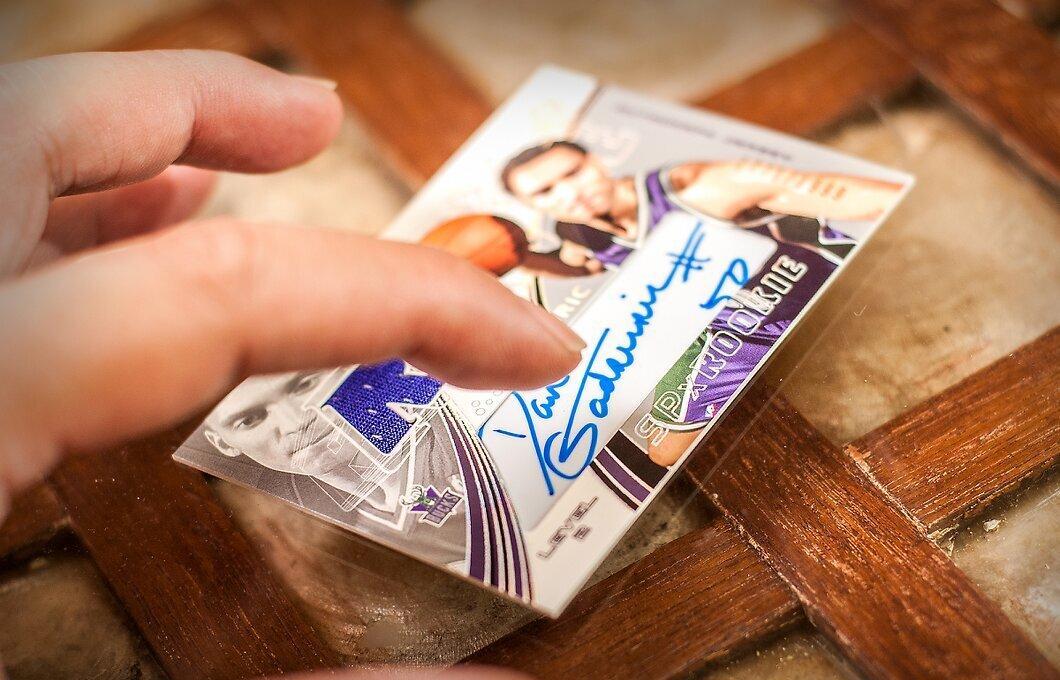
Pay attention to autographs that may have been stamped. Often, these signatures appear flat. Run your finger along the signature's edge: if it feels smooth, it's likely a forgery.
- If you can feel the ink's texture, it means the autograph was applied manually, but it could still have been done using a printer or stamp.
- Note that this method won't work on fabric items like t-shirts, as the fabric absorbs the ink.
Step 3: Analyze the Ink
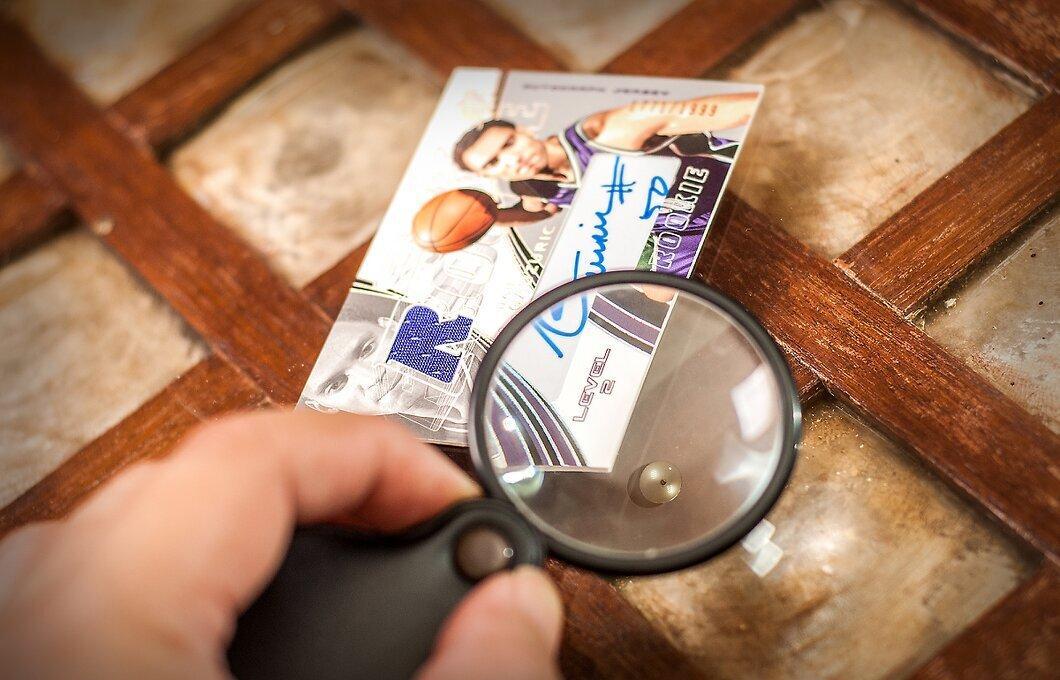
Grab a magnifying glass and closely examine the ink.
- In printed autographs, the ink is usually applied uniformly, creating a thicker layer at the edges. Under magnification, you may notice that the edges have more ink than the center.
- Be wary of autographs that have an overly smooth effect, as this could indicate machine printing.
- Check the ink color: if it’s dark brown, it may have oxidized. Some old inks were made from iron oxide and could have a dark brown hue.
- If the signature is done with a pen, the tip will leave "tunnels" and "bridges" on the paper, which can also be seen through a magnifying glass.
Step 4: Look for Signs of a Mechanism
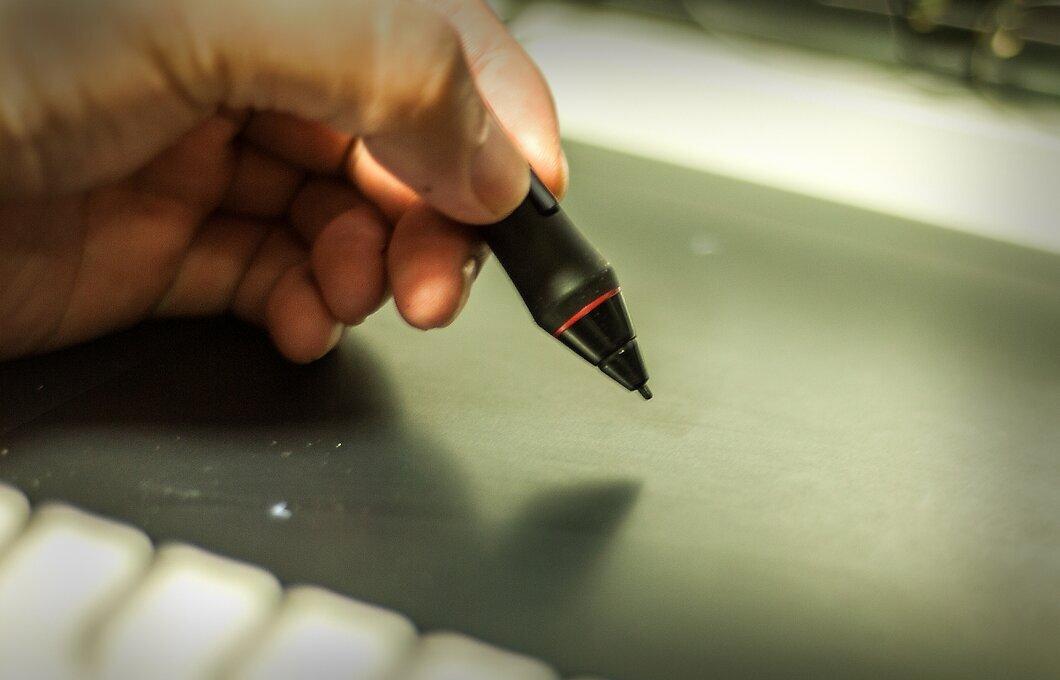
Observe how the name is written. When you write, your movement is often smooth and continuous, while a mechanical pen may drop onto the paper with jerky motions.
- An unnatural tremor in the lines may indicate mechanical fluctuations.
- Look for straight lines that seem machine-like, especially if they are interrupted.
Step 5: Hold the Autograph Up to the Light
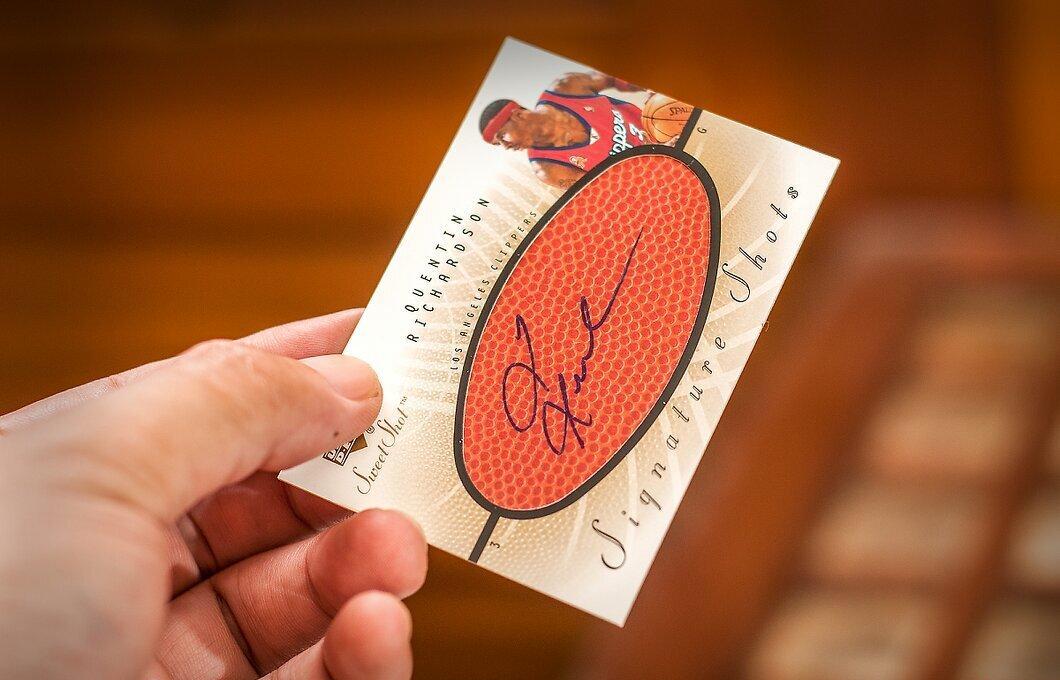
If the ink appears too light or the pressure on the paper is even, it may signal a forgery.
- Try getting an autograph on a negative and then reproduce the photograph. But keep in mind, this method is rarely used nowadays.
- If you see the signature on scrap paper, it’s likely a fake.
- Look out for "vergé" lines, which were popular in the 18th century.
Step 6: Consider the Number of Autographs
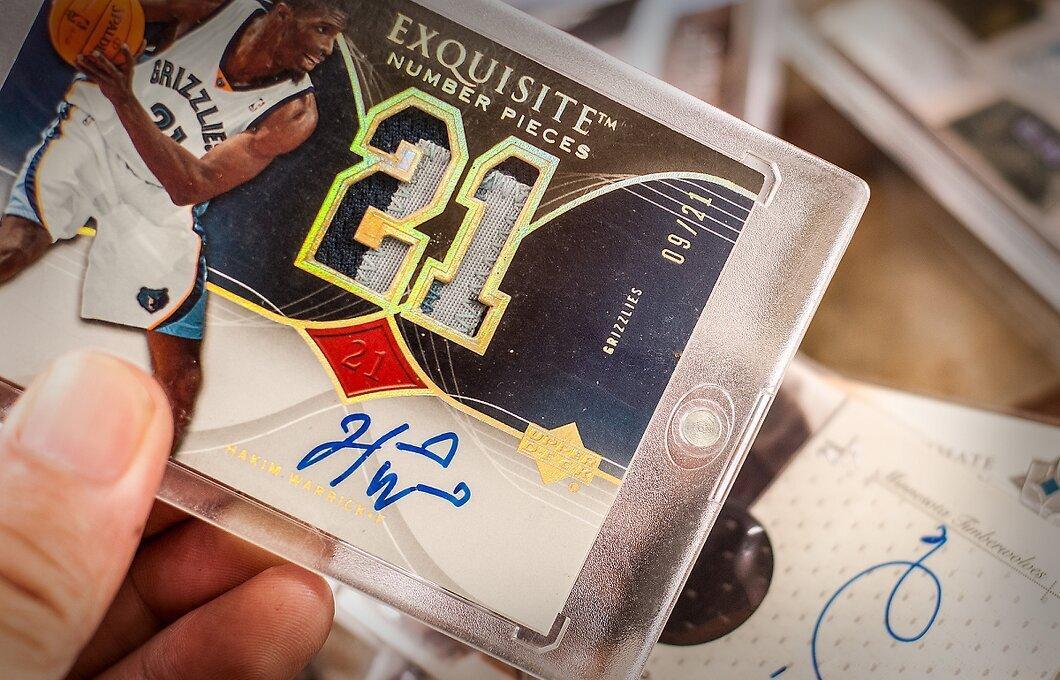
If you see many identical autographs from one person, such as David Beckham, it’s a cause for suspicion. Celebrities typically sign only a limited number of times.
- Celebrities often address their autographs to specific individuals, making forgery even less likely.
Step 7: Beware of Private Auctions
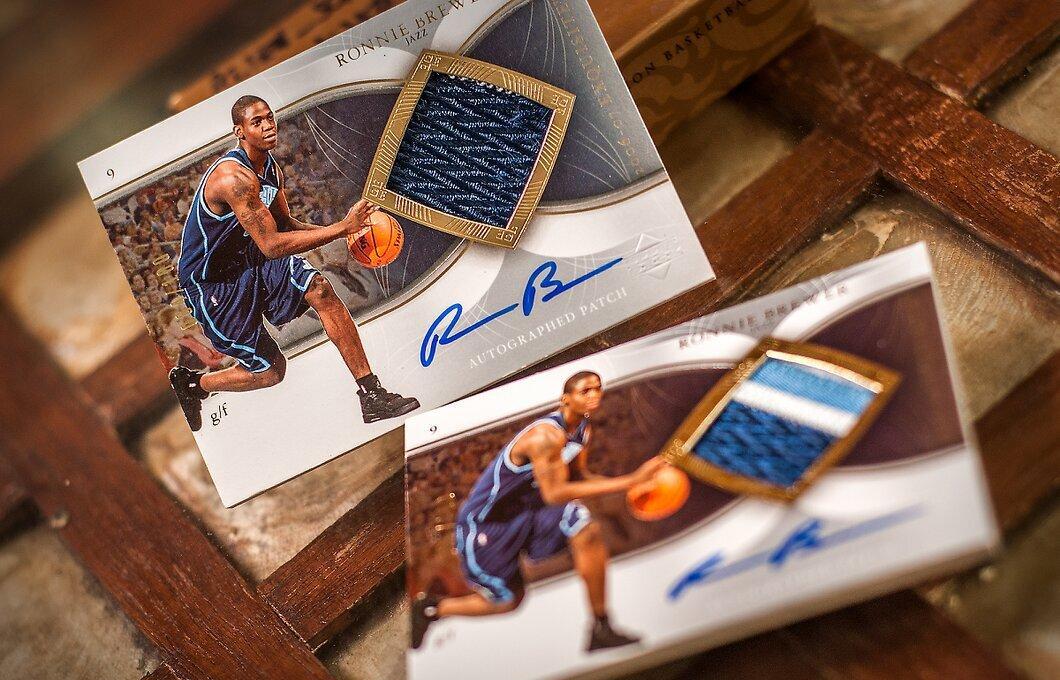
Be cautious with private auctions and sellers' requests for confidentiality. This often serves as a trick to hide the truth about the sale.
- A reputable seller will always provide confirming documentation about the signature's origin and guarantees.
Step 8: Consider the Signature's Condition
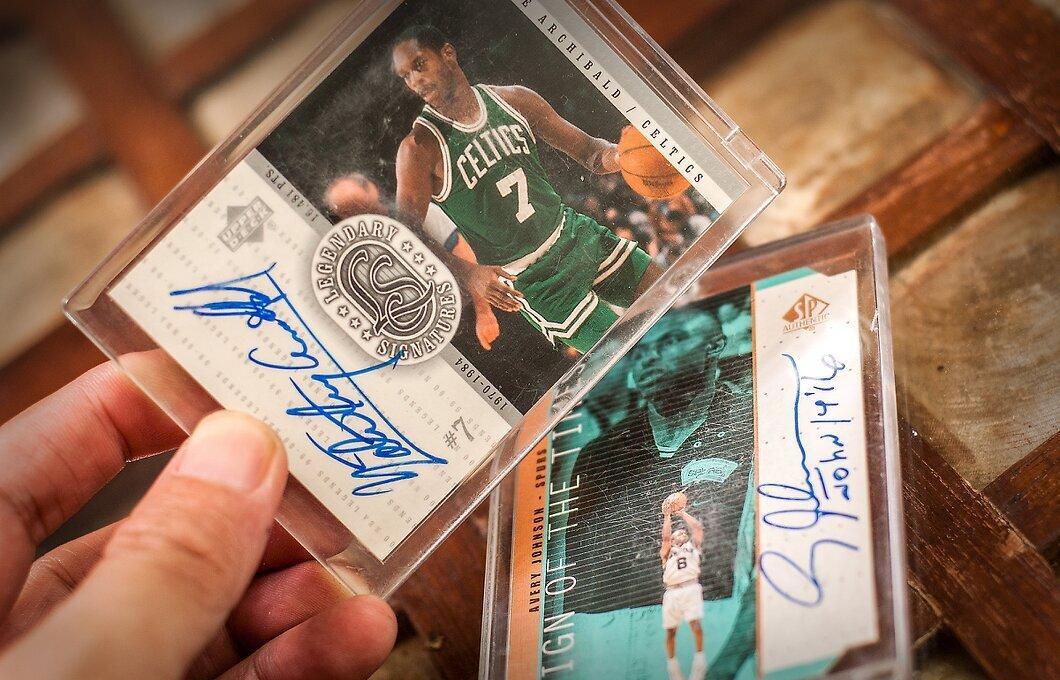
If the autograph is signed with a marker and dated before the 1960s, it’s 100% a forgery, as markers only became available later.
Step 9: Ask Yourself Questions
Ask yourself: could this person realistically have signed this item? For instance, if it’s a scorecard signed by a president, that might raise doubts.
Step 10: Consult Professionals
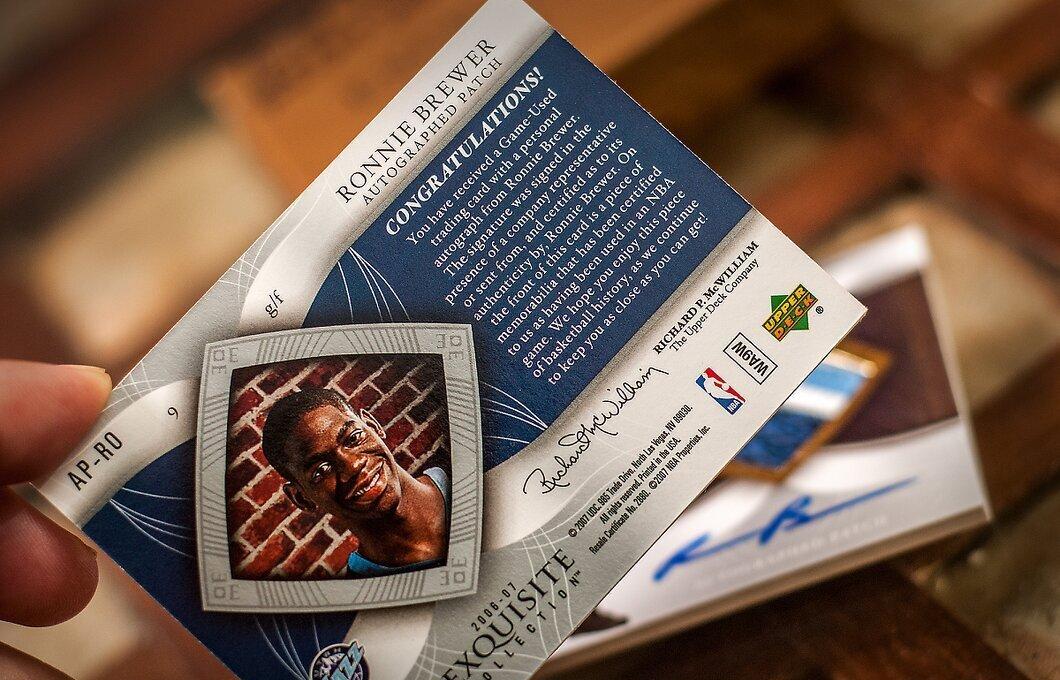
Don’t panic if you have doubts. It’s better to consult professionals for autograph verification.
- Some authentication services have faced criticism, so it’s essential to choose reliable sources.
Step 11: Watch Out for Scammers
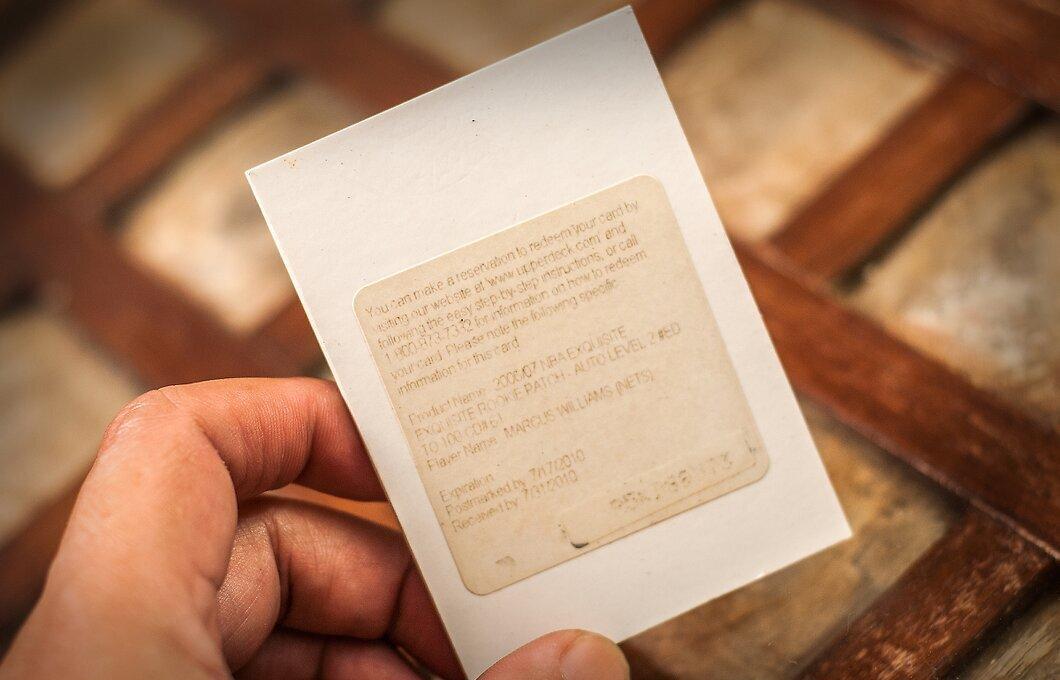
Be wary of companies that claim to be experts but cannot substantiate their claims with documentation. They often offer authentication services for a pittance.
Step 12: Seek Additional Information
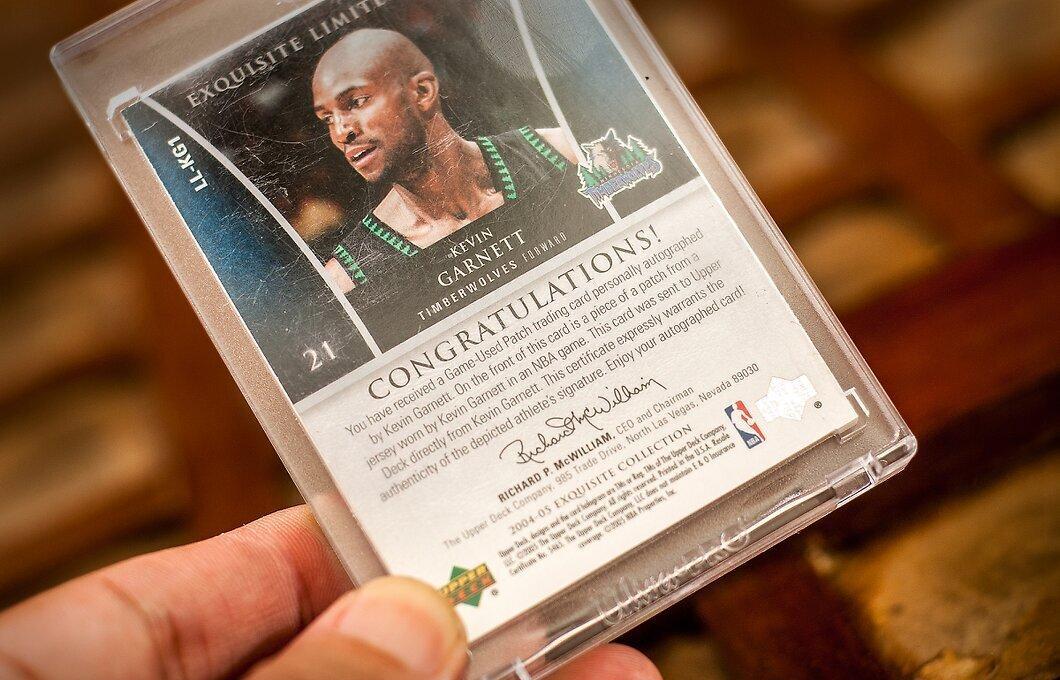
Look for additional text that can confirm the autograph's authenticity. If it contradicts historical facts, that’s a red flag.