
Organizing an audition may seem straightforward, but without proper preparation, it can lead to unexpected difficulties. Regardless of the audition format you choose, there may be different equipment requirements in some cases. Here's a universal action plan for most types of auditions.
Part 1
Step 1. Choose a Suitable Venue for the Audition.

Select a space that is large enough for your audition. If you expect 20-30 participants, even your garage might suffice. For larger events, consider renting a hall in a hotel or a specialized center. Usually, the cost of a daily rental is quite affordable.
Step 2. Gather the Necessary Equipment.

- If you’re auditioning musicians for a band, you'll need an amplifier, cables, microphones, and other accessories. If you’re selecting a drummer, ensure you have a drum set available, as many drummers won’t bring their expensive instruments to an audition. Participants usually bring their own instruments.
- For actors or singers, you'll require a microphone, speakers, and a player for background music. You might also need an accompanist to play along with the participants. This is not difficult to arrange if you have a bit of entrepreneurial spirit!
Step 3. Decide on the Format of the Audition: "Open" or "By Appointment".
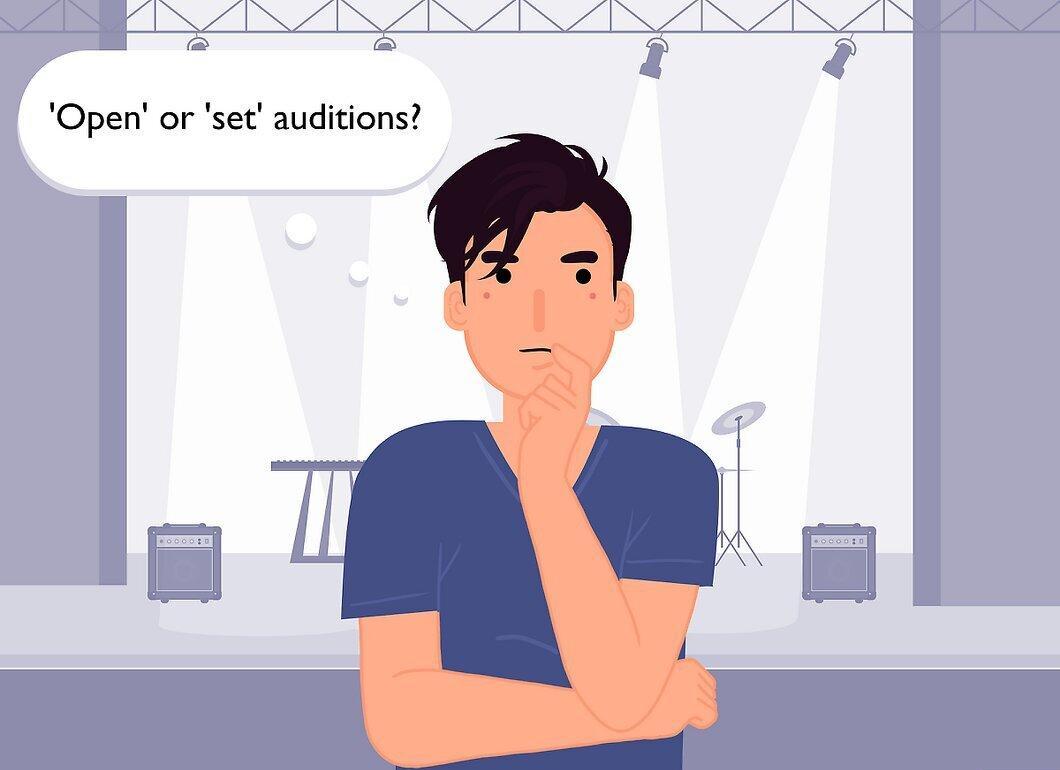
- At open auditions, anyone can come at the specified time and location. Participation is on a first-come, first-served basis.
- In auditions by appointment, you don’t specify the time and place in your advertisement. Just leave a contact number, and when people call, provide detailed information and schedule a time. While this format may seem more complex, it’s easier to manage, and you’ll know exactly how many people to expect in advance.
- Your announcements should include: AUDITION, details about the required performers, preferences for gender and age, time and location (not mandatory), duration of the audition, and contact information.
Step 4. Create Eye-Catching Advertisements.

Develop advertisements for your audition. If you’re unsure about your artistic abilities, it’s best to hire a professional. Post flyers in busy areas such as music stores, colleges, theater studios, etc. Placing an ad in a local newspaper can also help attract more participants. Consider reaching out to talent agencies—contact details can be found in the yellow pages. These agencies often work with verified performers.
Step 5. Set Specific Time Limits for Participants’ Performances.

Step 6. If you’re holding auditions for a film or theater, provide candidates with the script as soon as they express interest in participating.
Step 7. Prepare Forms for Participants to Fill Out.
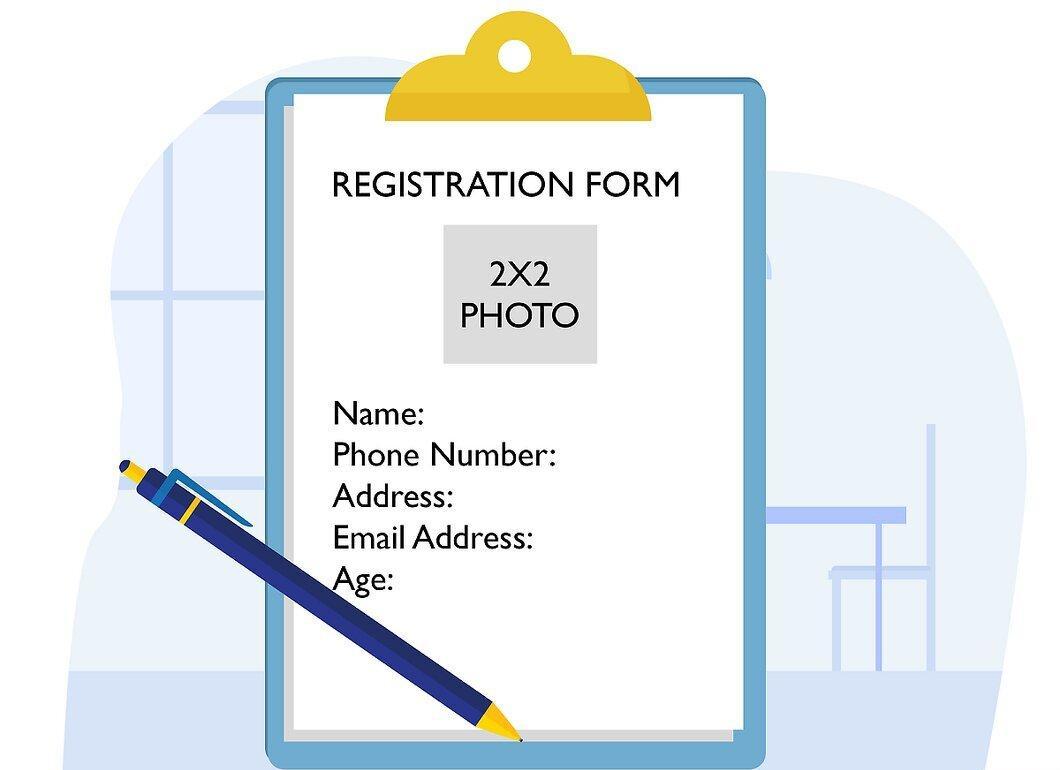
Create forms for participants to fill out upon arrival. Also, ask each person to bring a 3x4 photo to help you remember who they are. The form should include:
- Phone number
- Email address
- Age
Step 8. Try to Audition Everyone Interested, Even If They Can’t Attend on the Scheduled Day.
Make an effort to accommodate everyone who shows interest in your event, even if they can’t come on the audition day. Many talented individuals have busy schedules, so try to arrange individual auditions for them.
Step 9. For Larger Auditions, Enlist Helpers and Interviewers to Streamline the Process.

If you’re planning a large audition, ensure you have helpers to maintain order in the queue, etc. You’ll need at least two people, ideally a mix of men and women, unless you’re working in a strictly single-gender environment. This will give the event a more professional appearance, as individual auditions can be confusing.
Step 10. Provide Refreshments for Participants — It Shows You Care!

Step 11. Ensure the Waiting Area is Separate from the Audition Space, Allowing Participants to Focus and Perform Better.

Step 12. Offer Constructive Criticism if You Have Feedback, but Avoid Arrogance.

Make sure to provide constructive feedback if you have something to say, but avoid condescending comments. Don’t reveal your decisions immediately — let participants know you’ll be in touch later.
Step 13. After the Audition, Make a Decision and Inform the Selected Candidate. Send notifications with apologies to the other participants, inviting them to the next audition based on the information from their forms.