
Snakes are among the most captivating and unique creatures on Earth. Few animals can evoke the same mix of fear and fascination as these long, flexible reptiles. Their remarkable ability to stay hidden in a variety of environments makes them true masters of camouflage. With their flat bodies and flexibility, snakes can move silently across the ground, remaining out of sight. If you want to track them down, you'll need keen observation, good eyesight, and this article.
Part 1
Step 1. Identify the Right Location.

First, make sure you're in the right area. Research information about local snakes: are they found near your home? What species are common? If venomous snakes inhabit your region, try to memorize their identifying features and learn how to distinguish venomous species from harmless ones. This will help you avoid trouble—consider bringing a snake field guide along just in case.
Step 2. Consider Weather Conditions.

Be sure to check the weather forecast. Snakes are particularly active in early summer and late spring, when they emerge from hibernation and go hunting. However, this also means they will be moving around actively rather than just basking in the sun, so stay alert.
Step 3. Prepare Your Gear.
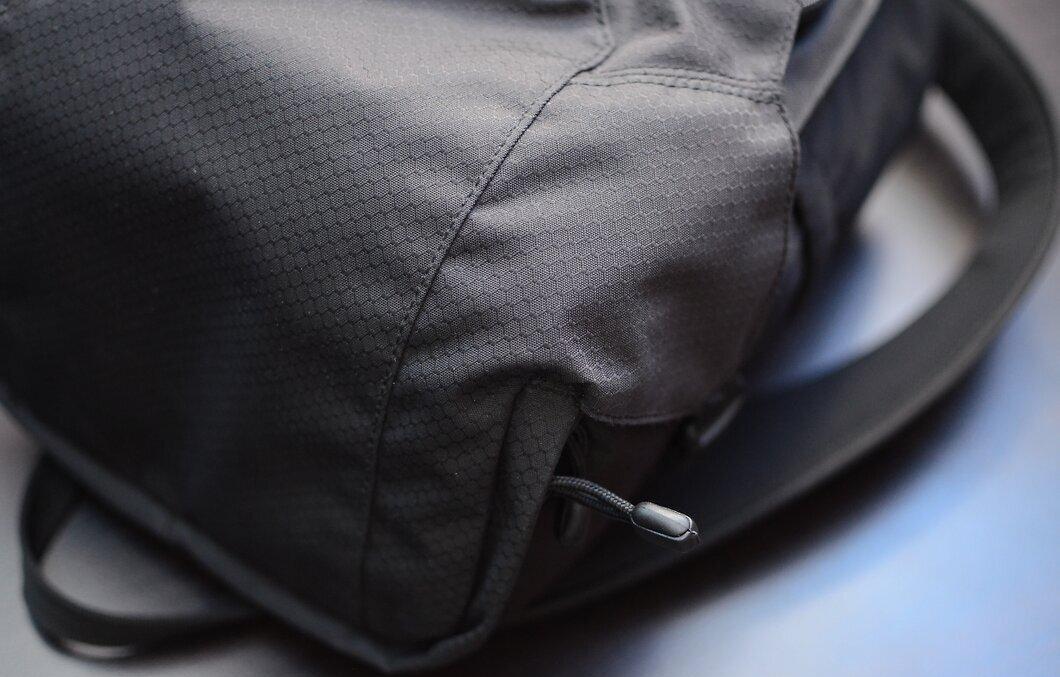
If you plan to venture beyond your yard, you'll need some essentials: make sure to take your mobile phone in case of a snake bite, as this could be critical. Wear long pants and sturdy boots. If you intend to touch a snake (which is not recommended without proper training), protect your hands with thick gloves and long sleeves. And of course, don't forget to bring along a guide to local snakes—it might come in handy even in your backyard.
Step 4. Start Your Search.
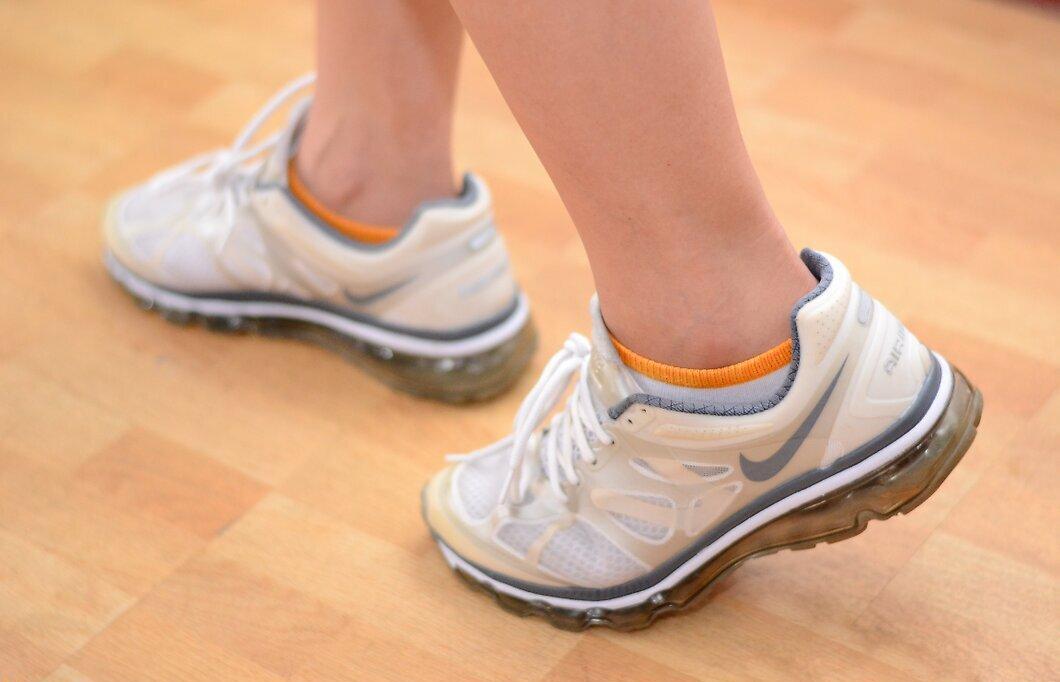
- Begin searching in sunny spots. Snakes love to bask in the sun, and in early summer, they tend to be more active.
- Pay attention to rocks—check what's underneath and around them. It's best to use a long stick to move rocks to avoid an unexpected encounter with a snake.
- Look in cool, dark places, but light them up with a flashlight first. Just because you didn't see a snake right away doesn't mean it's not there.
- Avoid rummaging through dry leaves and branches! This can be dangerous, as you won't be able to see if a snake is hiding there. Better to play it safe: you don't want a snake to perceive you as a threat and bite.
Step 5. Observe the Snake.

Try to watch the snake carefully. If you wish, take a photo without using flash. Remember, snakes are wild animals, and avoid sudden movements, as some can be very fast, even quicker than a human. Stay cautious!