In 1291, the mayor of Venice ordered all glass factories to relocate to Murano to prevent devastating fires in the city. Since then, Murano glass has gained fame for its beauty and color. Authentic Murano glass is primarily identified by its place of production, followed by the factory and the designers. You can verify this information through a certificate of authenticity, the signature of the glassmaster, or the Murano glass catalog.
Surface Methods to Identify Murano Glass
Step 1: Look for a Label or Stamp.
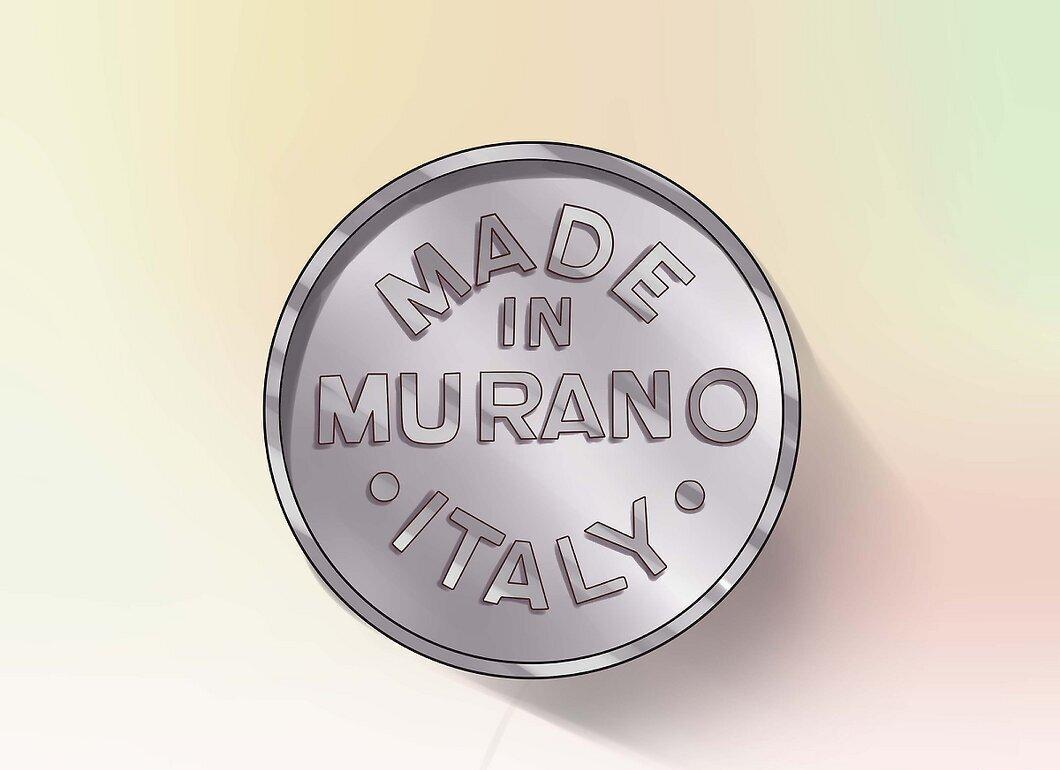
Look for a label or stamp. If the label or stamp reads "Made in Italy" or "Made in Venice," it is likely not authentic Murano glass. This is one of the two methods used by those outside the glassmaking industry to convince tourists that the product was made in Murano without directly stating so.
- Products with a "Made in Murano" label may be counterfeit. Many items are currently produced in China and sold in Venice as Murano glass.
- Similarly, if the item has a "Murano-style" label, it is unlikely to be genuine Murano glass.
Step 2: Ask the Seller if the Glass Item is Old or New.

Ask the seller if the glass item is old or new. New Murano glass should come with a certificate from the factory guaranteeing its authenticity. In cases of antique glass sales, this should be provided with the glass items.
- Murano glass made before 1980 is unlikely to have a certificate, so this identification method works 100% only for new glass.
Step 3: Be Cautious with Paperweights and Aquariums.
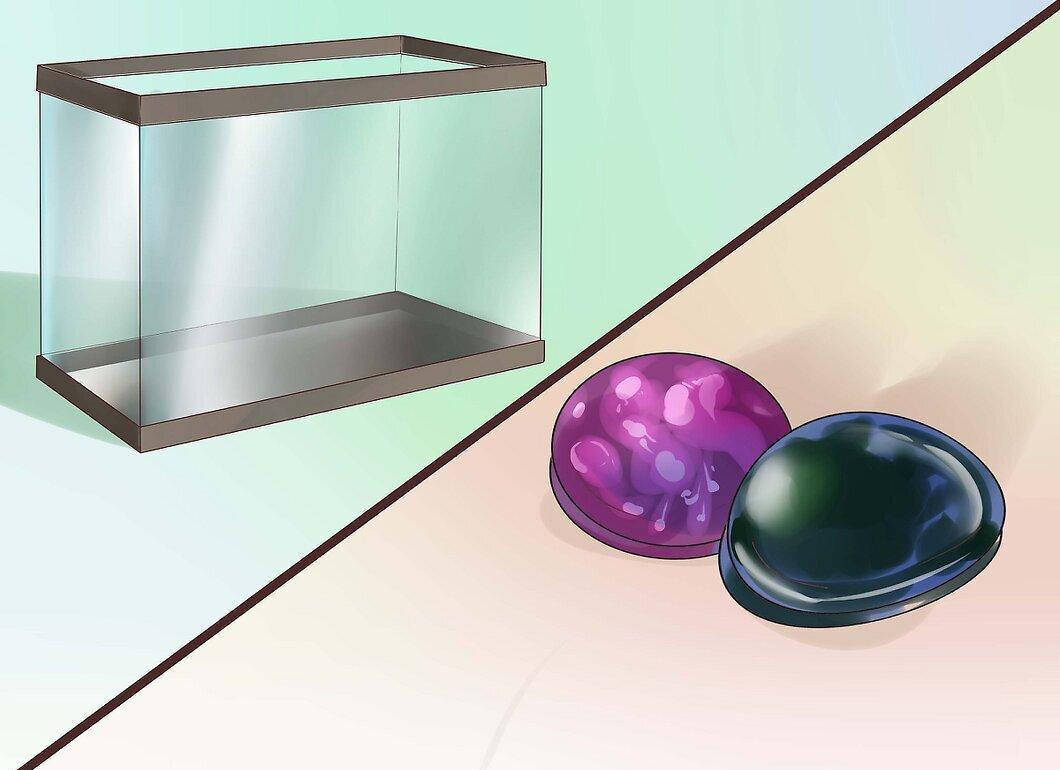
Be very cautious with paperweights and aquariums. These are the most commonly counterfeited items sold as Murano glass. Move on to the next recognition methods to determine if the glass is indeed Murano.
Identification by Appearance
Step 1: Don’t Rely on Your Ability to Recognize Authentic Murano Glass by Color.
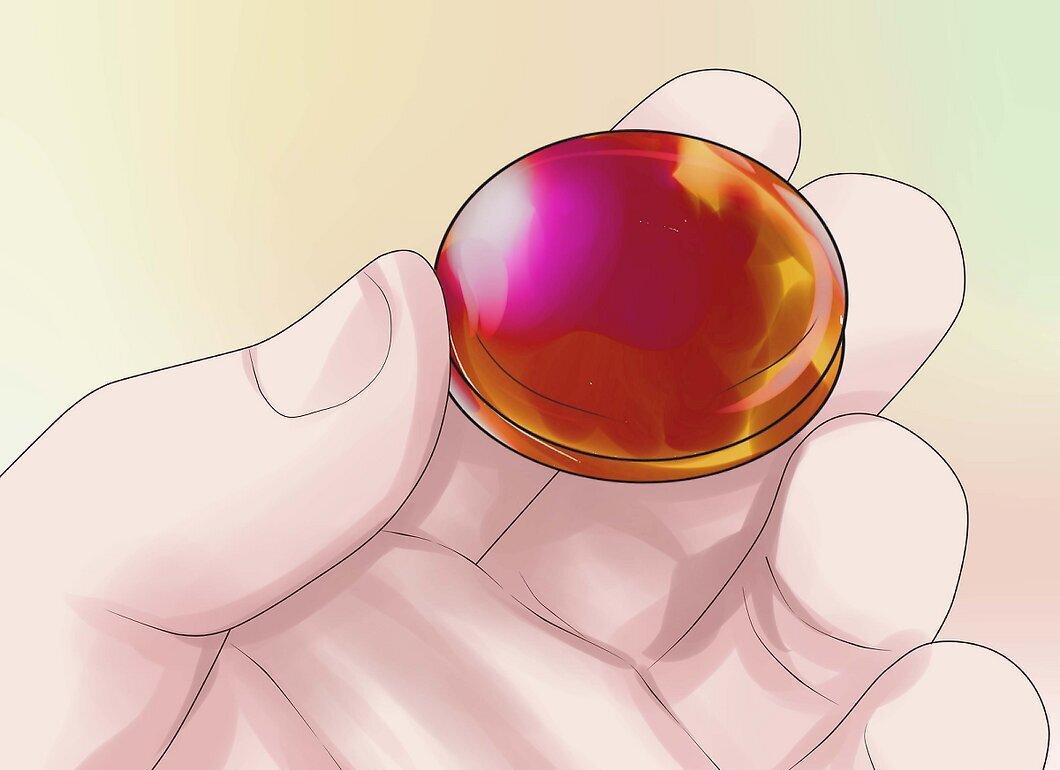
Don’t rely on your ability to recognize authentic Murano glass by color. Only a trained expert's eye can do this confidently.
Step 2: Don’t Attempt to Identify Murano Glass Authenticity Online.
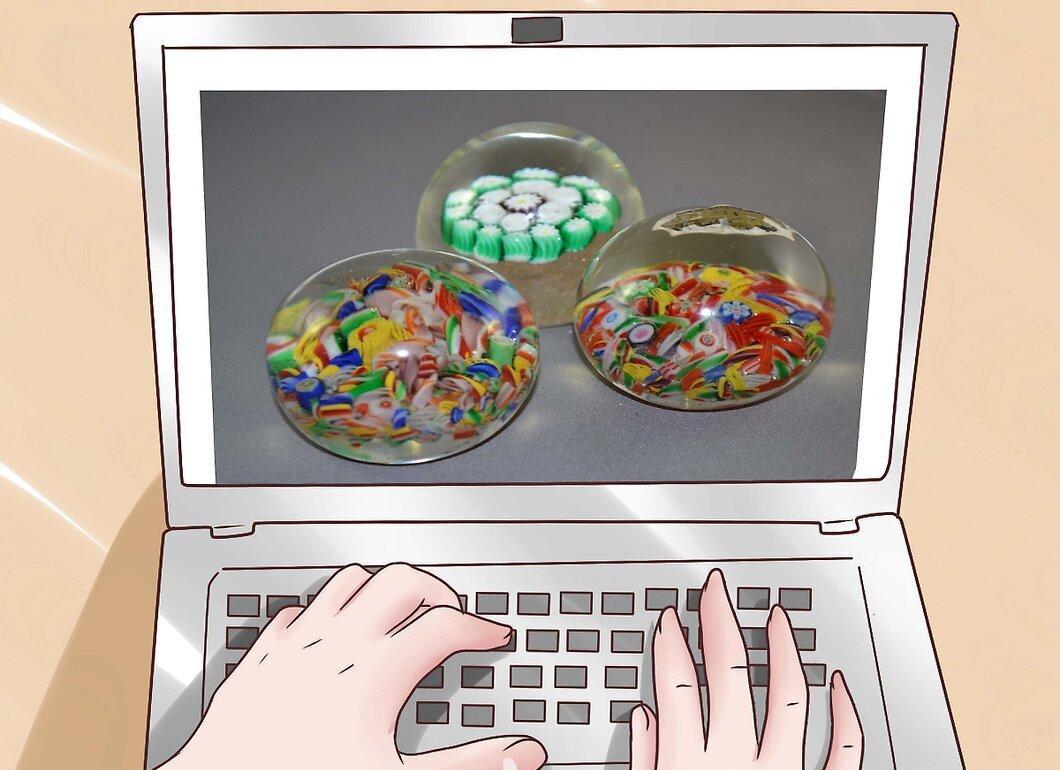
Don’t attempt to identify Murano glass authenticity online. If you want to purchase an item, it’s better to verify it through the signature of the glassmaster, the catalog, or a certificate of authenticity.
Step 3: Look for the Signature on the Item Itself.
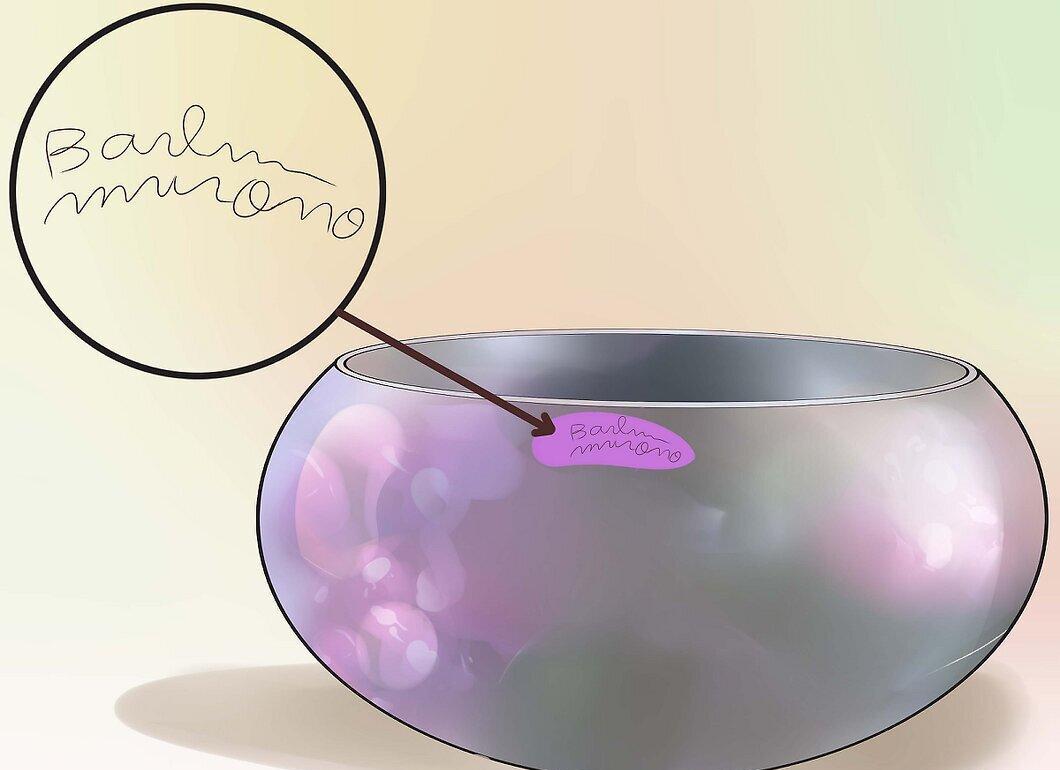
Look for a signature on the item itself. Some notable glassmasters from Murano include Ercole Barovier, Archimede Seguso, Aureliano Toso, Galiano Ferro, Vincenzo Nason, Alfredo Barbini, and Carlo Moretti. Many other masters have worked in Murano glass factories in the past.
- If the signature looks as though it was scratched onto the glass surface after it hardened with a carbide-tipped pen, it is likely an attempt to pass off a counterfeit as a designer original.
- To find out if the signature is in the right place, you’ll need to proceed to the next method. Catalogs provide information on the locations of signatures and labels.
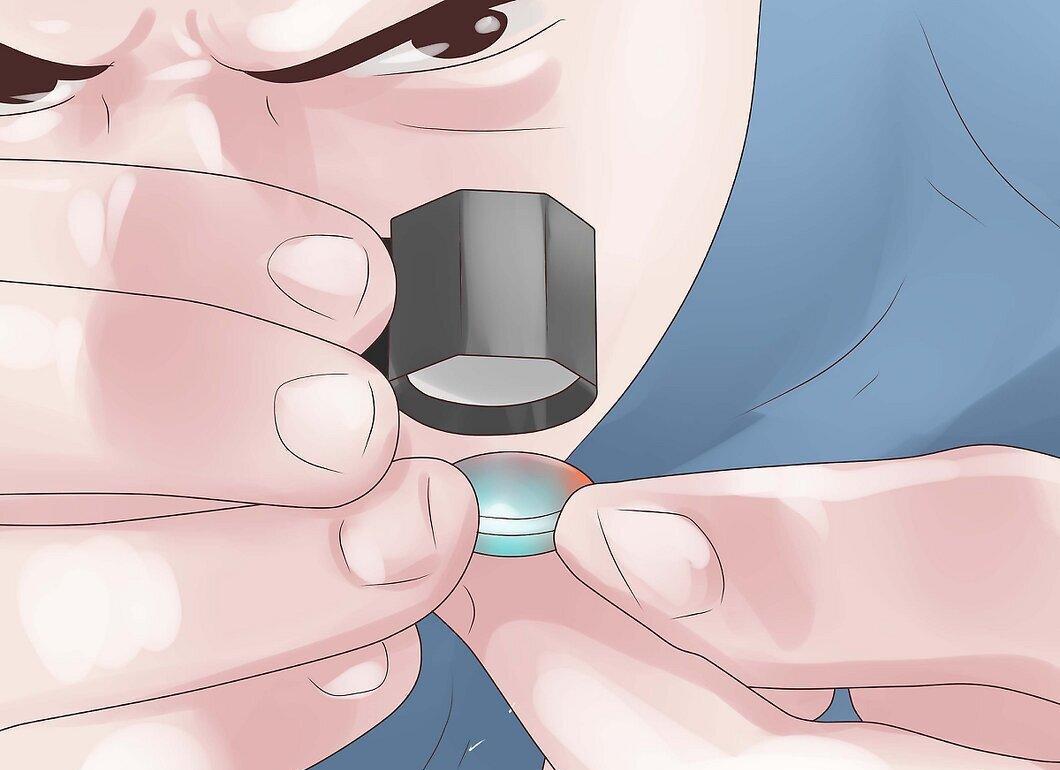
Step 4: Look for Evidence of Real Gold or Silver Used in the Glass Item.
Step 5: Look for Evidence of Handcrafting.
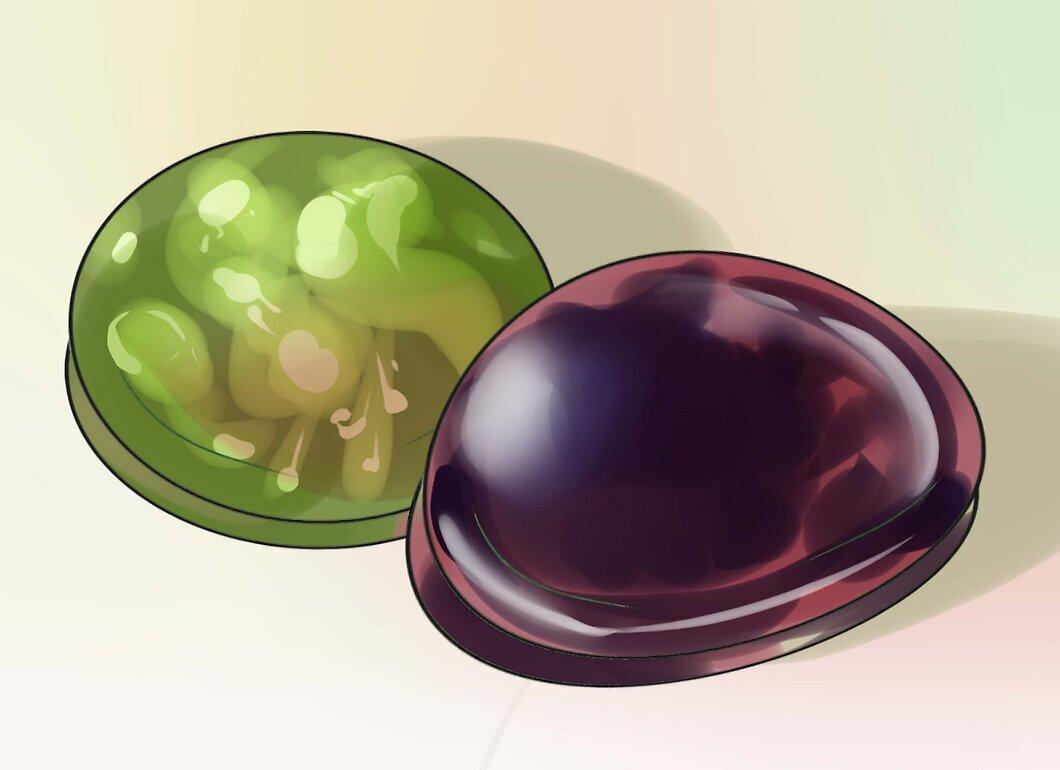
Look for evidence of handcrafting. Murano glass is blown using a glass-blowing pipe, so it should have bubbles that are asymmetrically placed within the glass.
Step 6: Look for Imperfections in the Surface, Cloudy Glass, or Blurry Colors.
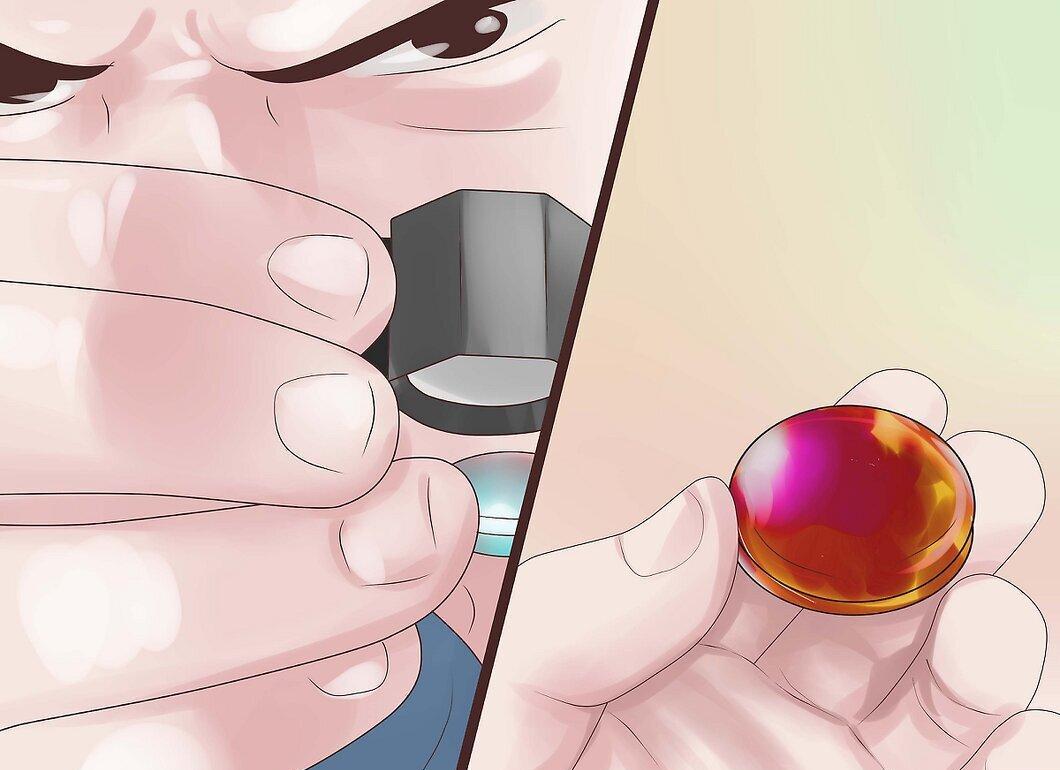
Look for imperfections in the surface, cloudy glass, or blurry colors. Although blown glass is not perfectly uniform, such defects are rarely allowed.
Identification via Catalog
Step 1: Read the "Glossary of Murano Glass" on the Fossilfly Website.
Read the "Glossary of Murano Glass" on Fossilfly.com. It is a good guide to the techniques and styles of Murano glass, which you can refer to while reading factory catalogs.
Step 2: Request a Catalog from the Factory Itself.
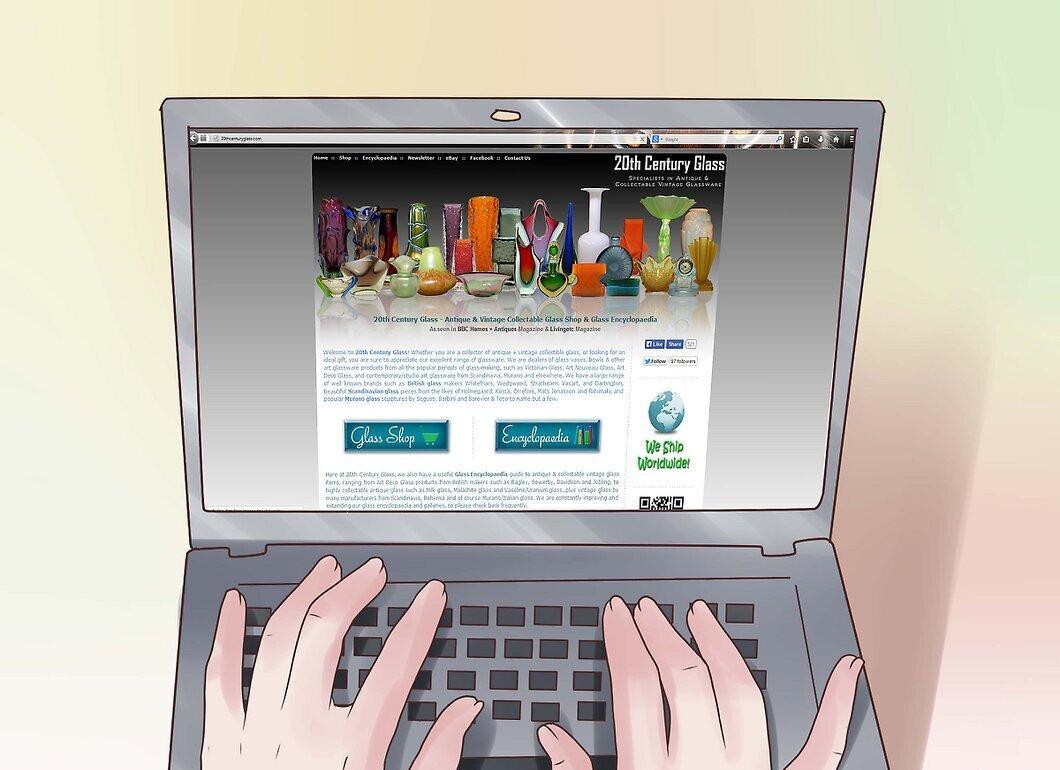
Request a catalog from the factory itself. Factories have catalogs for at least their current items, and possibly their vintage glass items too. Check out 20thcenturyglass.com to find popular Murano glass factories, then visit their websites to request catalogs.
Step 3: Use an Expert for Glass Item Identification.

Use an expert for glass item identification. If authenticity is still in question, you should reach out to a local glass antiques expert and show them all the information you have. While experts cannot be 100% accurate, they will find it easier than anyone else to identify the glass item.
- If you cannot find an expert, try posting photos and information on an antique glass forum. You may discover more creative ways to identify the glass.