Collecting coins is easy and exciting. Plus, it's a fun and educational experience for both you and your child. Most people think that to start collecting, you need to buy at least a few coins, but you can kick off this new hobby with just the change in your pocket!
Part 1
Step 1. Don’t assume that old coins have to be in bad condition.
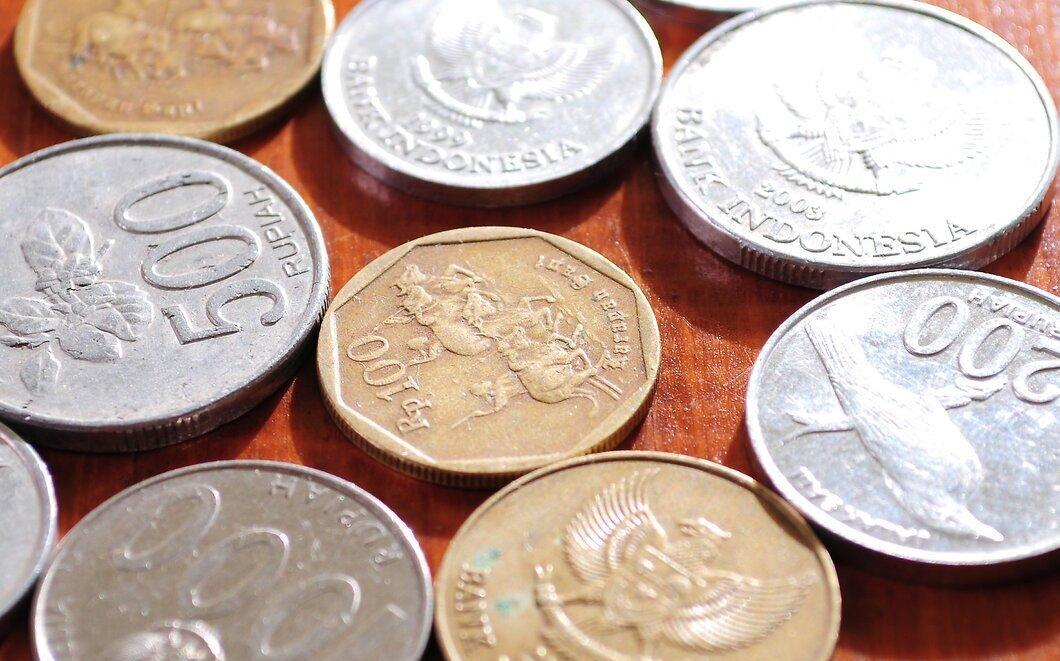
Don’t assume that old coins have to be in bad condition. If you're buying coins, they're likely to look quite good, even if they are over 500 years old! Of course, keep in mind that the older the coin, the more valuable it typically is.
Step 2. Find a box or pouch to keep your collection.
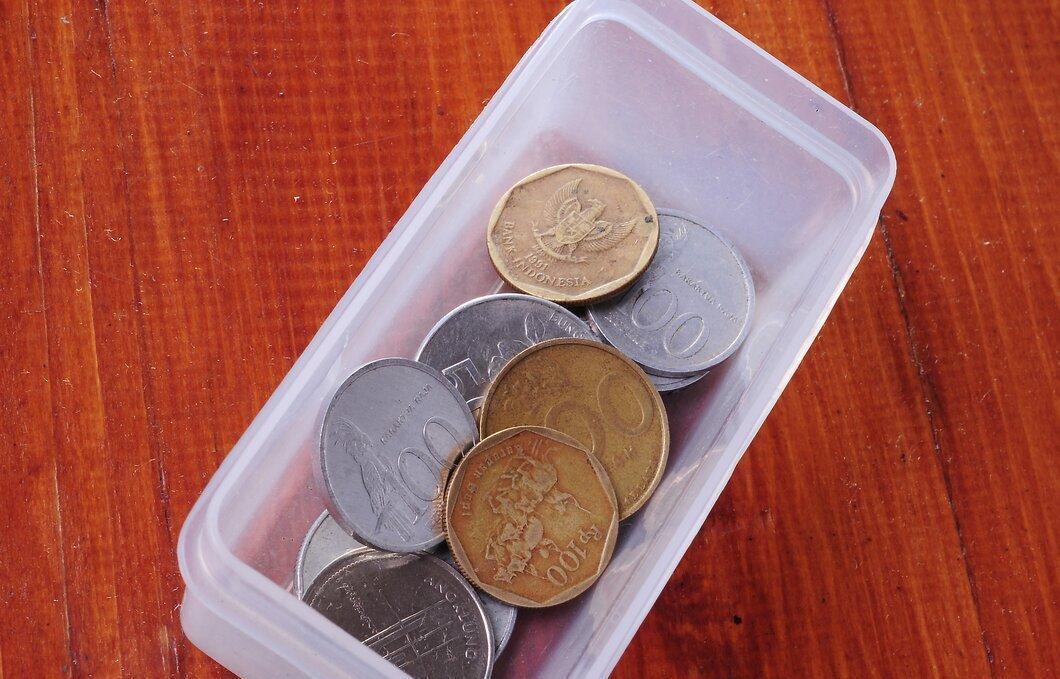
Find a box or pouch to keep your collection in. You don’t need to purchase fancy, expensive packaging specifically for coin collections (though that would certainly help keep your collection in good shape). An old shoebox or some other container will work just fine.
Step 3. Store your coins in a safe place!
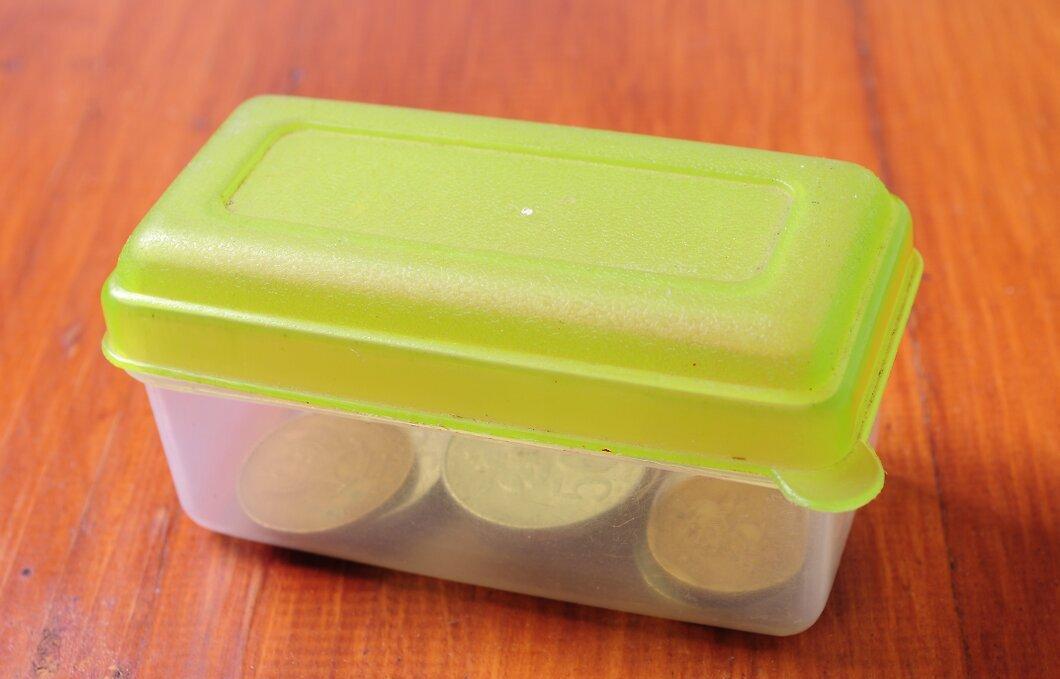
Store your coins in a safe place! If you've decided to take this hobby seriously and have bought valuable coins for your collection, it’s best to find a reliable box to keep them in excellent condition.
Step 4. Decide which coins you want to add to your collection.
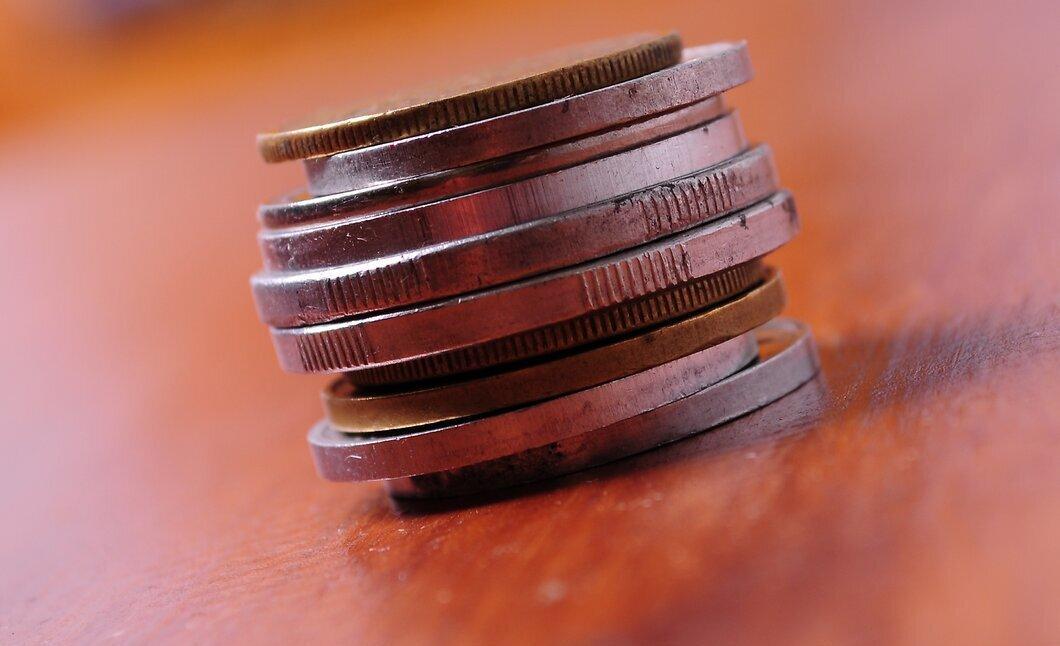
- You might want to collect foreign currency, or perhaps the currency of your own country.
- You can gather large or small denominations.
- You might want to buy a pre-assembled coin collection, or maybe you just need a few coins to complete your own.
- Perhaps you’re interested in acquiring coins minted in the 1950s.
- If you enjoy history, you might want to seek out antique coins specifically made for collectors.
- You may prefer silver coins over gold ones. Silver coins are generally more accessible, and their value fluctuates depending on the prices of gold and silver.
Step 5. Ask friends and family if they have any coins lying around that might interest you.
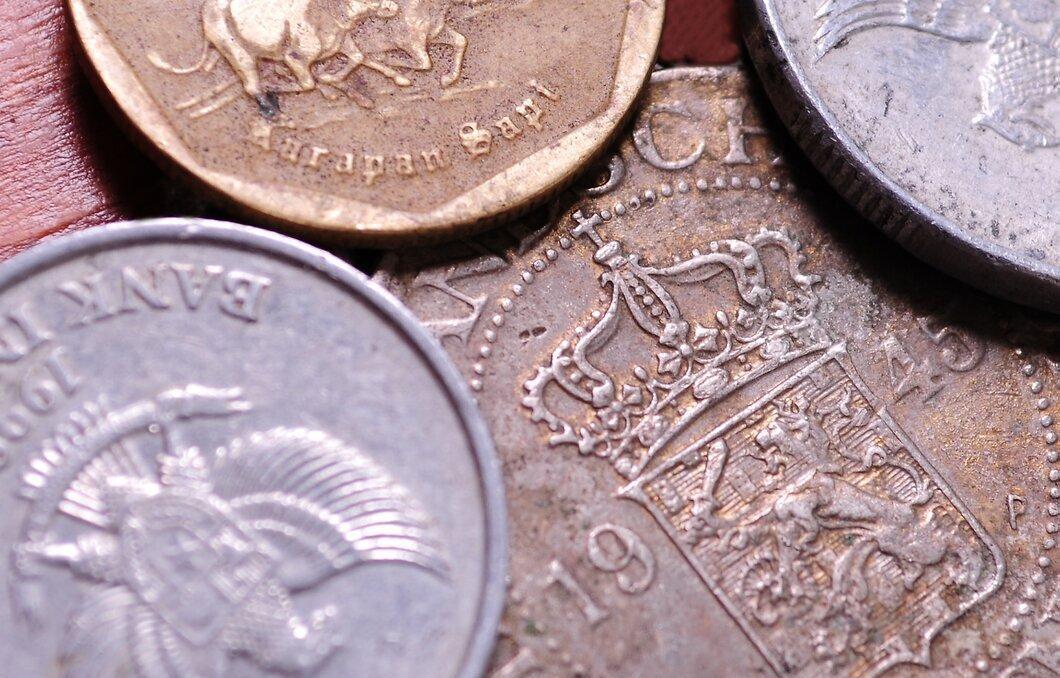
Ask friends and family if they have any coins lying around that might interest you. Talk to them about it, and if necessary, offer a fair price for any coins they might want to sell.
Step 6. Visit your local bank.
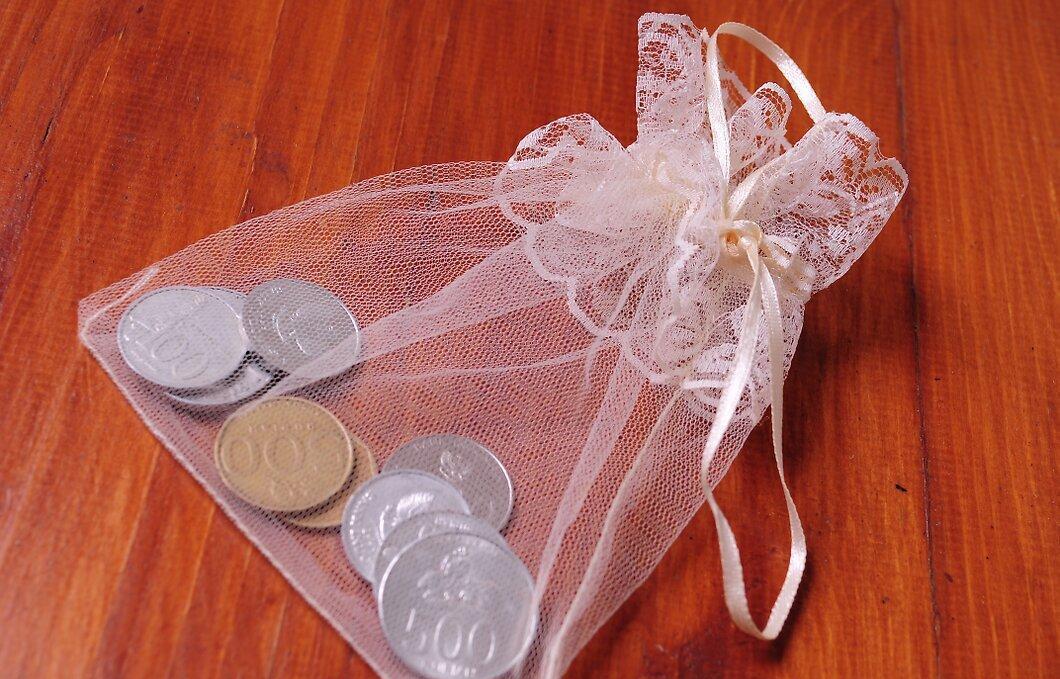
Visit your local bank. Many of them trade various currencies, including older ones.
Step 7. You can expand your collection by attending different numismatic exhibitions.
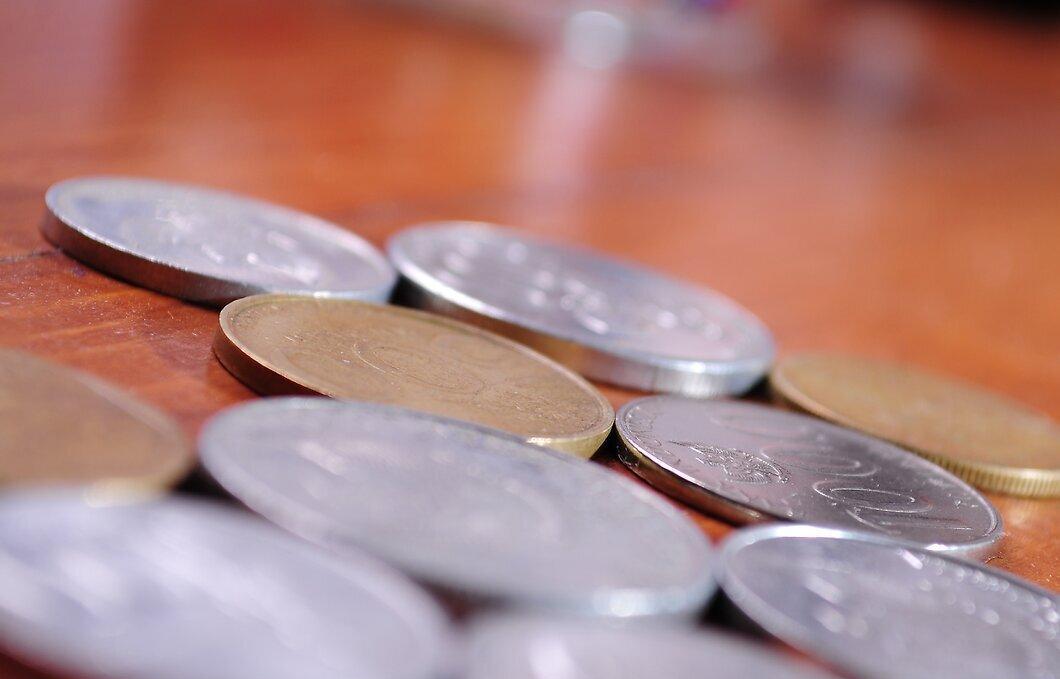
You can expand your collection by attending different numismatic exhibitions. If there’s a shop or establishment in your area that deals with coins (or exchanges them), be sure to check that out too. These places usually have a wide selection of coins.
Step 8. Note that many suggest starting your collection small:
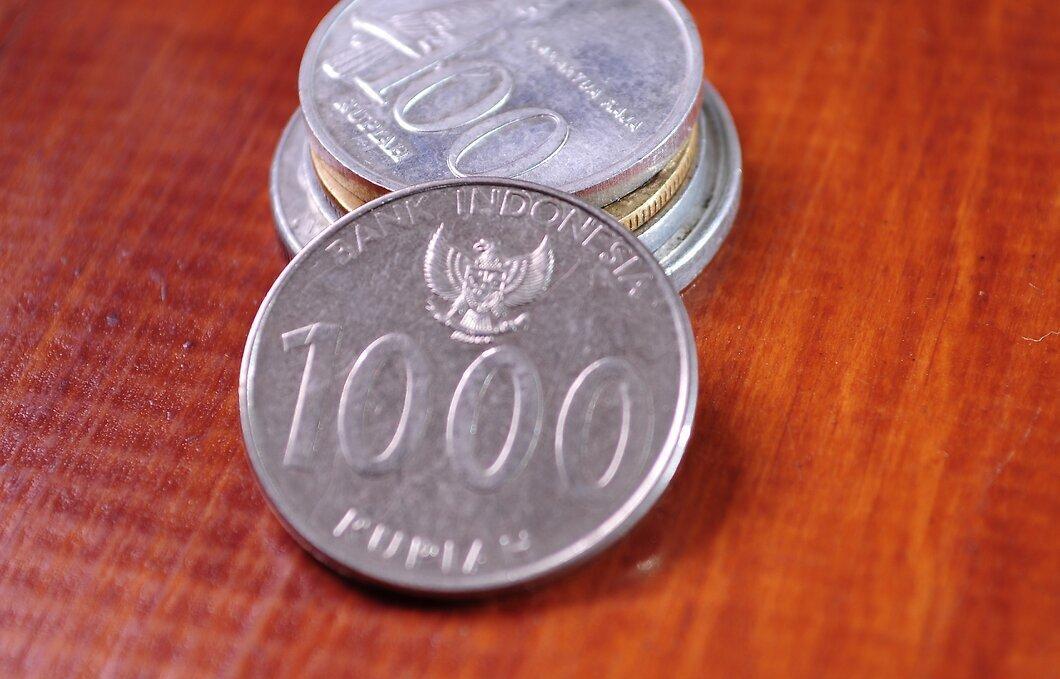
Note that many suggest starting your collection small: the change in your pocket is perfectly suitable. Usually, modern coins are not expensive, although there are exceptions.
Step 9. Familiarize yourself with coin classification and grading.
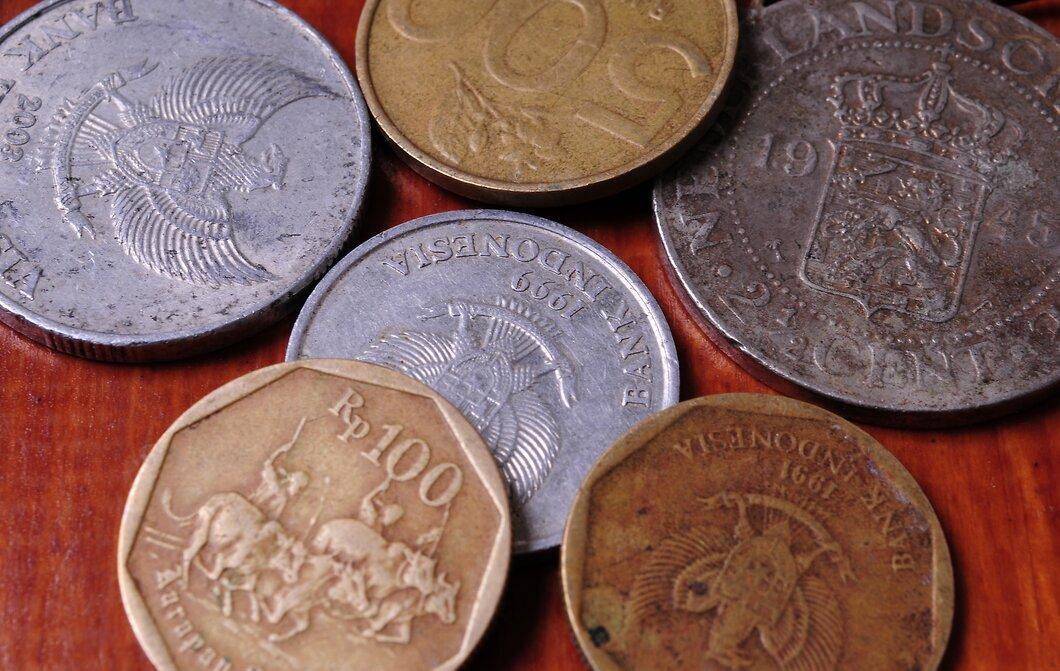
Familiarize yourself with coin classification and grading. This can often be tricky, but it will help you make significant progress in your new endeavor. Keep in mind that the same coin can be valued very differently in different countries.
Step 10. Be aware that in most countries, coins minted by hand (using a hammer and manual stamps) and coins minted by machine (using automated methods) have different values.
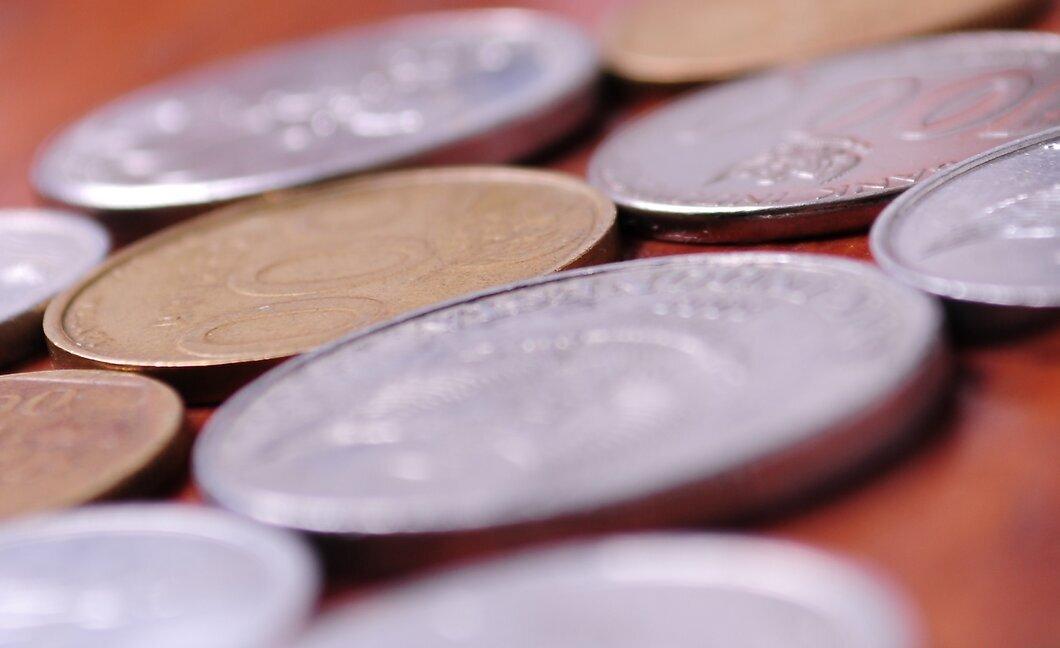
Step 11. Coins can be a great investment.
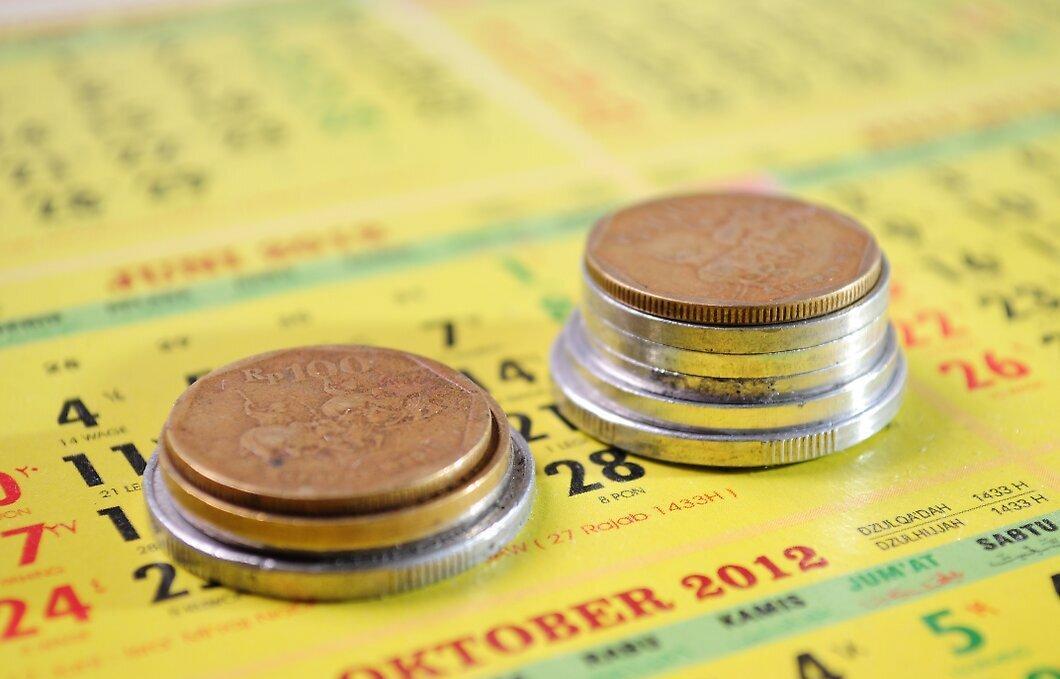
Coins can be a great investment. Their value tends to rise quickly (faster than inflation), and they often have significant interest rates paid by banks. If you take this seriously, you can make a nice profit!
Step 12. The best way to sell your coins well or acquire quality items is to educate yourself.
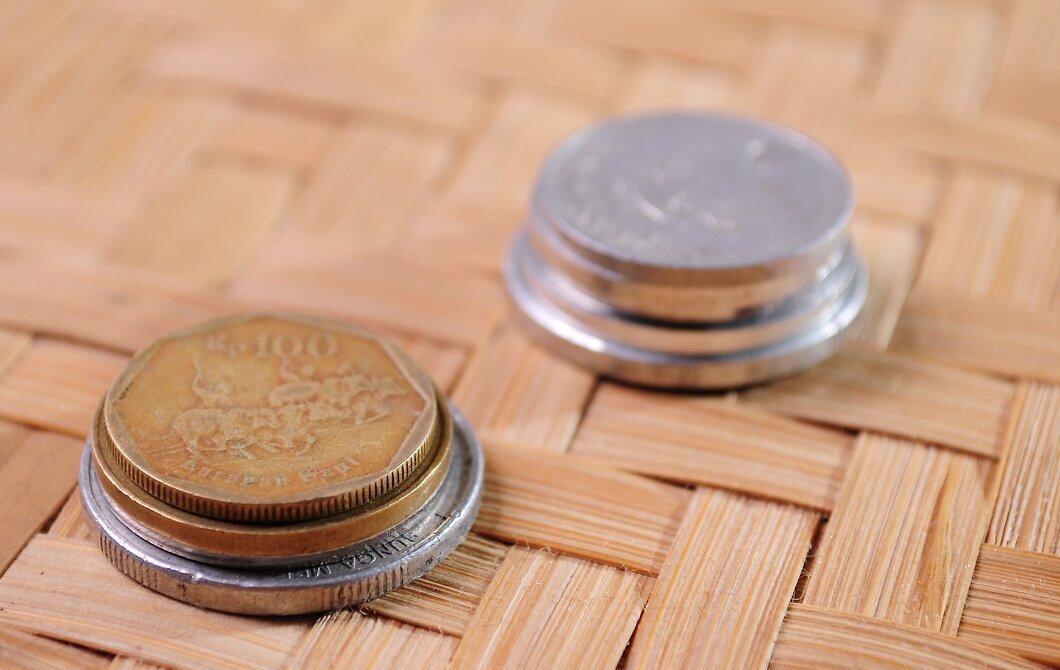
The best way to sell your coins well or acquire quality items is to familiarize yourself with the necessary literature. There are many books online and in bookstores with samples of coins, their detailed (or brief) descriptions, and their values. These books categorize coins in various ways, such as by series, type (ancient coins, gold coins, tokens, medals, etc.). Understanding the value of a coin will help you sell or buy it at a good price. They also provide other useful information, such as how to identify the rarest and, consequently, most valuable coins among many.