
Starting a gift shop demands thorough research and analysis—these are the essential keys to success. Gift shops come in handy when there’s no time to search for a present, and that happens to each of us. This business can be quite profitable, which can lead to expansion and the opening of new locations. By following these steps, starting your retail venture isn’t as difficult as it may seem.
Part 1
Step 1. Visit Other Gift Shops.

Visit other gift shops. Pay attention to the successful ones—what have they done right? Compare them with less popular stores, aiming to avoid their mistakes. Take notes during your visits. Include information about their hours, locations, product range, and additional services.
Step 2. Choose the Right Location.
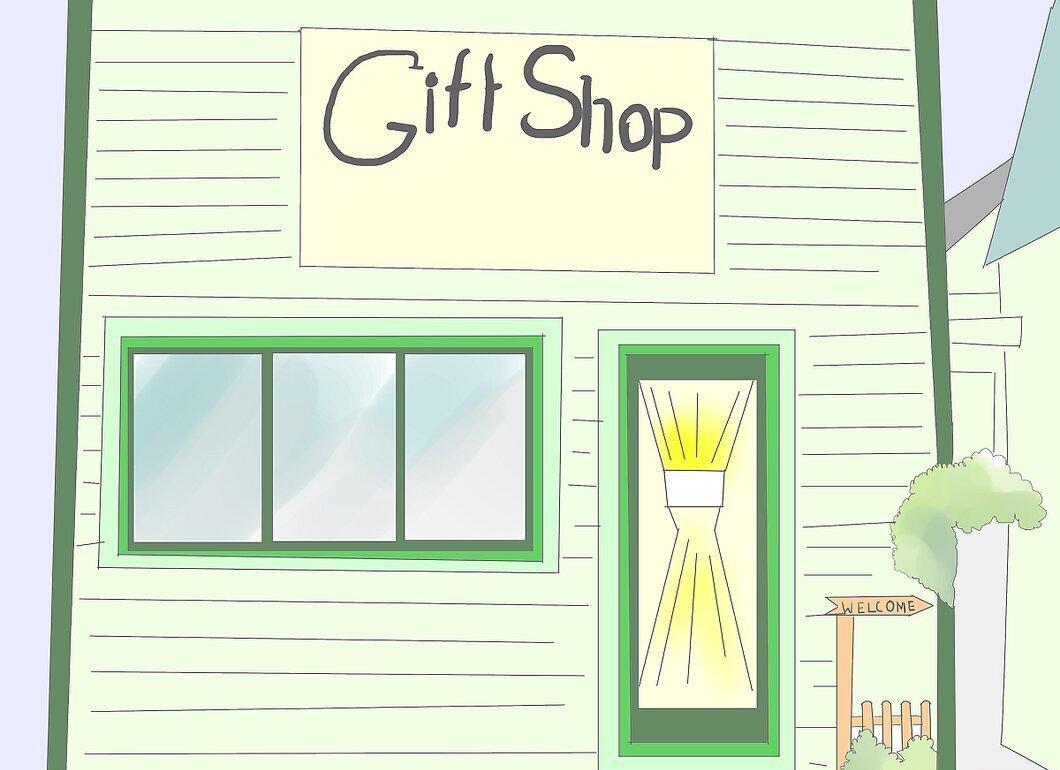
Select an appropriate location. It plays a significant role in achieving success, but you should also consider the financial aspect. You’ll need funds to store your products at the very least, but perhaps you’d like to start small, like with a mobile cart. This option has many advantages, including the ability to move to the busiest spots in town.
Step 3. Create a Financial Plan and Budget for Initial Expenses.
Develop a financial plan and budget for your initial expenses. Having a business plan is essential—it will determine how successful your shop will be. Next, decide whether to take out a bank loan or attract private investors. Ensure you obtain all necessary documentation to operate legally. If you plan to sell food and beverages, you’ll need additional permits.
Step 4. Write a Company Description and Choose a Business Name.
Draft a description of your company and select a name for your business. Take your time with this—come up with something original and creative. Check to ensure that no one else is using that name.
Step 5. Think About Your Customers.

Consider your customers. What would they like to buy? What services should you offer? Will this be a shop for women or for men? Determine which audience your product range should target. You can purchase necessary items from a closing store, using the savings to invest in a better location.
Step 6. Develop a Marketing Plan and Launch a Promotional Campaign.
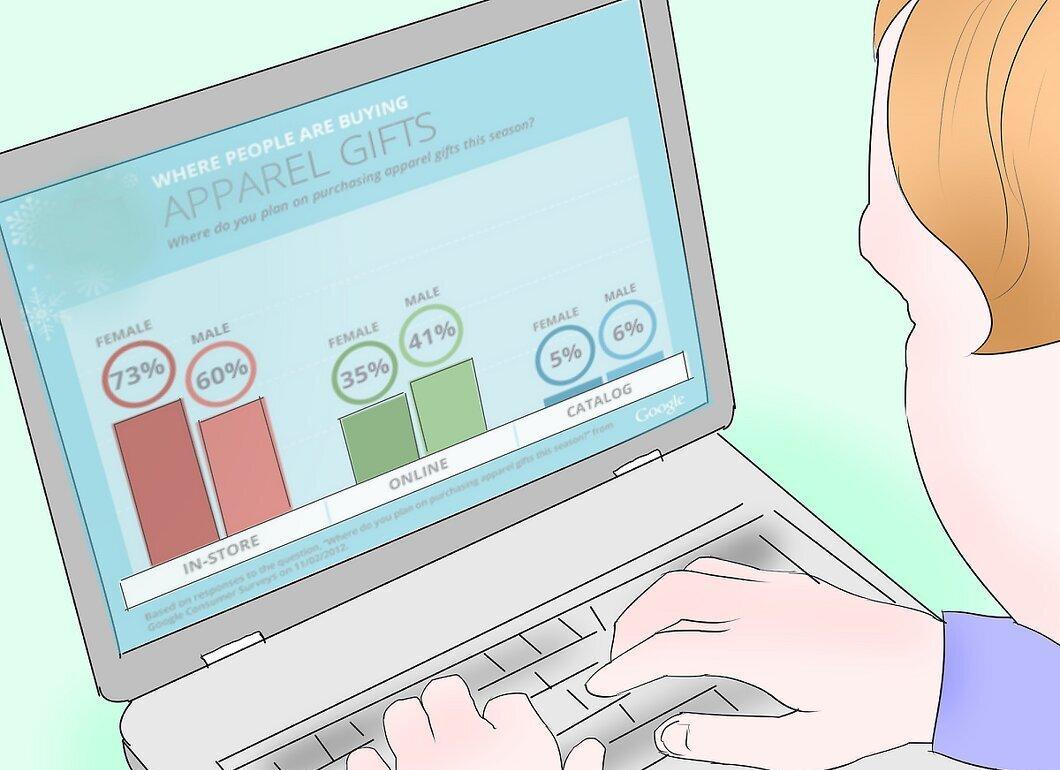
Create a marketing plan and initiate a promotional campaign. Gifts are driven by desires rather than needs, so effective marketing is crucial for success.
Step 7. Keep Track of Your Finances.
Maintain accurate records. Learn to track your expenses, taxes, and so on. This way, you’ll stay informed about your financial status every day.
Step 8. Set Operating Hours and Consider Hiring Help.

Establish your operating hours and think about hiring assistants. Use the notes made during your visits to other shops for this. In the initial stages, it’s advisable not to hire additional staff, as the budget is limited and should be used to develop the business. Put in all your effort and believe in your success!