"Art objects are a joy to the soul" — this is especially true for antiques. If you want to embark on creating your unique collection, this article will be helpful to you.
Part 1
Step 1. Understand what antiques, near antiques, and vintage items are:
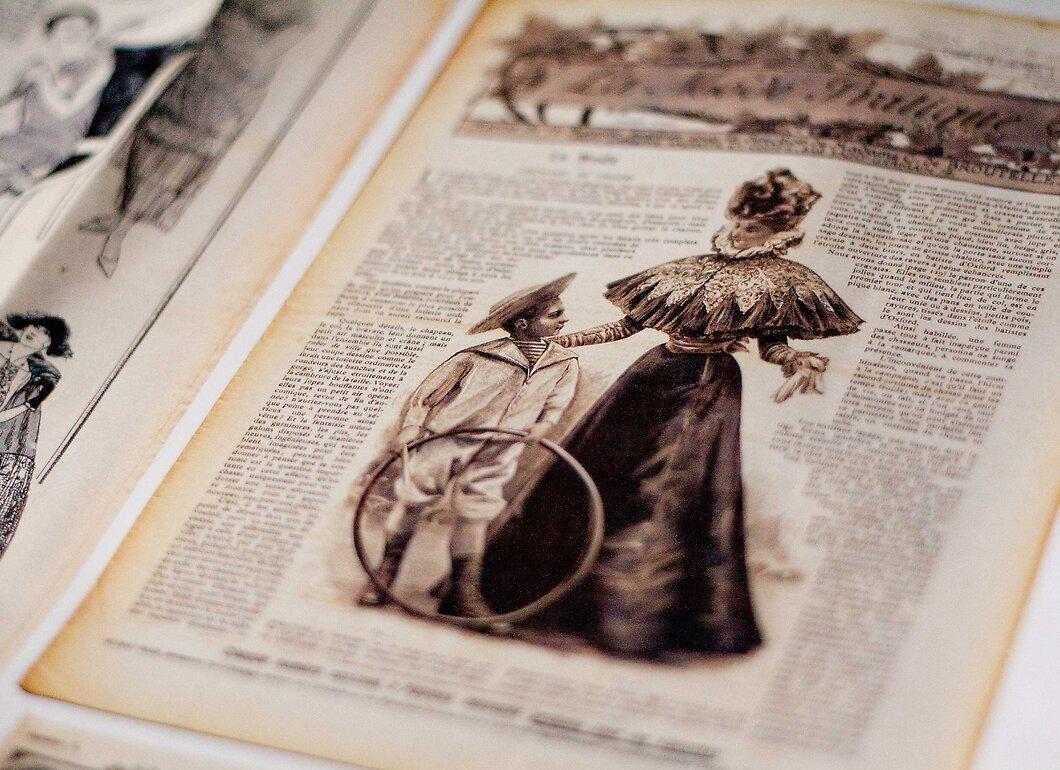
- According to most experts, a true antique must be at least 100 years old. This rule is based on the traditions and legal norms of many countries. However, in some cultures, items created before 1930 are considered antiques.
- Near antiques are items that are between 75 and 99 years old.
- Vintage items refer to specific historical periods, particularly those from the 1940s, 50s, and 60s.
Step 2. Do some research at home:
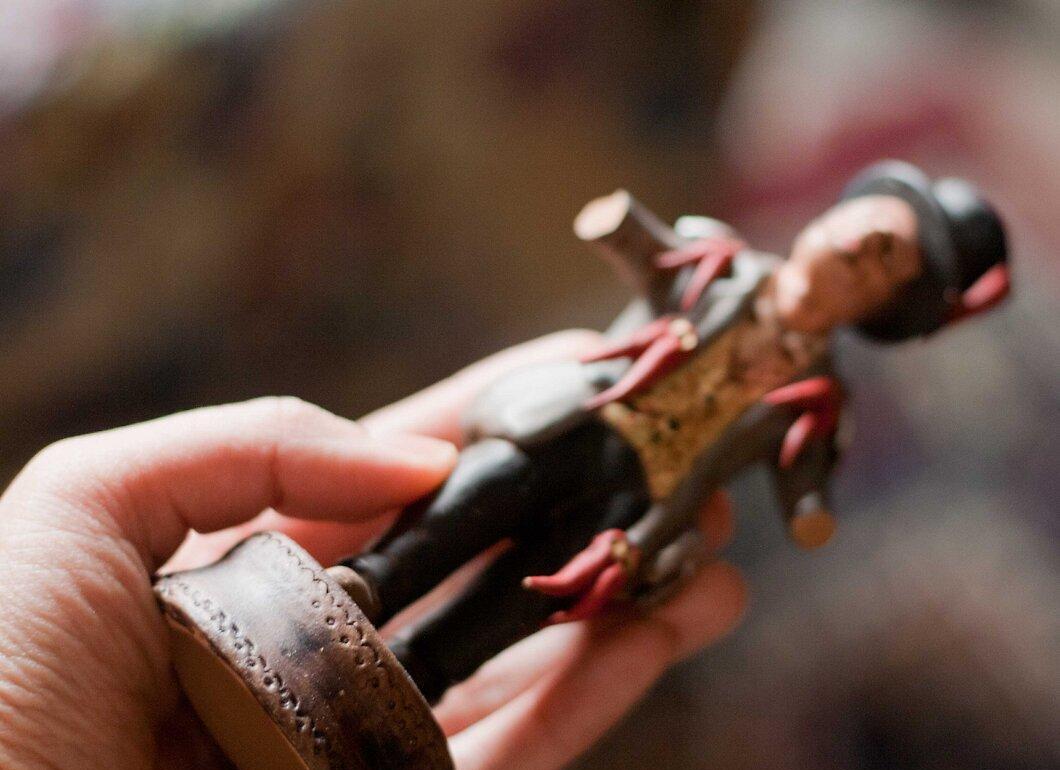
Check your closets, attics, basements, and storage spaces. You might already have something on hand that can be classified as an antique: linens, silverware that your grandmother received as a wedding gift; an old crib that served for many years; toys that your parents played with... The list can be endless. Any of these items could be the beginning of your collection.
Step 3. Define your budget:

Decide how much you are willing to invest.
- Are you planning to keep these items or sell them in the future? In any case, their appraisal is necessary for obtaining insurance that will cover the value of your antiques in case of theft, damage, or loss, as well as to know what price you can ask when selling.
- What exactly interests you? Specific types of items, like sculptures?
- Works by a particular artist?
- Items from a certain period, such as Art Deco style?
Step 4. Pay attention to garage sales:

Don't miss the opportunity to visit garage sales. You are not the only one who might find rare items that seem to have been thrown away... Remember, "one man's trash is another man's treasure"?
Step 5. Don't forget about antique auction houses:
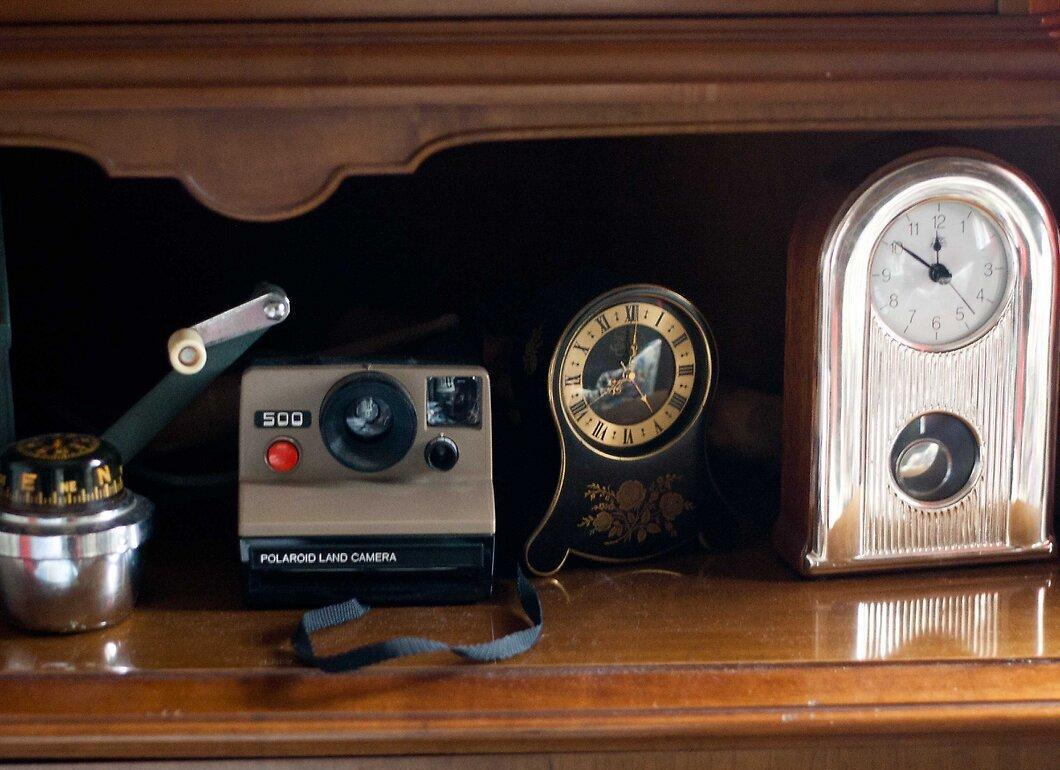
Regularly visit antique auctions. What may be worthless to others could be exactly what you're looking for.
Step 6. Use the internet to your advantage:

Check online. Renowned auction houses like Sotheby’s and Christie’s have their online versions. You can also find interesting lots on eBay.
Step 7. Participate in auctions:
Attend auction events at antique houses. Sotheby’s, Christie’s, and Bonhams have branches worldwide, and there may be some in your area as well. This will give you the chance to examine items up close before they go on auction, helping you make an informed purchasing decision.
Step 8. Bid online or by phone:
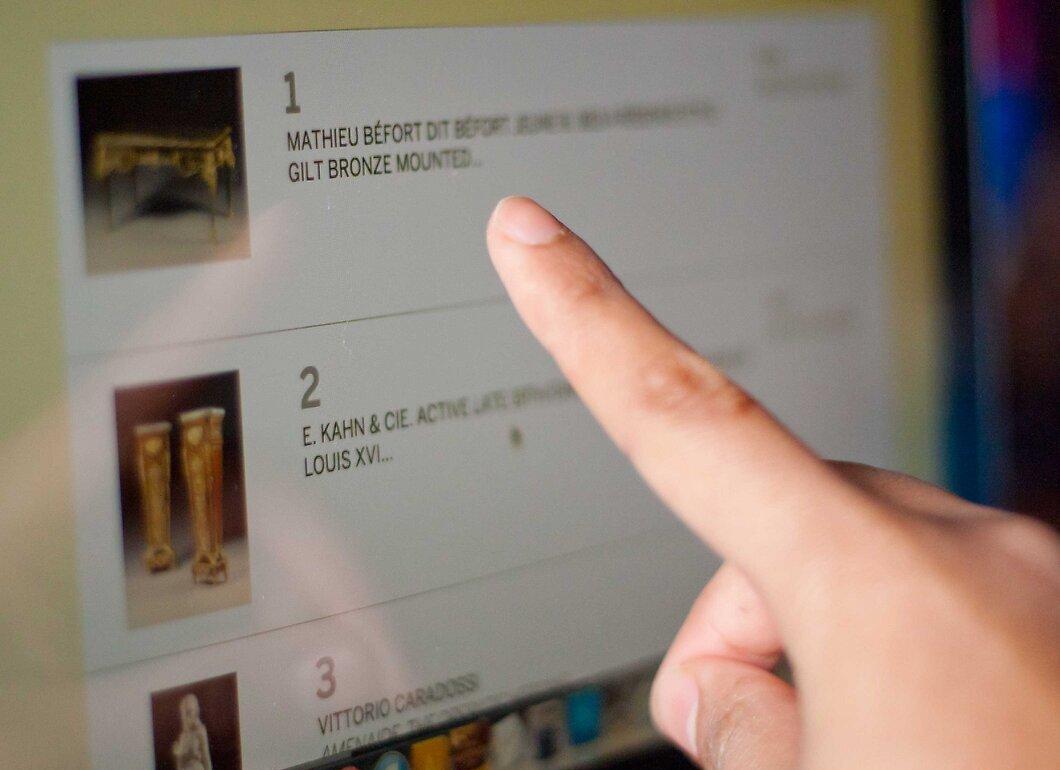
Place bids online or over the phone. This is called absentee bidding. To participate in online auctions, you need to fill out a form in advance, both on paper and electronically. After your application is processed, you will become a registered bidder at the auction.