
Every year, cities see a rise in the number of stray animals, leading to millions of cats and dogs becoming victims of euthanasia. This prompts many activists to take matters into their own hands and establish animal rescue services.
Part 1
Step 1. Carefully Evaluate Your Decision!

Before taking action, think through your decision thoroughly! Starting an animal rescue service requires tremendous effort, and it's not for everyone. If there is already an animal shelter operating in your area, it may be more beneficial to support it rather than opening a new one. Having two organizations in one location can lead to competition, which doesn't help the cause. Additionally, opening a shelter requires significant financial investment, which may be overwhelming. Consider all these factors.
Step 2. Gather Information About Shelter Operations.

Try to gather as much information as possible about setting up a shelter. Discuss the matter with other shelter owners or operators. Explore online forums or attend specialized conferences. Consider volunteering at an existing shelter to learn about fundraising, animal care, hiring staff, and recruiting volunteers.
Step 3. "No One is an Island".
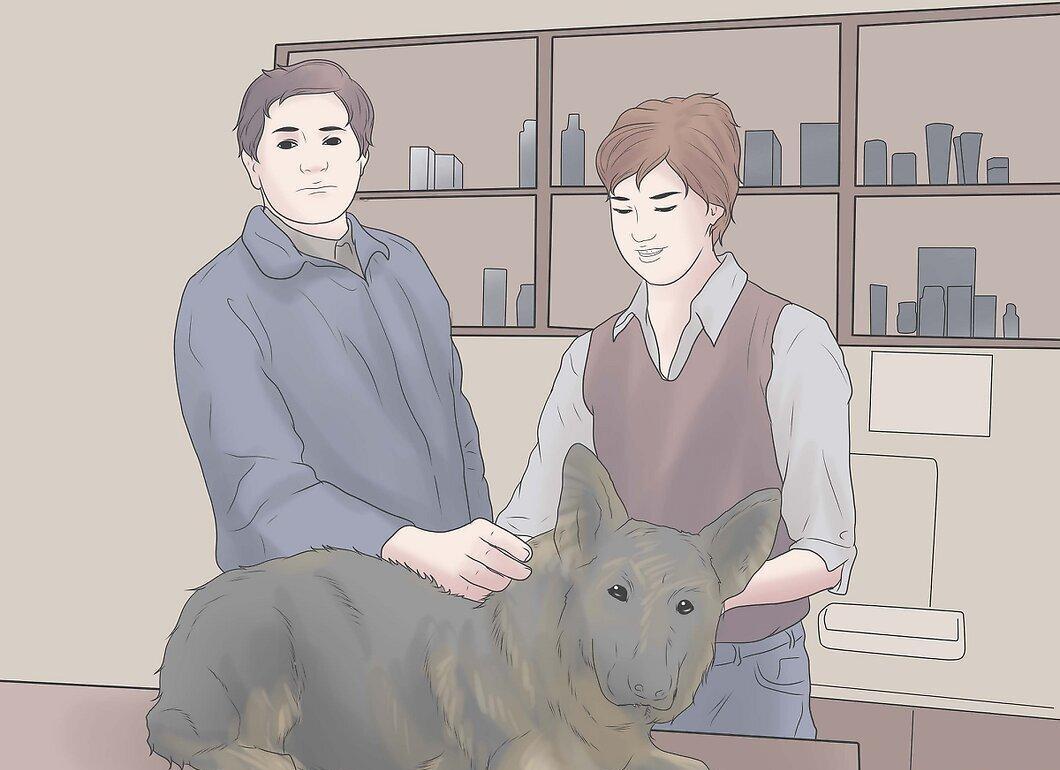
"No one is an island." To bring your vision to life, you'll need to assemble a team of professionals, including a lawyer to help with bureaucratic issues and the nonprofit status, a PR and marketing specialist, a veterinarian, and sponsors who are willing to financially support your initiative.
Step 4. Determine the Type of Shelter You Want to Create.
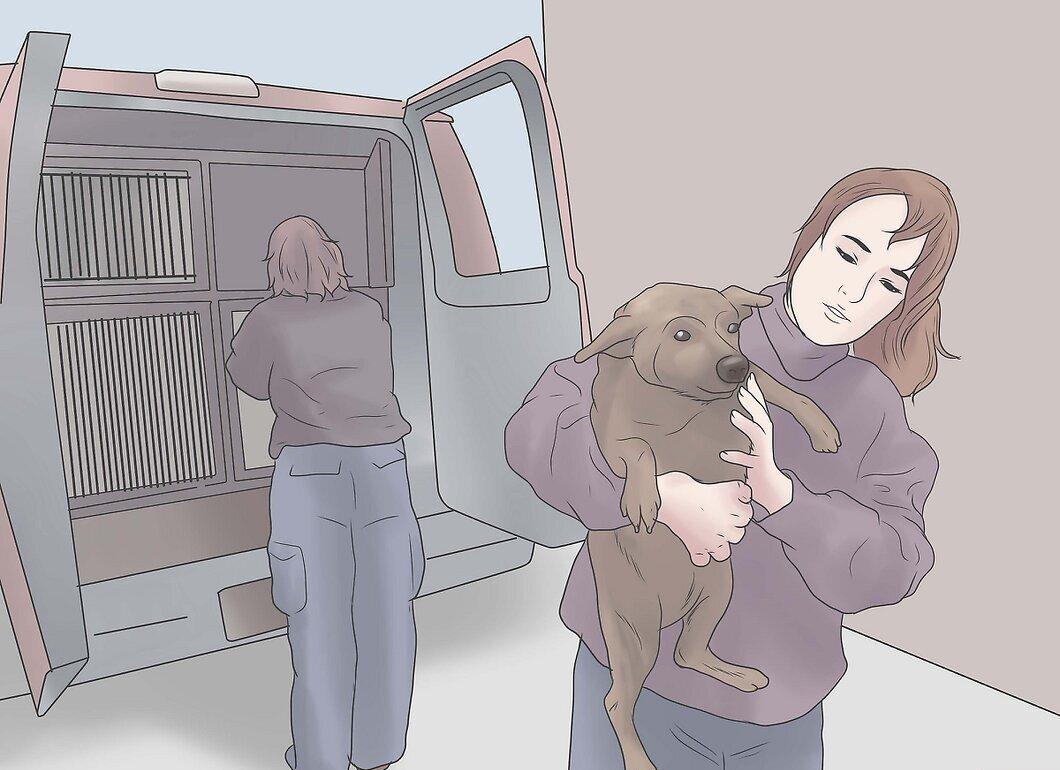
Choose the type of shelter you want to establish. There are many models, each with its pros and cons. The most common options include:
- Breed-specific shelters focused on a single species, such as only cats or only German Shepherds.
- No-kill shelters. While this might seem like a humane solution, such shelters can sometimes resemble temporary holding facilities.
- Lifelong care shelters. Typically, these accept sick or injured animals that cannot find new homes.
- It's also important to decide whether you will house the animals in a separate building or place them in temporary foster care with volunteers.
Step 5. Don't Forget the Legal Aspects.

Pay attention to the legal side of your operations. A lawyer will be particularly helpful here. First, you need to clearly articulate your organization's mission and develop a plan for its implementation. Gather your team and establish your shelter's priorities and strategies for achieving them. Familiarize yourself with the legal regulations relevant to your work (it’s helpful to learn from the experiences of other organizations). Your lawyer can assist in applying for tax exemptions. Develop rules for accepting and caring for animals, volunteer engagement policies, euthanasia conditions, and so forth.
Step 6. If You Want to Create a Foster Center, Think About the Space.

If your goal is to organize a foster center for animals, you will need to either purchase or build a separate facility. This is a complex and costly task, but you can seek help from professionals. Post ads looking for the necessary services—many people will be happy to assist a shelter.
Step 7. Ensure Funding.

Now you need to secure funding. Look for donations, organize sales—use any available methods. Share your mission with the public and ask for their support for your shelter. Announce the opening of your shelter on the radio and in newspapers.
Step 8. Enjoy What You Do.
Find joy in your work. Starting a nonprofit animal shelter is a long and challenging journey, but the grateful eyes of the animals will make all the effort worthwhile.