It's often thought that a broken leg is a major barrier to having fun. However, that's a misconception. Sure, you'll need to stay at home for a while, but that doesn't mean you have to be bored. Use this time to decorate your cast, learn something new, or engage in creative activities.
Decorating Your Cast
Step 1. Paint Your Cast.
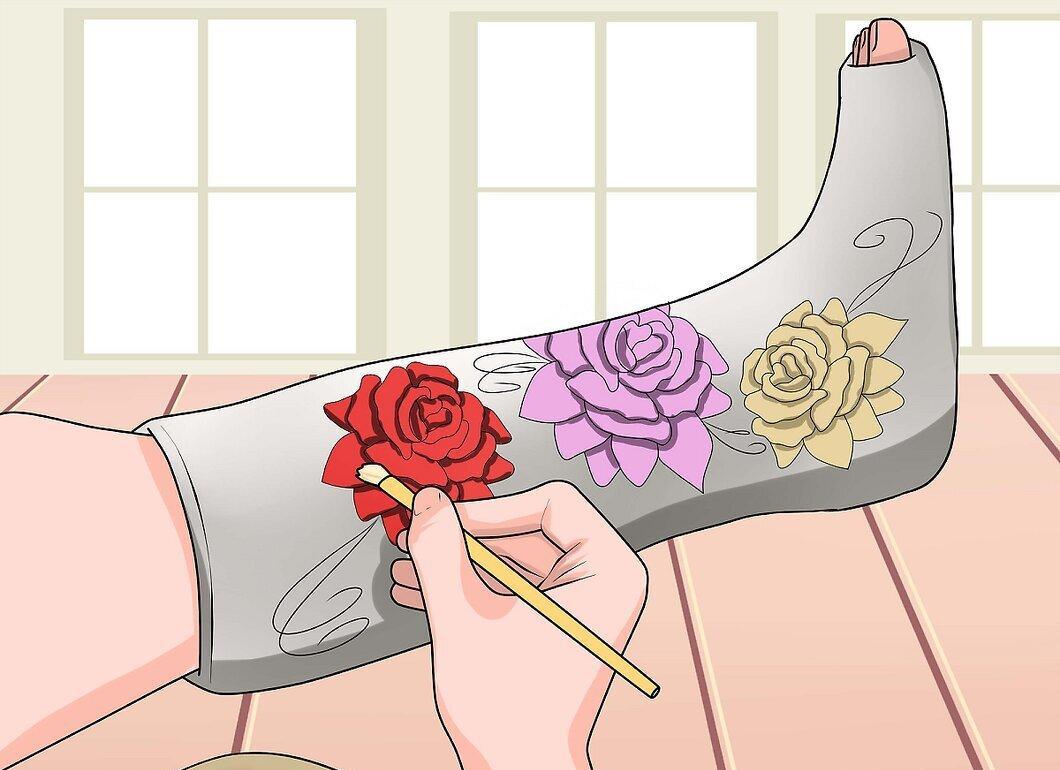
Paint your cast. Grab some paints and make your cast beautiful. Choose something you love. Some people turn their casts into a superhero's leg. But you can also draw inspiration from your favorite food or drink, sports team, your city, or just a beautiful landscape.
- If you don’t feel talented enough to paint your cast nicely, ask a friend who can draw to help you. Have them draw an outline on your cast with a marker, and then you can color it in.
- Use durable paints, like acrylic. If you're using spray paint, be sure to protect your skin to avoid getting paint on it. You can use a plastic bag for protection.
Step 2. Draw Something on Your Cast with a Permanent Marker.
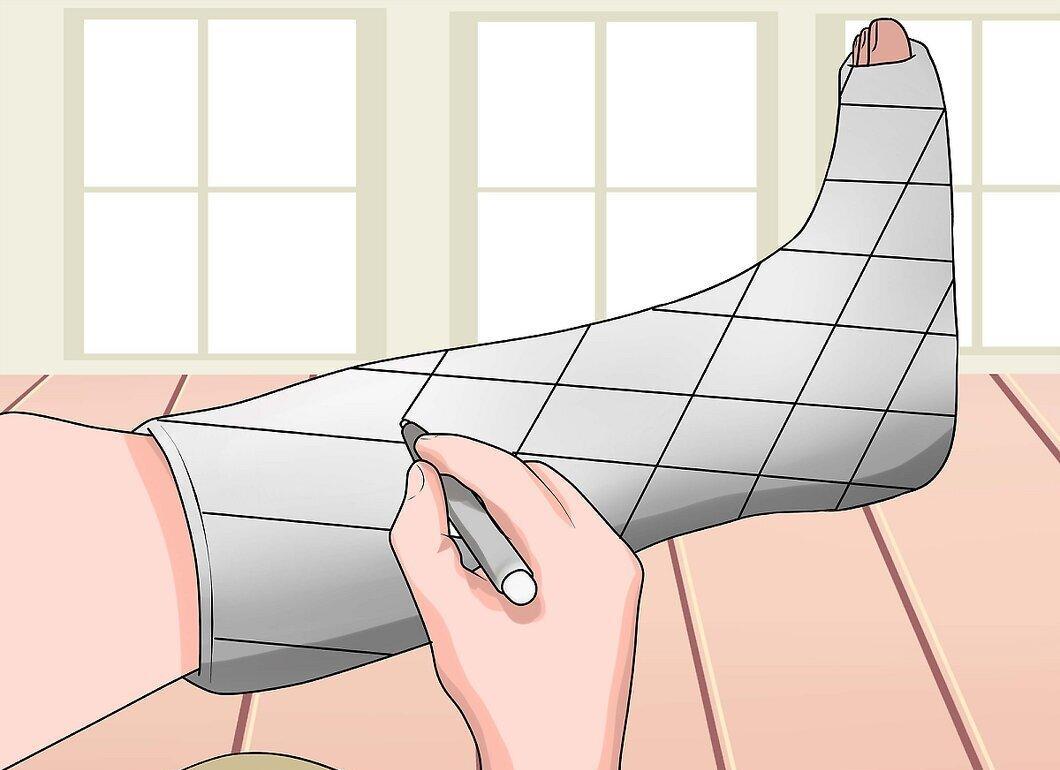
Draw something on your cast with a permanent marker. Instead of painting, try making a drawing with a permanent marker. If you’re not good at drawing, take a black marker and create lines that intersect randomly. Use your favorite colors to fill in the spaces between the lines.
Step 3. Have Friends and Family Sign Your Cast.
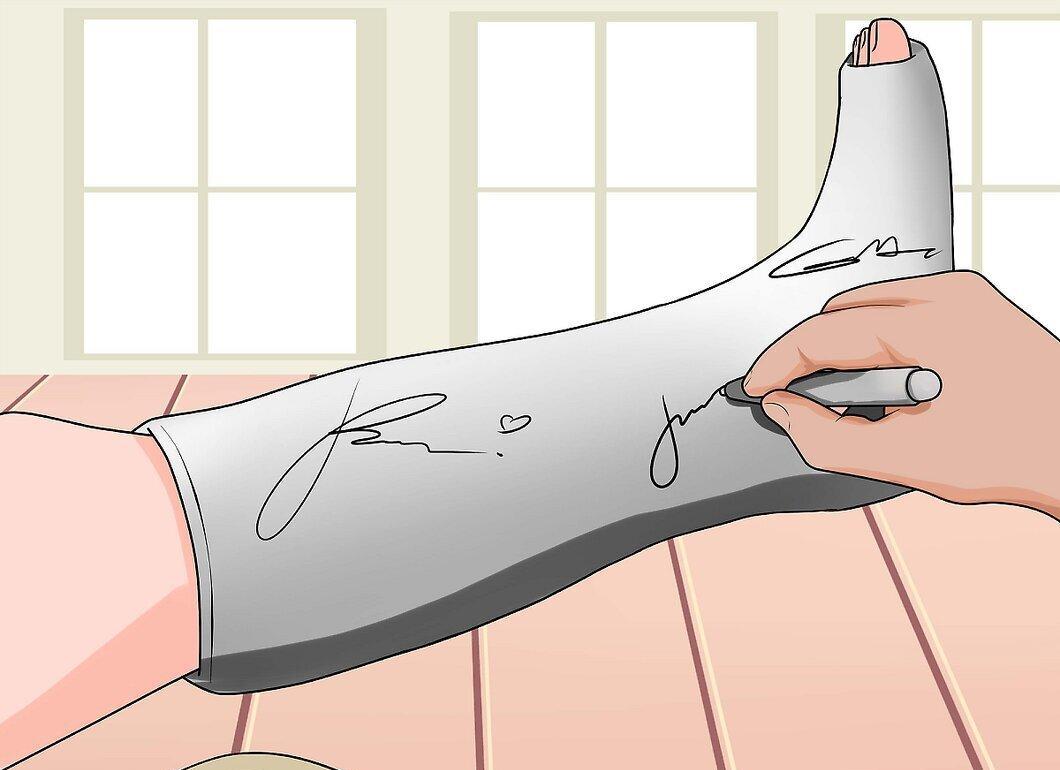
Ask friends and family to sign your cast. One classic way to make your cast more interesting is to have others write on it. If you want your cast to be unique, ask people to draw something on it instead of just signing their names. Everyone can add their own flair to the overall picture.
Step 4. Use Decorative Tape.
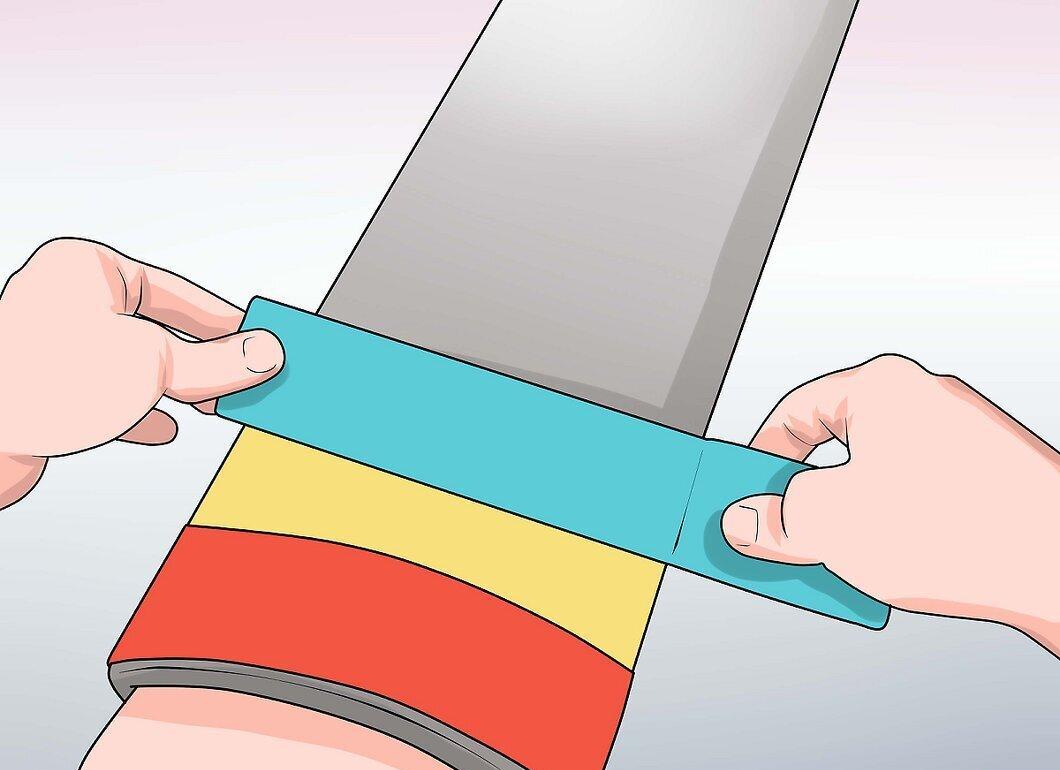
Use decorative tape. Nowadays, you can buy tape in a variety of colors and patterns, from washi tape to regular colored adhesive tape. If you’re not particularly creative, stick colorful strips on your cast to make it bright and cheerful.
Fun Activities
Step 1. Watch TV.
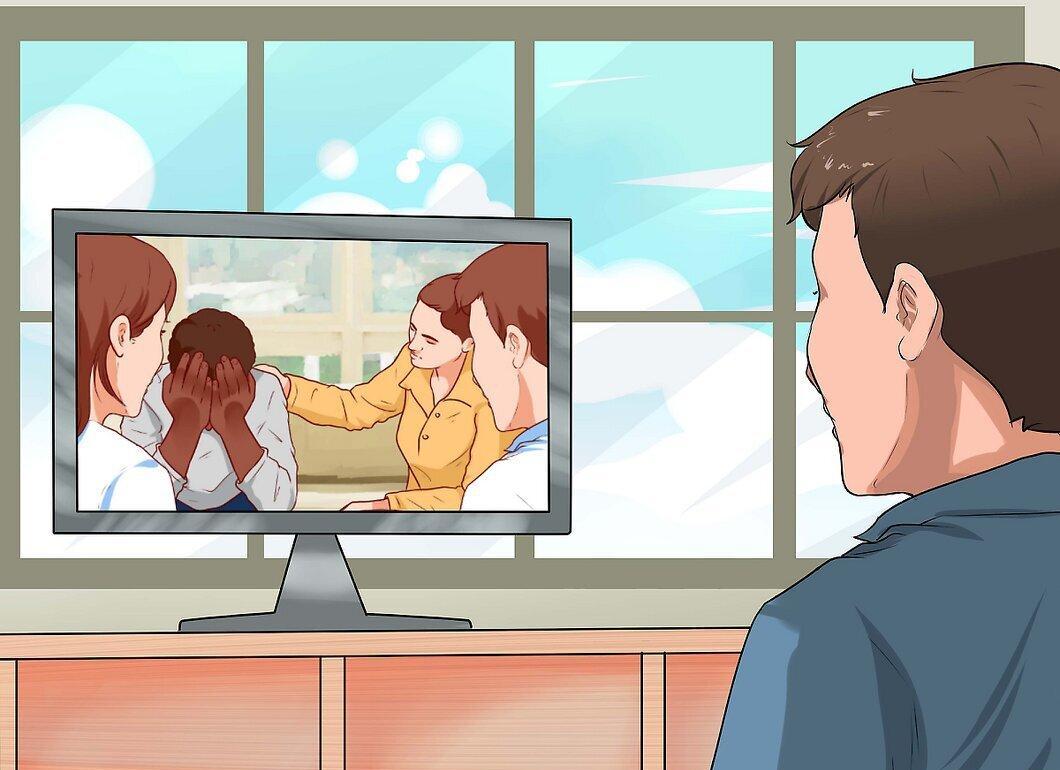
Watch TV. If you have cable, satellite, or internet TV, great: you now have plenty of time to watch your favorite movies and shows. Alternatively, you can take advantage of streaming services. Many offer unlimited subscriptions to movies and series for a small monthly fee. Choose one or two services and sign up. Use a computer, smart TV, or connect a streaming device to your television.
Step 2. Read.
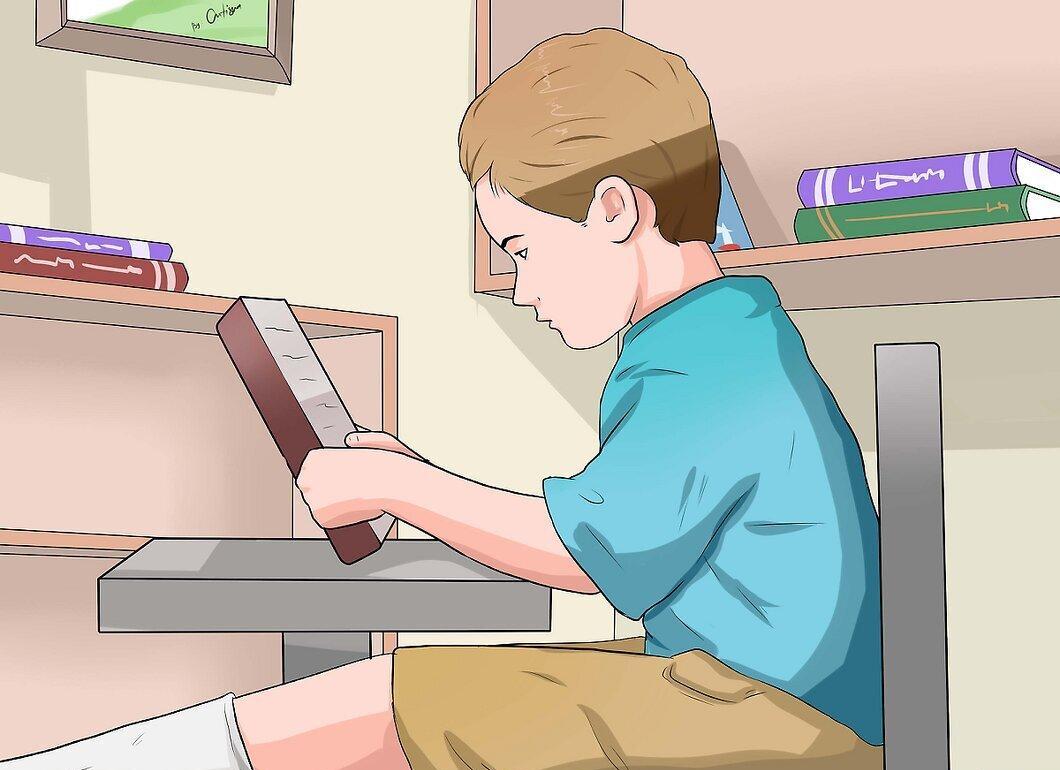
Read. If you have an e-reader and internet access or a large collection of books at home, you already have access to many titles. If you prefer paper books from the library, ask someone close to you to bring them to you (just remember to return them on time!).
Step 3. Play Board Games.
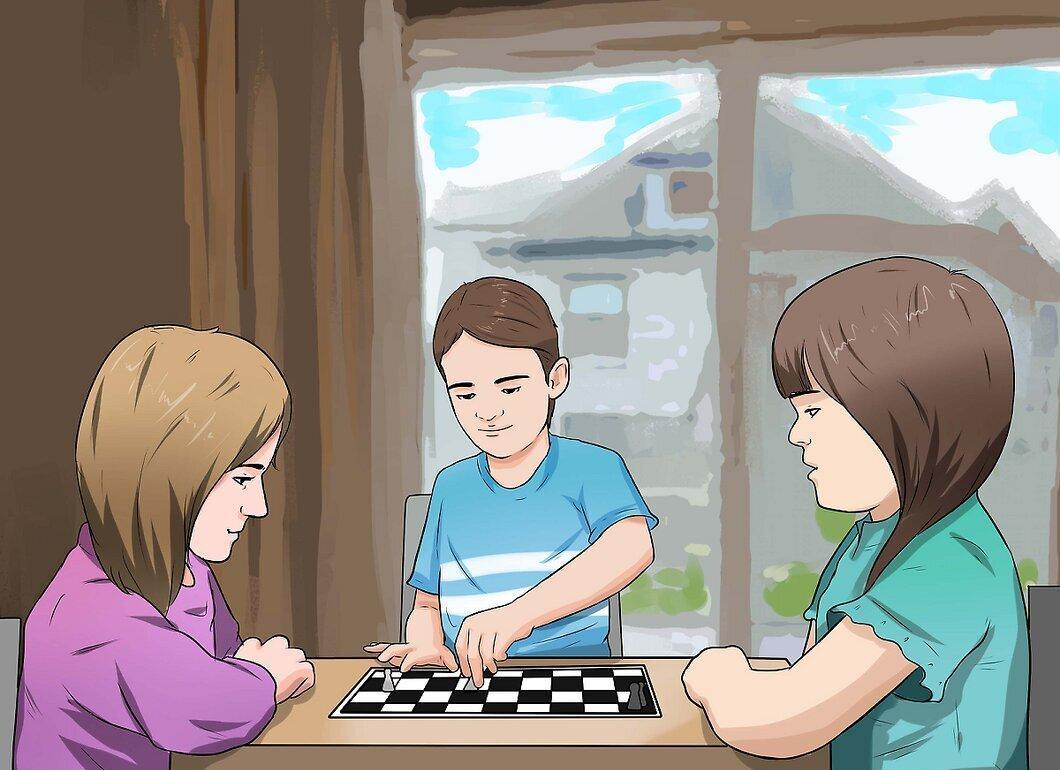
Play board games. Just because you have to stay home doesn’t mean you should be bored alone. Invite friends over to play board games. Ask them to bring their favorite games (and grab some of your own), then order pizza for everyone.
Step 4. Solve Puzzles.
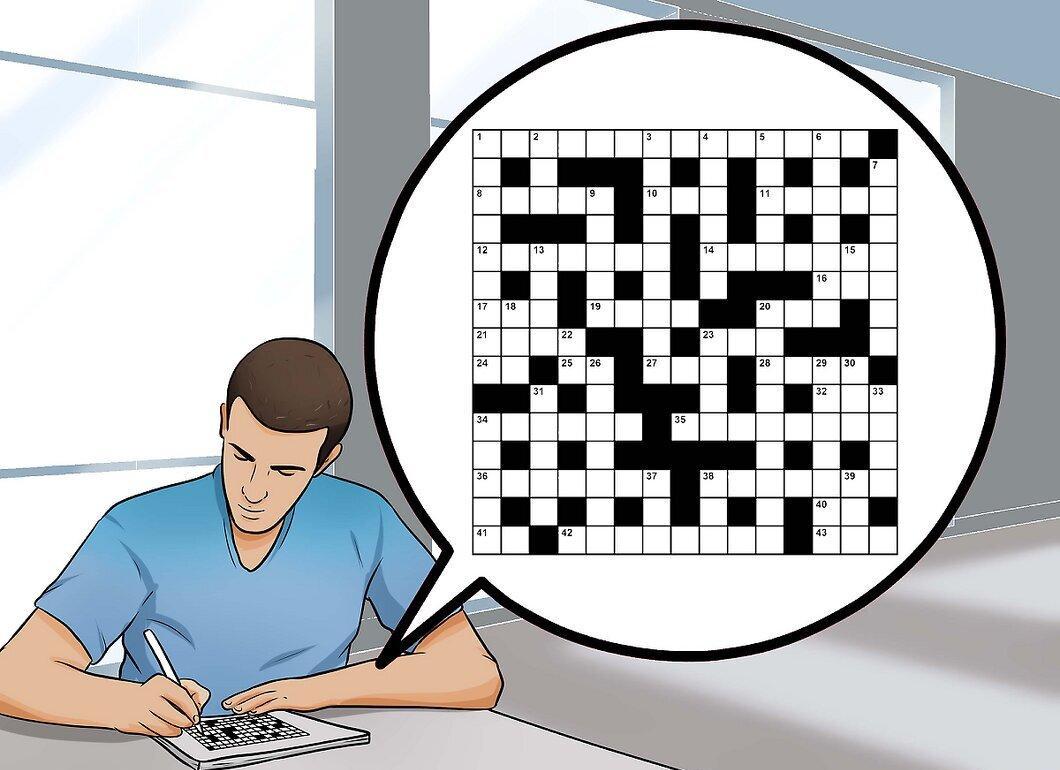
Solve puzzles. Puzzles provide a fun way to pass the time, whether they’re traditional crosswords, Sudoku, Japanese crosswords, or jigsaw puzzles. You can find many of these puzzles online or buy magazines if you prefer printed versions. Jigsaw puzzles can also be done on a table or on your tablet or computer screen.
Step 5. Listen to New Music.

Listen to new music. Many websites, starting with VK, offer free music for every taste, which you can listen to endlessly. However, be prepared for occasional ads (the ad-free premium version usually requires payment). You can also watch music videos on YouTube or listen to internet radio.
Step 6. Spend a Day at the Gym.
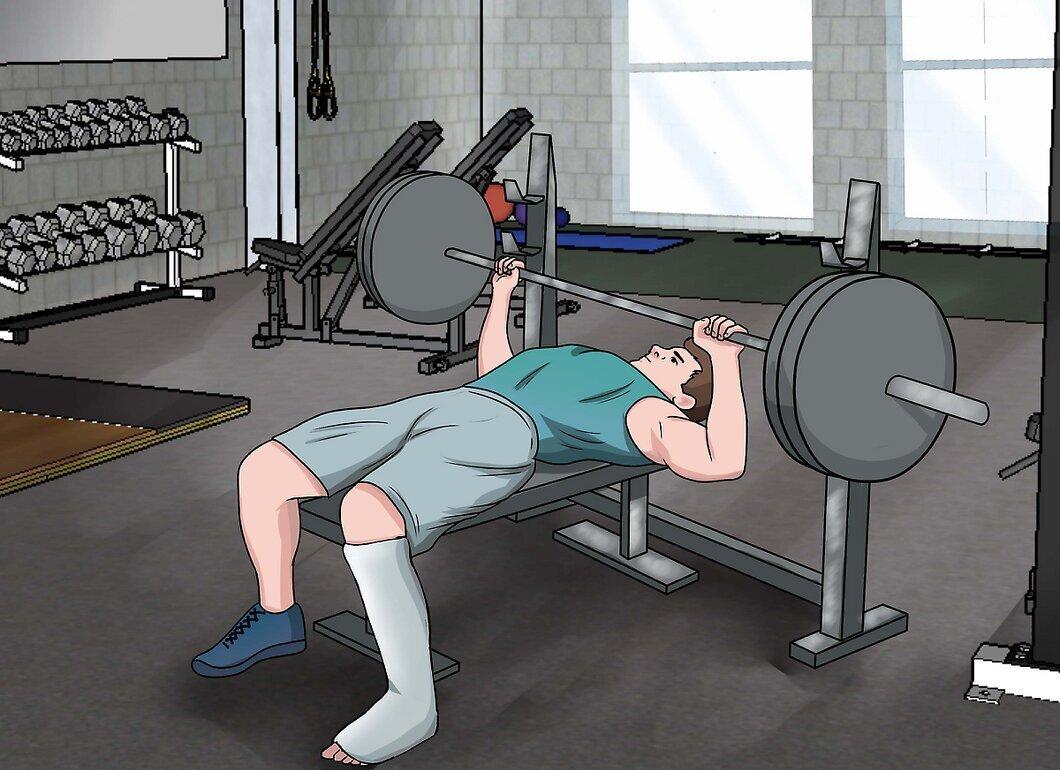
Spend a day at the gym. If someone close can drive you to the gym, you can do upper body exercises, like cable tricep pushdowns. You can also lift weights, doing shoulder presses and bench presses, or perform exercises for your abs, like sit-ups. If you can afford it, consider hiring a personal trainer who can create a program tailored to your casted leg.
Creative Activities
Step 1. Color in Adult Coloring Books.
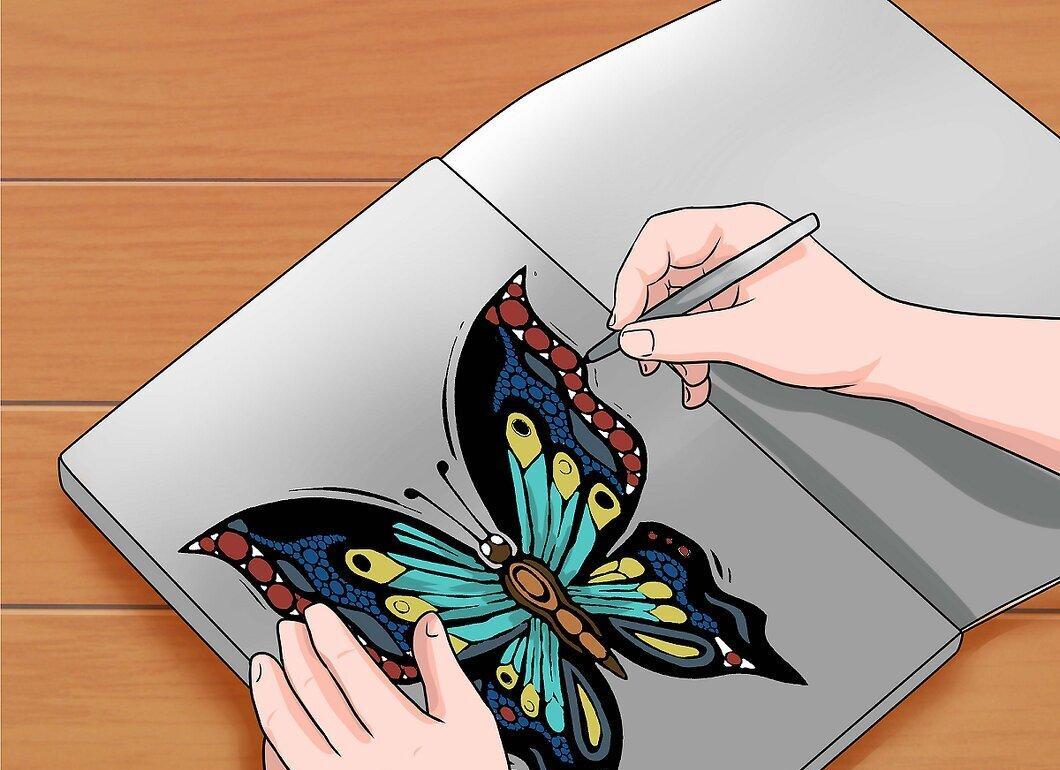
Color in adult coloring books. Coloring books aren’t just for kids! Beautiful adult coloring books can be found in bookstores or online. Additionally, many websites offer free printable coloring pages.
- Coloring can be calming and help relieve stress.
Step 2. Try Your Hand at Crafts.
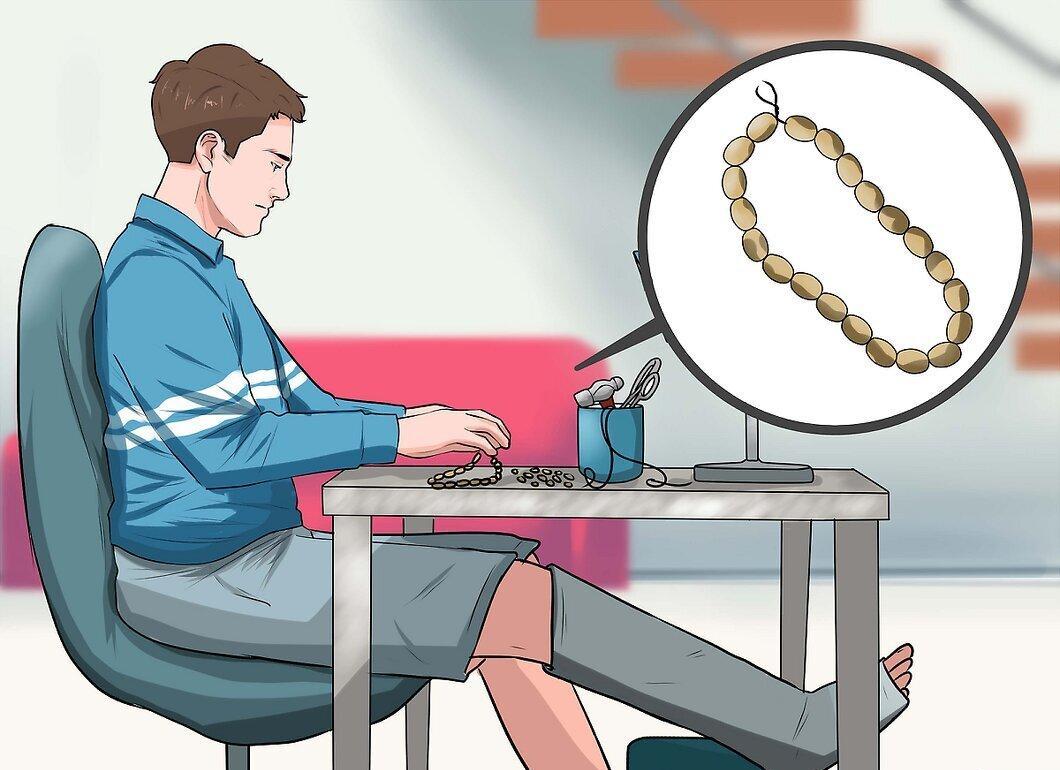
Try crafts. If you’re feeling creative, try making something by hand while you have the time. You might need help setting up your workspace or gathering materials, but then you can work on whatever your heart desires.
- For example, you can make a heart-shaped wreath. Take a wire hanger and bend it into a heart shape. Then, cover the frame with a pool noodle and decorate it with yarn pom-poms.
- You could also create a collage of dried leaves.
- Find interesting craft ideas online, such as on Pinterest.
Step 3. Start a Blog.
Start a blog. If you have a broken leg, it means you can spend a lot of time on the computer. Blogging is a great way to keep yourself occupied. There are many platforms online where you can blog for free. Write about your life or choose a topic that interests you. Your blog can be about anything—from cooking to parenting.
Step 4. Write.
Write. If blogging isn’t your thing, you can still write. Finally tackle that novel you’ve been thinking about for years or try writing poetry. If you’re unsure where to start, look for guides for beginner writers.
Step 5. Try Crocheting.
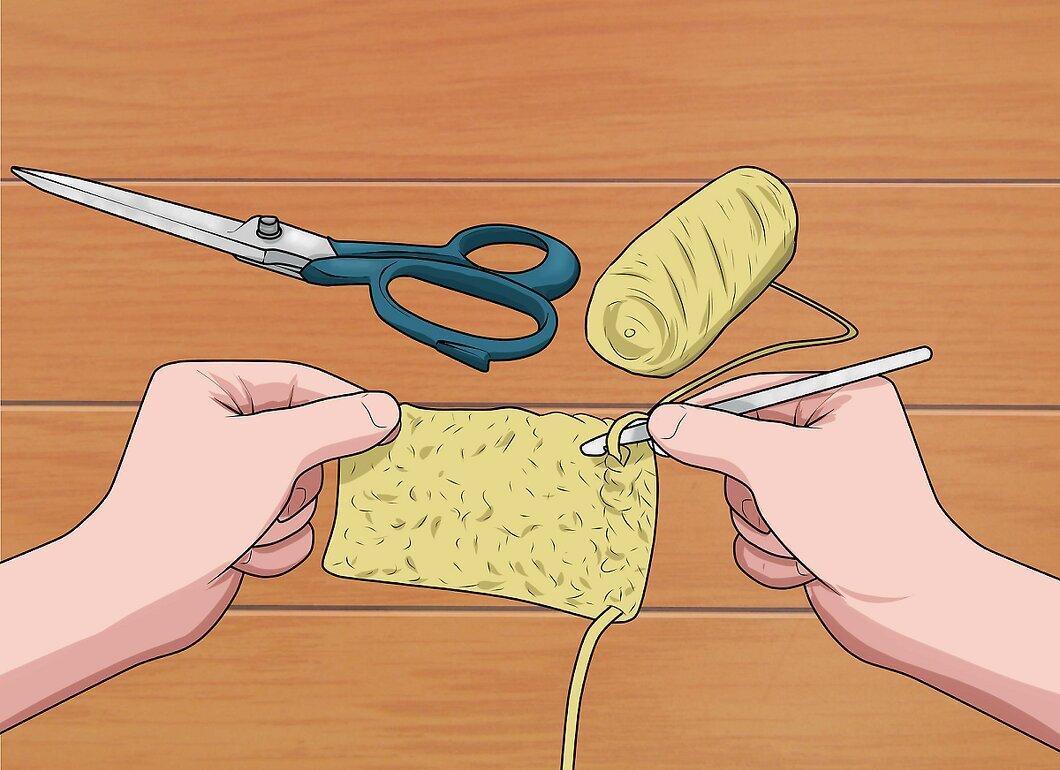
Try crocheting. If you’ve never crocheted before, it’s not as hard as it seems. You’ll need a hook, yarn, and scissors. You can find plenty of crochet tutorials online. Watch videos on YouTube or read articles with step-by-step instructions and illustrations.
- Get a 5mm hook. Look closely at the hook; there’s a stamp indicating its size. In some countries, the hook size corresponds to its thickness in millimeters. A size 5 hook is a 5mm hook.
- Choose a medium-weight yarn (the label should indicate the recommended hook sizes). For beginners, go for a solid, bright yarn—it's easier to learn with.
- Keep scissors handy to cut the yarn as needed.
Self-Education
Step 1. Learn a Foreign Language.
Learn a foreign language. If you have a smartphone, you can use a language-learning app. Choose a popular free app, such as Duolingo.
- Many programs incorporate game-like elements (levels, points, rewards, etc.) to help keep you motivated.
- If you don’t have a smartphone, you can use a tablet or computer.
Step 2. Get into Programming.
Get into programming. This is a valuable skill, so mastering it will only benefit you. Many online platforms, such as Code Academy, MIT OpenCourseware, or Free Code Camp, offer free lessons on programming languages.
- Some lessons are game-oriented, while others are straightforward study materials to follow closely.
Step 3. Enroll in Free Online Courses.
Enroll in free online courses. Broaden your horizons by taking a course on a topic that interests you. Many websites offer courses that allow you to listen to lectures from university professors, interact with other students, and even earn certificates upon completion. Choose an online course that appeals to you.
- Some universities offer these courses directly on their websites. Even if you don’t earn credits, you’ll still learn a lot.