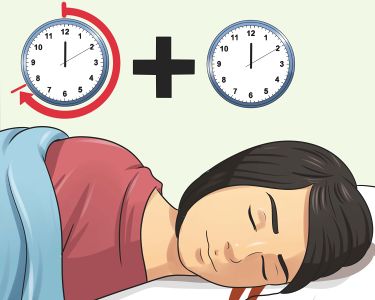
The teenage years are a period when your body is actively growing and changing. It's particularly important during this time to take care of your fitness, develop healthy eating habits, and engage in regular physical activity. If you want to improve your fitness, start with a balanced diet. Try to limit idle time and dedicate at least an hour a day to physical activity. If you’re serious about your fitness, consider joining a gym or creating a workout plan at home.
Improving Your Diet
Step 1. Avoid unhealthy foods and choose balanced meals.

The first thing you need to do to maintain good physical fitness during your teenage years is to monitor your diet. Avoid harmful products like processed foods and fast food. Instead, focus on consuming sufficient dairy and protein, which supports your growth. Good options include milk, yogurt, chicken, beef, fish, beans, or tofu.
- If you still live with your parents, don’t hesitate to ask them to help with your diet. Have them buy healthy snacks and keep whole foods available at home.
Step 2. Include plenty of fruits and vegetables in your diet.
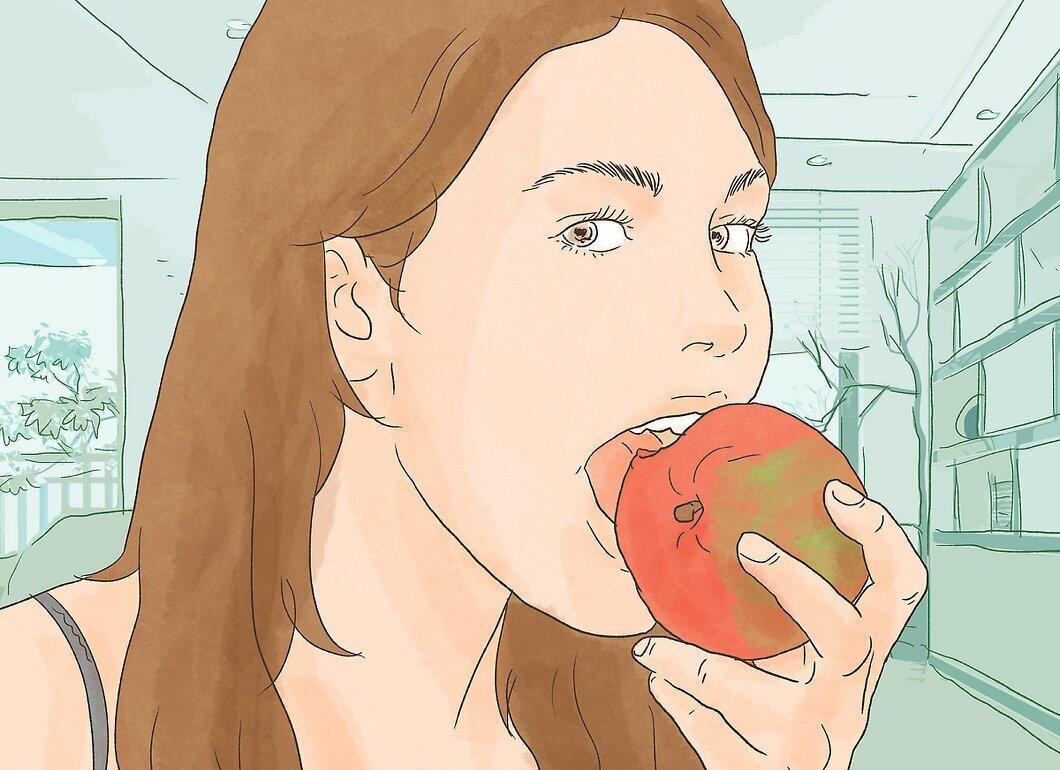
Fruits and vegetables should make up a significant portion of your diet. Aim to eat four servings of fruit and five servings of vegetables each day. For example, for breakfast, you could have a glass of freshly squeezed orange juice and a handful of berries, for lunch a small salad and an apple, and for dinner a serving of steamed vegetables.
- Fruits and vegetables contain beneficial sugars and fiber that your body needs.
Step 3. Pay attention to calcium and iron in your diet.
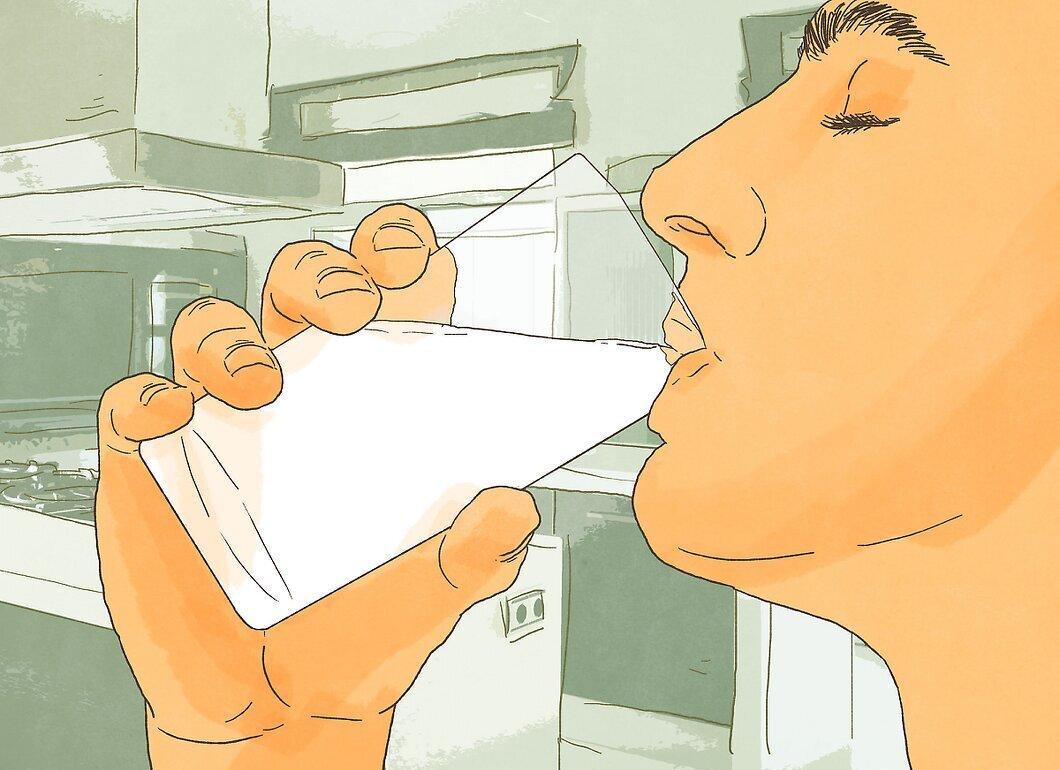
Calcium and iron are two vital minerals for a growing teenager. Aim for at least 1300 mg of calcium daily, which can be obtained from milk and dairy products like cheese and yogurt.
- Iron is especially important for girls. It can be found in beans, nuts, beef, pork, chicken, and eggs.
- If you want to reduce sugar intake, choose whole milk over skim milk, as it contains less sugar.
Step 4. Fill your diet with vitamins, minerals, and fiber.
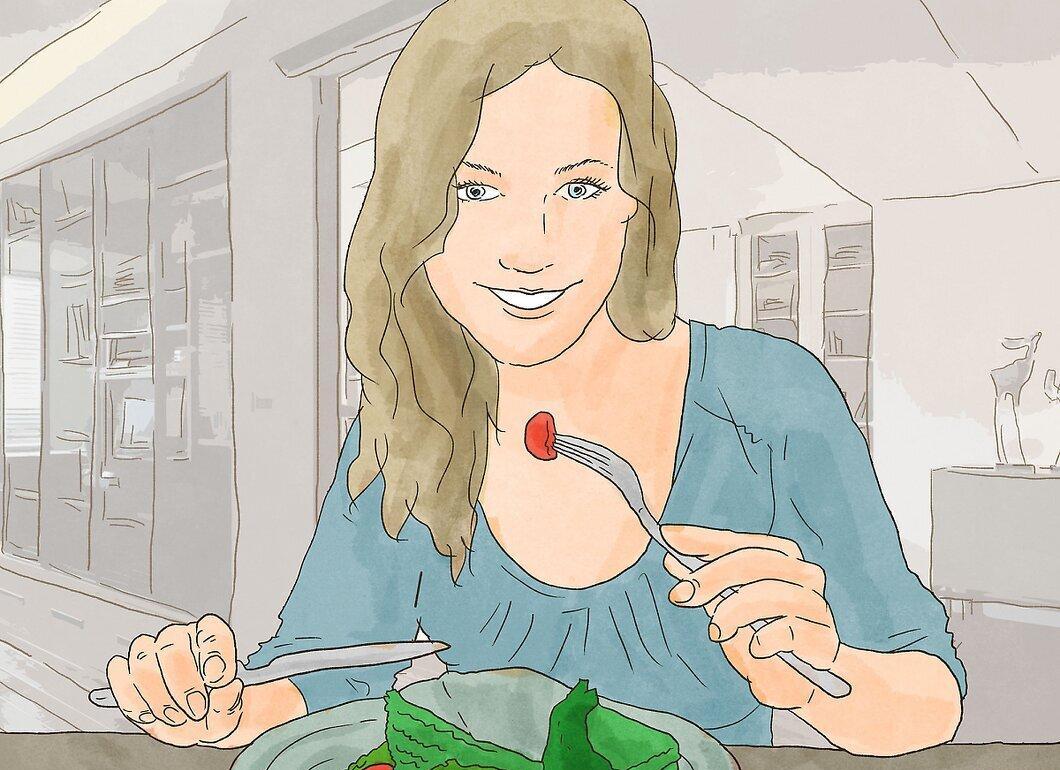
It's important to get enough vitamins from your diet. They aid in normal development and support overall health. Fiber, found in foods like celery and beans, helps with digestion and creates a feeling of fullness.
- Vitamin A can be found in eggs, dairy products, and dark leafy greens. Vitamin B typically comes from meat and fish, while vitamin C is present in citrus fruits, berries, and tomatoes.
- Foods rich in beneficial minerals include broccoli, potatoes, and citrus fruits (potassium), as well as red meat, chicken, and seafood (zinc and phosphorus).
- Consider taking a daily multivitamin to supplement your diet.
Step 5. Drink 6–8 glasses of fluids a day to avoid dehydration.
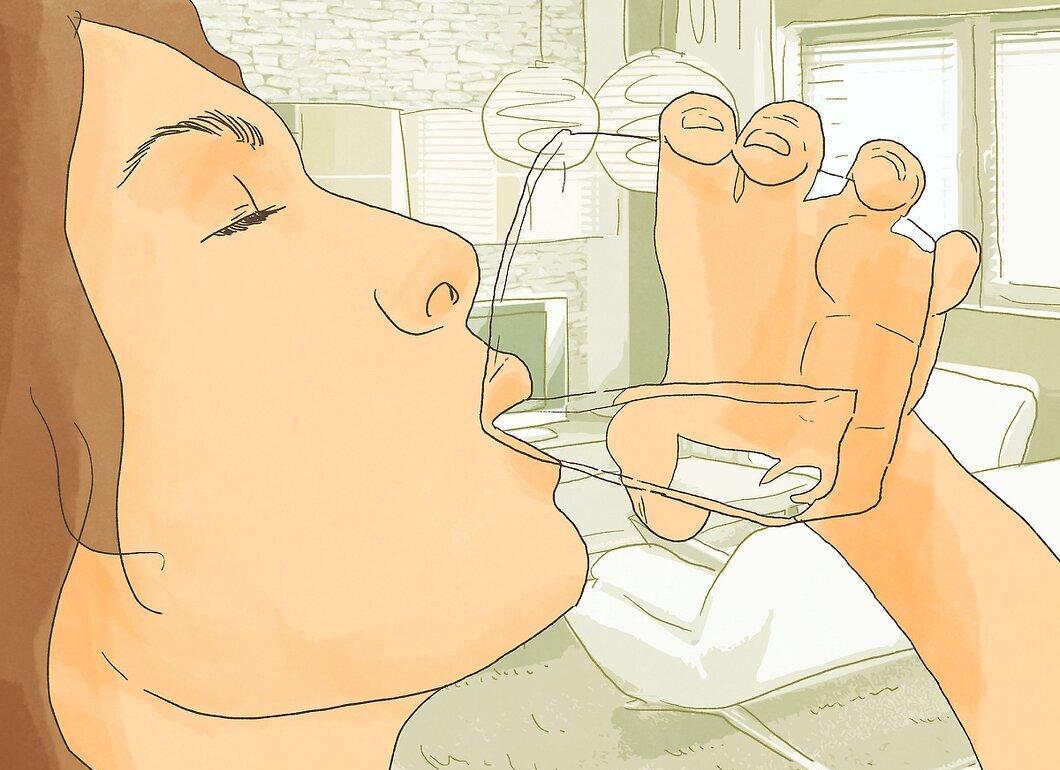
It's crucial to consume enough fluids, especially if you're increasing your physical activity. Stay hydrated with water, fruit juices, and tea. Avoid sugary sodas and energy drinks.
Step 6. Choose healthy snacks between meals.
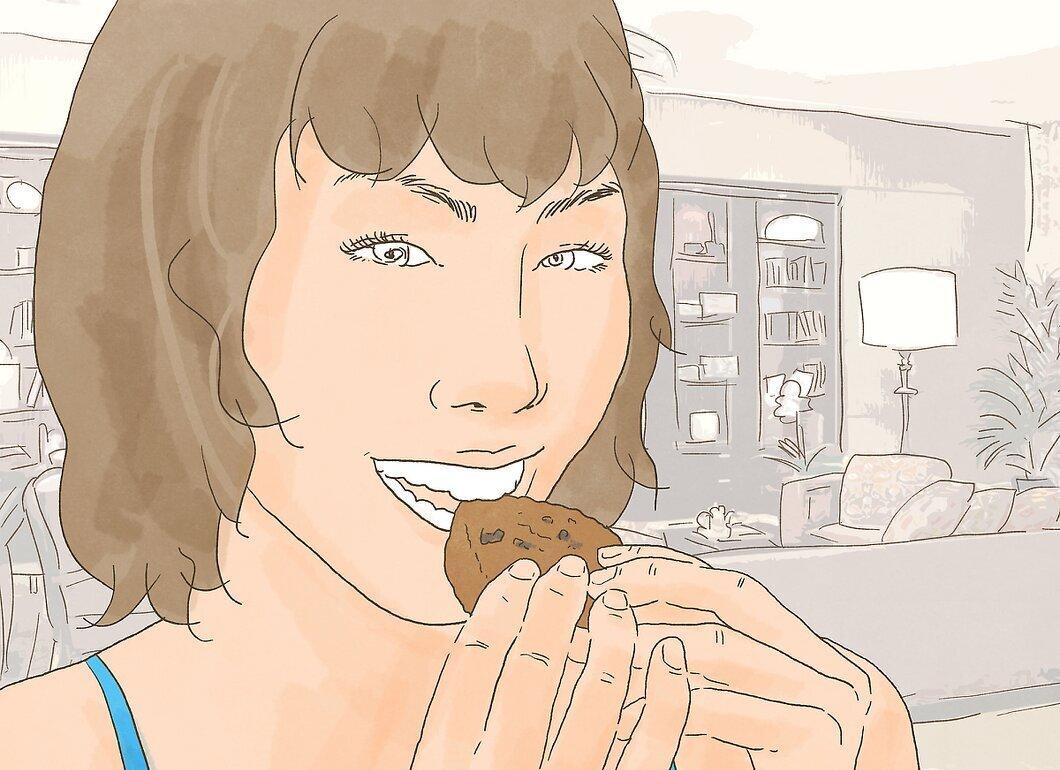
During your teenage growth, it's important to snack wisely. Don’t reach for sweets or chips when you feel hungry. Instead, opt for healthier options like yogurt, fruits, or smoothies.
- Don’t worry if you often feel hungry — increased activity can boost your appetite.
Maintaining Activity Levels
Step 1. Engage in physical activity for at least one hour each day.
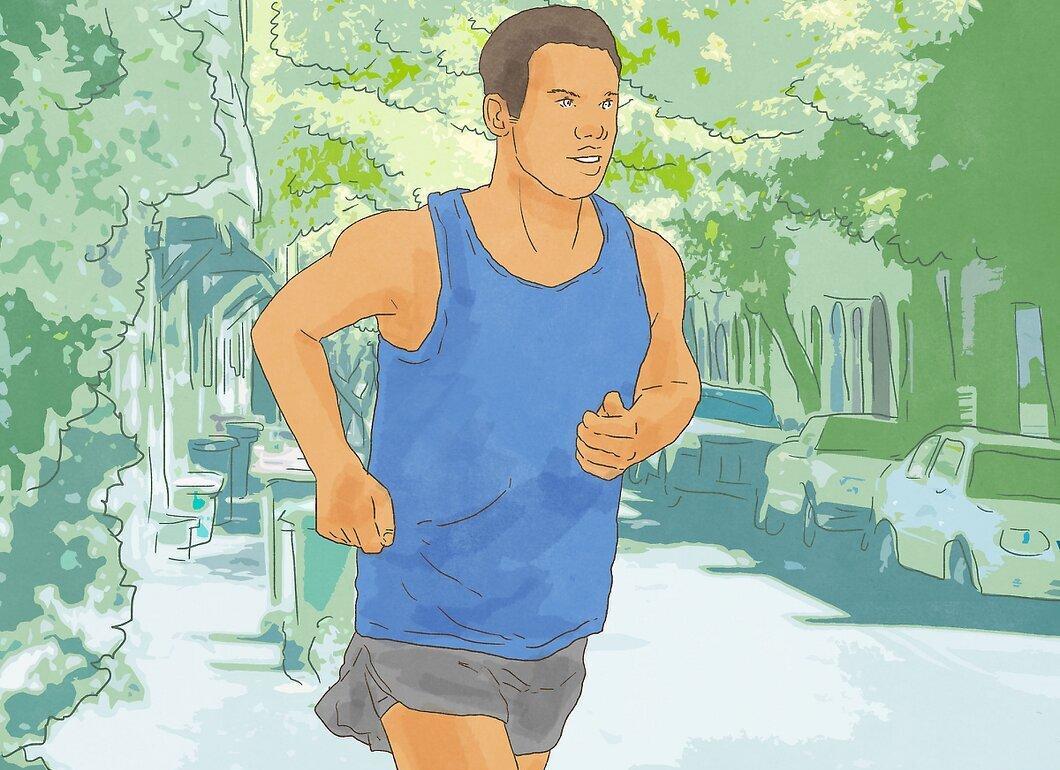
At least one hour of activity each day will help you improve your fitness and reduce the negative effects of a sedentary lifestyle. You don’t have to work out in a gym; simply walking or biking instead of driving can suffice.
- Increasing your physical activity will help reduce stress and improve your overall mood.
Step 2. Join a sports team or engage in sports after school.
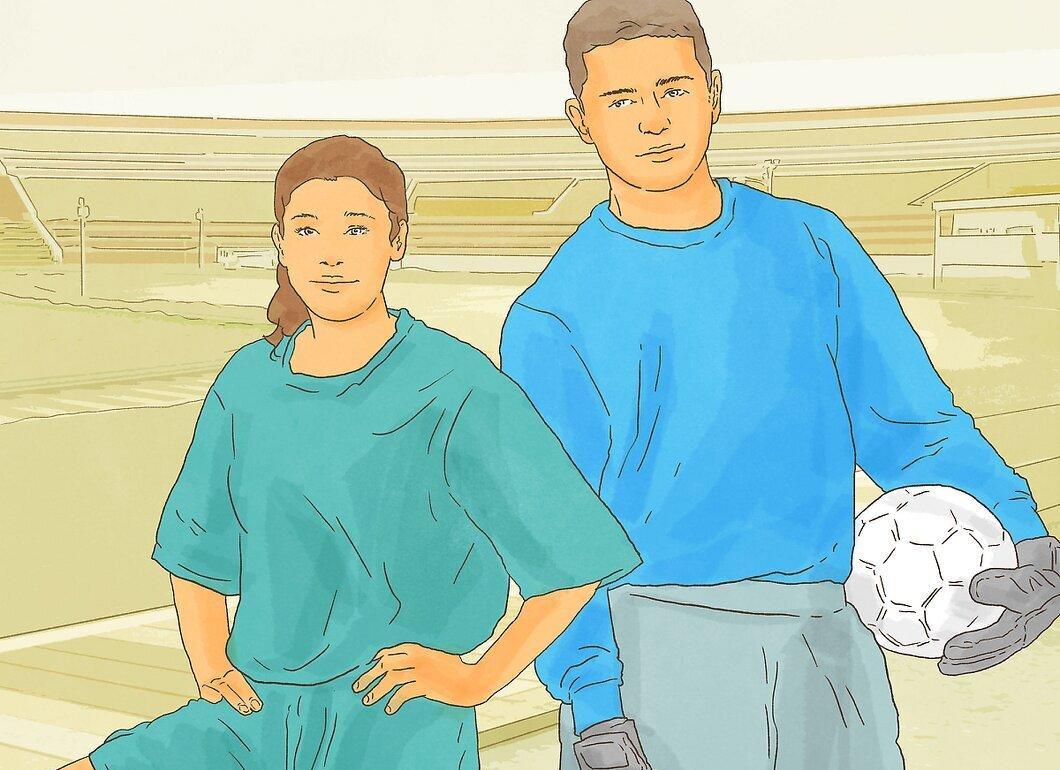
Joining a sports team or participating in sports after classes is a great way to boost your activity levels. If you enjoy being part of organized sports, try to join a school team or find a club that matches your interests.
- You don’t have to stick to team sports like soccer. Consider trying gymnastics, horseback riding, skateboarding, or karate.
Step 3. Visit the gym or attend fitness classes.
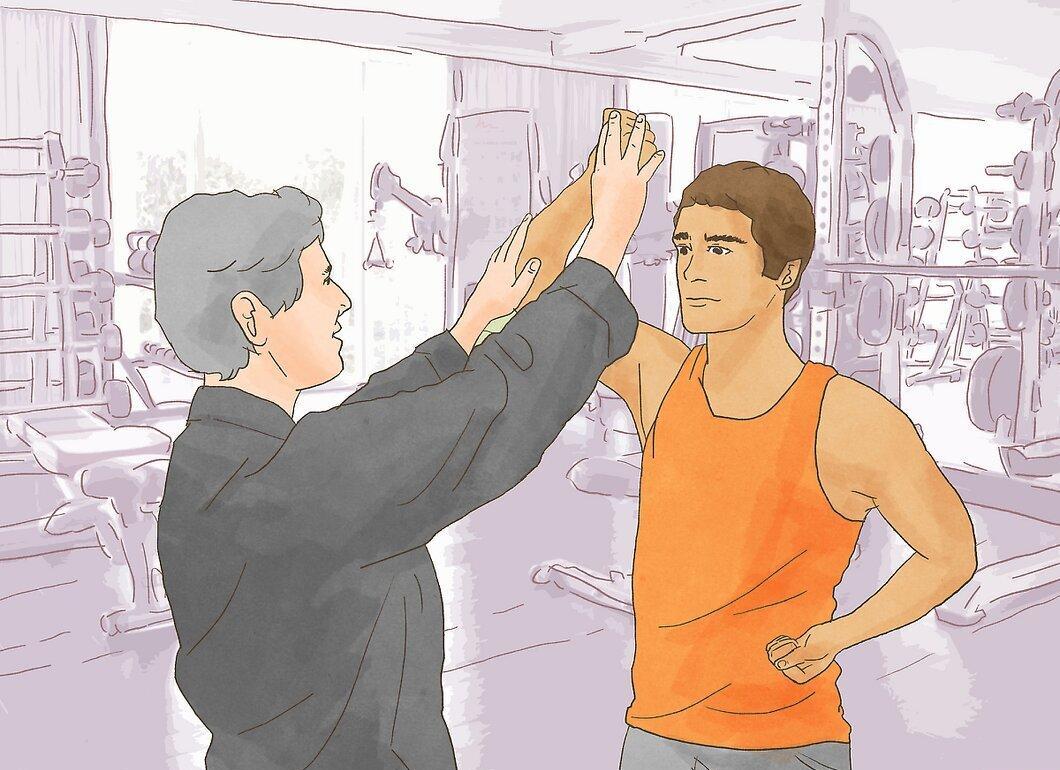
Regular visits to the gym can help you stay active in a friendly environment. Look for nearby gyms and check out group classes that are held after school.
- If traditional classes don’t interest you, consider trying Zumba, Pilates, or martial arts.
Step 4. Walk or bike to school.
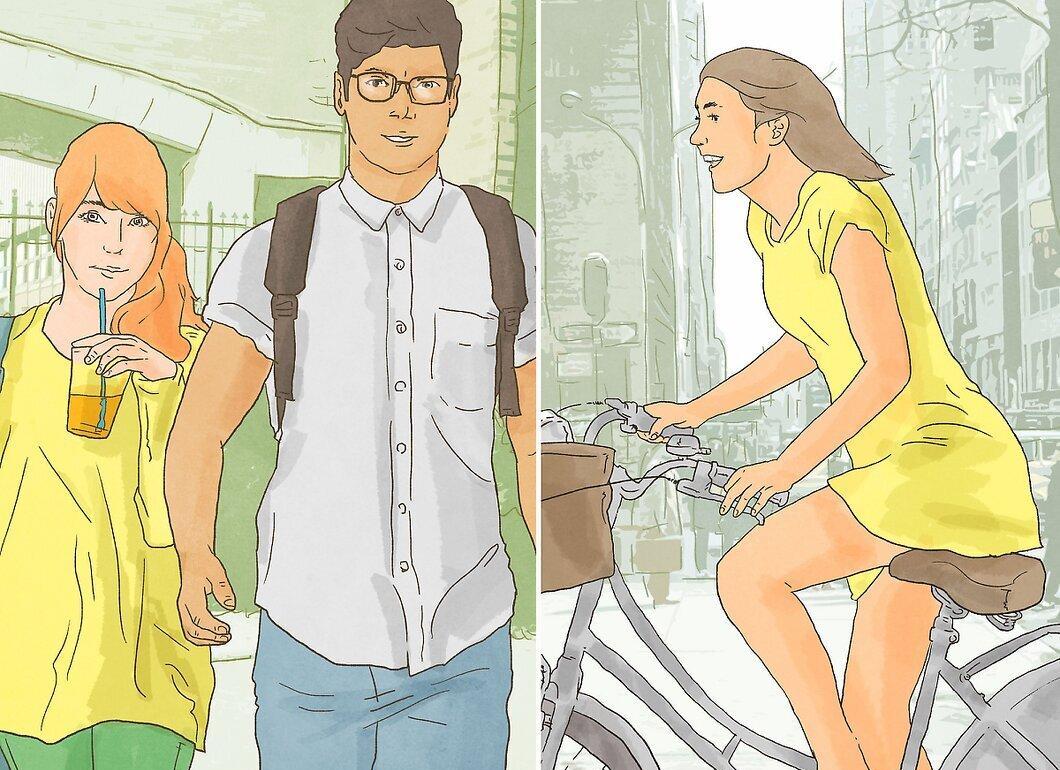
If your school is nearby, try walking or biking there. This not only helps you stay physically active but also benefits your health by improving your cardiovascular system and strengthening your legs.
- If you work after school, also try to walk or bike to your workplace.
Step 5. Take short walks during breaks.

Use breaks to take short walks. Even 15 minutes of brisk walking or climbing stairs can significantly increase your activity level. You can also take breaks during homework to stretch.
- Don’t wait for a special occasion to be active — use every opportunity to move.
Step 6. Limit screen time to two hours a day.
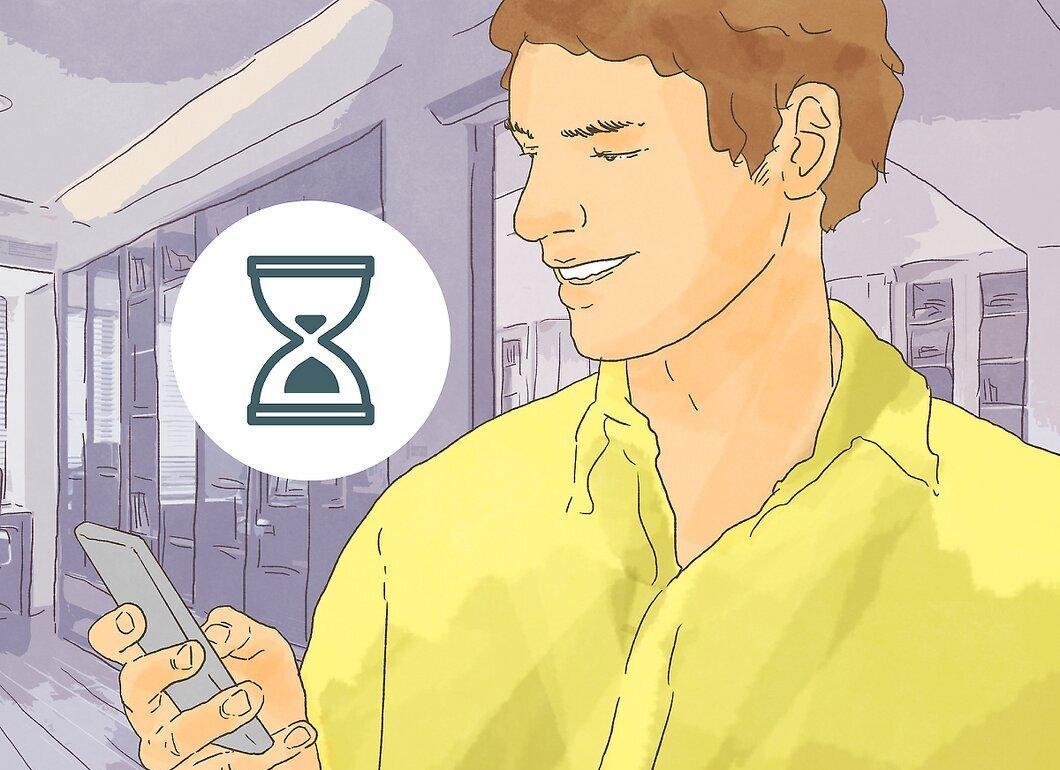
Limit the time spent in front of computers and TVs to avoid negative impacts on your fitness and prevent weight gain. Try not to sit in front of a screen for more than two hours a day so you have more time for sports.
- You can stay active even while watching a screen. For example, use a stationary bike while watching a movie, or do lunges during commercials.
Creating a Workout Plan
Step 1. Start with home workouts.
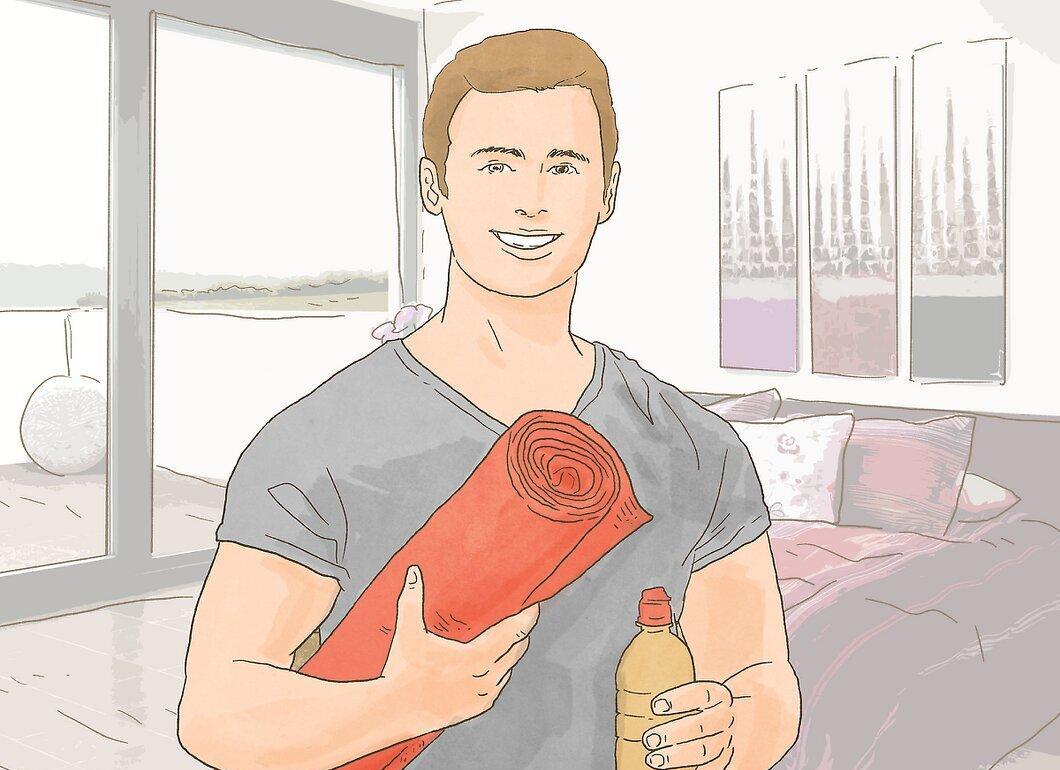
Create a basic workout plan to enhance your fitness. Whether you go to a gym or not, start with simple exercises: push-ups, pull-ups, sit-ups, and dumbbell squats.
- If you’re unsure where to start, consult a trainer or look online for workout tips for teenagers.
Step 2. Don’t forget to warm up and cool down.
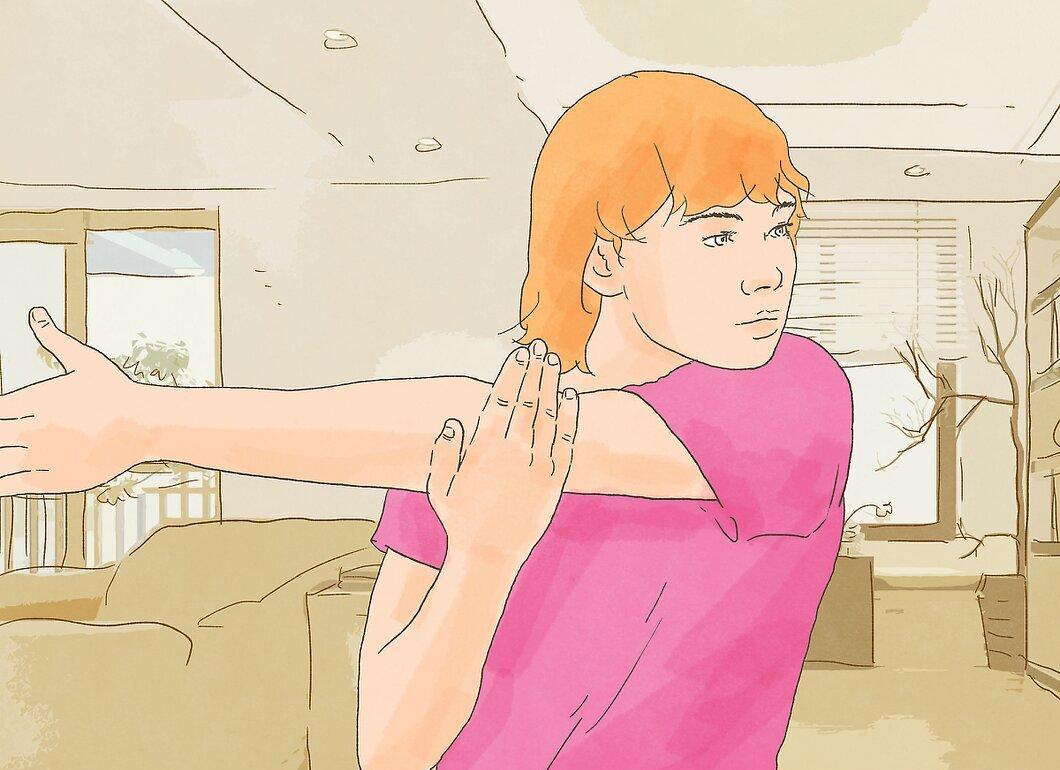
Before each workout, do a 10-minute warm-up. This helps prevent injuries and burns more calories during exercise. Also, remember to cool down at the end of your workout to feel more relaxed.
- If you enjoy running, it might be worth considering joining a cross-country team.
Step 3. Work out with a friend.
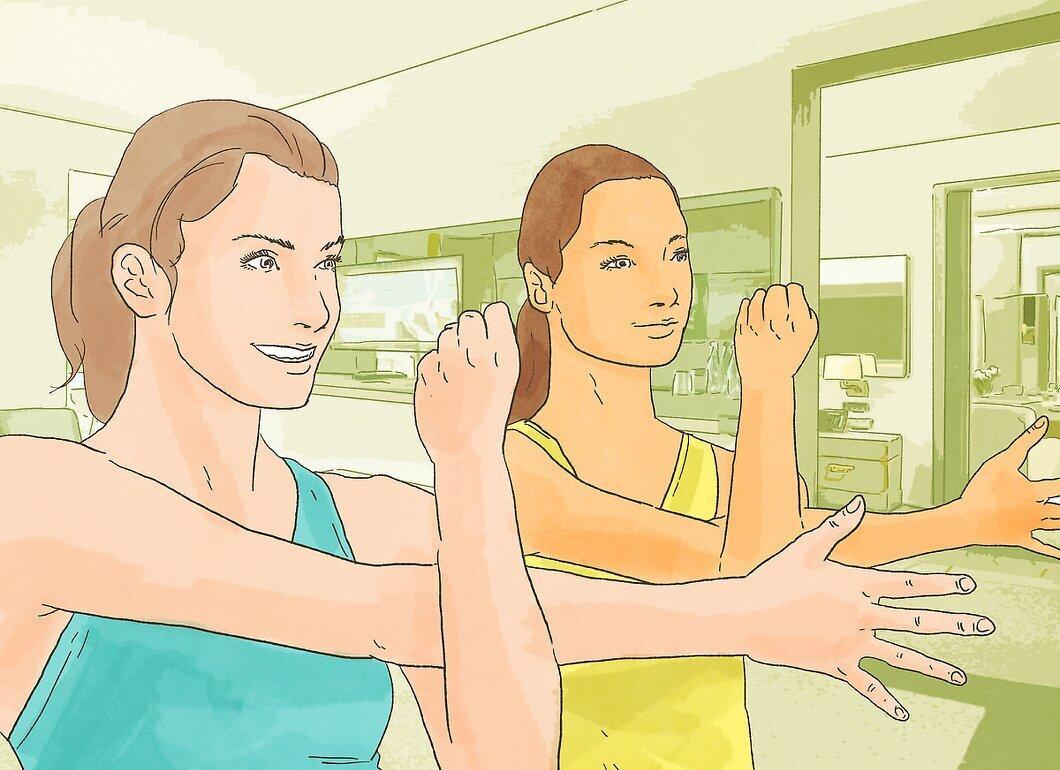
Find a friend who also wants to be active and work out together. You can invite family members to join you as well. Having a workout partner can help keep you motivated and add a social element to your workouts.
- You’re more likely to stick to a workout schedule if you have a friend supporting you.