
A personal financial crisis can stem from various events: job loss, divorce, bankruptcy, unexpected medical expenses, or any situation that disrupts financial stability. Regardless of the cause, the consequences are always the same: stress, confusion, and a loss of control. Although it may not be easy to navigate through a financial crisis, it's crucial to remember that you can regain control of your situation. You can get back on track if you gather yourself and start taking action.
How to Regain Control of the Situation
Step 1. Understand that negative emotions are completely normal.
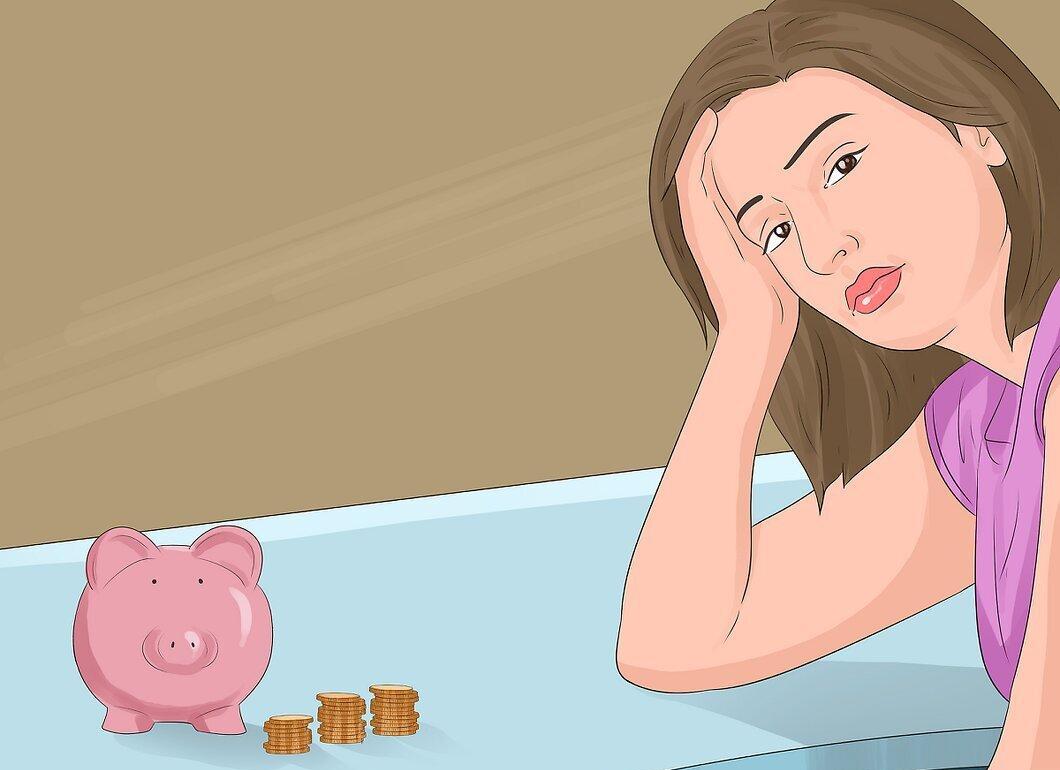
Understand that negative emotions are entirely normal. Before diving into fixing your financial situation, it's important to address your emotions. Accepting that emotional struggles are a natural part of the process is vital. Depending on your situation, you may experience stress, depression, or anxiety, often accompanied by feelings of guilt or utter failure. You might also feel like you're no longer in control of your life.
- All these emotions are a natural part of a financial crisis. Initially, it may be difficult, but these feelings will gradually fade as you adapt to the situation and begin to regain control through proactive measures.
Step 2. Accept your financial situation.
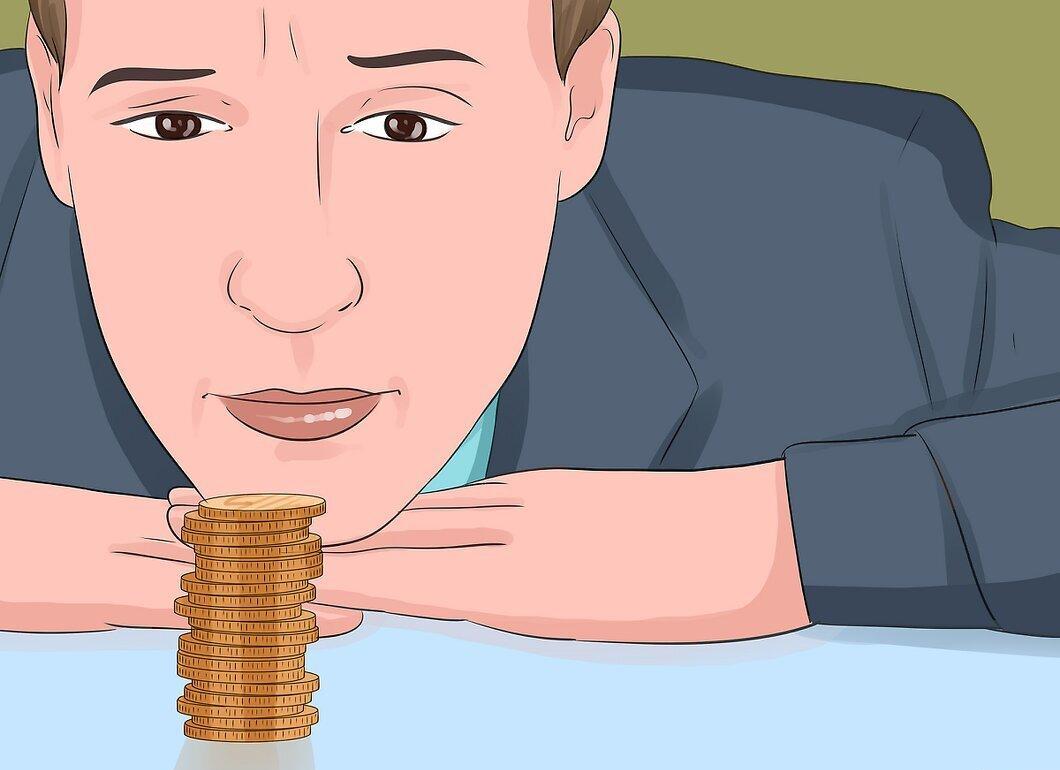
Accept your financial situation. In tough times, people often try to ignore or deny the problem. This may provide temporary emotional relief, but it doesn't help in the long run. It's essential to accept your situation to begin addressing your problems and finding solutions.
- Acceptance is the first step toward resolution. Focus your energy on positive actions and concrete solutions. Rather than dwelling on the problem or blaming yourself for what happened, commit to solving the issue at all costs.
Step 3. Talk about your situation.

Talk about your situation. Share your problem with friends or family members to alleviate some of the burden, and speak out loud about potential solutions. Your conversation partners may offer advice based on their personal experiences or those of acquaintances. They can provide not only emotional support but also suggest other, more productive ways to tackle the issue.
- If you're struggling to manage your emotions alone, consider seeking help from a psychologist or therapist. If your financial crisis has led to depression, anxiety, or thoughts of self-harm, it's crucial to reach out to a professional for assistance.
Step 4. Be honest with your family.

Be honest with your family. Let your loved ones know that you're going through a financial crisis. Someone may offer to lend you money. Even if your family can't help financially, discussing your situation can relieve a significant amount of stress.
- It's often essential to explain the financial crisis to children, especially since you'll likely need to cut back on some of their activities (like music lessons or summer camp) to keep the family afloat. However, make sure to explain that these changes are temporary.
- Encourage older teens to find part-time work. If your children are over 18, suggest they contribute to rent.
Step 5. Maintain a positive outlook.

Maintain a positive outlook. Before taking action, promise yourself to focus on the positives. Approach it this way: while you may not be able to influence the cause of the crisis, you can choose how to react. A positive attitude will uplift your spirits, reduce stress levels, and help you constructively tackle the problem.
- Remember that, regardless of the situation, others have faced similar challenges and overcame them.
- Be grateful for what you currently have. For instance, if you lost your job and owe a large amount, remind yourself that you have supportive friends or family.
How to Assess Your Financial Situation
Step 1. Determine what assets you have.
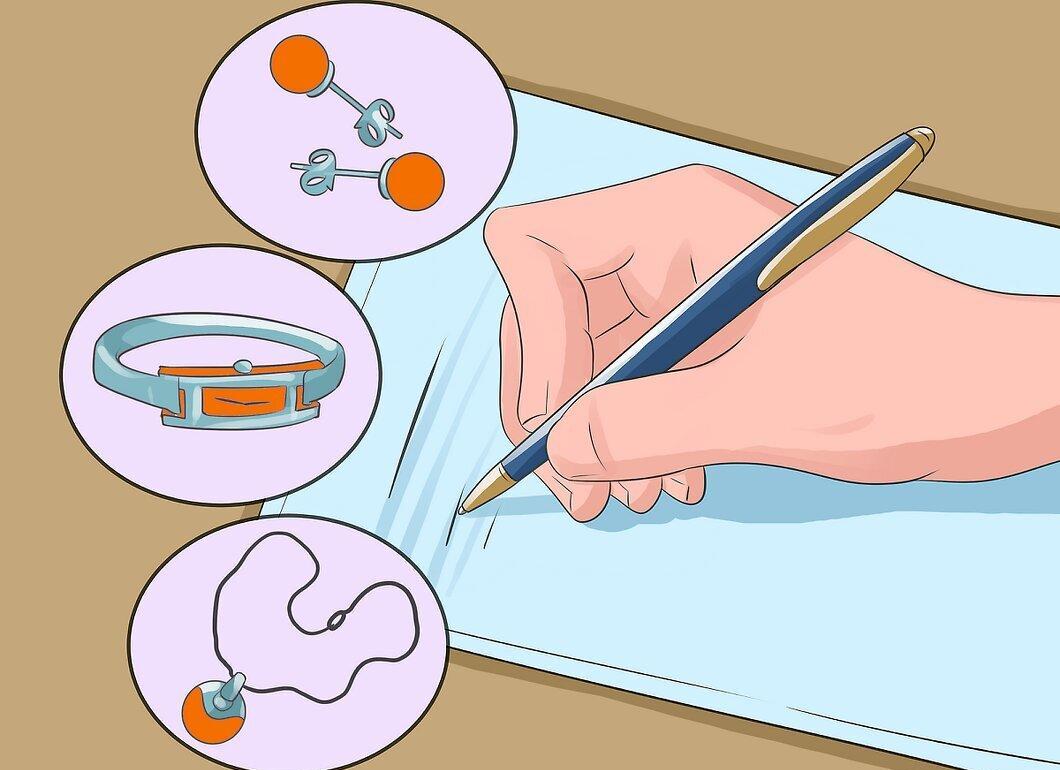
Determine what assets you have. The first step toward normalizing your financial situation is analyzing your finances. Start by evaluating your assets. Assets are everything that you own. They form the foundation of financial stability and include all valuable items in your home, money in your accounts (including savings), the value of your car, and any funds in retirement or investment accounts.
- Assets may also include other valuable items: jewelry, collectibles. Get these items appraised or attempt to evaluate their worth online. This way, if you decide to sell them, you’ll know what to expect.
- Compile a list of all your assets, noting their names and values. Calculate the total value and write that down at the bottom.
- You may also benefit from reading an article on how to create a list of your assets.
Step 2. Make a list of your liabilities.
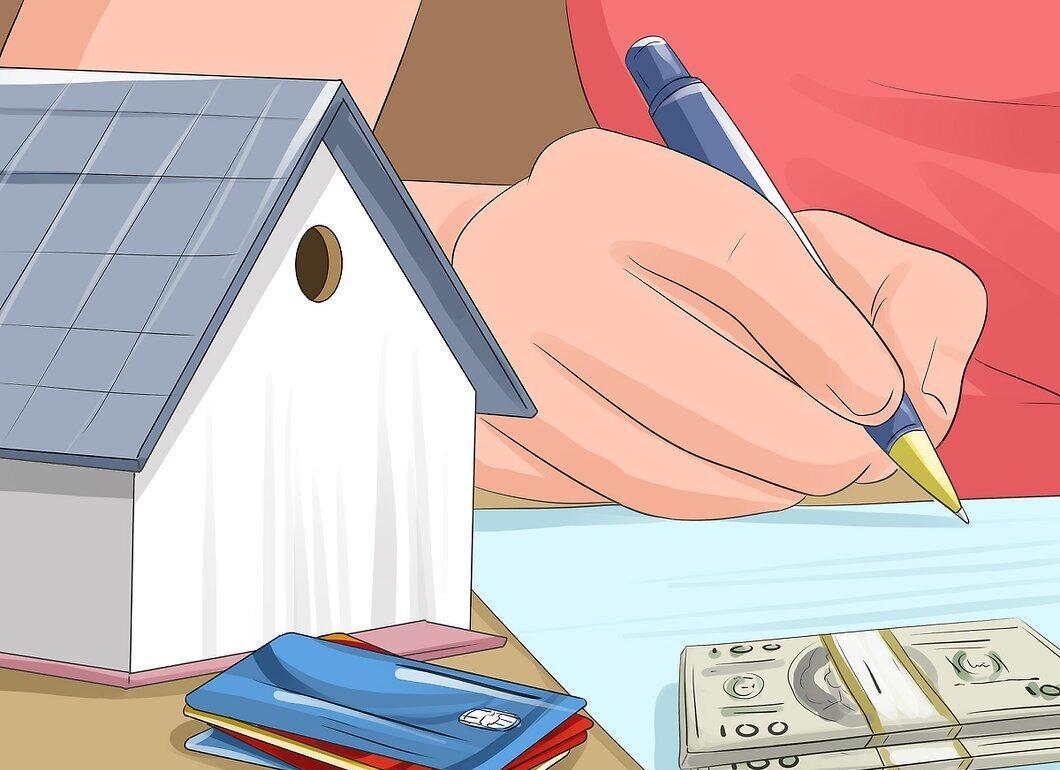
Make a list of your liabilities. This refers to all the money you owe. This is the opposite of assets. Liabilities include credit card debt, personal loans, mortgages, unpaid bills, student loans, and any other debts.
- On the same sheet where you listed your assets, create a list of liabilities and include the corresponding amounts. At the bottom, calculate the total amount of debt.
Step 3. Calculate your net worth.
Calculate your net worth. Net worth is assets minus liabilities. This number will indicate how much money will remain if you sell all your assets and pay off all your debts. This number provides a clear picture of your current financial situation.
- For instance, if your total assets amount to 650,000 rubles (potentially from the value of your car), and your liabilities total 3,250,000, after selling the car and paying off debts, you would still owe 2,600,000. Therefore, your net worth would be -2,600,000 rubles.
- Knowing your net worth will help you understand what options you have. For example, you may need to sell other assets to pay off debts if you have any. You might have to use your savings to meet your obligations. Usually, selling non-essential assets allows you to cover your most critical debts. For instance, selling your car to pay off a loan can improve your credit score, making future loan payments easier.
- Even when filing for bankruptcy, creditors and the court may require the sale of certain non-essential assets, so it’s better to sell them proactively.
Step 4. Calculate your income.
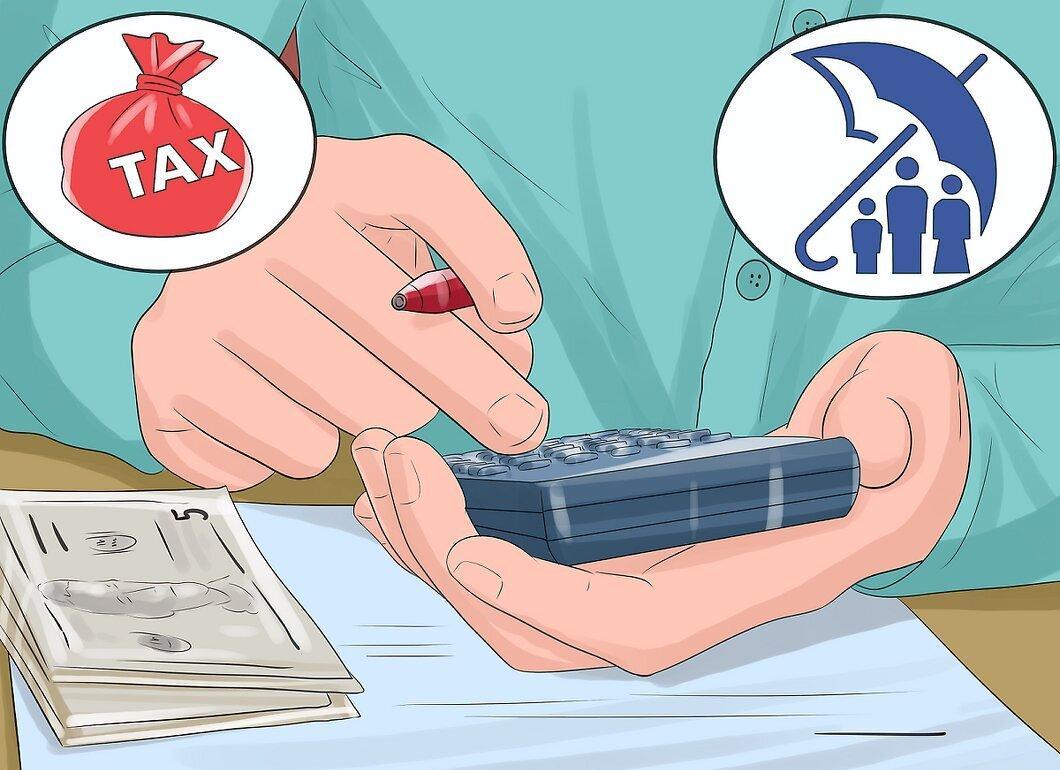
Calculate your income. Once you know your net worth, you need to analyze your income and expenses. By understanding your income and expenses, you'll see how your net worth will change—whether it will decrease or increase. Calculating income is straightforward—just add up all sources of income. Typically, income sources include salary and regular government payments (like benefits or other financial assistance).
- When calculating, consider all taxes. Also, remember to include insurance amounts and any money owed to you by your employer.
Step 5. Calculate your expenses.
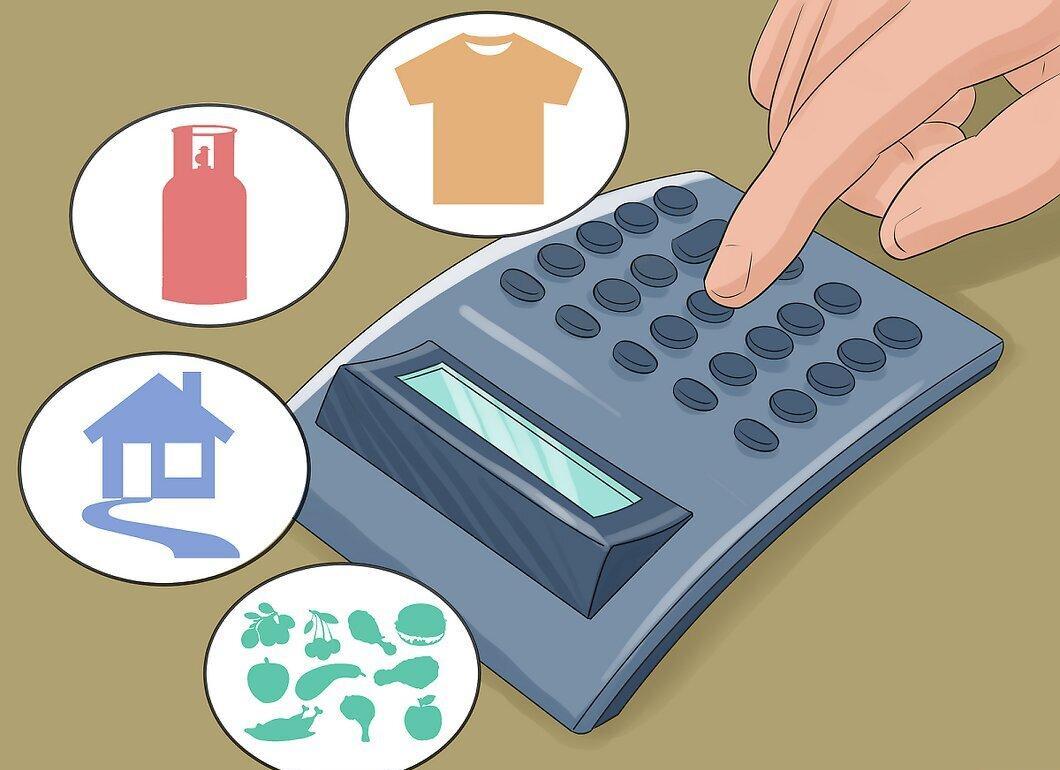
Calculate your expenses. To overcome a financial crisis, it's crucial to understand how much money you're spending and on what. The easiest way to analyze this is by reviewing your bank statements for the past two months. Calculate how much you spend on food, housing, utilities, clothing, and entertainment. Once you know where your money is going, you can adjust your spending and reduce expenses to get back on your feet sooner.
Step 6. Calculate your net monthly income.
Calculate your net monthly income. By subtracting expenses from income, you'll find your net income. This is the amount left at the end of the month. If this number is negative, it indicates that you should cut expenses to restore stability to your finances.
- However, if your net income is negative due to having a low income, your first priority should be working to increase your income rather than cutting expenses.
Step 7. Evaluate the potential consequences of your current situation.

Evaluate the potential consequences of your current situation. To motivate yourself to emerge from the crisis, remind yourself why you want to improve your situation. Set achievable goals and estimate the cost of achieving them. Consider how you and your loved ones will suffer from your inaction in the long run.
- For example, if you have children and want them to receive an education, remind yourself that achieving this will be incredibly challenging if your financial situation doesn’t change.
How to Create a Recovery Plan
Step 1. Develop a plan that meets your needs.

Develop a plan that meets your needs. Your recovery plan should address the issue that led to your current situation. In other words, you need to reduce debt if you have any and increase your income to compensate for lost assets and financial stability. You may need to change jobs, take on a second job, cut expenses, apply for government assistance, or pursue debt forgiveness.
- For instance, if your financial crisis is due to divorce, you'll need to find a source of income that compensates for the joint income you had during your marriage.
- The simplest way to escape debt and start living off your income is by cutting expenses and increasing income. Other options (like bankruptcy) might be necessary in certain cases, but they come with many difficulties and can damage your credit history.
Step 2. Calculate your fixed and variable monthly expenses.
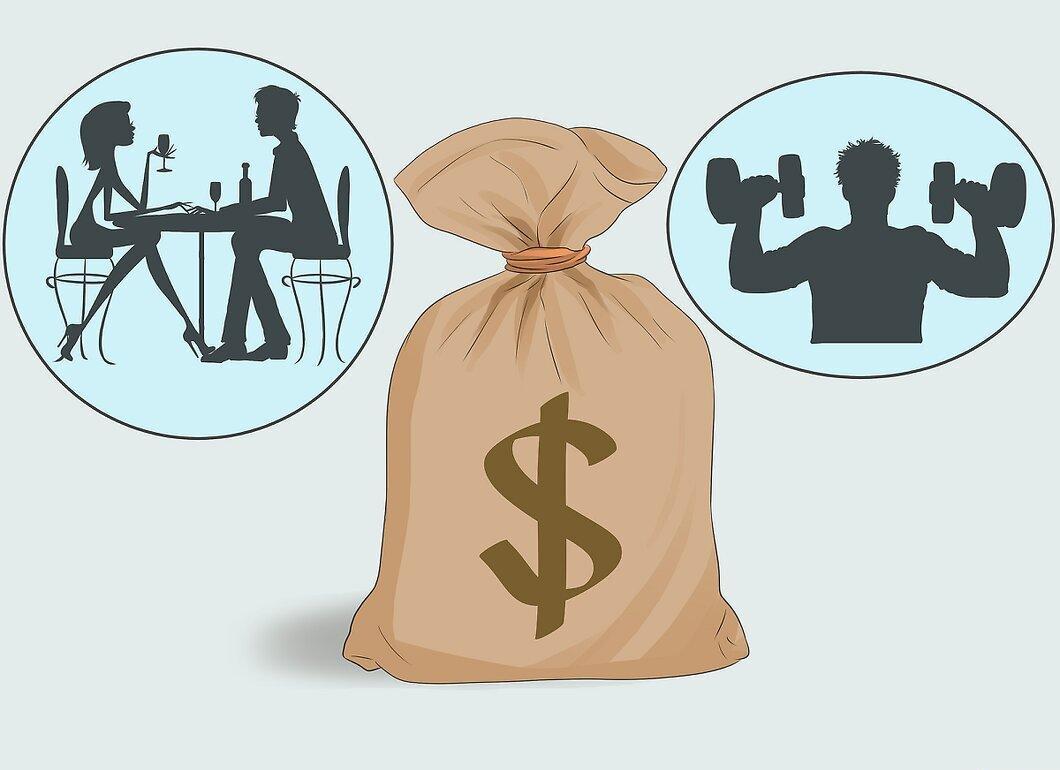
Calculate your fixed and variable monthly expenses. Fixed expenses are those that don’t change from month to month. Variable expenses are non-essential costs that can vary. Knowing the difference between them is critical, as it’s much easier to cut non-essential expenses than it is to reduce essential ones.
- Fixed expenses include bills and all other costs necessary to meet your basic needs. Fixed expenses also include rent, mortgage payments, utility costs, education, insurance, food, and transportation. Fixed expenses also encompass loan payments and other obligations.
- Variable expenses include spending on anything that is not a necessity, such as dining out, gym memberships, entertainment, and clothing.
Step 3. Reduce variable expenses.

Reduce variable expenses. Start with variable expenses. These include everything you want, not everything you need. By eliminating non-essential spending, you can find money to pay off debts. Don’t confuse wants with needs. For example, a phone may be a necessity, but the latest iPhone model is a want.
- Promise yourself not to go to cafes until your situation improves (for instance, until you get a job). This can save you a significant amount of money on food.
- Keep an eye on small purchases (like daily coffee), as these expenses can add up. If you cut them out, you could save a considerable sum each month.
- Cancel gym, club, or other memberships that you pay for each month, but first, ensure you won’t incur early termination fees.
- Consider dropping cable or satellite TV. You can watch what you need online.
- Avoid shopping unless absolutely necessary. You can likely put off clothing purchases for several months. If you need to buy something, go to a thrift store or discount shop.
Step 4. Reduce fixed expenses.

Reduce fixed expenses. Rent or mortgage, food, and transportation are considered fixed expenses, but that doesn’t mean you can’t cut back on them to free up more money for other goals.
- If you’re renting and your rent is too high, consider moving to a cheaper place or a different neighborhood or city. Focus on what you need rather than what you want. For instance, if you don’t have a partner, you might prefer having two bedrooms, but a one-bedroom apartment or studio could suffice, saving you money.
- Consider finding a roommate if possible.
- If you have children, apply for free school meals. If your family meets certain criteria, children can receive meals at school for free. Research the necessary information to see if you're eligible for this assistance.
- Consider carpooling to work or using public transportation to save money.
Step 5. Find an additional source of income.
Find an additional source of income. In an ideal world, a forty-hour workweek should provide enough money to cover all expenses, but that’s not always the case. You may need to look for another source of income, especially during tough times.
- If you don’t have a full-time job, start looking for one as soon as possible. Send your resume to as many places as you can.
- Look for part-time work. Search online or ask friends.
- Seasonal work is suitable for people needing short-term employment. Consider working as a store consultant during the holiday season or a lifeguard at the beach in summer.
- Take on various jobs: landscaping, babysitting, waiting tables, or bartending.
- Register with a job placement agency. While there may not be high-paying jobs available, it’s better than nothing.
Step 6. Apply for government assistance.
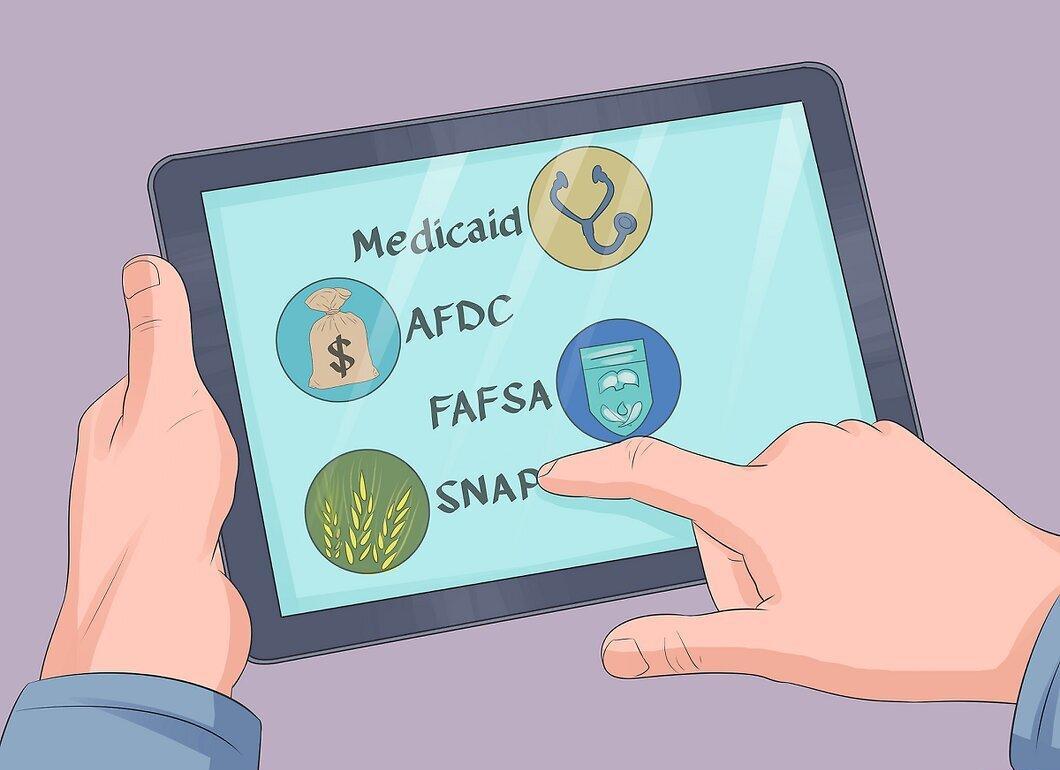
Apply for government assistance. Low-income individuals may qualify for benefits, but the application process can often be complicated due to bureaucratic red tape. Don’t expect this assistance to be provided quickly.
- In some regions, there is insurance for job loss. Benefits are paid to people who lose their jobs or cannot work for other reasons. Find out if this option exists in your country.
- Research what government assistance you may be eligible for.
- Most countries offer unemployment benefits and other aid for low-income individuals.
Step 7. Consider selling assets and using the proceeds to pay off debts.
Consider selling assets and using the proceeds to pay off debts. Any assets that are not essential can and should be sold to settle debts, as the value of assets decreases over time while liabilities increase. To quickly improve your net worth, pay off as much debt as possible as fast as you can.
- If you're in a very tight spot, consider using your retirement savings to pay off debt or selling assets (like your car). You can replace the car with a cheaper model or switch to public transportation.
- If you plan to use savings to settle debts, remember a few things. Use those funds only to pay off high-interest debts (like credit card debt). This is not only financially wise (having such debt is costly since interest rates on these debts are always higher than on savings accounts) but will also help improve your credit history and lower monthly expenses.
- When devising your plan, create a debt repayment schedule. Calculate when you can fully pay off your debts.
Step 8. Consider filing for bankruptcy.
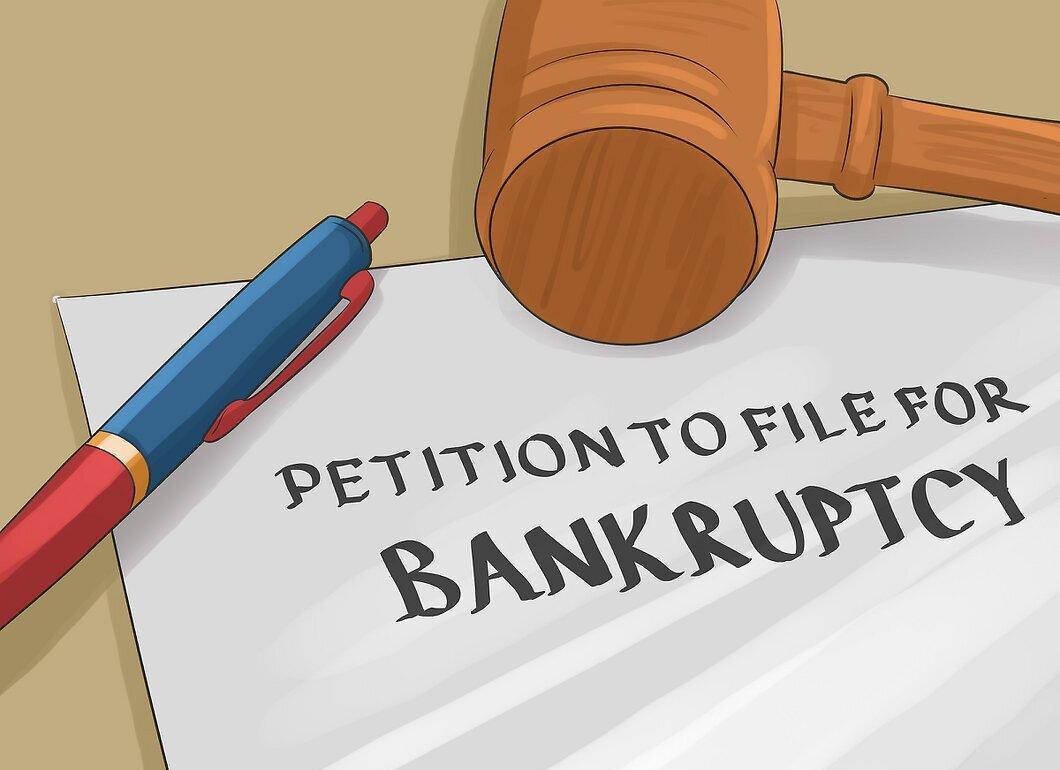
Consider filing for bankruptcy. If you have no assets and income to meet your basic needs and pay off debts, bankruptcy might be your only option. Bankruptcy can relieve you of debt, but it also has downsides. It will severely damage your credit history, and you may still need to sell some assets, even if you don’t want to.
- In most cases, the bankruptcy court will recognize a citizen's inability to fulfill financial obligations and settle accounts with creditors. Anyone with debts exceeding 500,000 rubles can file for bankruptcy. A creditor or a special agency (the Federal Tax Service) can also initiate the process. In Russia, this process is regulated by Law No. 127-FZ.
- In bankruptcy, the court often cannot compel a person to sell certain assets. Such assets include primary housing, transportation, and personal items like wedding rings. Research what assets are protected in your country.
How to Follow Your Plan and Pay Off Debts
Step 1. Start implementing your plan.

Start implementing your plan. Once your recovery plan is ready, regardless of what it includes (new job, debt reduction, bankruptcy, or a combination of these steps), take action as soon as possible. The longer you wait, the higher your debt will climb. Act quickly.
- Many of your decisions can drastically change your life. As mentioned earlier, it’s important to maintain a positive outlook and try to see the light at the end of the tunnel.
Step 2. Prioritize your debts.
Prioritize your debts. Remember that during a financial crisis, debts can carry different weights. If you have a small amount of money left for debt repayment after cutting expenses, it’s crucial to allocate it to the most critical debts.
- Start by making payments on secured loans. These include mortgages and car loans. Failing to pay these debts can lead to foreclosure and repossession.
- Next, make payments on unsecured loans, especially those with high-interest rates (like credit cards).
- Finally, pay off debts with smaller amounts. If you cannot make a payment on any obligation, contact the creditor and explain your situation. You may be able to renegotiate the repayment terms.
Step 3. Remember the importance of staying in touch with creditors.

Remember the importance of staying in touch with creditors. Although you may feel tempted to avoid creditors, this will only worsen the situation. Creditors can often take legal action and begin garnishing your wages without your consent simply because they couldn't reach you.
- Know that creditors will not stop trying to contact you or forget about you. Therefore, it’s essential to act and work with them, not against them.
Step 4. Contact your creditors and explain the situation clearly.

Contact your creditors and explain the situation clearly. Call them and provide any information they need. Honestly explain that you cannot make repayments and that you would like to find a solution together.
- Request a lower interest rate, defer payments for a few months, or reduce the debt amount. Creditors are often willing to work with debtors, as collections can be more costly for them (and they risk losing contact with the debtor).
- Explain that you are prepared to pay the current interest amount if the creditor can suspend payments on the principal for a few months. This shows creditors that you are serious about your obligations.
- Inform creditors that you will be in contact with them each month. By maintaining communication, they will be more inclined to cooperate with you and may offer better terms or adjust their policies.
Step 5. Consider consolidating debts or paying off high-interest debt with a low-interest loan.
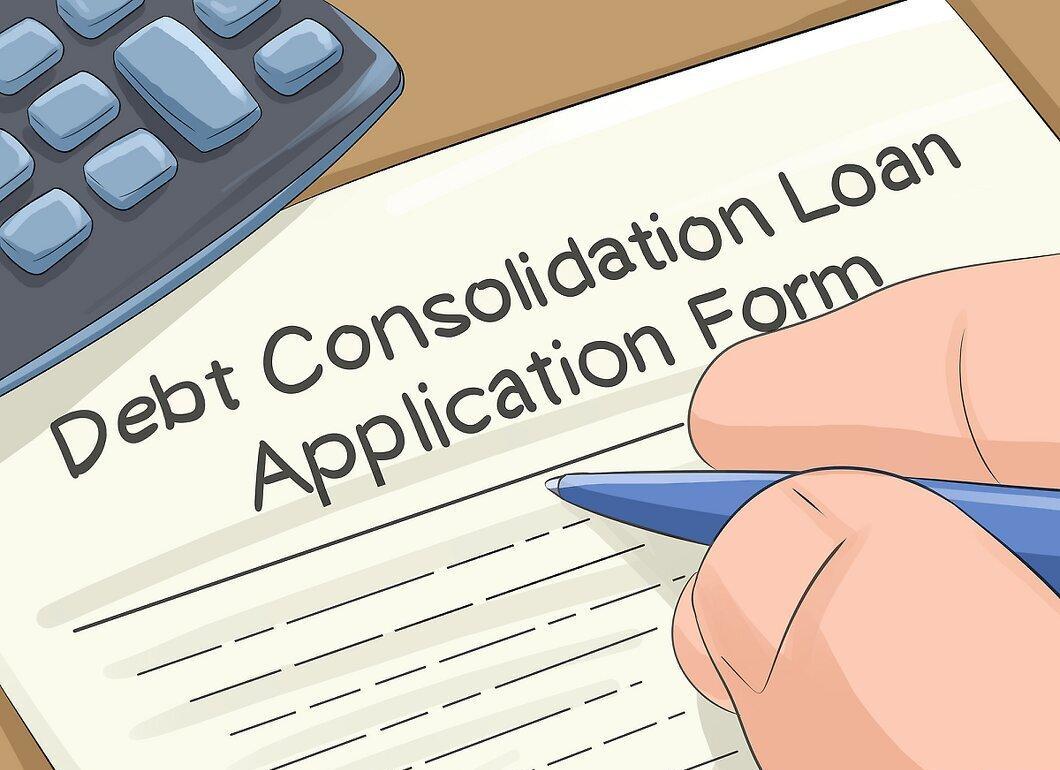
Consider consolidating debts or paying off high-interest debt with a low-interest loan. Both solutions involve transferring existing debt to more favorable terms.
- Debt consolidation involves combining all debts into one with better terms. For example, you can consolidate debts from multiple credit cards and make one monthly payment instead of several. This will save you money due to a lower interest rate. However, keep in mind that a lower interest rate often means a longer repayment period, which could result in paying more in interest overall.
- You can also take out a loan with a lower interest rate to pay off all other debts. This will also allow you to extend the repayment period, making it easier to make payments while your financial situation is unstable.
Step 6. Consult a financial advisor.

Consult a financial advisor. If you can't figure everything out on your own, seek help from a consultant at a nonprofit organization. Together, you can devise a plan and negotiate with creditors to restructure the debt, allowing you to meet your obligations based on the money you have.
How to Regain Financial Stability
Step 1. Follow through on your plan.
Follow through on your plan. As you begin to pay off debts and increase your income, you will start to feel more financially secure. However, this feeling can quickly fade if you abandon your plan and start spending saved money as you did before. Until you've paid off all debts, continue saving and avoid taking on new loans, even if you feel secure.
- Try to allow yourself one indulgence upon fully repaying each debt. For instance, if you had to cancel your Netflix subscription, promise to reactivate it once you've paid off your credit card debt. These little rewards can help keep you motivated.
Step 2. Repair your credit history.
Repair your credit history. If you have missed payments or significant debts or have declared bankruptcy, your credit history is likely to look poor. To ensure financial security, you should work on improving your credit history. This will enable you to obtain favorable loans in the future. While unpaid debts and bankruptcy can remain on your record for years, you can start to rectify the situation as soon as you're back on your feet.
- Make timely and full payments on your credit cards. This will be easier once you reduce non-essential spending.
- You can also improve your credit history by paying off all other loans on time and in full. This includes mortgages and car loans.
- Avoid taking on new loans until you've settled existing debts.
Step 3. Learn from the experience.

Learn from the experience. Analyze what actions and situations led you to the financial crisis you struggled to overcome. Did you live beyond your means? Did you finance purchases with expensive loans? Perhaps now you realize that you can spend less than before, especially on non-essential items. Use this experience to enhance your financial literacy.
Step 4. Save money or prepare for potential crises.

Save money or prepare for potential crises. If the crisis was due to factors beyond your control (like job loss or unexpected medical expenses), start preparing for similar situations. Once you've paid off all debts, begin saving the money you were using to settle debts. Part of this money will become your "emergency fund." Ideally, you should aim to have six months' worth of salary saved. This will help you if you face similar challenges in the future.