Grenades combine modern firepower with the time-tested reliability of handheld weaponry. Understanding how to use them safely is crucial, as improper handling can be extremely dangerous. Before attempting to throw a grenade, it’s vital to learn safe handling techniques. This article provides a comprehensive guide, but remember that no written manual can replace the advice of a seasoned weapons expert. Always seek proper training from a military or law enforcement school before using a grenade.
Standing Throw
Step 1: Identify Your Target Location
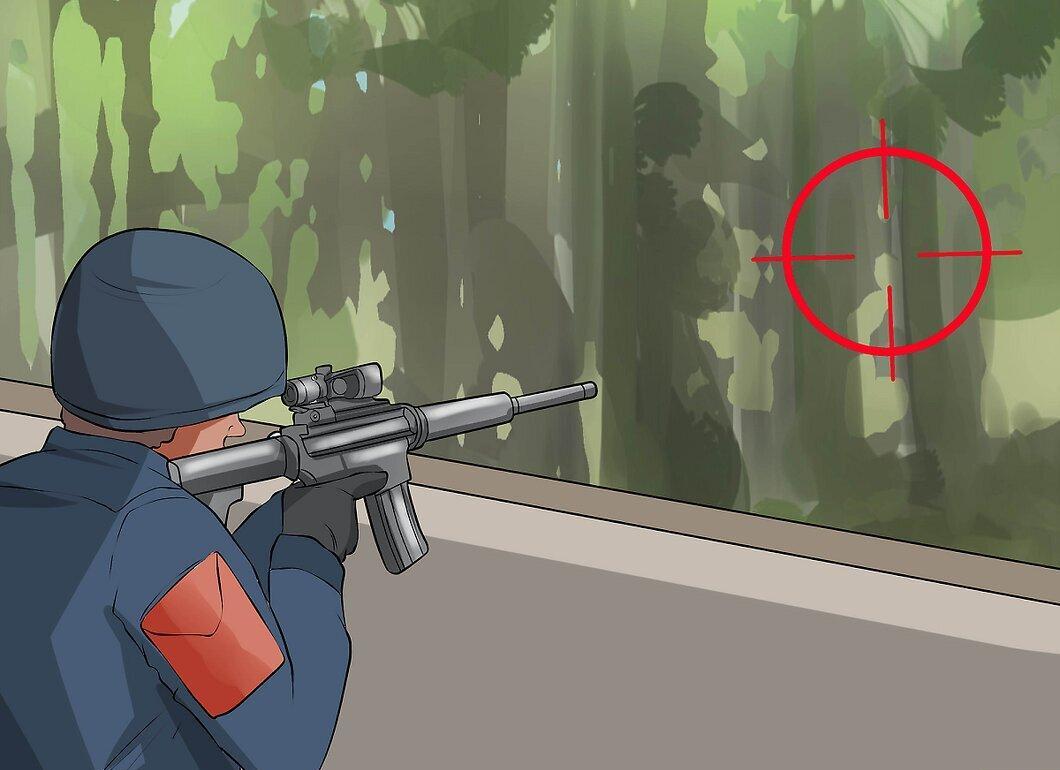
Identify where your target is before you prepare your grenade. Unlike firearms, there’s no way to "aim" a grenade with precision; they can hit anyone within the blast radius—friend or foe alike. Therefore, it's critical to know the enemy's position before pulling the pin. Don’t even pick up the grenade until you’ve confirmed where the enemy is; you don’t want to be left holding a live grenade without a place to throw it.
- In combat situations, you may expose yourself to enemy fire if you take too long to locate your target. You should be able to quickly identify your target's location while also ensuring your own safety. Many sources recommend spending no more than a second or two searching for your enemy.
Step 2: Grip the Grenade for Throwing
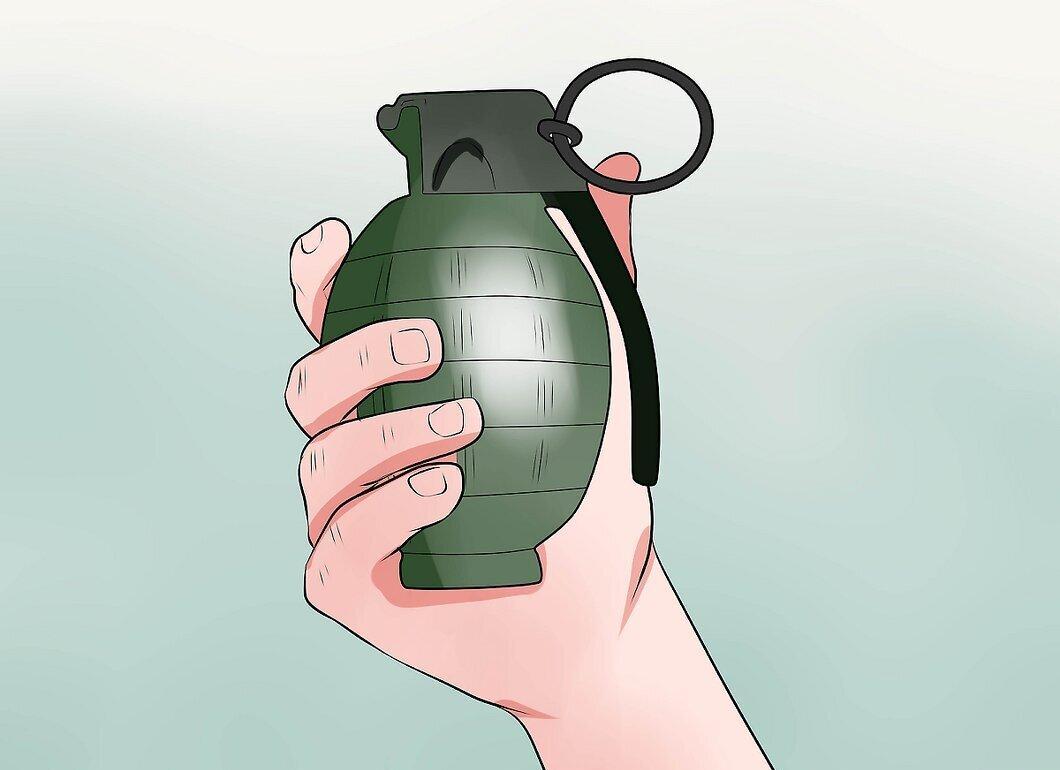
Grip the grenade firmly in the hand you typically use for throwing. Hold the grenade in your palm with the pin facing your palm. Use your thumb to apply steady pressure on the safety lever—a large, square metal lever that goes from the top to the bottom of the grenade.
- Do not release pressure on the lever until you are ready to throw. The lever is a small but crucial part of the grenade; if you loosen your grip after pulling the pin, the grenade may detonate while it is still in your hand. This could be fatal, so it’s essential to maintain steady pressure on the lever until the moment of the throw.
Step 3: Remove the Pin with Your Other Hand
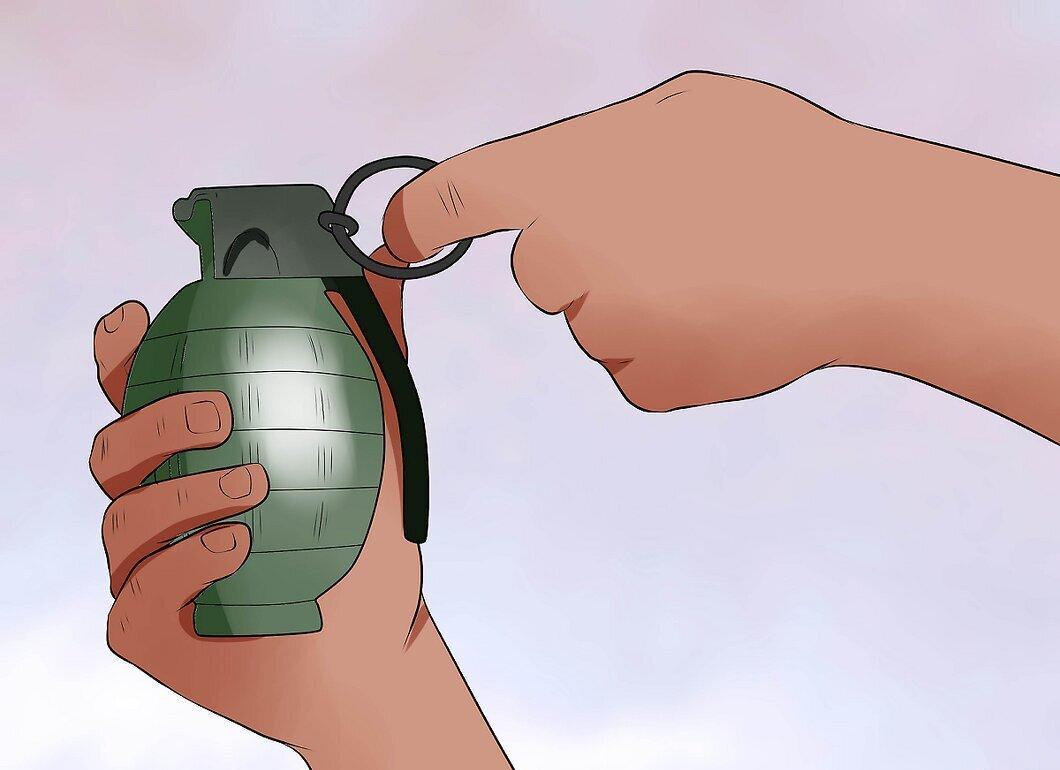
Using your other hand, pull the pin out of the grenade. Grab the ring on the side of the lever mechanism, insert your finger through it, and pull it out with a twisting motion. The pin holding the lever in place should come out easily. Note that contrary to how grenades are depicted in movies, the fuses do not ignite when you pull the pin. Instead, it ignites when you release the lever, so keep pressure on the lever until you throw the grenade.
Step 4: Throw with an Overhead Motion
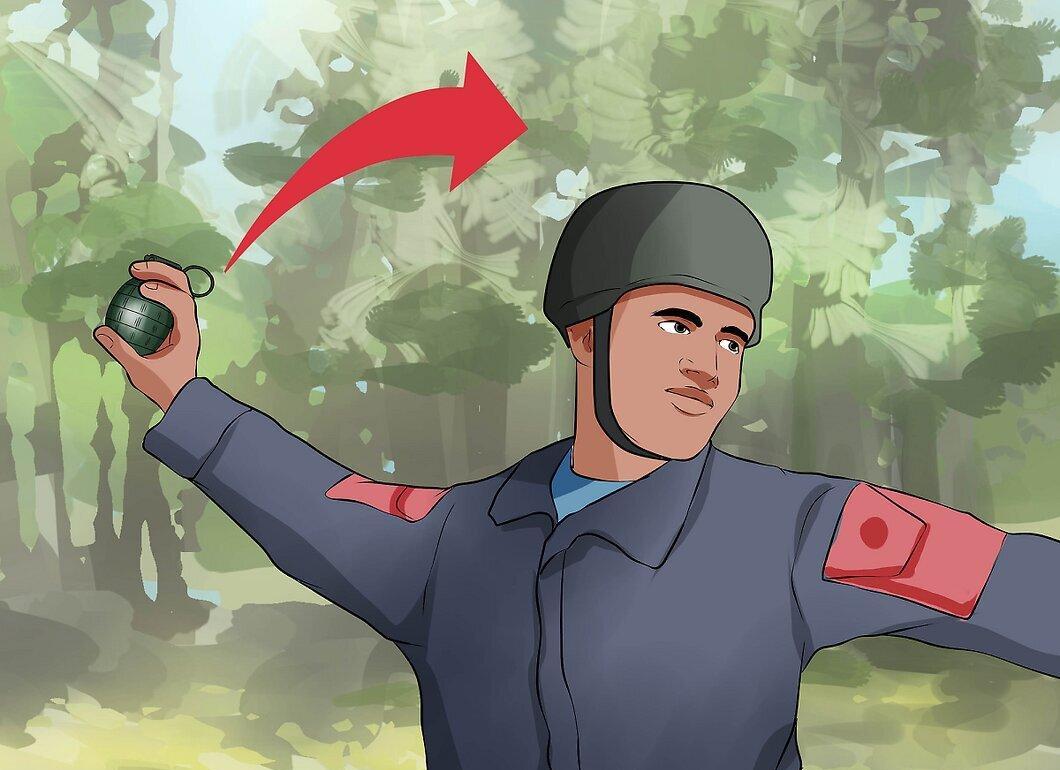
Throw the grenade with a natural motion. You can throw it similarly to how you would throw a ball. To throw the grenade, position your feet shoulder-width apart, slightly bend your knees, pull your arm back, and throw the grenade over your head while stepping forward. Your arm should move past your ear, and you should twist your hips slightly. Let the grenade roll off your fingertips.
- For maximum distance and accuracy when throwing a grenade, follow through with the throwing motion. After the grenade is in the air, drop your arm down and continue to twist your hips slightly.
Step 5: Take Cover!
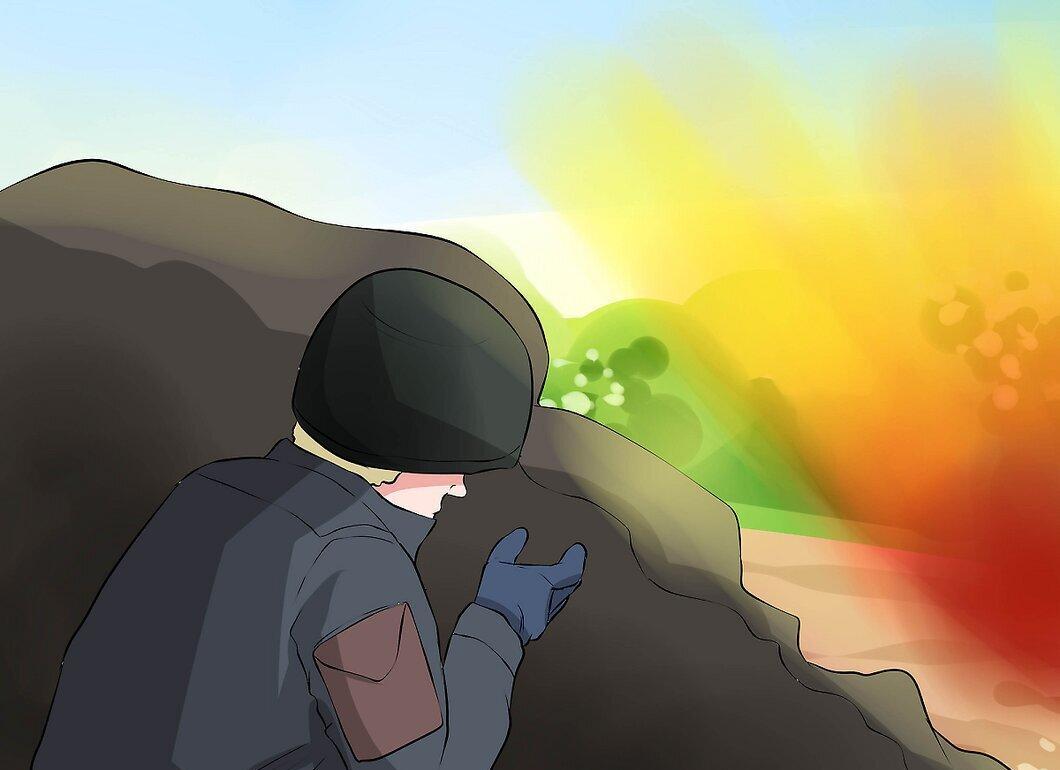
Use the time before the grenade explodes to protect yourself. Crouch, kneel, or take cover behind any available barrier to shield yourself from shrapnel. In situations where you’re likely to use a grenade, you’ll want to hide not only from the explosion but also from enemy fire, so don’t waste time and take cover.
- If there's no cover available, lie down flat and press your body to the ground, facing away from the direction of the impending explosion. This will help protect you by minimizing the risk of injury to your body. The grenade will be in the air for approximately 4-5 seconds before it explodes, though this can vary depending on the type of grenade or occasionally due to a faulty fuse.
Throwing from a Kneeling Position
Step 1: Position Yourself Sideways to Your Target
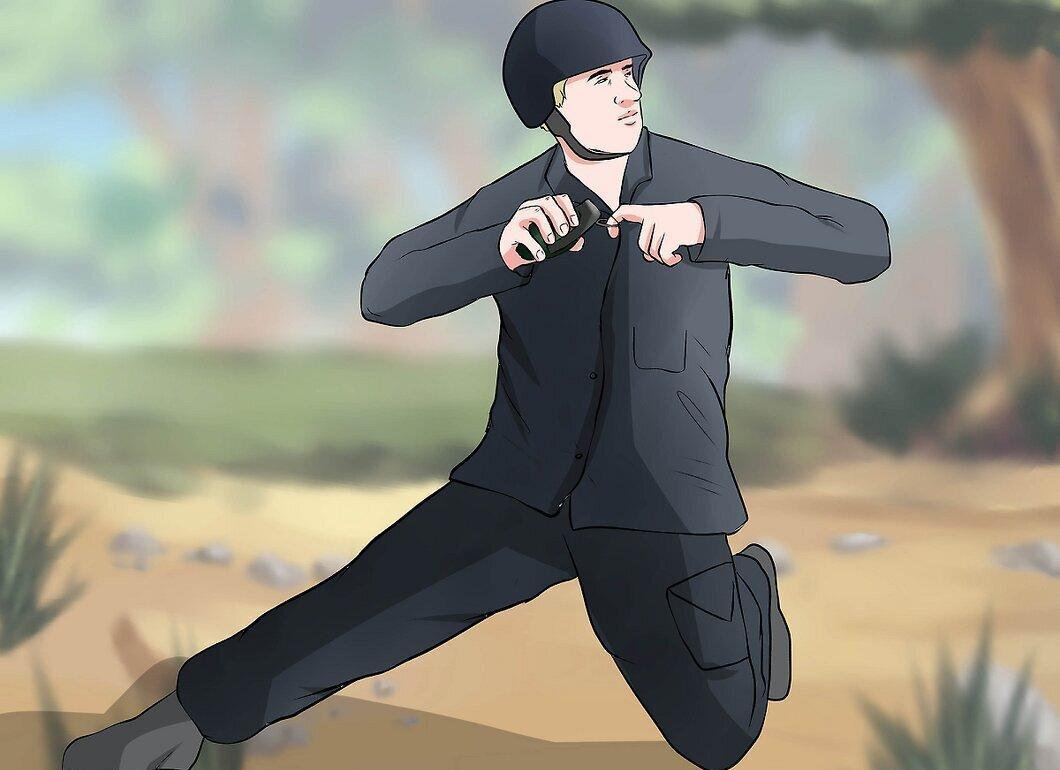
Position yourself sideways to your target. Often in combat situations, you won’t have the opportunity to throw a grenade from a standing position. For example, if you’re pinned down by enemy fire, you won’t want to expose yourself by standing up to throw. Fortunately, you can throw a grenade from positions that minimize your exposure.
- To throw a grenade from a kneeling position, start by getting into a proper stance. Bend your knees to lower yourself close to the ground, then turn your body 90 degrees away from the direction you intend to throw the grenade, so your shoulder is facing away from your target. It’s more challenging to get the same throw from a kneeling position as you would from standing. The best option is to throw across your body, maximizing your throwing power.
Step 2: Lower Yourself Before Throwing and Focus Your Power Behind You
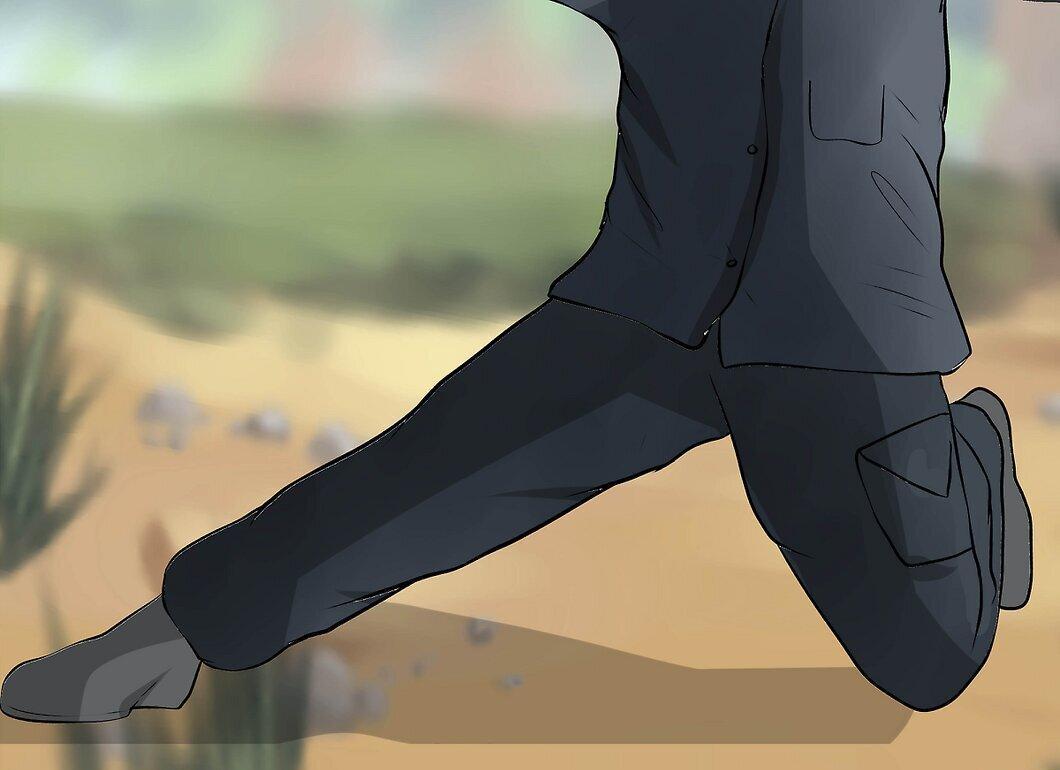
Lower yourself before throwing and focus your throwing power behind you. Bend forward so that your knee points toward your target while extending your other leg so the side of your foot touches the ground. Keep your body straight and tense for maximum stability.
- The kneeling position you use to throw grenades is not the same as the typical position you would use in non-combat situations (like when picking something up from the floor). This modified position gives added stability and support. After throwing, you won’t be able to advance simply by dropping to one knee and bending the other.
Step 3: Extend Your Arm Before the Throw
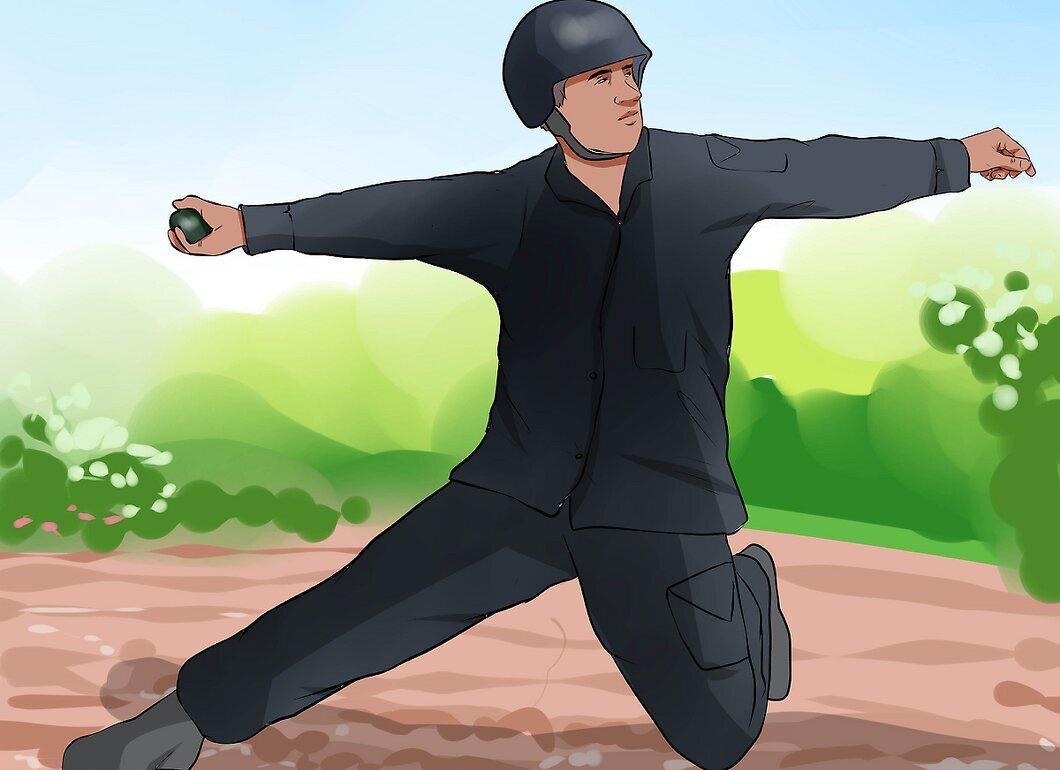
Extend your arm before the throw. Hold the grenade in front of your chest, pulling the pin and keeping your grip on the lever. As you raise your arm back to throw, extend your other arm toward your target with your fingers spread. Hold your throwing arm at a slight angle (about 45 degrees) until the throw.
- As mentioned, the kneeling position does not allow for as strong a throw as the standing position. Position your arm correctly before the throw to allow yourself to make additional movements after the throw, which will slightly increase your power.
Step 4: Throw with an Overhead Motion
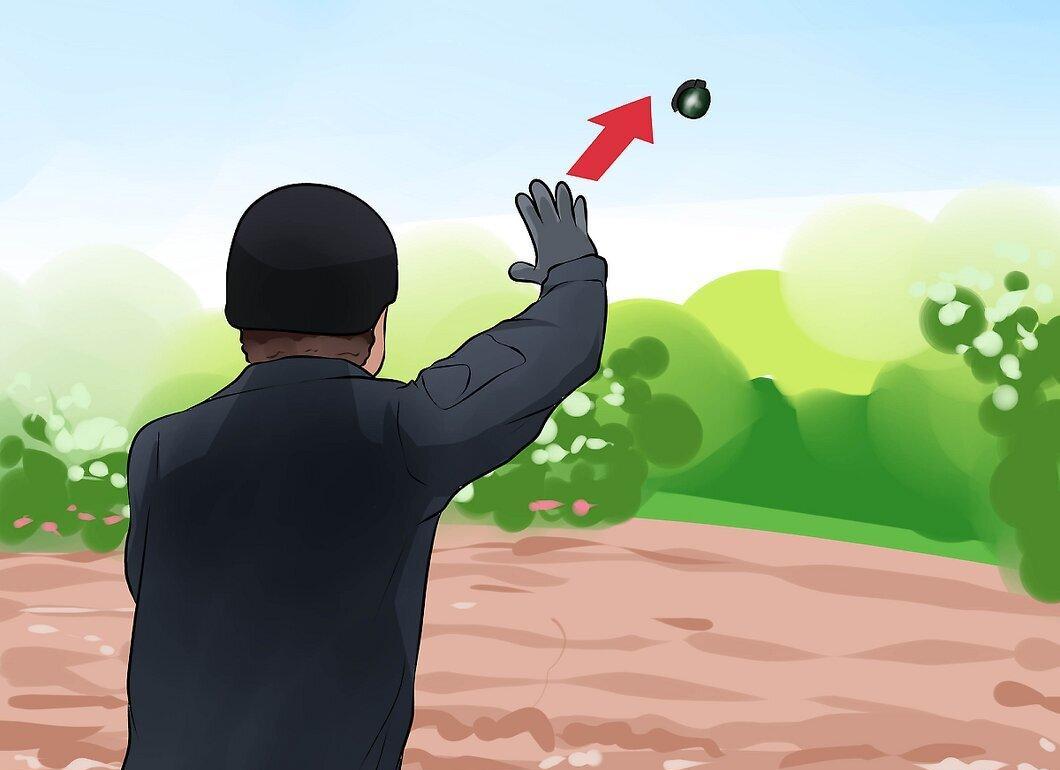
Throw with an overhead motion. Launch the grenade over your head, moving your arm past your ear and twisting your hips. To increase the throwing power, lean to the side.
- Don’t forget to take cover! Get as low as possible behind the strongest nearby cover. As always, if there’s no cover available, lie flat against the ground away from the direction of the explosion.
Throwing from a Lying Position
Step 1: Lie on Your Back and Remove the Pin
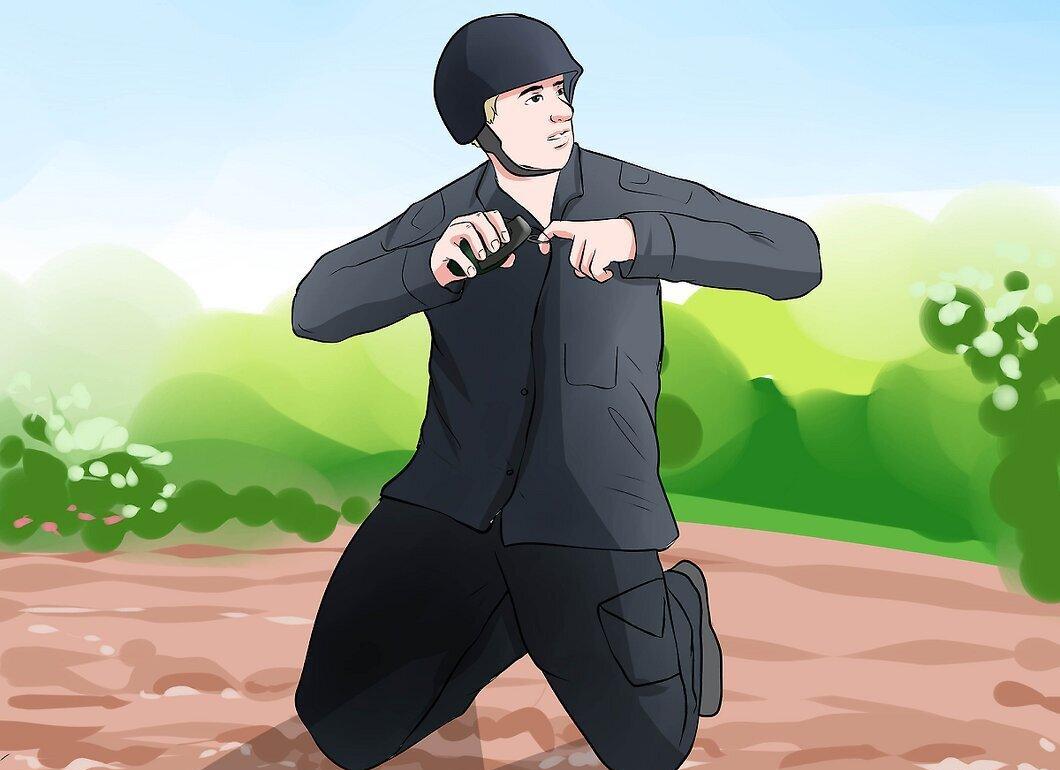
Lie on your back and remove the pin. Of all the grenade-throwing positions, lying down generally offers the least amount of power, distance, and accuracy. Therefore, other positions are preferred when possible. However, when you are behind very low cover, you may not risk exposing yourself to enemy fire. If necessary, try to get into a kneeling position. In cases where throwing while lying is the only way to hit the enemy, don’t put yourself in mortal danger.
- To start, lie on your back behind cover. You should be parallel to the arc of your arm when throwing, positioned far from your target. This allows you to easily grab the grenade and prepare it near your chest while also providing the best options for cover from the explosion.
Step 2: Raise Your Body Back and Prepare the Grenade to Throw
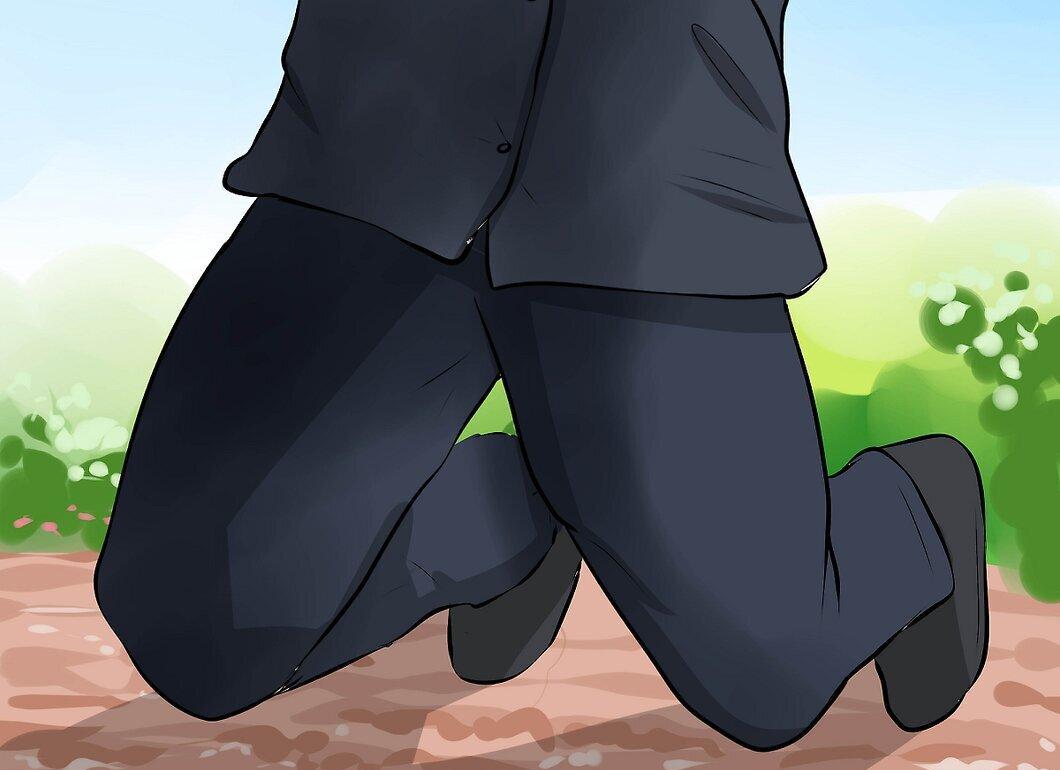
Raise your body back and prepare the grenade to throw. Bend at a 90-degree angle so your body touches your knees. Position the side of your foot along the ground. As in the kneeling position, this will give you additional stability and strength when throwing.
- At the same time, prepare the grenade by pulling the pin and releasing the lever. Raise your arm near your ear and get ready to throw.
Step 3: Throw the Grenade Across Your Body
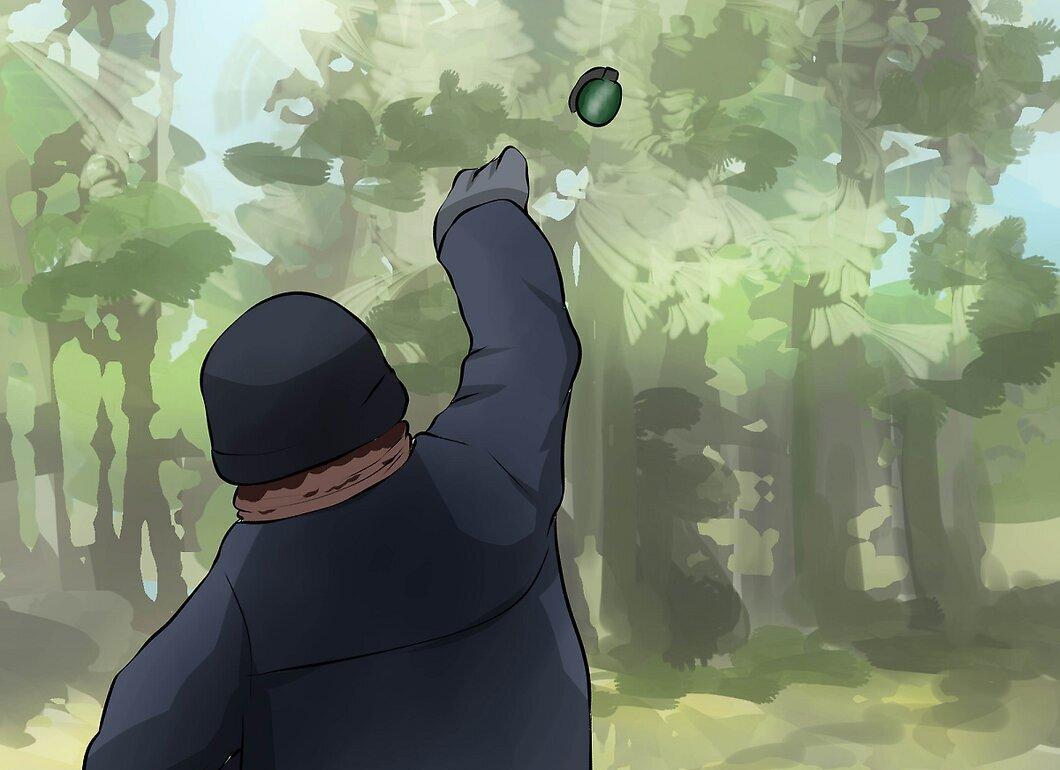
Throw the grenade across your body. To throw the grenade, push off as you launch it away from your body. Execute these movements. If necessary, you can even roll completely over. Keep your head and body low during the throw; however, the primary advantage of lying down is that it minimizes the risk of enemy fire, so stay down.
- If you can, also use your non-dominant hand to grab any object in front of you for additional stability.
Step 4: Take Cover
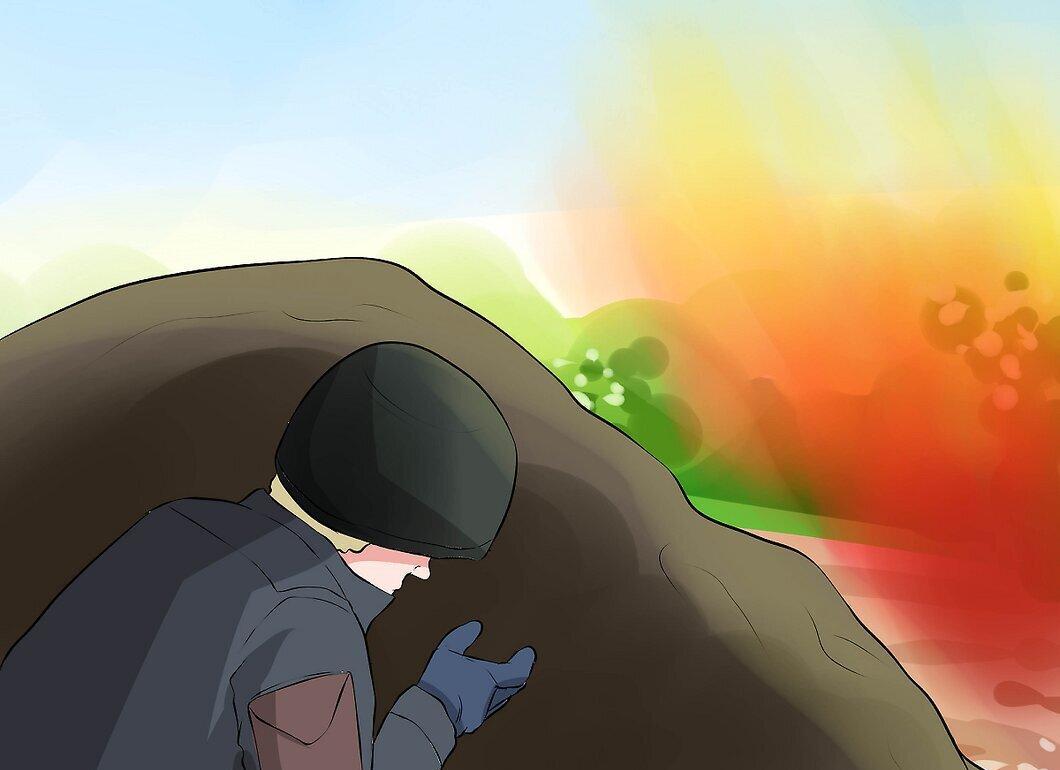
Take cover. Since you’re already lying down, you shouldn’t need to “duck” after you release the grenade. However, make sure you are behind any available cover. If there’s no cover available, lie against the blast wave to minimize injury.
- Remember, it will be difficult to achieve the same distance throw from a lying position as you would from a kneeling or standing position. Since the grenade is likely to be closer to you when it explodes, the priority should be on protecting yourself after the throw.
Safe Grenade Throwing
Step 1: Choose the Right Grenade for the Job
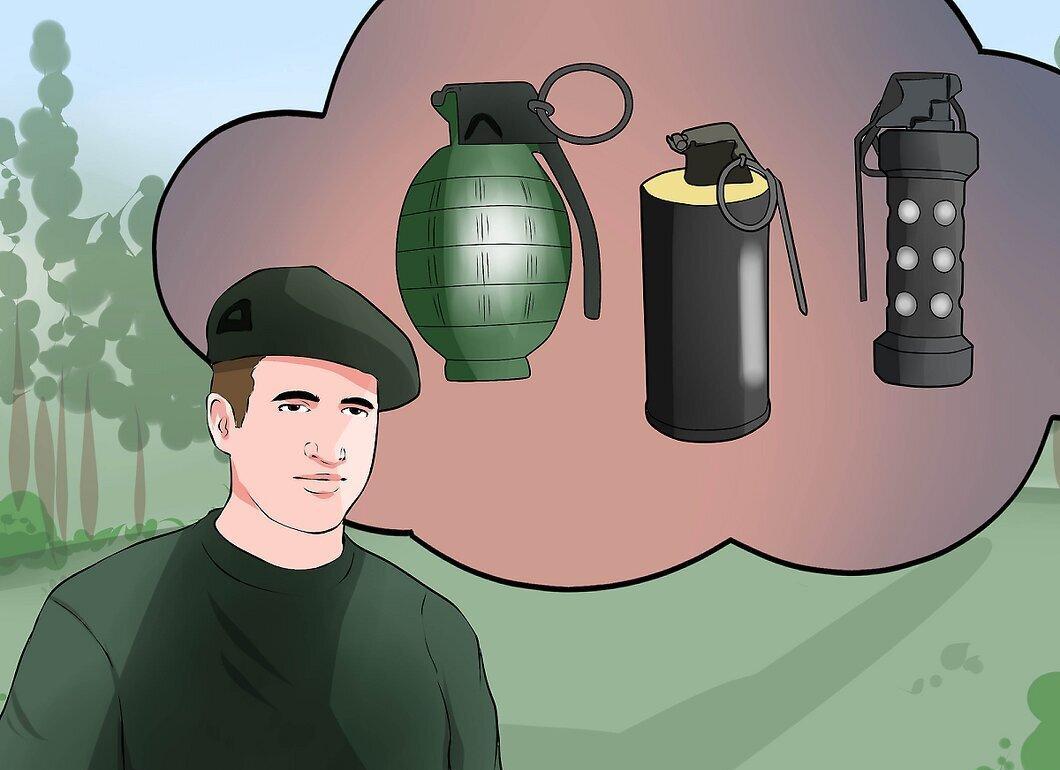
Choose the right grenade for your task. There is a wide variety of grenades. Some are designed to kill enemies, others to stun or incapacitate while saving their lives, and some to cause damage to property. It’s crucial to understand the type of grenade you’re throwing before you throw it. Using the wrong grenade can have catastrophic results. Here are some of the most common types of grenades:
- Fragmentation grenades: produce many small shrapnel pieces upon explosion. Typically used to kill unarmored targets at close range, with rapidly diminishing effectiveness at longer ranges. Shrapnel can penetrate soft materials like wood, drywall, and tin but will not damage concrete blocks, sandbags, and armor.
- Explosive grenades: create an explosion with tremendous force. This effect is amplified in enclosed environments, especially in urban areas, bunkers, and fortifications. They can also be used for planned demolitions.
- Homemade incendiary grenades: produce extremely high-temperature fire. They can ignite flammable structures, destroy equipment and weapons, and even penetrate armored vehicles in certain situations.
- Smoke grenades: produce either white or colored smoke. Commonly used to conceal infantry movement or as a signal for friendly forces.
- Flashbang or stun grenades: produce a deafening bang and bright flash to disorient targets in combat.
- Chemical grenades: typically filled with tear gas, rubber pellets, or other non-lethal deterrents. These grenades are designed to disperse and subdue crowds without causing lethal injuries.
Step 2: Understand Your Grenade's Effective Range
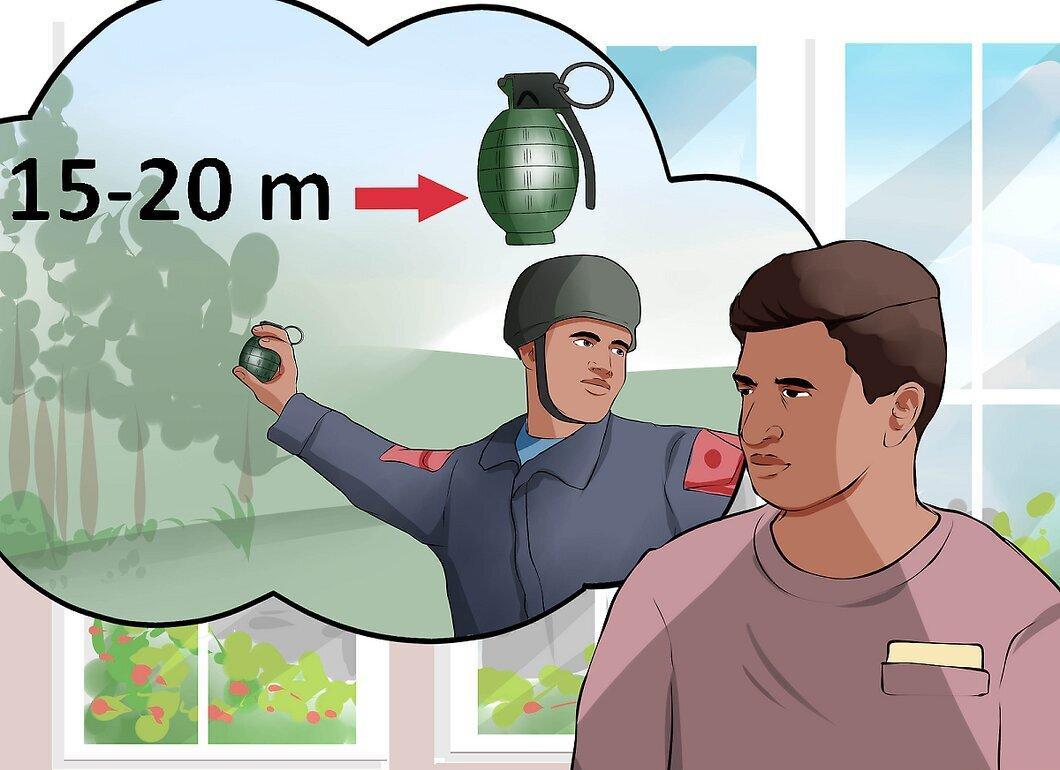
Understand the effective range of your grenade. Grenades can easily cause friendly casualties if they explode too close to you, making it essential to know what ranges are considered "safe." Even if you are far beyond the lethal range of your grenade, you will want to take cover before it explodes. It’s rare to find shrapnel or blasts occurring outside the defined lethal range, so don’t put yourself in danger unnecessarily.
- For fragmentation grenades, ranges within 15-20 meters can cause casualties. While shrapnel can potentially fly up to 60 meters, the speed of shrapnel decreases with distance, making casualties in those ranges rare.
- Explosive grenades have much shorter ranges in open terrain, usually just a few meters. However, in enclosed areas, their lethal power significantly increases. In these situations, it’s best to completely evacuate yourself from bunkers or buildings before repeating a grenade throw.
- Other grenades have much more limited destructive ranges. Incendiary grenades are typically lethal only if you come into contact with the flames or suffocate from smoke in an enclosed area. Smoke grenades can cause burns at extremely close distances but are usually not considered lethal. Experimental grenades have been explicitly designed not to inflict lethal damage and are relatively safe, though rare incidents can occur.
Step 3: Exercise Caution When Preparing Your Grenade
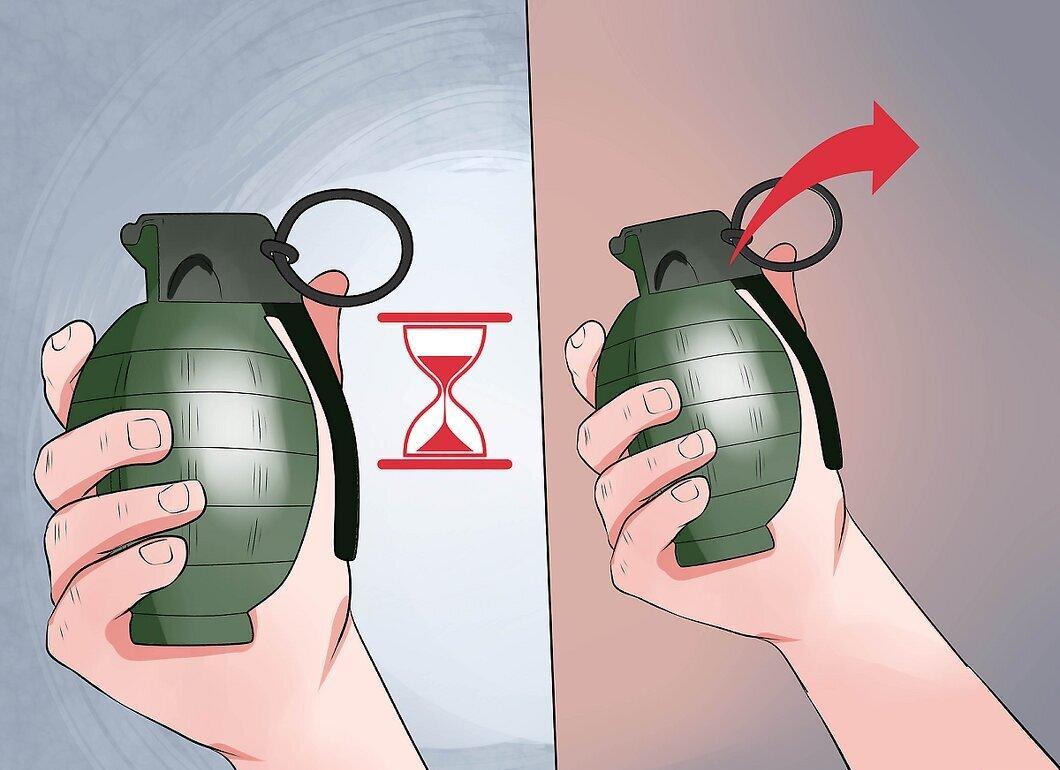
Exercise caution when “prepping” your grenade. Since grenades have a calculated fuse, it’s theoretically possible for an enemy to grab the grenade and throw it back at you. To prevent this, some soldiers use a technique called “prepping” the grenade, intentionally holding it for a short time before throwing to minimize the time the enemy has to throw it back. To prep a grenade, pull the pin, release the lever, count to “one thousand one” or “two thousand one,” then throw. Most combat grenades have a four or five-second fuse, so “don’t prep your grenade for more than one or two seconds” unless you’re sure about the fuse.
- Note that this technique is also sometimes used to increase grenade effectiveness against bunkers or other fortifications; in these cases, detonating the grenade in the air above the target may be preferable to detonating it on the ground.
- Additionally, many grenades from the former Soviet Union have a slightly shorter fuse than American grenades, often around 3-4 seconds.
Step 4: Avoid Throwing Grenades Up Stairs or Hills
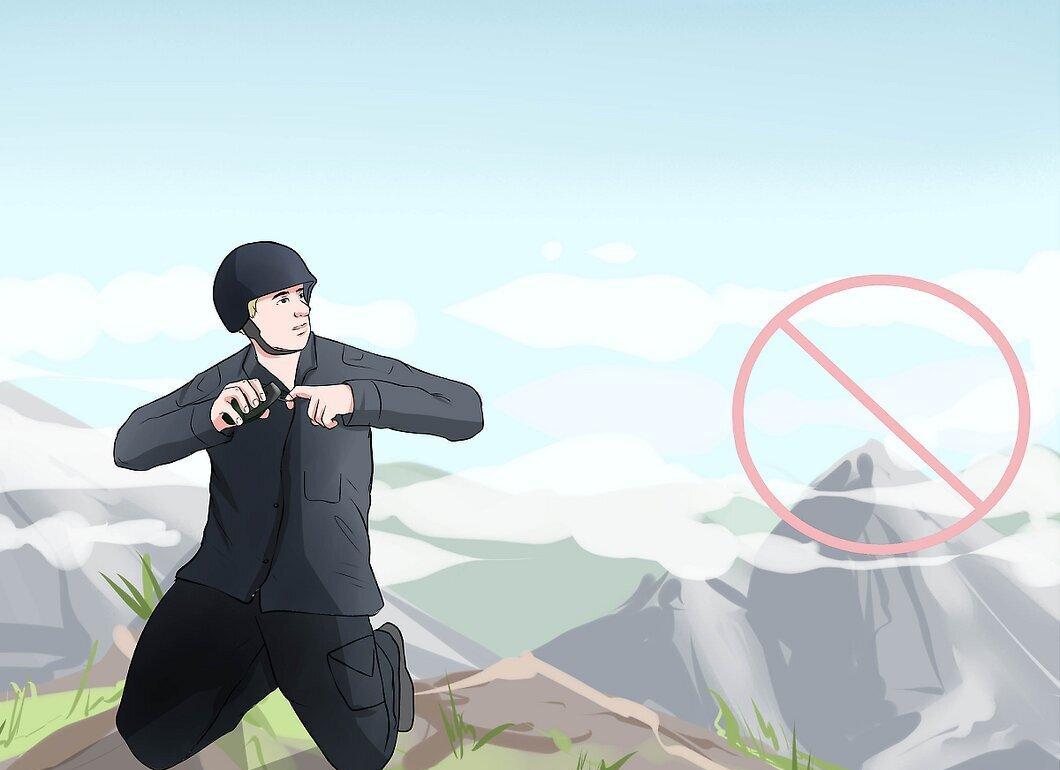
Avoid throwing grenades up stairs or hills. When throwing any grenade, lethal or non-lethal, it’s important to remember that grenades can “roll.” If they land on a slope, they may roll away from your target or, worse yet, roll back toward you. Therefore, it’s generally a bad idea to throw grenades onto sloped surfaces, especially if you are at the base of the slope.
- If you absolutely must throw a grenade uphill, try to prep it beforehand and give it a high arc so it explodes in the air above your target or has no time to roll back toward you.
Step 5: Assess Your Cover Effectiveness
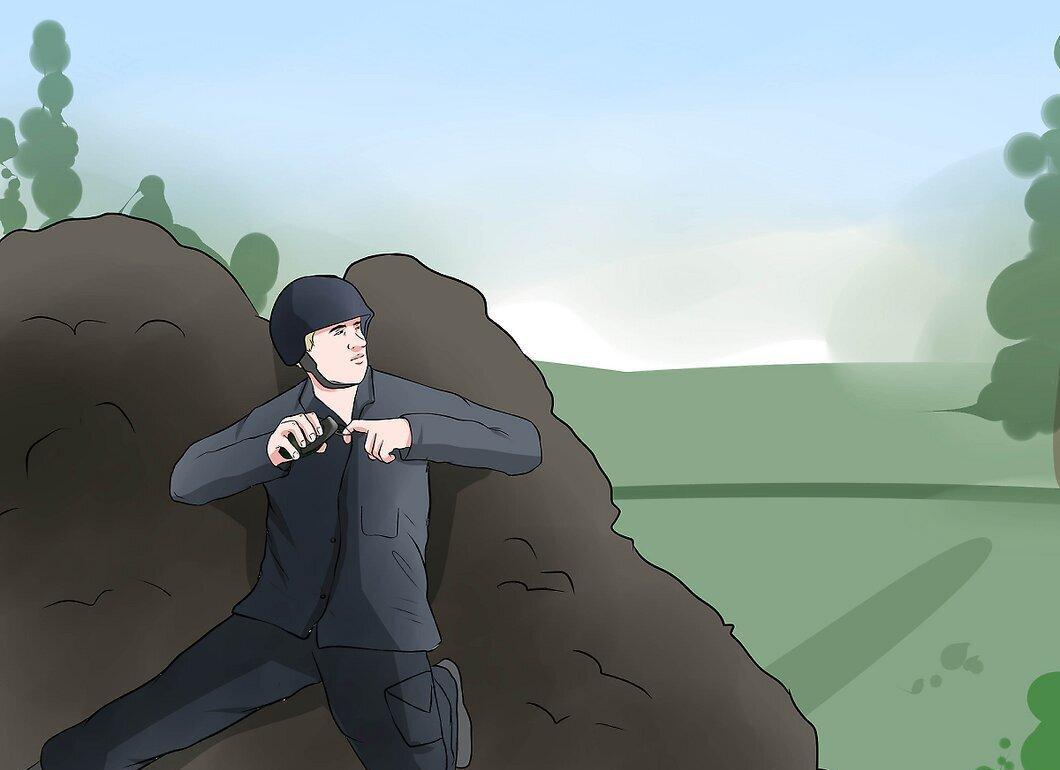
Assess the effectiveness of your cover. Take cover before the grenade explodes. This moment can literally be the thin line between life and death, especially if you are within its lethal range. Being in a place with physical barriers is almost always a good idea (except for smoke grenades for obvious reasons). However, not all forms of cover are equal when it comes to grenades. It’s vital for your personal safety to understand the difference between “good” and “bad” cover before you throw your first grenade.
- Shrapnel from fragmentation grenades can penetrate wood, drywall, glass, furniture, and thin metal layers, especially at close range. On the other hand, thicker, heavier materials like sandbags, cinder blocks, stone, and dense metal can block shrapnel; the thicker, the better.
- Remember that the shockwave from an explosive grenade can travel great distances through enclosed spaces (even around corners). Therefore, bunkers, hallways, and other enclosed spaces may not provide protection from explosive grenades.