
Every animal makes our lives better. They can be our friends or inspire our imagination. All animals deserve kind treatment from humans — from pets like cats and horses to wild owls and even predatory alligators.
Caring for pets and domesticated animals, as well as showing respect for wild animals, demonstrates kindness to the entire animal kingdom.
Caring for Pets
Step 1. Make a Lifelong Commitment.
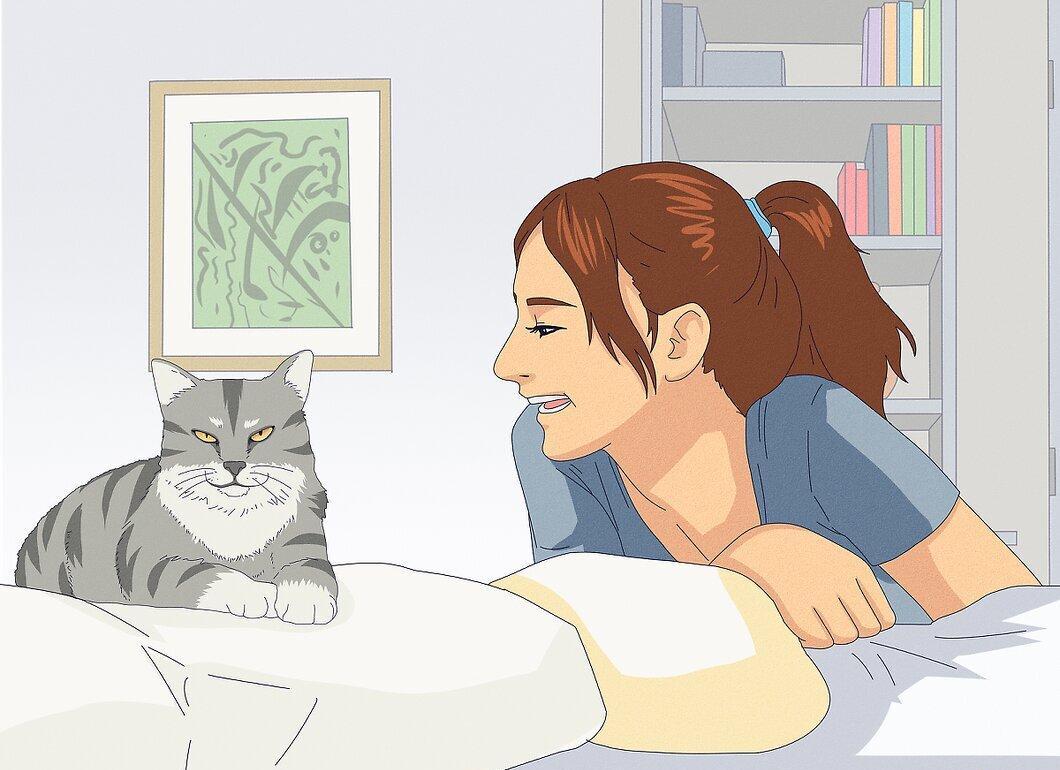
Make a lifelong commitment. No matter how old your pet is, the important thing is your readiness to care for them for the rest of their life (whether it's theirs or yours). Animals have feelings and a special bond with their owners, so if you’re not serious, it’s better not to get a pet. Avoid buying animals from “bird markets” or irresponsible breeders whose only goal is quantity. Only go to breeders with a proven reputation or adopt an animal from a shelter. Before getting a pet, ask yourself the following questions to see if you’re ready:
- Why do I want a pet?
- Do I have enough time and resources to care for it?
- Do I have appropriate living conditions? Do I have enough space for the animal? If I rent, will my landlord allow pets?
- Who will take care of my pet if I travel, fall ill, or pass away?
Step 2. Monitor Your Pet's Health.
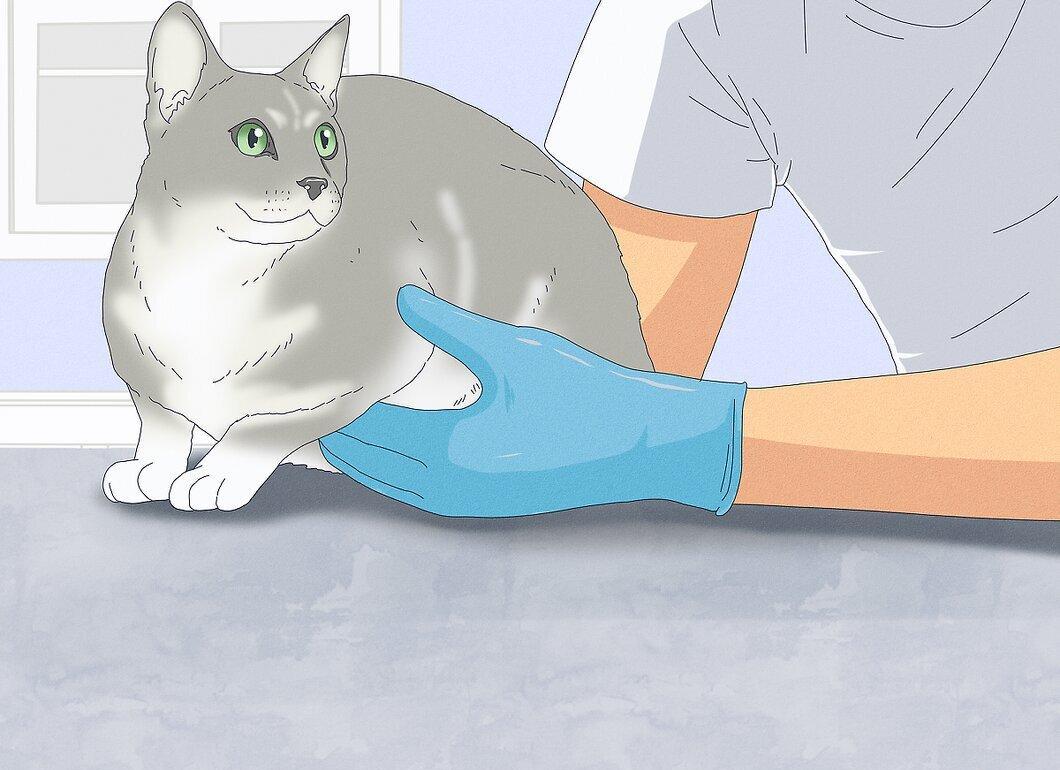
Monitor your pet's health. A healthy pet is a happy pet. By taking care of your pet's health through regular veterinary visits and keeping an eye out for potential symptoms of illness, you ensure their well-being and demonstrate your kindness.
- Don’t forget about the need for regular vaccinations against rabies and other diseases. Visit the vet annually not just for check-ups but also for necessary shots.
- Keep your pet clean and groomed. For instance, dogs and cats should be brushed regularly, and horses need grooming.
- Watch for fleas and other parasites like ear mites and take immediate action.
Step 3. Provide a Comfortable Personal Space for Your Pet.
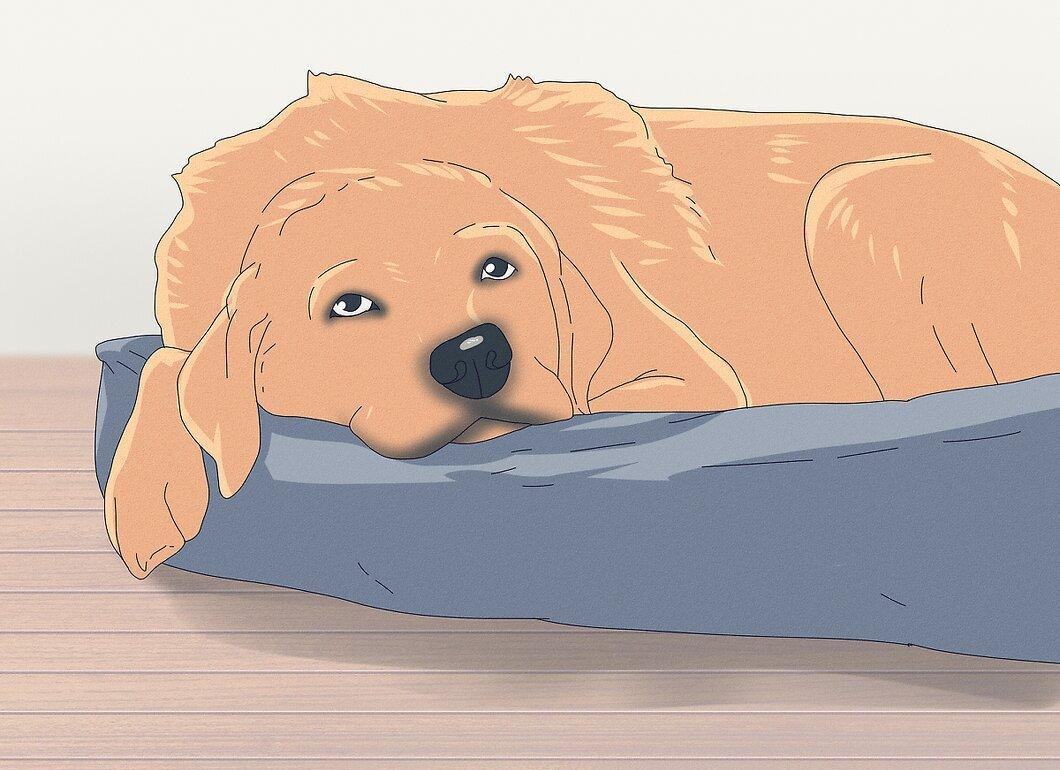
Provide a comfortable personal space for your pet. Like humans, pets love to sleep, enjoy solitude, play, and live in cleanliness. By giving your pet a comfortable and clean spot, you show your kindness and strengthen the bond between you.
- Prepare a cozy sleeping area, whether it's a special bed, a box with bedding, or a pile of clean hay. Place something that carries your scent, like a worn t-shirt, in there to comfort them.
- Set up areas for eating, playing, and relieving themselves. Try to keep the food and litter areas as far apart as possible, as many animals will refuse to eat near their litter box.
- Small pets (cats and dogs) can live inside with you.
- It’s important that pets living outdoors have secure shelter. For example, they all need a roof to protect them from rain, snow, and other weather conditions. This is especially crucial for small animals, as they cannot regulate their body temperature in extreme heat or cold.
- Keep the area where your pets live clean. For example, if you keep turtles or fish, you need to clean the aquarium weekly. Similarly, don’t forget to change the cat litter daily.
Step 4. Feed Animals Regularly.
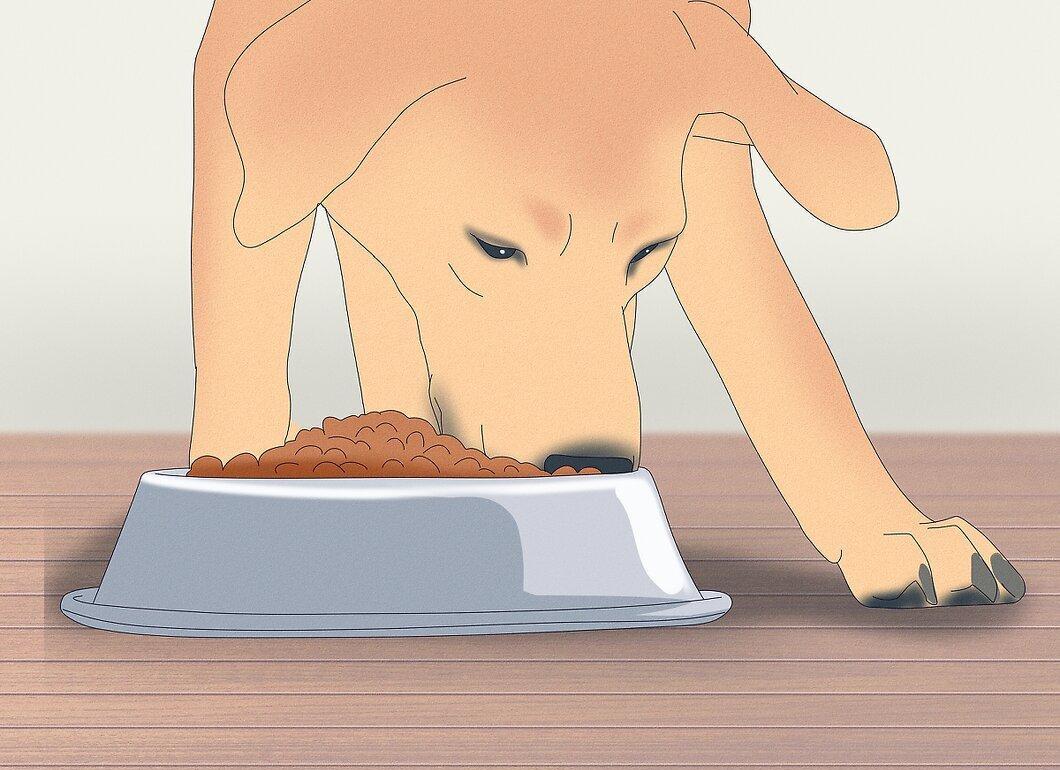
Feed animals regularly. Fresh water and a complete daily diet are essential for your pet's health. Feeding also helps your pet feel your kindness and strengthens the bond between you.
- Feed your pets at the same time every day to establish a routine. Find out from your vet or online how often you should feed your pet.
- Use only suitable food. For example, cats and dogs should have a mix of dry food and special canned food, while pigs are fed vegetables and fruits. Always check with your vet or read online to find out which brands and types of food are best to use. Choose the best you can afford to keep your pet healthy.
- Besides the food, ensure animals always have fresh and clean water. Change the water at least once a day or more often if your pet drinks it or food gets in it.
- Do not feed pets leftovers from your table or other human food like chocolate, as it can be harmful and even fatal to them. Make sure to learn which types of food are strictly off-limits for your pet.
- Reward your pet with treats for good behavior. Be mindful of the quantity of treats, as they can contain sugar and contribute to weight gain.
Step 5. Choose the Right Time to Interact with Your Pet.

Choose the right time to interact with your pet. Like humans, animals often enjoy being alone. Allow your pet to sleep quietly to build trust and show your kindness.
- Don’t disturb your pet when they are sleeping, eating, drinking, or grooming. This can frighten them and lead to stress or irritation, resulting in an unpleasant reaction.
- Don’t chase the animal, as this might scare it. Your desire to catch your pet, pick it up, and cuddle it often contradicts its own desires and behavior. It’s better if the animal comes to you when it wants.
- Being at the same height can be less threatening. The pet will relax and may even be glad for your attention.
Step 6. Show Your Love.
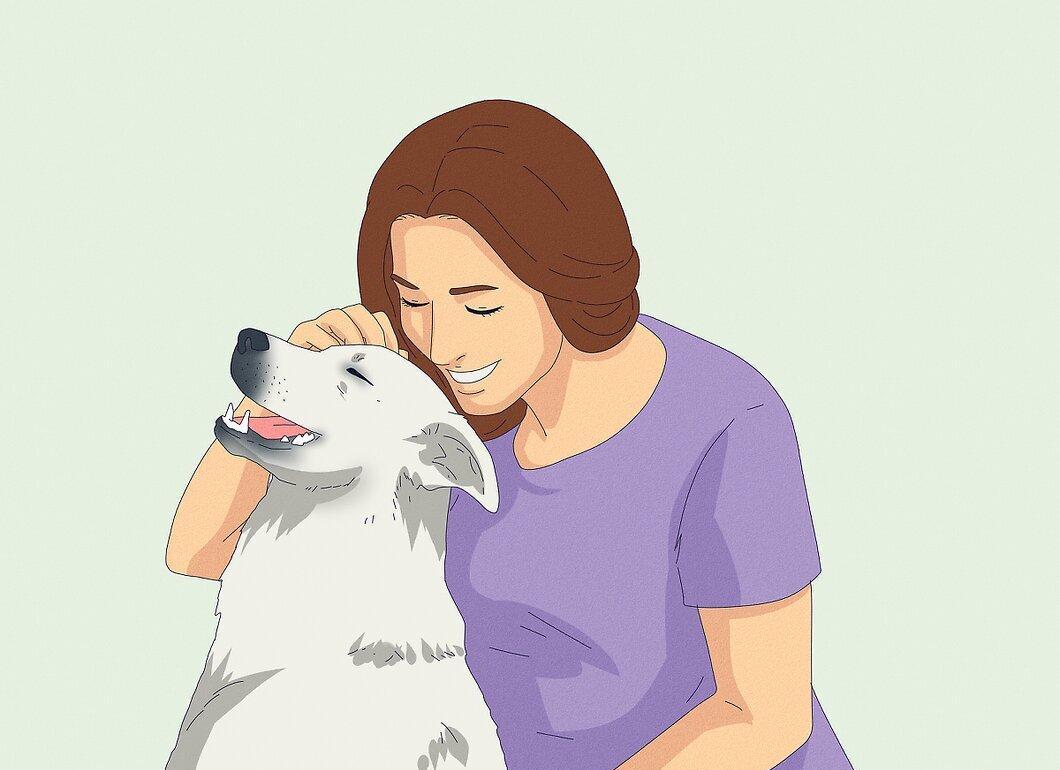
Show your love. Always express your love through kind and gentle treatment. This fosters trust and encourages your pet to come to you on their own.
- Pet your animal and hold it gently and carefully. Don’t squeeze them or pull their tail.
- Respond to good behavior positively. This strengthens love and trust between you. Talk to your pet and call them by name.
- Play with your pet. Most animals are naturally energetic, so they need playtime for their health and happiness. Get your pet toys, take walks, and engage in activities they enjoy.
- Be patient if your pet does something wrong. Don’t yell or hit them for misbehavior. Pets respond best to positive reinforcement and will start to fear you if you yell or hit them.
Step 7. Report Animal Abuse.

Report animal abuse. Unfortunately, not everyone is kind to animals. If you suspect someone is mistreating an animal, report it to the authorities immediately. This is one way to show your good intentions. Here are some signs of animal abuse:
- An animal is chained in a yard without food, water, or shelter.
- A person is yelling, kicking, or hitting an animal.
Handling Animals with Care
Step 1. Don’t Force Animals to Interact.
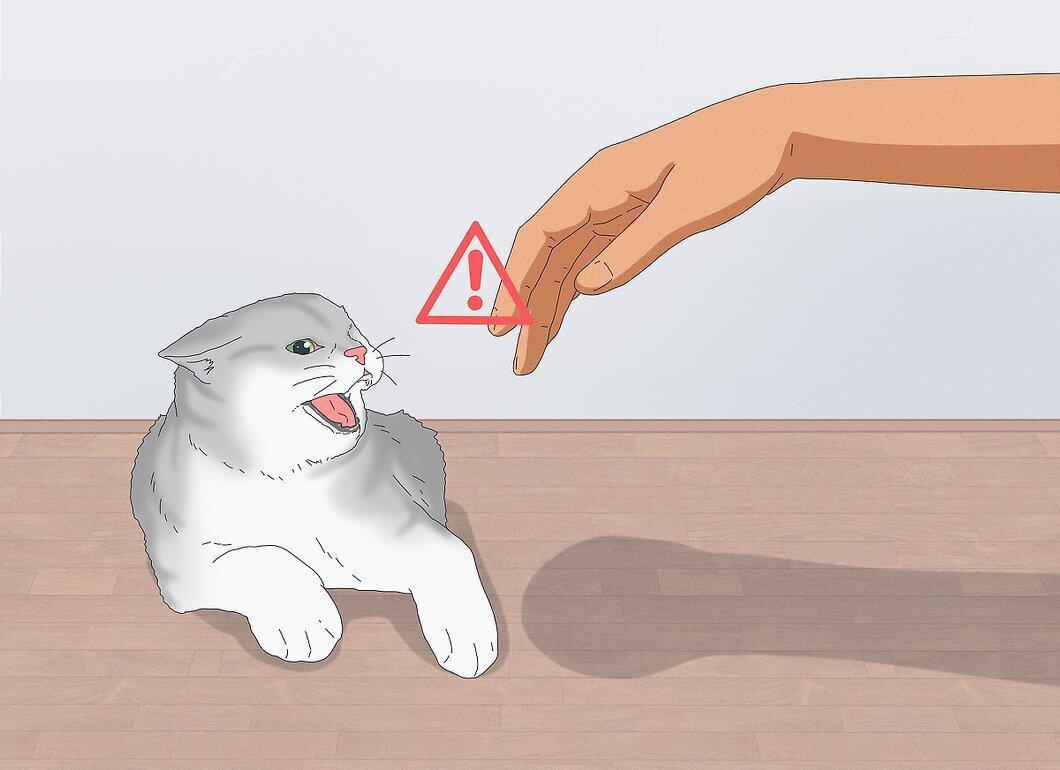
Don’t force animals to interact. Chasing an animal or approaching it when it’s barking, neighing, or hissing at you can scare and injure it. The same goes for attempts to scratch, kick, or bite you. It’s best to simply walk away and let the animal calm down.
- Animals feel calmer when you are at their level. If the animal is small, like a dog, cat, rabbit, or turtle, crouch down beside it. Avoid staring directly into their face, as this can cause stress and provoke a defensive reaction.
- Always remember that animals behave towards you the same way you behave towards them.
Step 2. Approach Animals Slowly.
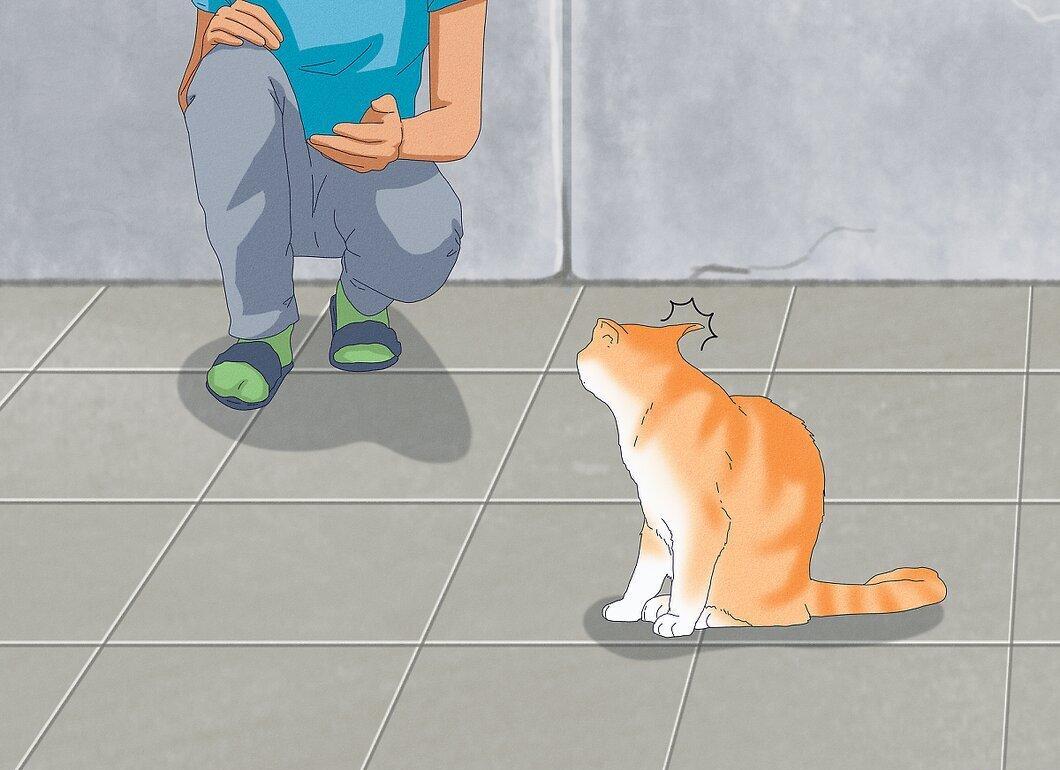
Approach animals slowly. Animals are more sensitive to behavior and smells than humans. No matter what the animal is — horse, cat, dog, turtle, or bird — you should always approach slowly and calmly to avoid startling them and causing stress.
- Try not to approach animals from behind, as they may not see you. A fright could injure the animal or cause it to injure you.
- Allow dogs, cats, and other animals to sniff you first. Extend your hand and let the animal get a whiff. Then it will decide if it wants to come closer. If you’ve handled other animals, it’s best to wash your hands, as not all animals will appreciate the scent of other species.
- Give the animal a few seconds or minutes to come to you. It may be shy, so allow it time to adjust. Forcing your way to the animal against its will may cause stress.
Step 3. Pick Up Animals Calmly.
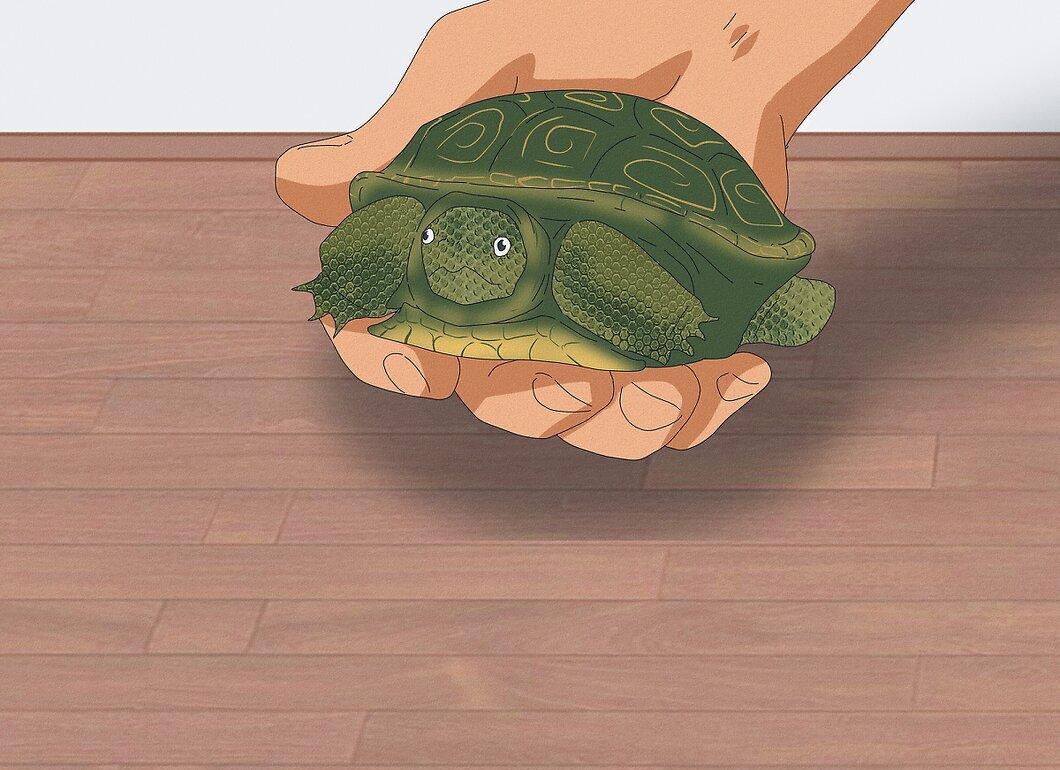
Pick up animals calmly. If a pet approaches you for attention or wants to be picked up, move slowly and deliberately. If the animal is relaxed, you can lift it while properly supporting its body to avoid causing harm.
- Support the animal under its paws or by its belly. This will make it comfortable and feel safe. If the animal is not too small, you can also gently wrap your arms around it. Remember to stay calm and patient to avoid scaring the animal. If the animal shows reluctance to be picked up, it’s better to let it go and wait for another opportunity.
- Properly lifting larger animals. For example, if you need to lift a horse, cow, or pig, use the proper equipment like a hoist to provide support for their legs, head, and body.
- Once you’ve got the pet, begin to stand slowly. This will reduce the chance of startling or stressing the animal.
- Never lift an animal by its head, legs, or tail. This risks causing serious injury.
Step 4. Hold the Animal Securely.
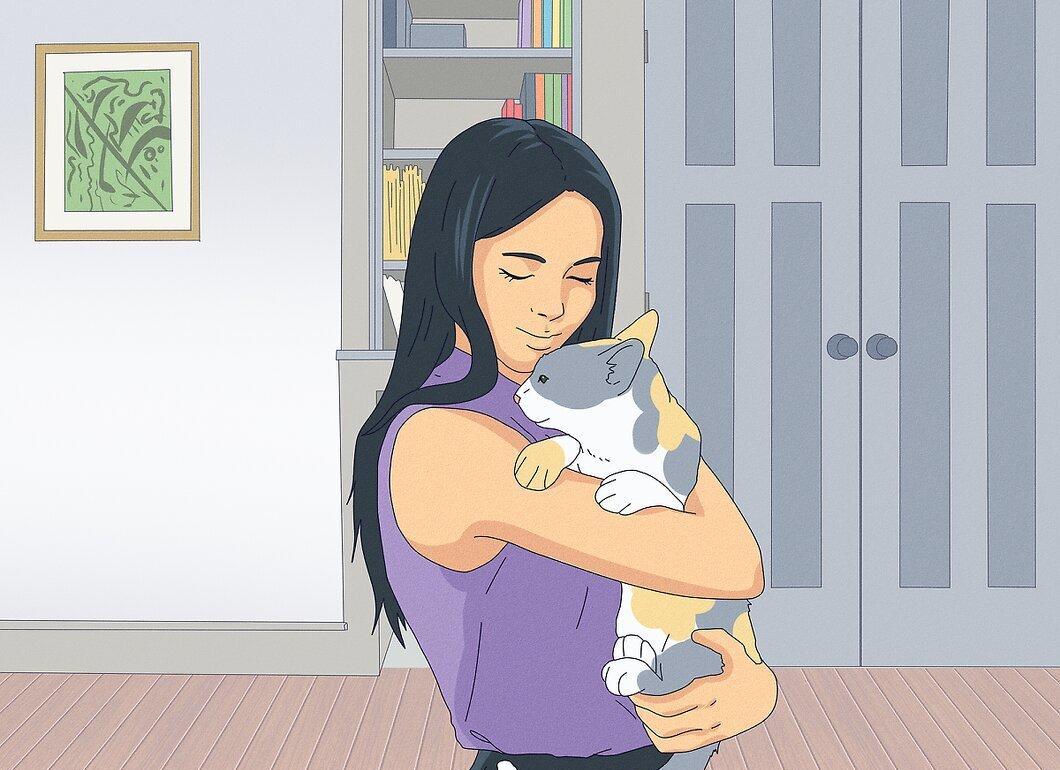
Hold the animal securely. Calmly holding the animal should help it relax. This way, your interaction will be enjoyable for both of you.
- Maintain the animal's balance so it feels safe. Don’t turn the pet over, as this can cause psychological or physical harm.
- Sitting down can make it more comfortable for both of you. The animal will feel more at ease and may snuggle up to you, showing a new level of trust. Don’t forget to talk to and pet the animal while it’s in your arms.
Respectful Attitude Toward Wild Animals
Step 1. Remember That Wild Animals Are Wild First.
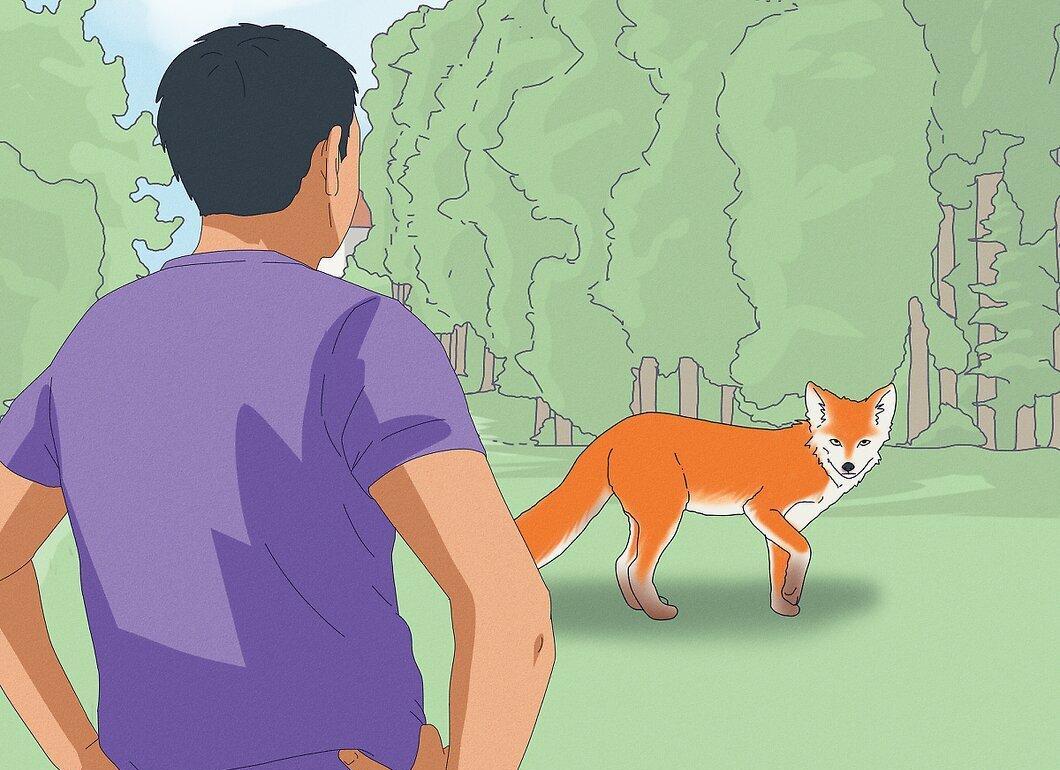
Remember that wild animals are wild first. Anyone who spends time in nature has seen animals inhabiting remote areas. While animals like raccoons or foxes may seem quite cute, remember that they live in the wild and behave differently than pets — they hunt and kill prey or those they see as threats.
- Remember that many species (like crocodiles) cannot be domesticated, so don’t even attempt to, including when they are small.
- You cannot keep wild animals at home without special permits.
Step 2. Enjoy the Animal World from a Distance.
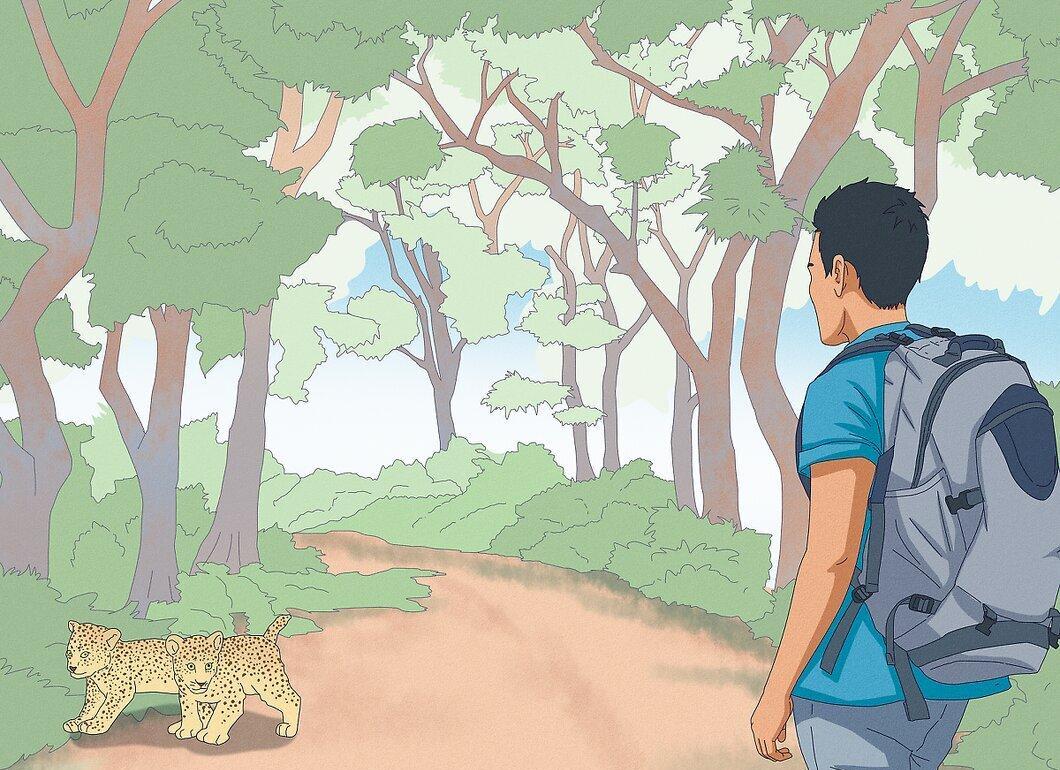
Enjoy the animal world from a distance. Don’t disturb wild animals to avoid injuring them or getting injured yourself. Observe and admire from afar, demonstrating your kindness without scaring them.
- Do not chase, pet, or pick up wild animals.
- Behave quietly and calmly. It’s better to use binoculars or a camera to get a closer look at the animals.
- Keep domestic pets away from wild ones to prevent disease transmission or conflict.
- Stay away from wild animals' habitats during mating season or when they are protecting their young.
Step 3. Do Not Feed Wild Animals.
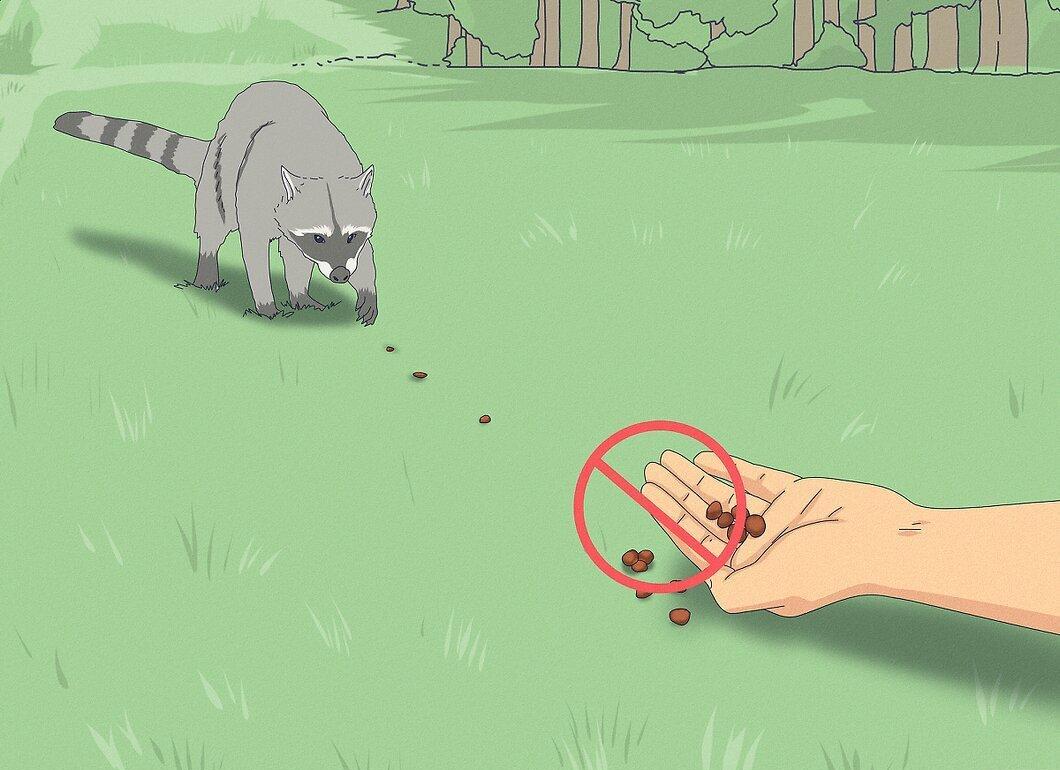
Do not feed wild animals. It may seem harmless, but feeding animals can have serious consequences, such as altering their natural behaviors and harming their health; it also makes them easier prey for predators. Do not feed wild animals your food or leave food for them in the woods or your garden.
- All food, including pet food, should be stored in locked containers.
- If you live in rural areas or cities where wild animals frequently wander, dispose of trash in sealed bins. When camping or hiking, always look for special trash disposal areas or take it with you. Never litter in nature or leave piles of garbage in your yard.
- Remember that salt from your sweat on shoes and perfume can also attract wild animals.
- Never use food to lure wild animals closer.
Step 4. Don’t Interfere with Animals Living Near You.
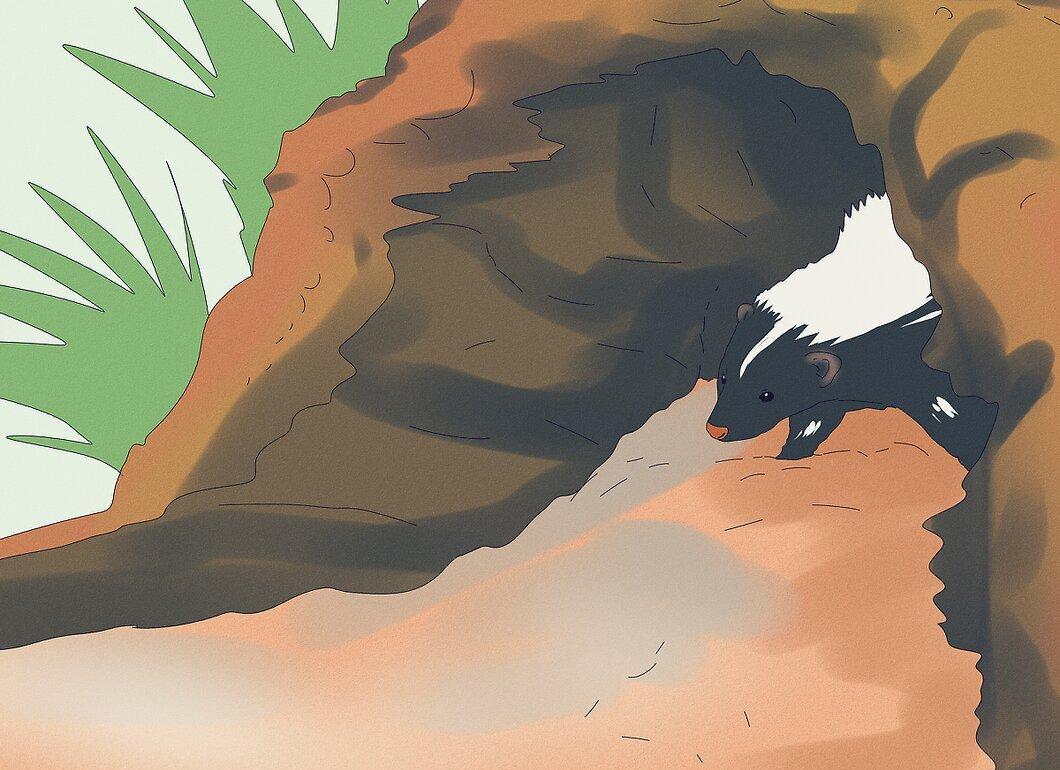
Don’t interfere with animals living near you. Create conditions in your yard that allow animals to live safely without bothering you. Care for your garden to attract birds and small animals, and avoid using pesticides to show kindness to wild animals.
- Use organic fertilizers for your lawn and garden plants. This will protect not only wild animals but also your pets.
Step 5. Be Cautious on the Road.
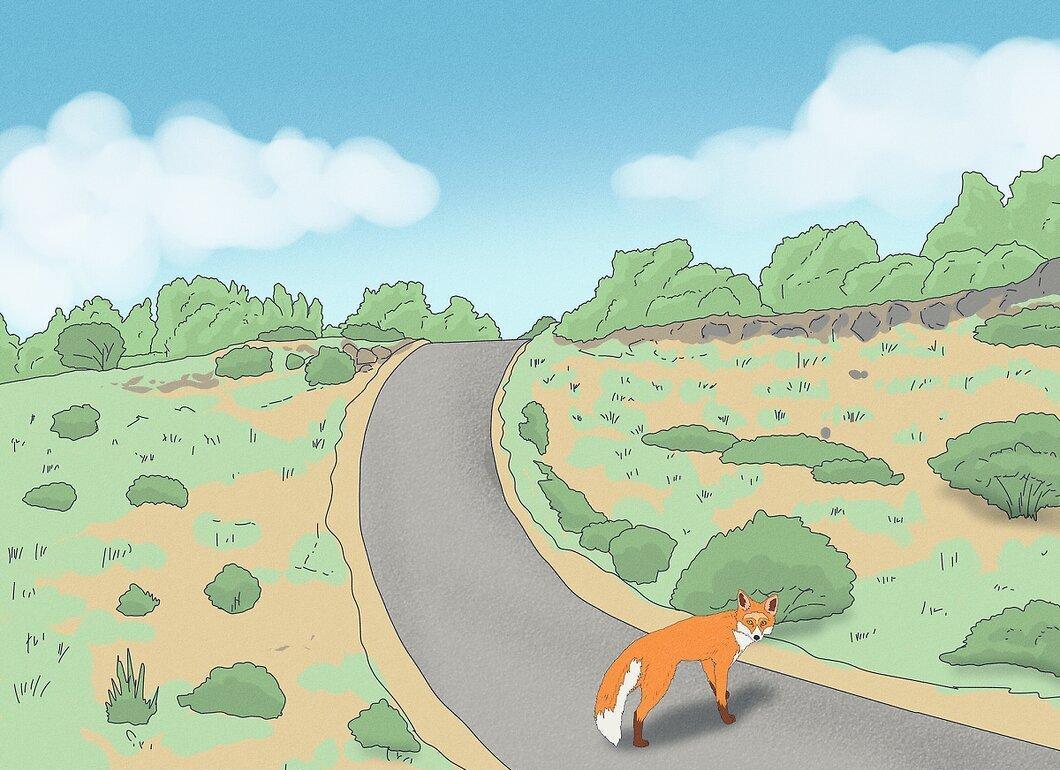
Be cautious on the road. As civilization expands, humans increasingly encroach into the natural habitats of wild animals. Towns and roads are built in areas where deer or foxes roam. Show awareness and care by driving carefully in areas where wild animals live.
- Don’t swerve to avoid hitting animals on major roads. This can lead to serious accidents and even human fatalities. Just watch the road carefully.
- Never leave the road to hit an animal. This is cruel and can have legal consequences.
Step 6. Respect Wildlife.
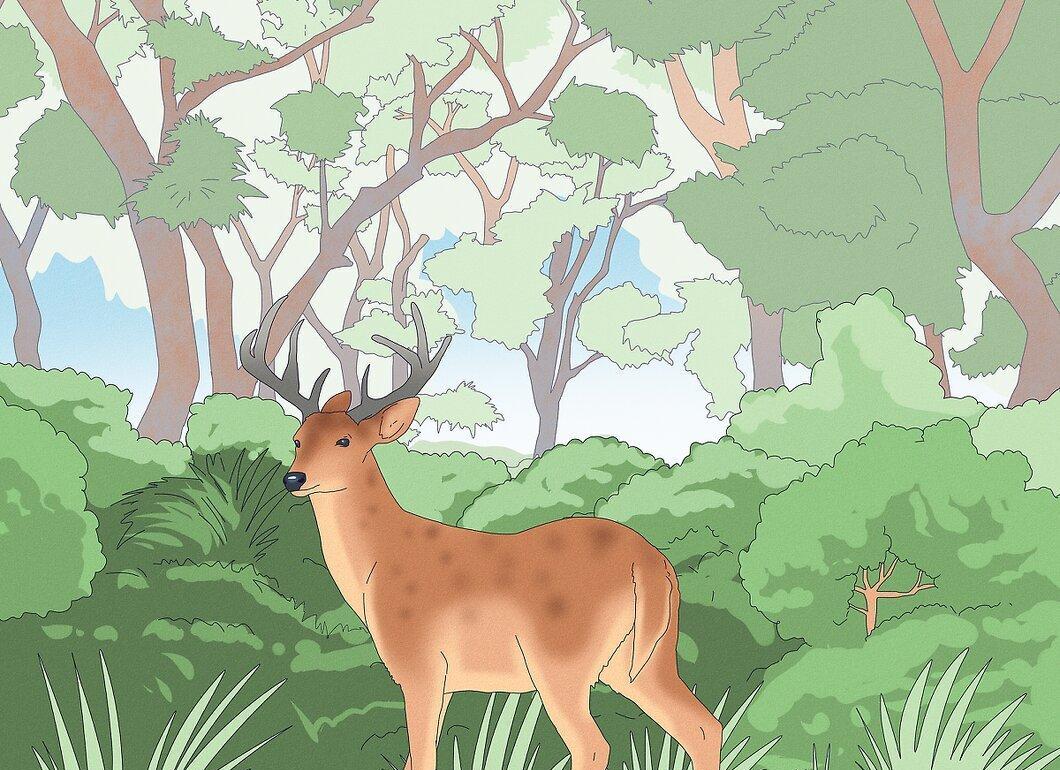
Respect wildlife. The meat from some wild animals, such as deer, is nutritious and beneficial. If you have a hunting permit, be responsible. Learn to shoot well so you can kill the animal quickly and painlessly. Consume the meat from hunted animals, but do not hunt just for sport.
Step 7. Report Injured Animals to the Authorities.

Report injured animals to the authorities. If you accidentally hit an animal or see wounded or sick creatures in the wild, report it to the appropriate organizations. They will choose the best solution and help the animal.
- If you see injured animals in a wildlife sanctuary, inform the caretaker.
- You can call the local wildlife rescue organization or the police if you are not in a sanctuary. You can also find the necessary phone numbers in your local animal protection society.
Step 8. Help Save Wild Animals.
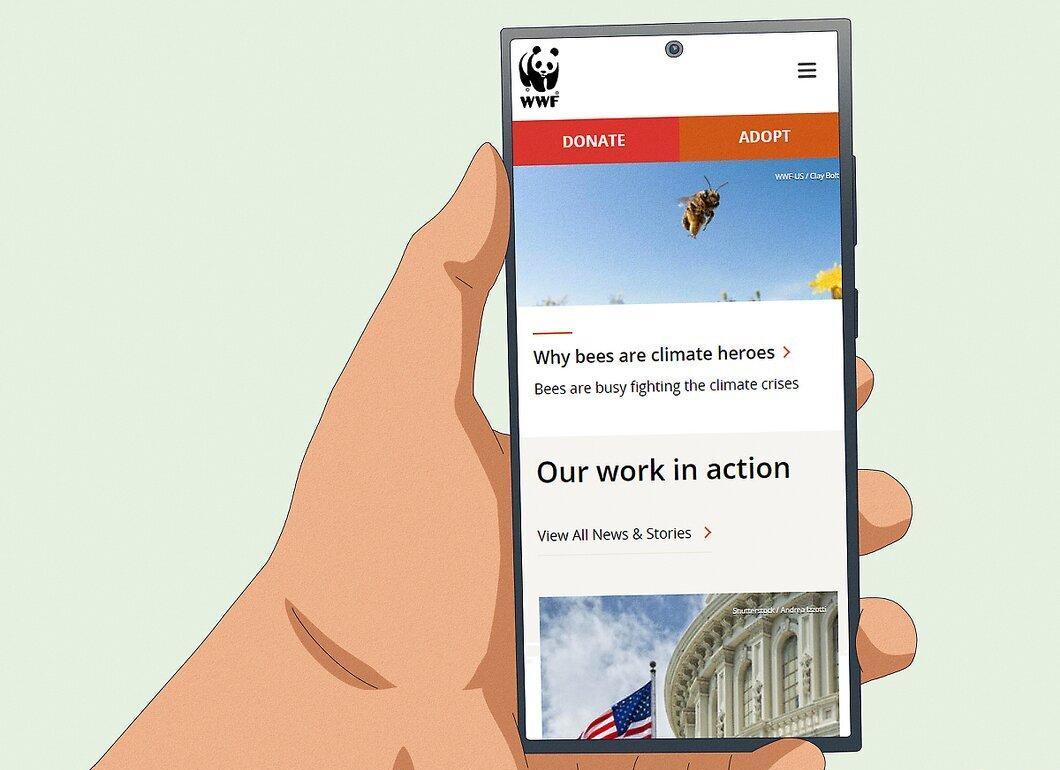
Help save wild animals. Many animals around the world are endangered, and your region may be no exception. By donating to charities or volunteering with local wildlife rescue groups, you can contribute to the safety and health of the animal kingdom.
- You can donate annually to conservation organizations like the World Wildlife Fund. These funds use the money to save endangered species globally. If you want to help wild animals in your area, you can always donate money to a nature reserve or park.
- Take time to help such organizations. This will help them save on administrative costs and redirect them to important tasks like vaccination or habitat restoration.