In life, anything can happen, including the possibility of encountering a fire or a small blaze. It's essential to have at least theoretical knowledge on how to extinguish a fire and, specifically, how to use a fire extinguisher.
Part 1
Step 1: Call for Professionals First
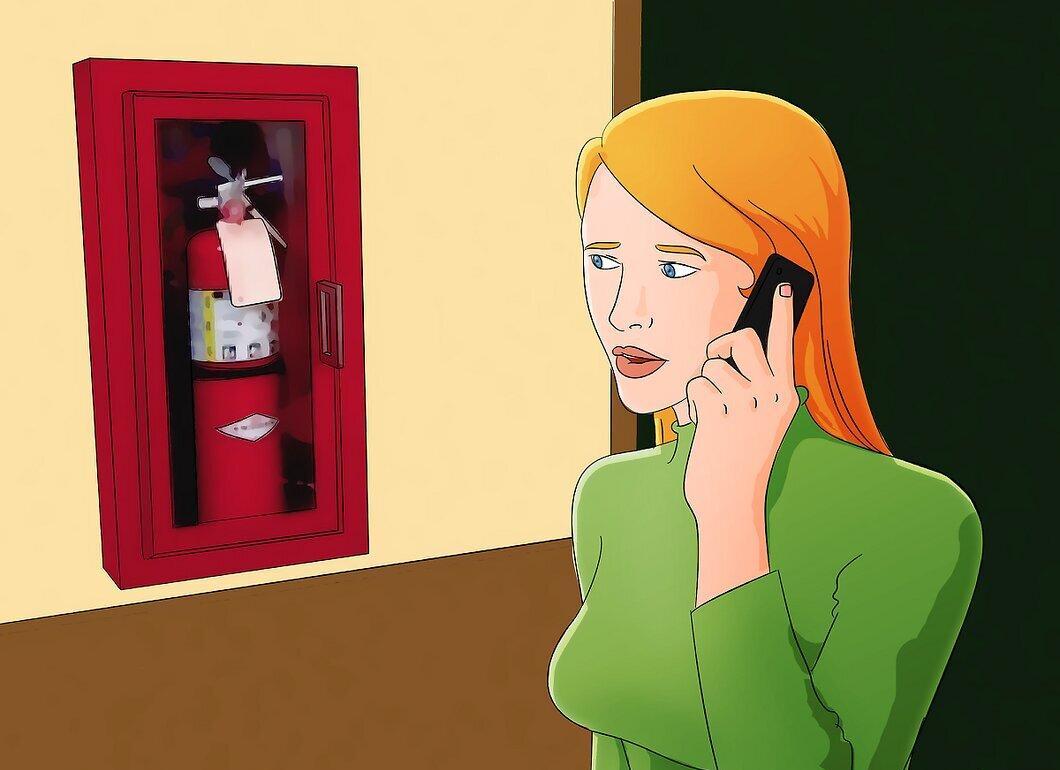
First and foremost, call for professionals. Dial emergency services and request the fire department, as even a small fire can escalate into a disaster, and you may not be able to put it out on your own.
- Call 112 and briefly but clearly describe the situation. Firefighters should be dispatched to you as soon as possible.
- Ensure that everyone and any animals are evacuated from the burning building if possible. Keep children away from the firefighting area.
- Be prepared to manage panic among people. Try to stay calm and guide everyone to a safe zone.
Step 2: Prioritize Your Safety Before Extinguishing
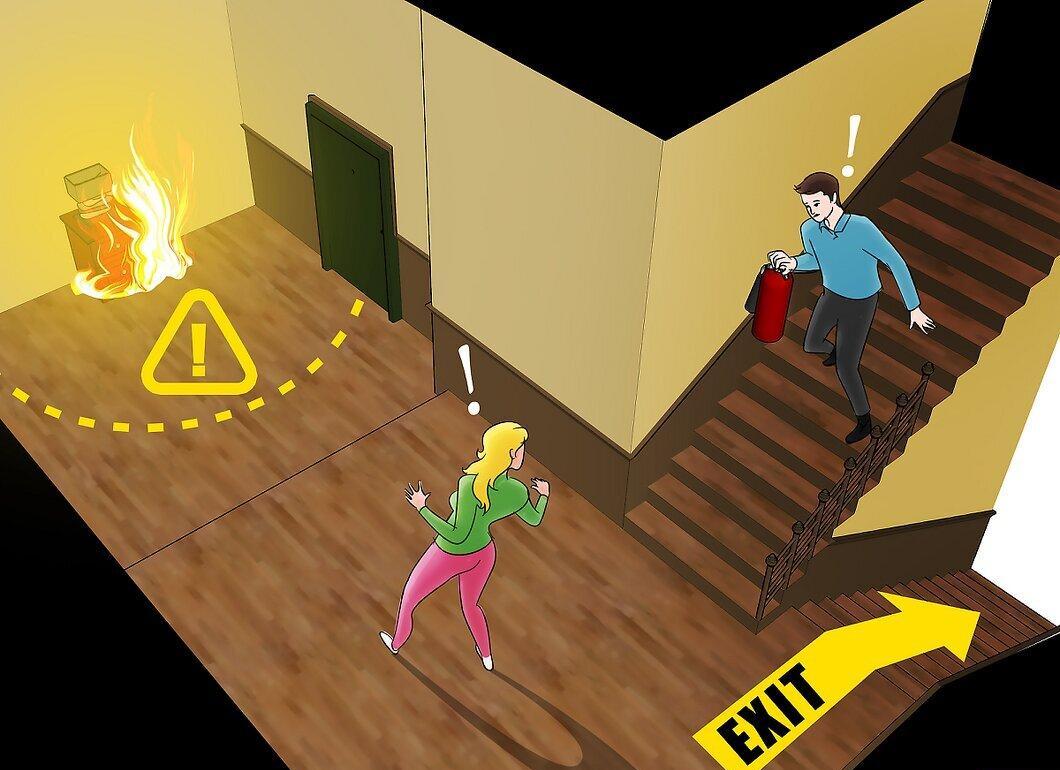
Take care of your safety before attempting to extinguish the fire. Here are some important considerations:
- Ensure that you are physically capable of using the fire extinguisher. Standard extinguishers can weigh up to 20 kg, and you may not have the strength to carry one. Also, be prepared to hold the extinguisher, as the pressure will be high.
- Plan your escape route and ensure it is clear. If you cannot control the fire, evacuate immediately.
- If you suspect exposure to toxic gases while extinguishing the fire and have no protection, leave it to the professionals.
- If there are two or more extinguishers available, ask an adult for help. Teamwork increases the chances of success.
- Remember that human life is far more valuable than possessions, and don’t risk your life or the lives of others unnecessarily.
Step 3: Contain the Fire
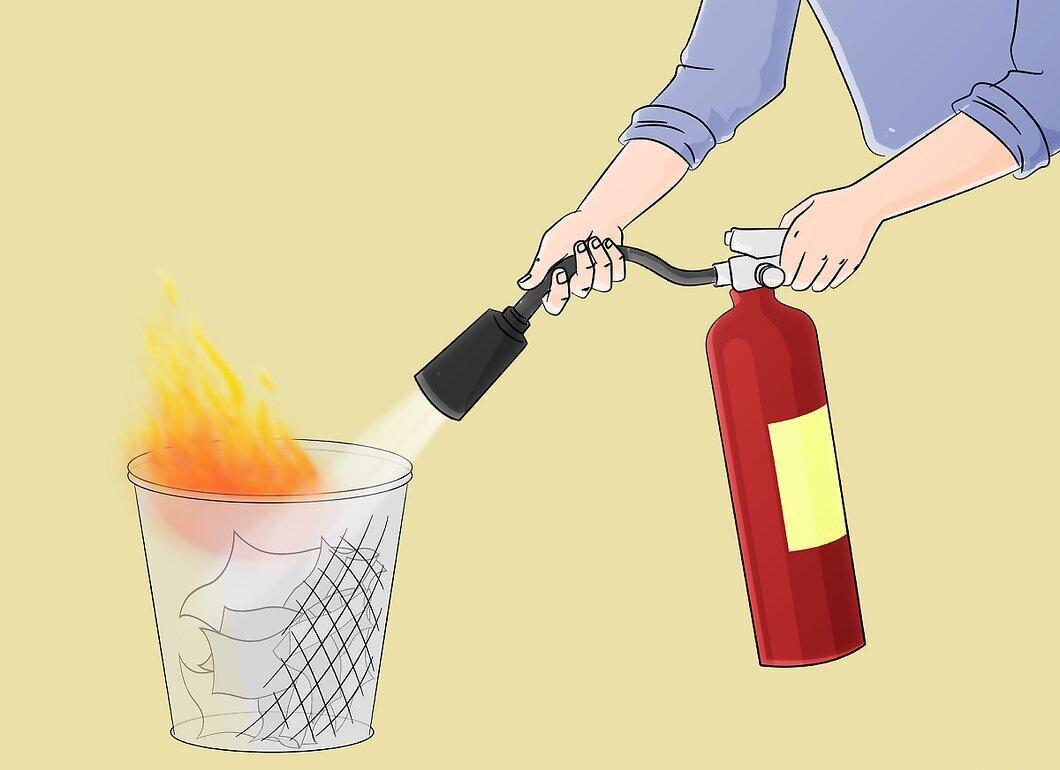
Contain the fire. Only small fires can be extinguished with a fire extinguisher due to its limited capacity. For example, a burning trash can, pot, or television.
- If the fire has spread over a large area, the extinguisher may simply lack the power to handle it.
- Assess the situation beforehand. There’s no point in trying to extinguish a burning piece of paper or an entire room with a small extinguisher. If the fire has spread, it’s better not to attempt anything on your own; evacuate and wait for rescue. Reckless heroism can backfire, and you may succumb to smoke or carbon monoxide without managing to extinguish anything.
Step 4: Ensure the Extinguisher is Suitable for the Type of Fire
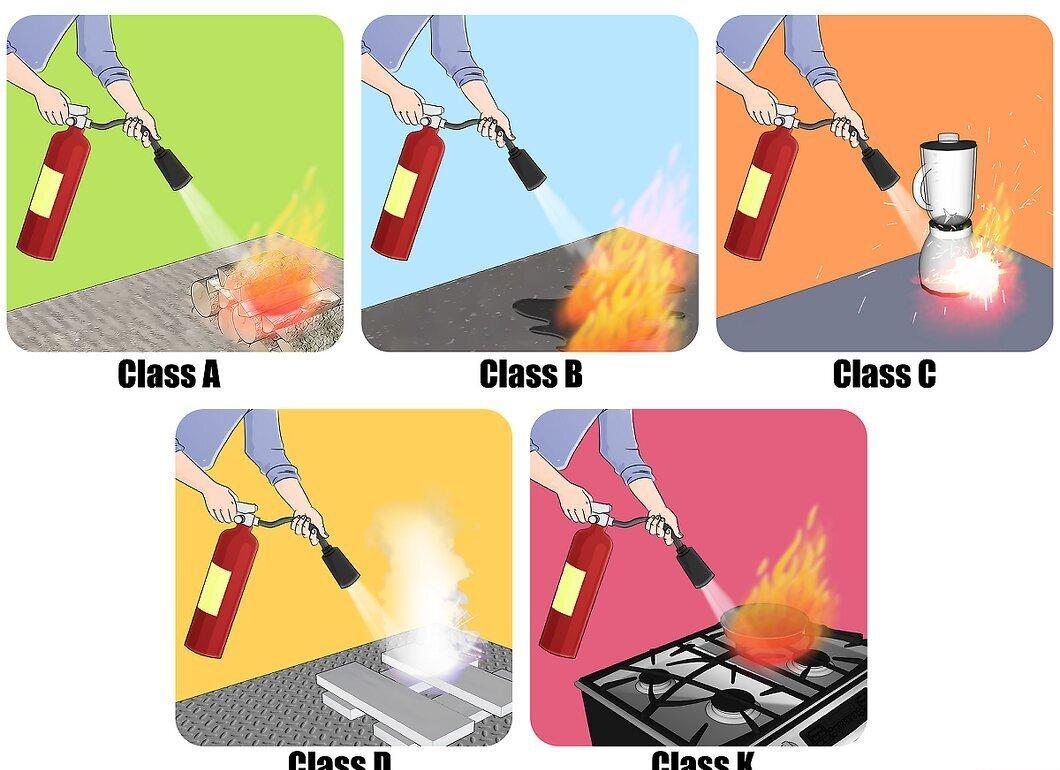
Ensure the fire extinguisher is suitable for the specific type of fire. Fire extinguishers can be foam, water, CO2, or powder-based.
- Powder extinguishers are used for fires classified as A (solid materials), B (liquids), C (gases), and electrical equipment up to 1000V. They are unsuitable for materials that can ignite without access to air (alkali metals, etc.).
- CO2 extinguishers are generally used in the same cases as powder extinguishers and for electrical equipment up to 10 kV. The advantage of this type is that it leaves no residue after extinguishing (unlike powder extinguishers).
- Foam extinguishers are used against fires classified as A and B (wood, paints, flammable liquids) but should not be used on live electrical equipment or alkali metals.
- Water extinguishers are mainly used for fires involving plant materials (like forest fires). They should never be used on live electrical equipment!
- Review the labeling on the extinguisher to determine if it can be used for the specific case.
Step 5: Prepare the Extinguisher
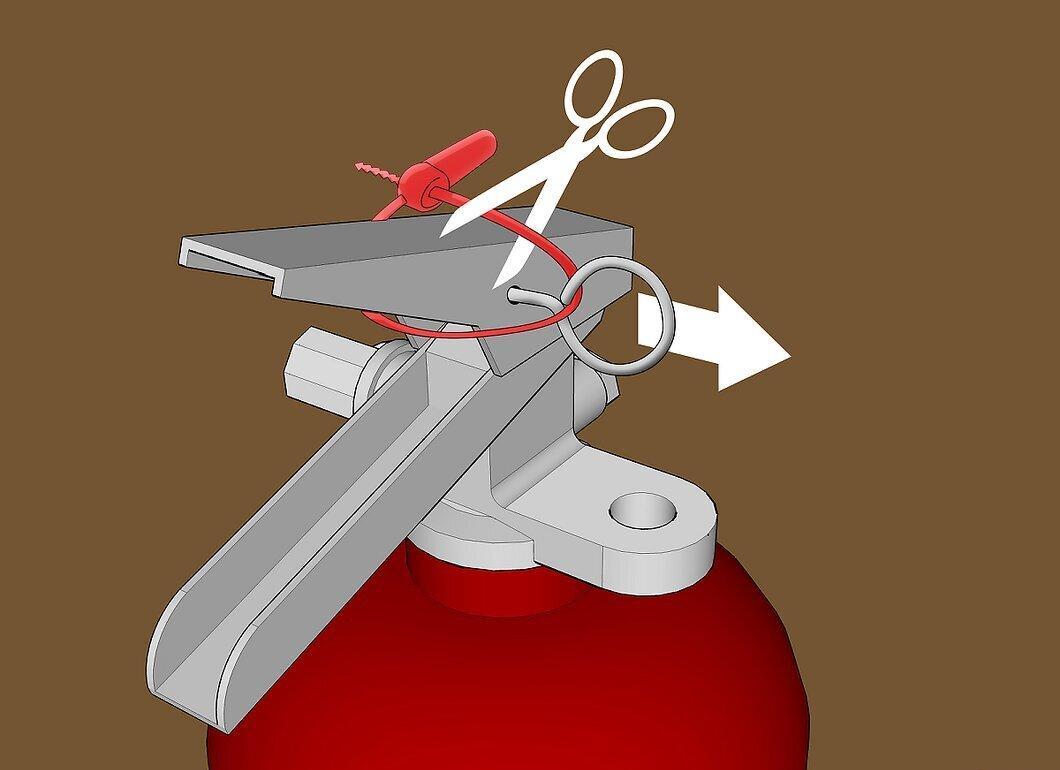
Prepare the extinguisher. Usually, a metal ring (a sort of pin) is used as a safety device. Remove the pin to allow for operation.
- The extinguisher may have graphical or textual instructions for use. Make sure to familiarize yourself with them, preferably in advance.
Step 6: Aim at the Fire Source
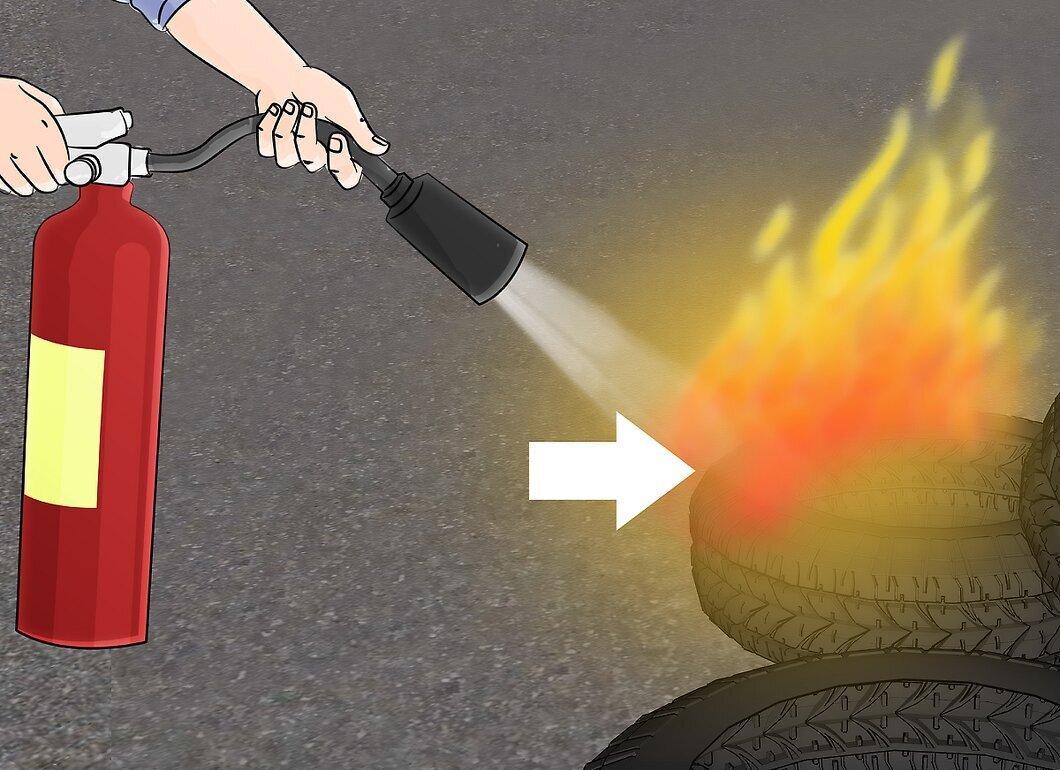
Aim at the fire source. You need to extinguish the item that is the source of the fire—whether that’s a tire, log, or paper basket. Cut off the fire from its source.
Step 7: Move
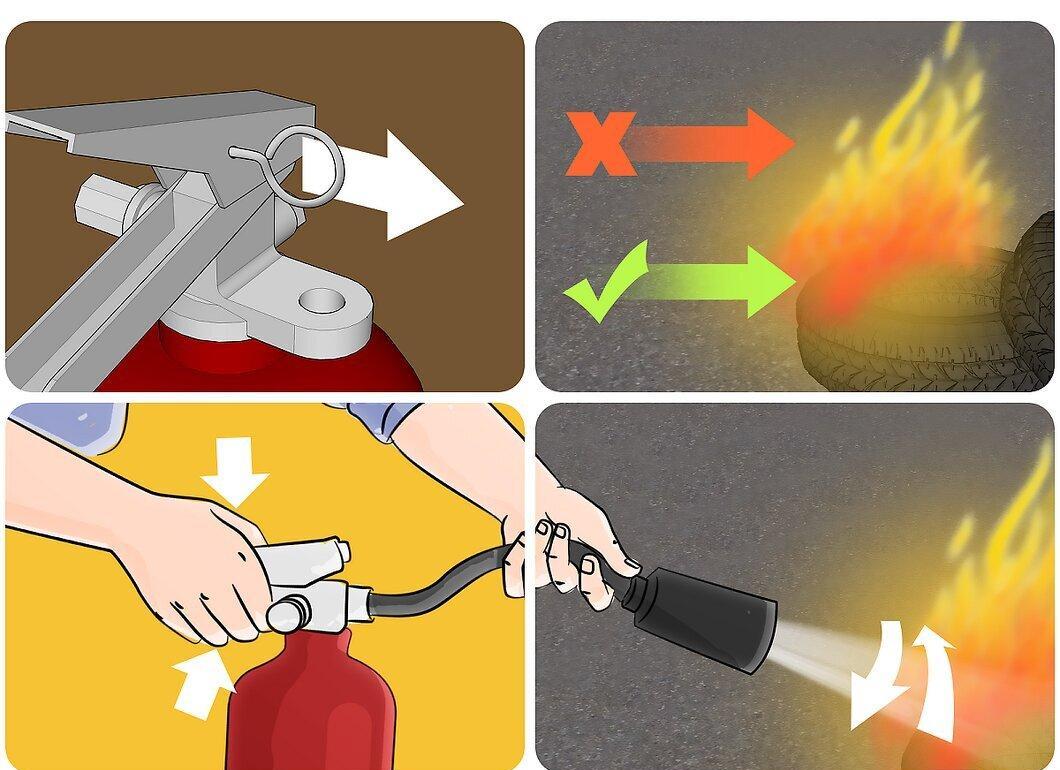
Move. Don’t stay in one position—swing the extinguisher’s nozzle to cover the fire source as quickly as possible.
Step 8: Time
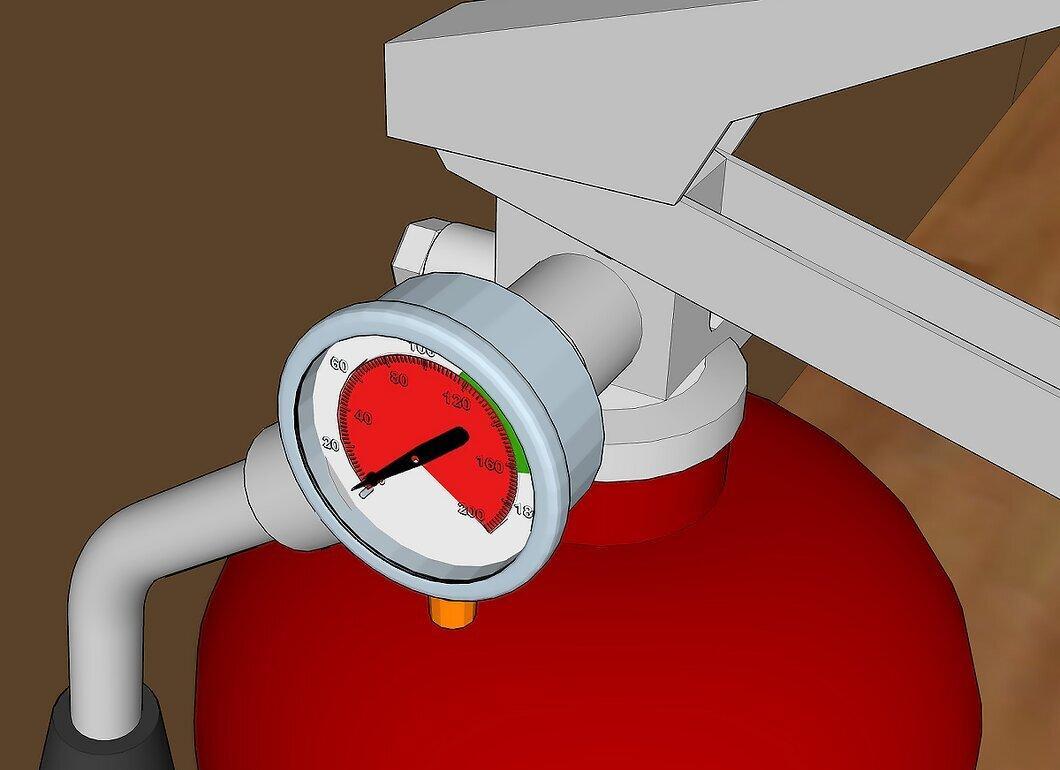
Time. Standard fire extinguishers have a limited supply of agent—usually enough for about 10 seconds of discharge.
- Use it wisely, without wasting it.
- If you see that you won’t have enough agent to extinguish the fire, evacuate.
Step 9: Don’t Leave the Extinguished Area Unattended to Prevent Reignition, Ensure There’s No Threat
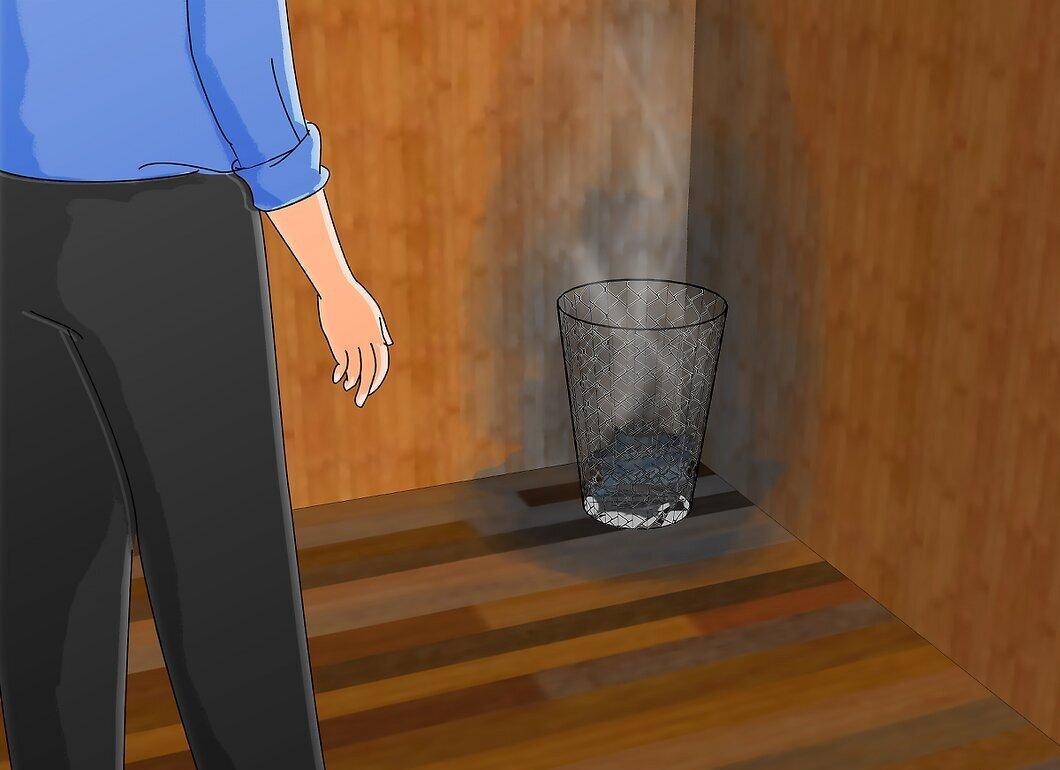
Do not leave the extinguished area unattended to prevent reignition; ensure there’s no remaining threat. If everything is in order, and you’ve called for help, wait for their arrival and start cleaning up.
Step 10: Recharge the Extinguisher
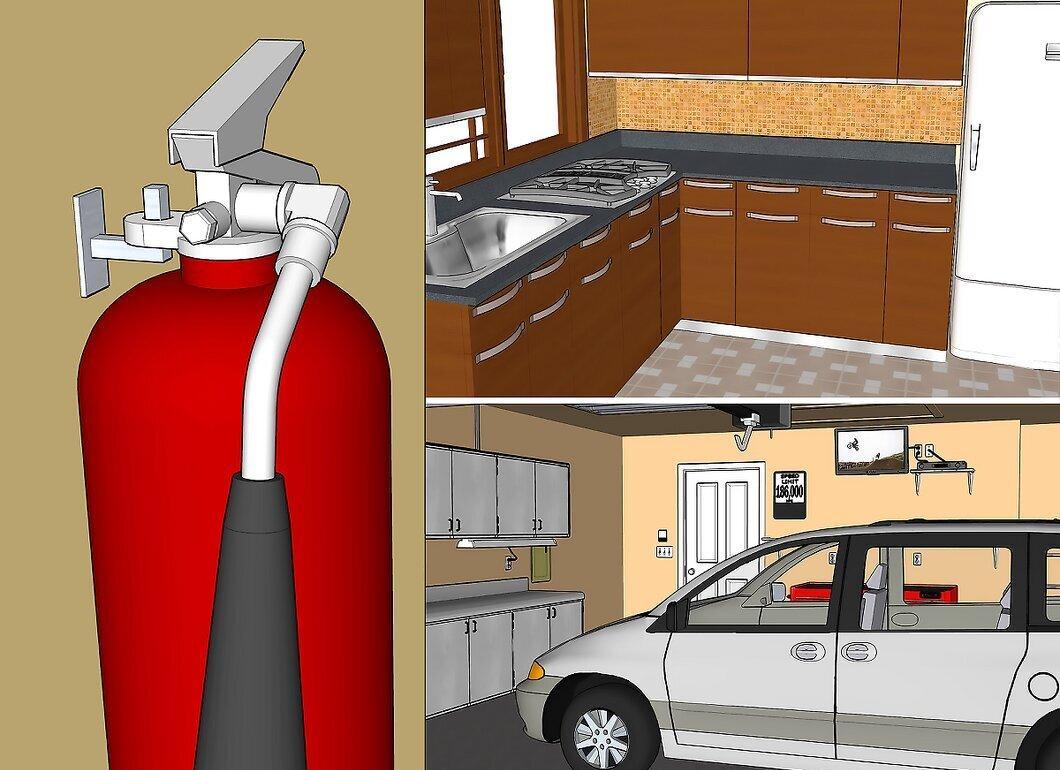
Recharge the extinguisher, or purchase a new one. Even if you used only half of it, next time you may not have enough left.
- The extinguisher should be easily accessible—mounted on a wall, in a fire cabinet, or on the floor.
- It’s a good idea to have an extinguisher in the kitchen.
- Fire extinguishers should also be available in vehicles—whether it’s a car, airplane, or boat.
- Ensure your loved ones know how to use a fire extinguisher.