Meteors, also known as "shooting stars," are small fragments of cosmic debris that light up as they enter the atmosphere of our planet. This occurs when Earth passes through the orbit of a comet. When many meteors appear to originate from a specific area in the night sky, this phenomenon is called a meteor shower. Watching meteor showers is an exhilarating experience, and fortunately, such events can be predicted. You only need to keep an eye on the meteor shower calendar and hope for good weather, as well as prepare everything you need for the observation.
How to Choose the Best Time and Place for Observation
Step 1. Know When and Where to Expect the Meteor Shower.
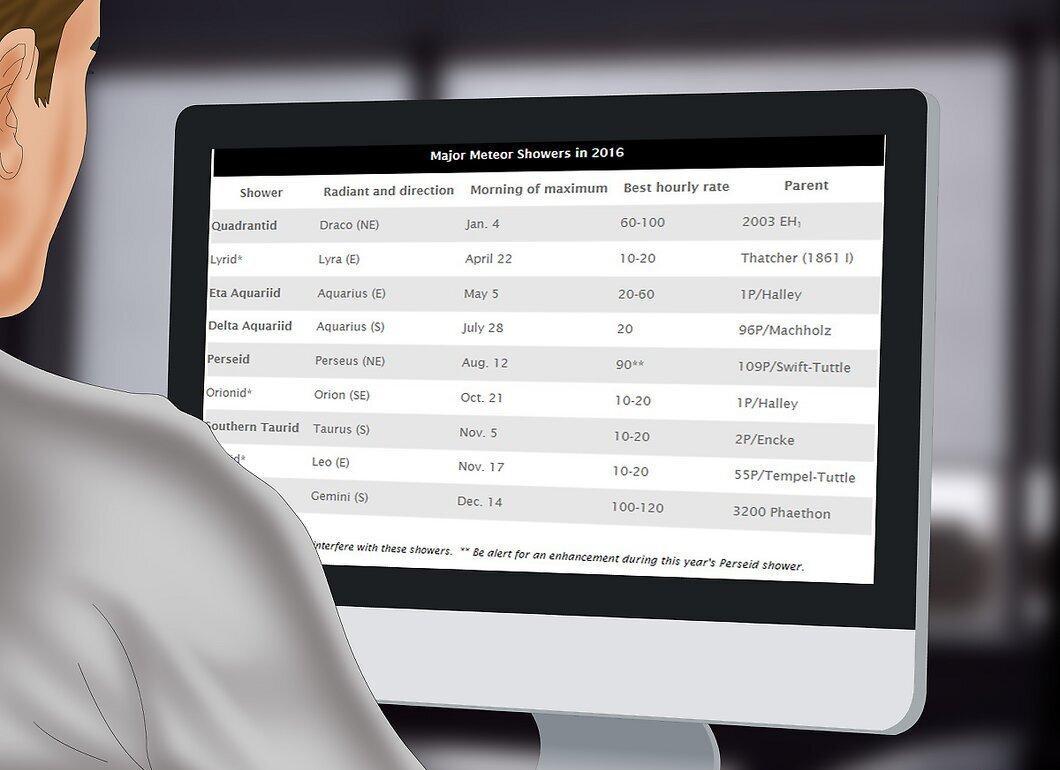
Find out when and where in the sky the meteor shower will be visible. Both the timing and location of meteor appearances are predictable. Look for an online meteor shower calendar to see which meteor showers are expected in your area soon.
- Meteor showers always originate from a specific area in the sky known as the "radiant." The name of the shower is usually derived from the constellation in which this radiant is located.
- Meteor showers can occur at any time of the year, but the highest activity is typically observed in November. Meteors can appear at any time during the night; however, planning your observations according to the calendar will significantly increase your chances of seeing shooting stars.
- The table above lists the most well-known meteor showers for the Northern Hemisphere. However, peak activity dates may vary from year to year.
Step 2. Check the Moon Phase.
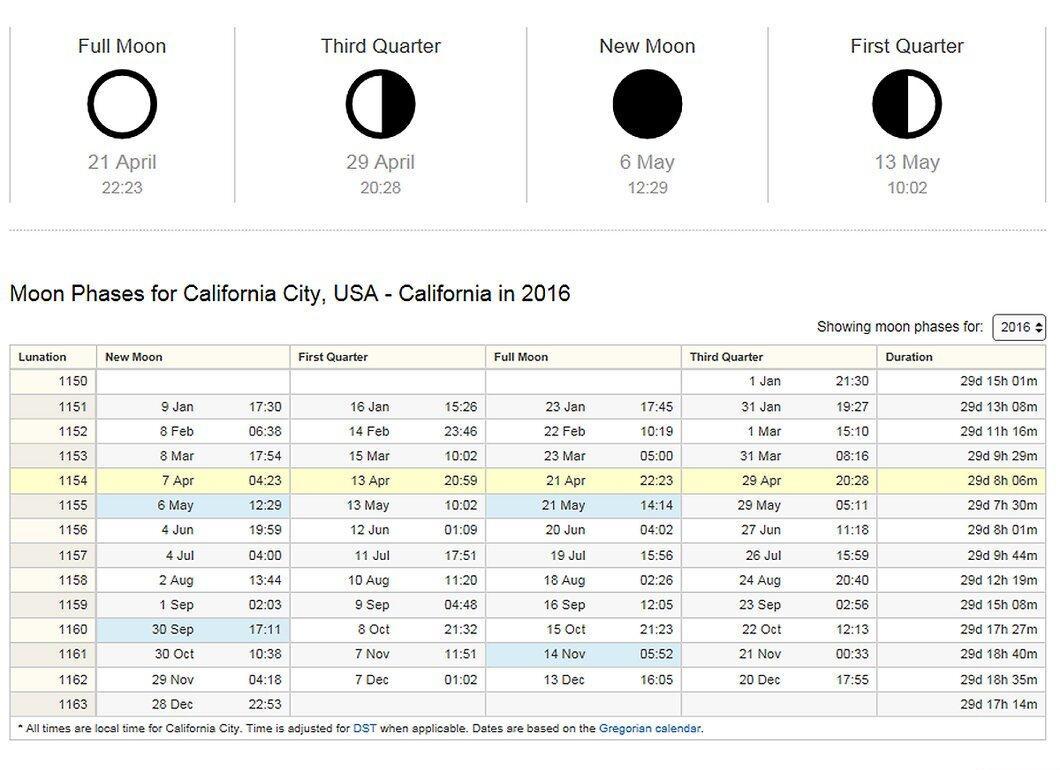
Before preparing for the meteor shower that will be visible in your area, make sure to check the moon phase on the night of observation. If the moon is too bright, you risk missing the meteors.
- Avoid observing during a full moon or on nights when the moon significantly brightens the sky.
- The optimal time to observe is between the new moon and the first quarter, when the moon reflects minimal light and sets before midnight.
Step 3. Ensure Clear Weather.
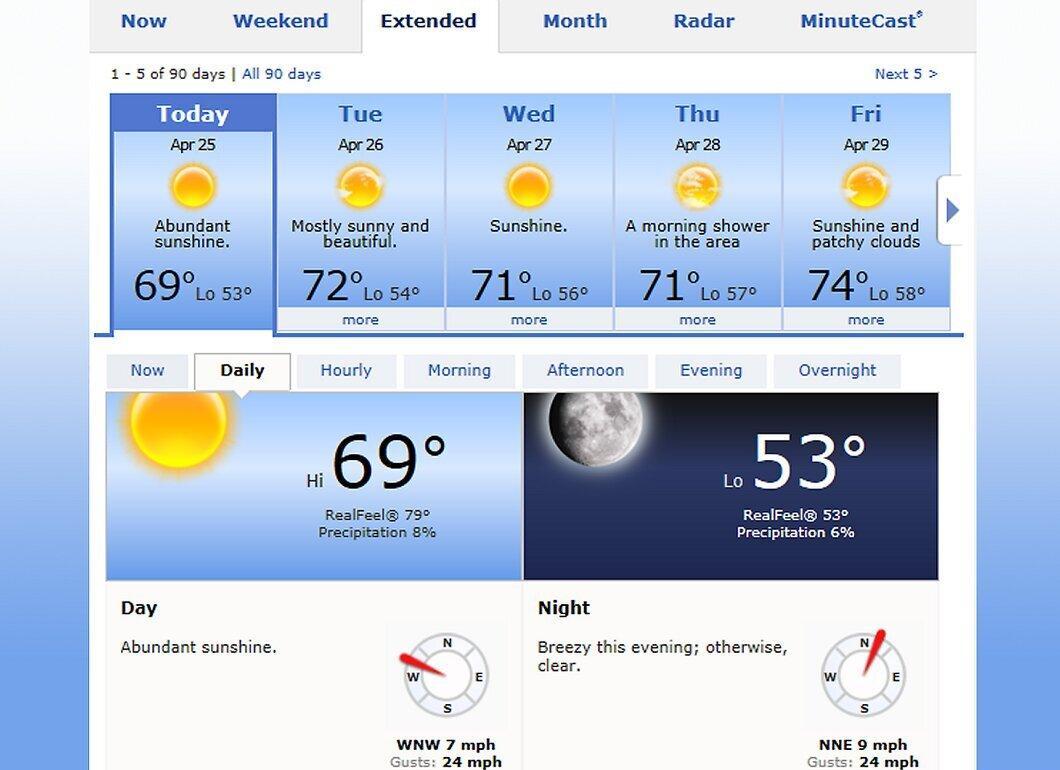
Don't forget to check the weather forecast for the night you plan to watch the meteor shower. Inclement weather can ruin your plans.
- The best conditions for observation are dry and clear weather. Clouds can obstruct your view of the meteors.
- If rain or snow is expected, your chances of seeing anything will be very slim, and waiting outside in such conditions will be quite uncomfortable.
Step 4. Be Prepared to Stay Up Late or Wake Up Early.
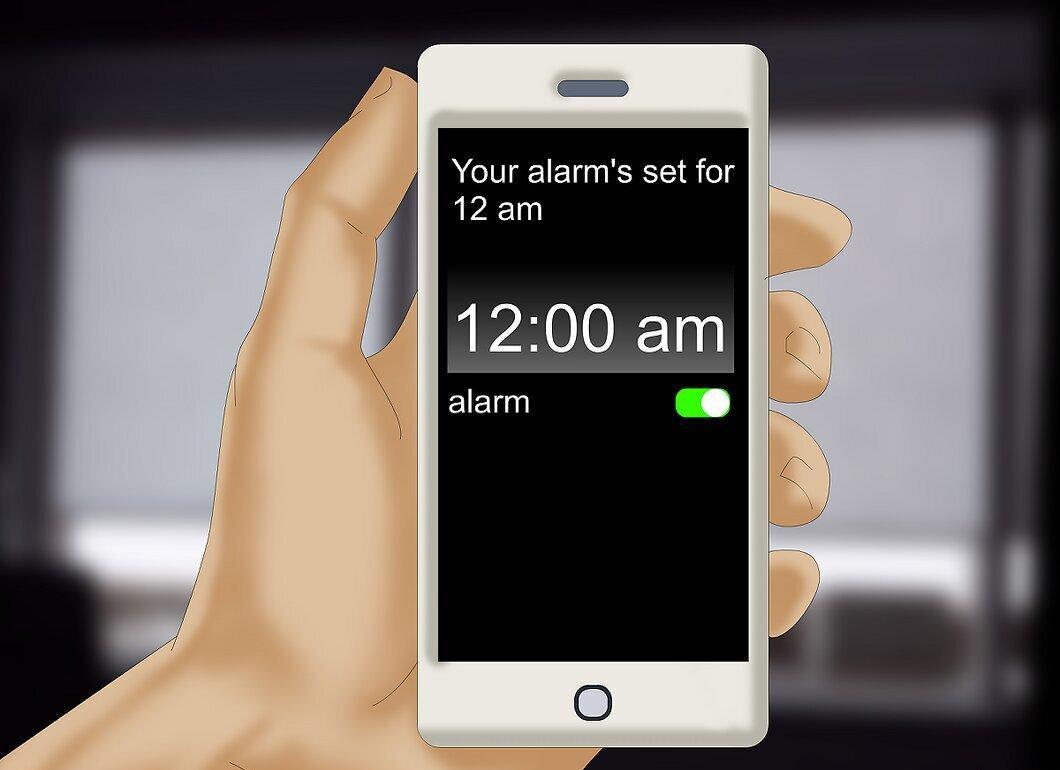
If the moon phase and weather are favorable, find out the best time to watch. Typically, meteor showers peak between midnight and dawn, so be prepared to stay awake during this time.
- Try to take a nap during the day if you plan to watch the sky for more than an hour.
- Set an alarm if you decide to take a short nap in the evening. It would be a shame to miss the meteor shower.
Step 5. Find an Open Space.
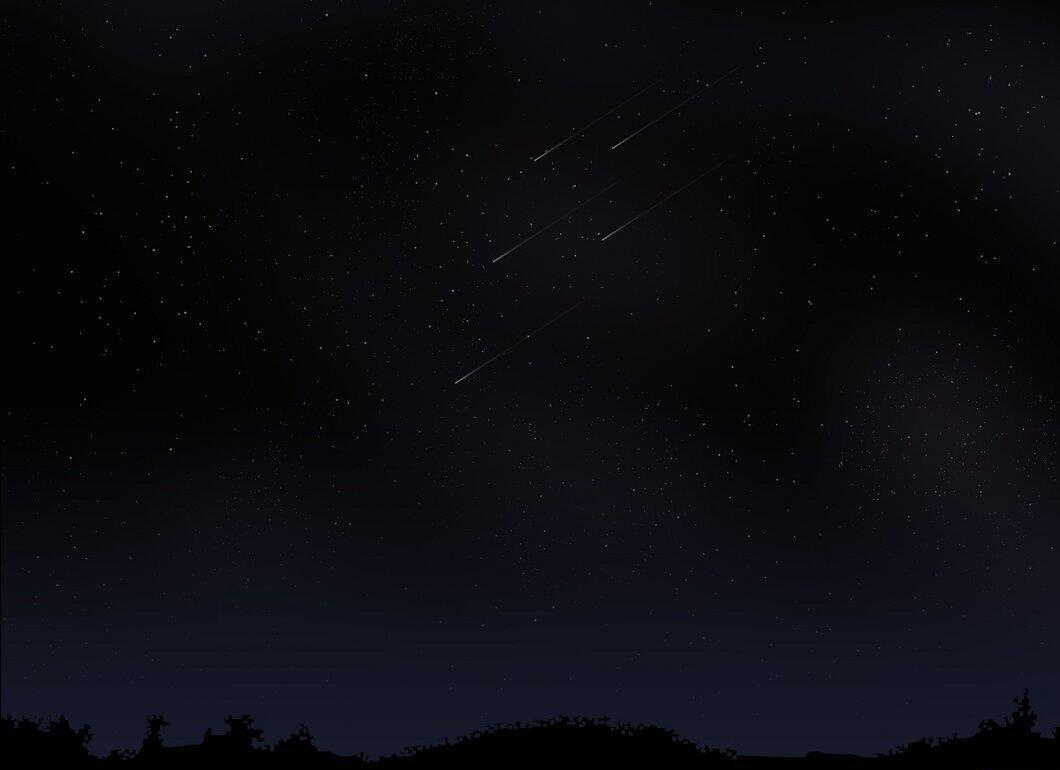
Choose a location with a good view of the night sky for meteor watching. Look for a spot that is free of buildings or trees nearby.
- Parks can be a great option if they have few trees.
- It's best to select a suitable place in advance so you can observe from the optimal spot.
Step 6. Find the Darkest Location Possible.
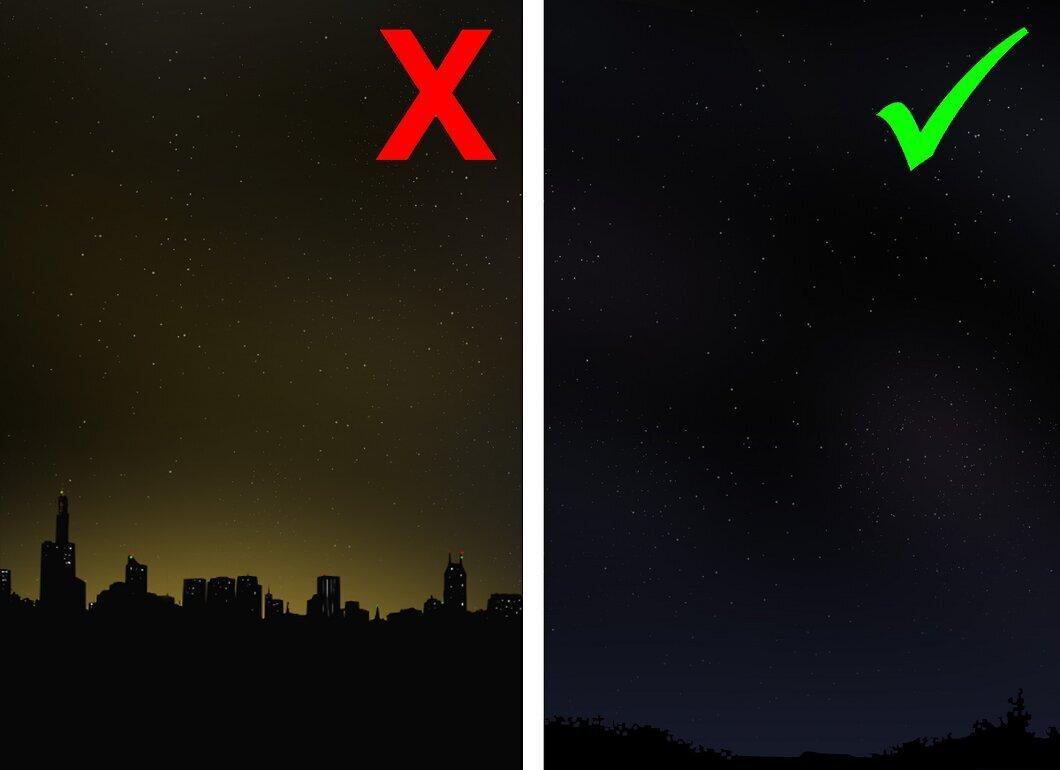
Ensure that your chosen observation spot is as far away from light sources as possible. Light from buildings, cars, and streetlights can severely hamper your visibility of meteors.
- If you live in a city, you may need to travel outside its limits to find a suitable location. The more regular stars you see in the sky, the better for your observation.
Watching the Meteor Shower
Step 1. Make Yourself Comfortable.
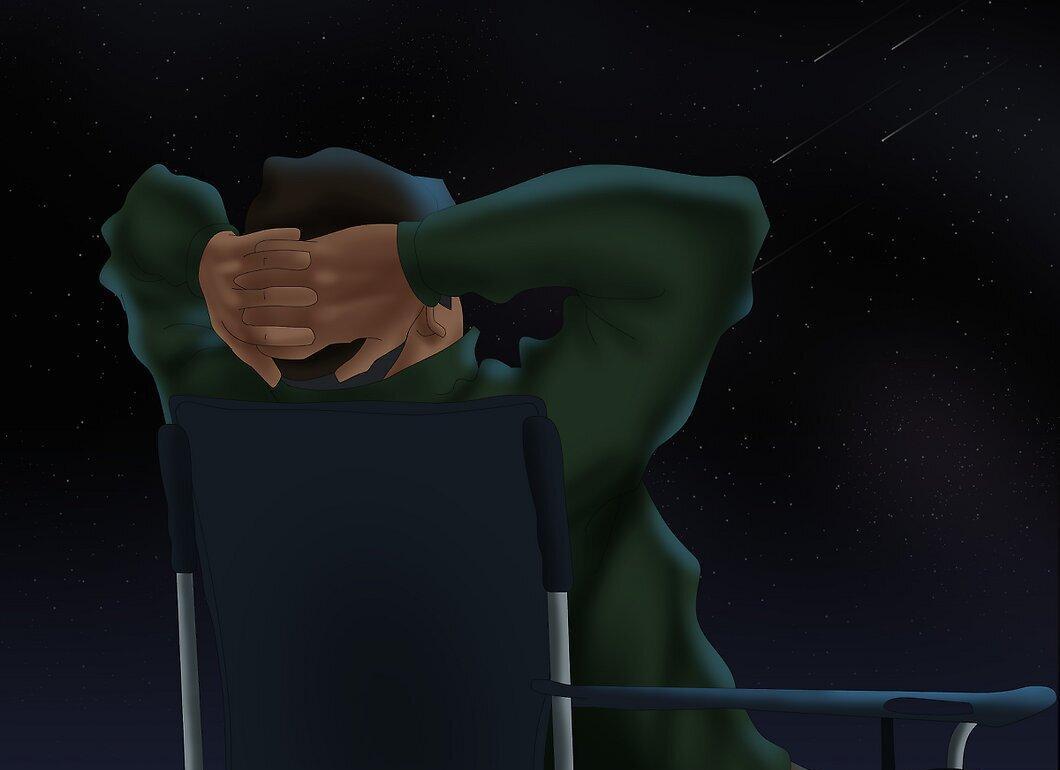
To see the meteor shower, you will need to spend a lot of time outside, so it's essential to take care of your comfort. Watching the stars will be much more enjoyable if you prepare everything in advance.
- It can get cold at night (depending on the season and your location), so dress warmly. It would be wise to bring a warm blanket and hot drinks.
- Regardless of the season, consider bringing a folding chair. This way, it will be more comfortable to look up at the sky.
- Don’t forget to bring some snacks for a late-night picnic during your observations.
Step 2. Prepare Optical Instruments.
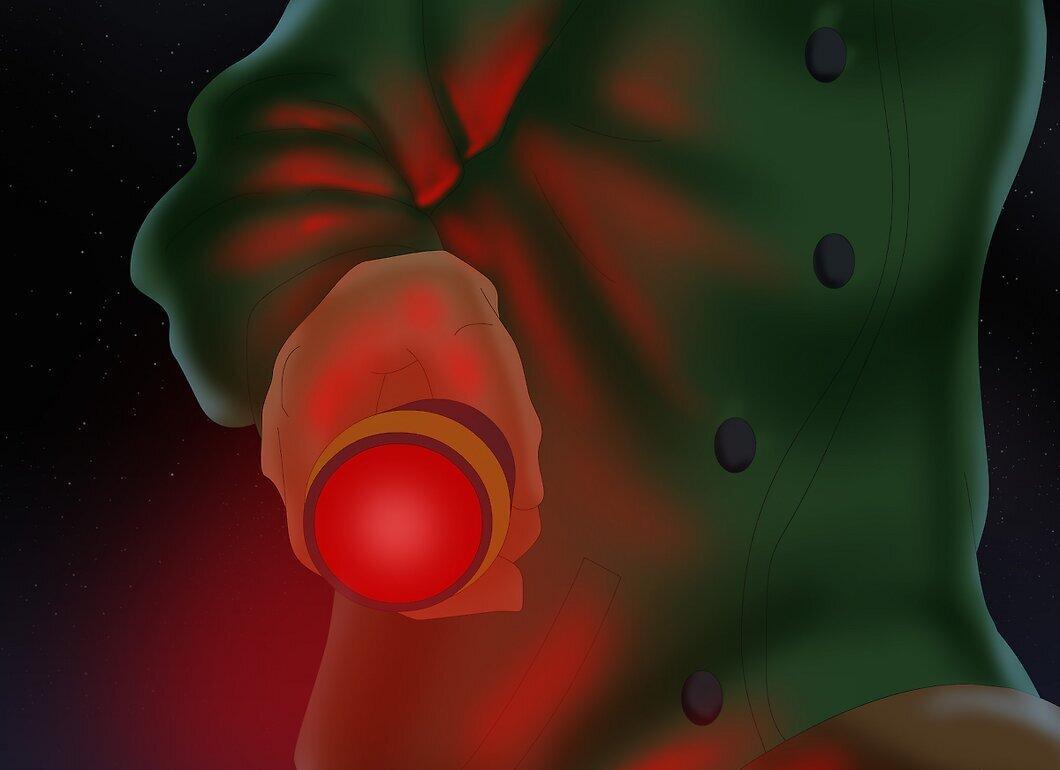
In most cases, meteors are visible to the naked eye, so special equipment is not necessary. However, if you wish, you can bring binoculars or a telescope, but remember that they limit your field of view. This may reduce your chances of seeing meteors, but if you're lucky, you may get a better look at them.
- It's useful to have a red flashlight to see where you're going without ruining your night vision.
Step 3. Determine Where to Look.
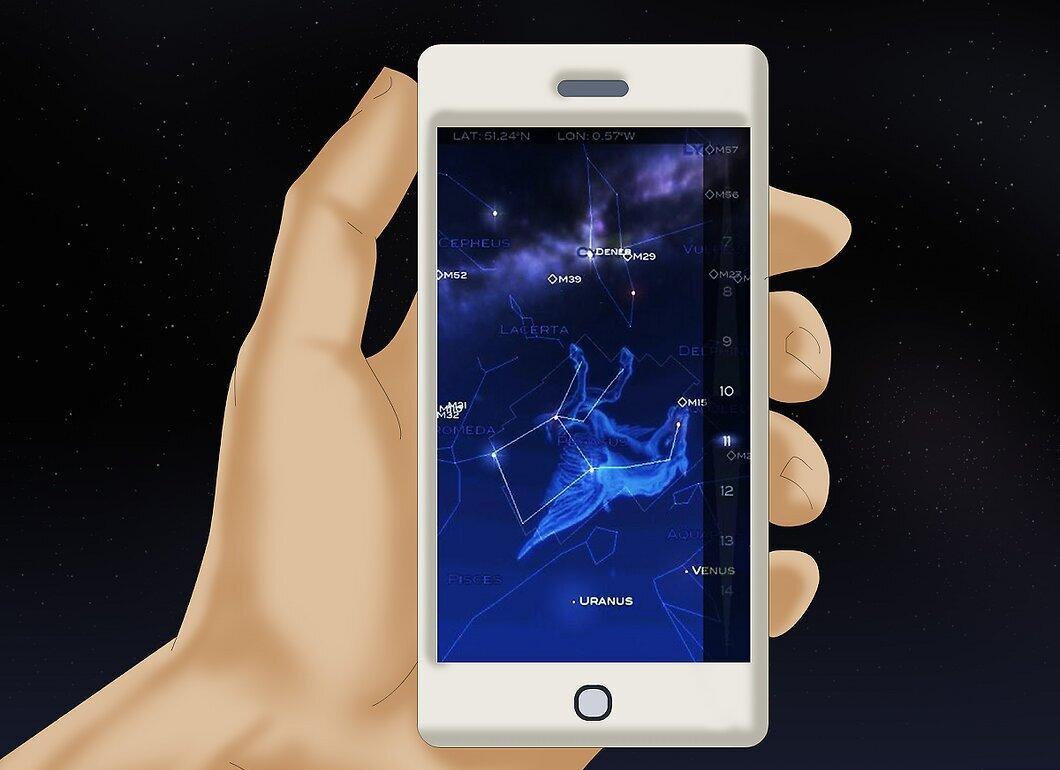
When observing meteor showers, keep an eye on the relevant radiant. A table showing the constellations of radiants will help you understand where to look in the sky. Remember that meteor showers are usually named after the constellation in which the radiant is located.
- Relax your gaze and don’t focus solely on the constellation. This will allow you to cover a larger area of the sky and increase your chances of seeing meteors with your peripheral vision.
Step 4. Record Your Observations.
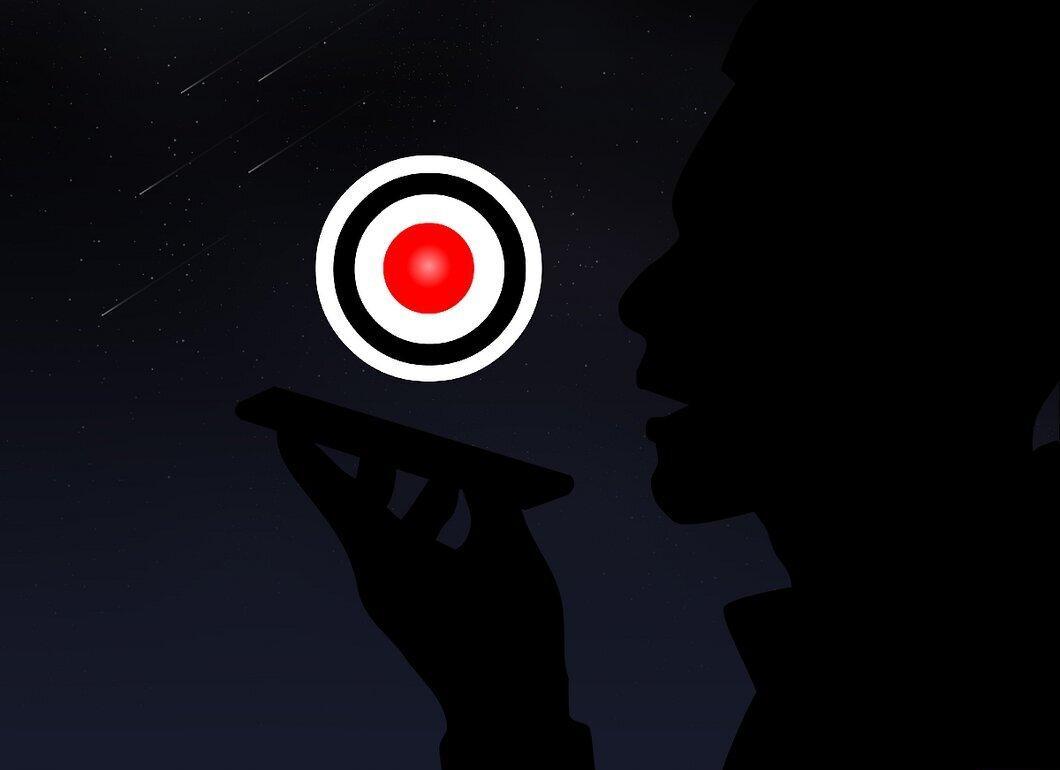
Try to keep track of your observations. Many astronomers enjoy noting what they see during a meteor shower. There are several ways to do this, depending on your preferences.
- You can simply write down the number of meteors on paper. You can count meteors from the shower separately from those that are unrelated to it. If you plan to write, you will need a red flashlight for better visibility.
- If you don’t want to distract yourself from observing, use a voice recorder or your phone to note your observations. You can later transfer your notes to paper.
- If you have a digital camera with good optics, try photographing the meteors, but it’s best to research how to properly shoot the night sky in advance.