
A solid business plan is essential to lay the groundwork before starting your agricultural venture, regardless of your preparation level. In today's world, livestock farming is more complex and volatile than it was a century ago. This shift is due to market changes, high costs, low profit margins, various cattle breeding methods, and the existence of specialized markets.
Part 1
Step 1: Gather Your Materials

Gather paper, a pencil, or a computer with Microsoft Word, OneNote, or a similar text program. This will allow you to write or type everything that comes to mind, including your goals and aspirations for starting your livestock business.
Step 2: Start Brainstorming
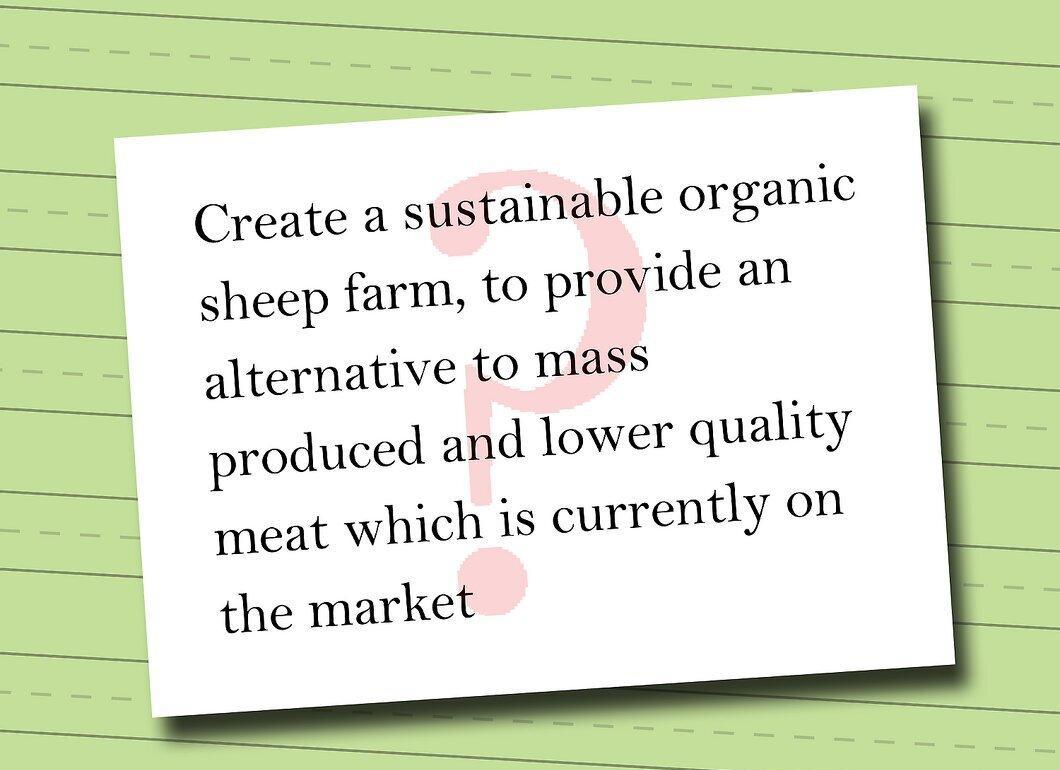
Start brainstorming. Your business plan doesn’t have to be a fancy, grammar-perfect essay; it's not about spelling or writing skills here. Create a list of what you want to do, how you want to do it, and what steps you'll take to make it happen.
- Focus your brainstorming on your goals and objectives. It will be much more effective to launch any business with a clear aim rather than vague ideas of "doing something." This is simply not enough and certainly won’t move you forward!
- While considering your goals, remember that strategy is not the same as marketing. Your business strategy involves how you will demonstrate your effectiveness to your clients (your "value proposition") and how you plan to convince potential customers of what they can gain from you, reporting as a producer (or what sets you apart from other farms), and why you can do it better than other producers (anatomy of performance). Marketing comes after.
Step 3: Conduct a SWOT Analysis

Conduct a SWOT analysis. SWOT is a popular tool used in companies and economics to identify Strengths, Weaknesses, Opportunities, and Threats. Strengths and weaknesses are internal or manageable characteristics of the business. Opportunities and threats are external factors that highlight gaps in your business or industry control. To create a SWOT analysis, make a table with four columns labeled: Strengths, Weaknesses, Opportunities, and Threats. Place these titles at the top of each column. Alternatively, if you think this will be too tedious, you can also use separate pages for each factor. Perform an internal SWOT analysis. Ask yourself what you excel at and what needs improvement, what you can do.
- This analysis is simple and flexible to use, as it can help you analyze yourself, your business, or the industry you wish to enter.
- These four strategic planning factors should tell you everything you can and cannot do, where you might need assistance from more professional and knowledgeable individuals, what you need to study, what problems and limitations you may face in the agricultural business, and what will enable you to be successful and profitable. Remember that there are two forces that will impact you, and you will need to analyze them: Internal forces are those you control,
- External forces are those you do not control, such as weather, topography, and soil type for breeding, local, national, and international industry issues, market prices, product demand, and consumer preferences.
- Also analyze your farm, the land it sits on, and your family. Consider similar questions with your family, discuss what can be done to encourage and teach children to be interested in your work, etc.
- The more research you conduct at this stage, the more knowledgeable you will be when facing unexpected challenges. When you finally start your business plan, you should be aware of the pitfalls, difficulties, and be competitive in various agricultural operations.
Step 4: Create a Four-Column Chart
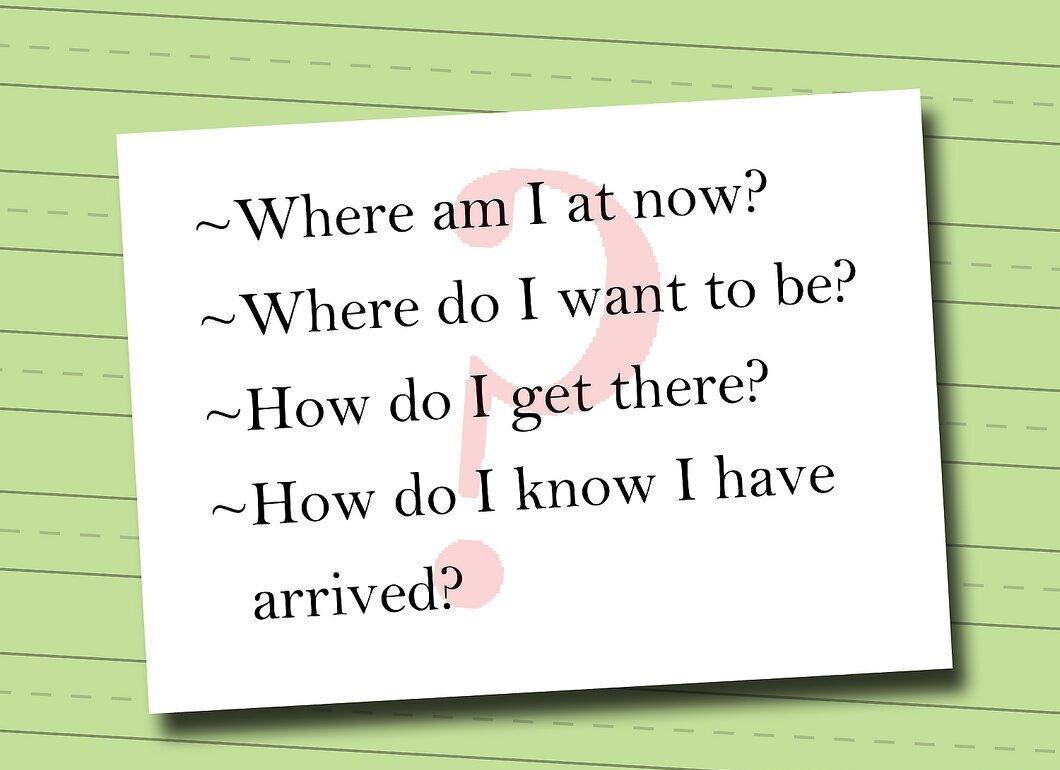
In a separate chart, create four columns labeled "Where I Am Now," "What I Want to Achieve," "What I Am Doing to Achieve This," and "How I Will Know I Have Achieved It." Again, hold a group discussion about your path. If you only come up with one or two points, that's fine, but to decipher these four questions, it's best to get help answering them. Here are some aspects to consider when answering these questions: What am I doing to achieve this? This is an important part of the business plan because this is where you write down how you intend to achieve your goals in the best way for yourself, your family, and your business. Brainstorming is the main tool used here, as you will always have backup plans B, C, D, etc., in addition to plan A.
- Where am I now? Include SWOT analysis (see previous step) for areas such as customers, operations, human resources, and finance. If you don’t have a business, the SWOT analysis mentioned in the previous step is great.
- What do I want to achieve? This question reveals all your goals for the next 3 to 5 years. Include goals related to financing, marketing, herd health, breeding, birth, weaning, selection, sales, culling, supply management, cost analysis, etc. This question can be discussed with family to uncover business objectives. When discussing family goals, have each family member write down their goals independently without discussing them, then review them together after they have been written.
- Business goals are mostly focused on the farm unit as an enterprise; examples include maximum debt load, potential ownership, or management of x number of acres, etc.
Step 5: Start Writing Your Business Plan
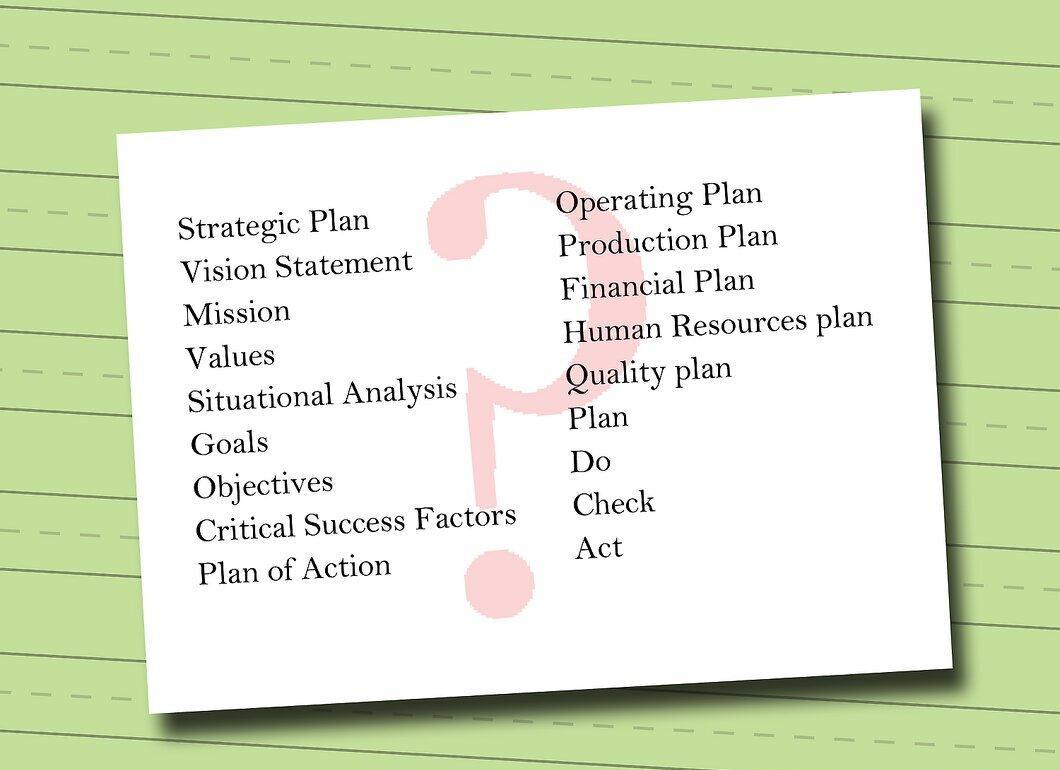
In a text file (if typing on a computer) or on a sheet of paper, start writing your business plan. Create your business plan by outlining three main plans: a strategic plan, an operational plan, and a succession plan. The action plan is where you outline daily business operations, including what is done, how it is done, who does it, and when it is done. This plan is significantly shorter and usually revolves around the production cycle. There are four sub-plans that are important for this plan:
-
Production plan: What will be grown and processed for sale? For livestock producers, this includes two main components: animals and crop harvesting. In the case of animals, you deal with breeding, selection, care of newborns, and selection of cattle for health purposes. For plants, it includes the number of acres and varieties to be planted to sustain the herd (hay, silage, green grass, pasture, grain). Identify all types of enterprises on your farm.
-
Sales plan: Where and how will you sell your product? Remember, selling is just a way to dispose of what you have. When you sell, you should plan how to do it efficiently.
-
Strategic plan. This is what ties all thoughts, ideas, aspirations, and goals together, starting from steps 2-4. Essentially, the type of business plan you might see from other firms is as follows: The visible element is a report on what you or your business will look like in 5-10 years.
-
Mission: Defines or establishes the purpose that the organization is trying to fulfill in society. This report should briefly explain what the company does, for whom, and why.
-
Values: These are the common standards or guidelines that are important for family or non-family farms.
-
Situational Analysis: This is the process of identifying and understanding the business environment you operate in, both internally and externally. Step 3 is what is discussed in this part of the strategic plan.
-
Goals: What are the primary objectives you would like to accomplish over the next 3-5 years?
-
Aspirations: How do you plan to achieve these goals?
-
Key success factors: Areas of performance that are critically important to the long-term success of the organization, its development, growth, and achievement. For each KSF, you need to identify one or more key performance indicators (KPIs), which are metrics you will use to determine if you are achieving the KSF. KSFs are expressed as broad goal statements ("Maintain customer satisfaction"), while KPIs are more specific ("Reduction in customer complaints").
-
Creating an effective action plan: Strategies and actions that are designed to achieve the designated goal. In short, you should not focus solely on answering all the questions listed above. Instead, use the three simple questions from step 4 as a means to answer all eight of these standard business plan questions.
-
Production Plan: What will be grown and processed for sale? For livestock producers, this includes two main components: animals and crop harvesting. In the case of animals, you deal with breeding, selection, care of newborns, and selection of cattle for health purposes. In the case of plants, it includes the number of acres and varieties to be planted to sustain the herd (hay, silage, green grass, pasture, grain). Identify all types of enterprises on your farm.
-
Plan: Set goals for everything you intend to do, initiate mechanisms to achieve those goals, and monitor them for quality improvement.
-
Do: Execute the plan while gathering data on quality.
-
Check: Review results, metrics, and measurements; if improvements are needed, make sure to incorporate them into the plan.
-
Act: Implement improvements, and next time the outcome will be better.
Step 6: Identify Your Farm's Ownership Type
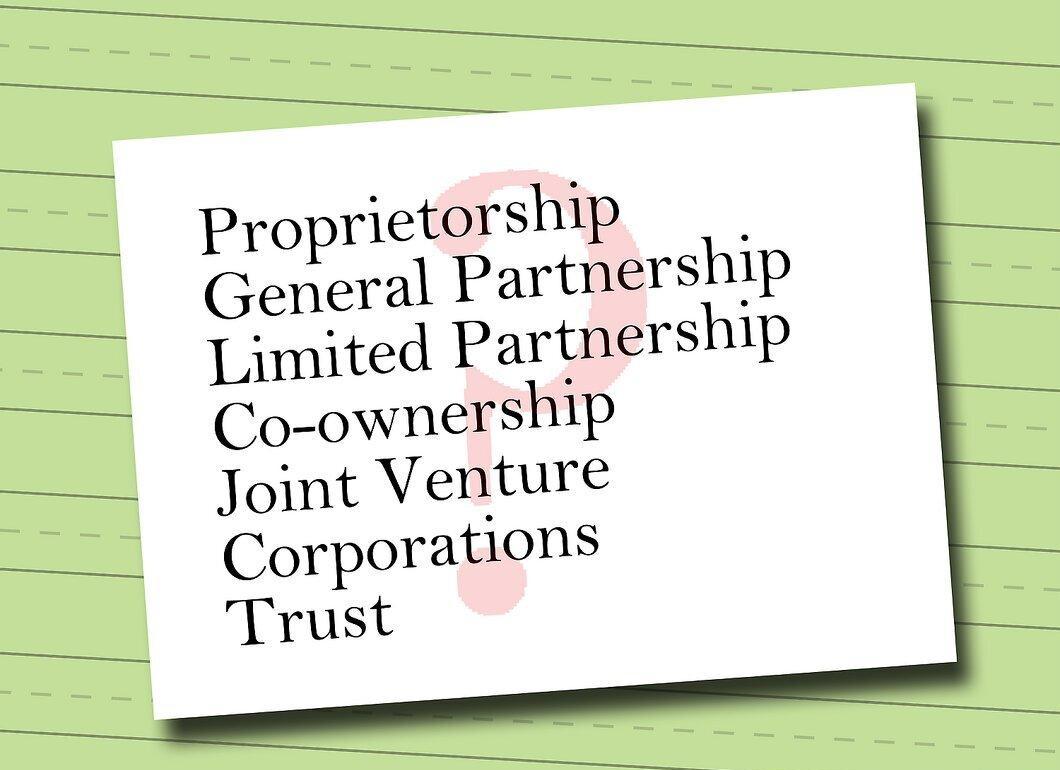
Identify the type of ownership for your farm. There are seven main types of ownership: Sole Proprietorship, Limited Liability Company (LLC), General Partnership, Cooperative, Corporation, or Trust. Here’s a brief overview:
- Sole Proprietorship: This is the simplest form of business organization. It requires just one person to manage everything. Prioritize your debts and the demands of your workers, as the owner is responsible for these. There are no legal issues, costs, or negotiations regarding your business, and you don’t even need to register your business name.
- General Partnership: This means the business is run by two or three people. The business must be registered if owned by more than one person, with each partner being liable for the company’s debts and obligations. This type of partnership automatically dissolves upon death or bankruptcy.
- Limited Liability Company (LLC): This is when one person is responsible for everything in the firm, and no more than three people invest in it. A limited partnership does not allow for any opponents; they can only review documentation and advise.
- Joint Ownership: This is when two or more people are co-owners.
- Joint Venture: Often used in farming, where a joint society is established between partners to create a limited commercial enterprise. This is primarily a temporary agreement between parties.
- Corporation: Created as a legal entity where ownership belongs to shareholders through stock rights. It is a separate legal entity not owned by shareholders. The liability of an individual shareholder is limited to their investment in the corporation unless the shareholder personally guaranteed the corporation's obligations. A corporation can serve as a very flexible basis regarding succession for the next generation. The owner can also transfer shares to employees for growth and profit without abandoning their stake.
- Trust: This is a relationship where legal ownership is separated from the principal mass.
Step 7: Connect Everything Together
Connect everything together. Don’t be afraid to make changes to your plan. A business plan is not a rigid, set-in-stone document meant to be established once and for all. Rather, it is a paper that can be modified as new ideas and challenges arise. Typically, a business plan should be reviewed from once a month to once a year to know what changes you’ve made.